






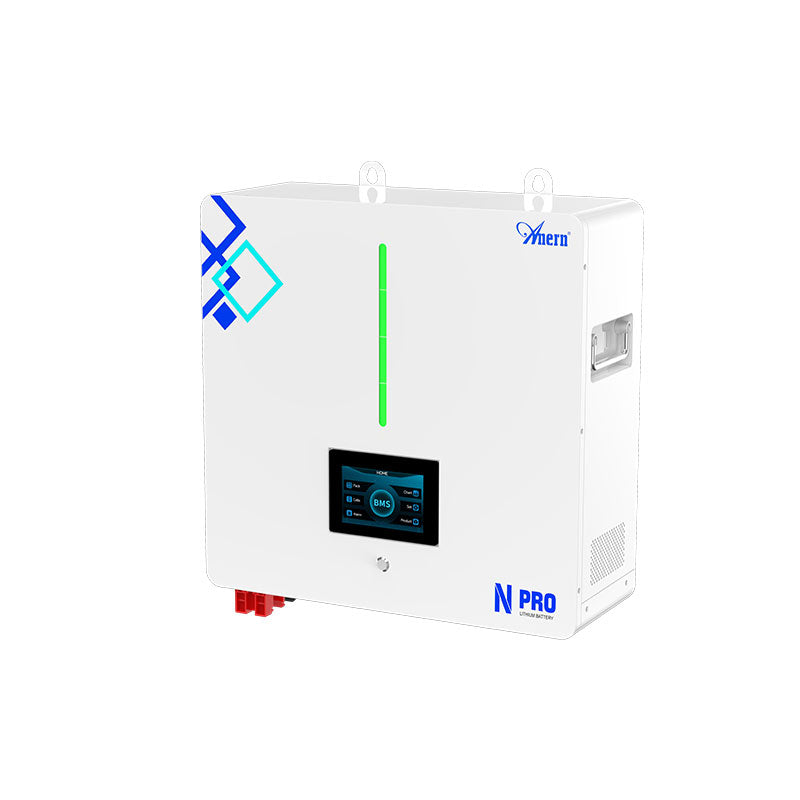

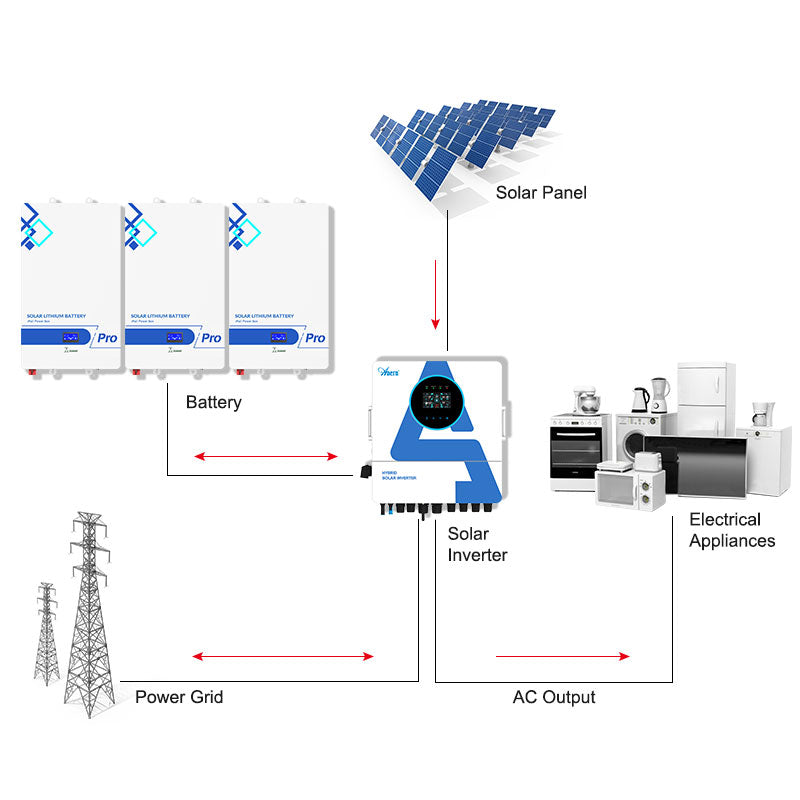
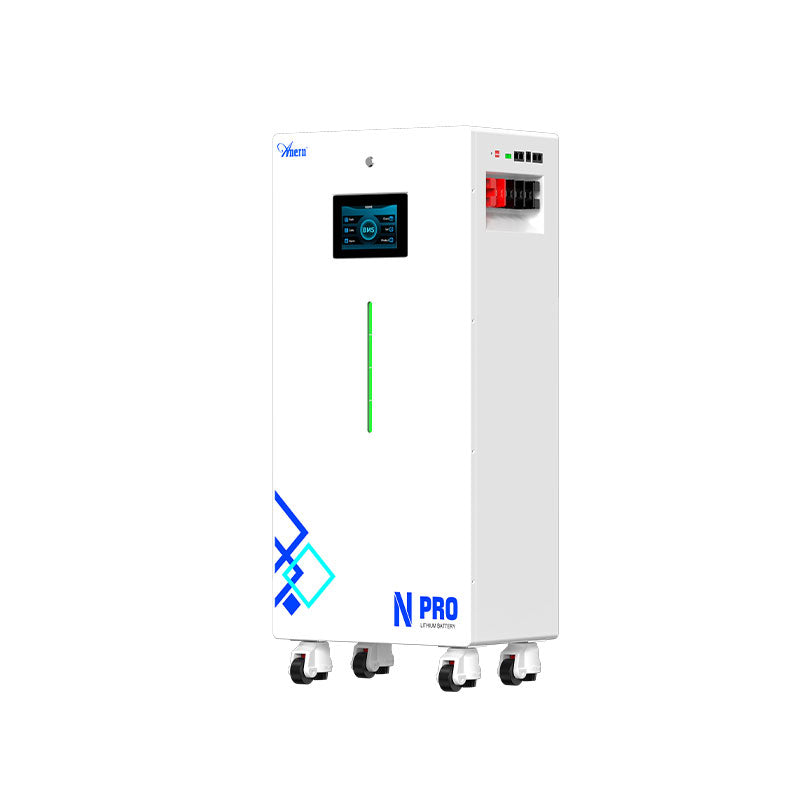




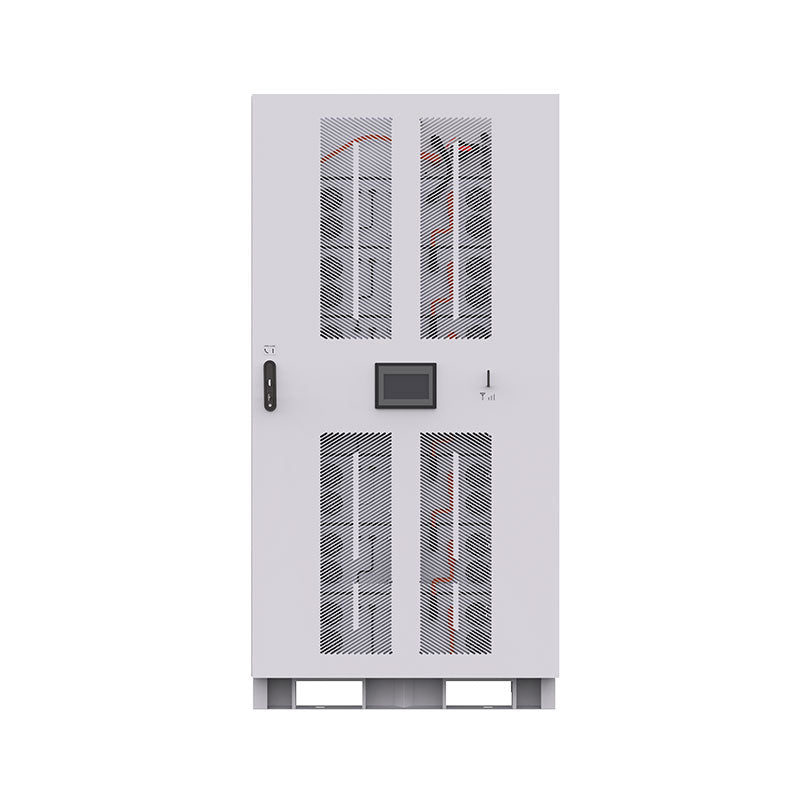


Lithium Iron Phosphate (LFP or LiFePO4) batteries are a leading choice for solar energy storage, prized for their safety and long lifespan. To truly capitalize on these benefits, it is important to understand how they age. Battery degradation is a natural process, but its rate can be managed. This analysis examines a specific aging scenario: how an LFP pack performs when consistently cycled by solar power within a narrow 60% to 80% State of Charge (SoC) window. The results offer valuable lessons for optimizing your own energy storage system.
The Fundamentals of LFP Battery Degradation
Battery aging is not a sudden failure. It is a gradual decline in performance. Understanding the mechanics of this process is the first step toward slowing it down.
What Is Battery Aging?
Aging in a battery primarily manifests in two ways: capacity fade and impedance increase. Capacity fade is the reduction in the amount of energy the battery can store. A new battery might hold 10 kWh, but after several years, this could drop to 8 kWh. According to research from the International Renewable Energy Agency, a battery often reaches its 'end of life' for demanding applications when its capacity drops to 70-80% of its initial state. Impedance increase, or rising internal resistance, makes it harder for the battery to deliver power, reducing its efficiency and performance under heavy loads.
Key Factors Influencing Degradation
Several operational variables accelerate battery degradation. The most significant are:
- Temperature: High temperatures are a primary catalyst for chemical breakdown inside the battery.
- Depth of Discharge (DoD): Routinely discharging the battery to a very low SoC causes more stress than shallow cycles.
- C-rate: High charge or discharge currents (high C-rates) generate more heat and strain on battery components.
- State of Charge (SoC): The charge level at which a battery rests or cycles also has a major impact. This case study focuses specifically on the effects of a controlled SoC range.
Case Study Setup: Simulating Real-World Solar Cycling
To test the effects of a specific usage pattern, we can model a common real-world scenario. This setup isolates the SoC variable to see its direct impact on LFP pack aging performance.
The Test Parameters
Imagine an LFP battery pack connected to a residential solar system. The system is programmed to operate within a specific state of charge window. For this case study, the battery is charged by solar panels during the day, but only up to 80% SoC. At night or during cloudy periods, it powers light household loads, but it is never discharged below 60% SoC. This creates a consistent, shallow cycling pattern. Other variables, such as ambient temperature and C-rate, are kept at moderate levels to isolate the effect of the SoC window.
Why the 60–80% SoC Window Matters
This narrow cycling range avoids two major stressors. First, it prevents the strain associated with deep discharges. Second, it avoids holding the battery at a 100% state of charge for long periods. While LFP chemistry is robust, keeping any lithium battery at a full charge can accelerate calendar aging—degradation that happens even when the battery is not in use. This study investigates the combined effect of very light cycling within a high, but not full, state of charge.
Analyzing the Aging Performance and Results
The data from this simulated scenario reveals a clear pattern of reduced degradation, highlighting the benefits of a controlled charging strategy for LFP batteries.
Observed Capacity Fade
An LFP pack cycled deeply, for instance from 100% down to 10%, might show significant capacity fade after 3,000 cycles. In contrast, the pack cycled only between 60% and 80% SoC shows remarkably slower degradation. The shallow 20% DoD cycle puts minimal stress on the battery's internal components. The table below illustrates this difference.
| Cycling Strategy | Depth of Discharge (DoD) | Estimated Capacity After 4,000 Cycles |
|---|---|---|
| Deep Cycling | 90% | ~80-85% |
| SoC-Controlled Cycling | 20% | ~94-97% |
Note: These are illustrative figures. Actual performance varies based on specific battery quality, temperature, and BMS.
Internal Resistance Trends
A rise in internal resistance reduces a battery's efficiency. In the 60-80% SoC cycling scenario, the increase in internal resistance is very gradual. This means the battery remains highly efficient, converting stored energy into usable power with minimal loss. For the system owner, this translates to more effective use of their stored solar energy over the battery’s entire life.
The Role of Battery Chemistry
LFP chemistry is uniquely suited for this type of application. Its stable phosphate-based cathode structure is less prone to the thermal runaway and structural stress seen in some higher-density chemistries like Nickel Cobalt Aluminum (NCA). This inherent stability is a key reason why LFP packs respond so well to thoughtful management strategies, delivering exceptional longevity.
Practical Implications for Your Solar Storage System
The findings from this case study are not just theoretical. They offer clear, actionable strategies for managing your own solar and storage installation.
Optimizing Your System's SoC Settings
If your primary goal is maximizing battery lifespan, especially in a system designed for backup power rather than daily grid arbitrage, adjusting your SoC settings is a powerful tool. By programming your inverter or charge controller to maintain the battery within a range like 50-85% or 60-90%, you can dramatically reduce degradation. This small adjustment can add years to your battery’s service life.
The Importance of a Smart Battery Management System (BMS)
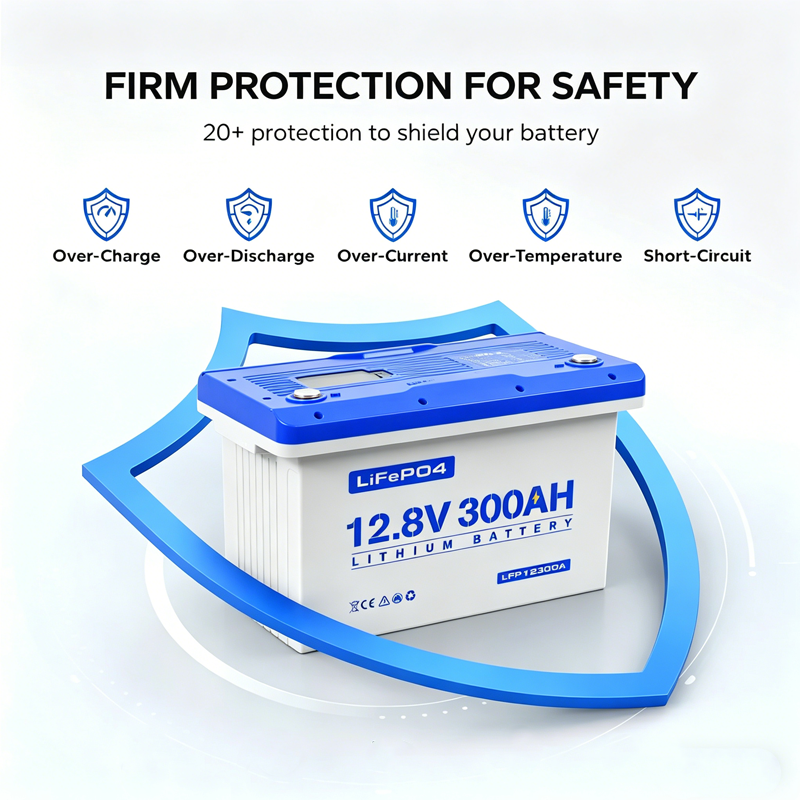
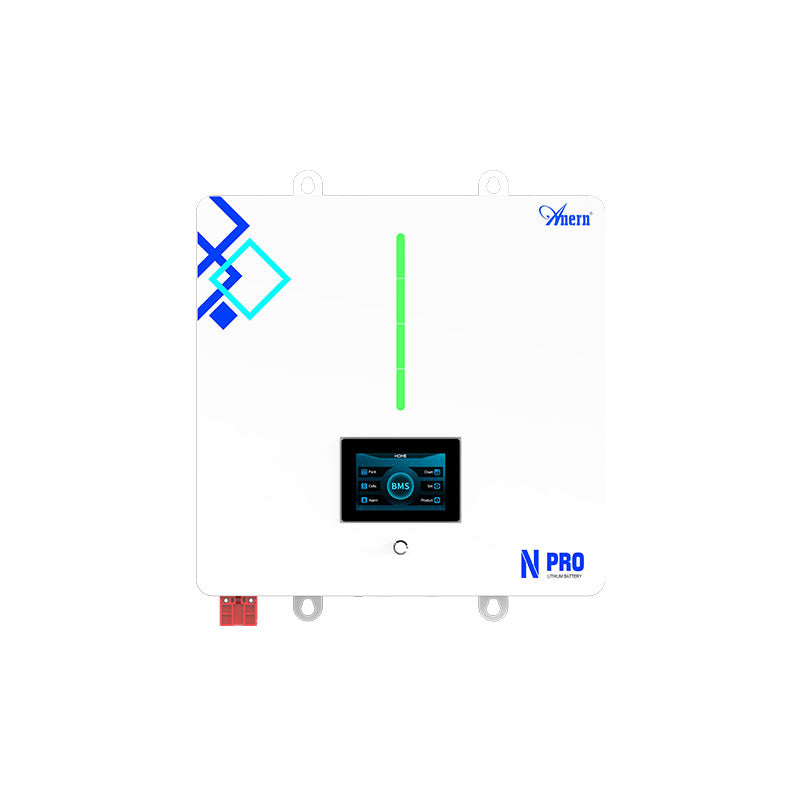
This level of control is only possible with a sophisticated Battery Management System (BMS). A quality BMS acts as the brain of the battery pack. It continuously monitors voltage, current, and temperature, and most importantly, it manages the state of charge. The BMS prevents over-charging and over-discharging, ensuring the battery operates within its optimal parameters. A smart BMS is the foundation of any degradation-aware operational strategy.
Balancing Longevity and Usable Capacity
Implementing a narrow SoC window involves a trade-off: you are using less of the battery's total capacity on any given day. The key is to find the right balance for your energy needs. For some, maximizing daily usable energy is the priority. For others, maximizing the overall lifespan of the asset is more important. For a comprehensive look at how different factors contribute to system output, you can review this ultimate reference on solar storage performance to make a more informed decision.
Final Thoughts on Smart Battery Management
This case study demonstrates that how you use your battery is just as important as which battery you choose. For LFP packs in solar applications, a strategy of shallow cycling within a controlled, mid-to-high SoC range (like 60-80%) significantly slows the aging process. It minimizes capacity fade and preserves efficiency, extending the useful life of your investment. By leveraging a smart BMS and tailoring your system’s operational parameters, you can take a proactive role in securing your energy independence for many years to come.
Frequently Asked Questions
Is it bad to keep my LFP battery at 100% SoC?
While LFP batteries are more tolerant than other lithium-ion chemistries, holding any battery at 100% SoC for extended periods can accelerate calendar aging. This is due to increased stress on the cathode material. For daily use, charging to 90% or 95% is often a better practice for promoting longevity.
What is the difference between calendar aging and cycle aging?
Cycle aging is degradation caused by the physical and chemical stresses of charging and discharging. Calendar aging is degradation that occurs naturally over time, even if the battery is not used. It is primarily influenced by temperature and the battery's resting state of charge.
How does this 60-80% cycling strategy affect my return on investment (ROI)?
This strategy presents a trade-off. You get less usable energy per day, but the battery lasts significantly longer, which can delay expensive replacement costs and improve the long-term ROI. The economic viability of any storage strategy depends on many factors, a complexity acknowledged in IRENA's analysis of the Renewable Power Generation Costs in 2024.
Does temperature still matter if I control the SoC?
Yes, absolutely. High temperatures will accelerate battery degradation regardless of your cycling strategy. As noted in the Innovation Outlook: Smart charging for electric vehicles report, an effective cooling system is crucial for achieving maximum battery lifetime and ensuring safety. Always aim to keep your battery in a cool, dry location.
