



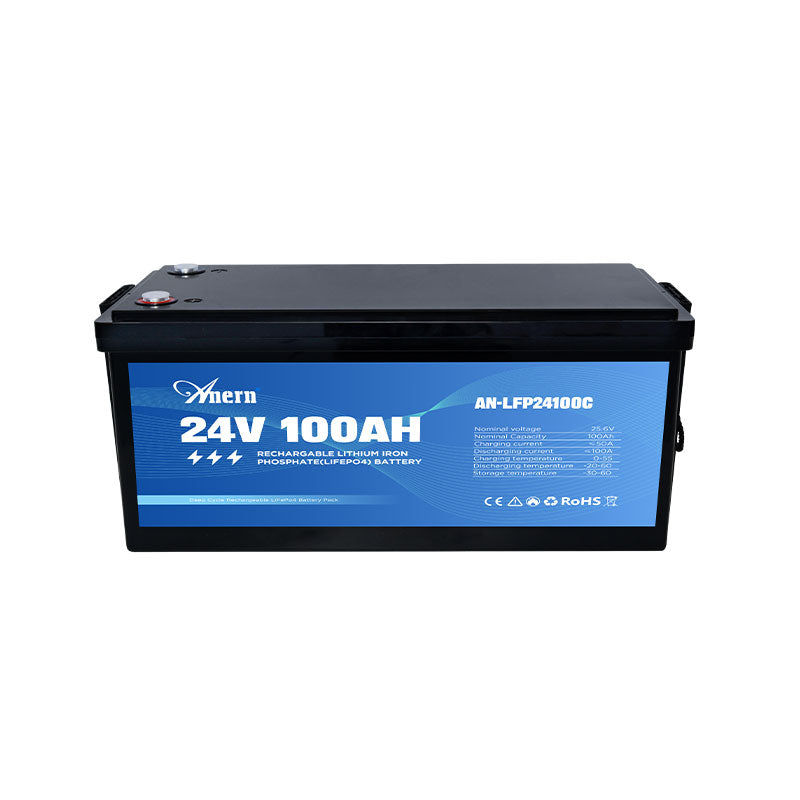
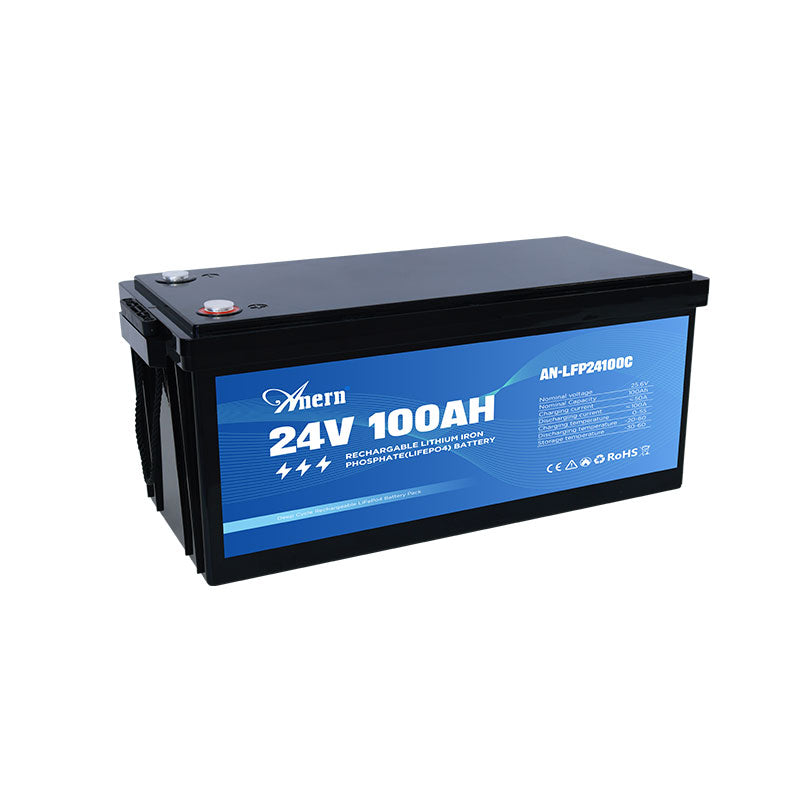







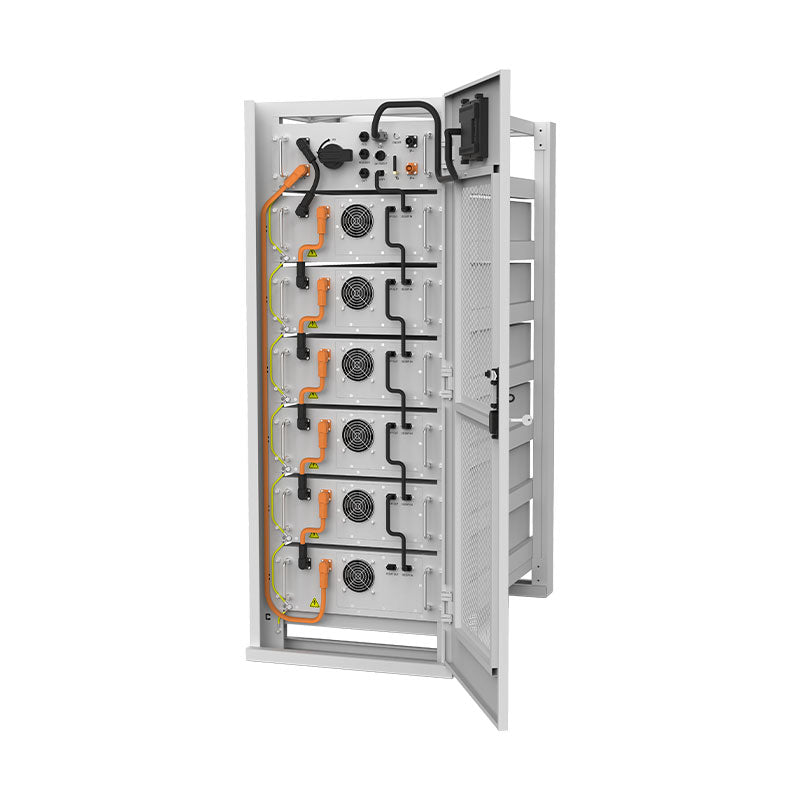
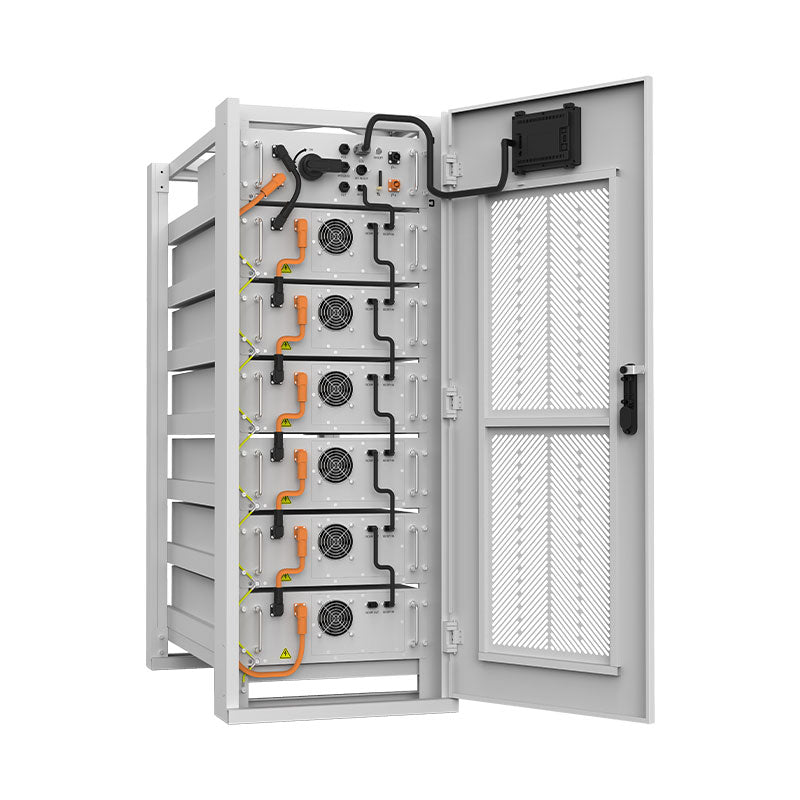
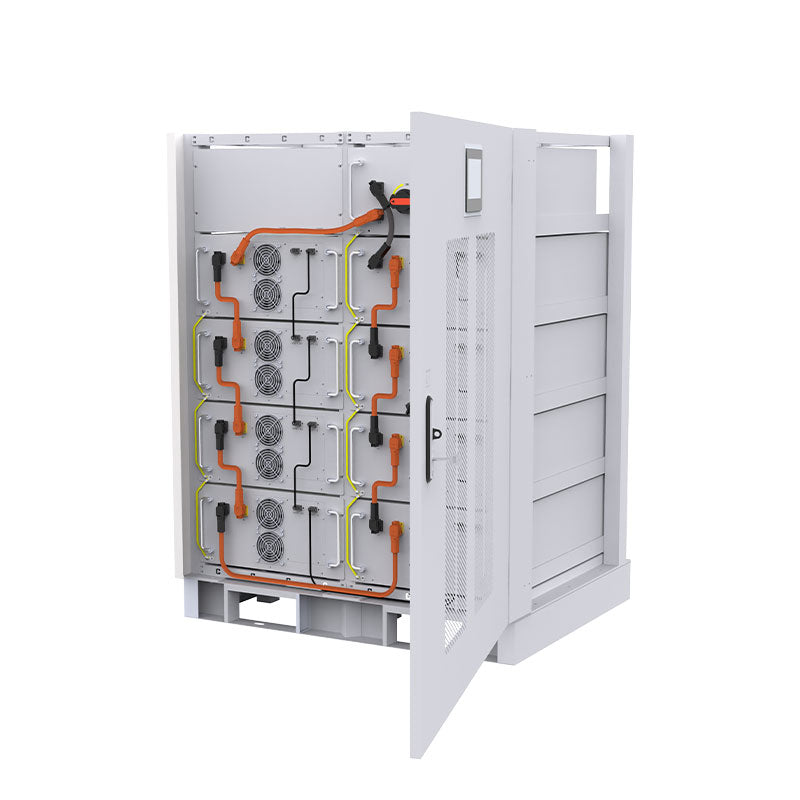

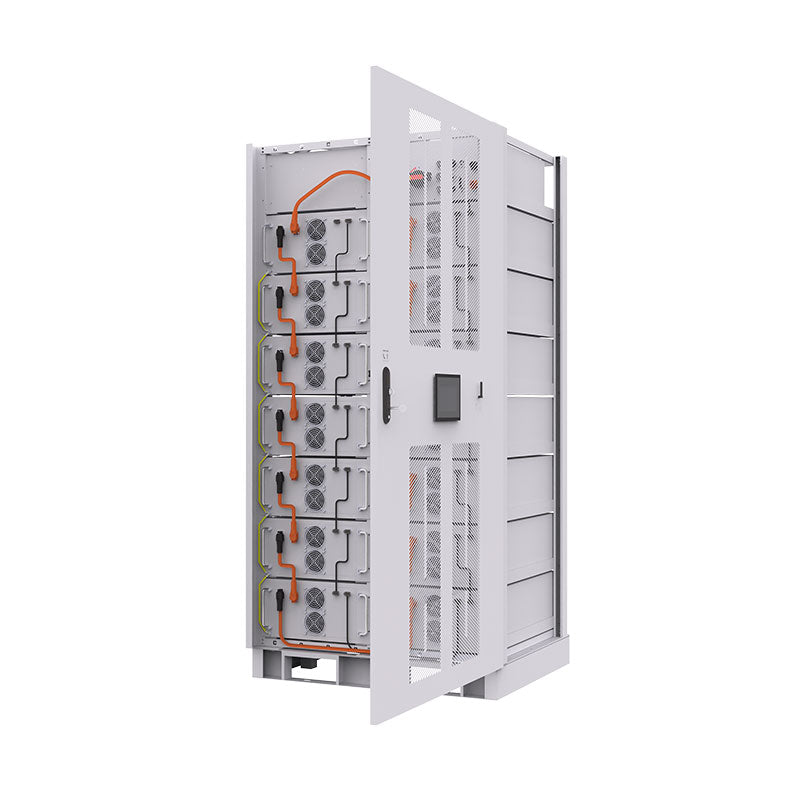
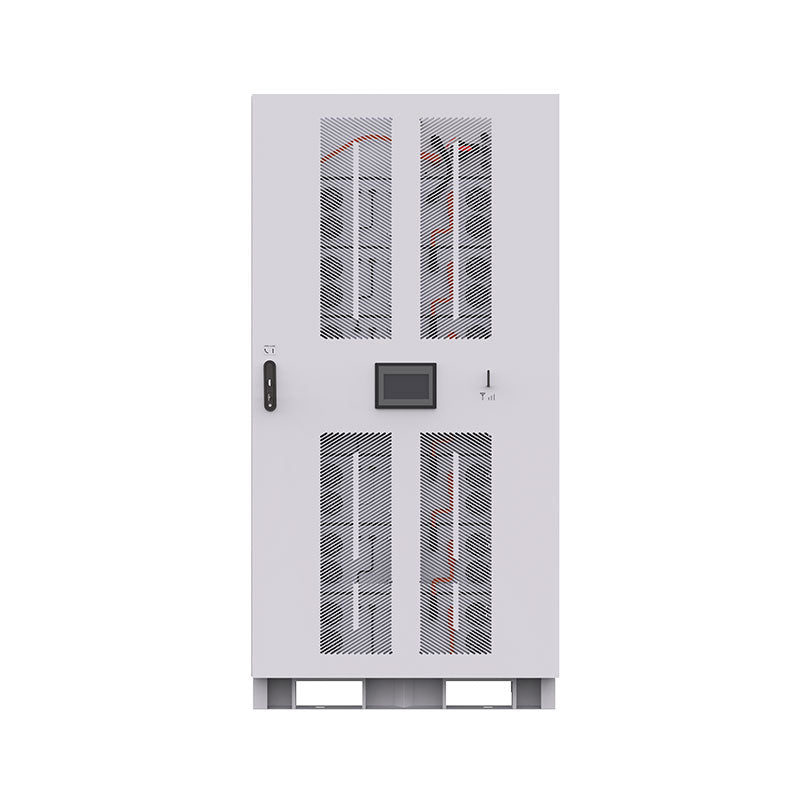


LFP and NMC are both lithium-ion battery chemistries, but they behave differently under heat, stress, aging, and physical abuse. For home energy storage and off-grid solar systems, the most important comparison points are safety, cycle life, energy density, cost, and supply chain risk.
Understanding the Core Differences: LFP and NMC Chemistry
What Is LFP (Lithium Iron Phosphate)?
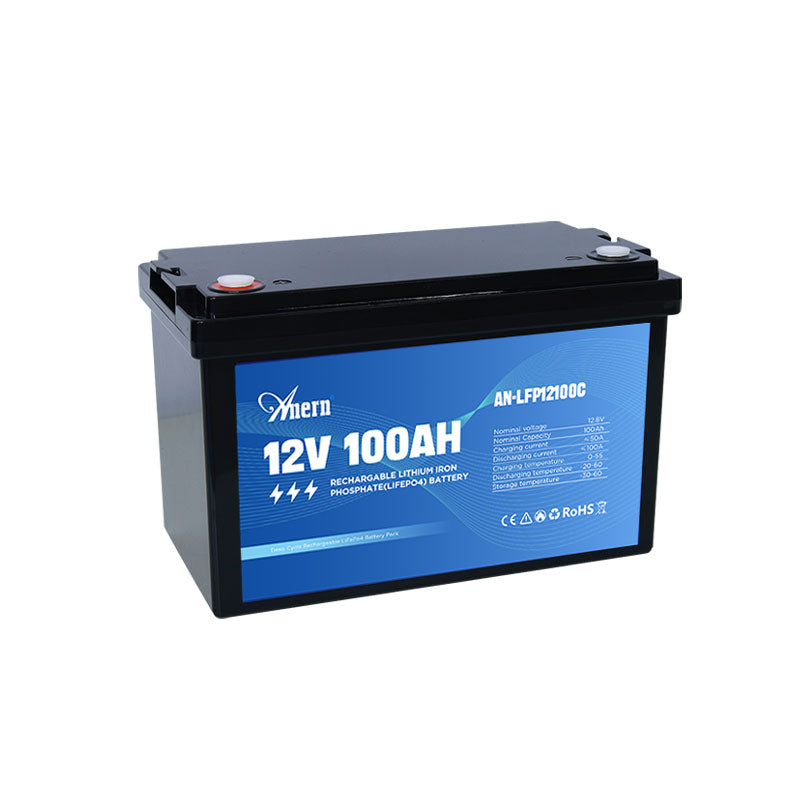
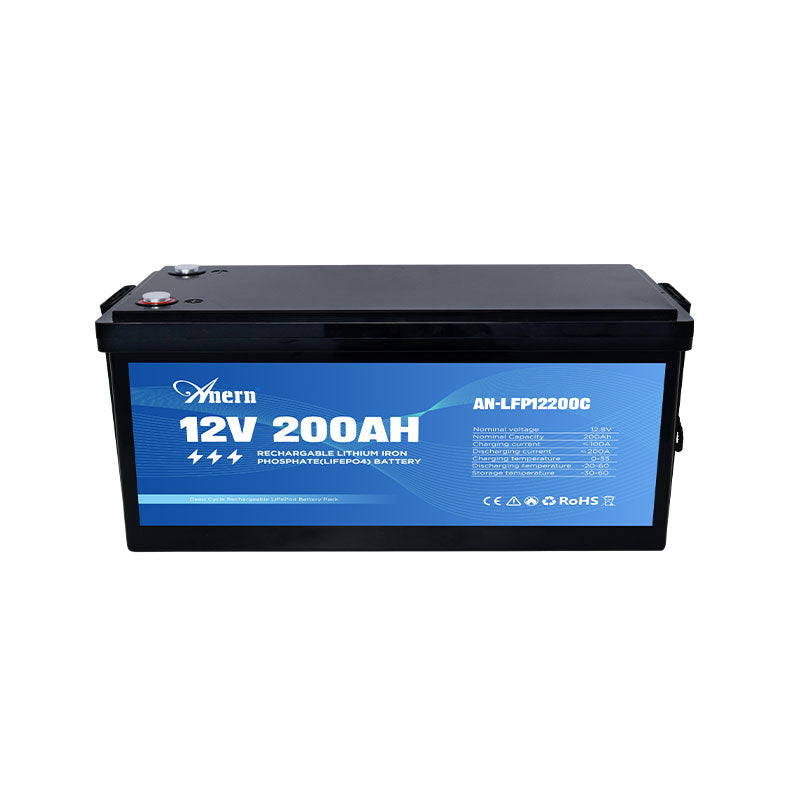
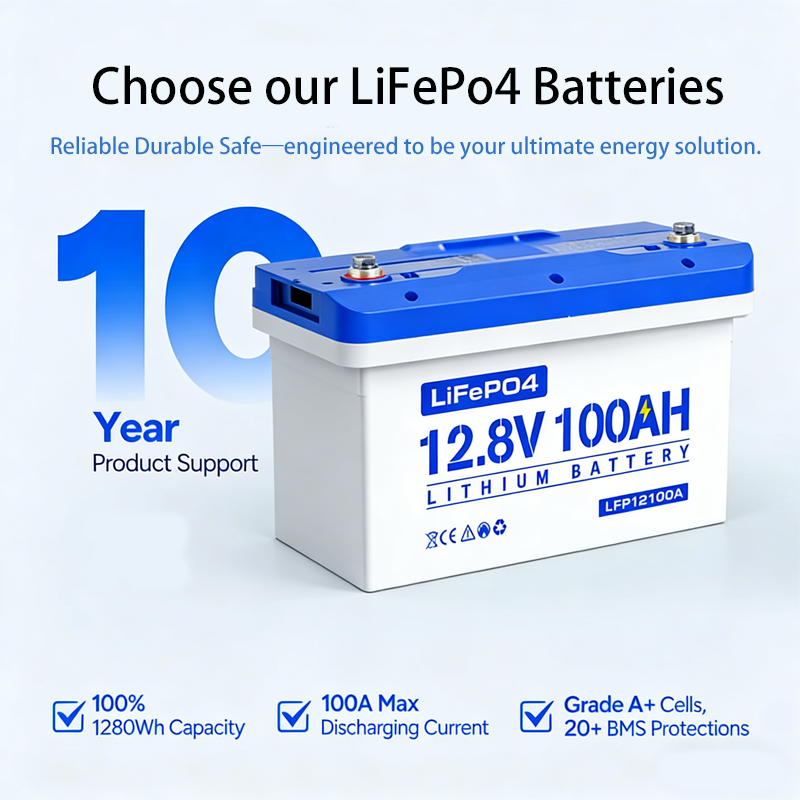
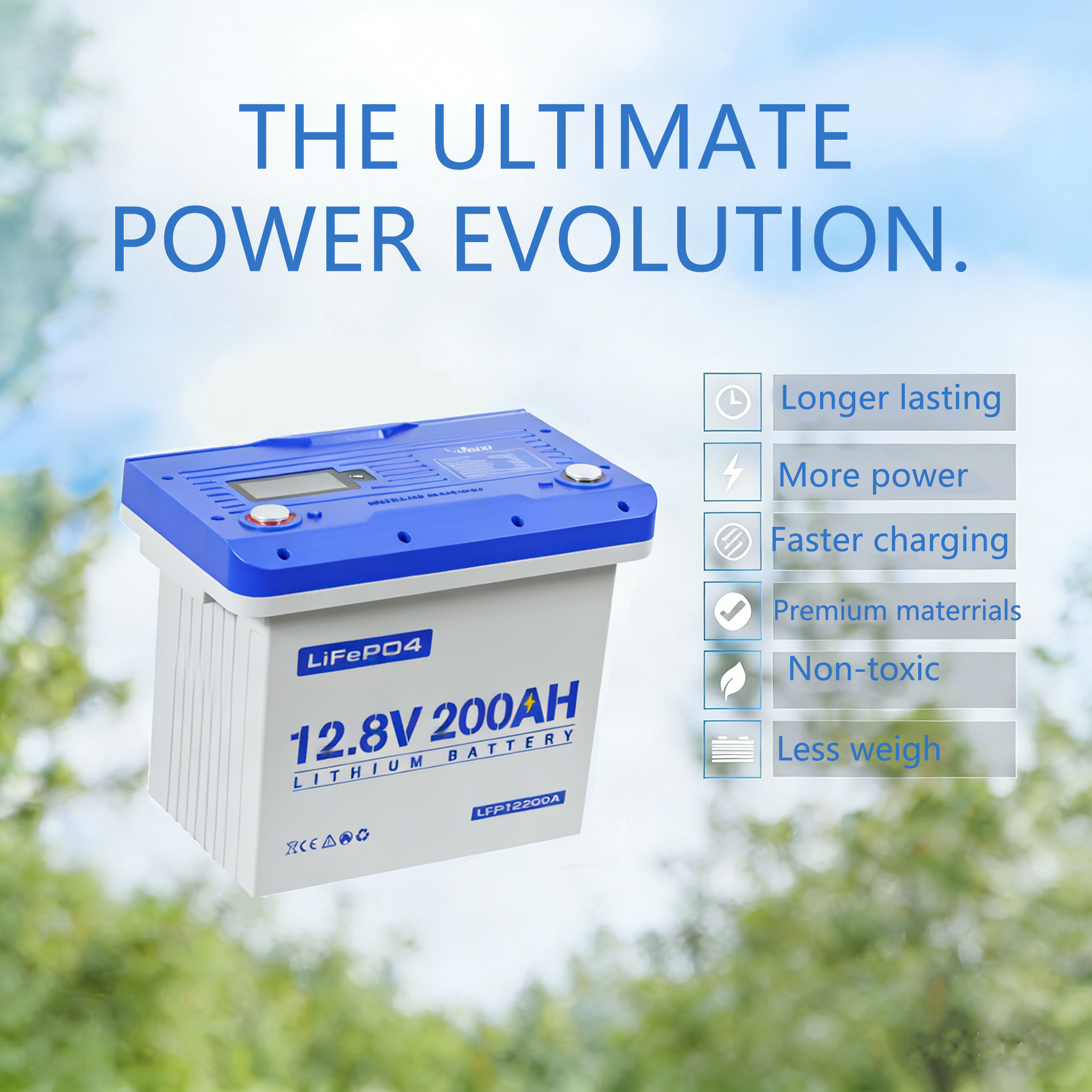
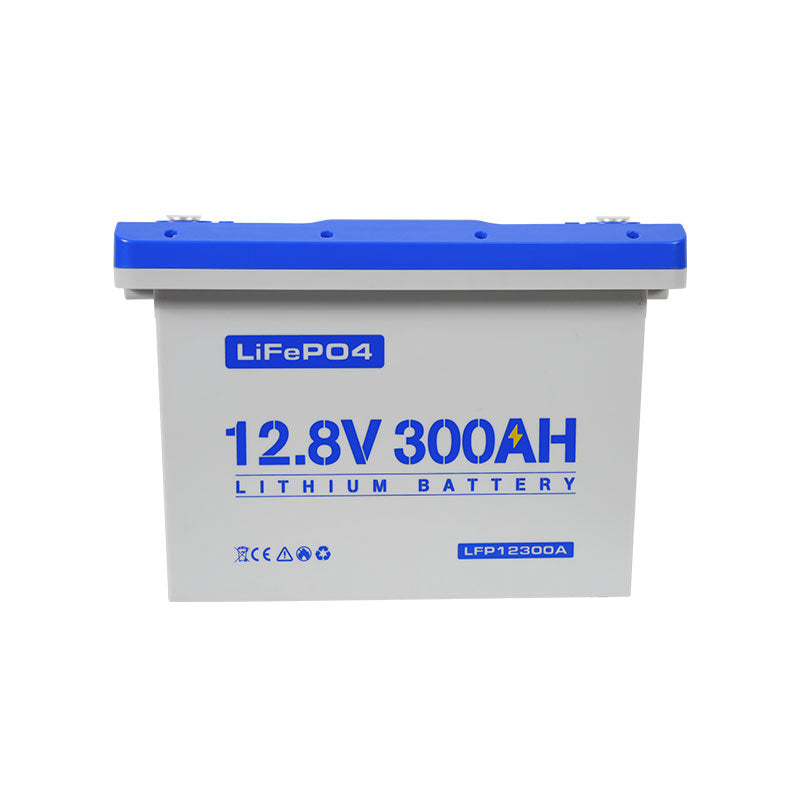
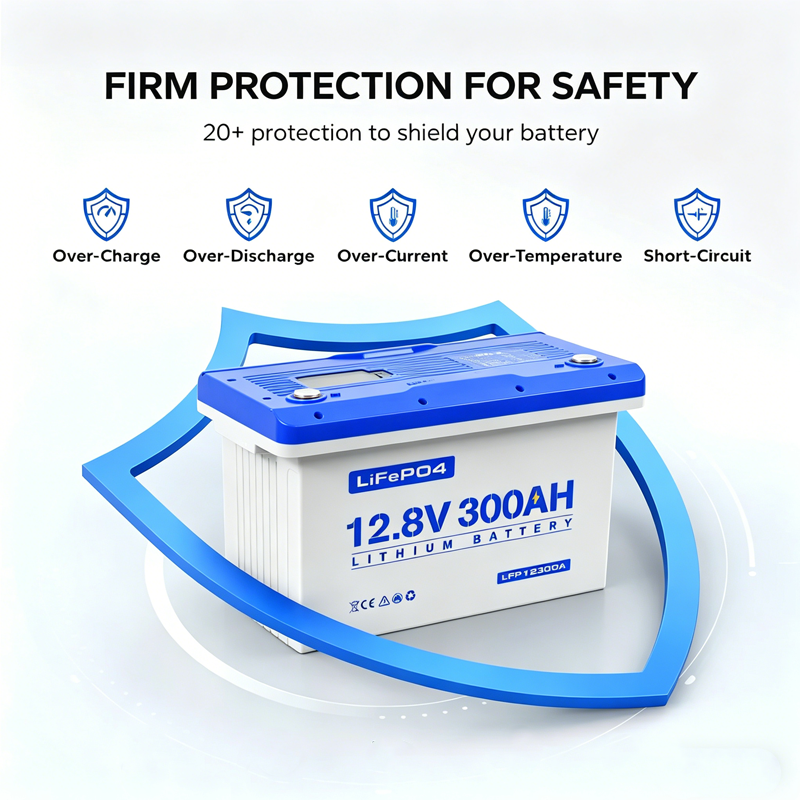
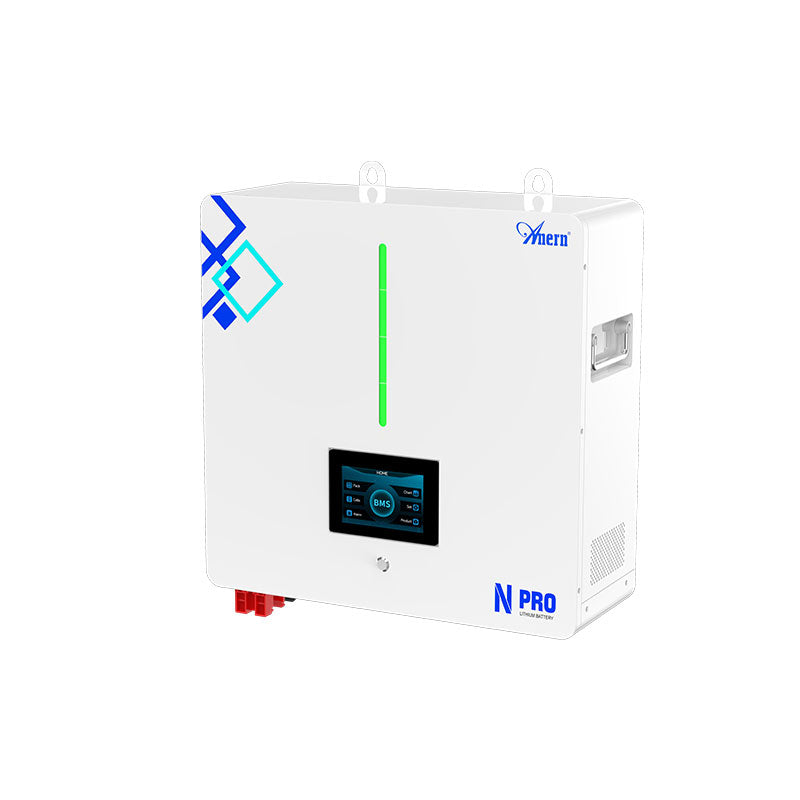
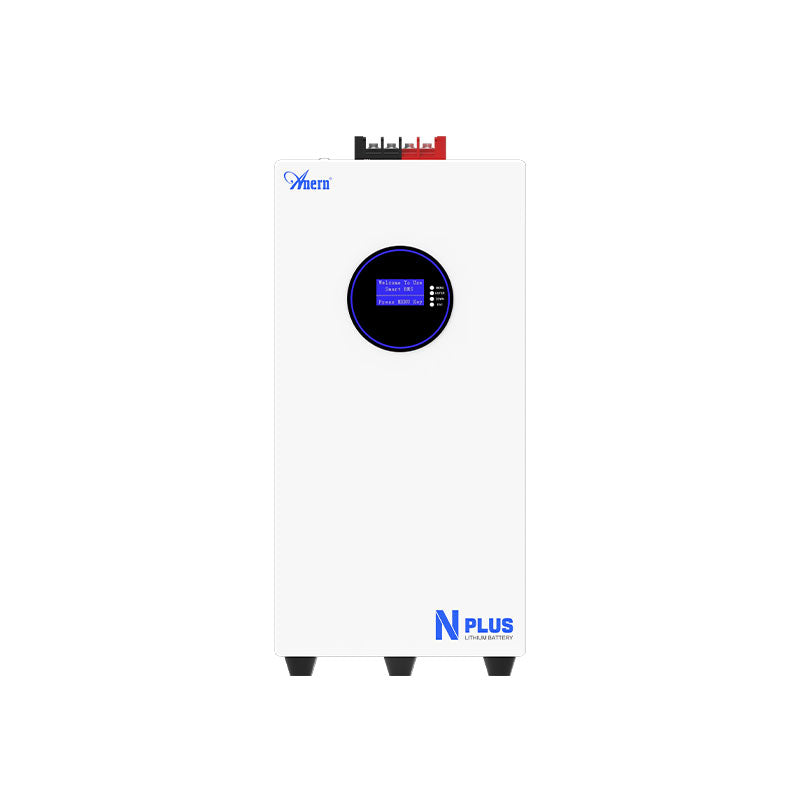
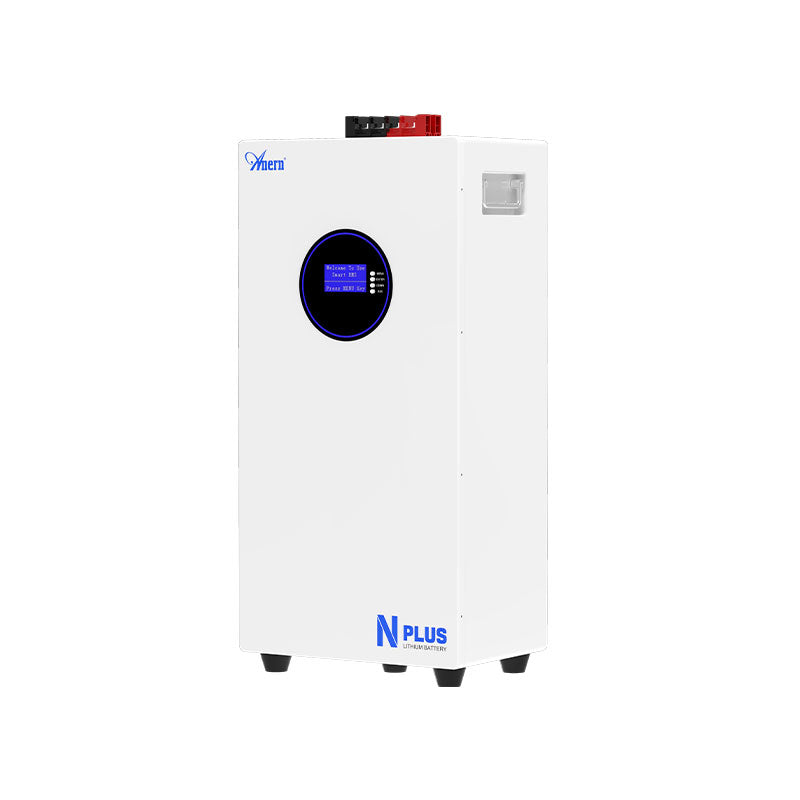
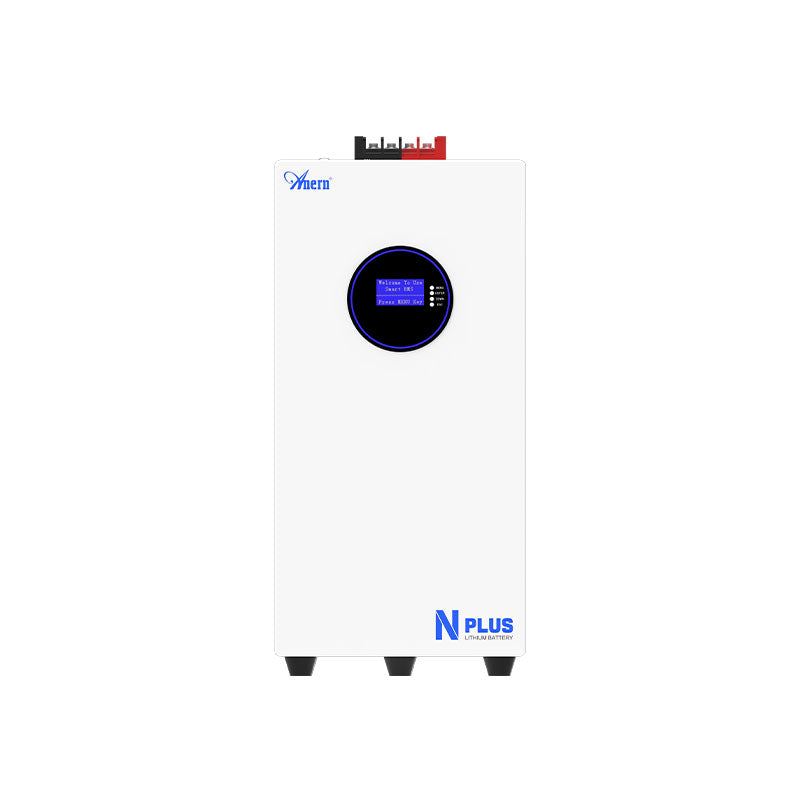
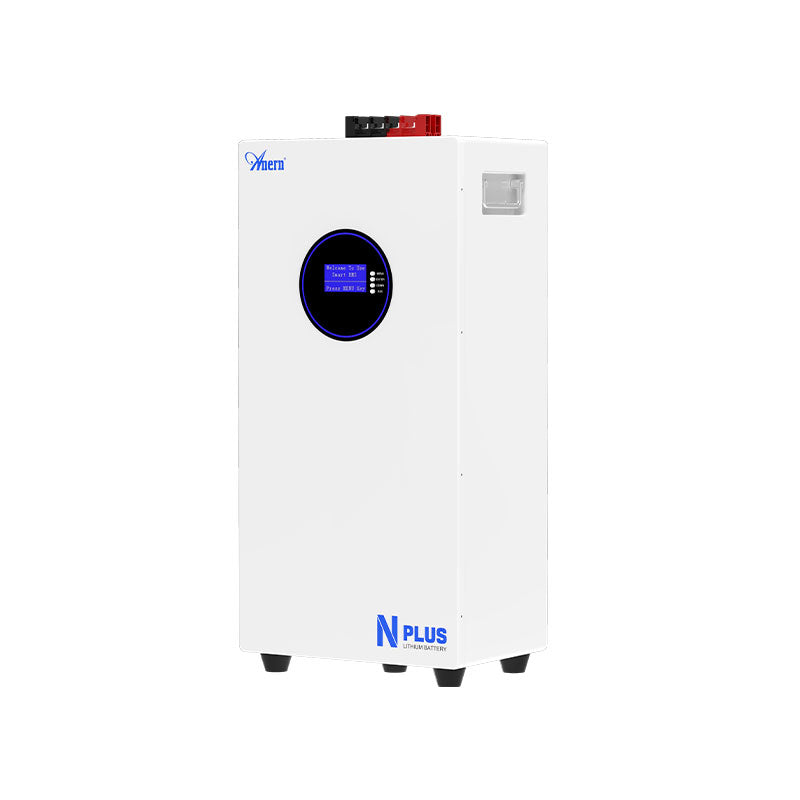
LFP batteries use lithium iron phosphate, also called LiFePO4, as the cathode material. This chemistry is known for strong thermal stability, long cycle life, and cobalt-free material composition. These traits make LFP a common fit for stationary energy storage where size and weight are less critical than safety and durability.
What Is NMC (Nickel Manganese Cobalt)?
NMC batteries use nickel, manganese, and cobalt in the cathode. They usually provide higher energy density, meaning more energy in a smaller and lighter battery. That advantage is valuable in electric vehicles and portable devices, but stationary storage often benefits more from lifespan and thermal stability.
The Critical Factor: Thermal Stability and Safety
Thermal runaway is the major safety concern in lithium-ion batteries. It is a chain reaction where heat causes more internal reactions, which create even more heat. Good battery design, cell spacing, protection electronics, and installation practices all matter.
LFP's Superior Thermal Stability
LFP chemistry is generally more resistant to thermal runaway than NMC. Its phosphate-based cathode is more stable at elevated temperature and less likely to release oxygen under abuse conditions. This does not make LFP risk-free, but it gives it a wider safety margin for stationary battery systems. For broader home battery safety practices, see the National Fire Protection Association lithium-ion battery guidance.
NMC's Safety Considerations
NMC batteries can operate safely when engineered with a high-quality BMS, thermal management, mechanical protection, and proper installation. Their higher energy density, however, means they generally require tighter control under abuse or overheating conditions. This is one reason many stationary storage buyers prioritize LFP.
Performance Metrics Beyond Safety
Lifespan and Durability
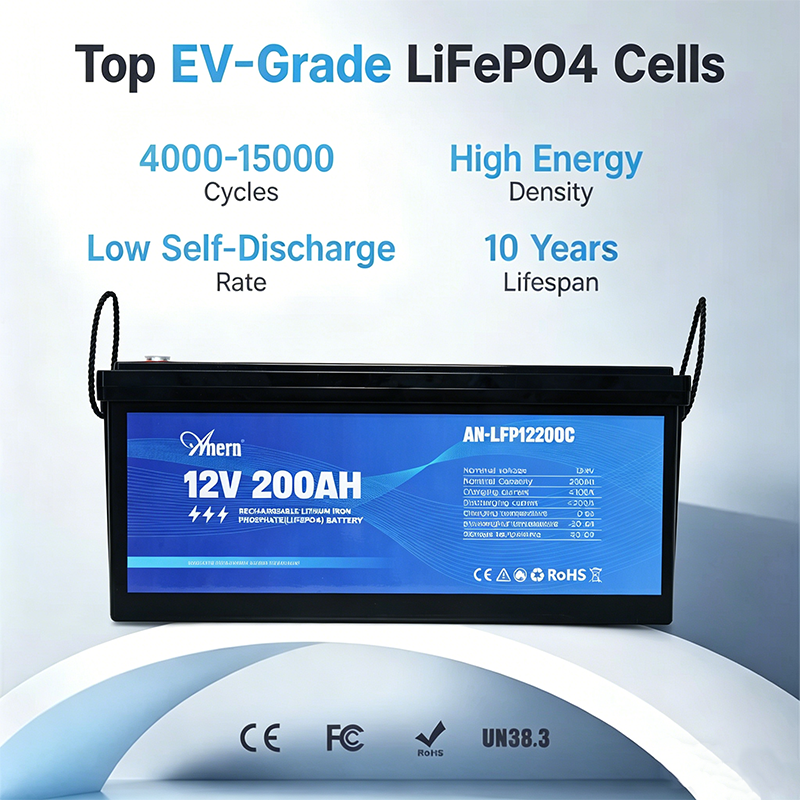
LFP usually offers longer cycle life than NMC under similar conditions. For home storage, where the battery may cycle daily for years, cycle life strongly affects total cost of ownership. This LFP vs NMC cycle life comparison focuses on long-term value.
Energy Density and Application
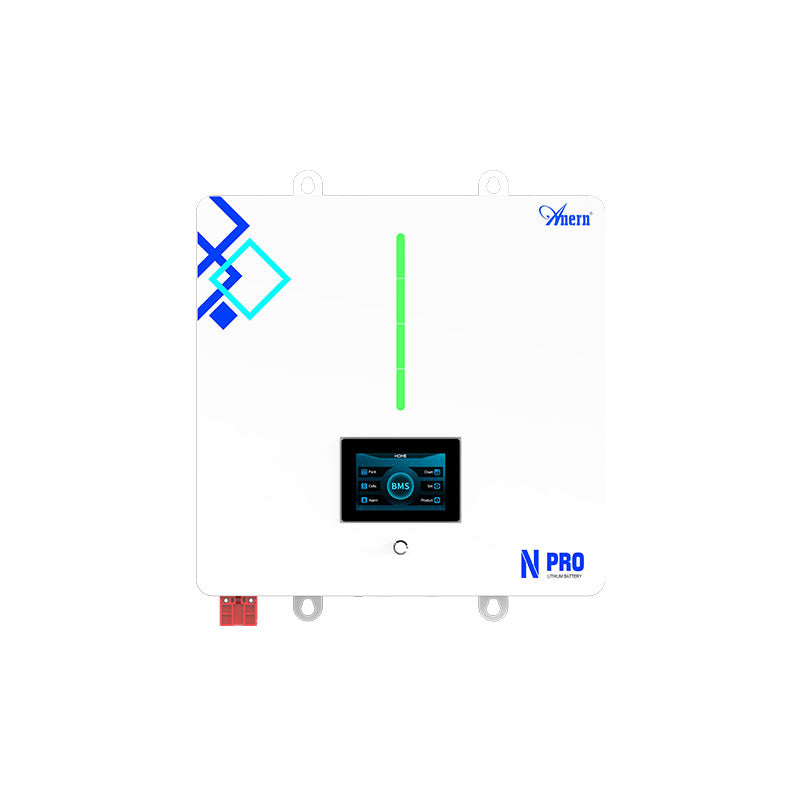
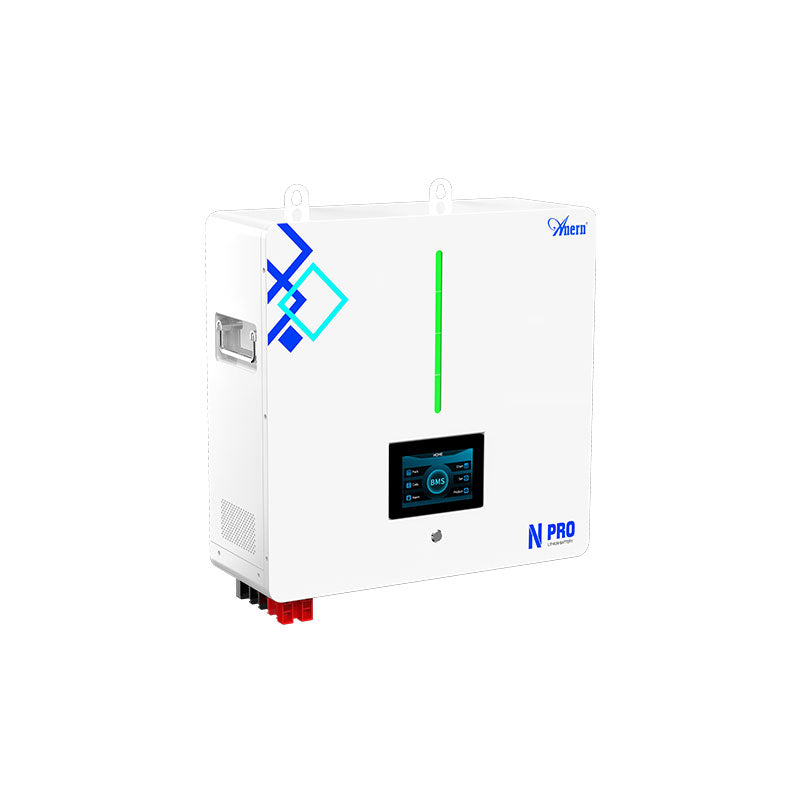
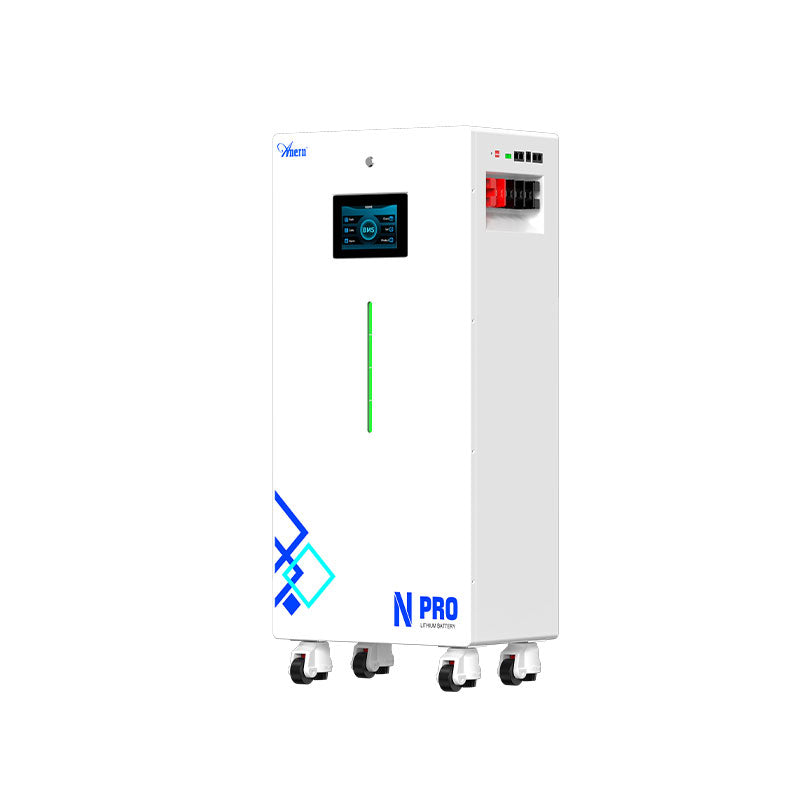
NMC has the advantage when space and weight are critical. LFP has the advantage when safety, lifespan, and cost per cycle matter more. For a wall-mounted home battery, cabinet system, RV bank, or off-grid solar battery room, the slightly larger LFP footprint is often acceptable.
Cost and Material Sourcing
LFP avoids cobalt and uses more widely available materials. NMC depends on nickel and cobalt, which can add cost and supply chain concerns. The International Energy Agency discusses battery mineral supply issues in its critical minerals in clean energy transitions report.
A Comparative Table: LFP vs. NMC at a Glance
| Feature | LFP | NMC |
|---|---|---|
| Thermal stability | Generally higher | Lower than LFP, managed by pack design and BMS |
| Cycle life | Usually longer | Usually shorter |
| Energy density | Lower | Higher |
| Material profile | Cobalt-free | Uses nickel and cobalt |
| Best fit | Stationary storage, solar, backup power | EVs and space-constrained applications |
Making the Right Choice for Your Energy Needs
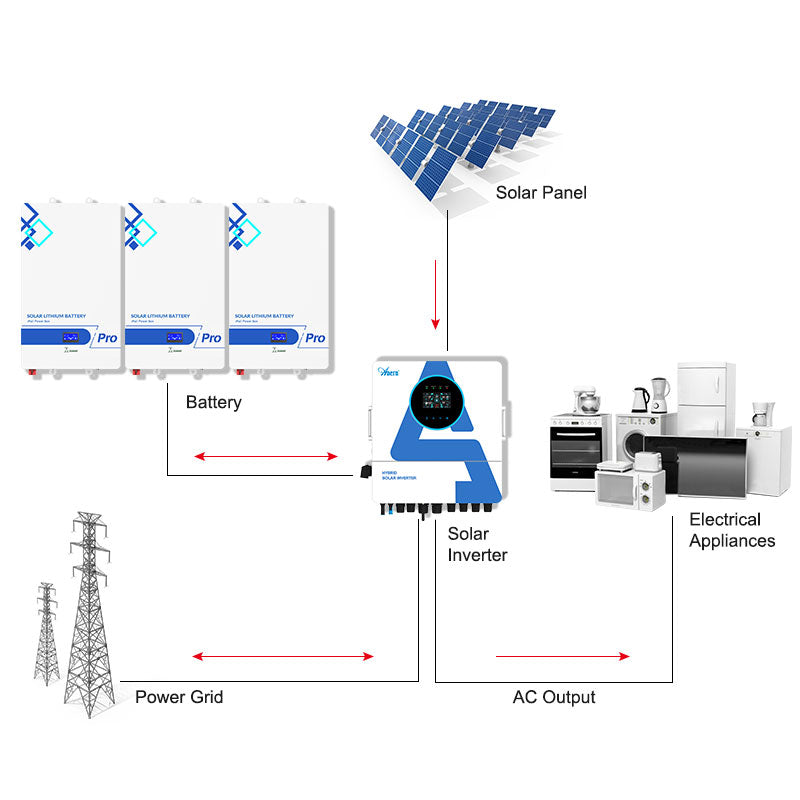
For stationary solar energy storage, LFP is often the more practical choice because it prioritizes safety margin, cycle life, and long-term value. NMC can still be appropriate where compact size and low weight matter more than cycle life.
For system-level performance planning, this solar storage performance reference explains how capacity, efficiency, cycle life, and degradation affect value.
Final Thoughts
LFP and NMC are both useful chemistries, but they serve different priorities. For home energy storage and off-grid solar, LFP's thermal stability, cobalt-free chemistry, and long cycle life usually make it the safer and more durable option.
Frequently Asked Questions
Is NMC battery chemistry unsafe?
No. NMC can be safe when properly designed and managed. It has a smaller thermal safety margin than LFP, so pack design and BMS quality are especially important.
Why is LFP considered safer than NMC?
LFP's phosphate cathode structure is more thermally stable and less prone to oxygen release under heat stress, which reduces thermal runaway risk compared with many NMC designs.
Does LFP or NMC last longer?
LFP usually lasts longer in cycle life, especially in stationary storage applications with regular cycling.
Is LFP cheaper?
LFP is often more cost-effective because it avoids cobalt and can provide lower cost per cycle, though actual pricing depends on product design and market conditions.
