






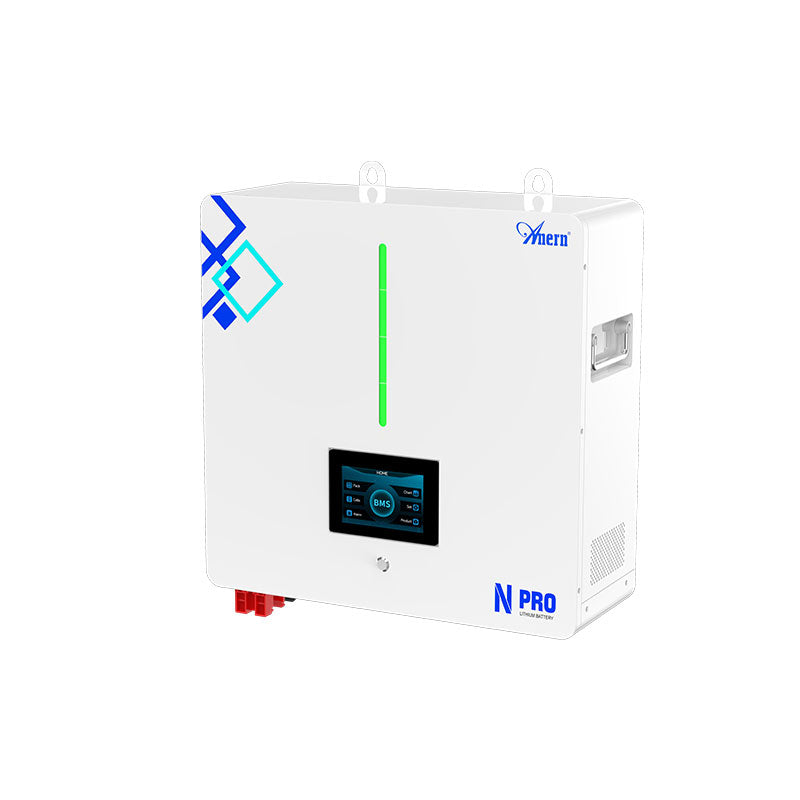

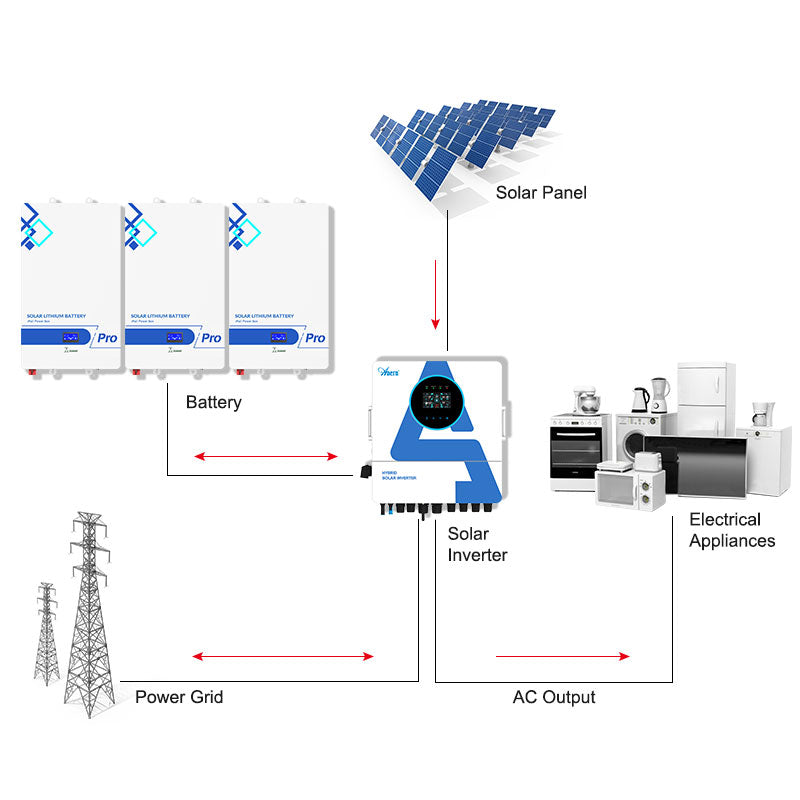
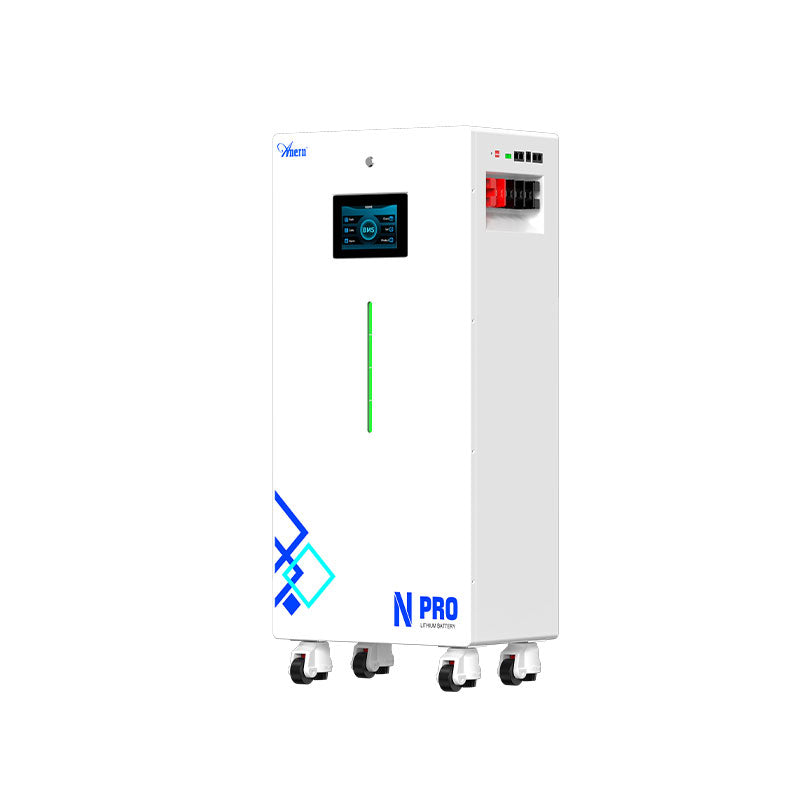



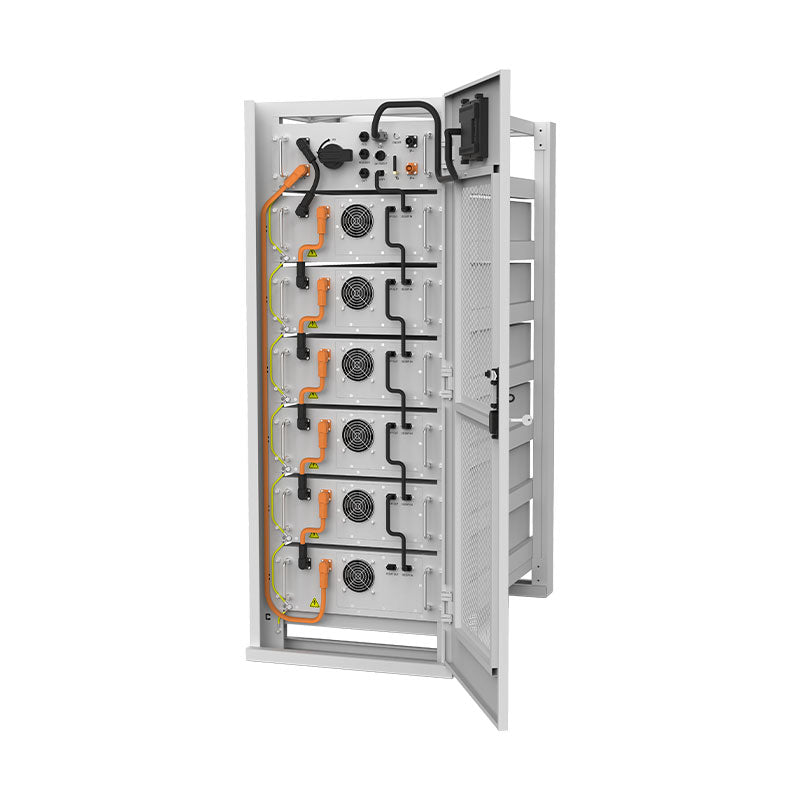
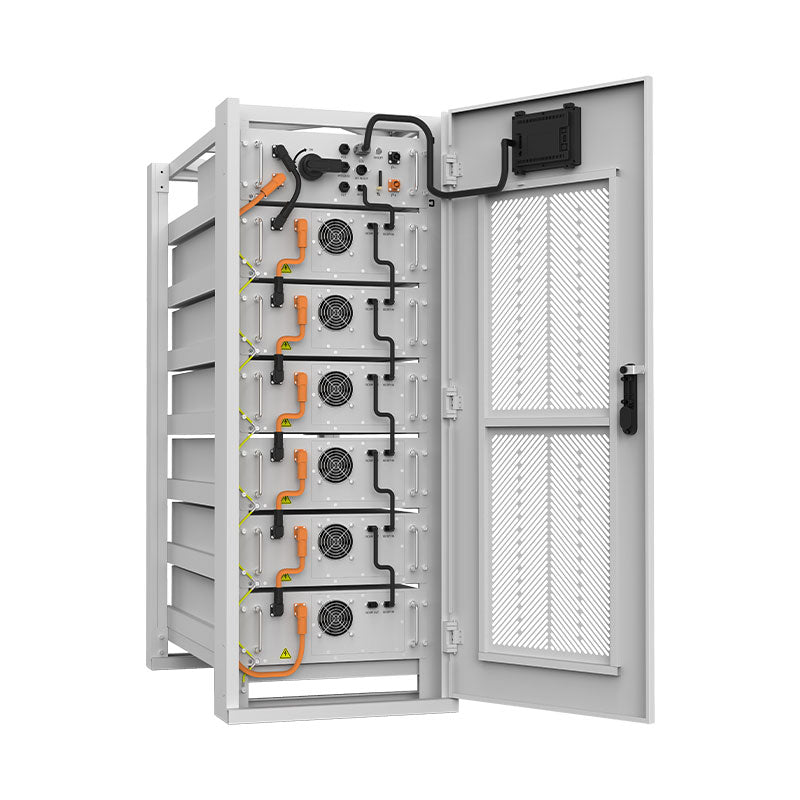
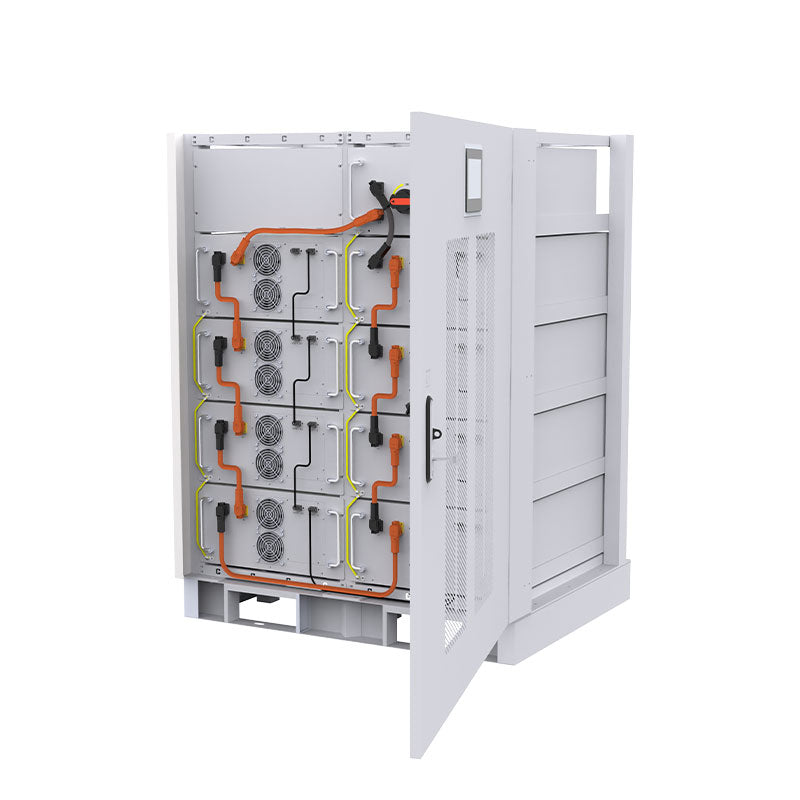

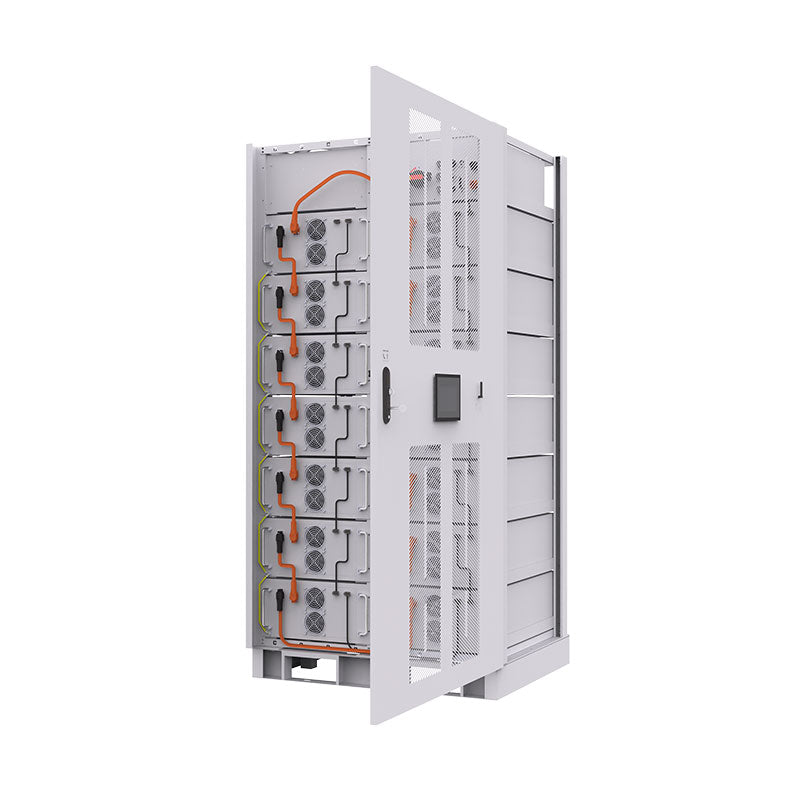
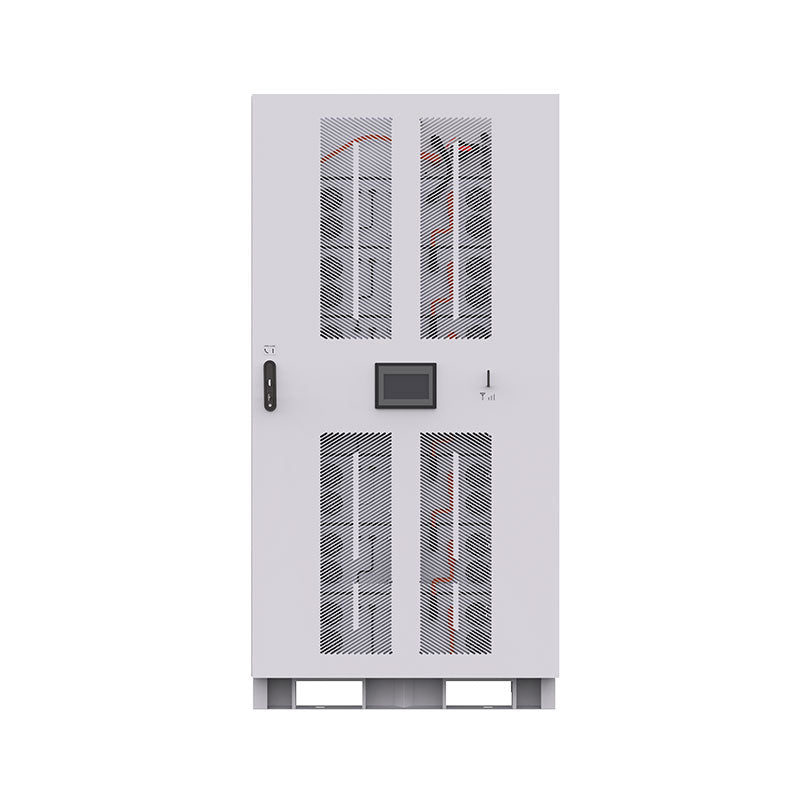


For residential energy storage, cycle life is one of the most important differences between LFP and NMC batteries. Both are lithium-ion chemistries, but LFP usually delivers longer service life, stronger thermal stability, and lower cost per cycle for stationary solar storage.
Understanding the Core Chemistries: LFP and NMC
What Is an LFP Battery?
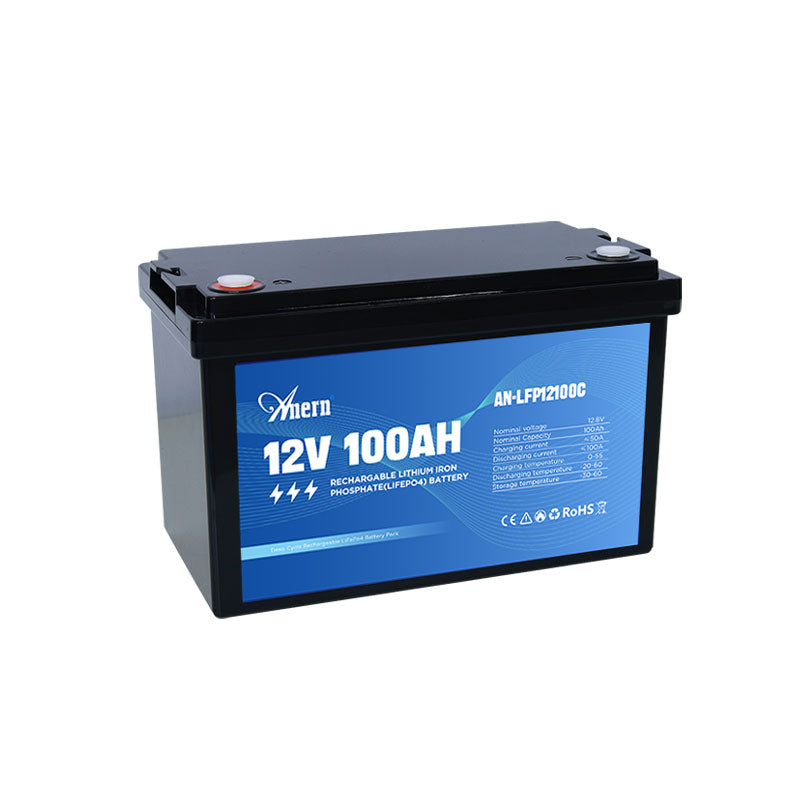
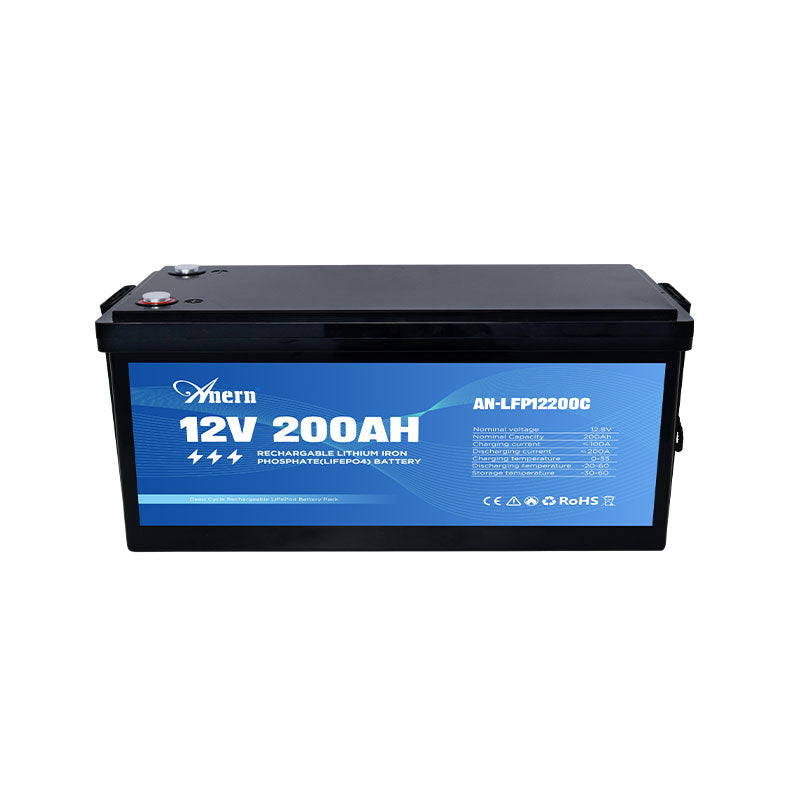
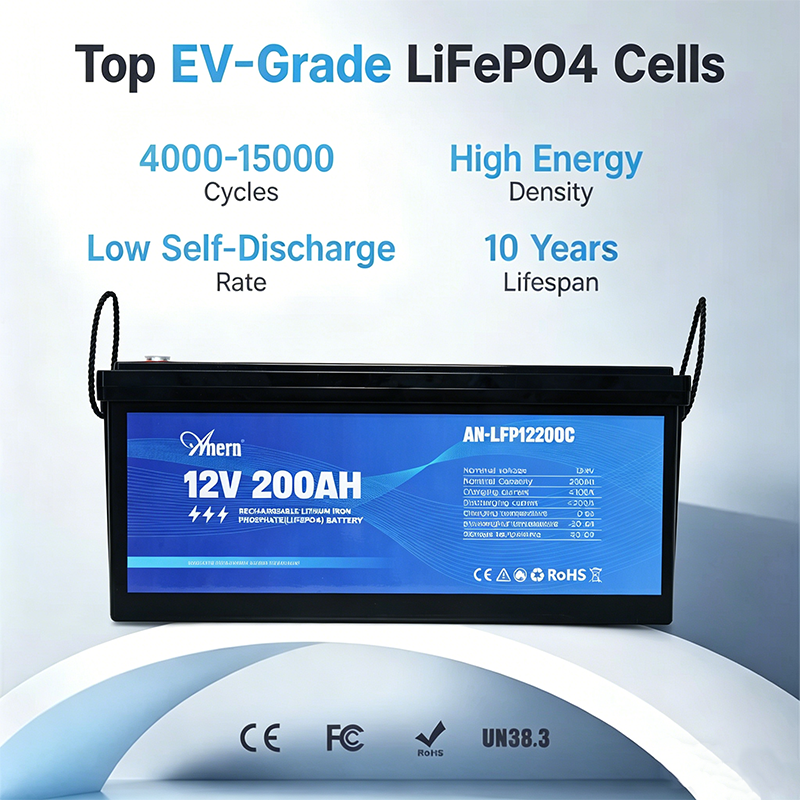
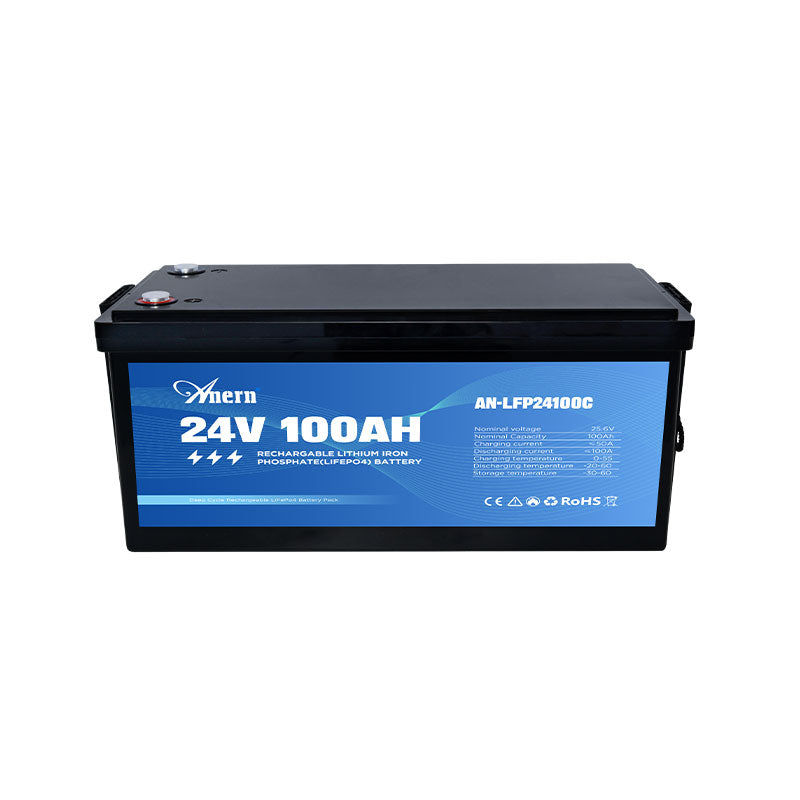
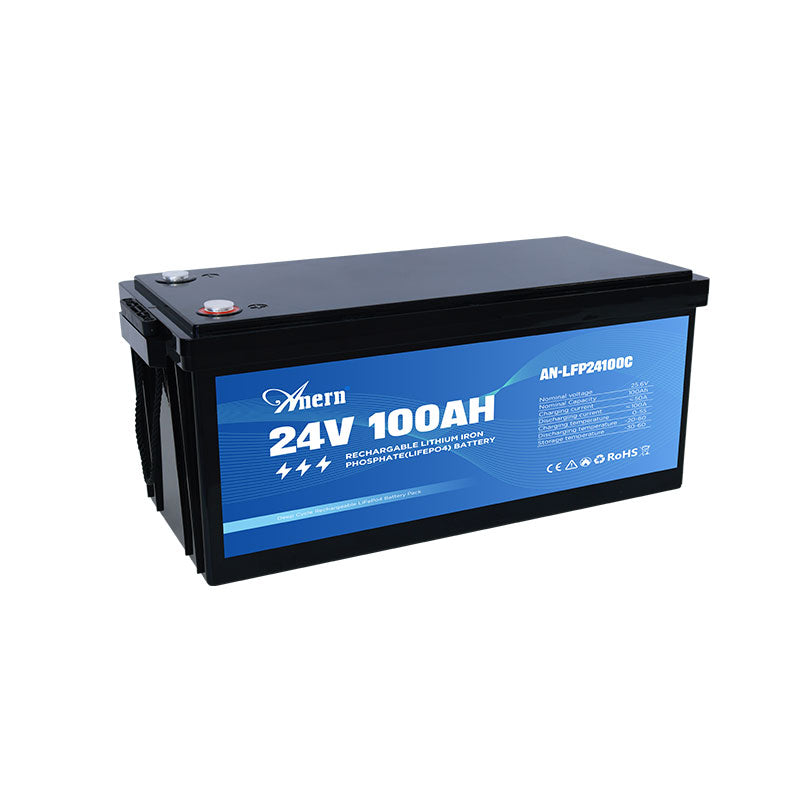
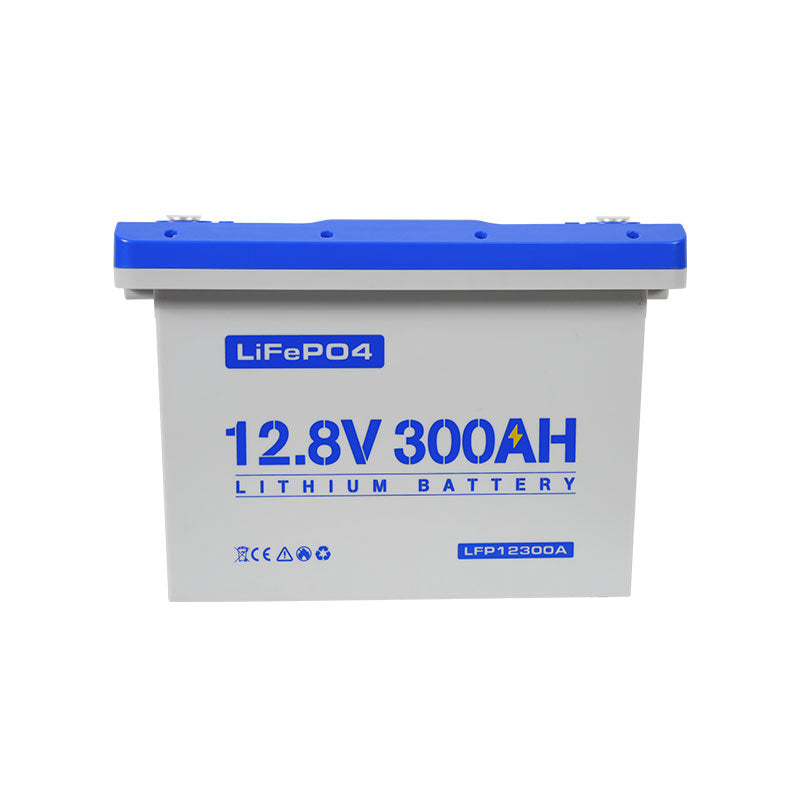
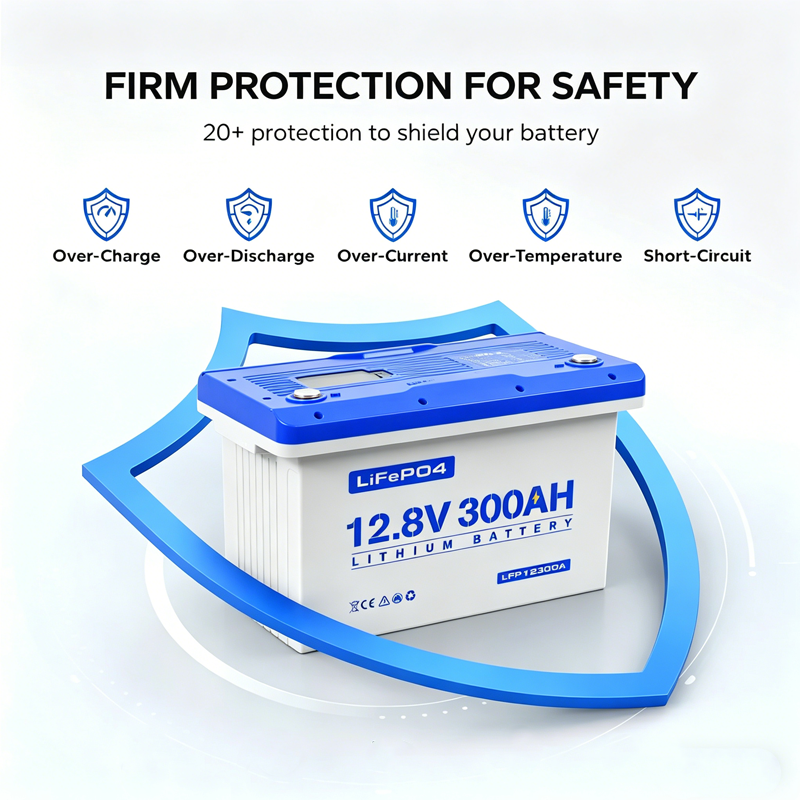
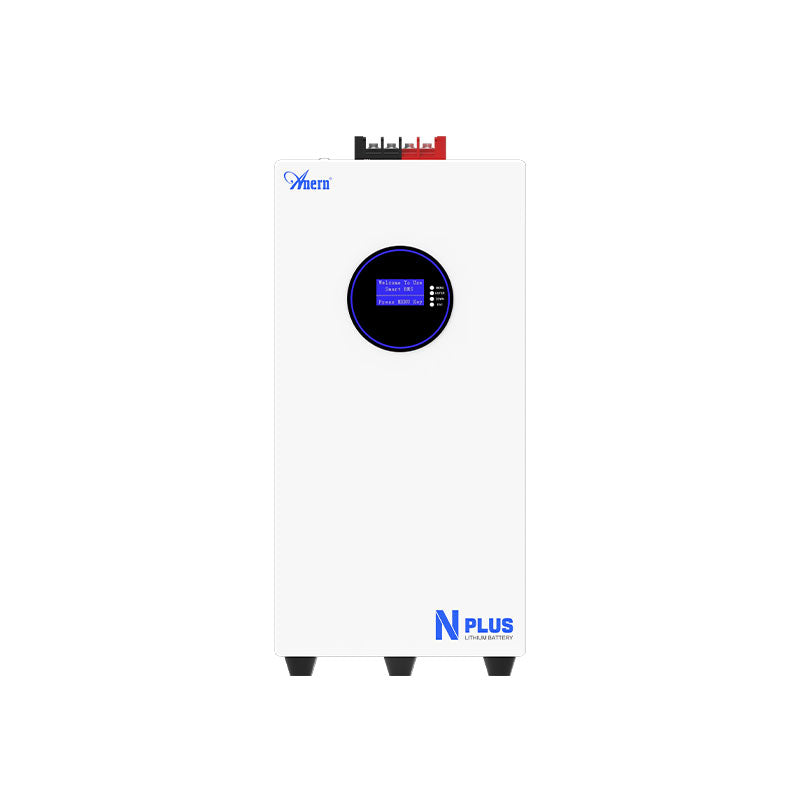
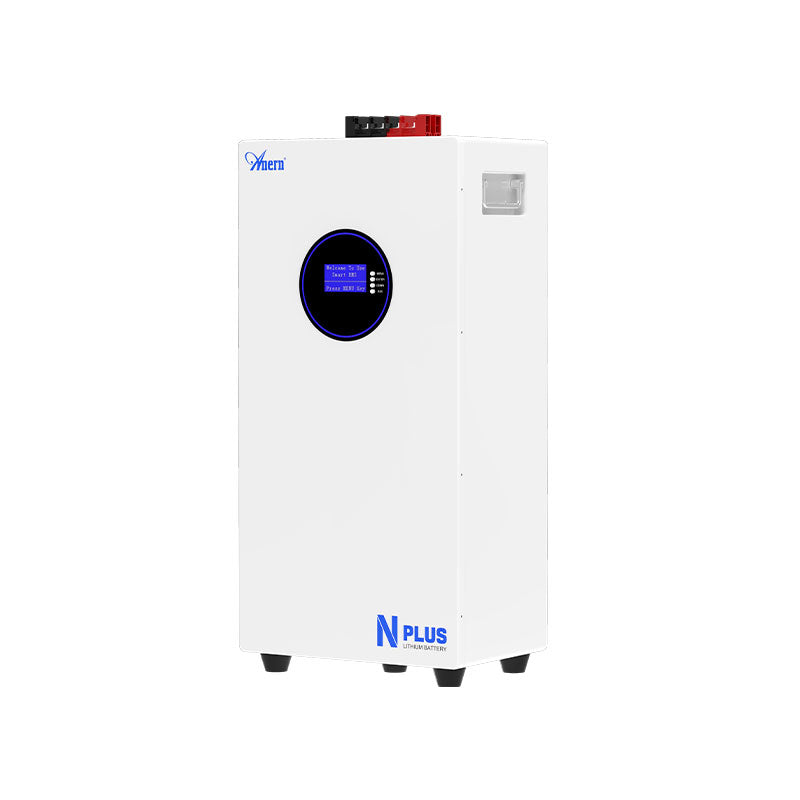
LFP stands for lithium iron phosphate, or LiFePO4. It is known for stable chemistry, long cycle life, and strong suitability for home energy storage, off-grid solar, and backup systems. It is also cobalt-free.
What Is an NMC Battery?
NMC stands for nickel manganese cobalt. It offers higher energy density, which is useful where space and weight matter. That advantage is important in electric vehicles, but less important in many home storage installations.
Cycle Life: The Deciding Factor for Long-Term Value
Defining Cycle Life in a Real-World Context
Cycle life measures how many charge and discharge cycles a battery can complete before its capacity falls to a defined end-of-life level, often around 70% to 80% of original capacity. Depth of discharge, temperature, and charge rate all affect the result.
LFP's Advantage in Longevity
LFP batteries generally tolerate repeated cycling better than NMC batteries. Their stable cathode structure reduces degradation during charge and discharge. This is valuable for home ESS users who cycle the battery daily for self-consumption or time-of-use savings.
NMC's Performance and Limitations
NMC batteries can perform well, but they usually have shorter cycle life under comparable storage conditions. They are best suited when compact size and weight are more important than maximum cycle count.
Key Factors Influencing Battery Degradation
Depth of Discharge and State of Charge
Deep daily cycling ages batteries faster than moderate cycling. LFP handles deep cycling well, but it still benefits from sensible SOC limits. This 20-80 SOC rule guide explains how to choose a practical window for LiFePO4 storage.
Temperature's Impact on Battery Health
Heat accelerates battery aging. LFP has a better thermal stability margin than NMC, but both chemistries last longer when kept away from excessive heat. The National Renewable Energy Laboratory battery degradation report gives technical background on temperature and battery aging.
C-Rate: The Speed of Charge and Discharge
High charge or discharge rates create heat and stress. Residential solar storage often uses moderate C-rates because charging happens over several sun hours and discharge happens across the evening. This usage pattern favors long battery life, especially for LFP systems.
Making the Right Choice for Your Home
A Comparative Table: LFP vs. NMC
| Feature | LFP | NMC |
|---|---|---|
| Cycle life | Usually longer | Usually shorter |
| Thermal stability | Higher | Lower than LFP |
| Energy density | Lower | Higher |
| Stationary storage fit | Strong | Useful when compactness matters |
| Cost per cycle | Often lower | Often higher |
When to Choose LFP
Choose LFP when your priorities are safety, long cycle life, stable daily operation, and lower long-term cost. For most home solar battery systems, these are the dominant priorities. This related LFP vs NMC safety comparison covers the chemistry and thermal stability side.
When NMC Might Be Considered
NMC may be considered where space and weight are strict constraints. For stationary systems, that benefit is often less important than safety margin and cycle life.
Looking Ahead: Your Energy Storage Investment
A home battery is a long-term investment. Cycle life, safety, and degradation determine value more than nameplate capacity alone. LFP's longer cycle life and strong thermal stability make it a practical choice for solar storage and backup systems.
For a broader view of capacity, efficiency, and degradation, review this solar storage performance guide.
Frequently Asked Questions
Is LFP safer than NMC?
Generally yes. LFP has higher thermal stability and a wider safety margin, though both chemistries still require a quality BMS and proper installation.
Does higher cycle life mean lower overall cost?
Often yes. A battery that delivers more lifetime energy can have a lower cost per kWh delivered, even if the upfront price is not the lowest.
Why is energy density less important for residential storage?
A home battery is stationary, so a slightly larger or heavier unit is often acceptable. Safety, cycle life, and cost per cycle usually matter more.
