


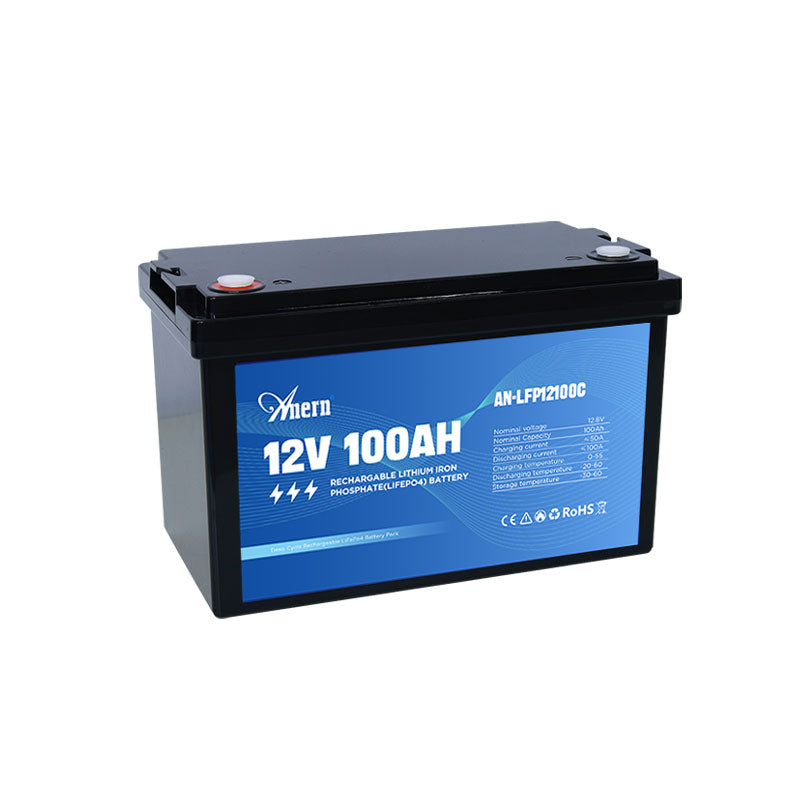
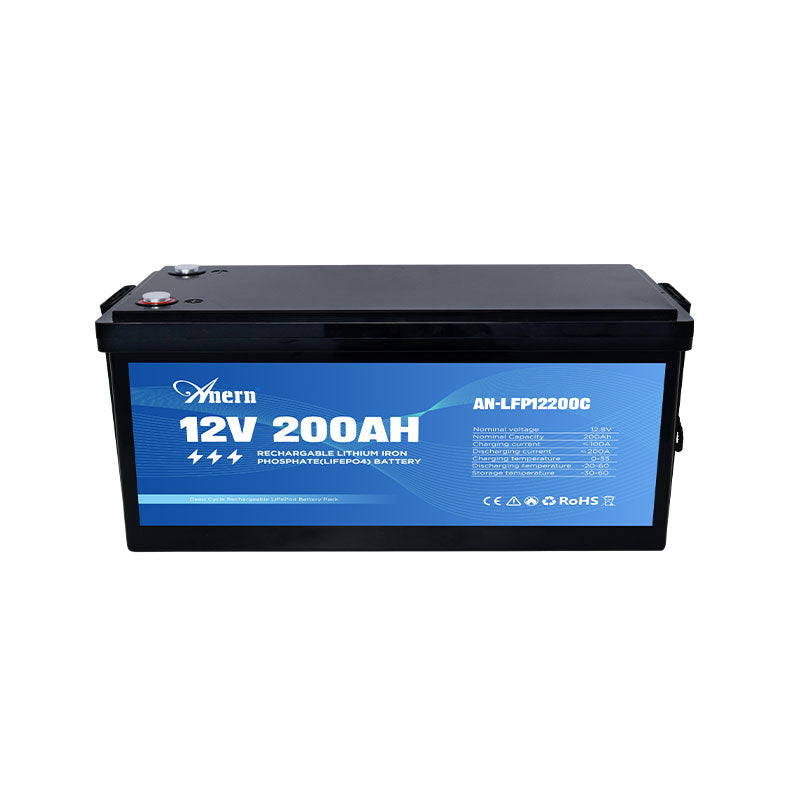
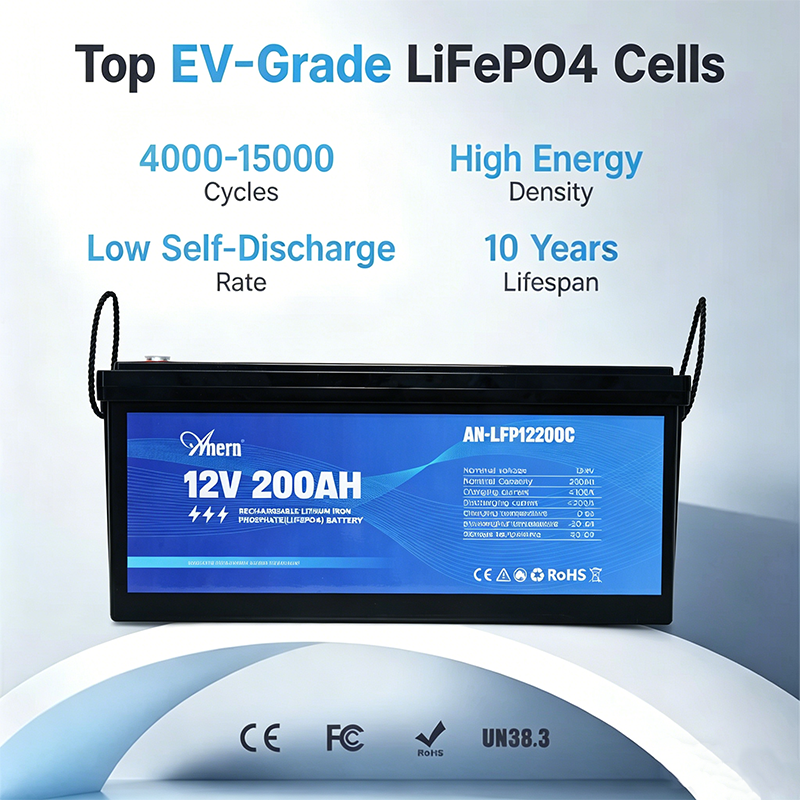

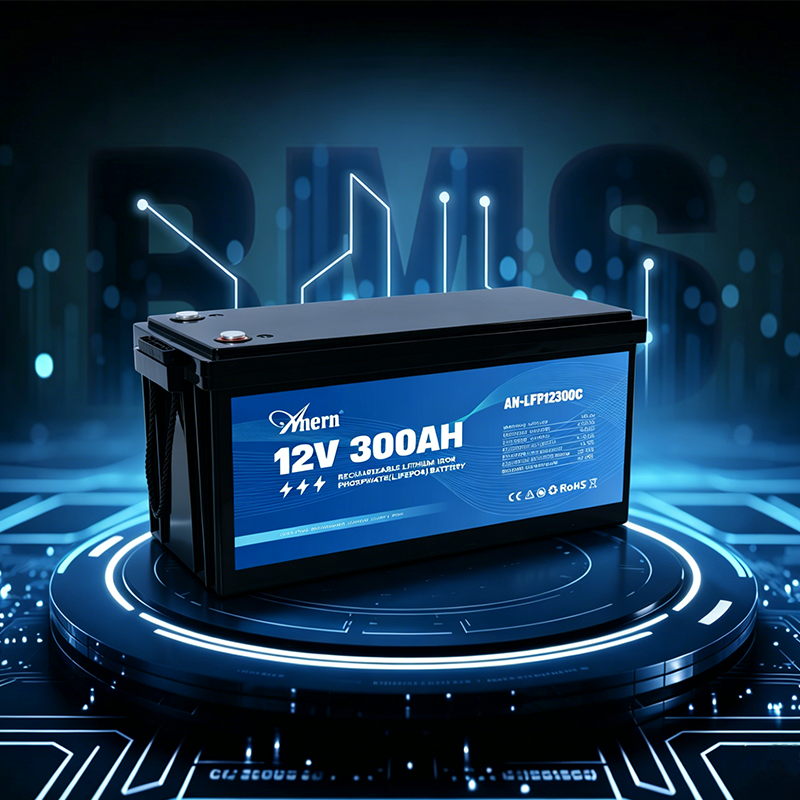
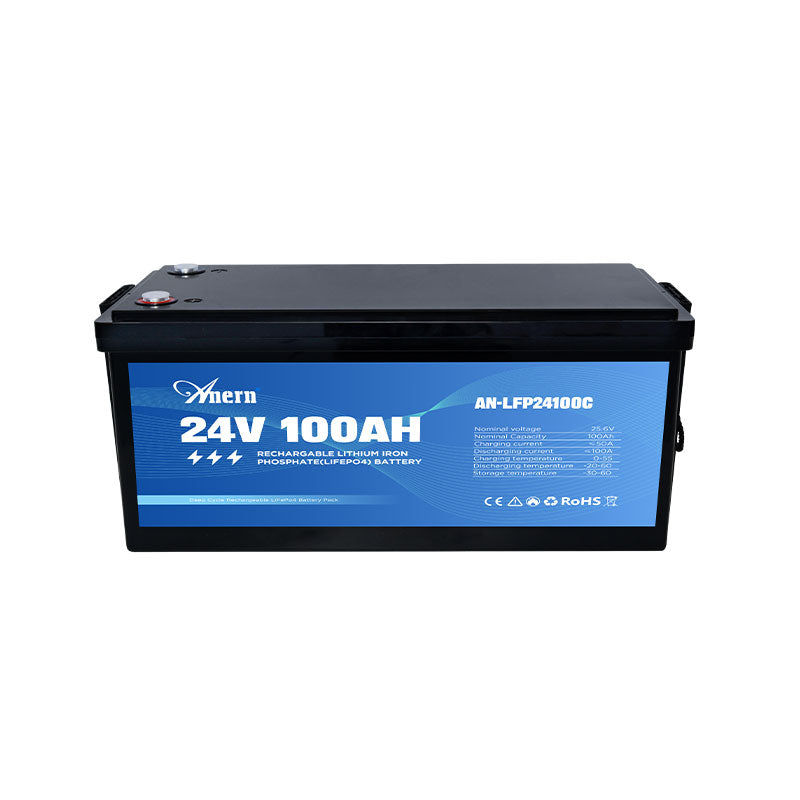
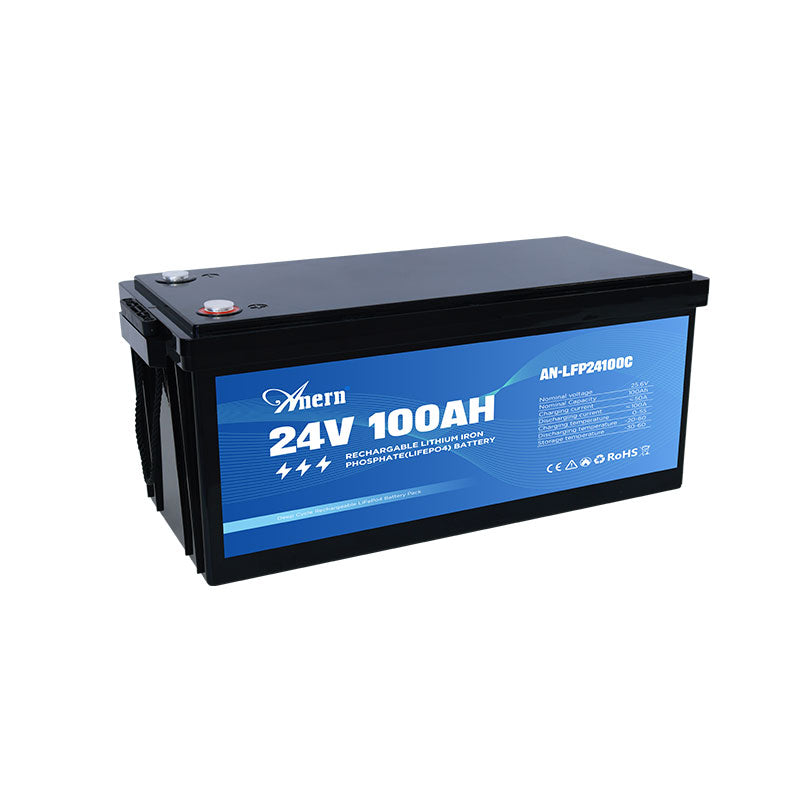

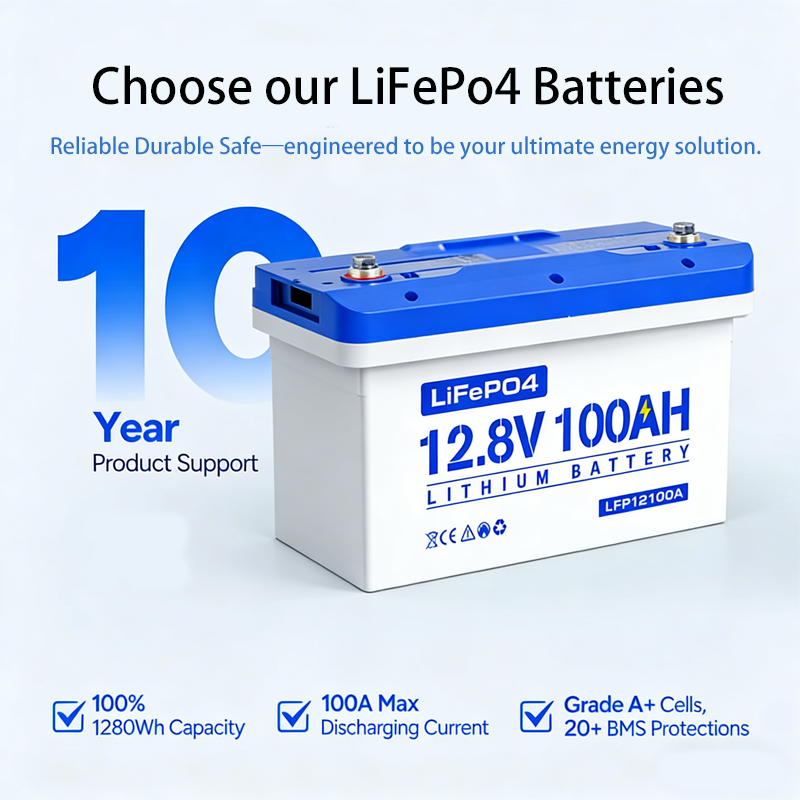

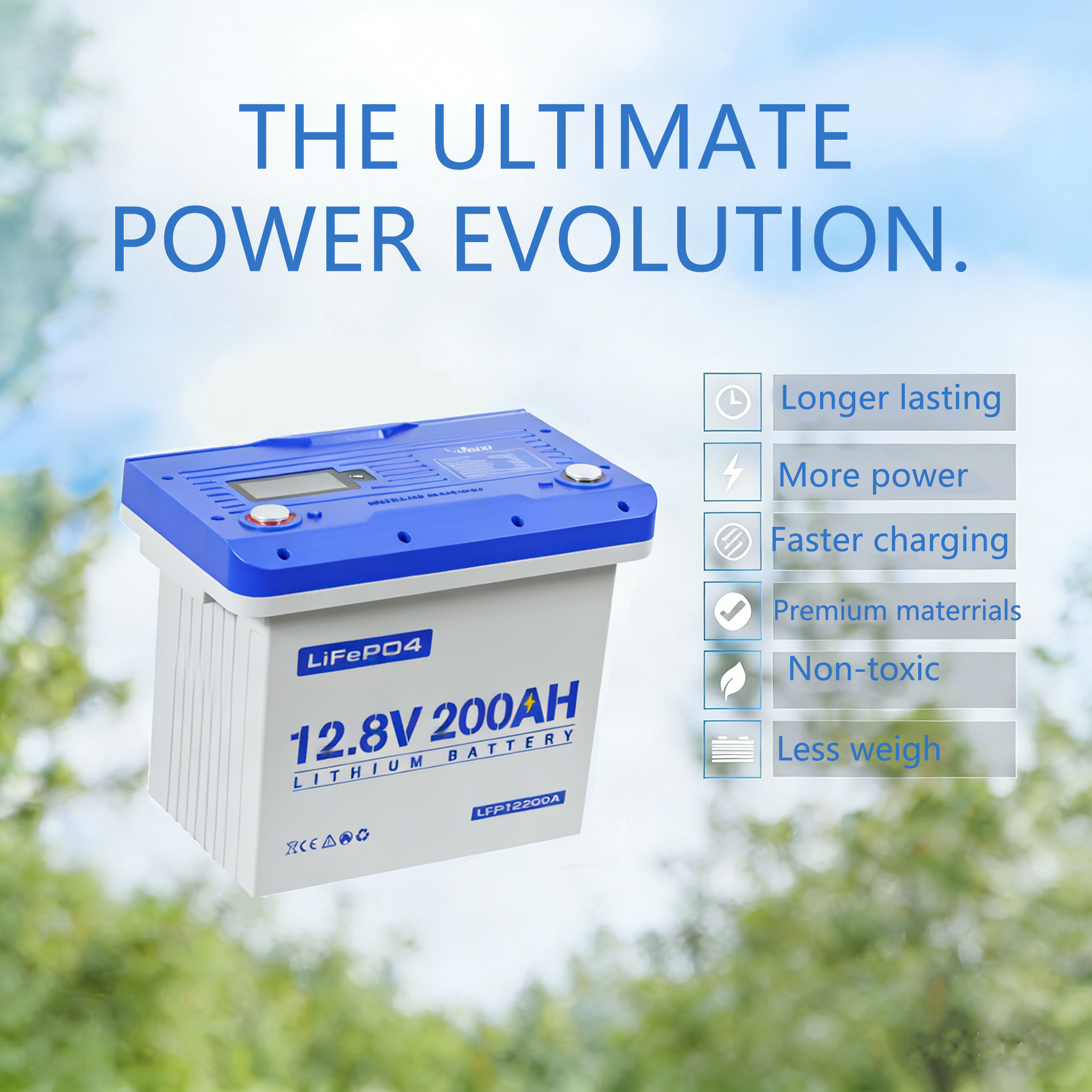

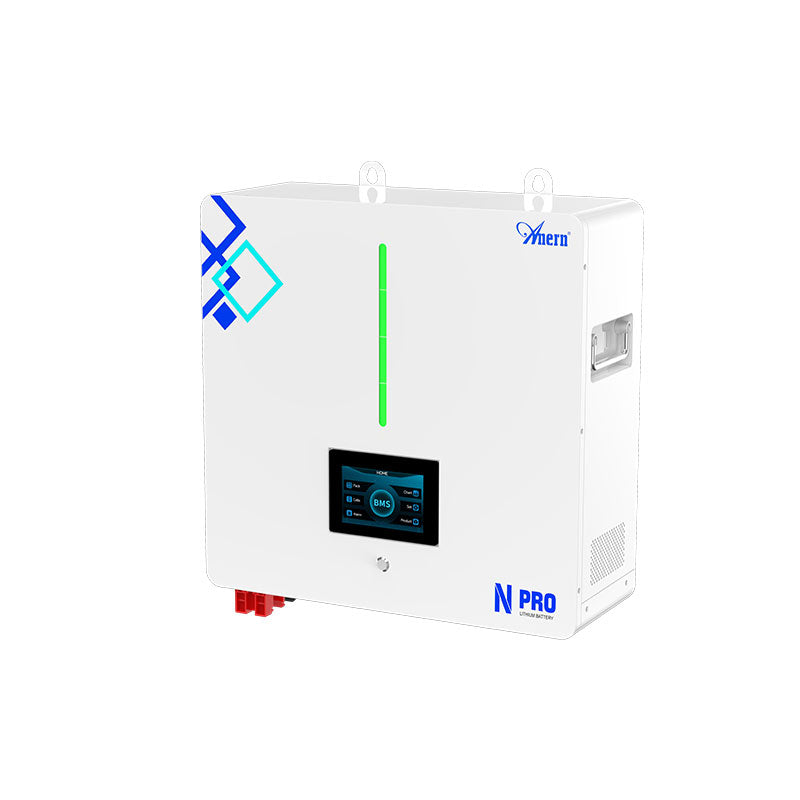

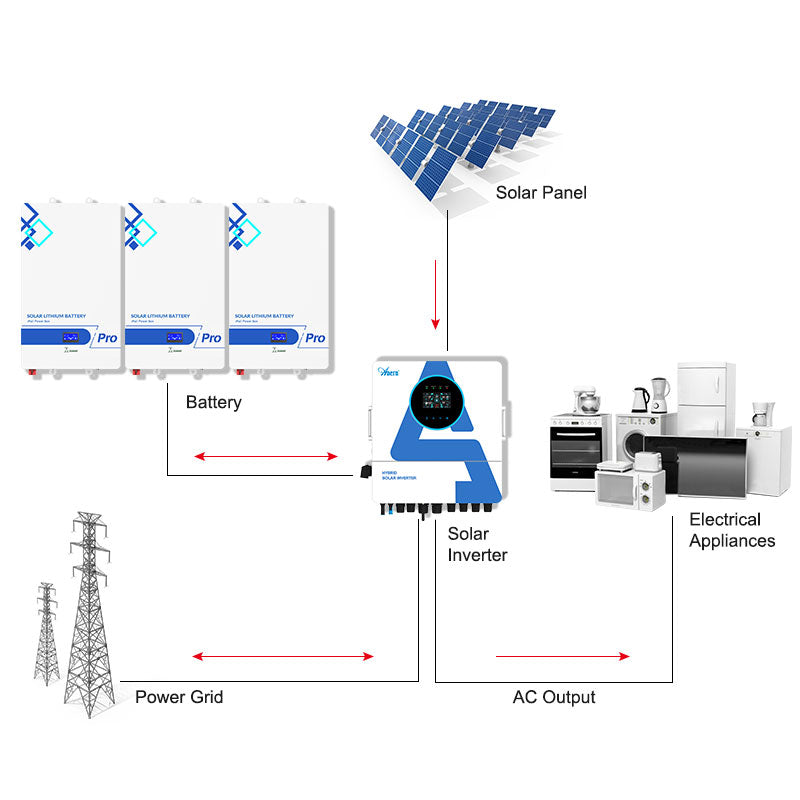
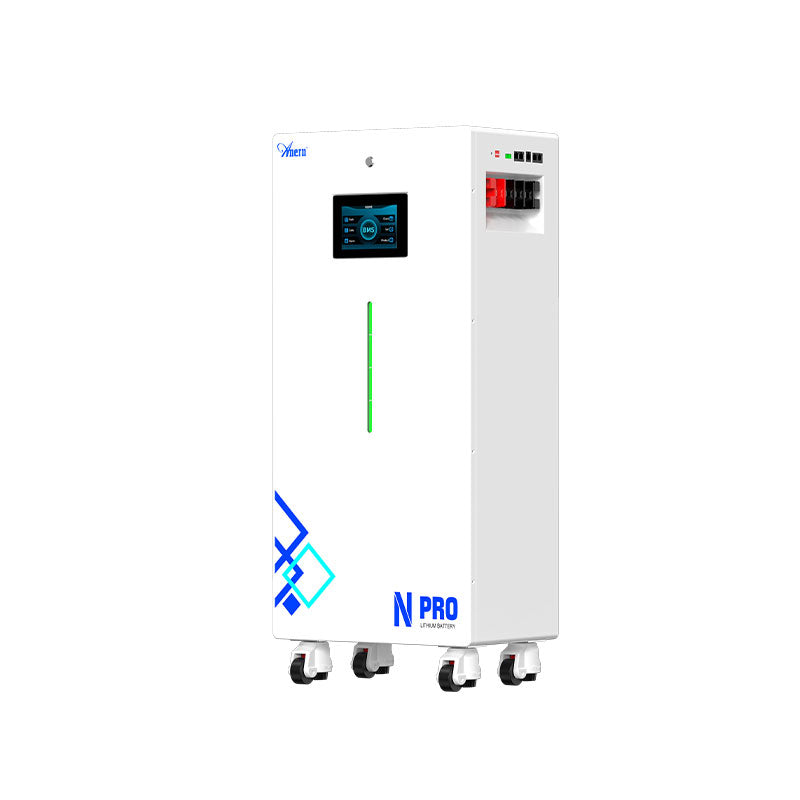






Choosing the right 12V 100Ah battery is a critical decision for anyone relying on independent power, whether for an RV, a boat, or an off-grid solar system. For years, Absorbent Glass Mat (AGM) batteries were the go-to standard for reliable, maintenance-free power. But a more advanced technology, Lithium Iron Phosphate (LiFePO4), has fundamentally changed the energy storage landscape. As we look at the market in 2025, the debate is more relevant than ever. This comparison will provide a clear breakdown of both technologies to help you make a smart, long-term investment in your energy independence.
Understanding the Core Technologies: AGM and LiFePO4
What is an AGM Battery?
AGM batteries are an advanced type of lead-acid battery. The name 'Absorbent Glass Mat' refers to the fine fiberglass separators between the lead plates that absorb the battery's electrolyte. This design makes them spill-proof, vibration-resistant, and maintenance-free compared to traditional flooded lead-acid batteries. They are known for their ability to deliver strong bursts of power, making them suitable for engine starting and other high-current applications.
What is a LiFePO4 Battery?
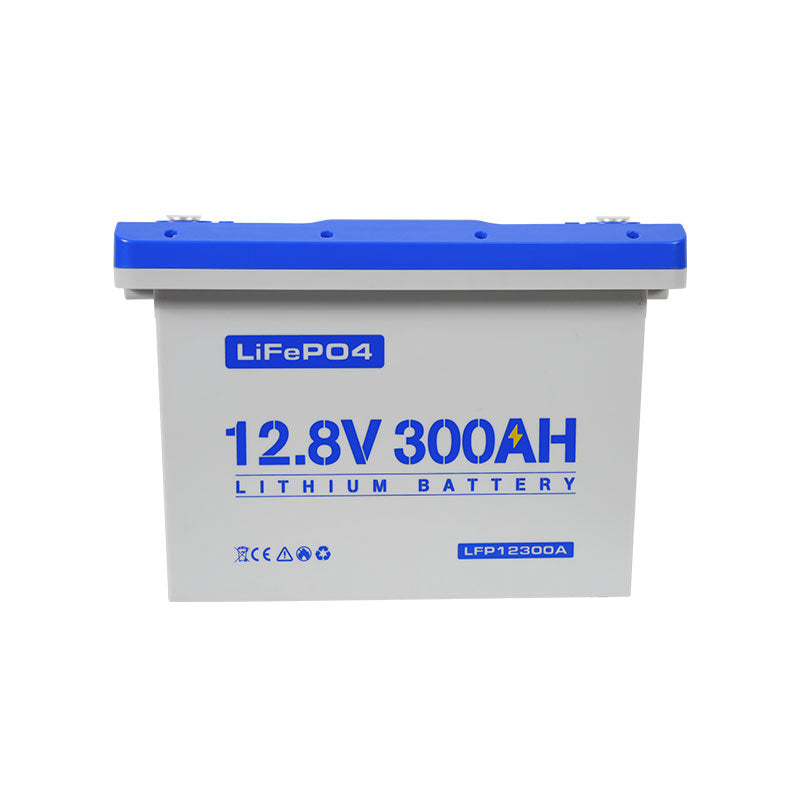
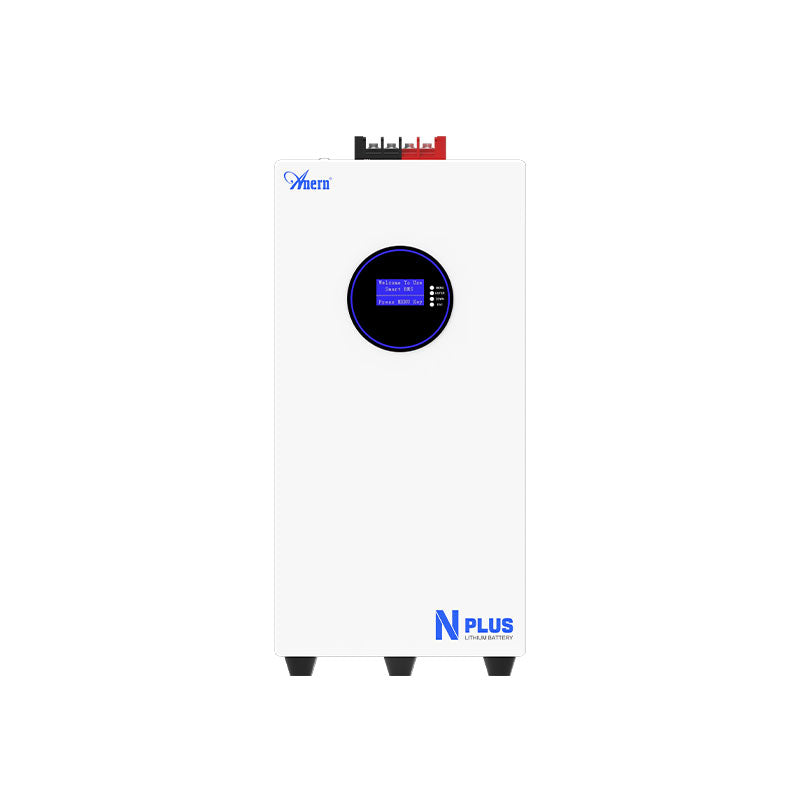
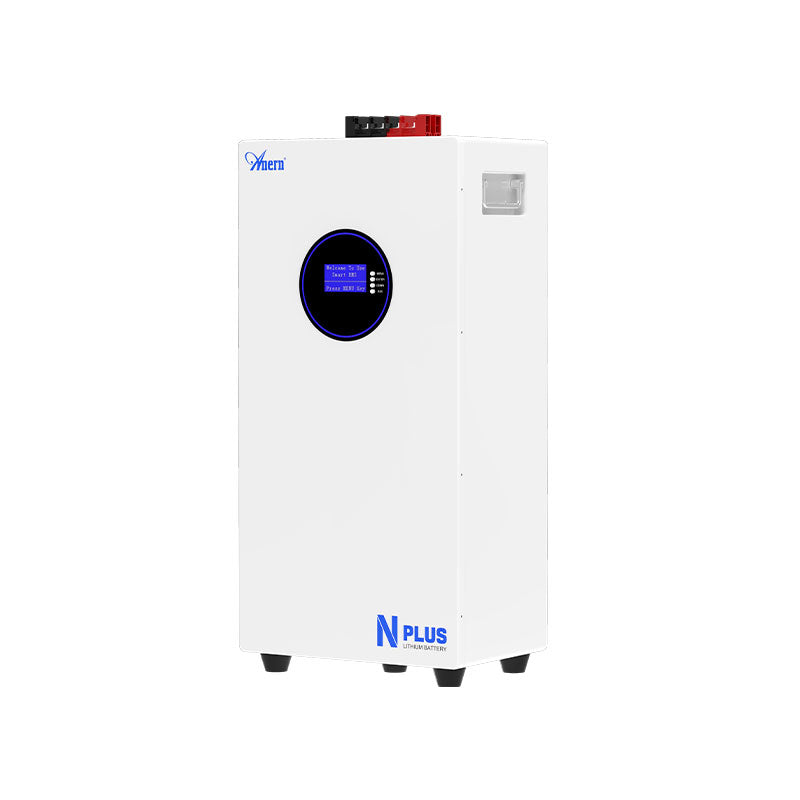
LiFePO4 is a specific type of lithium-ion battery that uses Lithium Iron Phosphate as its cathode material. This chemistry is renowned for its exceptional safety, thermal stability, and long lifespan. Unlike other lithium-ion chemistries used in consumer electronics, LiFePO4 is not prone to overheating, making it an incredibly reliable and safe choice for demanding applications like renewable energy storage and electric vehicles.
Head-to-Head Comparison: Key Performance Metrics
When you place these two technologies side-by-side, the advantages of LiFePO4 become clear. The differences in performance are not minor; they fundamentally impact how you use and rely on your power system.
| Feature | AGM Battery | LiFePO4 Battery |
|---|---|---|
| Cycle Life | 300 - 700 cycles | 3,000 - 7,000+ cycles |
| Usable Capacity (DoD) | 50% recommended | 80% - 100% |
| Weight (Avg. 100Ah) | 60-70 lbs (27-32 kg) | 25-30 lbs (11-14 kg) |
| Charging Speed | Slow (5-10+ hours) | Fast (1-3 hours) |
| Round-Trip Efficiency | ~80-85% | ~95% |
Cycle Life and Longevity
A battery's cycle life is the number of charge and discharge cycles it can endure before its capacity significantly degrades. AGM batteries typically offer 300 to 700 cycles. In contrast, LiFePO4 batteries deliver an impressive 3,000 to 7,000 cycles or more. For an application with daily use, a LiFePO4 battery can last over a decade, while an AGM battery might need replacement in just a few years. This dramatic difference in longevity is a primary factor in LiFePO4's superior long-term value.
Usable Capacity and Depth of Discharge (DoD)
Depth of Discharge refers to the percentage of the battery's capacity that is used. To protect its lifespan, it's recommended to only discharge an AGM battery to 50% of its capacity. This means a 100Ah AGM battery provides only 50Ah of usable energy. LiFePO4 batteries can be safely discharged to 80-100% without significant harm. Therefore, a 100Ah LiFePO4 battery provides 80-100Ah of usable energy—a massive real-world advantage that allows for longer runtimes.
Weight and Energy Density
LiFePO4 batteries have a much higher energy density, meaning they store more energy in a smaller, lighter package. A typical 12V 100Ah AGM battery weighs a hefty 60-70 pounds. Its LiFePO4 equivalent weighs just 25-30 pounds. This nearly 50% weight reduction is a game-changer for mobile applications like camping, RVs, and marine use, where minimizing weight is crucial.
The Financial Equation: Upfront Cost vs. Total Cost of Ownership
The Initial Investment
There is no denying that AGM batteries have a lower upfront purchase price. For budget-conscious buyers with infrequent power needs, this can be an attractive option. However, the initial price tag tells only a fraction of the story.
Calculating the Levelized Cost of Storage (LCOS)
A more accurate way to assess battery cost is the Levelized Cost of Storage, which considers the total cost over the battery's entire life divided by the total energy it delivers. LiFePO4 batteries, despite their higher initial cost, have a significantly lower LCOS. Their long cycle life means you would need to buy and replace an AGM battery multiple times to match the lifespan of a single LiFePO4 battery. When you factor in replacement costs and the higher efficiency of LiFePO4, it becomes the more economical choice over the long term. For a deeper understanding of how these metrics affect long-term value, analyzing the performance of solar storage systems reveals that higher efficiency and cycle life directly translate to lower lifetime costs.
A Look at the 2025 Market Landscape
The global shift toward more efficient and sustainable energy solutions is accelerating the adoption of LiFePO4 technology. According to research from the International Renewable Energy Agency (IRENA), there has been a significant trend towards Lithium Iron Phosphate (LFP) chemistries for energy storage. The market share for LFP in utility-scale deployments has grown dramatically, driven by lower costs, a longer cycle life, and enhanced safety. This trend is mirrored in the consumer market, where users demand more reliable and long-lasting power. Furthermore, reports from the Global EV Outlook 2025 by the International Energy Agency (IEA) show that the battery industry has entered a new phase of standardization and scale, which is helping to drive down costs and improve technology. This momentum ensures that LiFePO4 technology will only become more accessible and dominant in 2025 and beyond.
The Final Verdict: Why LiFePO4 is the Smart Choice
While AGM batteries served a purpose for many years, the technological advancements of LiFePO4 are undeniable. For nearly every application, from the weekend camper to a full-time off-grid residence, the 12V 100Ah LiFePO4 battery is the superior choice in 2025. It offers a longer lifespan, provides more usable energy, weighs significantly less, and delivers a lower total cost of ownership. Investing in LiFePO4 is an investment in a more efficient, reliable, and durable energy future.
Frequently Asked Questions
Can I replace my AGM battery directly with a LiFePO4?
In most cases, yes. However, it is crucial to verify that your charging system, including the solar charge controller, alternator, or onboard charger, has a setting compatible with LiFePO4 charging profiles. Using an AGM charger can work but may not fully charge the battery and could impact its long-term performance. Upgrading or adjusting your charger is recommended for optimal results.
Do LiFePO4 batteries work in cold weather?
Standard LiFePO4 batteries should not be charged at temperatures below freezing (0°C / 32°F), as this can damage the cells. However, many modern LiFePO4 batteries designed for camping and all-weather use come with a built-in heating system. This feature automatically warms the cells to a safe temperature before charging begins, ensuring reliable performance even in cold climates.
Are LiFePO4 batteries safe?
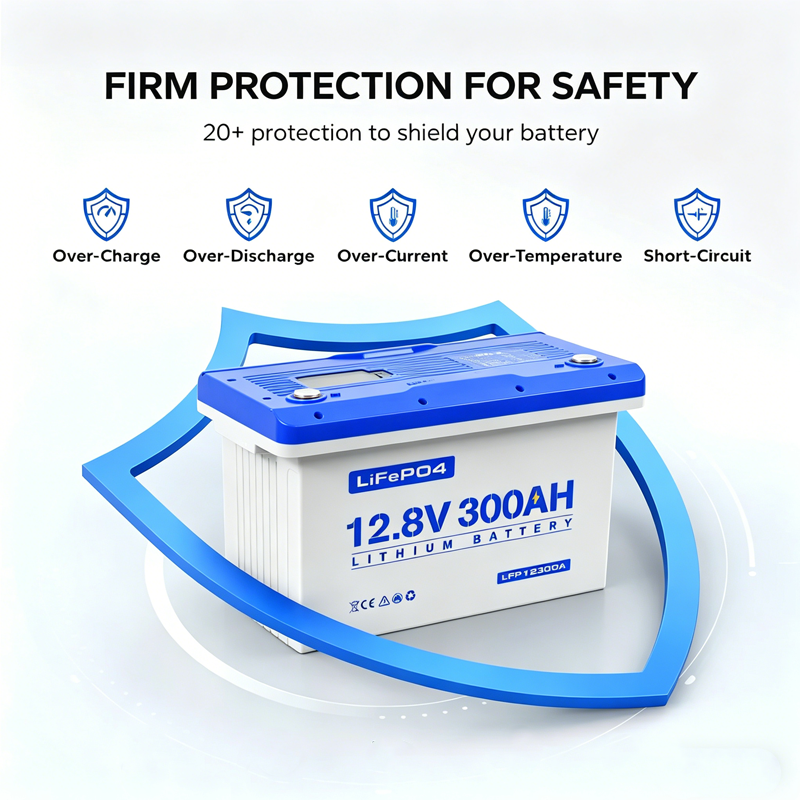
LiFePO4 is widely considered the safest and most stable lithium-ion chemistry. The phosphate-based material is not prone to thermal runaway like other chemistries. Additionally, all reputable LiFePO4 batteries include an internal Battery Management System (BMS) that protects against overcharging, over-discharging, short circuits, and extreme temperatures, ensuring safe operation.
What is the real-world lifespan of a 12V 100Ah LiFePO4 battery?
With a cycle life of 3,000 to 7,000 cycles, a LiFePO4 battery can last over 10 years with daily use. For someone using it for weekend camping trips or occasional use, the battery could potentially last for 15 years or more, far outlasting any AGM alternative.
