













Debate around NEC Rapid Shutdown Labels keeps showing up on job sites and in plan reviews. Some teams see a flood of red placards as clutter. First responders and many authorities see them as life saving cues. The truth sits between. This piece separates myths from field reality and gives you a practical path to NEC labeling compliance without overdoing it.

What Rapid Shutdown Labels Do, and What They Do Not
The code basis and the purpose
Rapid Shutdown Requirements live in NEC 690.12. Marking rules live in 690.56(C). In short, systems must reduce DC voltage to a safer level in defined zones within a set time, and labels must make the control point and behavior obvious. Labels are for humans under stress. They guide a firefighter to the right switch and set expectations about shock risk near the array and near the service equipment.
Energy agencies reinforce the importance of clear practices during the fast growth of solar. The U.S. Department of Energy notes that safe, reliable solar needs robust standards and installation practices across residential and commercial sites. See the overview at energy.gov: Solar Energy.
Limits you should accept
Labels do not fix poor wiring. They do not replace commissioning tests. They also do not guarantee that every conductor is de energized, especially inside the array boundary for older code cycles. Treat them as an indexed map: accurate, durable, and quickly understood.
Myth vs Reality
Myth 1: NEC Rapid Shutdown Labels are overkill
Reality: They reduce response time and uncertainty during fire and service events. First responders do not carry the site as built. They rely on visible, standardized cues. The International Energy Agency highlights that rapid renewable integration demands practices that support safe, real time operations. See IEA: System Integration of Renewables.
As rooftop PV and hybrid ESS expand, more dwellings and clinics depend on distributed systems. Reliability and safety signage become part of critical infrastructure. Case experiences in healthcare show that unstable power can disrupt essential services, which raises the stakes for clear design and operations practices. For context on energy access and system reliability, see IRENA: Enhancing healthcare delivery in Mozambique. While not a labeling study, the report underscores the value of dependable, well managed distributed energy.
Myth 2: A single label style fits all Rapid Shutdown Requirements
Reality: NEC labeling language and scope changed across 2014, 2017, 2020, and 2023 editions. That means the correct text, locations, and any diagram need to match the adopted code cycle and local amendments. Authorities Having Jurisdiction (AHJs) expect the exact edition they enforce. The table below summarizes practical differences for planning. Always verify the adopted edition and local rules.
| NEC edition | Rapid shutdown scope (plain terms) | Minimum service label info (plain terms) | Typical label locations | Array diagram need |
|---|---|---|---|---|
| 2014 | Reduce voltage for conductors outside the array within a set time | System equipped with rapid shutdown; indicate the switch that activates it | Service equipment, rapid shutdown switch, and at the PV disconnect if separate | Usually no diagram at service equipment |
| 2017 | Defines array boundary and controls both outside and inside boundary zones | State that the system has rapid shutdown and that turning the marked switch to off reduces shock hazard; note array boundary concept | Service equipment and rapid shutdown switch; some AHJs ask for roof placard near access point | Some jurisdictions request a simple array boundary layout placard |
| 2020 | Clarifies controlled conductors and marking; aligns wording for switch function | Clear instructions to operate the rapid shutdown control; indicate what becomes de energized | Service equipment, rapid shutdown initiation device, and main PV disconnect | Jurisdiction dependent; simplified diagrams common |
| 2023 | Refinements continue; emphasis on performance and unambiguous markings | Plain language instructions and system behavior notes; durable contrast and size | Same as 2020, with tighter expectations for readability | As required by AHJ |
For deeper background on PV technology maturity and the need for robust standards, see IEA: Solar Energy Perspectives.
Myth 3: If the label is present, the system is safe everywhere
Reality: Rapid shutdown reduces voltage in designated zones after activation. Inside certain parts of the array, hazard may remain depending on the code cycle and equipment. Energy storage adds more variables. A battery system can stay energized to support backup loads even after PV rapid shutdown triggers. Labels must describe the control and the effect, not promise a total de energized site.
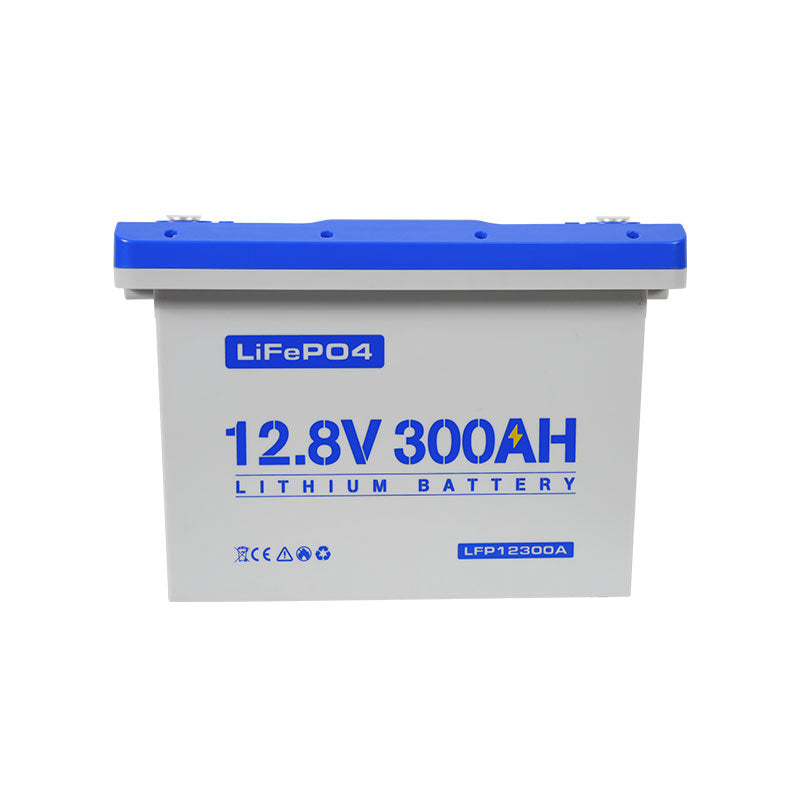
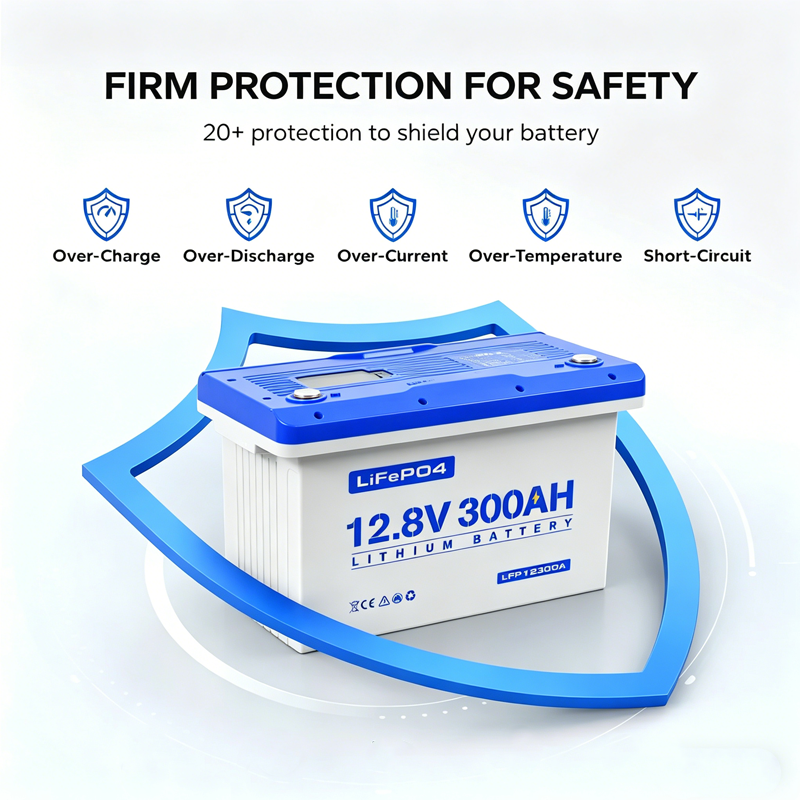
Battery performance and protection behavior matter here. A practical summary of storage performance and protections is available at Ultimate Reference: Solar Storage Performance. It notes how lithium iron phosphate systems pair long cycle life with strong thermal stability, and how battery management systems control charge, discharge, and fault responses. Align your labels and single line with the actual shutdown logic of the PV side and the ESS side.
NEC Rapid Shutdown Labeling Requirements that Matter
Wording that works under pressure
Use concise, action oriented text. State that the PV system has rapid shutdown. Identify the device that initiates it. State the action: turn switch to off to reduce shock risk. Avoid jargon. Use consistent terms with the adopted NEC text without copying code lines verbatim.
Location and visibility
- Place a label at the service equipment that a firefighter or utility worker reaches first.
- Place a label at the rapid shutdown initiation device if it is separate from the service disconnect.
- Add a placard at the PV disconnecting means where it helps clarify the system layout.
- On large rooftops, consider a weatherproof roof access placard that shows the array boundary and the control location, if the AHJ expects it.
Durability and legibility
Use materials that resist UV, heat, and moisture. Many AHJs informally look for label materials that meet a durable label standard and color contrast similar to common safety sign practices. Use high contrast backgrounds, simple fonts, and letter heights that can be read from a safe distance.
Are labels overkill? A practical cost and risk take
Mislabeling can trigger re inspection delays and unsafe actions during an emergency. A compliant label set costs little compared to truck rolls and lost time. The bigger benefit is reduced confusion: a few seconds saved at the service entrance can prevent an injury.
Growth in distributed PV and storage raises the volume of rooftops that responders see. Energy planners point to rapid decarbonization targets and the expanding role of solar. See the overview on sector trends at EIA and policy context at IEA: Solar Energy Perspectives. More systems means more need for clear, consistent labels.
Design alignment for PV and ESS
Match labels to actual shutdown behavior
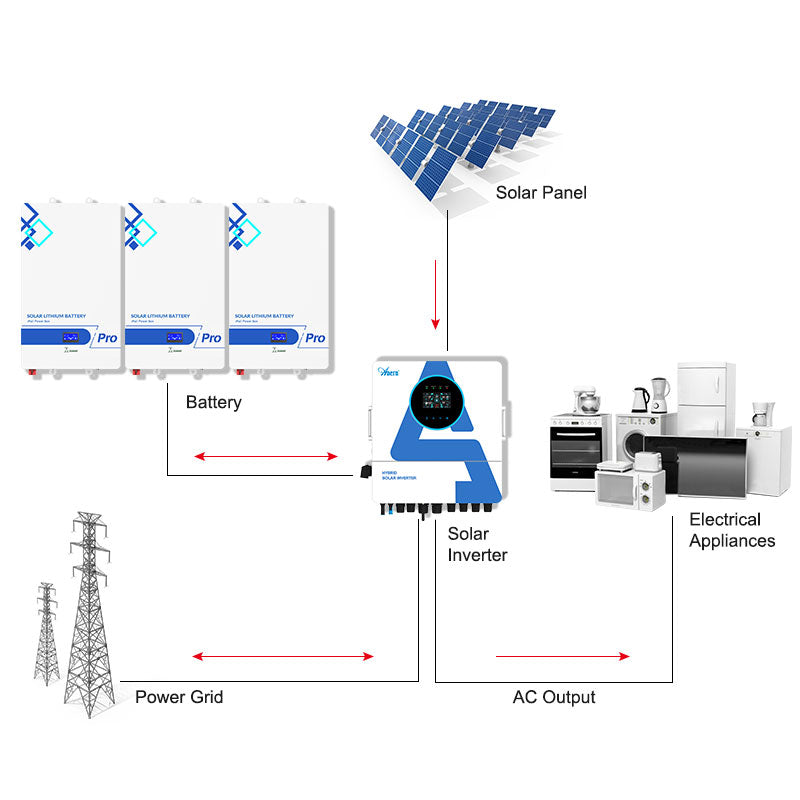
On hybrid systems, PV rapid shutdown usually cuts array circuit hazard. Batteries may still energize a backup panel. Use a distinct ESS label that states the presence of stored energy and the location of battery disconnects. Reflect the battery management logic described in this storage performance reference: note normal charge and discharge limits, and the presence of automatic protection.
Document the control path
On the one line diagram, show the rapid shutdown control path from the service equipment to the initiation device and to the array. If module level rapid shutdown devices are installed, mark that on the plan and include a brief line on the label: module level rapid shutdown installed, activation at service disconnect.
Field tested tactics that prevent over labeling
- Use a label matrix that maps only required labels to code sections. This avoids duplicates and keeps the service entrance readable.
- Keep wording short. Replace technical terms with plain verbs: turn, open, push.
- Place labels after equipment mounting but before final conduit terminations. You will position them cleanly and avoid covering them with hardware.
- Photo document labels during commissioning and include the photos with the as built set. Inspectors appreciate proof of placement.
Credible signals from authorities
- Energy agencies promote consistent standards because they reduce confusion in the field. See DOE Solar Energy.
- Integration studies stress the need for clear operational practices as variable renewables scale. See IEA on system integration.
- Broader solar technology reviews note the role of quality assurance and documentation in avoiding early failures and operational incidents. See IEA Solar Energy Perspectives.
- Resilient, decentralized energy improves outcomes in critical services. See IRENA on healthcare and renewables.
Key takeaways you can act on
- NEC Rapid Shutdown Labels are not decoration. They are a low cost safety guide for responders.
- Use the adopted NEC edition to set exact label language, locations, and any diagrams.
- Align PV labels with ESS behavior. State what turns off and what remains energized.
- Keep labels durable, high contrast, and short. Test readability from a few feet away.
Disclaimer: Code and safety information here is for general education only and is not legal advice. Always follow the adopted code, manufacturer instructions, utility rules, and the AHJ.
FAQ
Are NEC Rapid Shutdown Labels required on older systems that predate current codes?
Most AHJs apply the code that was in force at the time of permit. If you upgrade equipment or add storage, the AHJ may require current labeling on affected parts. Confirm with the plan reviewer.
Do microinverters or AC modules remove the need for rapid shutdown labels?
Many AC module systems inherently meet rapid shutdown performance outside the array. Labels at the service equipment remain useful and are often required to describe the control and expected hazard reduction.
Where should I place the main rapid shutdown label?
At the service equipment that responders reach first. If the initiation device is not co located, place a second label at that device with clear arrows or a diagram as allowed by the AHJ.
What size and color should I use?
Use high contrast colors and letter heights that remain readable in sun and rain. Many jurisdictions accept red backgrounds with white letters for shutdown notices, but check local rules.
How do I label hybrid PV plus storage?
Use both PV rapid shutdown labels and ESS hazard labels. State that PV rapid shutdown reduces shock risk on array circuits, and identify the battery disconnect location. Match the labels to the actual control logic and the single line.
