



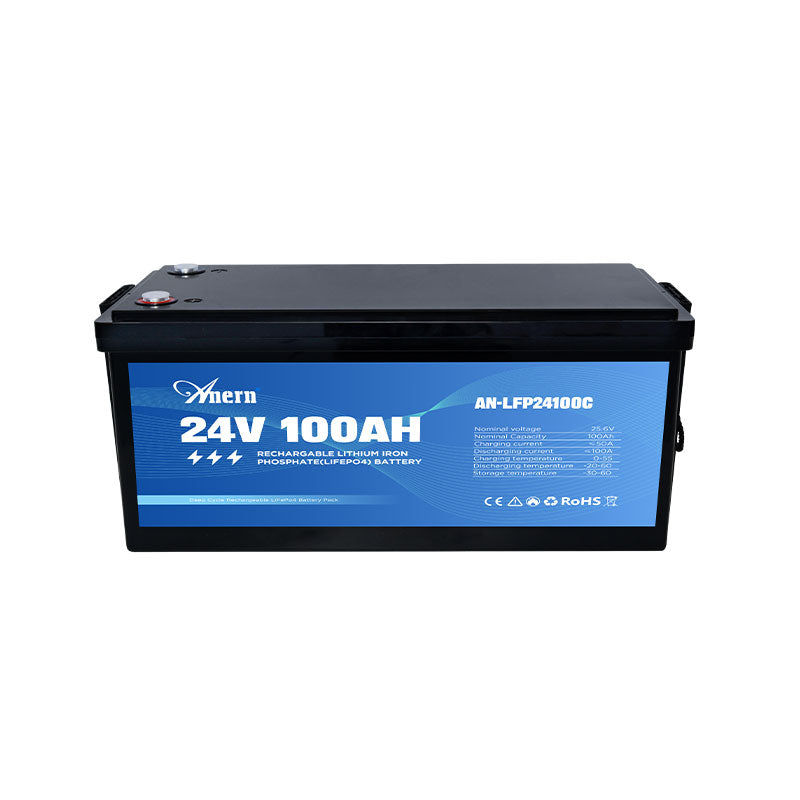
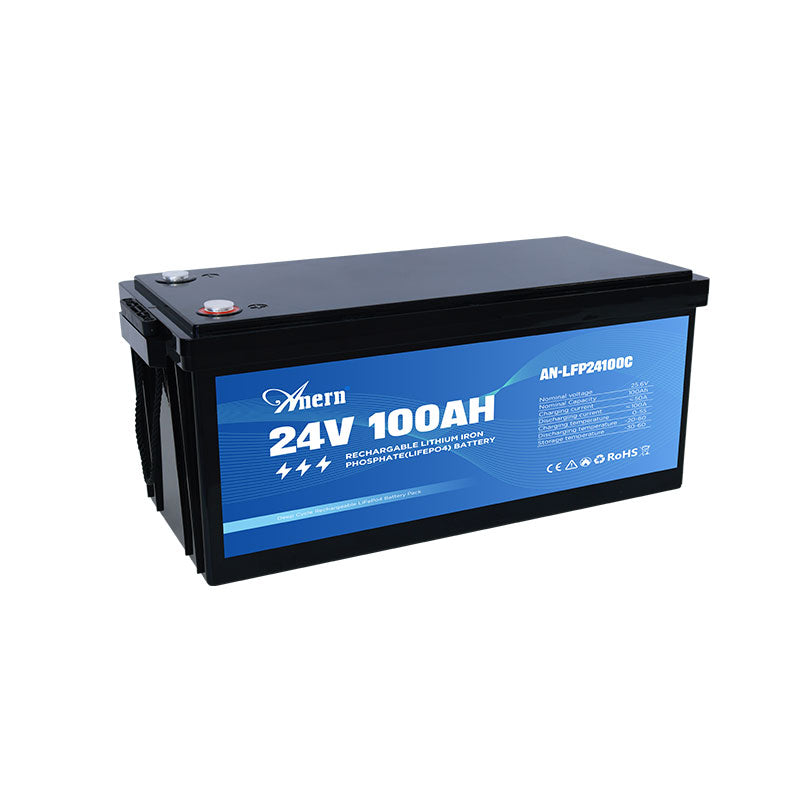


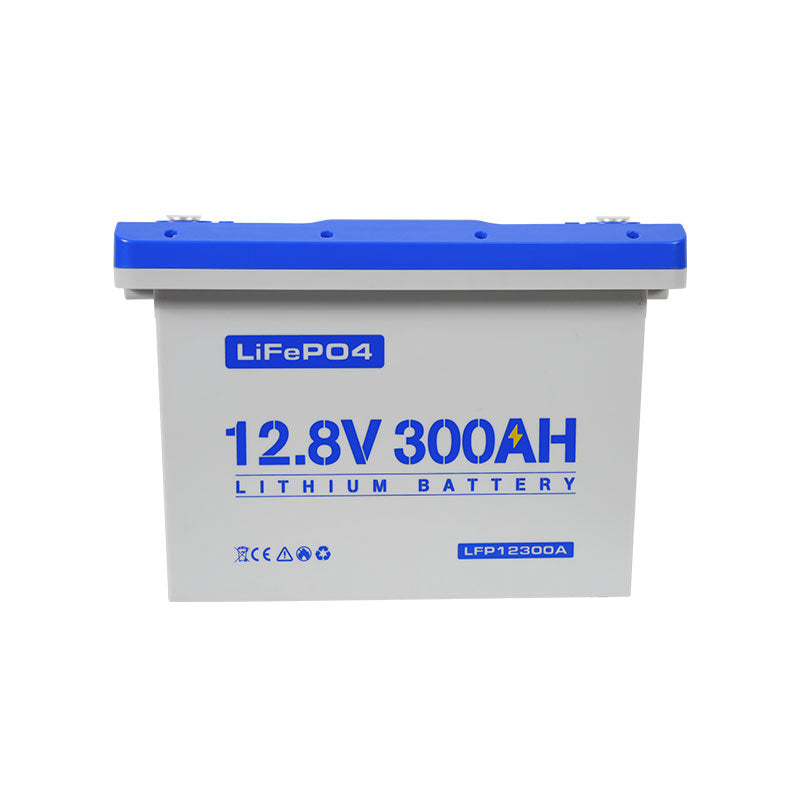
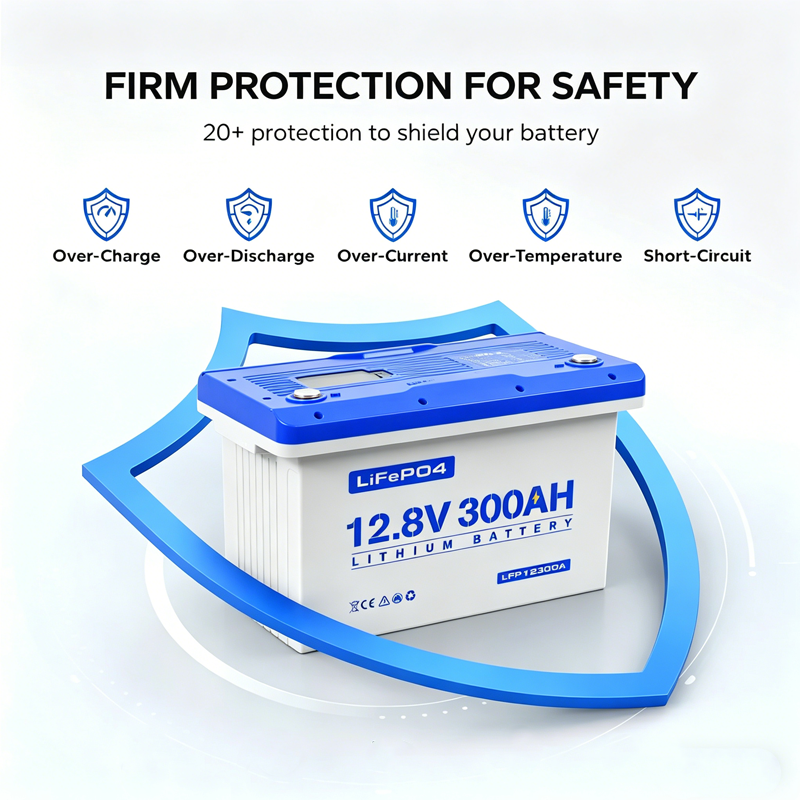

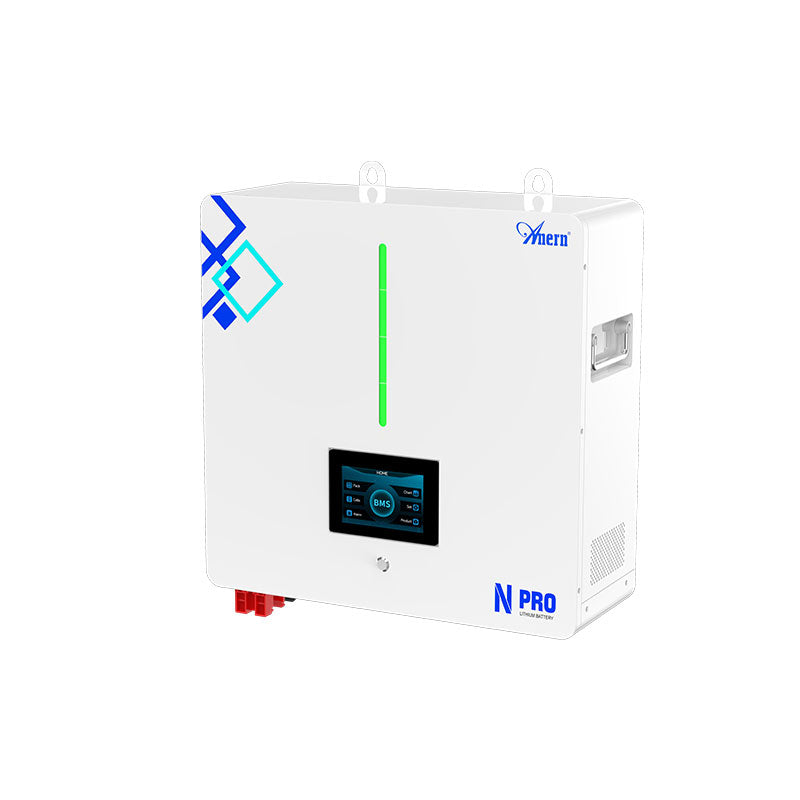

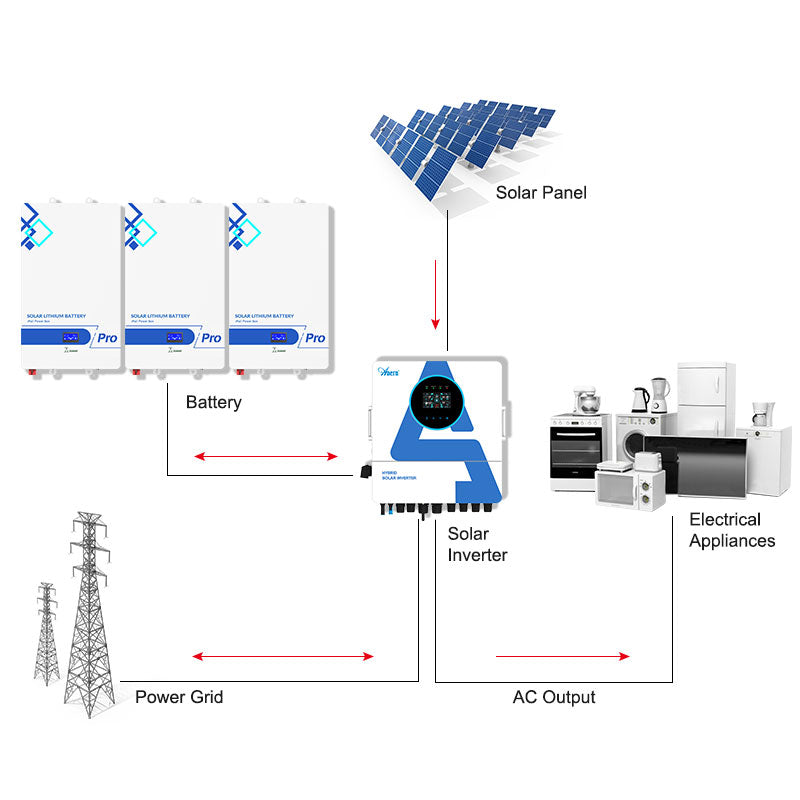
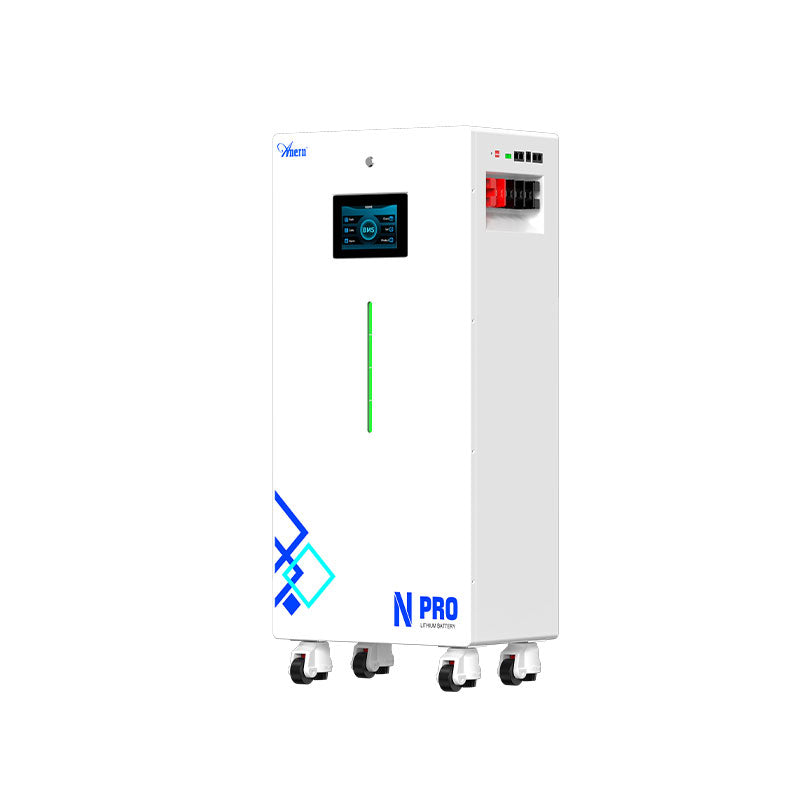


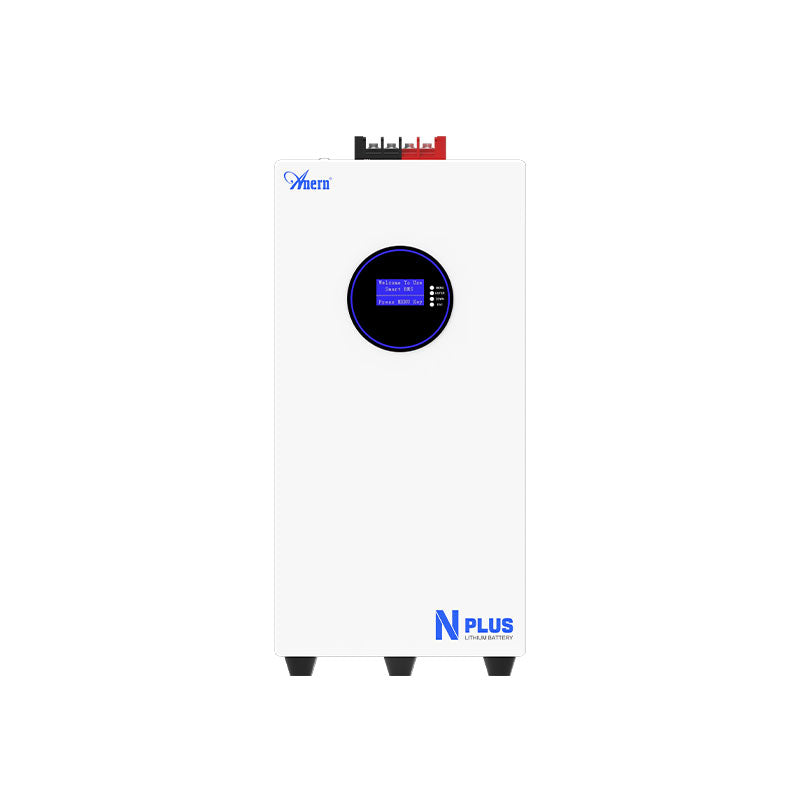
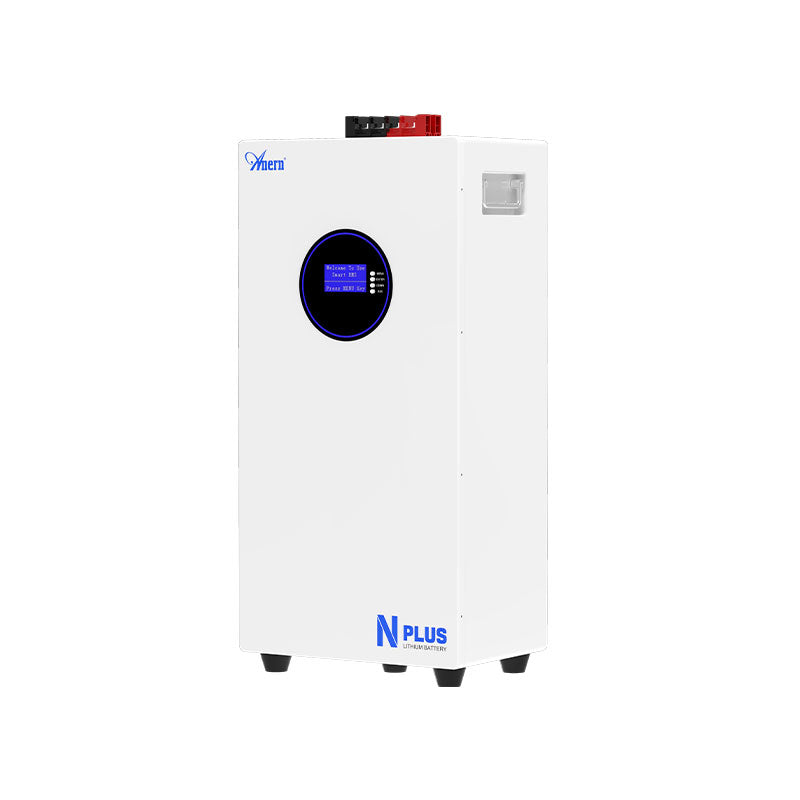
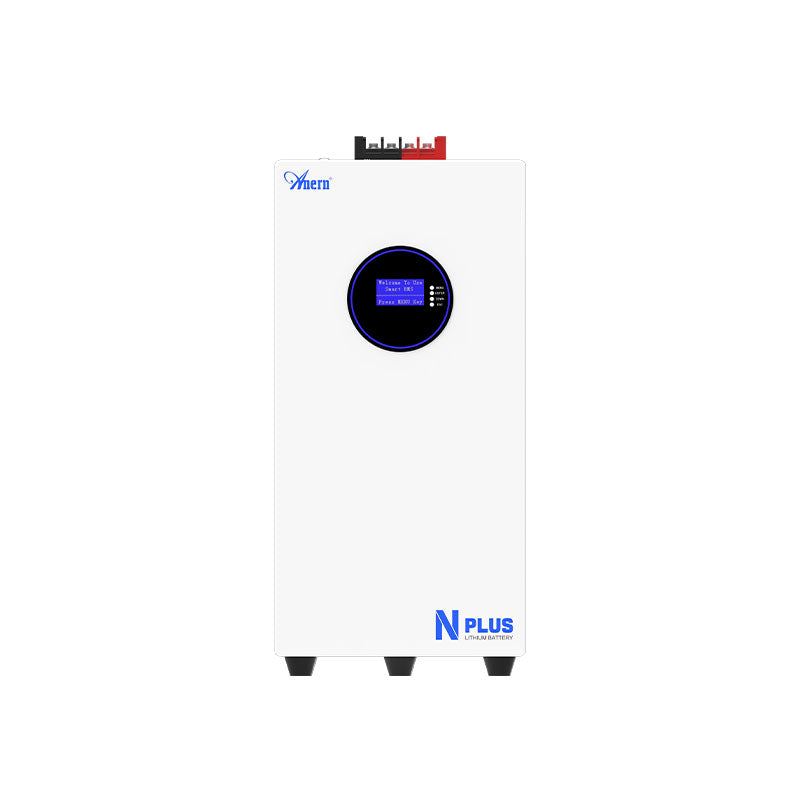
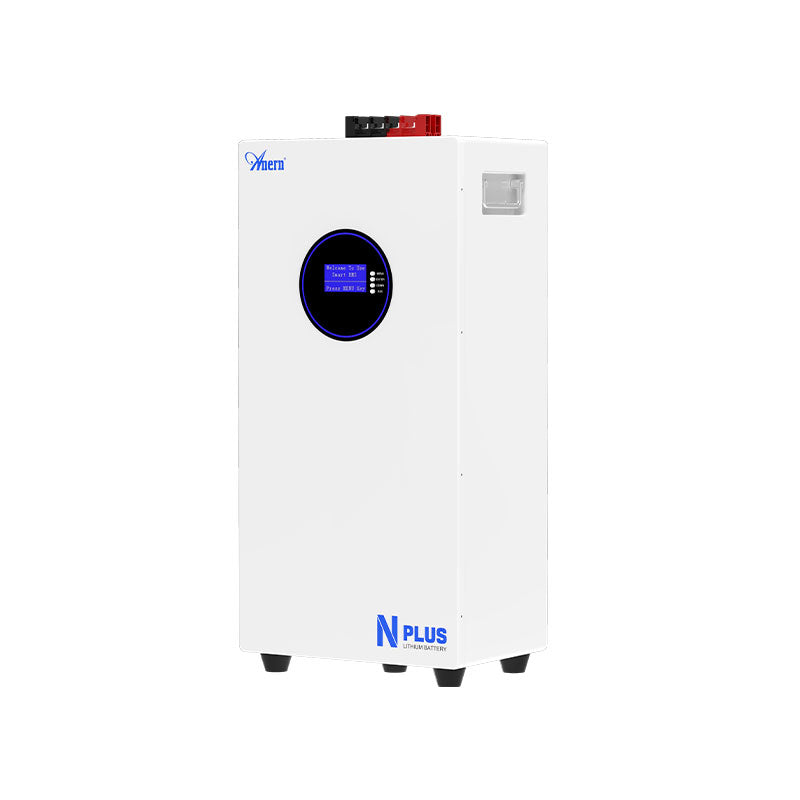




A 100Ah lithium-ion battery is a common starting point for small off-grid solar kits because it balances capacity, size, weight, and cost. Whether it is enough depends on your daily energy use, inverter losses, solar recharge window, and how many cloudy days you want to cover.
The right question is not simply “Is 100Ah enough?” It is “How many watt-hours do my loads need each day, and can my solar panels replace that energy reliably?”
Understanding the Power of a 100Ah Lithium-Ion Battery
Battery capacity is often labeled in amp-hours, but solar system sizing is easier when you convert that number into watt-hours.
What 100Ah Actually Represents
Amp-hours (Ah) measure electric charge. To estimate stored energy, multiply amp-hours by voltage:
Watt-hours (Wh) = Amp-hours (Ah) x Battery voltage (V)
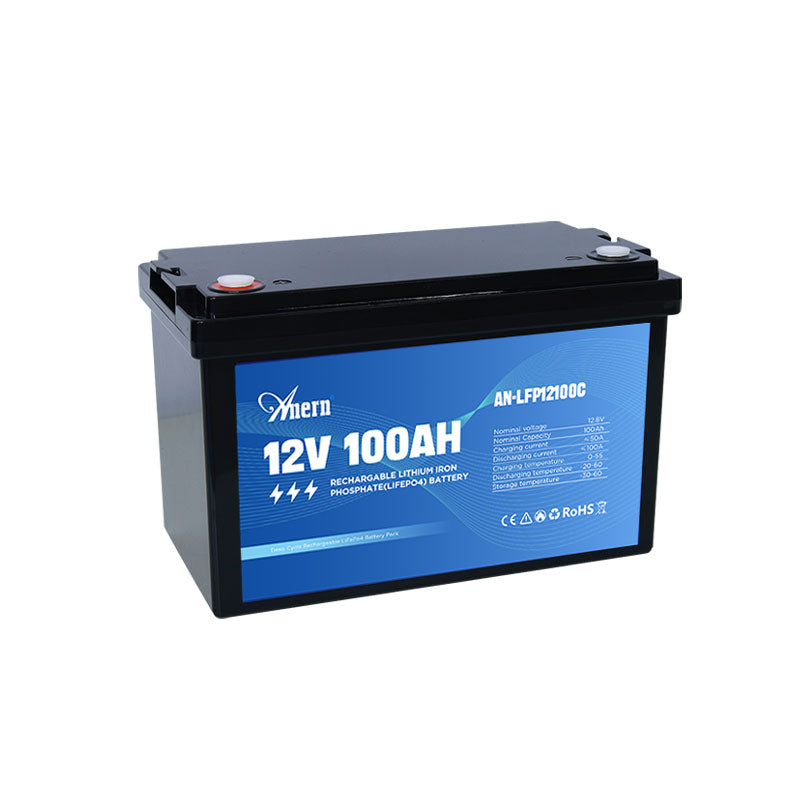
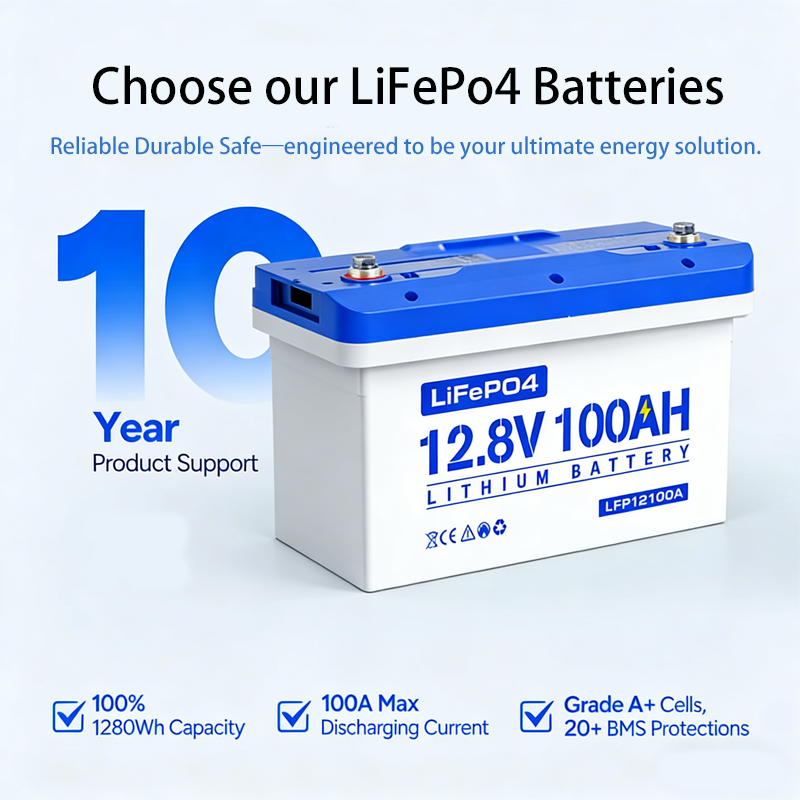
A typical 12V LiFePO4 battery uses a nominal voltage of about 12.8V, so a 100Ah pack stores roughly 1280Wh, or 1.28kWh. A simpler 12V calculation gives 1200Wh, but 12.8V is usually the better planning number for LiFePO4. See this 12V 100Ah LiFePO4 battery example for the common 1280Wh rating.
The LiFePO4 Advantage: Usable Capacity
LiFePO4 batteries generally provide more usable capacity than lead-acid batteries of the same Ah rating. Many lead-acid systems are sized around shallower discharge to preserve life, while LiFePO4 batteries can often use a larger share of rated capacity. The exact usable range still depends on the battery BMS, discharge current, temperature, and manufacturer limits.
Calculating Your Daily Energy Consumption
An energy audit is the most reliable way to decide whether a 100Ah battery is enough. List each load, its wattage, and how long it runs per day.
Create an Appliance Energy Audit
| Appliance | Power | Daily Runtime | Daily Energy |
|---|---|---|---|
| LED lights | 20W | 5 hours | 100Wh |
| Laptop charger | 65W | 3 hours | 195Wh |
| Small fan | 40W | 6 hours | 240Wh |
| Efficient refrigerator | Varies | Cycles throughout day | 600Wh to 1200Wh+ |
If your essential loads stay under about 800Wh to 1000Wh per day, one 100Ah LiFePO4 battery may be workable. If a refrigerator, pump, or inverter-heavy AC loads push daily use above the battery's usable energy, a larger battery bank is usually cleaner.
Accounting for System Inefficiencies
Inverters and wiring introduce losses. If your AC loads need 1000Wh, the battery may need to supply roughly 1100Wh to 1200Wh depending on inverter efficiency and wiring quality. This is why a battery that looks large on paper can feel small in real use.
Sizing Your Solar Kit for a 100Ah Battery
The battery stores energy; the solar array replaces it. A balanced solar kit should recharge the battery within your available sun window without relying on perfect weather every day.
Matching Solar Panels to Your Battery
If you want to replace about 1200Wh in one day and your location receives 5 useful peak sun hours, a rough starting point is:
Solar watts = Daily Wh / Peak sun hours
1200Wh / 5 hours = 240W before losses. In practice, many users oversize the array to account for cloudy conditions, panel angle, heat, charge controller efficiency, and seasonal variation. The U.S. Department of Energy's solar photovoltaic system design basics explains how panels, inverters, and storage work together in PV systems.
Planning for Days of Autonomy
Days of autonomy means how long your system should run without enough solar charging. A single 100Ah battery provides limited backup time. If you need two or three cloudy days of energy, calculate battery capacity from daily Wh, not from guesswork:
Total storage needed = Daily Wh x Days of autonomy
For a 1000Wh daily load and three days of autonomy, you need about 3000Wh before losses and reserve margin. That is beyond a single 12V 100Ah battery.
Is a 100Ah Battery Sufficient for Common Applications?
RVs and Mobile Living
A 100Ah LiFePO4 battery can work well for lights, fans, water pumps, phone charging, laptops, and low-power DC loads. It is not a good match for long runtime on air conditioners, electric heaters, large microwaves, or high-wattage kitchen appliances.
Small Off-Grid Cabins
For a weekend cabin with efficient lighting, device charging, and a small DC setup, one 100Ah battery can be practical. For full-time off-grid living, a larger bank is normally needed. This off-grid solar battery calculator guide can help turn daily loads into a storage estimate.
Emergency Backup Power
As short-term backup, a 100Ah battery can keep essentials running, such as a router, lights, phone chargers, and some efficient refrigeration. Runtime depends heavily on load selection. A battery backup plan should prioritize critical loads rather than trying to power the whole home.
Final Thoughts
A 100Ah lithium-ion battery can be a strong fit for compact solar kits, RVs, weekend cabins, and short-term backup. It is usually not enough for high-wattage appliances, multi-day autonomy, or full-time off-grid living unless it is part of a larger scalable battery bank.
Before buying, calculate daily Wh, account for inverter losses, check your solar recharge window, and decide how much reserve capacity you need. For broader capacity and efficiency planning, review this solar storage performance guide.
Frequently Asked Questions
How much energy does a 12V 100Ah LiFePO4 battery provide?
A typical 12.8V 100Ah LiFePO4 battery stores about 1280Wh, or 1.28kWh. Usable AC energy will be lower after inverter and wiring losses.
How long will a 100Ah lithium battery last per charge?
Divide usable watt-hours by load watts. A 50W load may run for roughly a day in ideal DC conditions, while a 500W AC load may drain the same battery in only a few hours after inverter losses.
Can I connect multiple 100Ah batteries?
Often yes, if the batteries are compatible and the manufacturer allows parallel connection. Use matching batteries, balanced wiring, proper over-current protection, and a charge controller or inverter sized for the larger bank.
What is the main difference between 100Ah lithium and 100Ah lead-acid?
A 100Ah LiFePO4 battery usually provides more usable energy, lower weight, better cycle life, and higher efficiency than a 100Ah lead-acid battery. Lead-acid batteries are often cheaper upfront but provide less usable capacity in deep-cycle use.
