


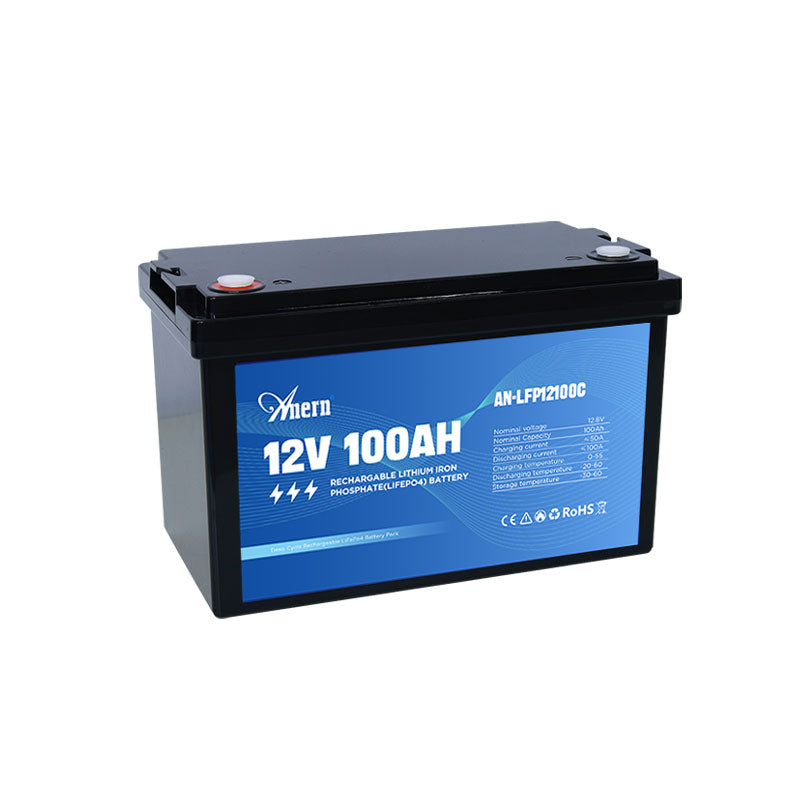
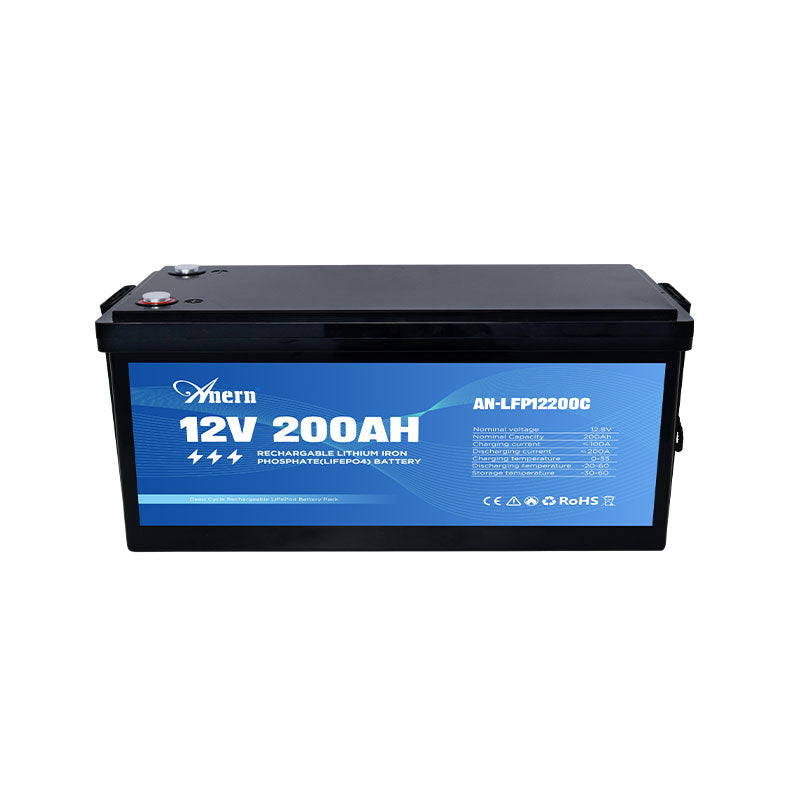
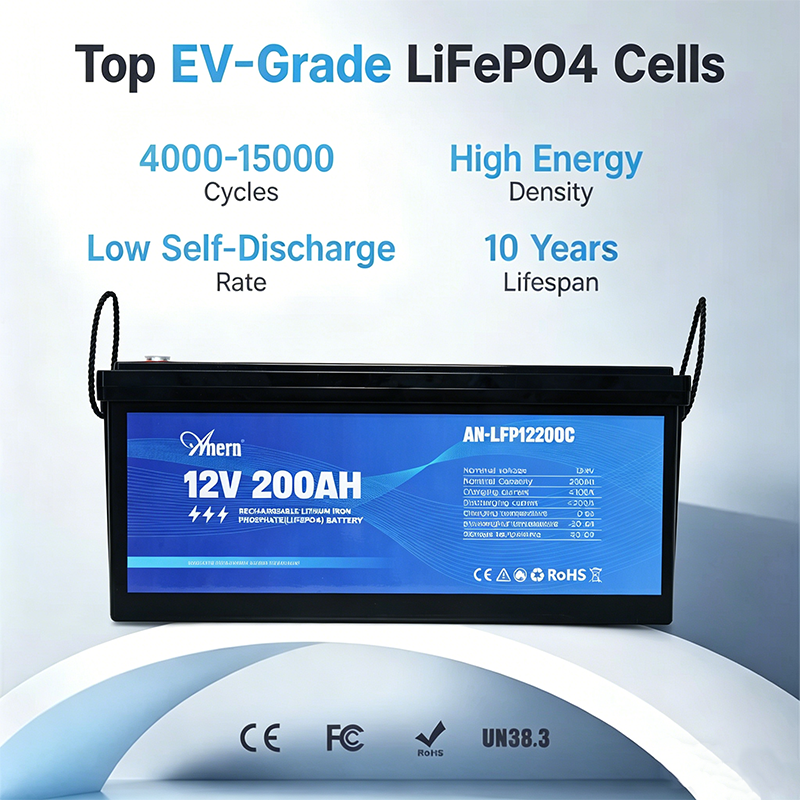

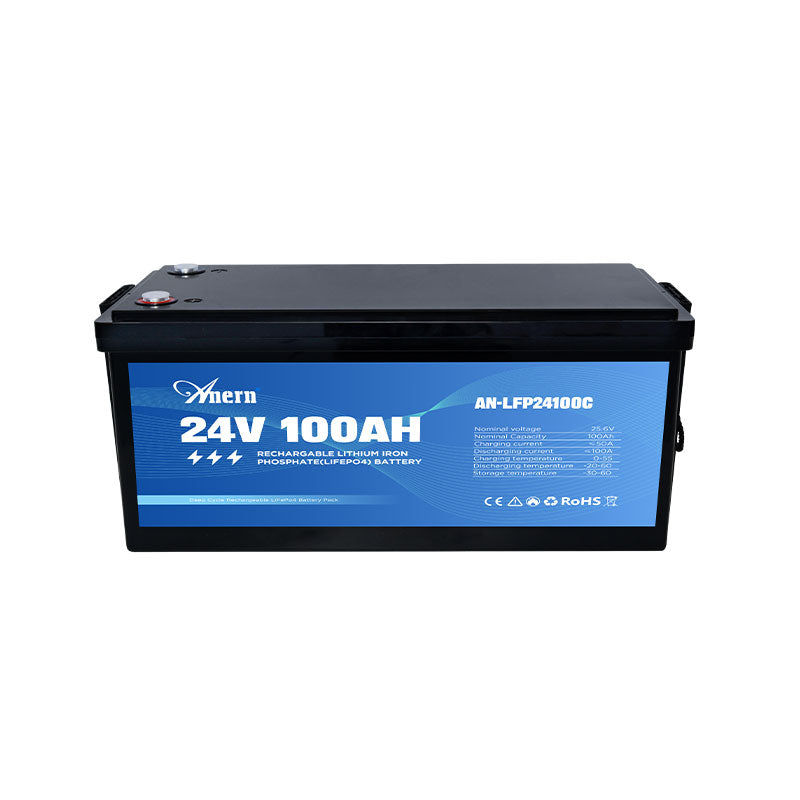
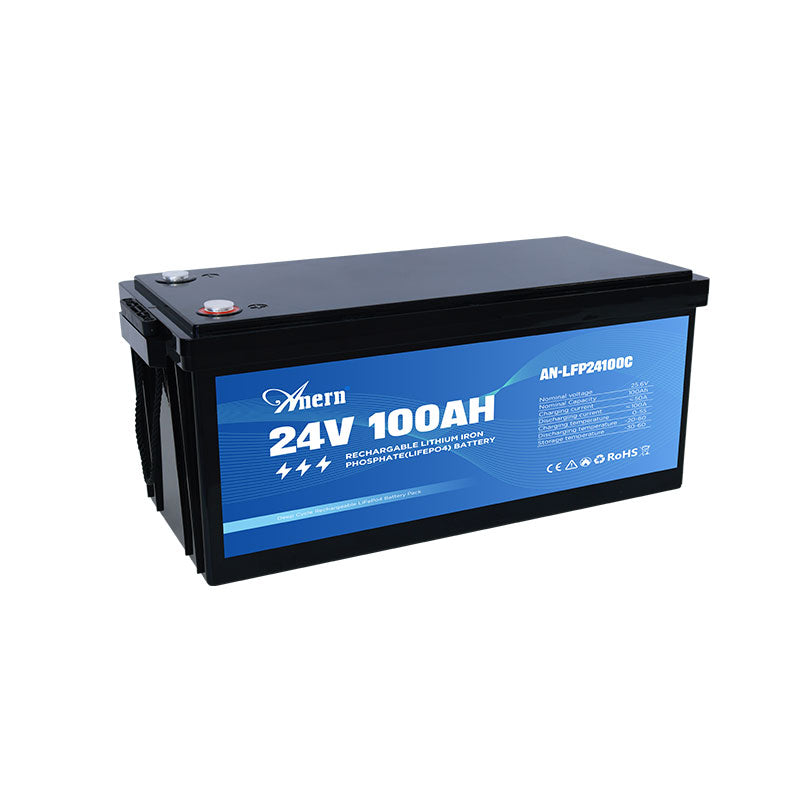

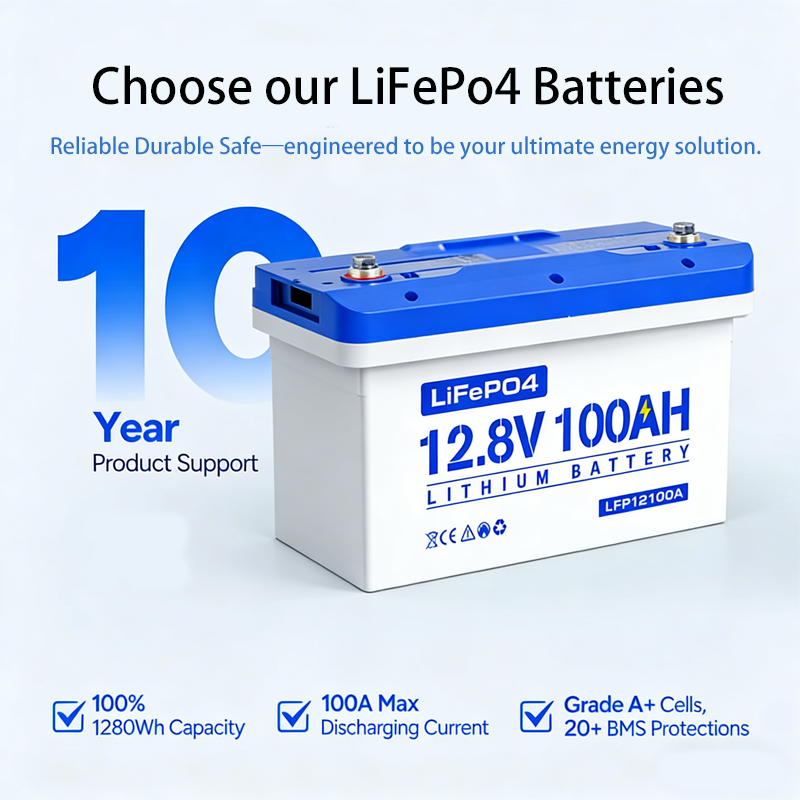

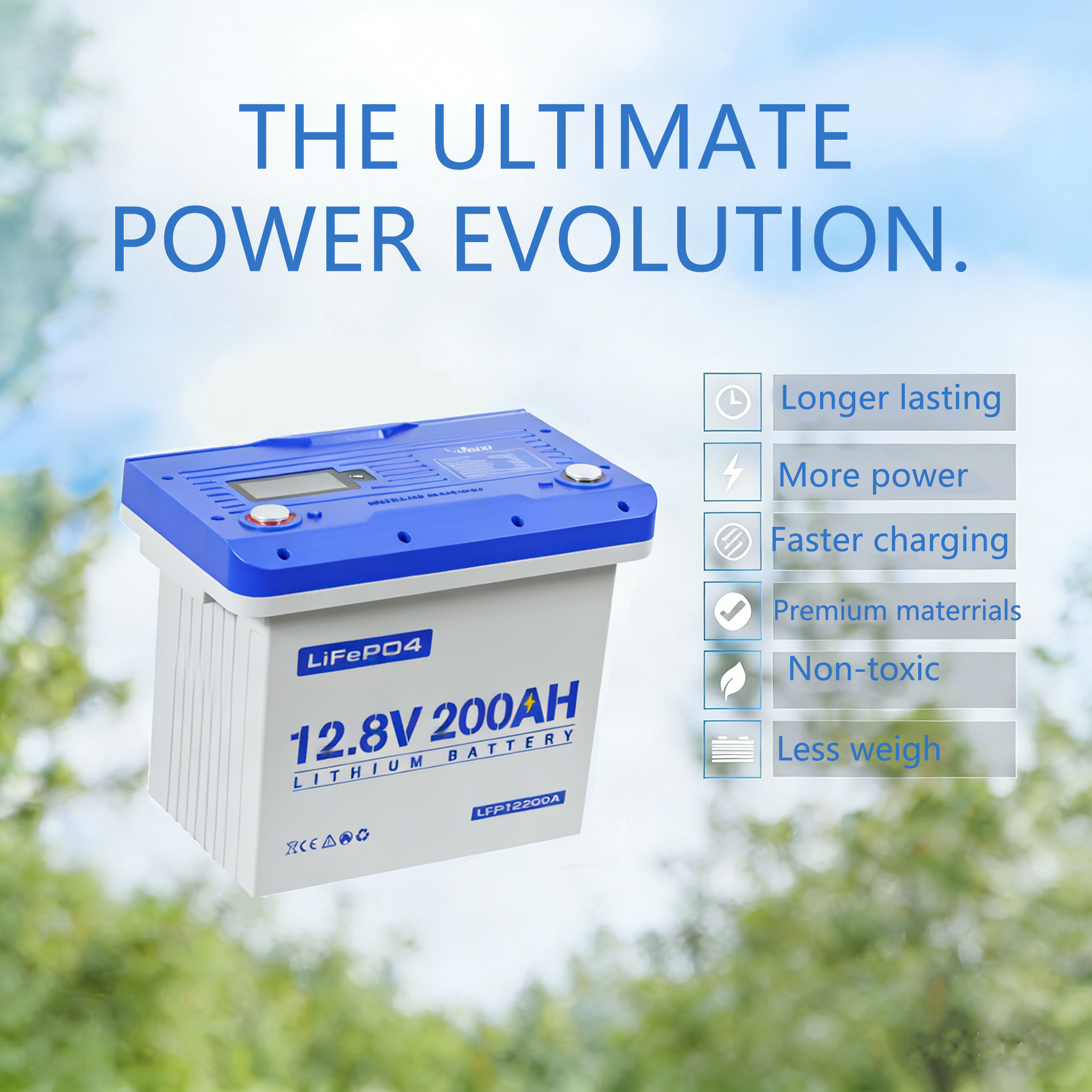
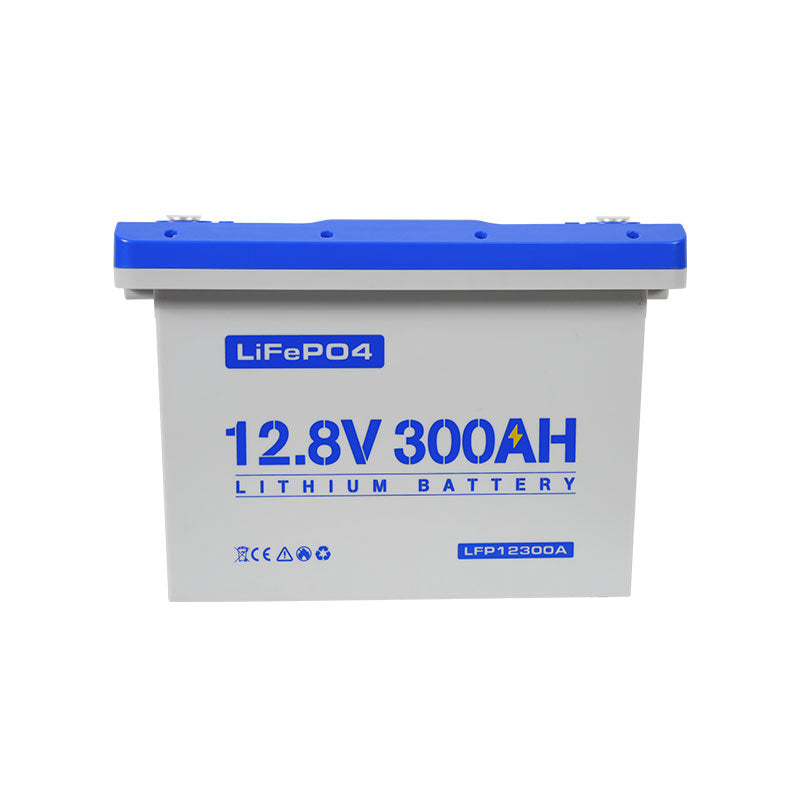
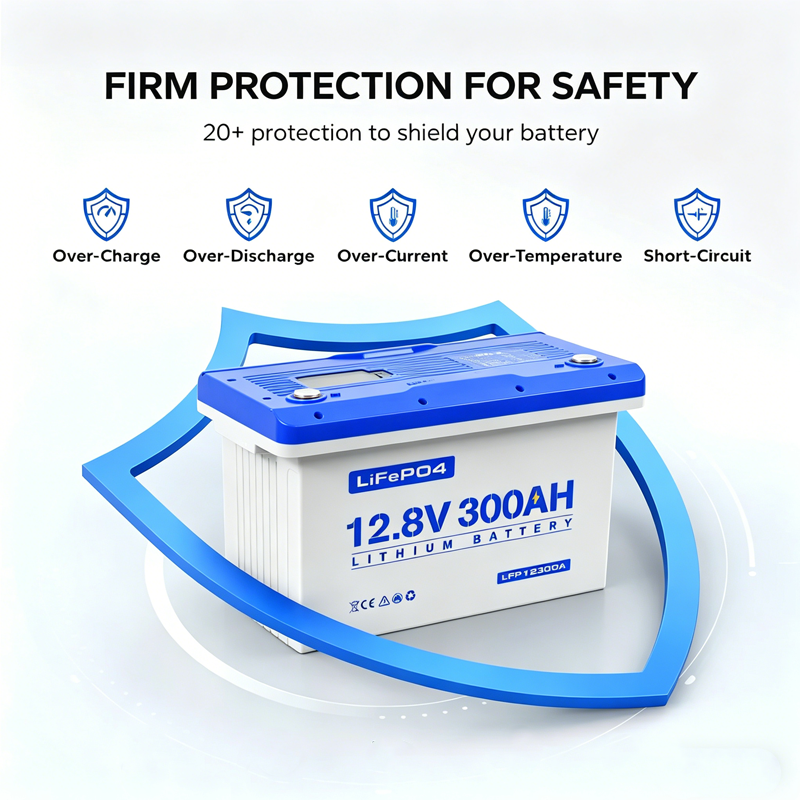

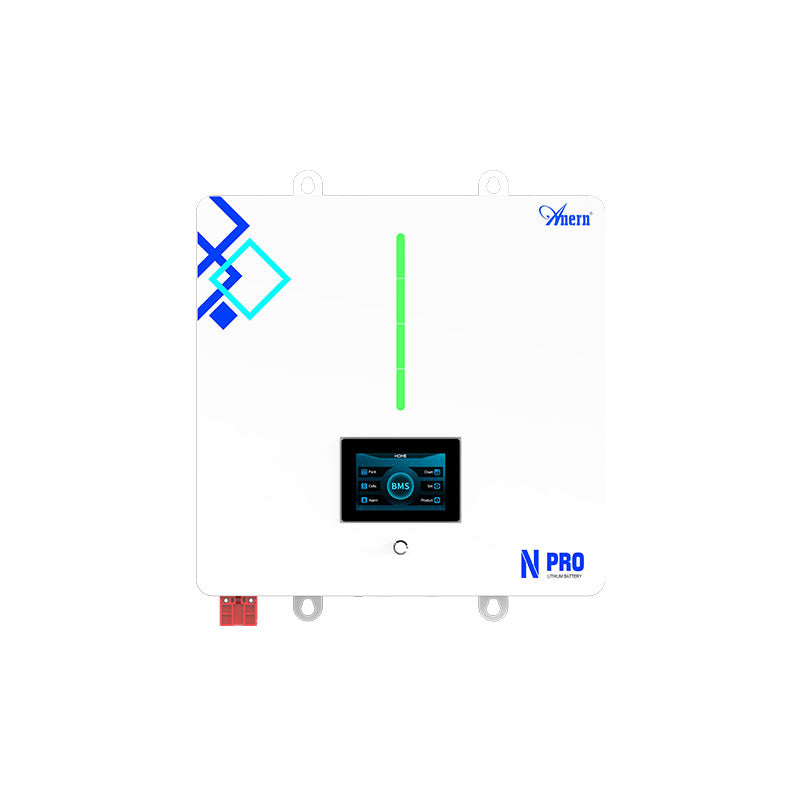
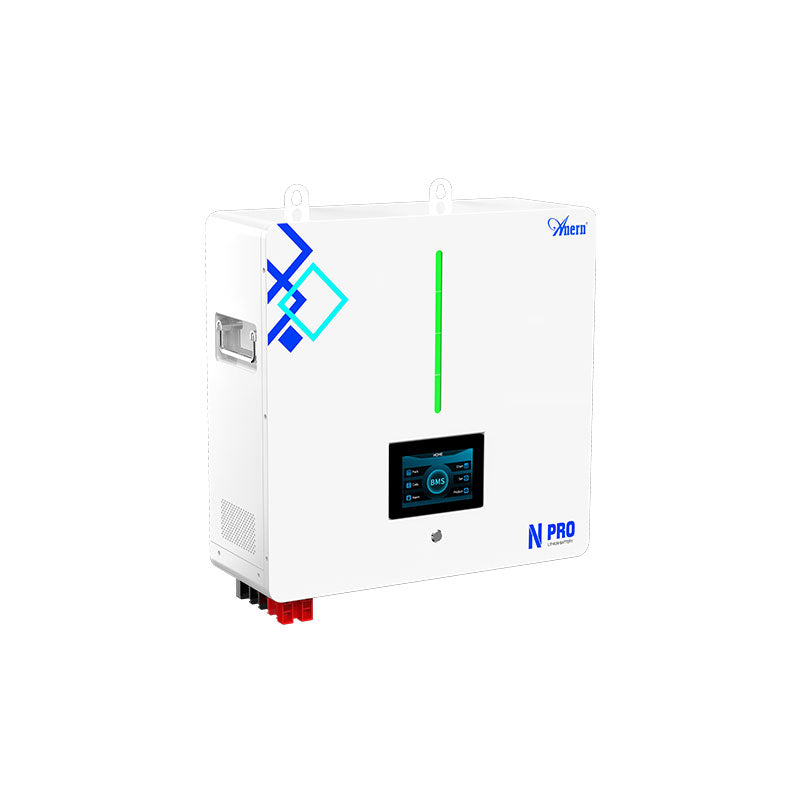
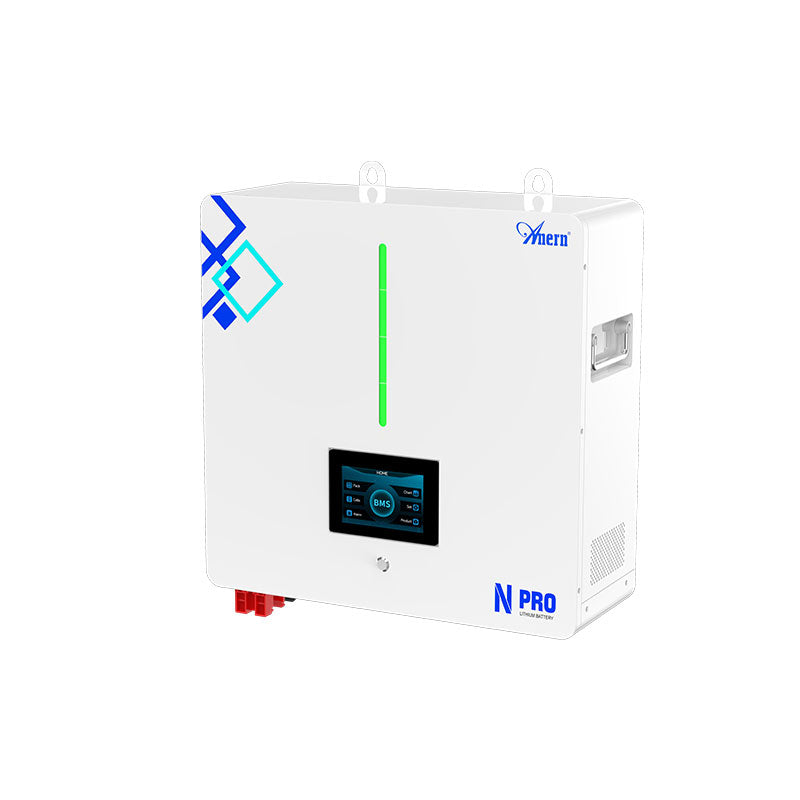

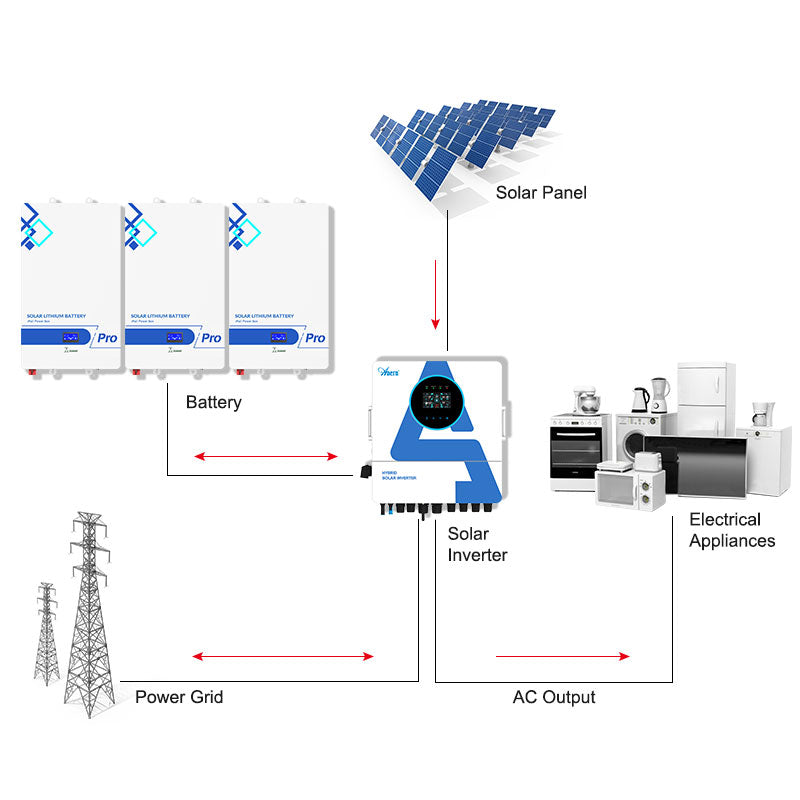
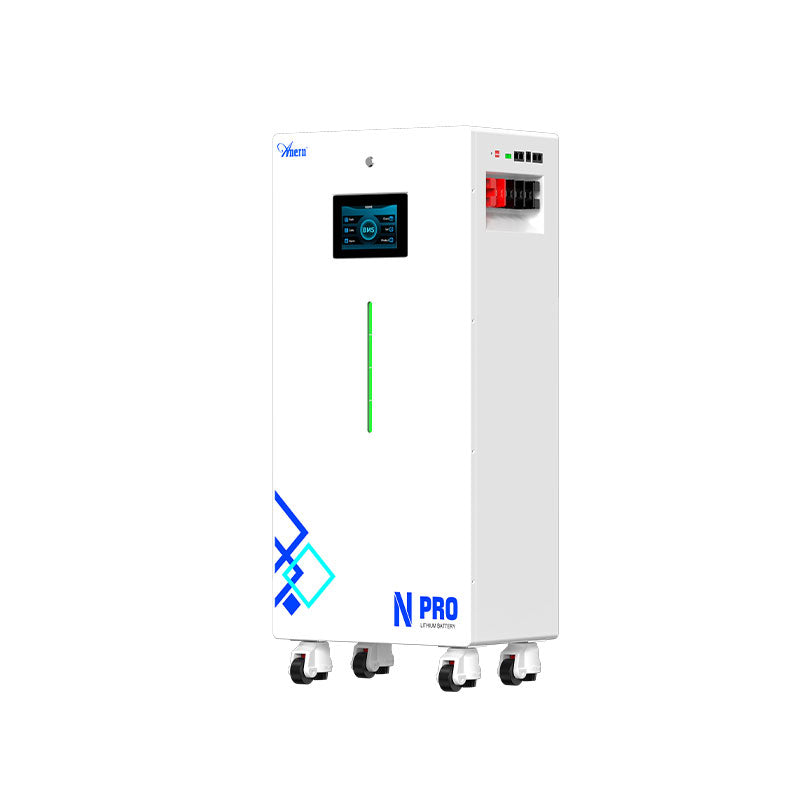


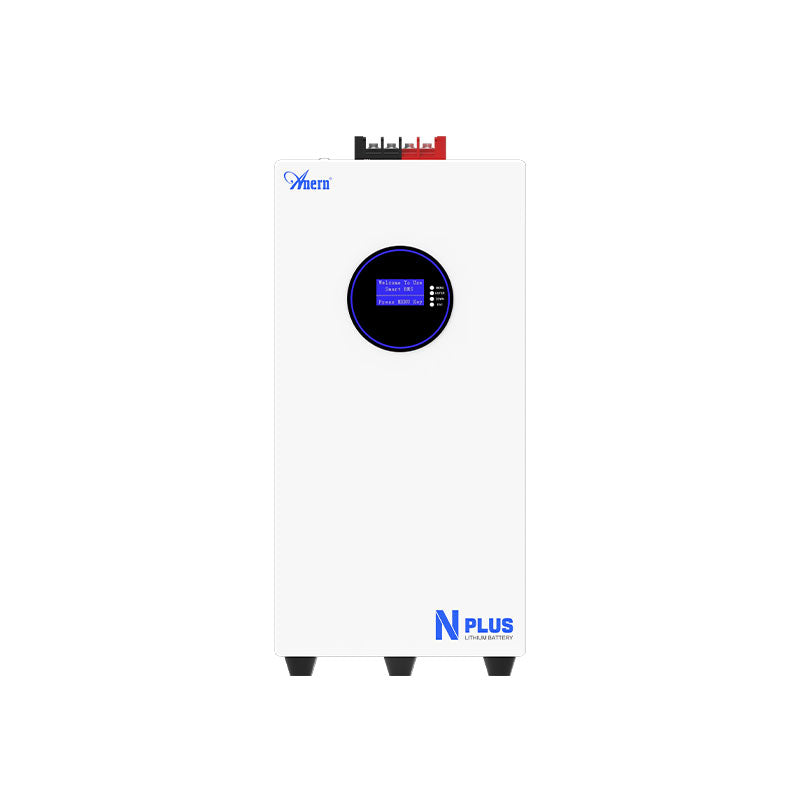
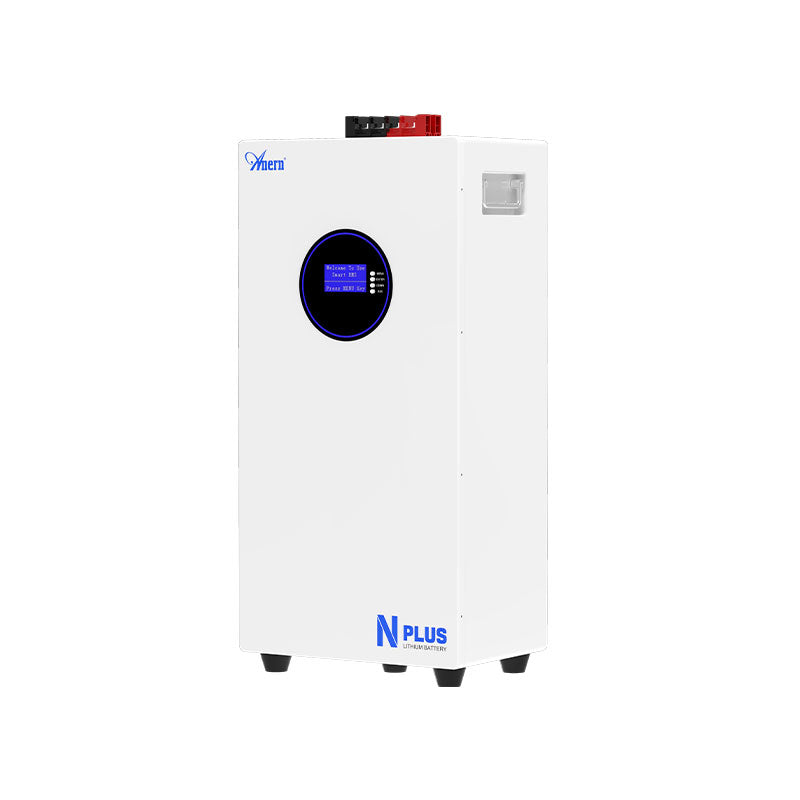

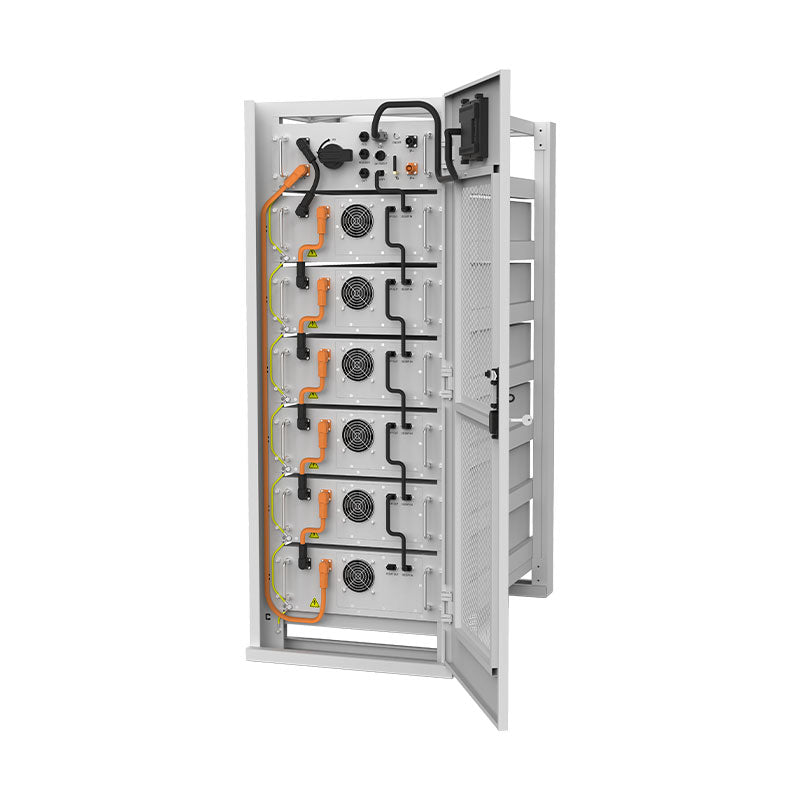
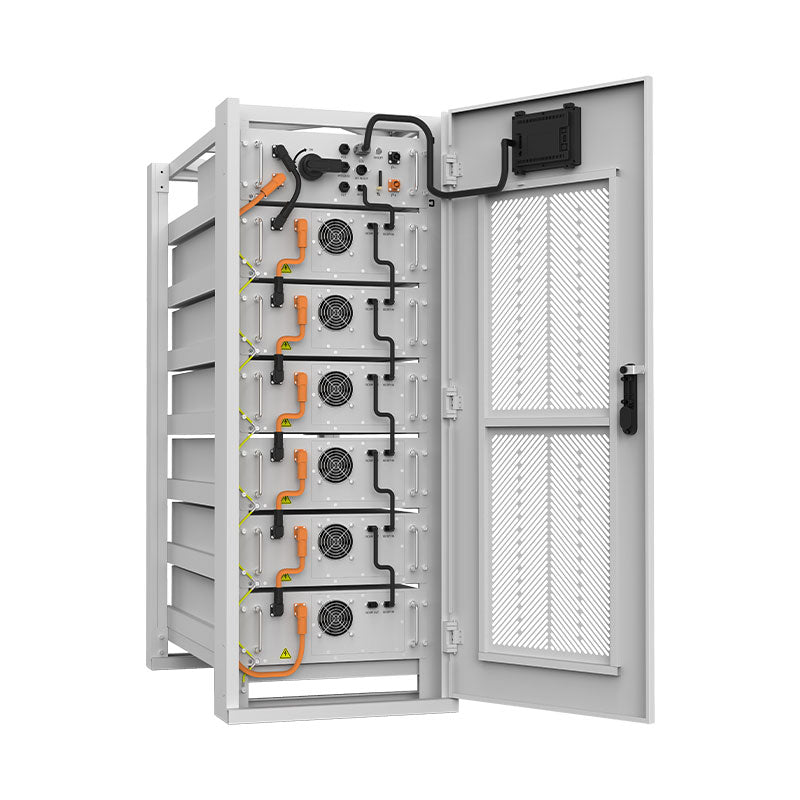



Choosing between a 100Ah and 200Ah lithium battery is really a question about daily energy use, available space, budget, and backup expectations. A 200Ah battery stores roughly twice the energy of a 100Ah battery at the same voltage, but the better choice depends on how the system will be used.
Understanding Amp-Hours and Energy Storage
Amp-hours are useful, but watt-hours are the clearer metric for solar and off-grid planning because watt-hours include voltage.
What Is an Amp-Hour (Ah)?
An amp-hour describes how much electric charge a battery can deliver. A 100Ah battery can theoretically provide 10A for 10 hours, while a 200Ah battery can provide the same current for about twice as long, assuming similar conditions and discharge limits.
From Amp-Hours to Watt-Hours: The Real Energy Metric
Use this formula:
Watt-hours (Wh) = Amp-hours (Ah) x Voltage (V)
At a typical LiFePO4 nominal voltage of 12.8V, a 100Ah battery stores about 1280Wh, and a 200Ah battery stores about 2560Wh. This matters because appliances consume watts, not amp-hours.
Core Differences: 100Ah vs. 200Ah Lithium Batteries
Energy Capacity and Application Scale
| Feature | 100Ah Lithium Battery | 200Ah Lithium Battery |
|---|---|---|
| Energy at 12.8V | About 1280Wh | About 2560Wh |
| Best fit | RVs, vans, weekend cabins, small backup loads | Small off-grid cabins, longer backup, larger daily loads |
| Runtime | Shorter | About twice as long under the same load |
| Weight and size | Easier to move and place | Heavier, but simpler than two separate batteries |
Physical Size, Weight, and Installation
A 200Ah battery is larger and heavier than a 100Ah model. For mobile setups, weight and mounting space may decide the choice. In a cabin or utility room, a single 200Ah battery may be easier to wire than two 100Ah batteries in parallel.
System Configuration and Scalability
You can reach 200Ah with one 200Ah battery or two matching 100Ah batteries in parallel. A single larger battery means fewer cables and simpler installation. Two smaller batteries may be easier to lift and can offer layout flexibility. If using parallel batteries, follow manufacturer rules for matching model, age, capacity, and wiring. This LiFePO4 series vs parallel wiring guide explains the basic configuration difference.
Sizing Your Battery Bank for Off-Grid Living
Calculating Your Daily Energy Consumption
List your loads in watts, estimate daily runtime, and calculate watt-hours. If your daily use is 700Wh, a 100Ah battery may be enough with margin. If your daily use is 1500Wh to 2000Wh, a 200Ah battery is usually the better starting point.
Factoring in Autonomy and System Inefficiencies
Inverter losses, wiring losses, cold-weather capacity reduction, and cloudy days all reduce usable runtime. If you want one or two days of autonomy, size the bank from daily Wh rather than relying only on Ah. The U.S. Department of Energy explains the broader role of batteries in solar PV systems in its solar PV system design basics.
Making the Choice: Practical Scenarios
- Weekend cabin: A 100Ah battery can work for lights, phone charging, a fan, and light DC loads.
- Small off-grid home: A 200Ah battery is a stronger foundation for refrigeration, pumps, and longer runtime.
- Scalable RV system: Starting with 100Ah can be reasonable if the battery and charger support later parallel expansion.
- Backup power: A 200Ah battery gives more reserve for outages and reduces depth of discharge for the same load.
Performance, Longevity, and Financial Considerations
Lifecycle and Depth of Discharge (DoD)
A larger battery can reduce daily depth of discharge. For example, using 1000Wh from a 2560Wh battery is less stressful than using 1000Wh from a 1280Wh battery. Lower average DoD can support longer cycle life. This LiFePO4 battery life guide explains how DoD and temperature affect longevity.
Cost Analysis: Upfront vs. Long-Term Value
A 200Ah battery costs more upfront, but it may offer lower cost per usable Wh and reduce stress on the pack. A 100Ah battery is easier to start with when budget and space are limited. Compare total installed cost, not just the battery price: cables, fuses, busbars, charger capacity, and installation space all matter.
Final Thoughts on Your Battery Selection
Choose a 100Ah lithium battery when your loads are modest, space is tight, and portability matters. Choose a 200Ah lithium battery when you need longer runtime, lower daily depth of discharge, and more reserve for cloudy days or outages.
The best choice is the one that matches your actual daily Wh requirement and future expansion plan. For load-based planning, this off-grid solar battery calculator can help convert appliance use into storage needs.
Frequently Asked Questions
Can I mix a 100Ah and a 200Ah battery?
It is usually discouraged unless the manufacturer explicitly supports it. Mixing different capacities can create uneven current sharing, imbalance, and reduced lifespan.
Is it better to use two 100Ah batteries or one 200Ah battery?
One 200Ah battery is simpler to wire. Two 100Ah batteries can be easier to move and place. The better option depends on installation space, future expansion, and manufacturer parallel guidance.
How many solar panels do I need for 100Ah or 200Ah?
It depends on daily energy use and peak sun hours. As a rough planning concept, a 200Ah battery usually needs about twice the daily charging energy of a 100Ah battery if both are discharged to the same percentage.
What does LiFePO4 mean?
LiFePO4 means lithium iron phosphate. It is a lithium-ion chemistry known for stable performance, long cycle life, and strong suitability for solar and off-grid energy storage.
