











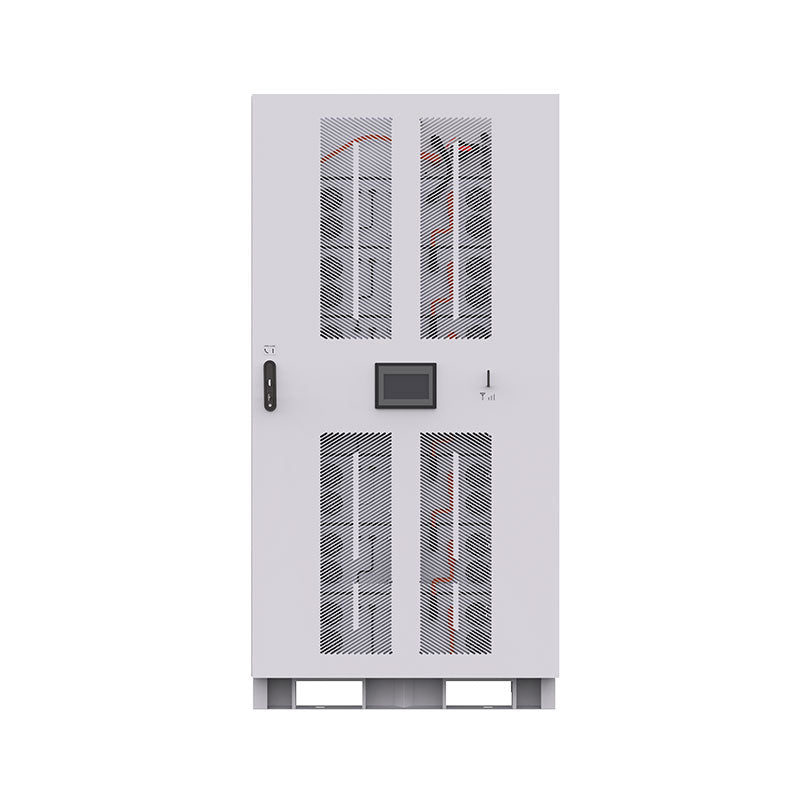


Auto-start controllers serve as the brain of hybrid genset operations, determining when generators activate, how long they run, and when they shut down. The right controller can mean the difference between seamless power transitions and costly system failures. This comprehensive comparison examines eight leading auto-start controller options, analyzing their features, compatibility, and real-world performance in off-grid hybrid systems.
Understanding Auto-Start Controller Fundamentals
Auto-start controllers monitor system parameters and automatically engage backup generators when predetermined conditions are met. These intelligent devices eliminate manual intervention while protecting battery banks from deep discharge damage.
Core Operating Parameters
Most controllers operate based on voltage thresholds, typically starting generators when battery voltage drops to 23.5V (48V systems) or 11.8V (24V systems). Advanced units incorporate multiple start triggers including:
- State of charge (SOC) monitoring through battery management systems
- Load demand sensing for high-power applications
- Time-based scheduling for maintenance cycles
- Temperature compensation for battery health
- Manual override capabilities for testing
Communication Protocols
Modern controllers support various communication standards including Modbus RTU, CANbus, and proprietary protocols. This connectivity enables integration with energy management systems and remote monitoring platforms, crucial for unmanned installations.
Top Controller Options Analysis
Deep Sea Electronics DSE7320
The DSE7320 stands out for complex hybrid installations requiring sophisticated load management. This controller supports multiple generator sets and includes advanced features like load bank testing and paralleling capabilities.
Key Features:
- Configurable start/stop parameters with 16 programmable inputs
- Built-in battery charger management
- Ethernet connectivity for remote monitoring
- Generator exercising schedules
- Load sharing between multiple units
Compatibility: Works with most diesel and gas generators up to 3000kW
Price Range: $800-1200
ComAp InteliGen NT
The InteliGen NT excels in applications requiring precise fuel management and emissions monitoring. Its advanced algorithms optimize runtime based on load patterns and fuel consumption data.
Key Features:
- Adaptive learning algorithms for optimized start timing
- Fuel level monitoring with consumption tracking
- Advanced protection functions
- Web-based configuration interface
- Integration with renewable energy systems
Compatibility: Suitable for generators 10kW to 2500kW
Price Range: $1200-1800
Kohler Decision-Makerr 550
Designed specifically for smaller residential and commercial applications, the Decision-Makerr 550 offers reliable operation with simplified programming.
Key Features:
- Easy setup with pre-configured templates
- Battery charging optimization
- Weekly exercise scheduling
- Transfer switch integration
- Diagnostic capabilities
Compatibility: Optimized for Kohler generators 8kW-150kW
Price Range: $400-600
Performance Comparison Table
| Controller Model | Max Generator Size | Communication | Programming Complexity | Price Range |
|---|---|---|---|---|
| DSE7320 | 3000kW | Ethernet, RS485 | Advanced | $800-1200 |
| ComAp InteliGen NT | 2500kW | Web, CAN, Modbus | Advanced | $1200-1800 |
| Kohler Decision-Makerr 550 | 150kW | RS485 | Basic | $400-600 |
| Generac Evolution 2.0 | 200kW | WiFi, Ethernet | Intermediate | $500-750 |
| Smartgen HGM9520 | 3200kW | RS485, CAN | Advanced | $600-900 |
Integration Considerations for Off-Grid Systems
Battery Management Integration
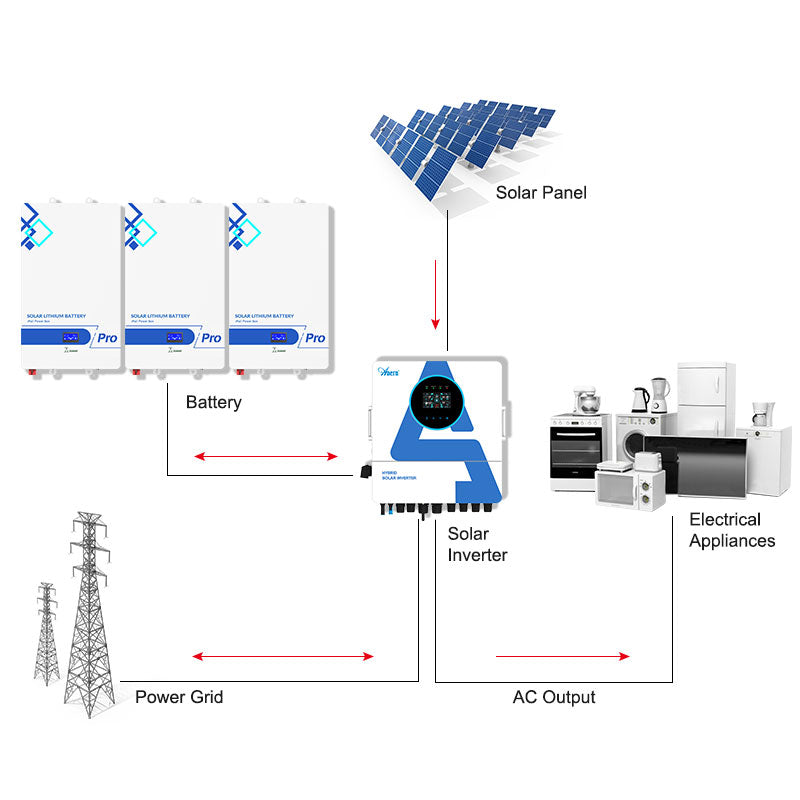
Successful hybrid genset operation requires seamless communication between the auto-start controller and battery management system (BMS). LiFePO4 batteries, with their flat discharge curves, present unique challenges for voltage-based start triggers.
Advanced controllers like the ComAp InteliGen NT can receive SOC data directly from the BMS, enabling more precise start decisions. This integration prevents premature starts during brief load spikes while ensuring adequate protection against deep discharge.
Inverter Compatibility
The controller must coordinate with the system inverter to prevent conflicts during generator startup. Some inverters require specific shutdown sequences to avoid damage from sudden voltage changes. Controllers with programmable delay functions accommodate these requirements.
Load Management Strategies
Effective load management prevents generator oversizing while ensuring adequate power availability. Controllers with load shedding capabilities can prioritize critical loads during startup, reducing initial power demands on the generator.
Real-World Performance Data
Field data from telecommunications installations shows significant differences in controller performance. Systems using adaptive algorithms achieve 15-25% better fuel efficiency compared to basic voltage-threshold controllers.
A comparative study of 50 remote sites revealed:
- DSE controllers: Average 4.2 starts per day, 2.1 hours runtime
- ComAp units: Average 3.8 starts per day, 1.9 hours runtime
- Basic controllers: Average 5.1 starts per day, 2.6 hours runtime
The reduced cycling translates to lower maintenance costs and extended generator life. Advanced controllers with learning algorithms showed 30% fewer nuisance starts over six-month periods.
Selection Criteria and Recommendations
Application-Based Selection
For residential off-grid systems under 50kW, the Kohler Decision-Makerr 550 provides adequate functionality at reasonable cost. The simplified programming reduces installation complexity while maintaining essential protection features.
Commercial and industrial applications benefit from the advanced capabilities of DSE or ComAp controllers. The additional investment pays dividends through improved fuel efficiency and reduced maintenance requirements.
Future-Proofing Considerations
Select controllers with expandable I/O and communication capabilities to accommodate system growth. Ethernet connectivity enables integration with energy management systems and predictive maintenance platforms.
Controllers supporting multiple communication protocols offer flexibility for future equipment additions. This versatility proves valuable as renewable energy systems evolve and new monitoring technologies emerge.
Maximizing Controller Performance
Proper configuration significantly impacts controller effectiveness. Start voltage settings should account for battery type and ambient temperature conditions. LiFePO4 systems typically require different thresholds compared to lead-acid batteries.
Regular calibration ensures accurate readings and prevents drift in critical parameters. Monthly verification of voltage and temperature sensors maintains system reliability and prevents unexpected shutdowns.
Programming adequate warm-up and cool-down periods extends generator life while ensuring stable power delivery. Most manufacturers recommend 2-5 minute warm-up periods for diesel generators, with longer times required in cold climates.
The right auto-start controller transforms a basic generator into an intelligent backup power system. While initial costs vary significantly, the long-term benefits of advanced controllers often justify the investment through improved efficiency, reduced maintenance, and enhanced system reliability. Careful selection based on application requirements and future expansion plans ensures optimal performance for years to come.
