












Converting daily energy consumption from watt-hours (Wh) into properly sized solar panels and battery storage represents the foundation of successful off-grid system design. This systematic approach eliminates guesswork and ensures your energy independence investment delivers reliable performance year-round.
Understanding the mathematical relationship between consumption patterns, solar generation potential, and storage requirements creates a roadmap for precise component selection. The process involves analyzing your actual energy usage, accounting for system inefficiencies, and building in appropriate safety margins.

Foundation: Daily Energy Assessment and Load Profiling
Accurate daily Wh calculation forms the cornerstone of effective off-grid sizing. Most households consume between 15-30 kWh daily, but off-grid systems typically target 8-15 kWh through efficiency improvements and load management.
Start by cataloging every electrical device with its power rating and daily usage hours. A refrigerator drawing 150W for 8 hours contributes 1,200Wh daily. LED lighting consuming 60W for 5 hours adds 300Wh. Water pumps, electronics, and appliances each contribute to your total daily load.
Critical vs Non-Critical Load Separation
Distinguish between essential loads (refrigeration, lighting, communications) and discretionary loads (entertainment systems, power tools). Essential loads typically represent 60-70% of total consumption and must receive priority in system sizing calculations.
Seasonal variations significantly impact daily Wh requirements. Heating systems can triple winter consumption, while cooling loads peak during summer months. Design for your highest consumption season to ensure year-round reliability.
Peak Demand Considerations
Beyond daily Wh totals, identify peak instantaneous demand periods. Multiple appliances starting simultaneously create surge loads that influence inverter sizing. A 3kW daily load might require 6kW peak capacity for motor starting and simultaneous operation scenarios.
Solar Panel Sizing: Converting Wh to PV Capacity
Solar panel sizing requires converting daily Wh consumption into DC generation capacity, accounting for geographic location, seasonal variations, and system losses. The fundamental formula considers peak sun hours (PSH) available at your location.
According to Department of Energy solar resources, most U.S. locations receive 4-7 peak sun hours daily, with significant seasonal variation. Southern regions average 5.5-6.5 PSH annually, while northern areas typically see 4-5 PSH.
The PV Sizing Formula
Required PV capacity (watts) = Daily Wh consumption ÷ Peak sun hours ÷ System efficiency
System efficiency typically ranges from 0.75-0.85, accounting for inverter losses (8-12%), wiring losses (2-3%), and charge controller losses (2-5%). A 10kWh daily consumption in a 5 PSH location requires approximately 2,600W of solar panels at 77% system efficiency.
| Daily Consumption (kWh) | Peak Sun Hours | Required PV (kW) at 80% Efficiency | Required PV (kW) at 75% Efficiency |
|---|---|---|---|
| 8 | 4 | 2.5 | 2.7 |
| 10 | 5 | 2.5 | 2.7 |
| 12 | 6 | 2.5 | 2.7 |
| 15 | 4.5 | 4.2 | 4.4 |
Seasonal Sizing Strategies
Winter months typically provide 40-60% of summer solar generation in temperate climates. Size your array for worst-case winter conditions to maintain energy independence year-round. This approach often results in summer surplus that can power additional loads or reduce battery cycling.
Research from IRENA grid integration studies shows that properly sized systems account for seasonal variations through oversized PV arrays rather than oversized battery banks, improving system economics and longevity.
Battery Storage: From Daily Wh to Usable Capacity
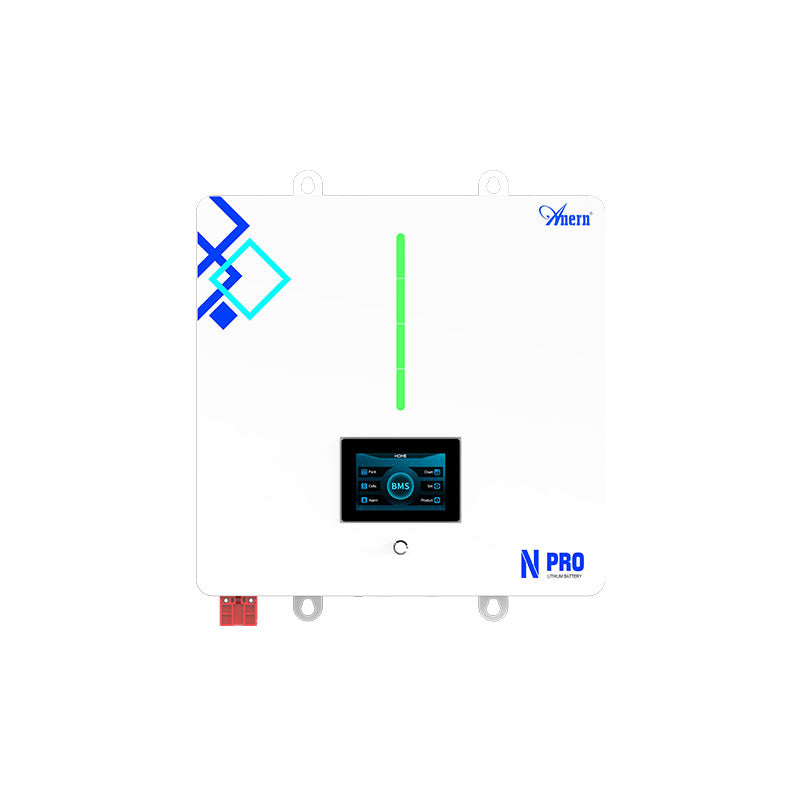
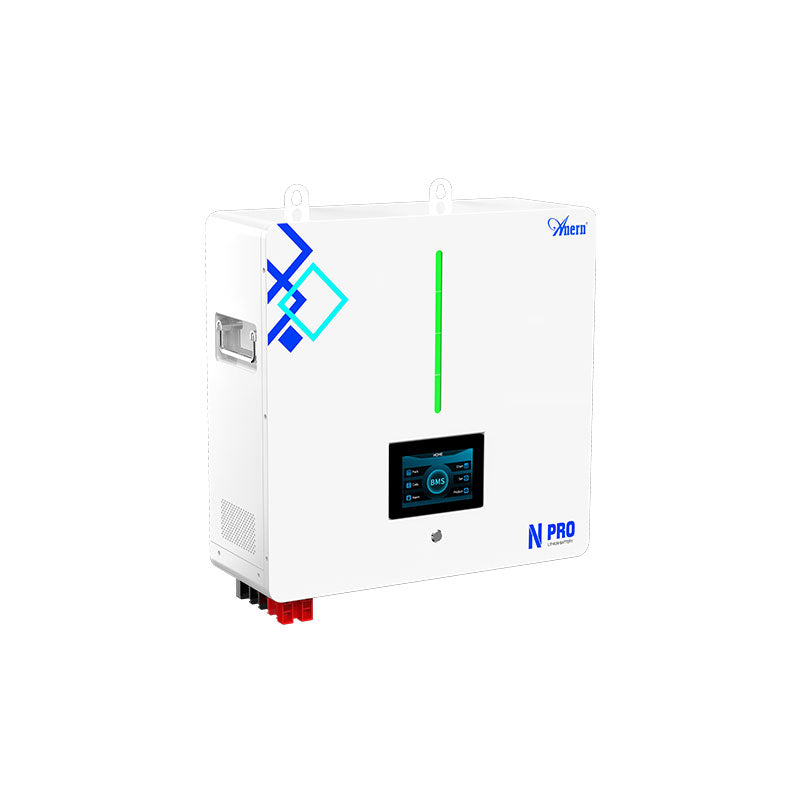
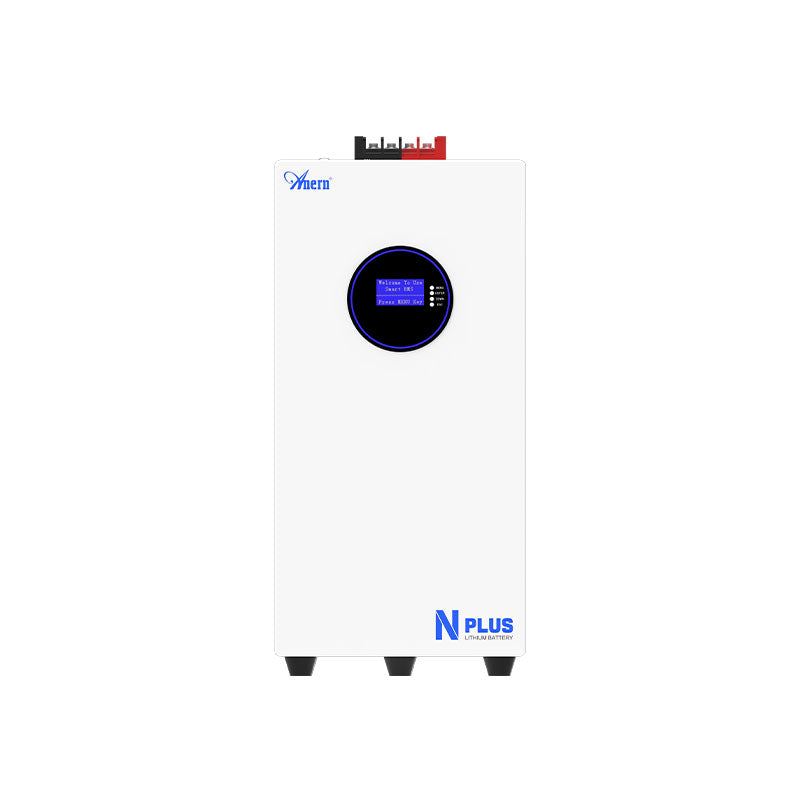
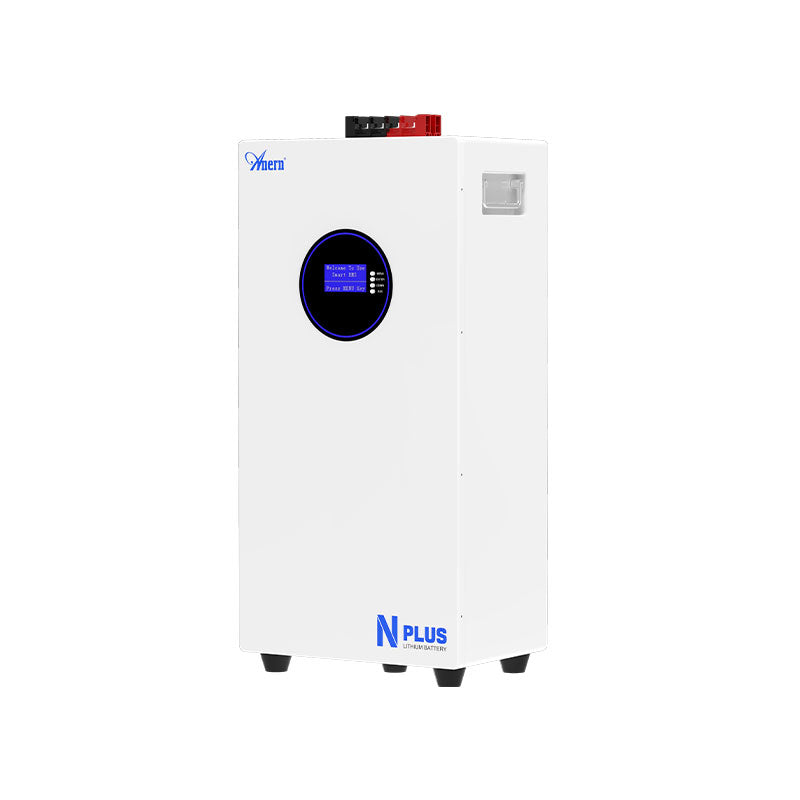
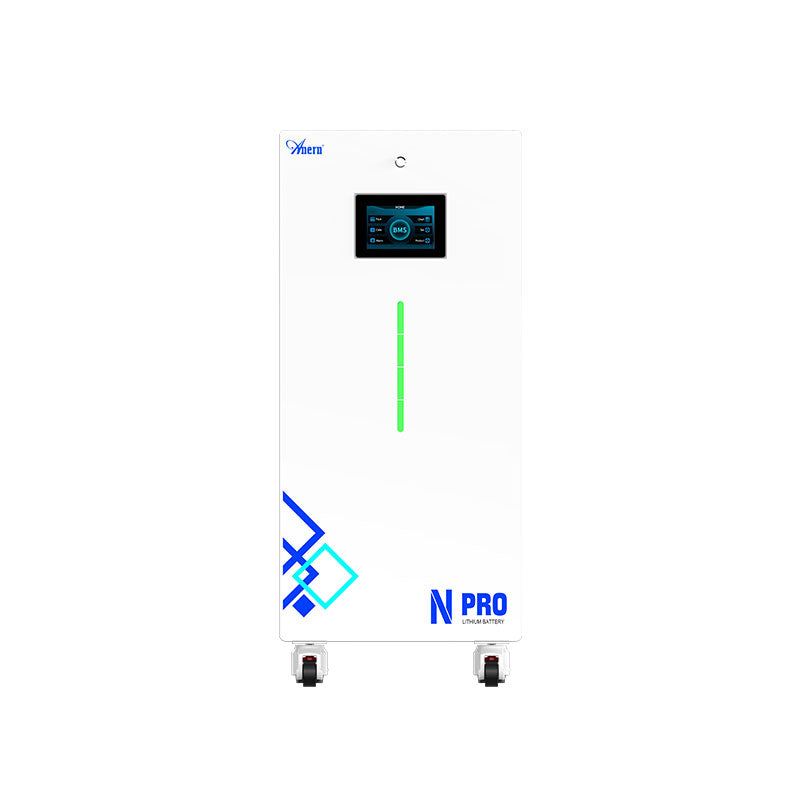
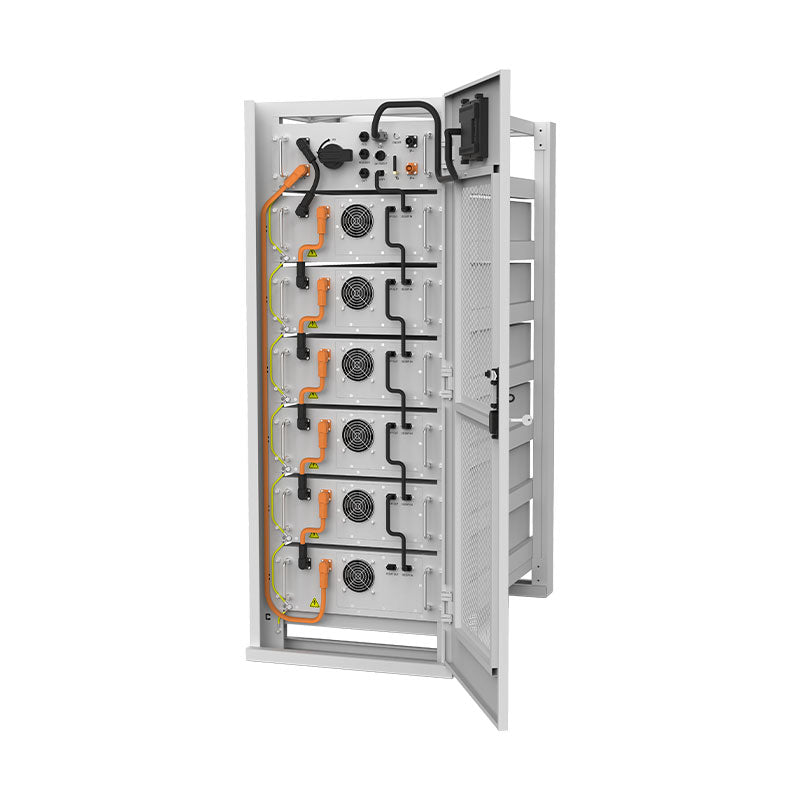
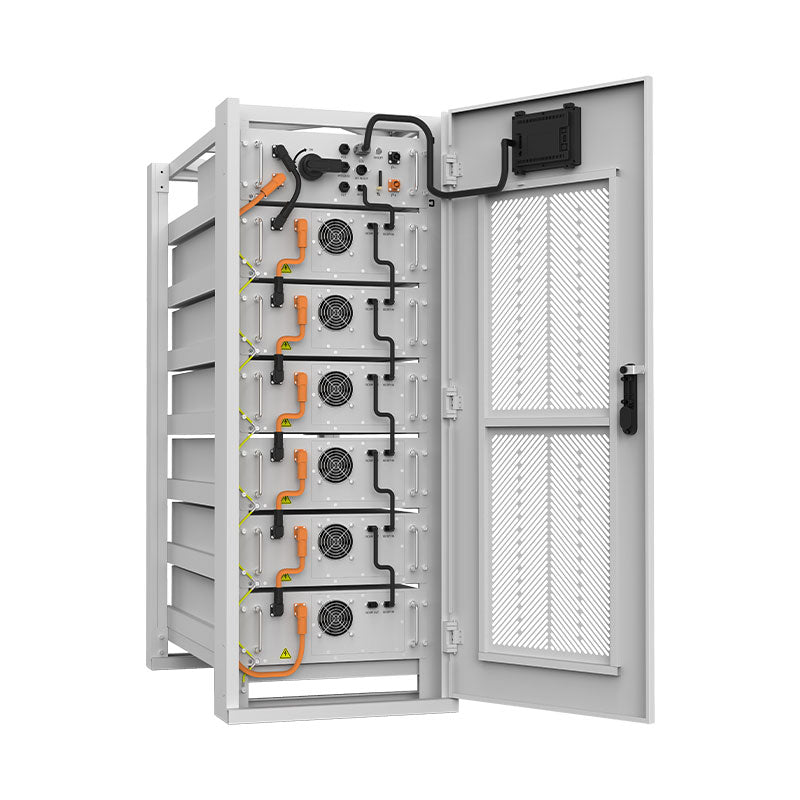
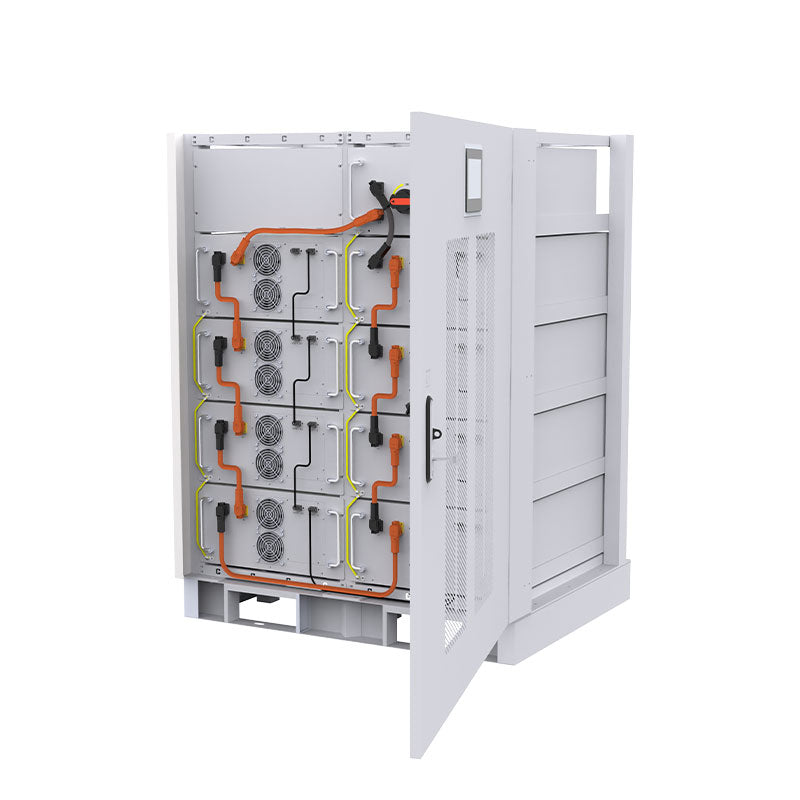
Battery sizing converts daily Wh consumption into required storage capacity, considering depth of discharge limitations, autonomy requirements, and battery technology characteristics. Proper sizing ensures adequate backup power during extended cloudy periods.
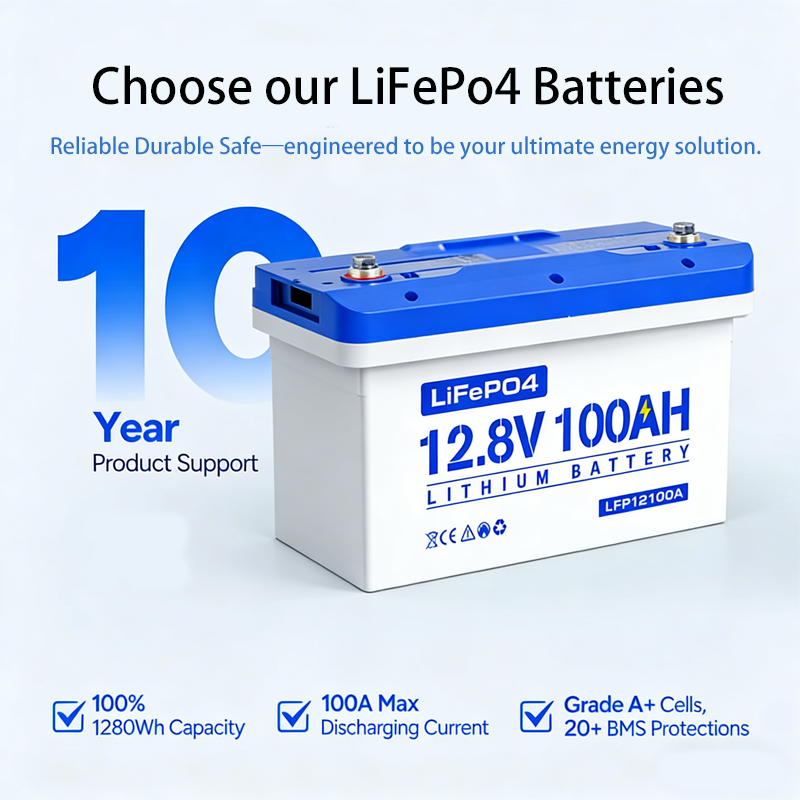
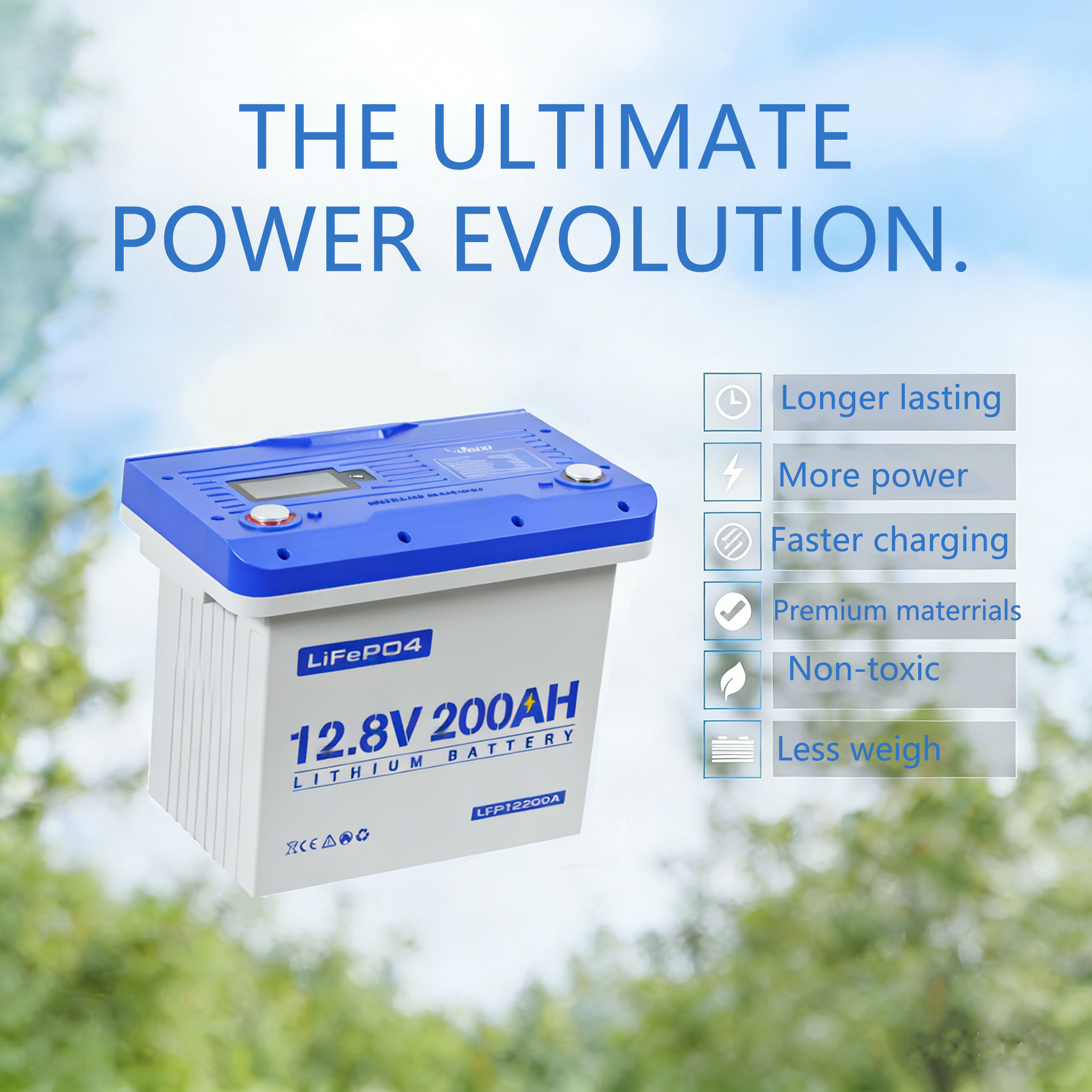
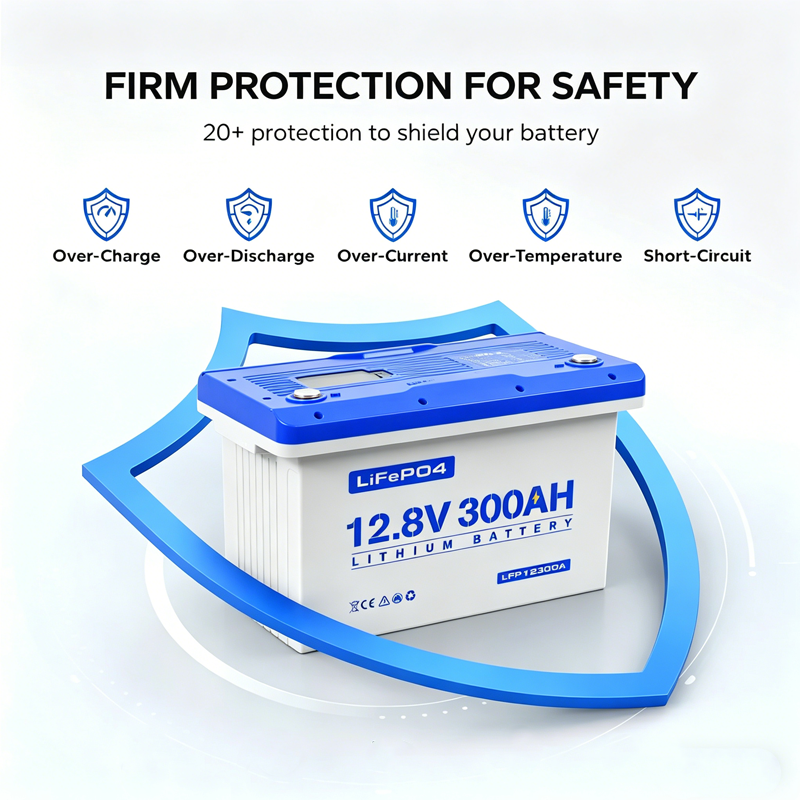
LiFePO4 batteries allow 80-90% depth of discharge, while lead-acid systems should not exceed 50% DOD for reasonable lifespan. This fundamental difference dramatically impacts required capacity calculations.
Battery Capacity Formula
Required battery capacity (Wh) = Daily consumption × Autonomy days ÷ Maximum DOD ÷ Battery efficiency
Autonomy days represent backup power duration without solar input. Most residential systems target 2-3 days, while critical applications may require 5-7 days. Battery efficiency accounts for charge/discharge losses, typically 90-95% for lithium systems.
A 10kWh daily load requiring 3-day autonomy with LiFePO4 batteries needs approximately 37kWh usable capacity (10kWh × 3 days ÷ 0.8 DOD ÷ 0.95 efficiency = 39.5kWh).
Voltage System Selection Impact
System voltage affects battery configuration and sizing flexibility. 12V systems limit expansion and efficiency, while 48V systems offer better scalability and reduced current requirements. Higher voltages enable larger battery banks with improved charge balancing.
System Integration and Optimization
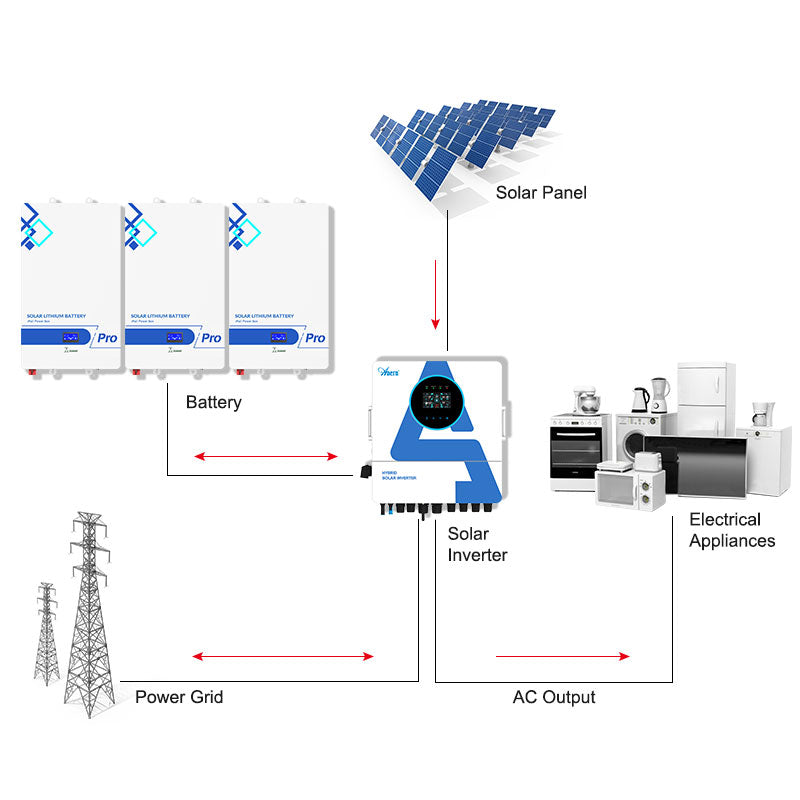
Successful off-grid systems balance PV generation, battery storage, and load management through intelligent system design. The integration process considers component compatibility, expansion potential, and operational efficiency.
Charge controllers must handle maximum PV array current while providing appropriate charging profiles for your battery chemistry. MPPT controllers typically achieve 94-98% efficiency compared to 75-85% for PWM units, justifying higher initial costs through improved energy harvest.
Inverter Sizing and Selection
Inverter capacity should handle peak loads plus 20-30% safety margin for surge requirements. Pure sine wave inverters ensure compatibility with sensitive electronics and motors, while modified sine wave units may cause efficiency losses and equipment damage.
Modern hybrid inverters integrate PV charge controllers, battery management, and AC conversion in single units, improving system efficiency and reducing installation complexity. These systems often include grid-tie capability for future expansion or backup power integration.
Monitoring and Load Management
Real-time monitoring enables load optimization and system performance validation. Smart load controllers can automatically shed non-essential loads during low battery conditions, extending autonomy and protecting critical functions.
Data logging reveals actual consumption patterns versus design assumptions, enabling system refinement and expansion planning. Most modern systems provide smartphone connectivity for remote monitoring and control capabilities.
Validation and Performance Verification
System commissioning involves validating actual performance against design calculations. Measure daily PV generation, battery cycling patterns, and load consumption to verify sizing accuracy and identify optimization opportunities.
Performance ratios typically range from 0.75-0.85 for well-designed systems, accounting for all system losses and environmental factors. Lower ratios indicate undersized components, excessive losses, or suboptimal installation practices.
Seasonal Performance Tracking
Monitor system performance across full seasonal cycles to validate winter sizing assumptions and summer surplus capacity. Document battery state-of-charge patterns, PV generation curves, and load satisfaction rates throughout the year.
According to IEA power system transformation studies, properly sized off-grid systems maintain 95%+ load satisfaction rates while optimizing component utilization and system longevity.
Economic Optimization and Future Planning
Converting daily Wh into off-grid components requires balancing initial costs against long-term performance and expansion flexibility. Oversizing PV arrays often proves more economical than oversizing battery storage due to declining solar panel costs and battery replacement requirements.
Modular system design enables future expansion as energy needs grow or technology improves. Plan initial installations with adequate electrical infrastructure and mounting capacity for 150-200% of initial PV capacity.
Financial analysis should consider total cost of ownership over 20-25 year system lifespans, including component replacements, maintenance costs, and performance degradation. LiFePO4 batteries typically require replacement every 10-15 years, while PV panels maintain 80%+ output after 25 years.
