




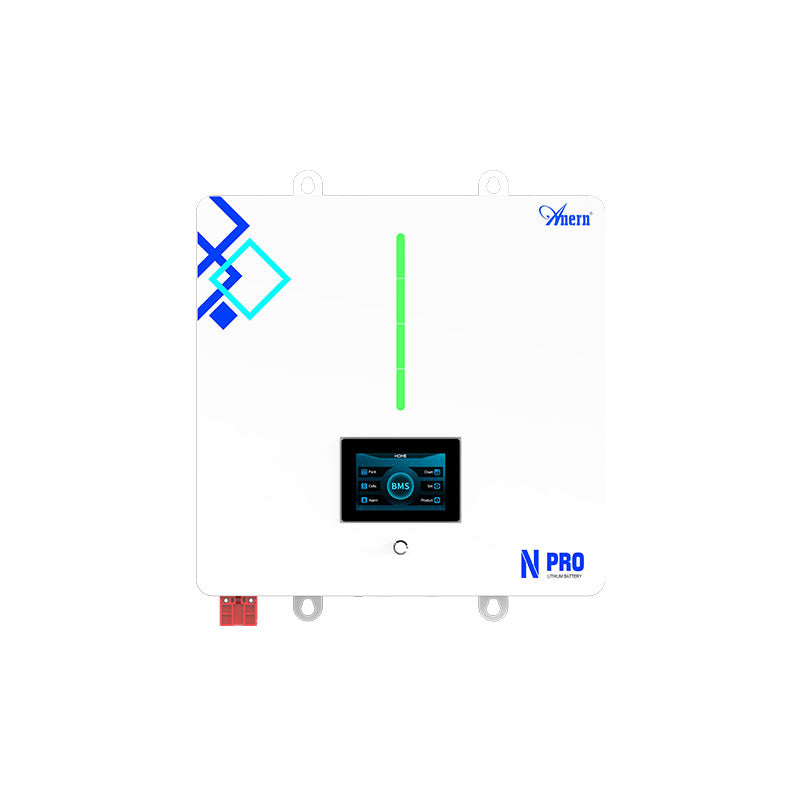
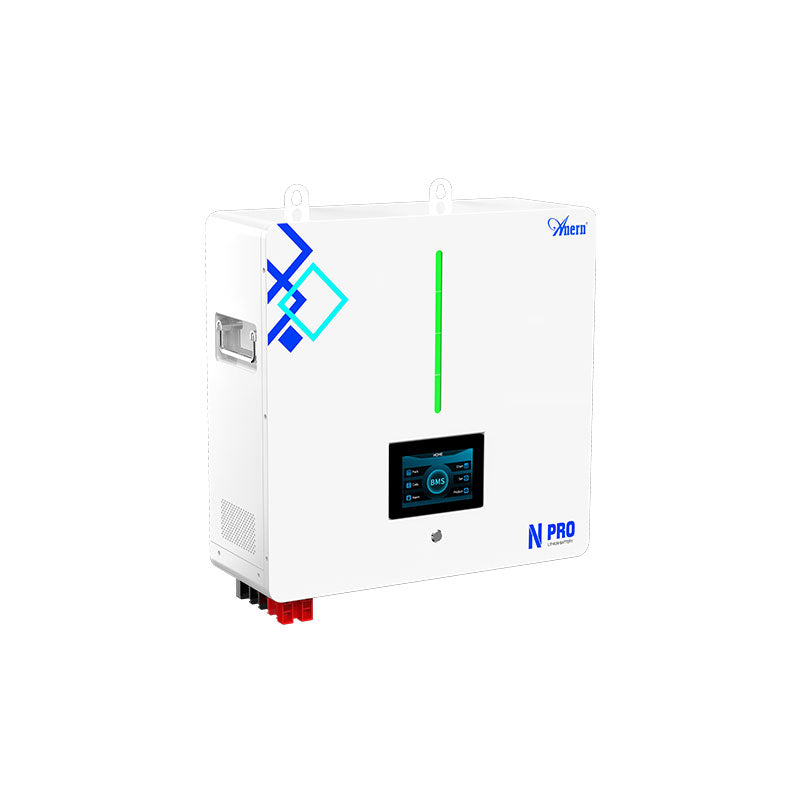


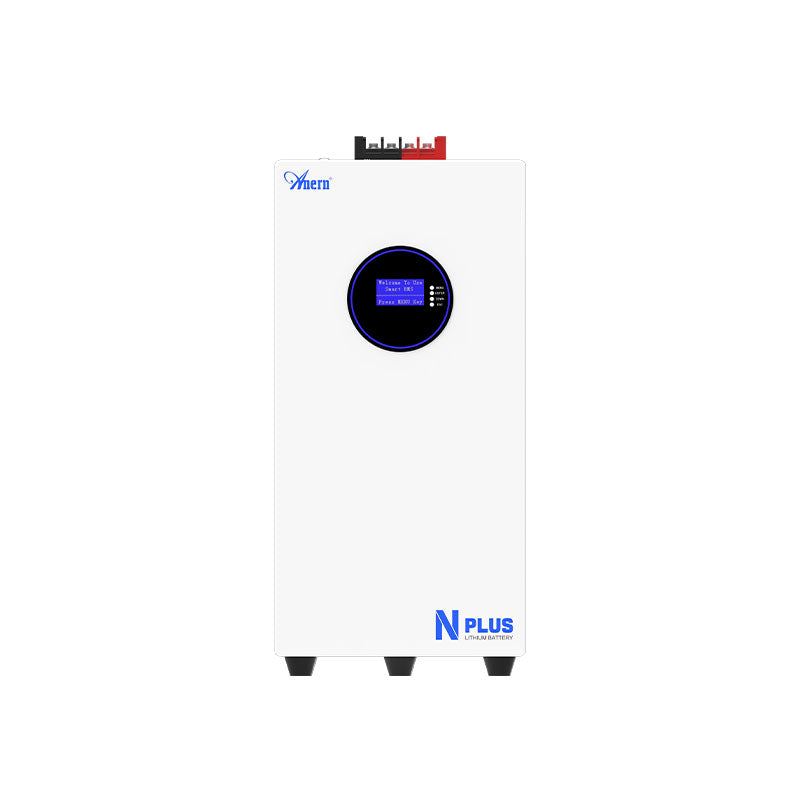
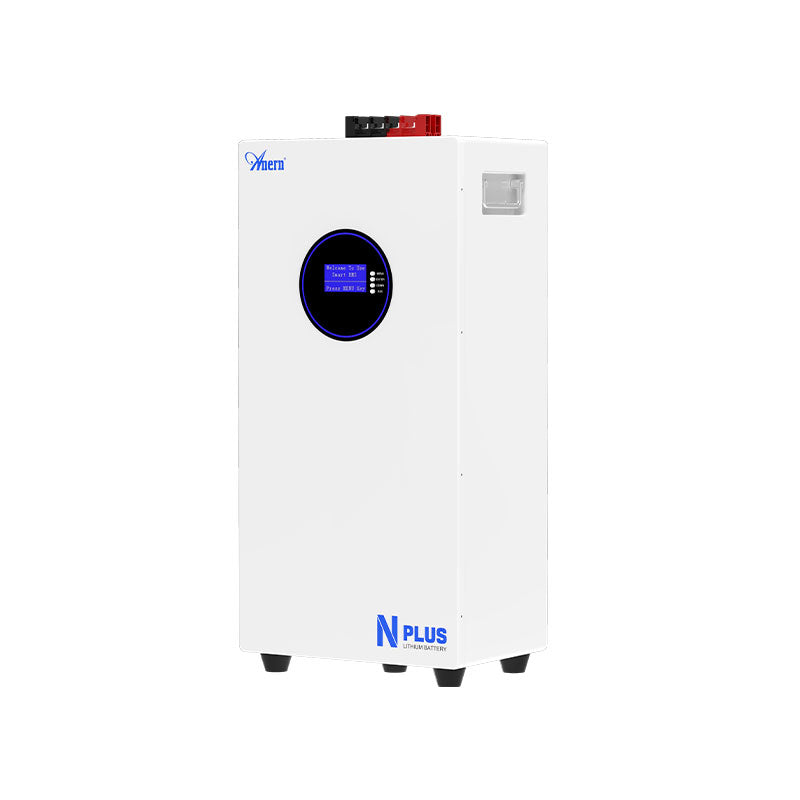






In my role as an energy market analyst, I'm frequently asked to weigh in on the "build vs. buy" debate for residential energy storage. My response is that we are asking the wrong question entirely. This debate centers on upfront cost, a metric that completely misses the strategic value of the asset. The real question isn't about minimizing cost; it's about maximizing the return on your energy capital. It’s not a choice between products; it’s a choice between two distinct financial strategies: **Capital Preservation** and **Capital Deployment**.
Thinking like an asset manager forces a more sophisticated evaluation. One strategy seeks to preserve capital by ensuring resilience against outages and price volatility. The other seeks to deploy capital into active energy markets to generate a measurable return. Let's break down the financial DNA of each approach.

Two Capital Strategies for Your Energy Future
Viewing your ESS through these two lenses shifts the entire conversation from technical specifications to financial outcomes and risk management.
The Capital Preservation Strategy (The Resilient Microgrid)
This is the modern, sophisticated DIY path. The primary financial goal here is **risk mitigation**. You are investing to insulate yourself from grid failures, volatile time-of-use rates, and supply chain disruptions. The return is measured in avoided costs and unquantifiable peace of mind.
An Analyst's View of the Risks:
- The Long Tail of Integration Risk: My models show that the greatest financial drag isn't the initial cost, but the "long tail" of integration risk. I've analyzed systems where a subtle BMS communication fault with the inverter led to chronic undercharging, effectively stranding 15% of the battery's capacity and destroying the project's economics over its lifespan.
- The Unquantified Labor & Liability: DIY cost analyses almost never account for the builder's time as an expert-level project manager, integrator, and maintenance technician. More importantly, you assume 100% of the liability for the system's integrated performance, a risk that commercial installers price into their warranties.
- Stranded Asset Potential: A bespoke system, no matter how well-built, often lacks the certifications (like UL 9540) required for grid interconnection or participation in future energy programs. You may be building a high-performing but ultimately isolated asset.
The Capital Deployment Strategy (The Grid-Interactive Asset)
A turnkey system is an investment in a platform designed for **revenue generation**. You are deploying capital with the expectation of a return from the grid itself. The upfront premium is a fee for professional asset management and market access.
Where the Premium Creates Value:
- Monetizing Grid Services: The key value unlock is participation in ancillary service markets. As enabled by regulations like FERC Order 2222 in the U.S., aggregated residential batteries can bid into markets to provide frequency response or capacity, turning a home battery into a revenue-generating node on the grid.
- Algorithmic Optimization Engines: The software running these systems is the real product. These are sophisticated AI platforms that constantly analyze utility tariffs, weather data, and grid demand signals to optimize dispatch. Our analysis of these platforms shows they can extract an additional 5-12% of economic value annually compared to a system with static, user-defined programming.
- De-risked, Bankable Performance: The comprehensive warranty and performance guarantees make the asset "bankable." It provides the financial certainty of a predictable Levelized Cost of Storage (LCOS) and a reliable revenue stream, which is why VPP aggregators almost exclusively use these turnkey platforms.
The Strategic Decision Matrix: Risk vs. Return
The choice is not about saving money upfront. It's about your personal financial goals and your tolerance for technical and financial risk.
| Decision Factor | Capital Preservation (DIY) | Capital Deployment (Turnkey) |
|---|---|---|
| Primary Economic Driver | Cost Avoidance & Resilience (Defense) | Revenue Generation & ROI (Offense) |
| Risk Profile | High technical integration & performance risk | High market & platform dependency risk |
| Core Competency Required | Systems Engineering & Risk Management | Financial Analysis & Asset Optimization |
| Key Performance Metric | System Uptime & Bill Reduction | Net Present Value (NPV) & IRR |
The Analyst's Verdict: Define Your Strategy First
The proliferation of distributed energy resources is transforming every homeowner with an ESS into a micro-utility operator, whether they realize it or not. The "build vs. buy" question is a relic of a time when these were just backup power devices.
The strategically sound approach is to first define your goal:
- Choose the Capital Preservation path if: Your primary objective is ultimate self-sufficiency and you possess the significant technical expertise to serve as your own chief engineer. You are building a secure, independent energy supply.
- Choose the Capital Deployment path if: You see your ESS as a productive financial asset and want to leverage a professional platform to participate in the energy market. You are investing in a decentralized power plant.
By shifting your perspective from product cost to capital strategy, you can make a decision that aligns with your financial future and your desired role in the evolving energy economy.
