












Achieving energy independence with a cabin energy storage system (ESS) is a rewarding goal. The final step, commissioning the system, can feel intimidating. Many believe it requires expensive, specialized equipment. This case study demonstrates how to safely and effectively commission your cabin ESS using a handful of budget-friendly tools. You will gain the confidence to verify your system's safety, performance, and configuration before bringing it online.
The Setup: A Typical Cabin ESS Configuration
A well-designed off-grid system provides reliable power. Understanding its components is the first step toward a successful commissioning process. This ensures each part works in harmony for a stable energy supply.
Core Components
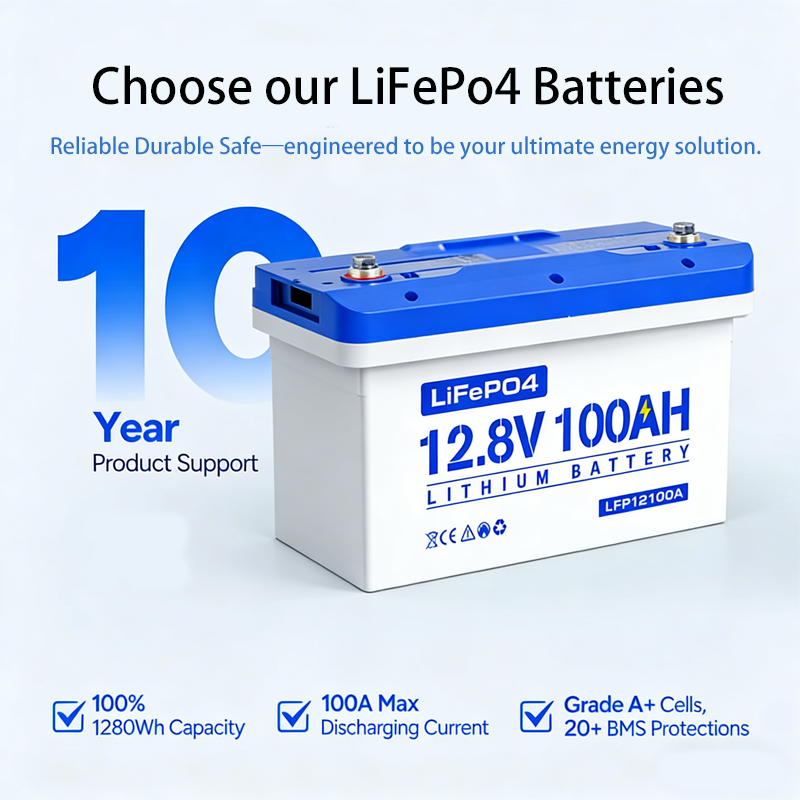
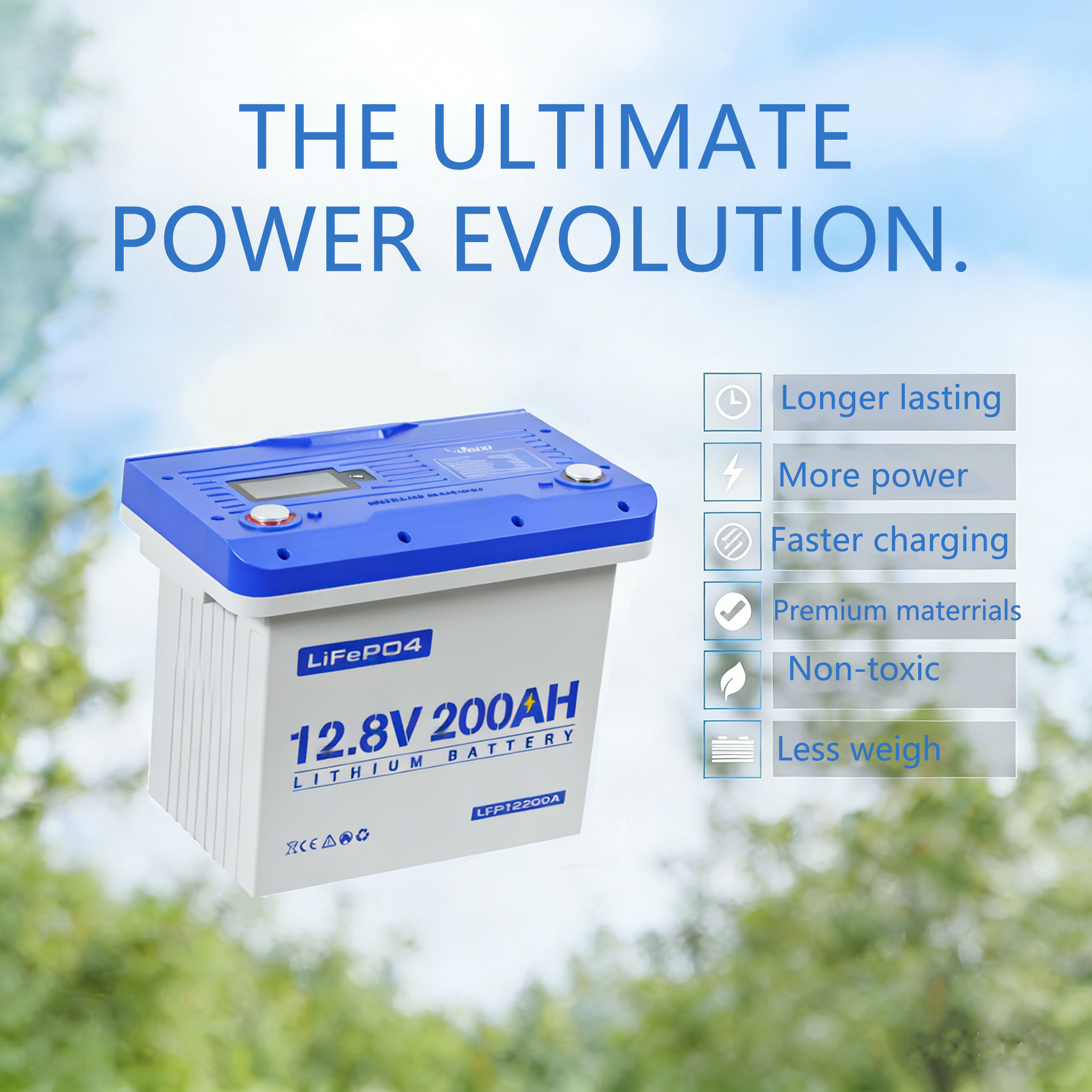
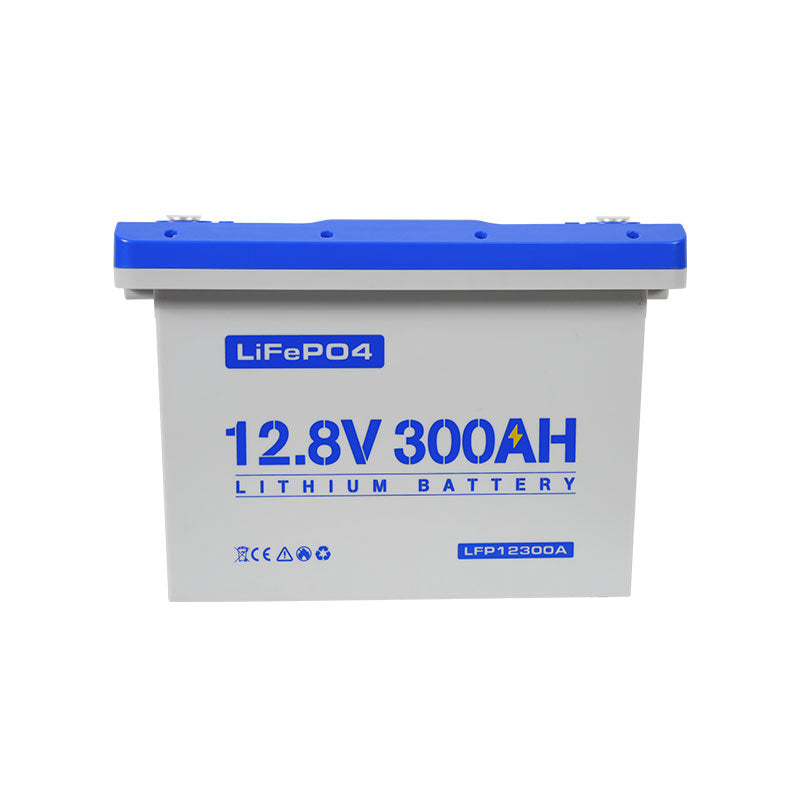
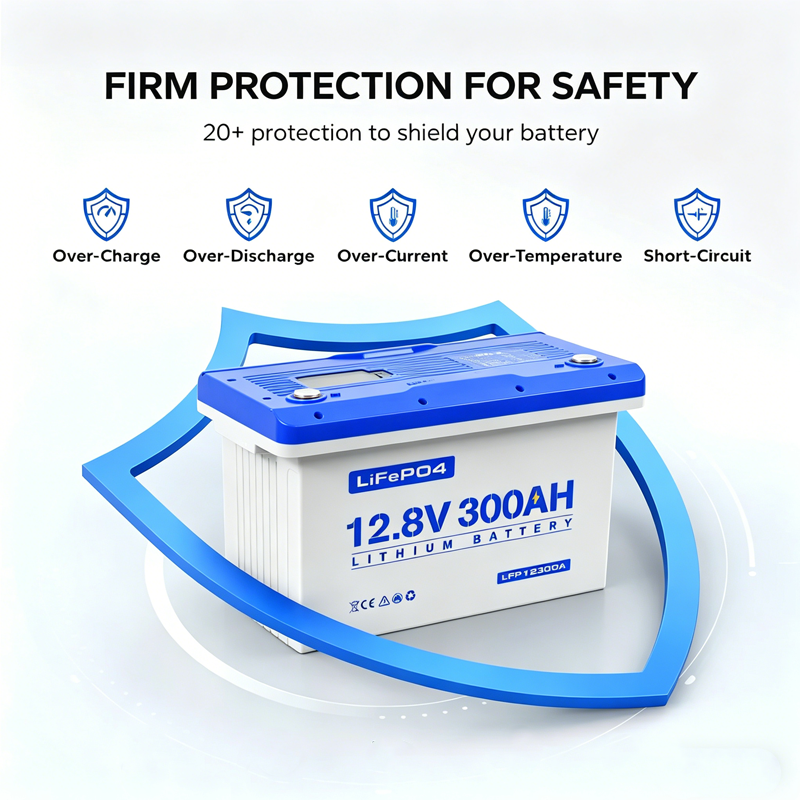
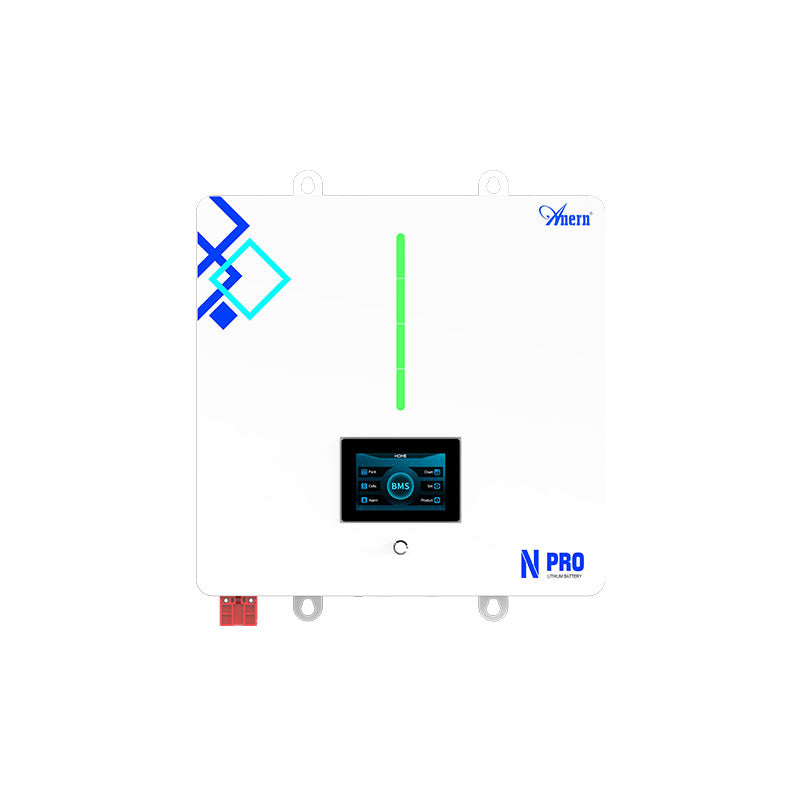
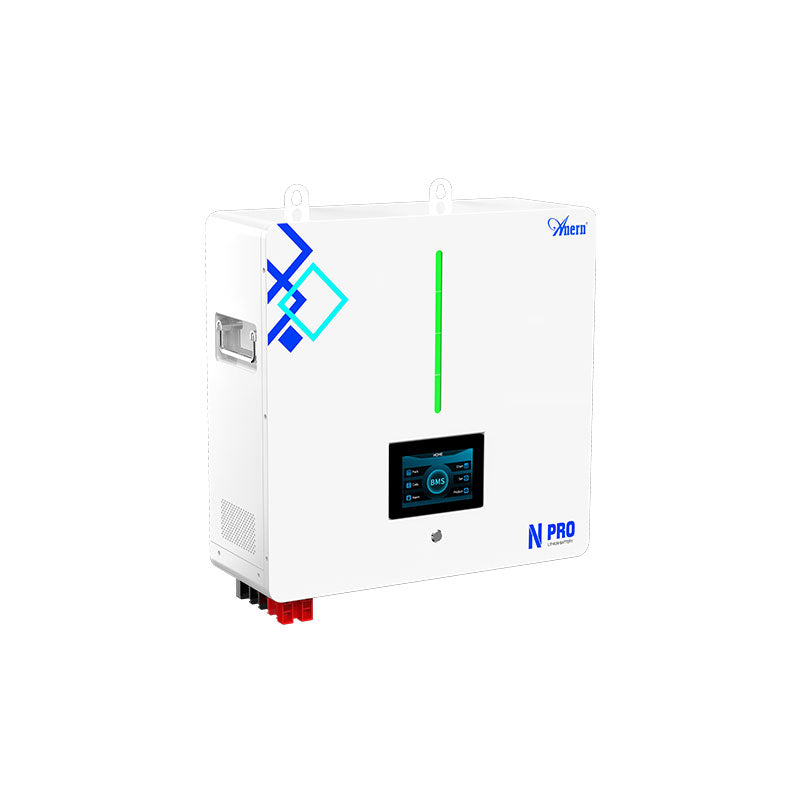
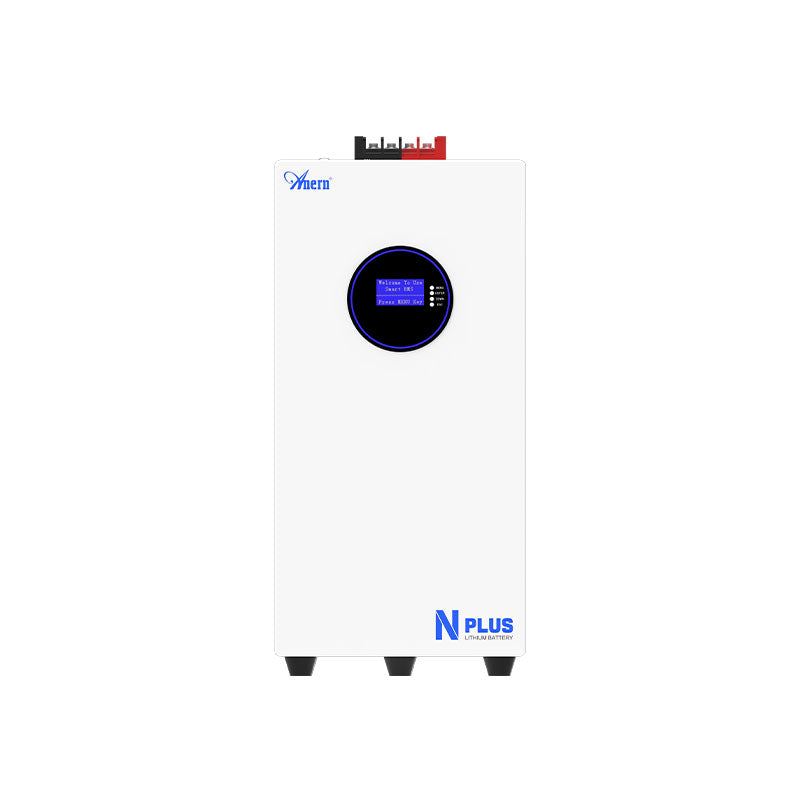
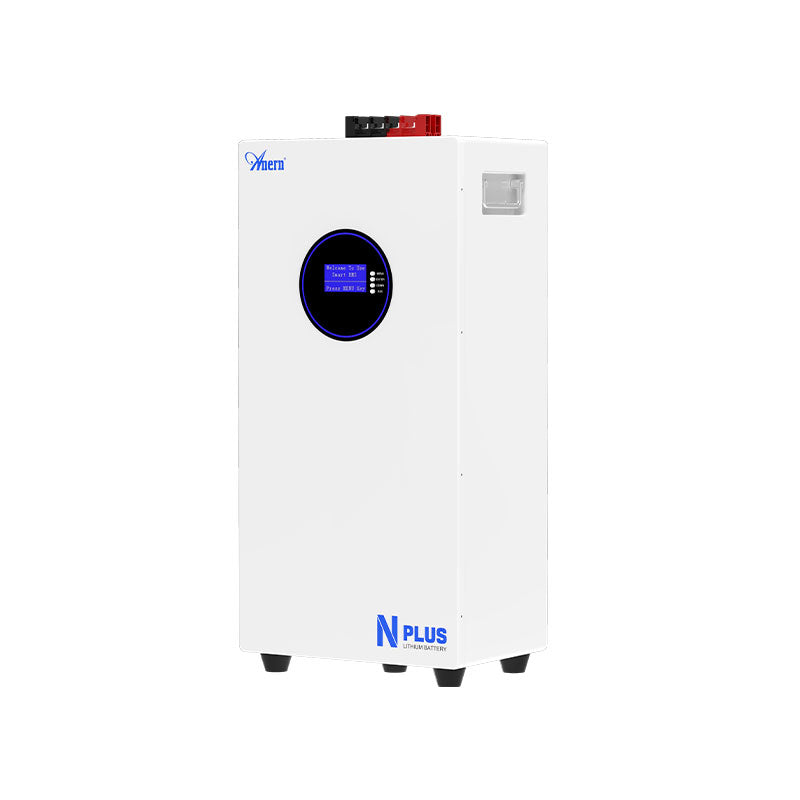
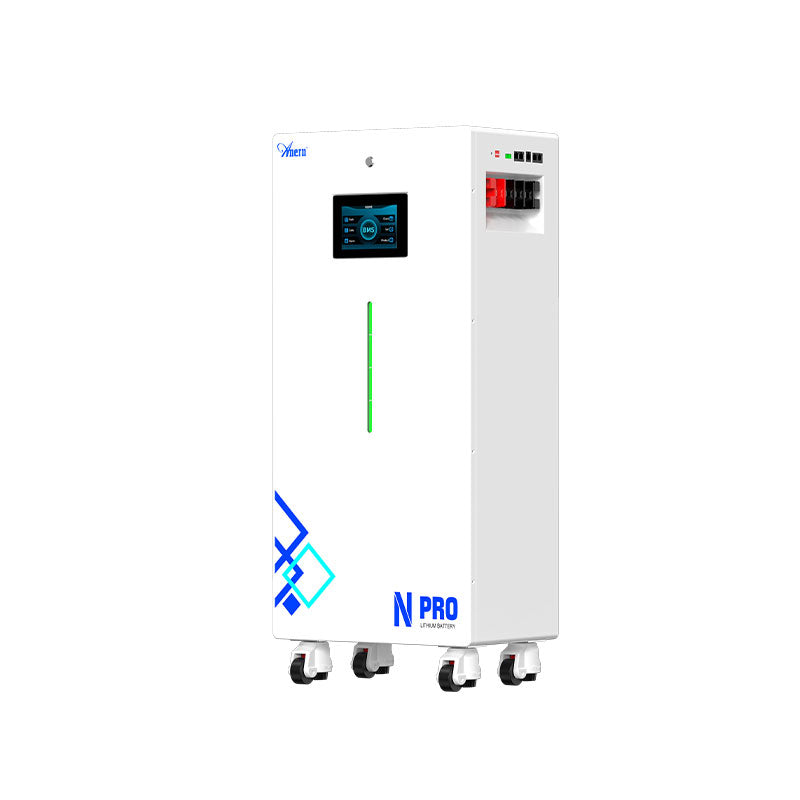
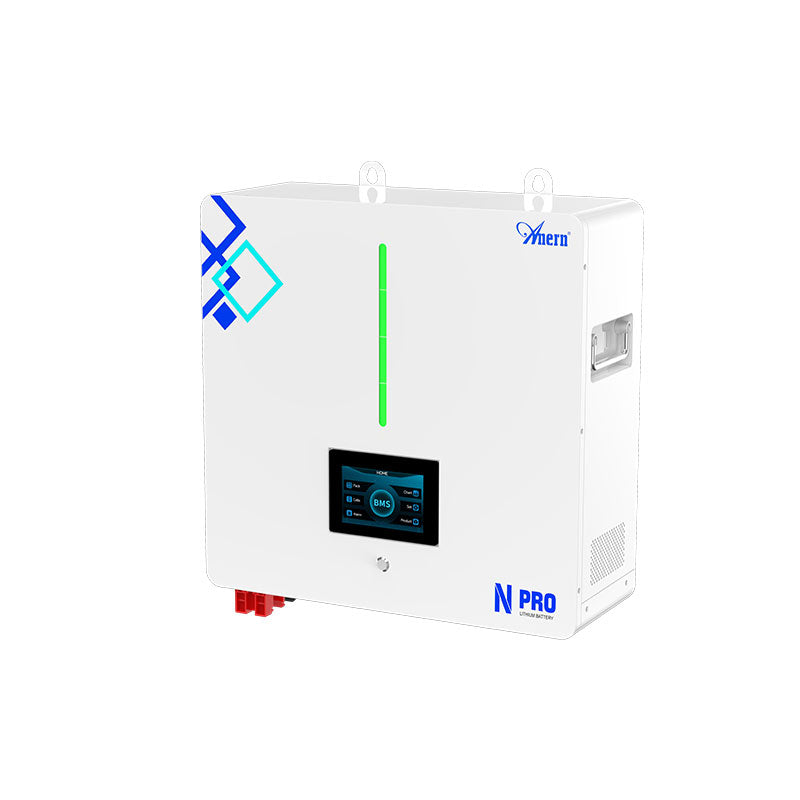
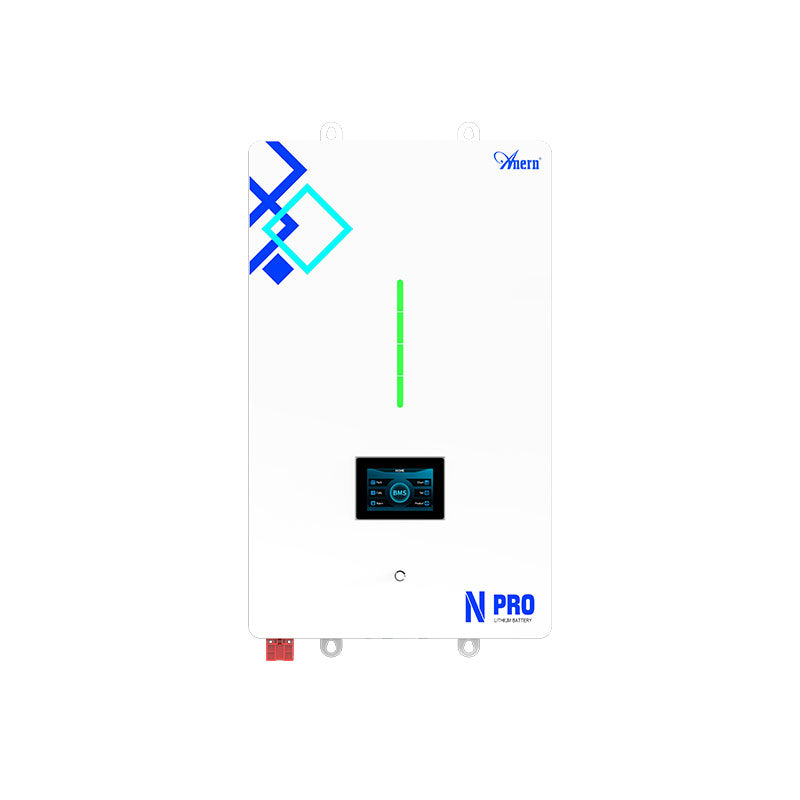
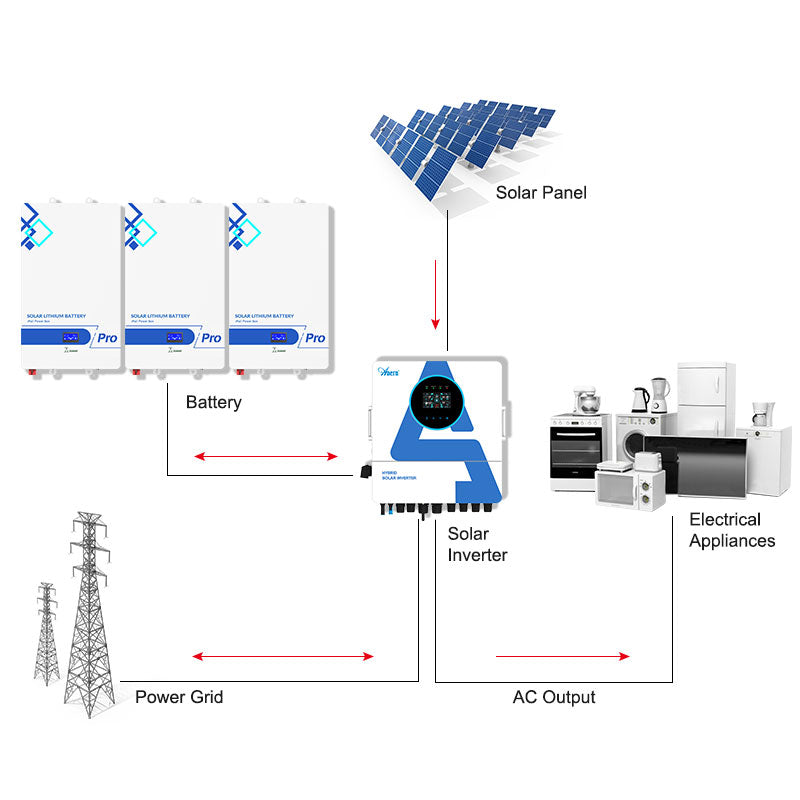
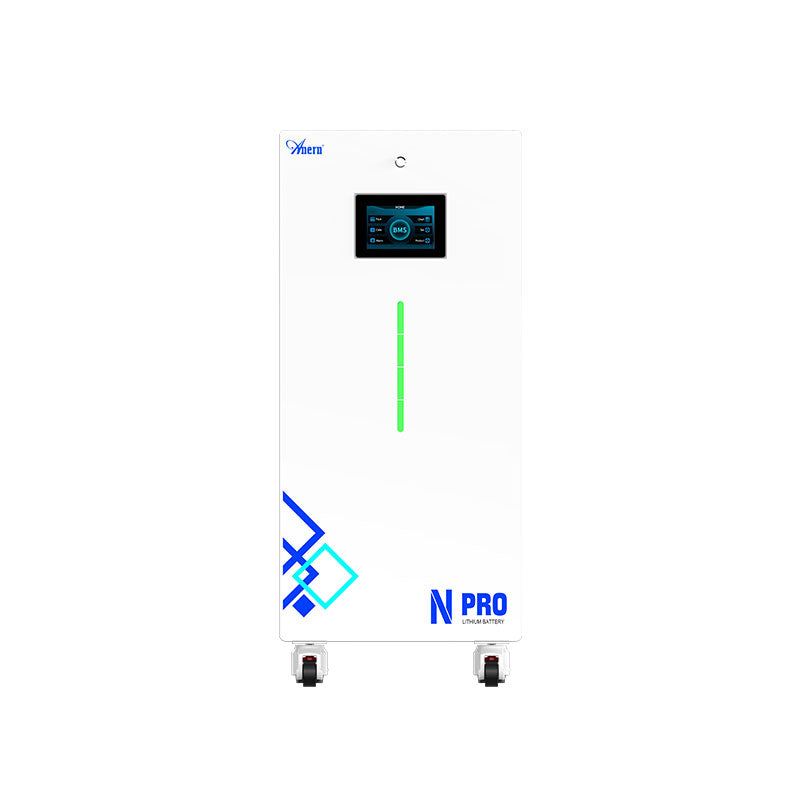
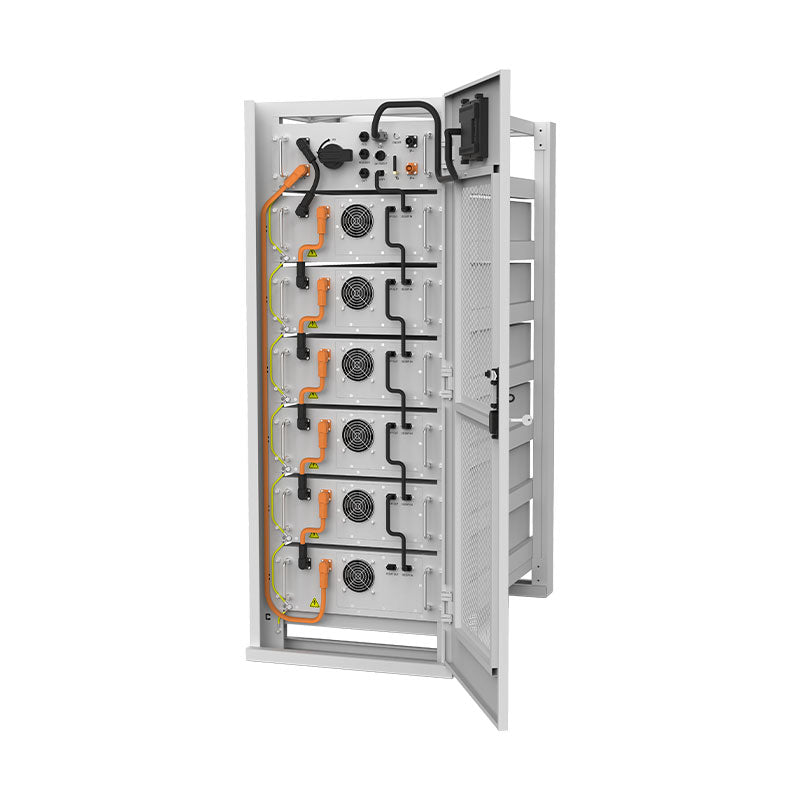
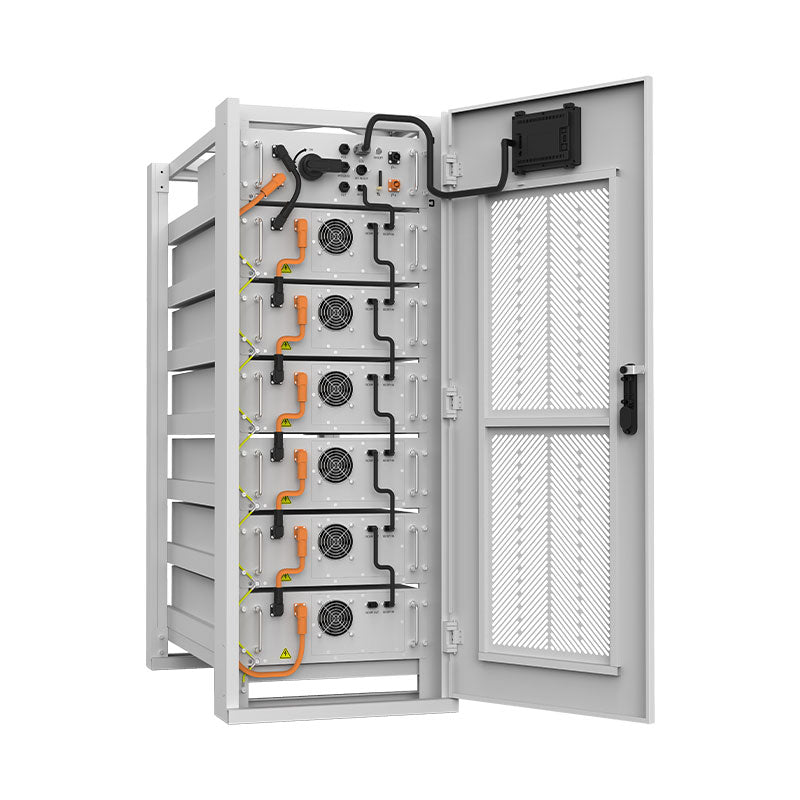
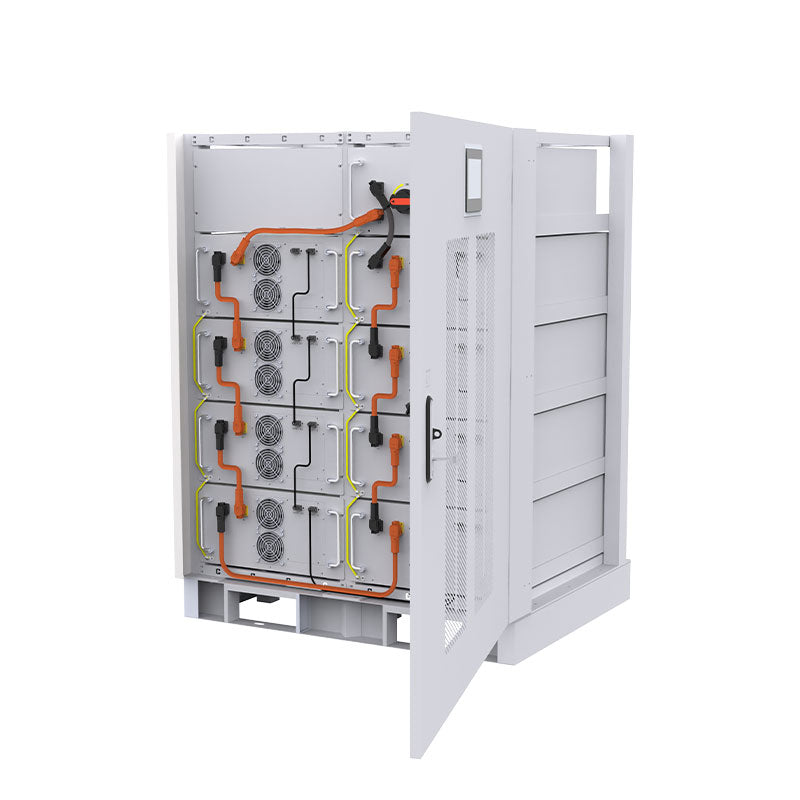
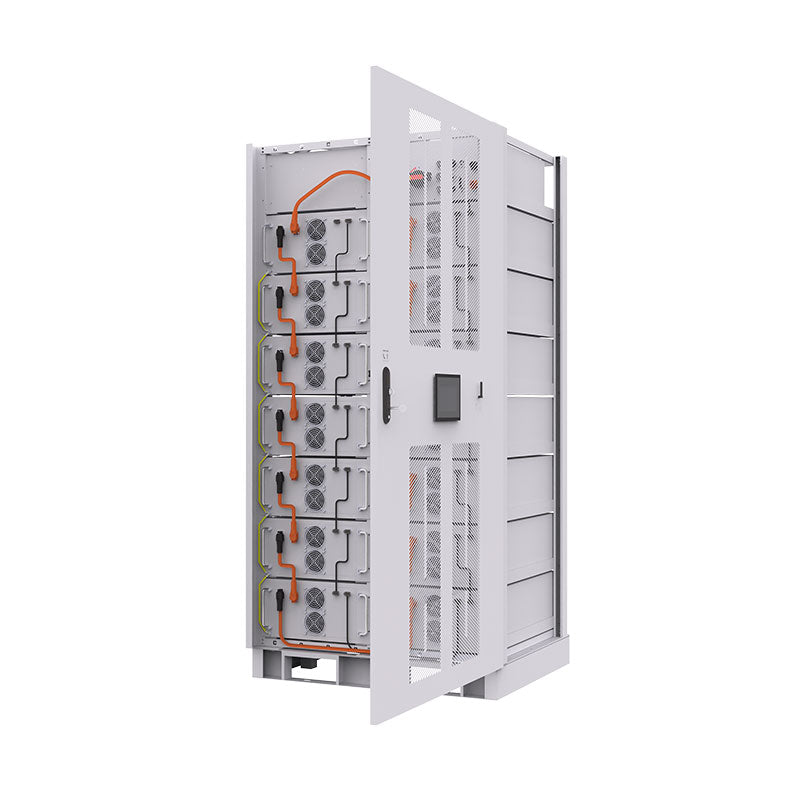
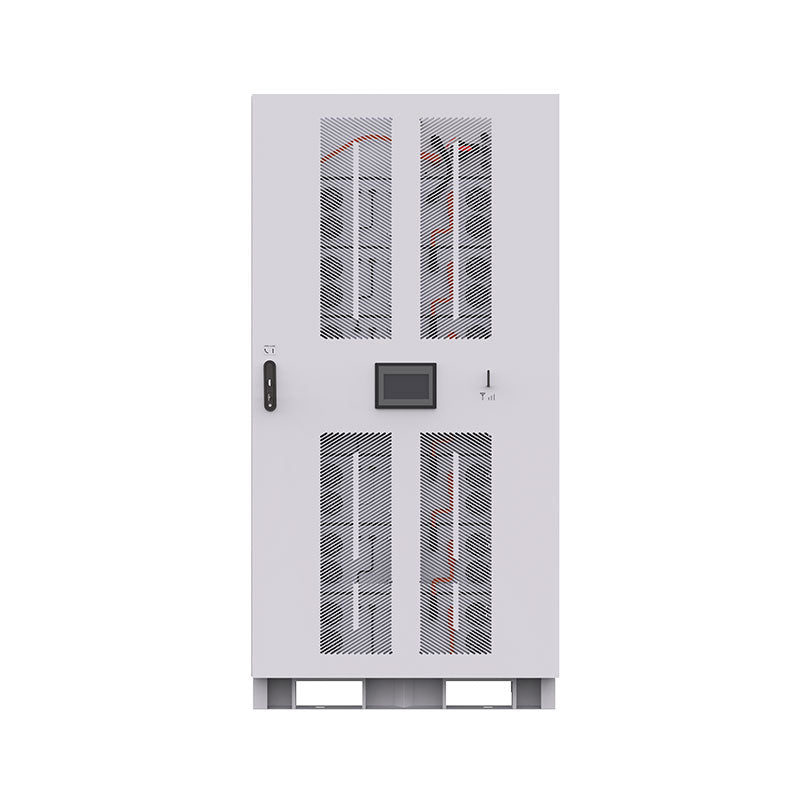
Most cabin ESS installations consist of a few key elements. A LiFePO4 battery pack, often around 5kWh, serves as the heart of the system, storing energy for when you need it. A hybrid inverter acts as the brain, managing the flow of energy between the solar panels, batteries, and your cabin's appliances. The solar panel array captures sunlight, generating the DC power that fuels the entire system. Finally, an integrated Battery Management System (BMS) protects the battery from overcharging, deep discharging, and other potential issues.
The Goal of Commissioning
Commissioning is more than just flipping a switch. It is a methodical process of verification to confirm everything is installed correctly and configured for optimal performance. This crucial stage involves checking voltages, confirming polarity, inspecting connections, and fine-tuning software settings. Proper commissioning prevents equipment damage, ensures safety, and maximizes the lifespan of your investment.
Your Toolkit: Essential Budget-Friendly Testers
You do not need a professional-grade analyzer to get the job done. A few affordable and versatile tools can provide all the data you need to confirm your system is ready for operation. These instruments are fundamental for any DIY ESS setup.
The Indispensable Multimeter
A digital multimeter is the cornerstone of any electrical toolkit. It measures voltage, current, and resistance. During commissioning, you will use it for several critical tasks. You can verify your battery bank's state of charge by measuring its voltage. You can also check the open-circuit voltage (Voc) of your solar panels to ensure they are performing as expected. Most importantly, you will use it to confirm polarity at every connection point, preventing costly damage.
The Clamp Meter: A Step-Up for Current Measurement
While a multimeter can measure current, a clamp meter offers a safer and more convenient way to test active circuits. It measures current by clamping around a conductor, eliminating the need to disconnect wires. This is particularly useful for measuring the high DC current flowing from your solar panels to the inverter or the AC current being supplied to your cabin's loads. It provides real-time data without disrupting the system.
Beyond the Basics: Other Useful Low-Cost Tools
A few other tools can elevate the quality of your installation. A torque wrench is vital for tightening electrical connections to the manufacturer's specifications. Improperly tightened lugs can lead to high resistance, heat buildup, and potential fire hazards. An infrared (IR) thermometer is another excellent diagnostic tool. After the system has been running under load, you can use it to scan connections for hot spots, which indicate a poor connection that needs to be addressed.
The Commissioning Process: A Step-by-Step Walkthrough
A structured approach to commissioning minimizes risks and ensures a thorough evaluation. By powering up the system in stages, you can isolate and address any issues before they become major problems. This methodical process builds a foundation for a reliable system.
Pre-Power-Up Safety Checks
Before any power flows, conduct a complete visual inspection. Look for frayed wires, loose mounts, or signs of damage to any components. Use your multimeter's continuity setting to verify that all positive cables go to positive terminals and all negative cables go to negative terminals. This polarity check is arguably the most critical test. Finally, use a torque wrench to confirm every electrical lug is tightened to the specified value found in the component's manual.
Powering Up in Stages
A phased startup is the safest method. First, measure the battery bank's voltage to ensure it is within the correct operational range. Then, connect the battery to the inverter and turn the inverter on without any AC loads connected. Use your multimeter to check that the AC output voltage and frequency are correct. Next, connect a small, simple load like a lamp to confirm the inverter is working. Finally, after checking the solar array's open-circuit voltage, you can connect it to the system. Use your clamp meter to verify that DC current is flowing from the panels.
Configuration and System Verification
With the system powered on, the final step is to configure the inverter's software settings. You must set the correct battery chemistry (LiFePO4) and define the charging parameters, such as bulk, absorption, and float voltages. These settings are critical for battery health and longevity. As detailed in the Ultimate Reference for Solar Storage Performance, using the right charge profile for LiFePO4 batteries is essential to prevent cell damage and maximize cycle life. Once configured, apply various cabin loads and monitor the system's performance, using an IR thermometer to check for any warming at connection points.
Interpreting Your Readings: From Data to Diagnosis
The measurements you take provide valuable insights into your system's health. Understanding what these numbers signify allows you to diagnose potential problems before they escalate. This proactive approach ensures long-term reliability.
| Tool | Measurement | Good Reading (Example) | Potential Issue if Deviant |
|---|---|---|---|
| Multimeter | Battery Voltage | 52V (for a 48V nominal pack) | Too low (undercharged/faulty cell), Too high (overcharging) |
| Multimeter | Solar Voc | 120V DC | 0V (broken connection/panel), Too low (shading/fault) |
| Clamp Meter | Solar Current | 15A DC (in full sun) | 0A (disconnect open/fault), Low current (shading/dirty panels) |
| IR Thermometer | Lug Temperature | Ambient +5-10°C under load | >20°C rise (loose connection, high resistance) |
These simple tools empower you to build and maintain your DIY ESS setup with confidence. The International Energy Agency (IEA) highlights the importance of system flexibility and proper integration. While reports like The Power of Transformation focus on large-scale grids, the core principle of verifying component performance is directly applicable to a cabin ESS to ensure dependability.
A Smarter Approach to Energy Independence
Commissioning your cabin ESS is a foundational process, not a one-time event. This case study shows that with a methodical approach and basic, budget-friendly tools, you can ensure your system is safe, reliable, and built to last. The true value comes from the peace of mind that your energy solution is performing optimally. As organizations like IRENA outline in their Electricity Storage Valuation Framework, understanding the operational characteristics of storage is key to unlocking its full potential. This journey begins with proper commissioning. Furthermore, the IEA notes in Next Generation Wind and Solar Power that improved operational practices are cost-effective, a principle that is just as true for a small off-grid system as it is for a national grid.
Frequently Asked Questions
Can I use a cheap multimeter for my cabin ESS?
Yes, for basic voltage and continuity checks, an affordable multimeter is sufficient. For safety, ensure it is at least CAT III rated when measuring AC circuits connected to the inverter, as this provides protection against transient voltages.
What is the single most important test during commissioning?
The polarity check is the most critical test. Reversing the positive and negative connections from your battery or solar panels can cause immediate and catastrophic damage to your inverter or charge controller. Always double-check every connection before applying power.
How do I know what the correct torque for electrical connections is?
Always refer to the manufacturer's installation manual for your specific components, including the inverter, bus bars, and battery terminals. Do not estimate or guess. Over-tightening can strip threads or damage equipment, while under-tightening creates a serious fire hazard due to high resistance.
