




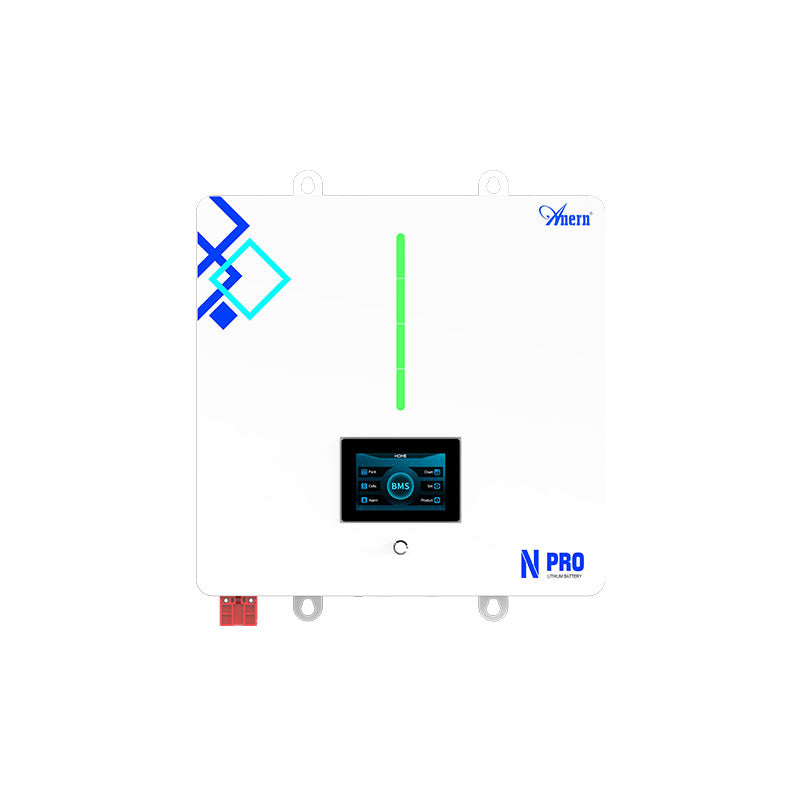
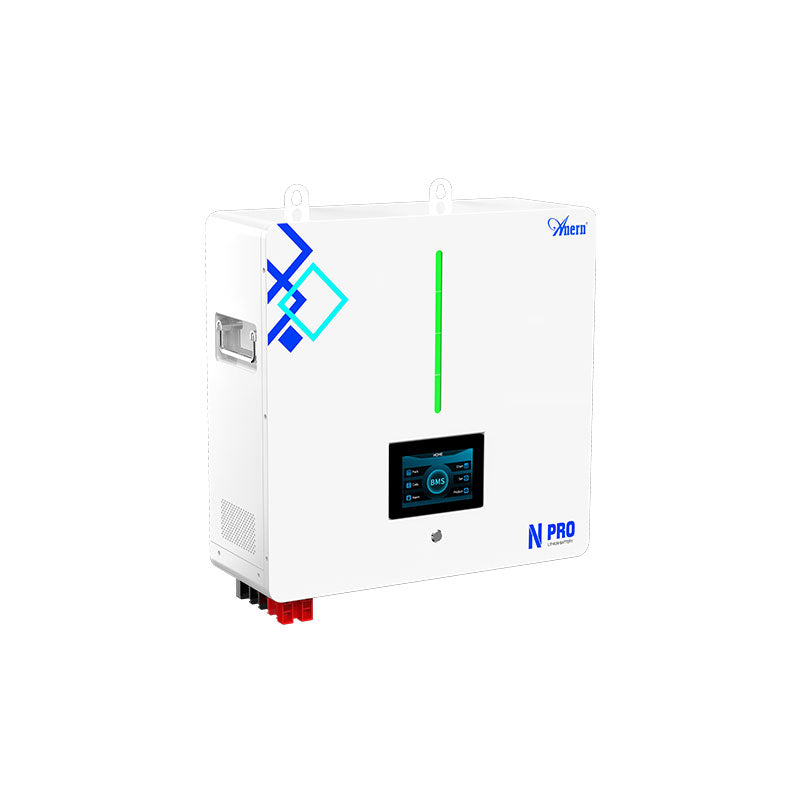


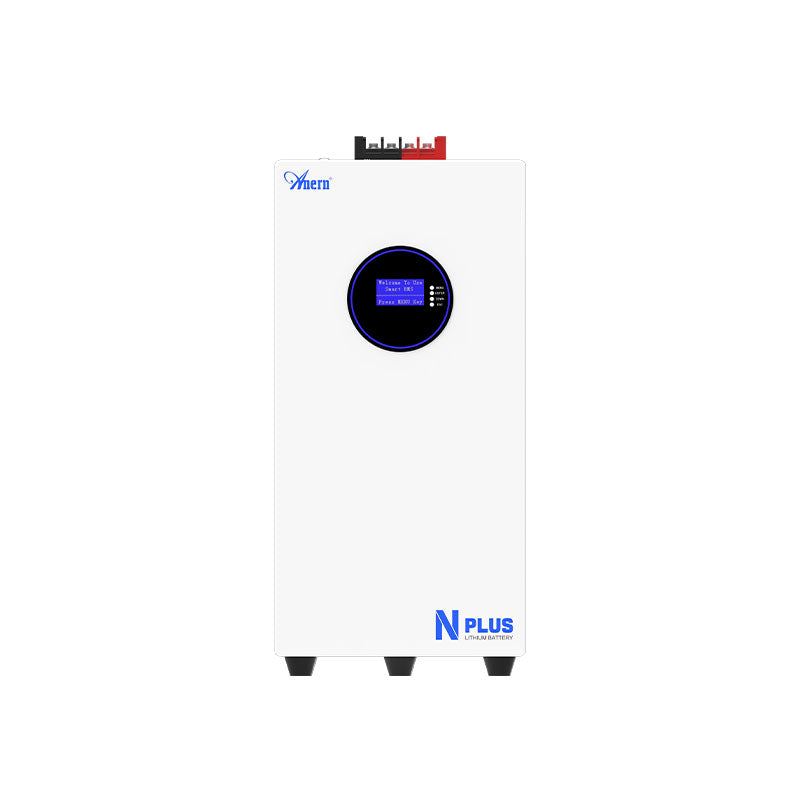
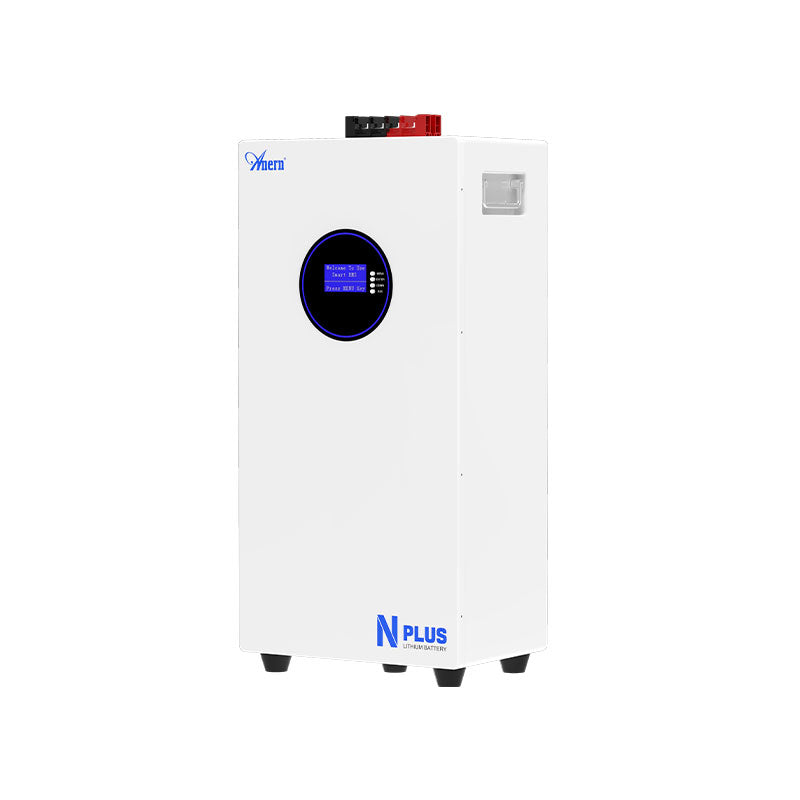




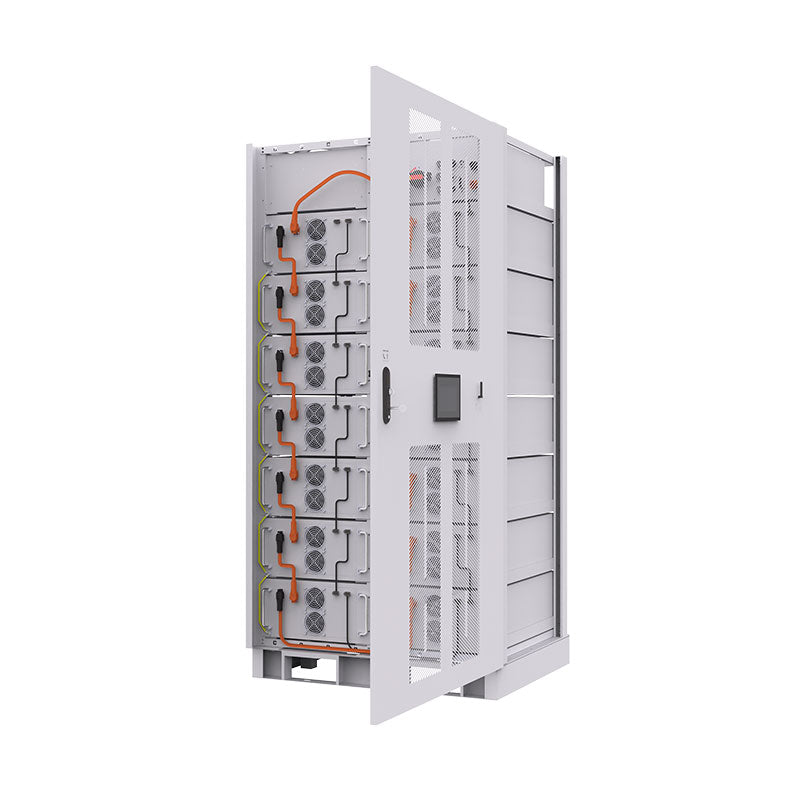
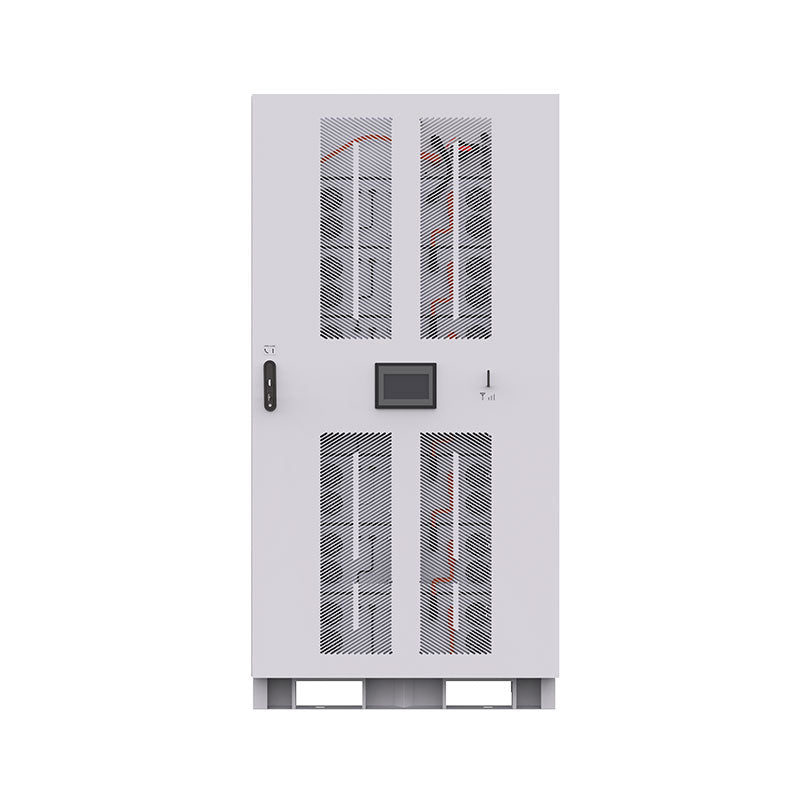


Farm operations demand resilient and continuous power. Energy storage systems (ESS) are pivotal in meeting this need, providing consistent power from renewable sources like solar energy. Among various battery chemistries, Lithium Iron Phosphate (LiFePO4) stands out for its impressive safety profile and longevity, making it a preferred choice for such demanding applications. This case study delves into how a potential thermal runaway event was successfully averted in a farm ESS, highlighting critical safety measures and the inherent advantages of LiFePO4 technology.
Powering Rural Resilience with LiFePO4
Farms often operate in areas where grid reliability can be inconsistent or non-existent. An integrated ESS, combining solar panels, a hybrid inverter, and robust battery storage, offers a path to energy independence. Our company has extensive experience in the solar industry, focusing on lithium battery manufacturing, comprehensive energy storage systems, and integrated ESS development. We provide reliable and scalable energy solutions, empowering customers to achieve energy autonomy. Our LiFePO4 batteries are engineered for high performance, safety, and reliability, forming the core of these resilient systems.
While LiFePO4 chemistry is celebrated for its stability, understanding and mitigating potential risks, however small, is vital. Thermal runaway, an uncontrolled rise in temperature, can occur in any battery if conditions are severe enough. This case study illustrates practical steps to prevent such occurrences.
Understanding LiFePO4 and Thermal Runaway
The Chemistry of Safety: Why LiFePO4?
LiFePO4 batteries offer a distinct advantage regarding safety due to their stable chemical structure. The iron phosphate cathode material is thermally and chemically robust. This stability means the oxygen atoms are strongly bonded within the material, making it less prone to releasing oxygen even under extreme conditions, a common trigger for thermal runaway in other lithium-ion chemistries. This inherent stability contributes to a safer battery operation, especially in demanding environments like a farm.
What is Thermal Runaway?
Thermal runaway describes a self-accelerating increase in temperature within a battery cell, which, if unchecked, can lead to fire or explosion. It begins when an internal or external factor, such as overcharging, a short circuit, or mechanical damage, causes a localized temperature increase. This increase can trigger exothermic reactions within the cell, releasing more heat, which further accelerates the reactions. This creates a dangerous feedback loop. While LiFePO4 batteries are far less susceptible, continuous monitoring and preventative measures are crucial for any energy storage installation.

The Farm ESS Scenario: Averting a Potential Hazard
System Overview: A Farm's Energy Backbone
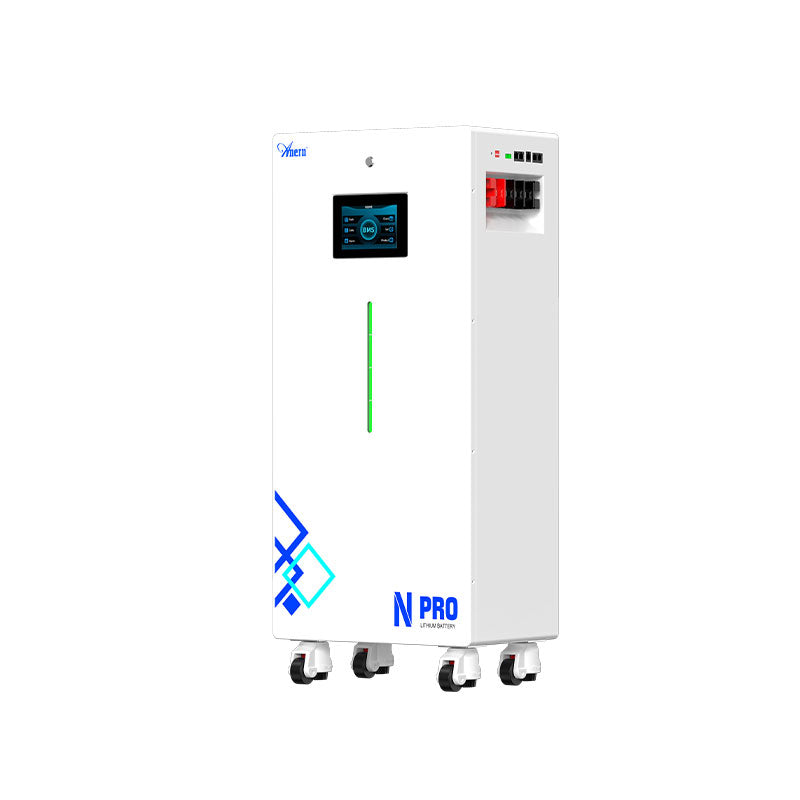
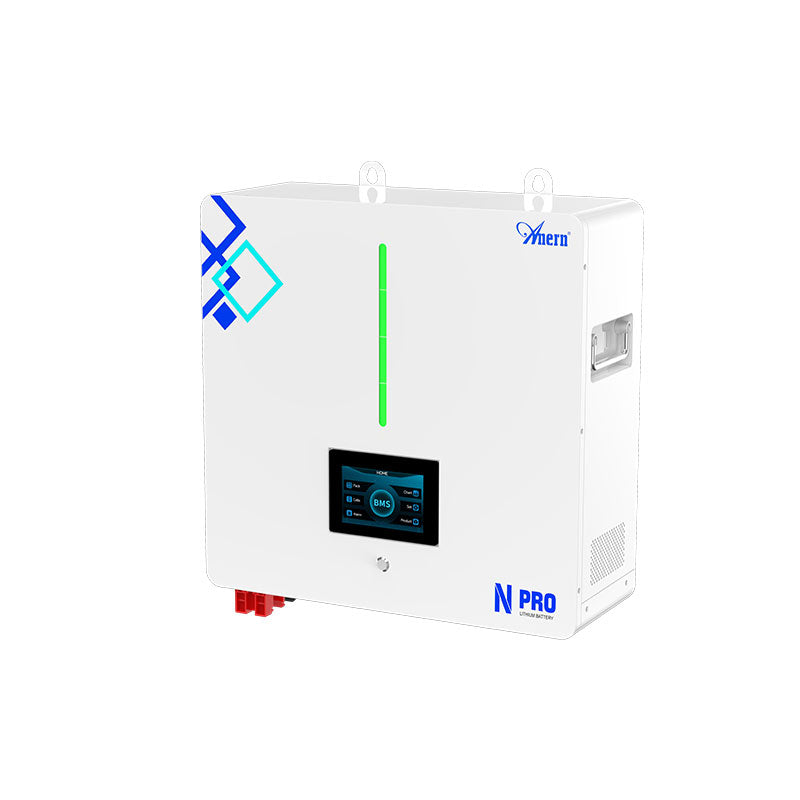
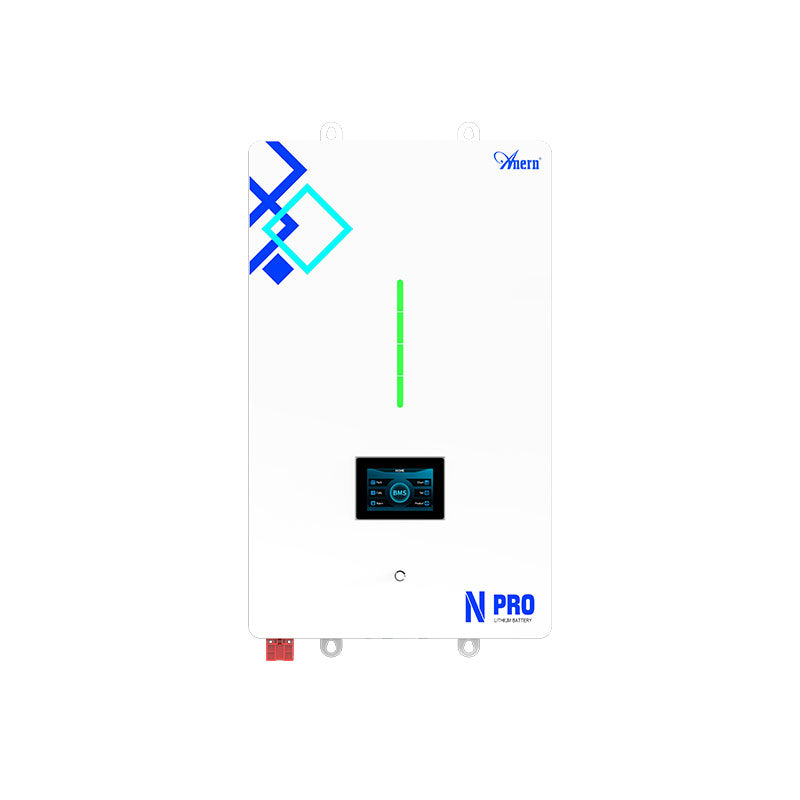
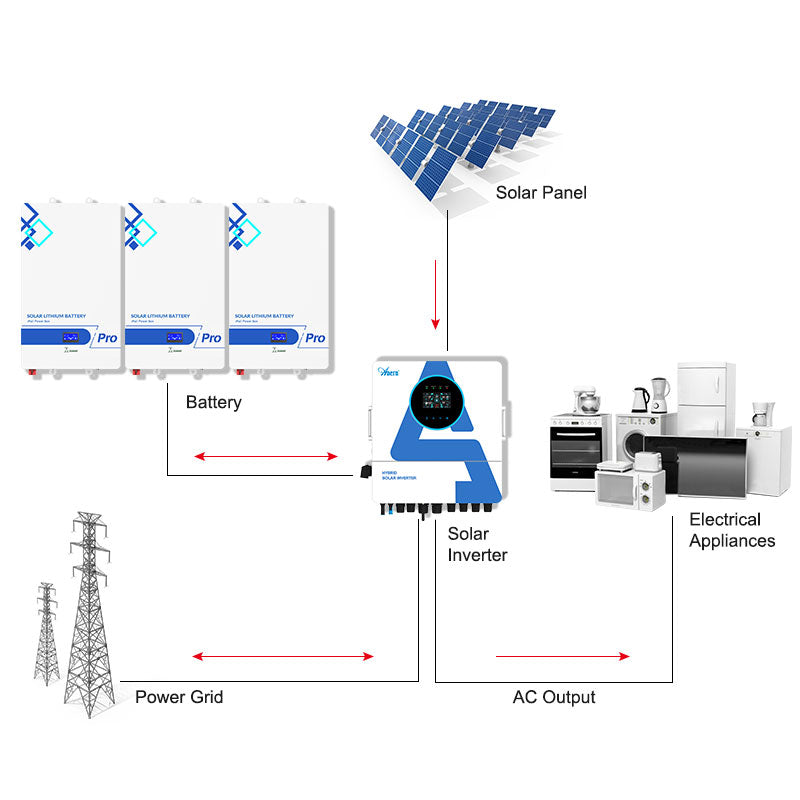
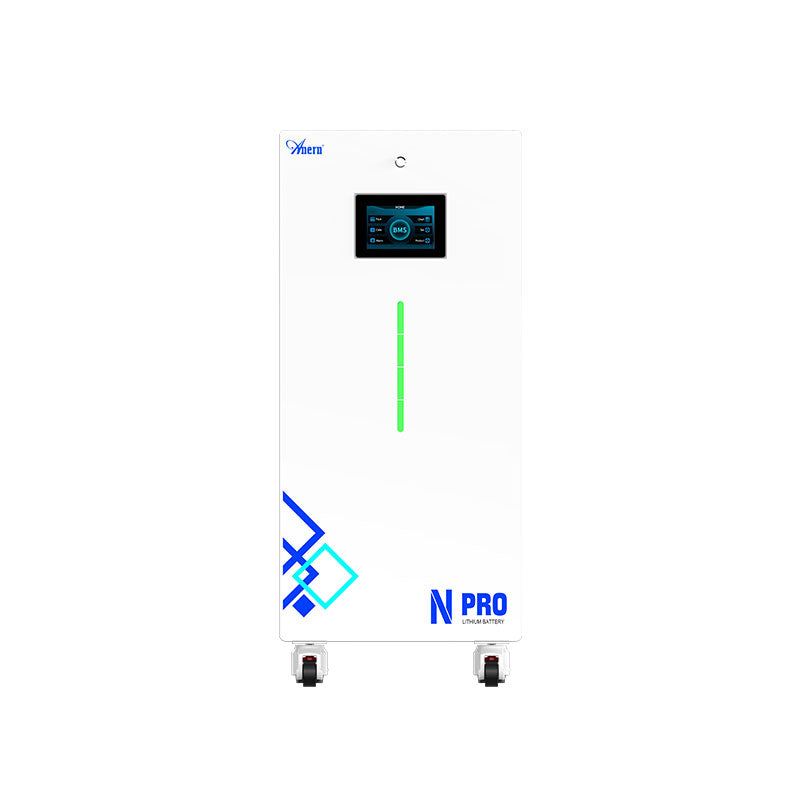
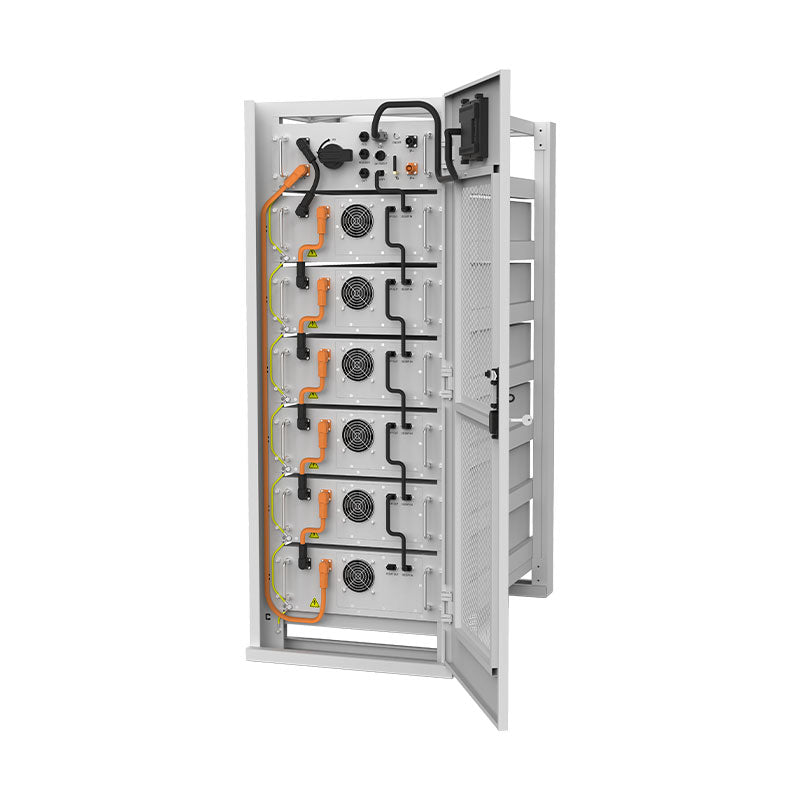
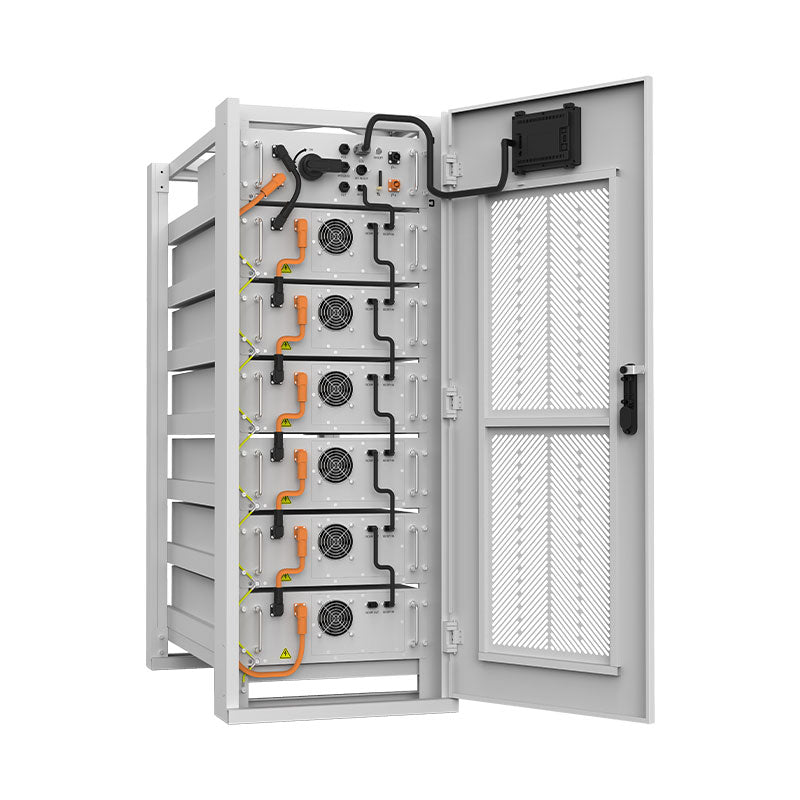
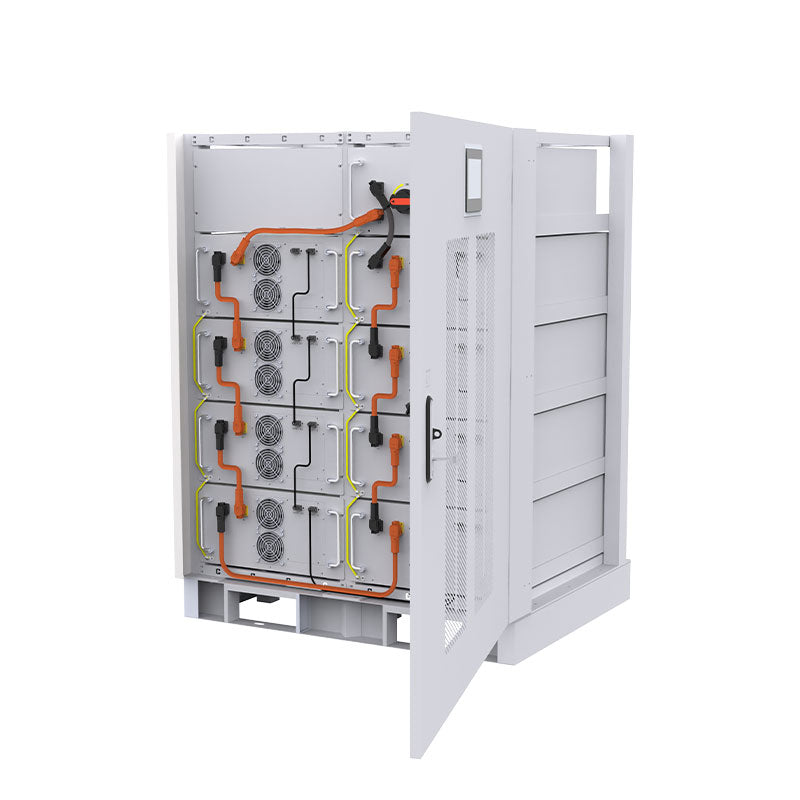
A typical farm energy storage system integrates several key components: LiFePO4 battery banks, a hybrid solar inverter, and solar photovoltaic panels. This setup allows the farm to generate its own electricity, store excess for later use, and even provide power during grid outages. Our company's integrated ESS solutions are designed to provide seamless power, whether for lighting, irrigation, or powering farm machinery. Our off-grid solar solutions are particularly suited for remote agricultural settings, ensuring continuous operation.
Early Detection and Prevention Mechanisms
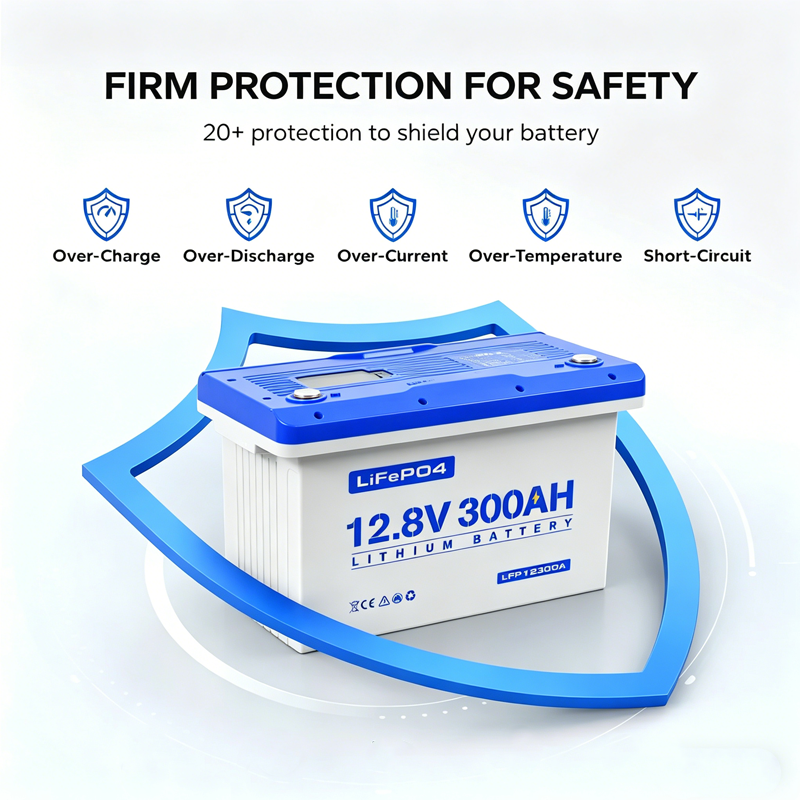
The success in averting thermal runaway in this farm ESS largely depended on its sophisticated Battery Management System (BMS). A BMS acts as the brain of the battery system, constantly monitoring critical parameters. Here are key mechanisms that played a role:
- Precise Voltage Monitoring: The BMS continuously monitors the voltage of individual cells and the entire battery pack. An anomalous voltage spike or drop can indicate an issue, such as an internal short or overcharge condition.
- Accurate Temperature Sensing: Multiple temperature sensors strategically placed within the battery modules detect any localized heating. Early detection of even slight temperature increases can trigger alarms and protection protocols.
- Current Control: The BMS regulates charging and discharging currents, preventing overcurrent conditions that could lead to excessive heat generation.
- Overcharge and Over-discharge Protection: The system automatically cuts off charging when the battery reaches its full capacity and stops discharging before it goes too low, protecting the cells from damage and stress that could lead to instability.
- Short-Circuit Protection: Immediate detection and disconnection in the event of a short circuit prevent massive current surges and rapid heat buildup.
In this particular case, the BMS detected an anomalous temperature reading in one battery module, coupled with a slight voltage deviation, which indicated an early stage of internal stress. The system immediately isolated the affected module and initiated a controlled shutdown of the entire battery bank, preventing any further escalation. This rapid response underscores the importance of a well-designed and actively managed BMS.
Implementing Robust Safety Protocols
Installation Best Practices for Farm ESS
Proper installation is foundational to long-term safety and performance. For farm energy storage systems, we recommend:
- Optimal Ventilation: Ensure the battery enclosure or room has adequate airflow to dissipate any heat.
- Temperature Control: Maintain the battery's operating environment within recommended temperature ranges. Extreme heat or cold can impact performance and safety.
- Secure Mounting: Batteries must be securely mounted to prevent physical damage from vibrations or impacts, which are common in farm environments.
- Clearance and Spacing: Allow sufficient space around battery modules for heat dissipation and maintenance access.
- Professional Installation: Engaging certified professionals ensures adherence to safety codes and manufacturer guidelines.
Operational Safety and Maintenance
Ongoing vigilance and routine maintenance are equally important:
- Regular Monitoring: Utilize the system's monitoring interface or mobile application to routinely check battery status, voltage, current, and temperature.
- Periodic Visual Inspections: Look for any signs of physical damage, corrosion, or loose connections.
- Responding to Alarms: Understand what different alarm signals indicate and how to respond promptly, or whom to contact for support.
- Personnel Training: Ensure anyone interacting with the system understands basic safety procedures and emergency protocols.
The International Renewable Energy Agency (IRENA) emphasizes a "systems approach" to integrating renewables and decarbonizing energy systems, noting that understanding the role of various storage and flexibility technologies is increasingly important for future energy systems. This perspective extends to ensuring the safety and reliability of each component, including the battery ESS. Integrating thermal energy storage through system-wide coordination, for example, can reduce curtailment with solar and wind power, highlighting the benefits of a holistic design.
Here is a summary of key BMS protections:
| Protection Feature | Description | Benefit for Safety |
|---|---|---|
| Overcharge Protection | Prevents charging beyond safe voltage limits. | Mitigates internal stress and heat generation. |
| Over-discharge Protection | Prevents discharging below safe voltage limits. | Preserves battery health and prevents instability. |
| Overcurrent Protection | Limits current flow during charging or discharging. | Reduces excessive heat buildup. |
| Short-Circuit Protection | Detects and isolates short circuits. | Prevents immediate, uncontrolled energy release. |
| Temperature Monitoring | Monitors internal battery temperatures. | Early detection of abnormal heating. |
The Future of Farm Energy: Secure and Sustainable
The incident on the farm underscores the critical role of advanced battery technology and robust safety features in modern energy storage solutions. LiFePO4 batteries, combined with intelligent Battery Management Systems, offer a highly reliable and safe foundation for energy independence. Our commitment is to provide high-performance, safe, and reliable LiFePO4 batteries, comprehensive home energy storage systems, and complete off-grid solar solutions, including efficient solar inverters that convert DC power to AC. These solutions are designed to support the demanding energy needs of farms and other applications, ensuring peace of mind and sustainable power for years to come.
The U.S. Department of Energy (DOE) highlights solar energy as a rapidly growing source of electricity, underscoring the increasing need for reliable storage solutions to maximize its potential. The Energy Information Administration (EIA) provides extensive data on energy consumption and sources, reinforcing the global shift towards more sustainable and resilient energy infrastructure. The International Energy Agency (IEA) also consistently emphasizes the importance of energy storage in achieving climate goals and enhancing grid flexibility. These authoritative sources collectively affirm the trajectory towards integrated and safe energy systems globally.
