












Choosing the right battery for an off-grid solar system is a foundational decision that directly influences energy independence and system reliability. For years, lead-acid batteries were the standard, but deep cycle lithium batteries, specifically Lithium Iron Phosphate (LiFePO4), have emerged as a powerful alternative. This comparison examines the essential differences between these two technologies to help you determine the best fit for your solar power storage needs.
A Look Inside the Core Technologies
The performance differences between lithium and lead-acid batteries stem from their fundamental chemistry and construction. Each operates on distinct principles that define its strengths and weaknesses in a solar power storage application.
The Chemistry of Lead-Acid Batteries
Lead-acid technology is a well-established method of storing energy. It uses lead plates submerged in a sulfuric acid electrolyte to facilitate a chemical reaction that stores and releases electricity. This category includes Flooded Lead-Acid (FLA), which requires regular maintenance, and sealed versions like Absorbent Glass Mat (AGM) and Gel batteries, which are maintenance-free but have a shorter lifespan. While reliable and affordable upfront, they are heavy and less efficient than modern alternatives.
The Innovation of Lithium Iron Phosphate (LiFePO4)
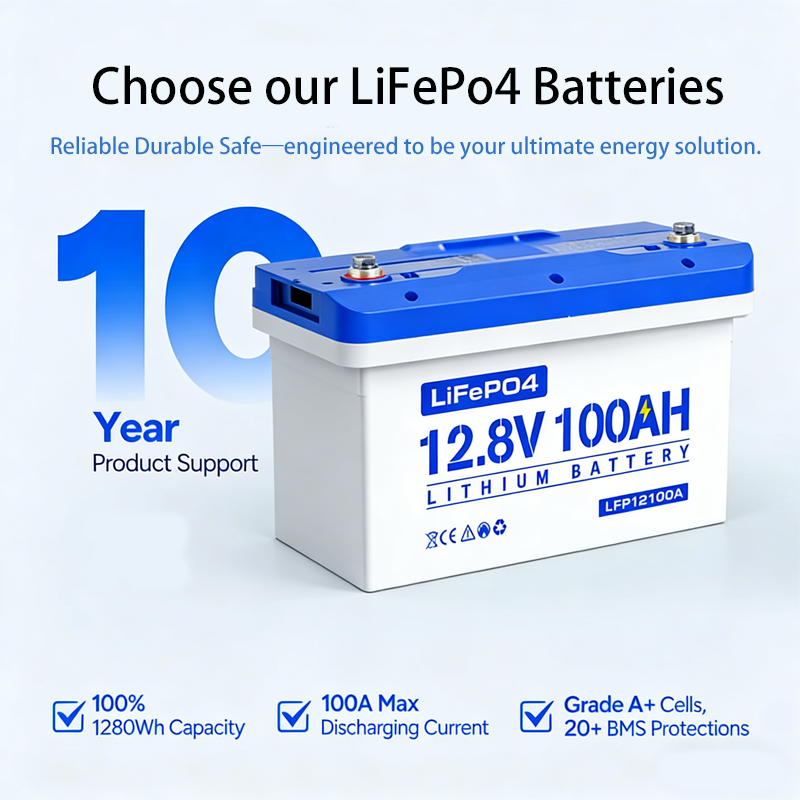
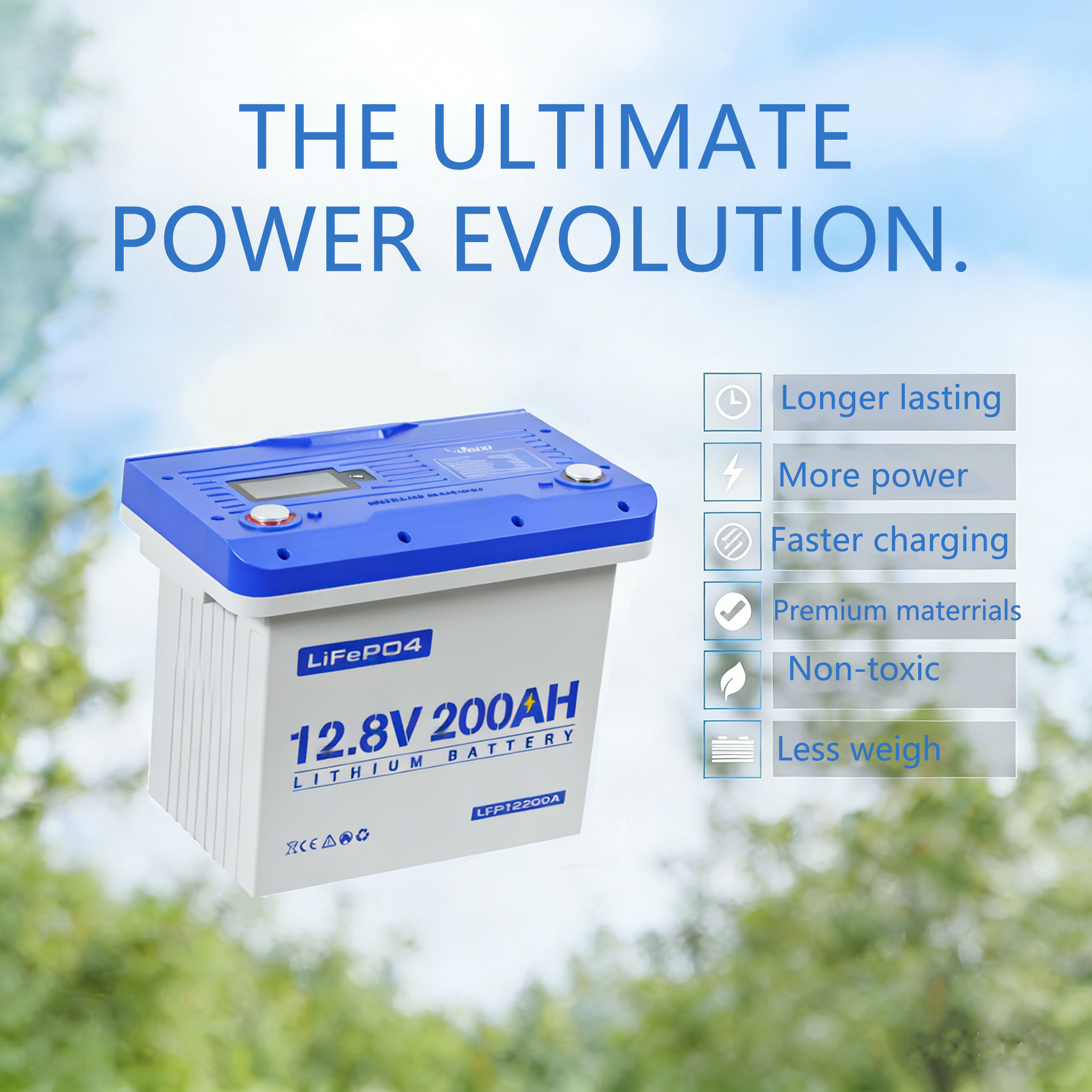
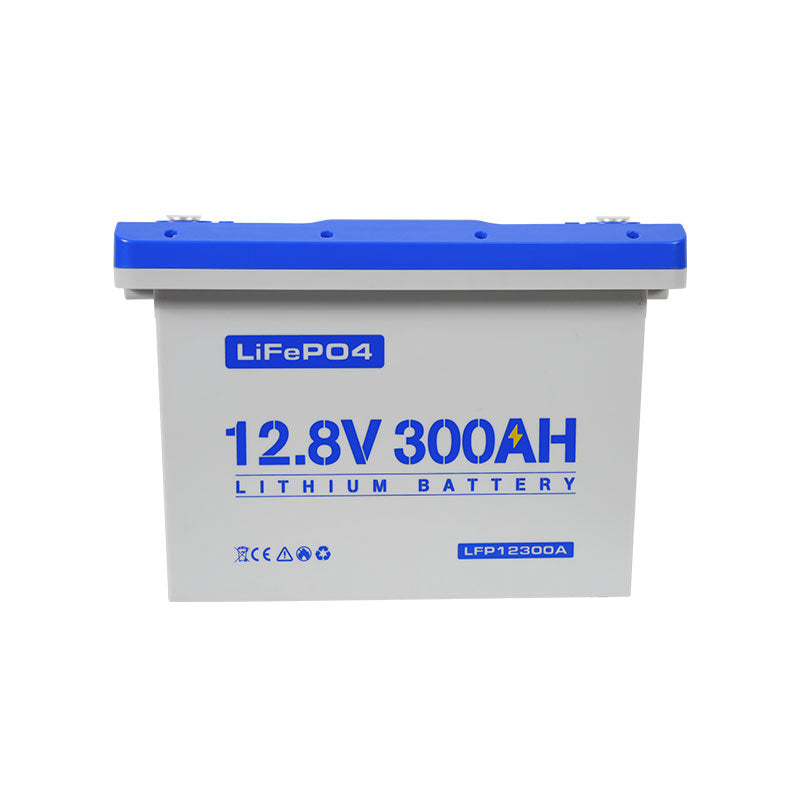
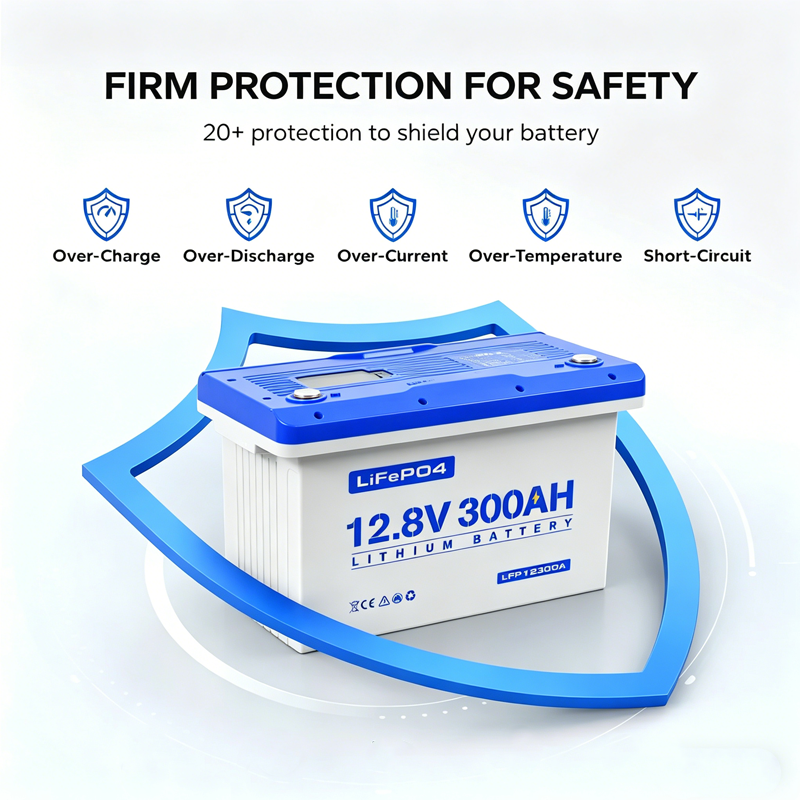
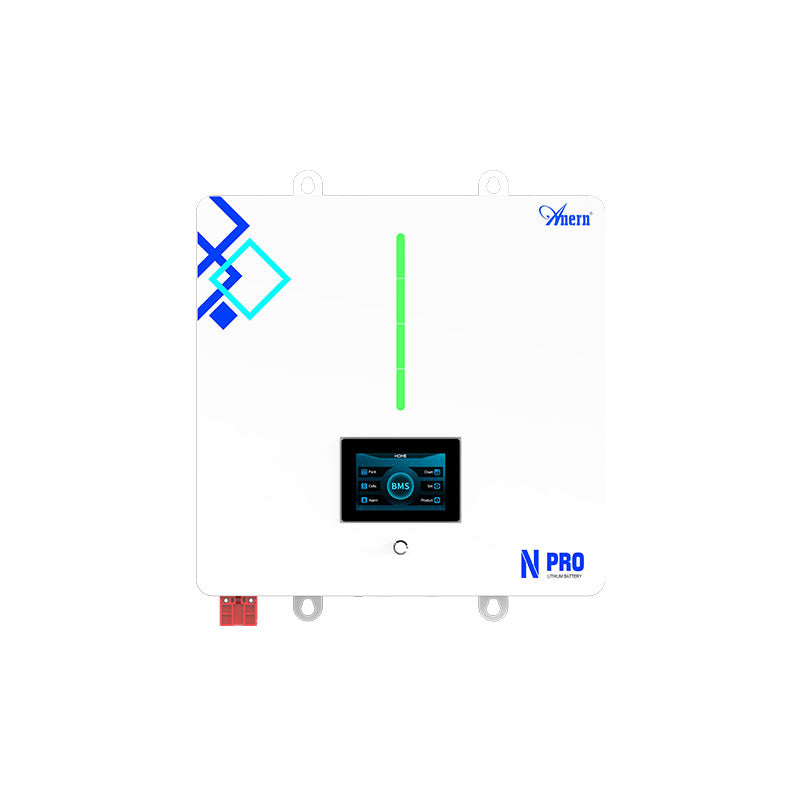
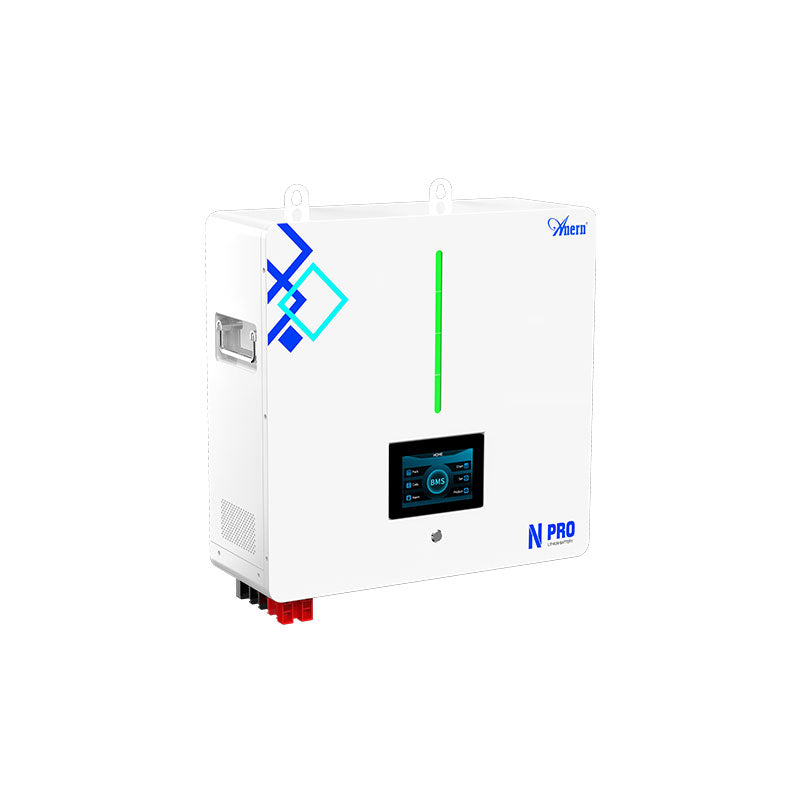
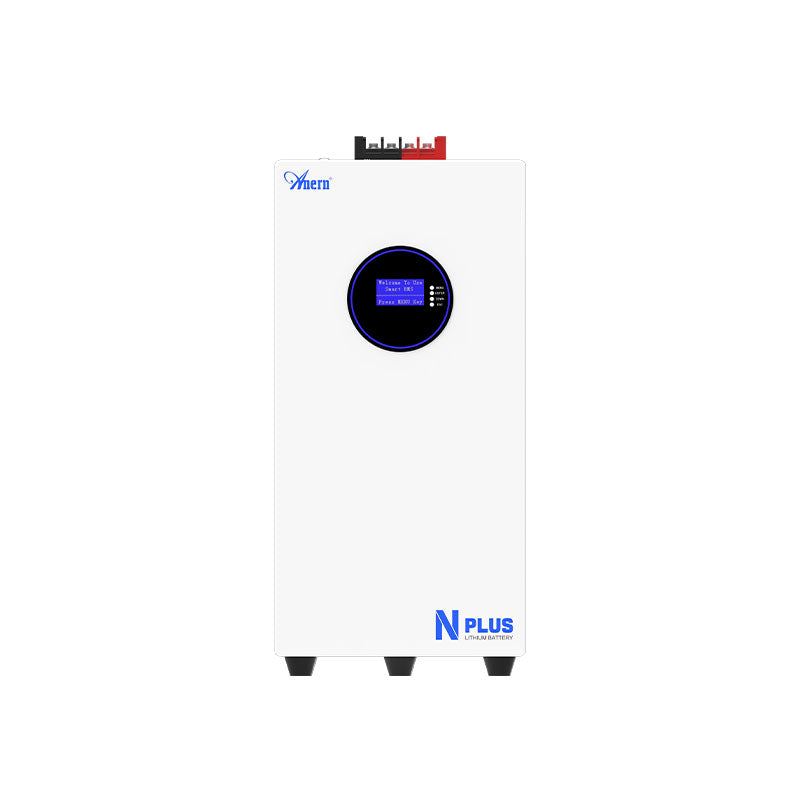
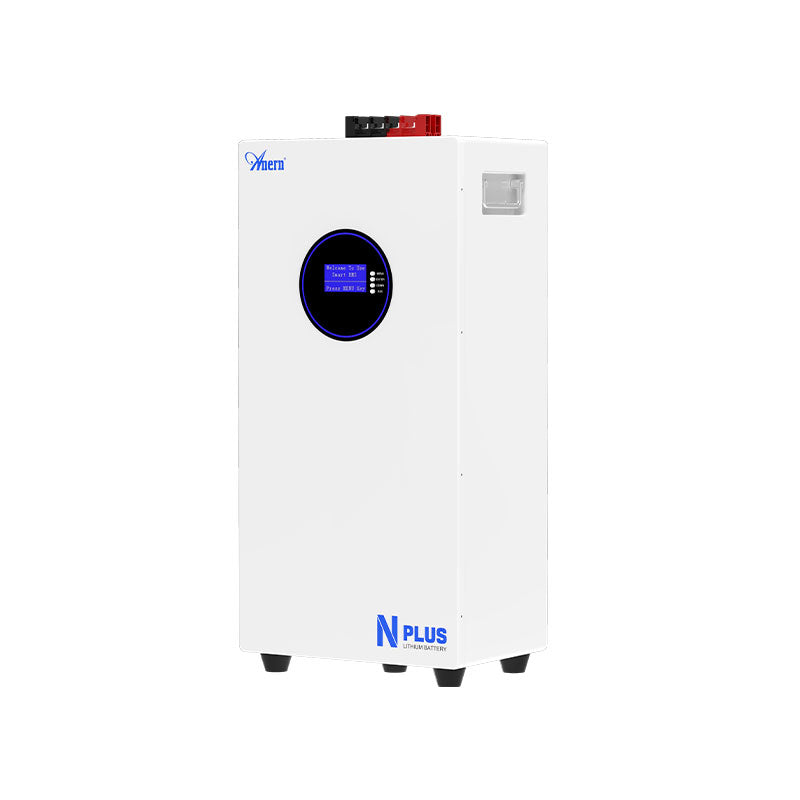
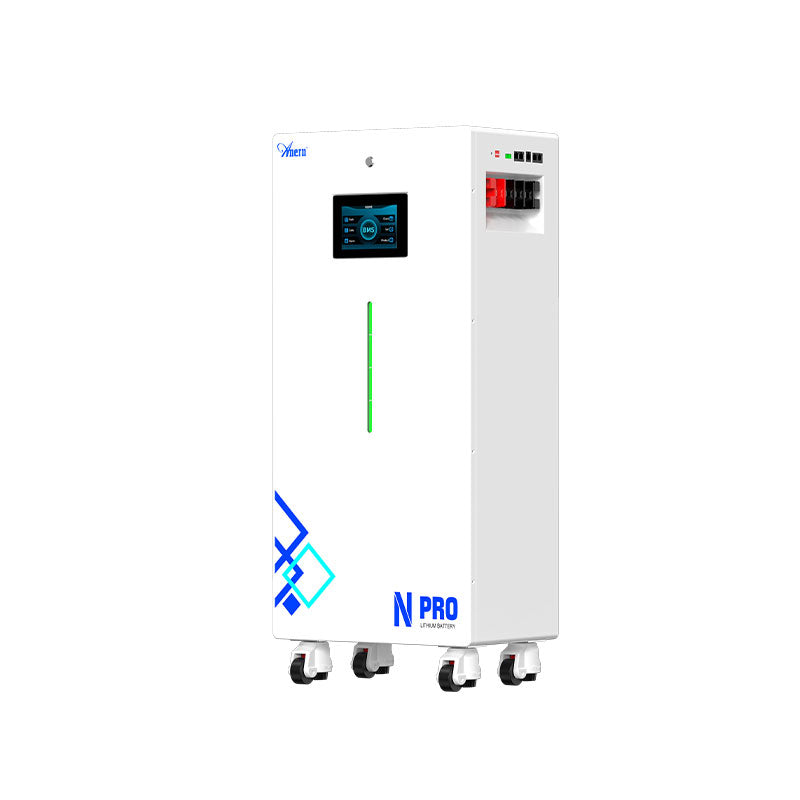
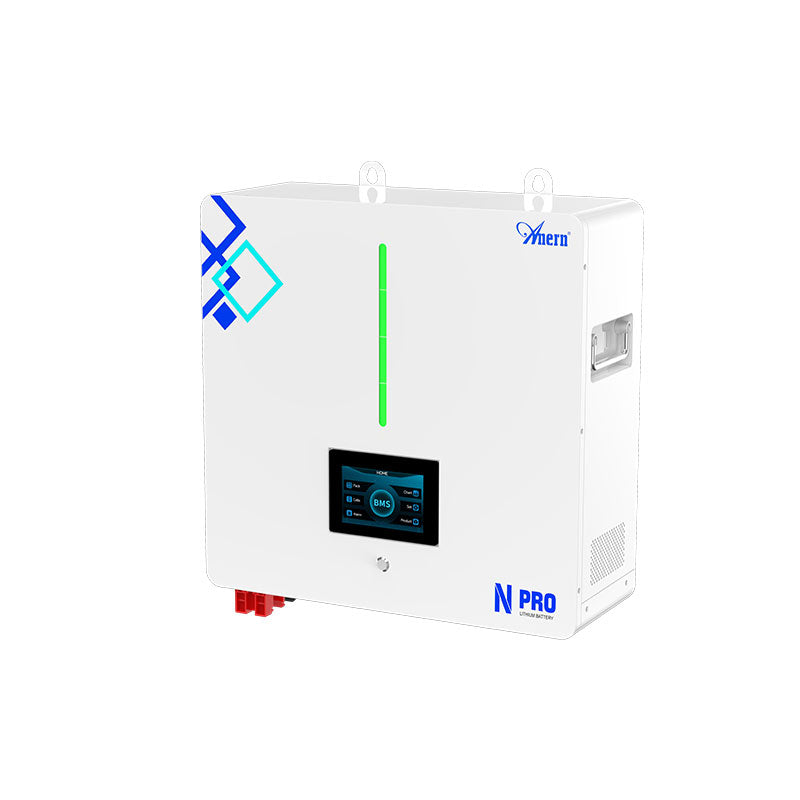
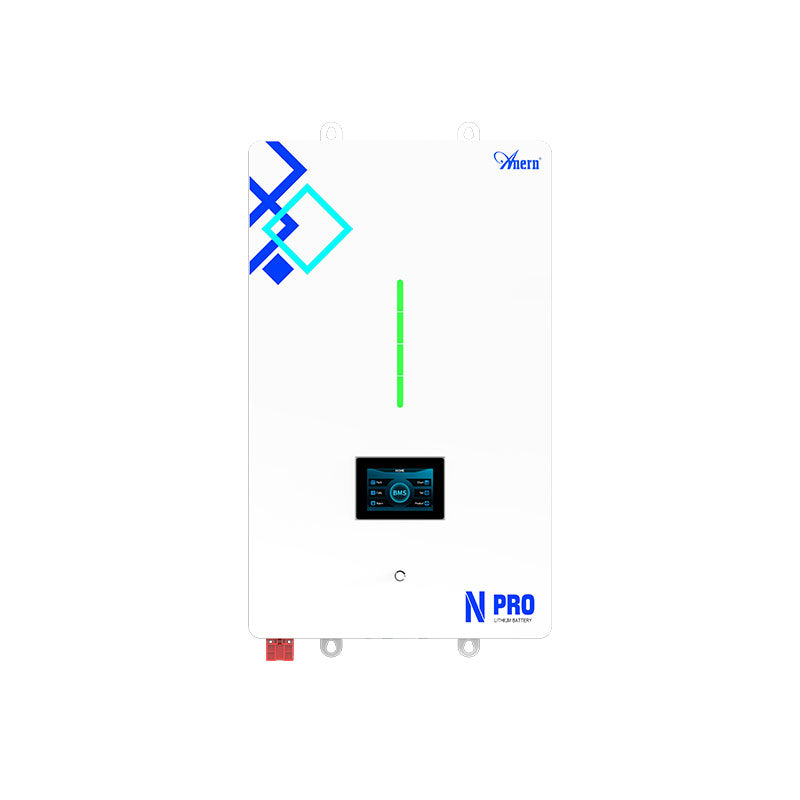
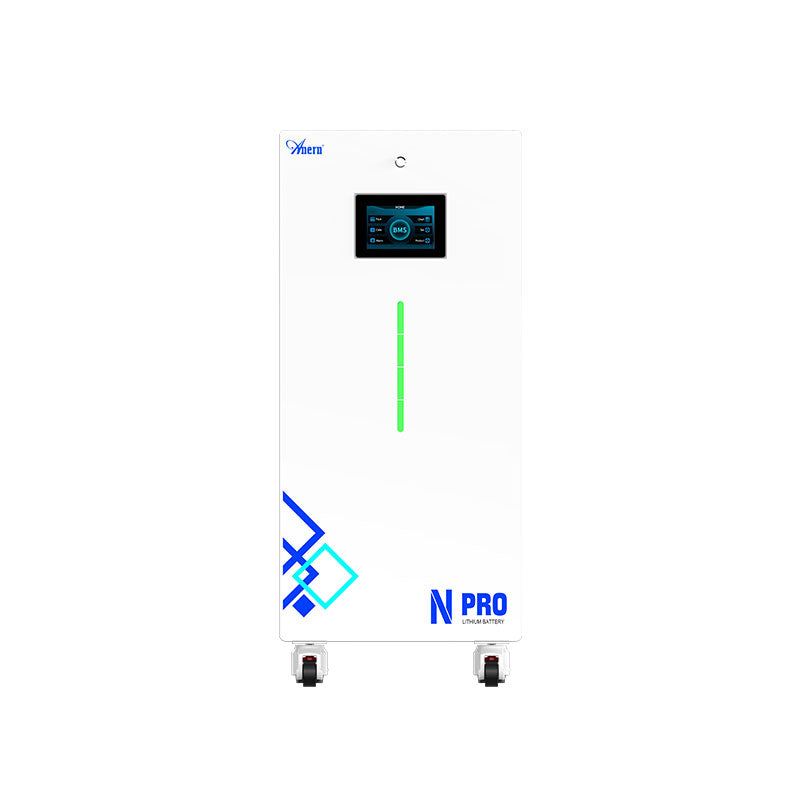
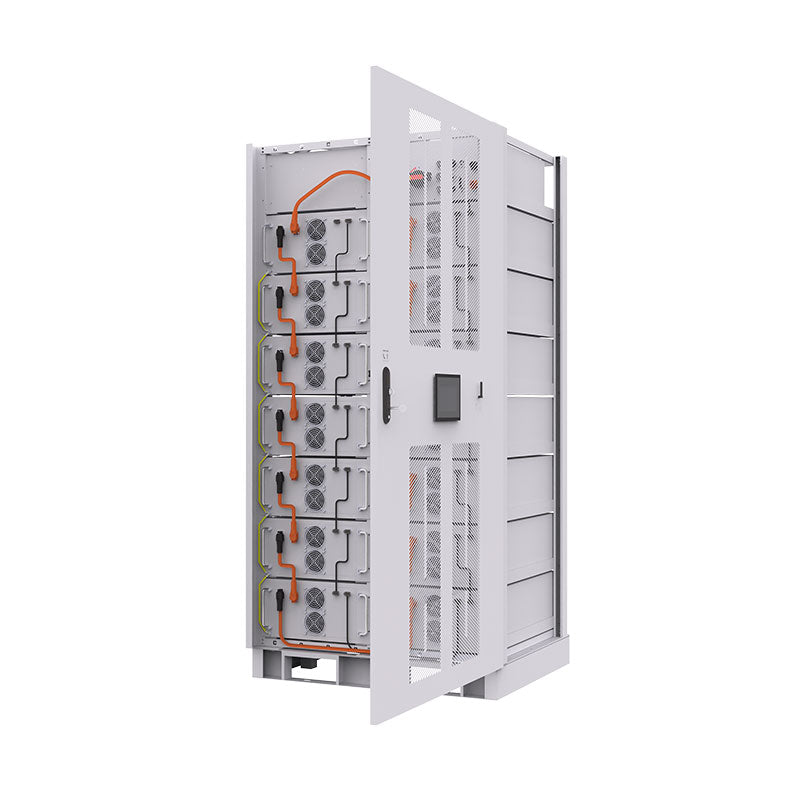
LiFePO4 is a specific type of lithium-ion battery known for its exceptional safety and stability, making it ideal for home and off-grid solar. Instead of lead plates and acid, it uses a lithium iron phosphate cathode. This advanced chemistry results in a lighter, more compact, and significantly longer-lasting battery. An integrated Battery Management System (BMS) further enhances safety by protecting the cells from operating outside their safe limits.
Performance and Efficiency Head-to-Head
For an off-grid solar system, performance metrics are not just numbers; they translate directly into usable power and energy savings. The differences in how these batteries store and deliver energy are substantial.
Depth of Discharge (DoD) and Usable Energy
Depth of Discharge refers to the percentage of a battery’s total capacity that is used. This is a critical factor in off-grid systems. LiFePO4 batteries can be safely discharged to 80-100% of their capacity without negative effects. In contrast, lead-acid batteries should only be discharged to 50% to avoid significant damage to their lifespan. This means a 100Ah lithium battery provides at least 80Ah of usable energy, while a 100Ah lead-acid battery only delivers 50Ah. You would need two lead-acid batteries to equal the usable capacity of a single lithium battery of the same rating.
Round-Trip Efficiency
Round-trip efficiency measures how much energy you get back for every unit of energy you put in. LiFePO4 batteries boast an efficiency of 95% or higher. Lead-acid batteries are typically only 80-85% efficient. This 10-15% difference means less solar energy is wasted during the charging and discharging process, maximizing the power harvested from your panels.
Charge and Discharge Rates
Lithium batteries can be charged and discharged at a much higher rate than lead-acid batteries. This allows them to capture more energy during peak sun hours and to power demanding appliances without voltage sag. Lead-acid batteries require a slower, more controlled charge rate to prevent overheating and damage.
Lifespan and Long-Term Value
While the initial purchase price is a consideration, the true cost of a battery is revealed over its lifetime. Factors like cycle life, maintenance, and overall cost of ownership paint a clearer picture of long-term value.
Cycle Life: The Longevity Test
A cycle is one full charge and discharge. A high-quality LiFePO4 battery can last for 3,000 to 7,000 cycles, translating to a lifespan of 10 years or more with daily use. A typical deep-cycle lead-acid battery offers between 300 and 1,000 cycles, often requiring replacement in just 3 to 5 years. This dramatic difference in longevity means a single lithium battery can outlast multiple sets of lead-acid batteries.
Maintenance Requirements
LiFePO4 batteries are virtually maintenance-free. The enclosed cells and electronic BMS manage battery health automatically. Flooded lead-acid batteries, however, require regular attention, including checking water levels, cleaning terminals, and performing periodic equalization charges to prevent sulfation. This ongoing maintenance adds to the labor and operational cost of the system.
Calculating the True Cost of Ownership
The Levelized Cost of Storage (LCOS) is a metric used to determine the total cost per kWh of energy discharged over the battery's lifetime. According to analysis from organizations like the International Energy Agency (IEA), while lithium batteries have a higher upfront cost, their superior cycle life, higher efficiency, and zero maintenance often result in a significantly lower LCOS. When you factor in replacement costs for lead-acid batteries every few years, the long-term investment in lithium becomes much more economical. For a detailed breakdown of these metrics, you can consult this ultimate reference on solar storage performance, which explains the importance of efficiency and capacity in system design.
| Feature | Deep Cycle Lithium (LiFePO4) | Lead-Acid (AGM/Gel) |
|---|---|---|
| Typical Cycle Life | 3,000 - 7,000+ cycles | 300 - 1,000 cycles |
| Usable Capacity (DoD) | 80-100% | 50% |
| Round-Trip Efficiency | ~95% | ~80-85% |
| Maintenance | None | Regularly (FLA) / None (Sealed) |
| Weight & Size | Lighter & More Compact | Heavy & Bulky |
| Upfront Cost | Higher | Lower |
| Long-Term Value | Excellent | Fair |
Making the Right Choice for Your Energy Independence
The decision between deep cycle lithium and lead-acid batteries depends on your priorities. Lead-acid batteries offer a lower initial investment and are a proven technology. They can be a suitable choice for smaller, less frequently used systems where budget is the primary constraint and maintenance is not a concern. However, for a reliable, high-performance off-grid solar system designed for daily use, LiFePO4 batteries are the clear frontrunner. Their extended lifespan, superior efficiency, and maintenance-free operation provide better long-term value and greater peace of mind. As the U.S. Energy Information Administration (EIA) notes, the trend toward pairing solar with battery storage is growing rapidly, emphasizing the need for durable and efficient solutions. Investing in LiFePO4 technology is an investment in a decade or more of dependable, independent power.
Frequently Asked Questions
Can I replace my lead-acid batteries with lithium?
Yes, you can replace lead-acid with lithium batteries, but it is crucial to ensure your solar charge controller and inverter settings are compatible. Modern components often have a specific setting for LiFePO4 batteries to optimize charging profiles. Always check the manufacturer's specifications for your equipment before making the switch.
Are lithium batteries safe for home use?
Lithium Iron Phosphate (LiFePO4) batteries are known for their excellent safety profile. They are thermally stable and not prone to the thermal runaway issues seen in other lithium-ion chemistries. The integrated Battery Management System (BMS) provides an additional layer of safety by preventing overcharging, over-discharging, and extreme temperatures.
Why is the upfront cost of lithium batteries higher?
The higher initial cost of lithium batteries is due to the cost of raw materials, a more complex manufacturing process, and the inclusion of a sophisticated electronic BMS. However, as the International Renewable Energy Agency (IRENA) has reported, the costs for battery storage have been falling significantly, and their long lifespan often makes them the more cost-effective solution over the life of the system.
Disclaimer: This article is for informational purposes only and does not constitute financial or investment advice. Consult with a qualified professional before making any decisions about your energy system.
