












Generator integration in off-grid systems can extend your energy independence, but poor implementation destroys expensive battery banks faster than you might imagine. These nine critical mistakes cost system owners thousands in premature battery replacements and reduced system reliability.
Charging Protocol Violations
Incorrect Voltage Settings
Most generators output raw AC power that requires careful voltage regulation before reaching your battery bank. Setting charging voltages too high creates excessive heat and gas buildup in batteries, while too-low settings prevent complete charging cycles.
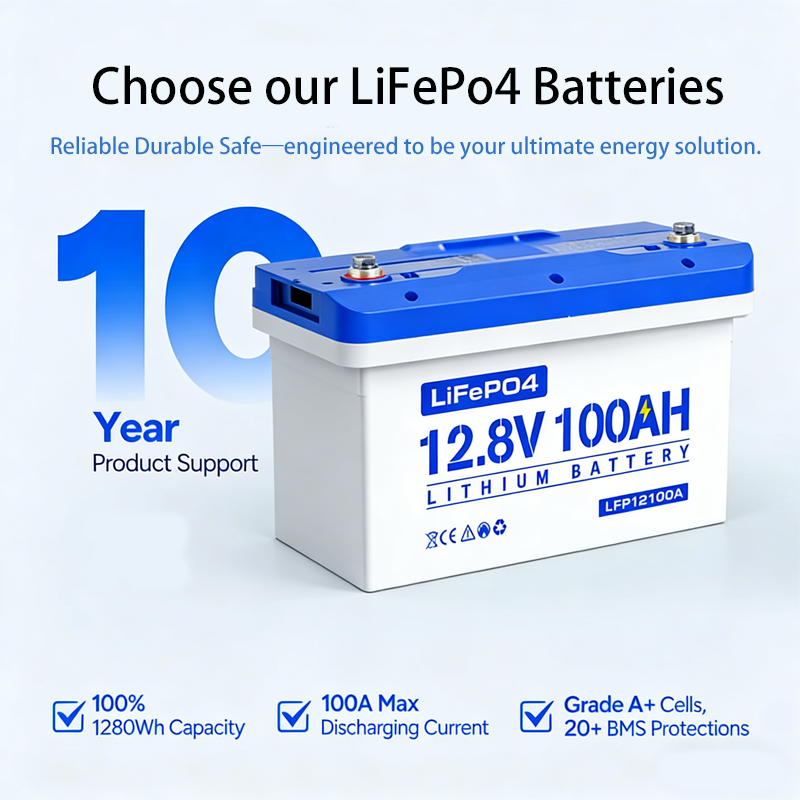
Lithium iron phosphate (LiFePO4) batteries require precise 14.4V bulk charging and 13.6V float voltages. Lead-acid batteries need different parameters: 14.8V bulk and 13.2V float. Using generic settings reduces battery lifespan by 40-60%.
Ignoring Temperature Compensation
Battery charging efficiency changes dramatically with temperature. Cold batteries accept charge slowly and require higher voltages, while hot batteries need reduced charging rates to prevent thermal runaway.
Quality charge controllers include temperature sensors that adjust charging parameters automatically. Systems without this feature experience shortened battery cycles and potential safety hazards during extreme weather conditions.
Power Management Failures
Oversized Generator Output
Running a 10kW generator to charge a 5kWh battery bank creates multiple problems. Oversized generators operate inefficiently at low loads, consuming excessive fuel while producing unstable power quality that stresses charging equipment.
The optimal generator size should match your maximum charging rate plus essential loads. For most residential systems, this ranges from 3-7kW depending on battery capacity and charging requirements.
Poor Load Balancing
Simultaneously running high-power appliances while charging batteries creates voltage fluctuations that damage sensitive equipment. Water heaters, air conditioners, and power tools should operate on separate circuits or during dedicated charging windows.
Smart load management systems automatically prioritize battery charging during generator runtime, then switch to stored energy for variable loads. This approach maximizes fuel efficiency and extends battery life.
System Integration Problems
Inadequate Grounding
Improper grounding between generator, inverter, and battery systems creates ground loops that introduce electrical noise and potential safety hazards. This noise interferes with battery management systems and causes premature component failure.
All system components must share a common ground point, typically at the main electrical panel. Separate grounding rods for different components create dangerous voltage differences during fault conditions.
Missing Surge Protection
Generators produce power quality variations that damage sensitive electronics. Starting motors, welding equipment, and even LED lights create voltage spikes that travel through your electrical system.
Whole-house surge protectors rated for generator use provide essential protection for inverters, charge controllers, and battery management systems. These devices cost less than replacing a single damaged inverter.
Maintenance and Monitoring Oversights
Automatic Start/Stop Failures
Automatic generator systems that fail to start during low battery conditions force batteries into deep discharge states that permanently reduce capacity. Regular testing ensures reliable operation when needed most.
Battery monitoring systems should trigger generator start at 50% state of charge for lead-acid batteries and 20% for lithium systems. Earlier activation prevents damaging discharge cycles while maintaining adequate reserve capacity.
| Battery Type | Start Trigger | Stop Trigger | Maximum Runtime |
|---|---|---|---|
| Lead-Acid | 50% SOC | 90% SOC | 8 hours |
| LiFePO4 | 20% SOC | 95% SOC | 4 hours |
| AGM | 60% SOC | 85% SOC | 6 hours |
Fuel Quality Neglect
Contaminated fuel creates combustion problems that affect power output stability. Water contamination, algae growth, and fuel degradation produce voltage fluctuations that stress charging equipment and reduce battery life.
Fuel stabilizers, water separators, and regular tank cleaning maintain consistent generator performance. Poor fuel quality can reduce generator efficiency by 15-25%, extending charging times and increasing battery stress.
Scheduled Maintenance Delays
Generators require regular oil changes, air filter replacement, and spark plug maintenance to maintain stable power output. Deferred maintenance creates power quality issues that damage expensive battery systems.
Monthly exercise runs under load verify proper operation and prevent fuel system problems. These brief runs also maintain engine seals and prevent moisture buildup that causes starting problems during emergencies.
Optimizing Generator Integration
Successful generator integration requires careful attention to charging protocols, power management, and system maintenance. Proper voltage regulation, temperature compensation, and load balancing protect battery investments while ensuring reliable backup power.
Quality components cost more initially but provide superior protection for expensive battery banks. Investing in proper surge protection, monitoring systems, and maintenance schedules prevents costly failures and extends system lifespan.
Regular system testing and professional inspections identify potential problems before they cause battery damage. This proactive approach maintains system reliability while maximizing your investment in energy independence.
