












Introduction: The Quest for Uninterrupted RV Adventures
Embarking on RV adventures promises freedom and exploration. Yet, a common challenge for many travelers is securing a consistent, dependable power supply for their appliances. Traditional power sources often come with limitations, from noisy generators to the short lifespan of lead-acid batteries. Imagine powering your recreational vehicle with silent, efficient energy, allowing you to truly immerse yourself in nature without interruption.
This article guides you through the world of LiFePO4 solar kits, a robust solution designed to transform your RV power experience. You will discover how these advanced systems offer unparalleled reliability and quiet operation, making your off-grid dreams a reality.
The Power of LiFePO4: A Game Changer for RVs

Why LiFePO4 Batteries Stand Out
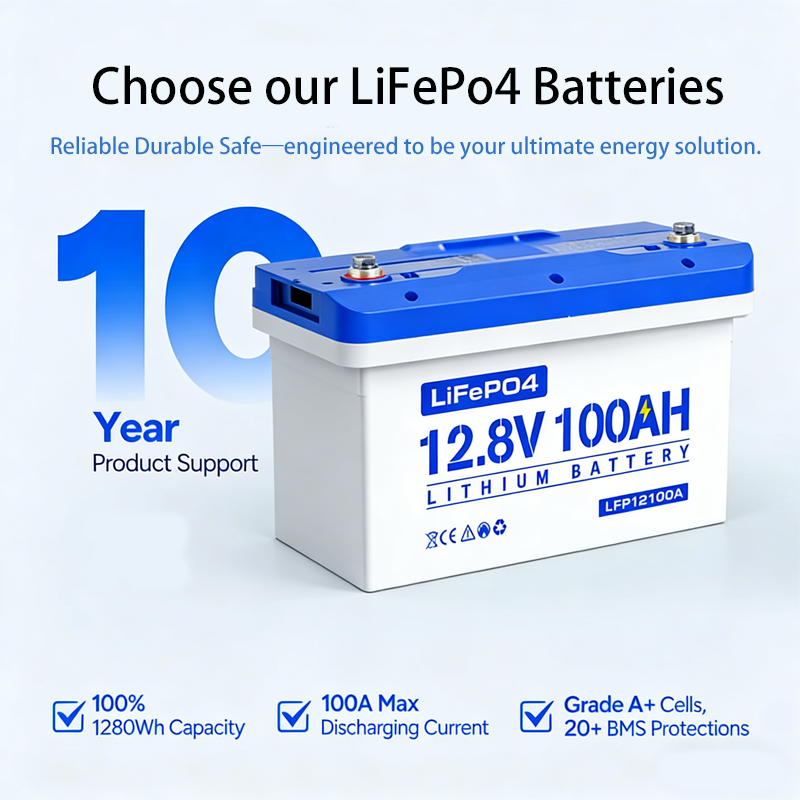
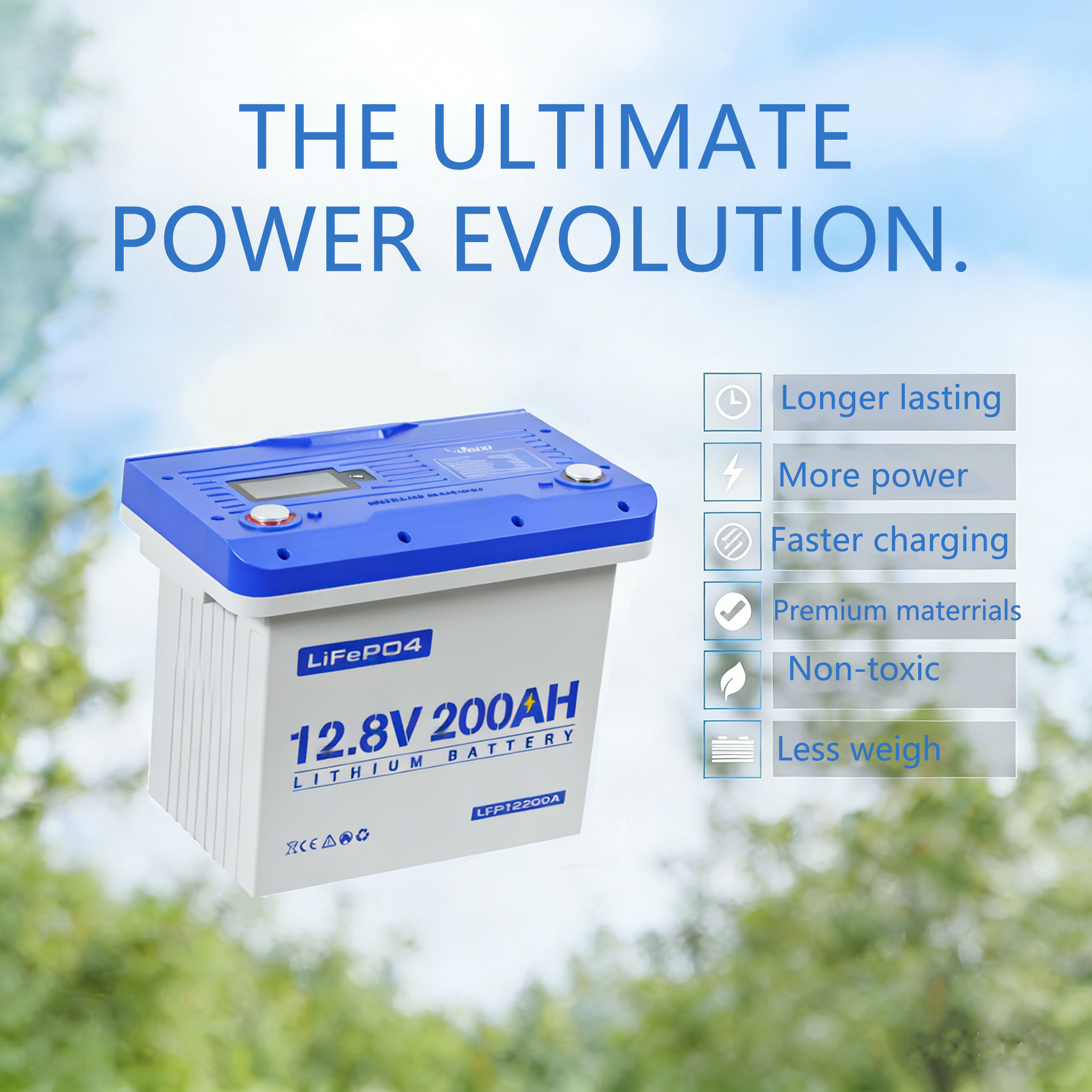
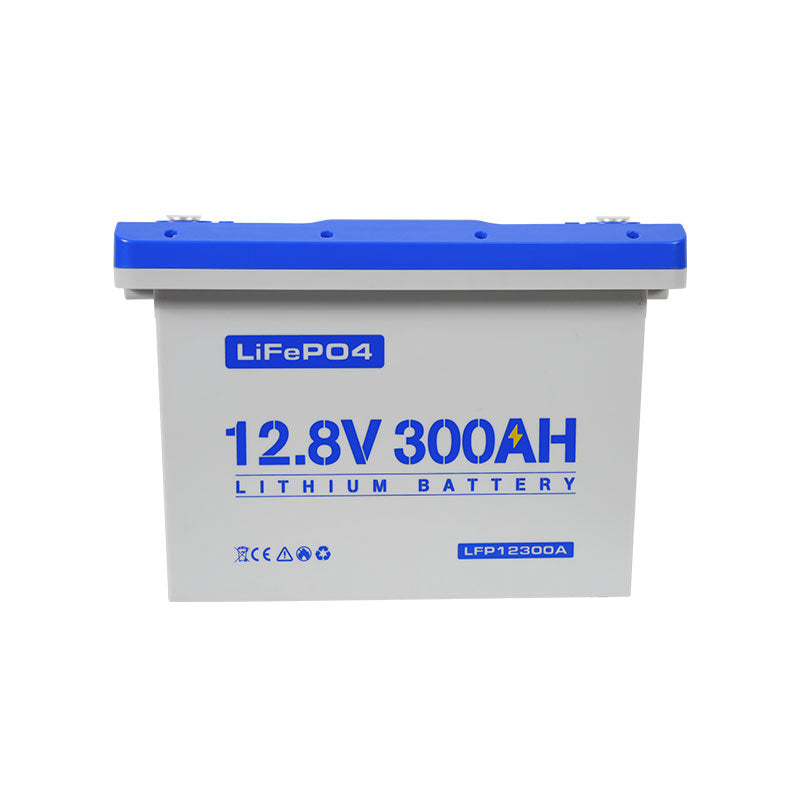
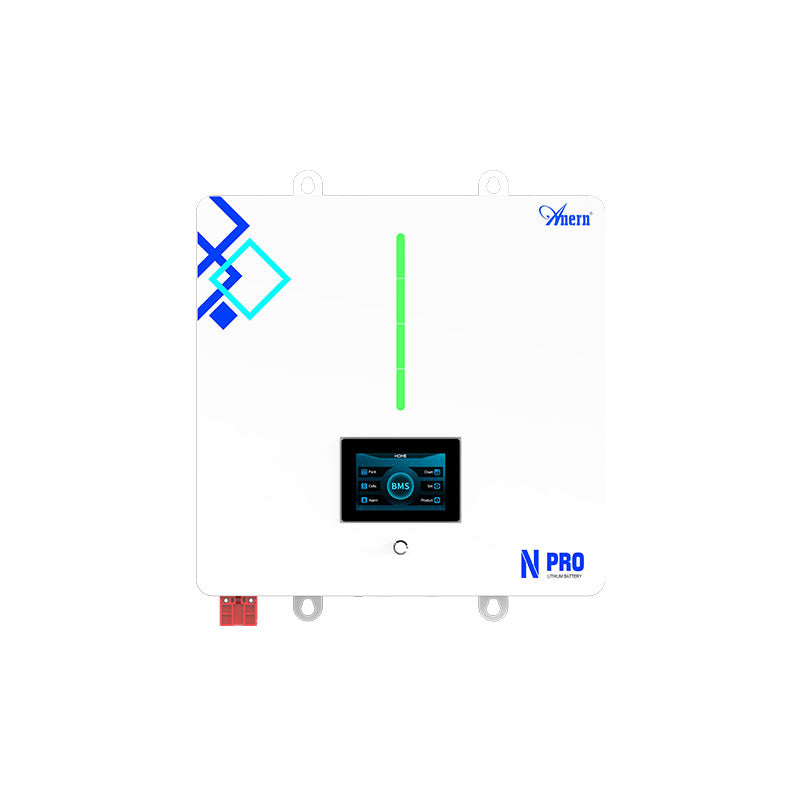
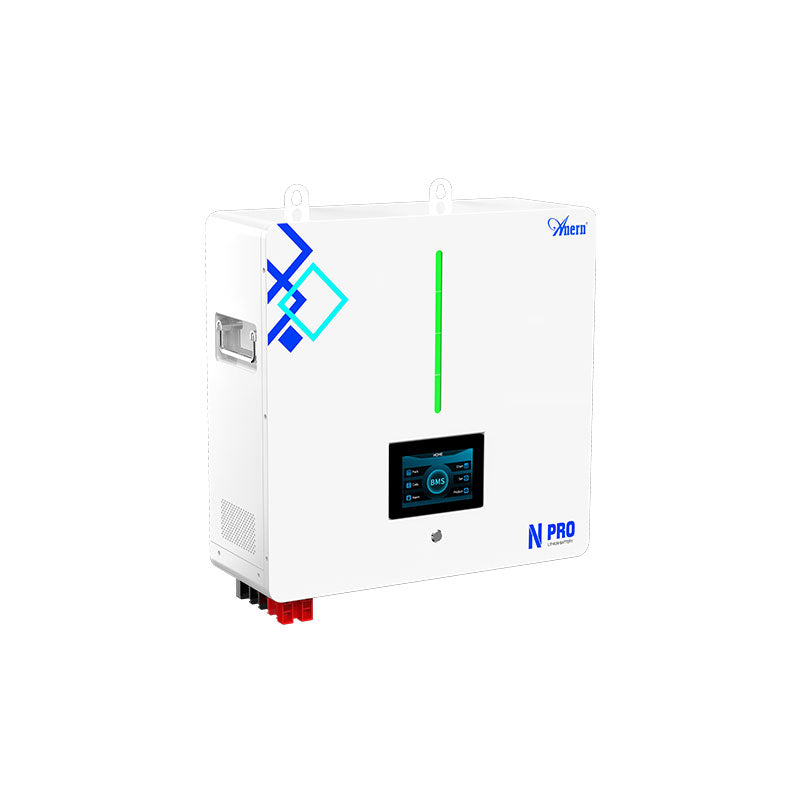
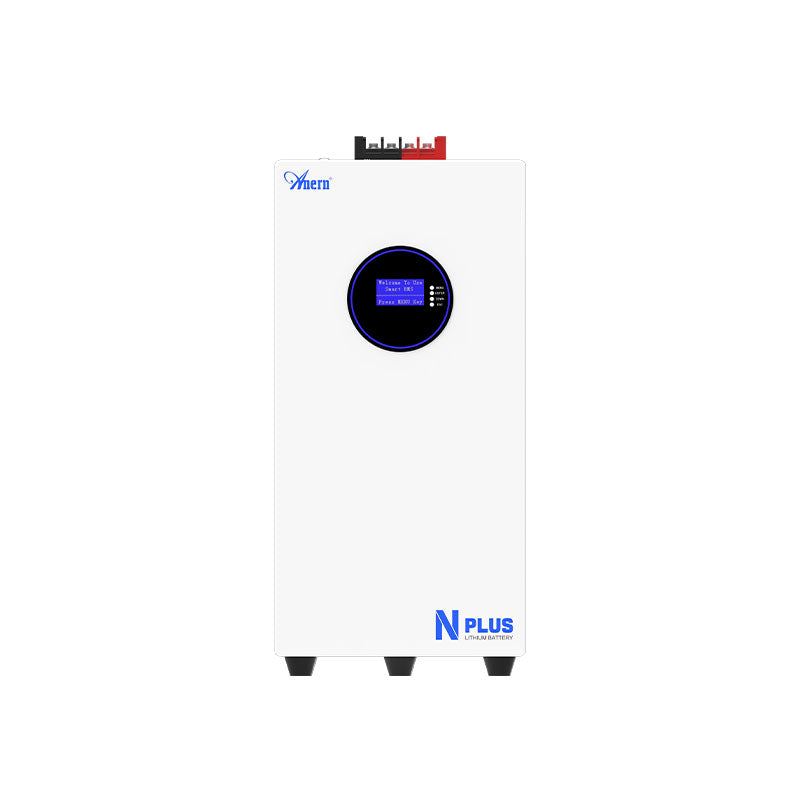
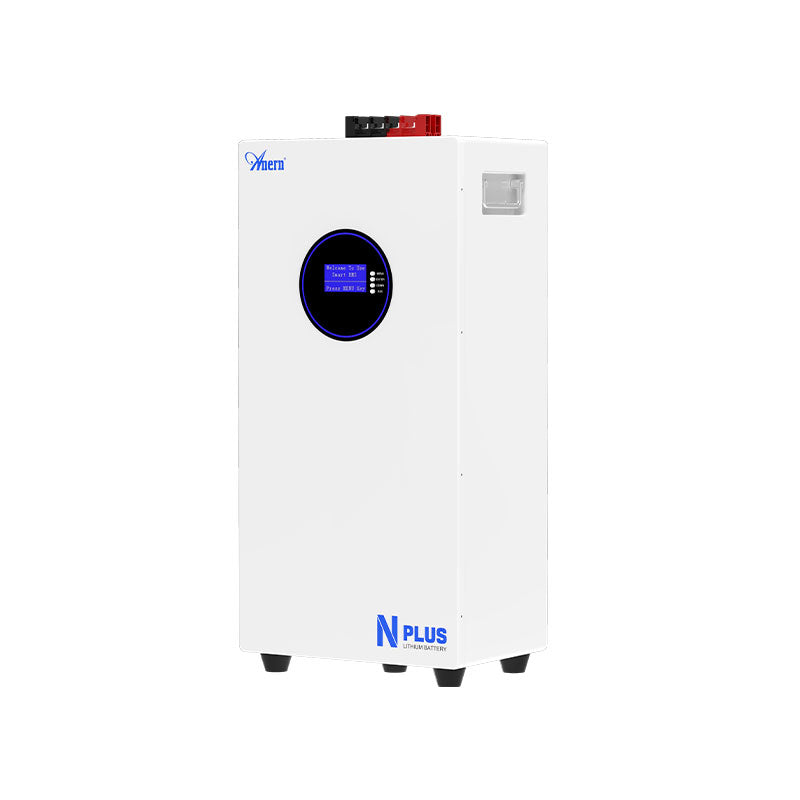
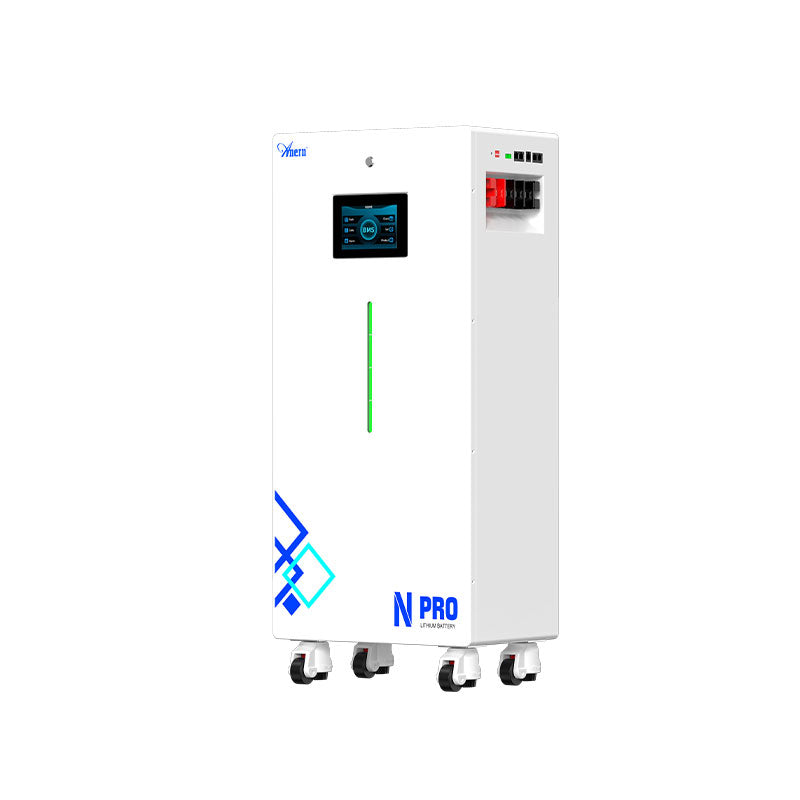
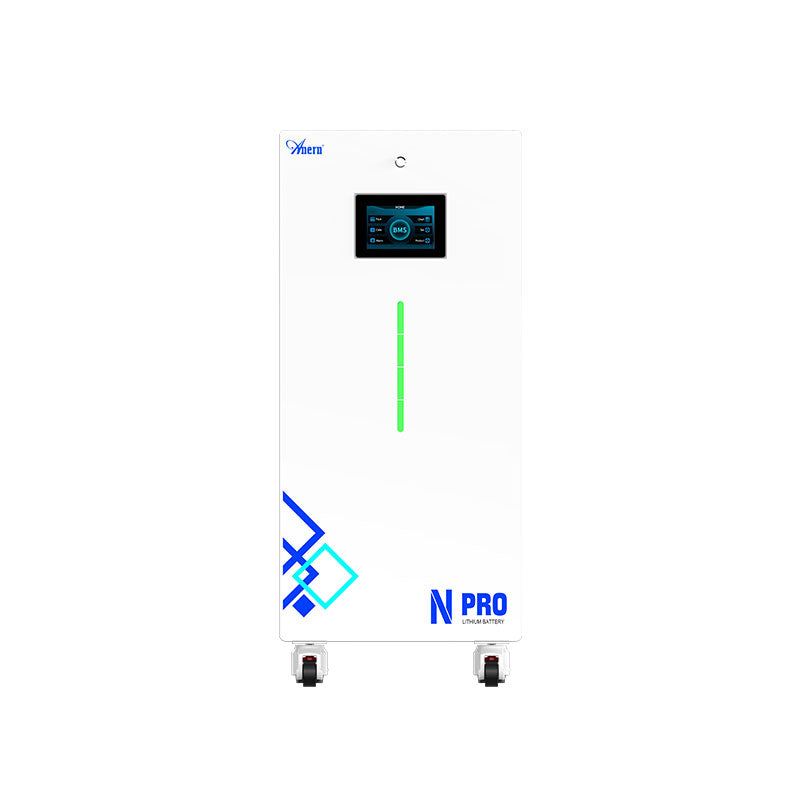
Lithium Iron Phosphate (LiFePO4) batteries represent a significant leap forward in energy storage technology. They offer a compelling combination of high performance, safety, and longevity, making them ideal for the demanding environment of an RV. Unlike older battery chemistries, LiFePO4 batteries boast an impressive cycle life, often exceeding 6,000 cycles. This means you can charge and discharge them thousands of times before experiencing significant capacity degradation, far surpassing the typical 500-1000 cycles of lead-acid batteries.
Their inherent safety is another critical advantage. LiFePO4 chemistry is known for its thermal stability, reducing the risk of overheating or thermal runaway. This provides peace of mind when you are on the road. Additionally, these batteries are significantly lighter than their lead-acid counterparts, which is a crucial factor for RVs where every pound counts towards fuel efficiency and payload capacity. They also deliver consistent voltage output throughout their discharge cycle, ensuring your appliances receive steady power until the battery is nearly depleted.
Comparing LiFePO4 to Traditional RV Batteries
To truly appreciate the value of LiFePO4, it helps to compare it with the more traditional battery types often found in RVs, such as flooded lead-acid (FLA) and absorbed glass mat (AGM) batteries. The differences in performance, maintenance, and overall cost of ownership are substantial.
| Feature | LiFePO4 (Lithium Iron Phosphate) | Lead-Acid (FLA/AGM) |
|---|---|---|
| Cycle Life | 6,000+ cycles | 500-1,000 cycles |
| Usable Capacity (DoD) | Up to 100% | 50% (to preserve lifespan) |
| Weight | Lightweight | Heavy |
| Maintenance | Virtually none | Regular (FLA), Low (AGM) |
| Charging Speed | Very fast | Slow |
| Self-Discharge Rate | Very low | Higher |
| Operating Temperature | Wide range (with BMS protection) | Narrower optimal range |
| Cost (Initial) | Higher | Lower |
| Cost (Lifetime) | Lower (due to longevity) | Higher (due to frequent replacement) |
The International Renewable Energy Agency (IRENA) highlights that electricity storage, with its unique capabilities, is a prominent solution to address technical and economic challenges of integrating variable renewable energy sources like solar. This principle applies directly to RVs, where LiFePO4 batteries efficiently store solar energy for reliable use.
Designing Your Optimal LiFePO4 RV Solar Kit
Creating an effective LiFePO4 solar kit for your RV requires careful planning. The goal is to match your energy production and storage capabilities with your actual power consumption, ensuring you have enough energy for your travels.
Sizing Your System: Matching Power to Needs
The first step involves calculating your daily energy consumption. List all the appliances you plan to use in your RV, their wattage, and how many hours per day you expect to run them. Summing these figures will give you your total Watt-hours (Wh) per day. For example, a laptop charger might draw 60W for 3 hours, consuming 180Wh.
Once you have your total daily consumption, you can determine the required solar panel wattage and battery bank capacity. A common approach is to aim for solar panels that can recharge your daily consumption, plus a buffer for cloudy days. For battery capacity, consider how many days of autonomy you desire without sun. For instance, if you use 1000Wh per day and want two days of backup, you will need a 2000Wh (or roughly 166Ah at 12V) battery bank.
Selecting the right charge controller (MPPT controllers are generally more efficient for solar applications) and a pure sine wave inverter (essential for sensitive electronics) completes the sizing process. The U.S. Department of Energy (DOE) emphasizes the importance of efficient energy conversion technologies for maximizing solar energy utilization.
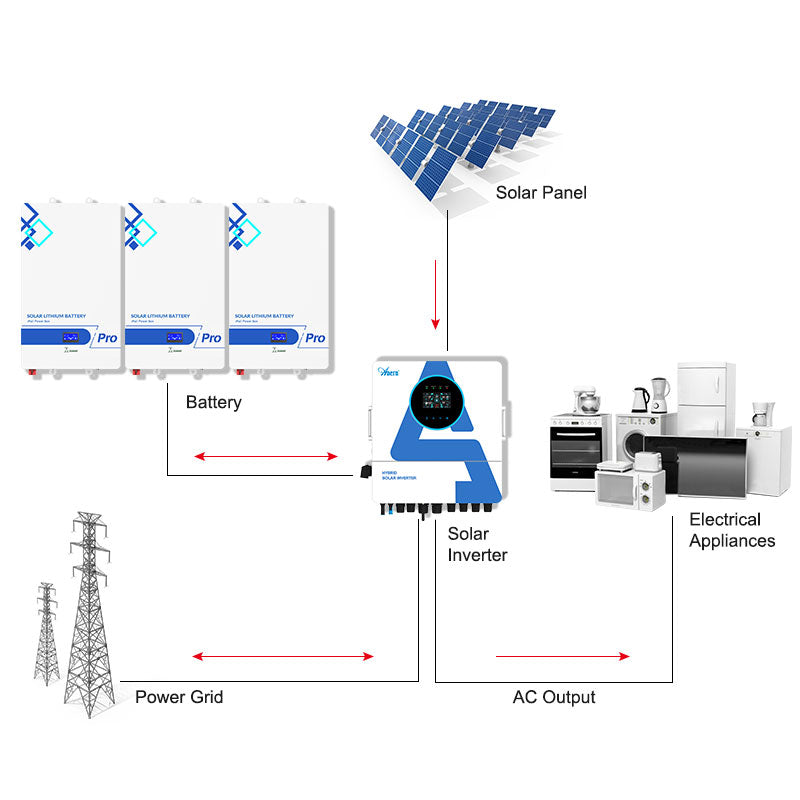
Key Components of a LiFePO4 Solar Kit
- Solar Panels: Monocrystalline panels are popular for RVs due to their higher efficiency in converting sunlight into electricity, even in limited space.
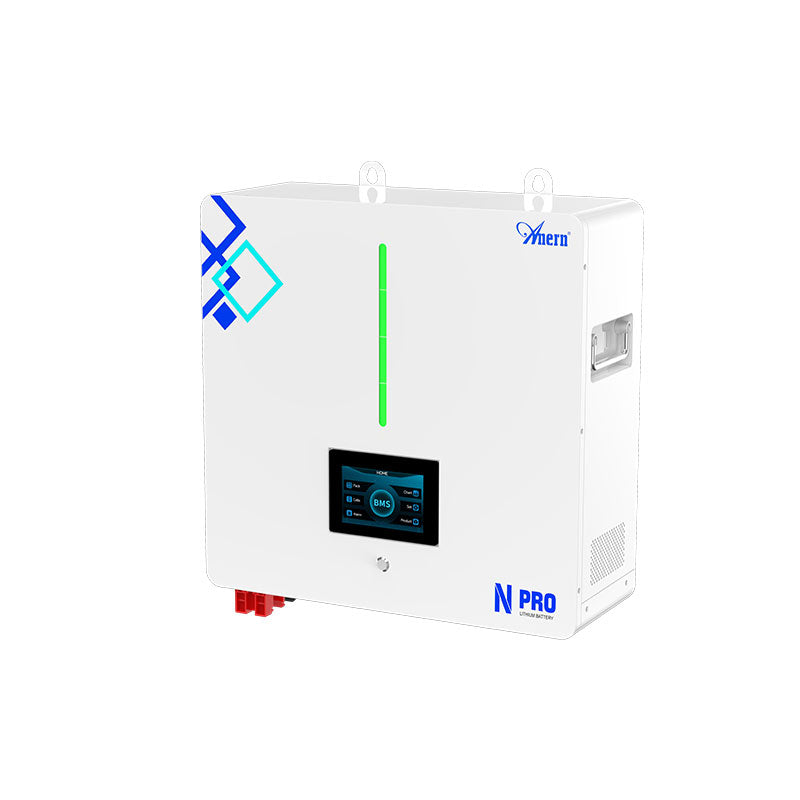
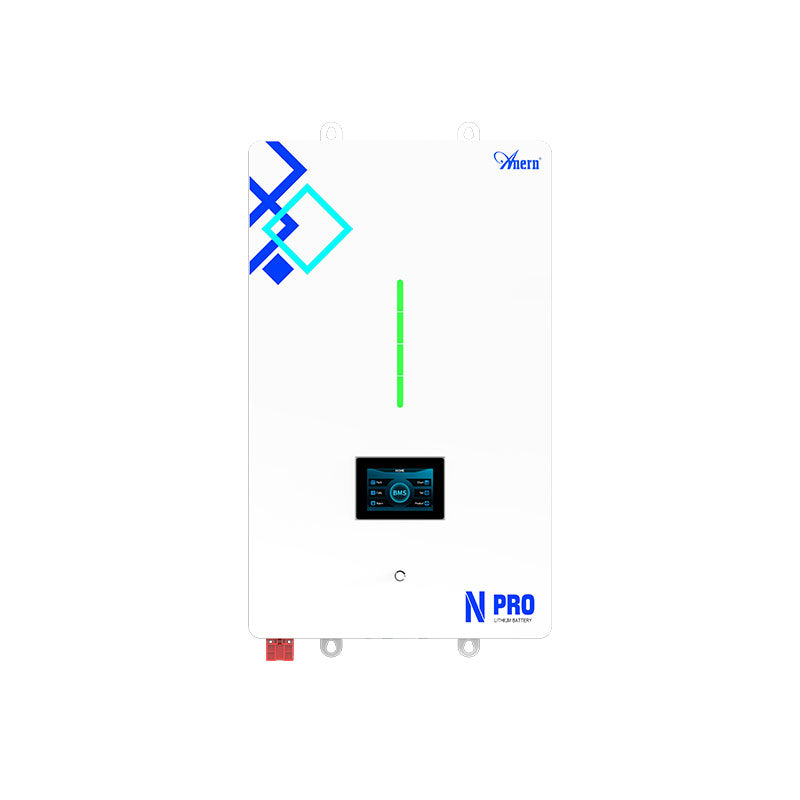
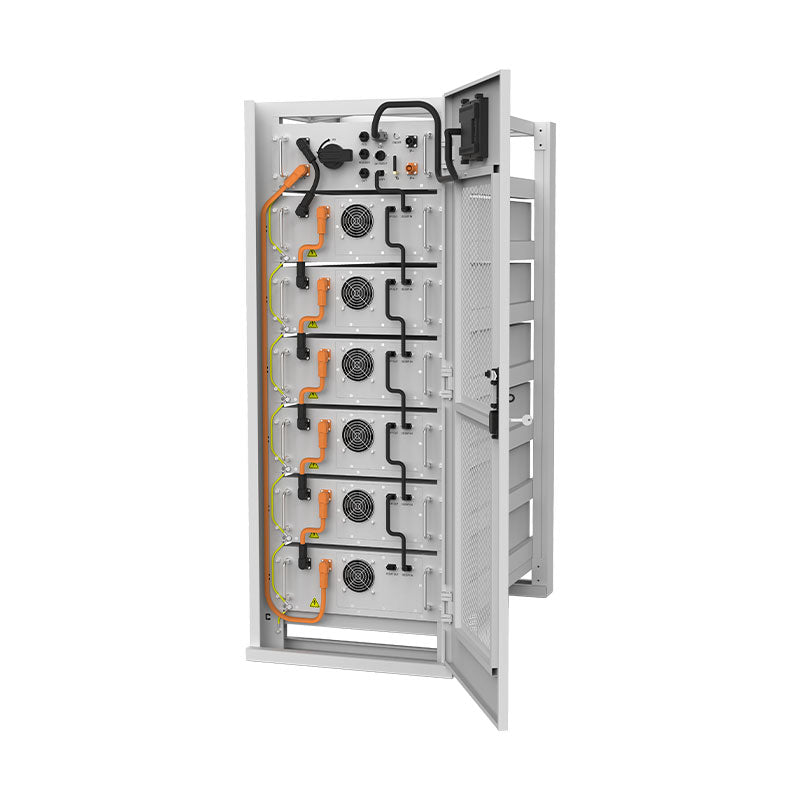
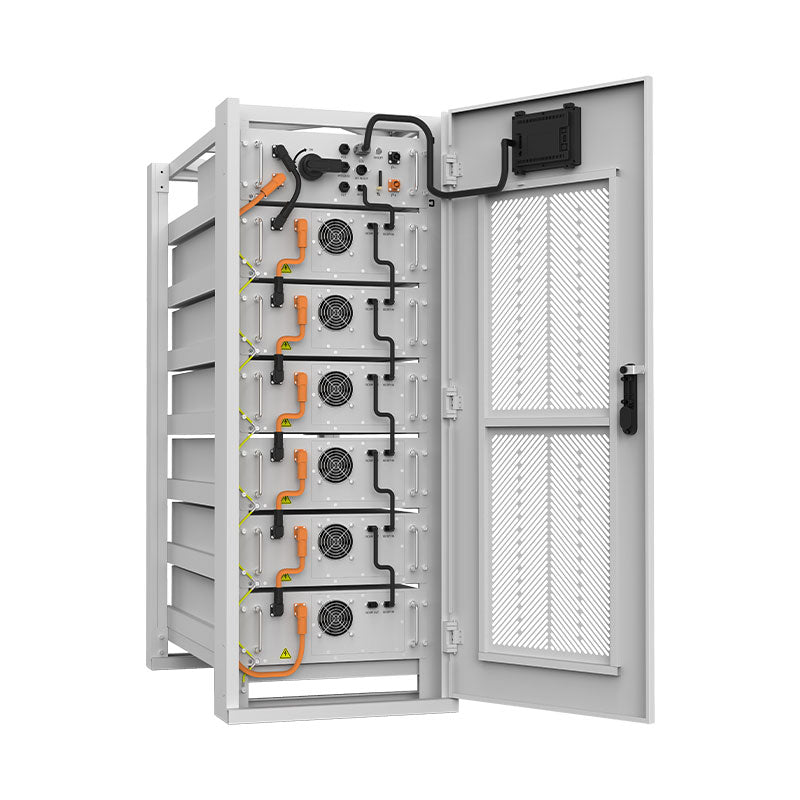
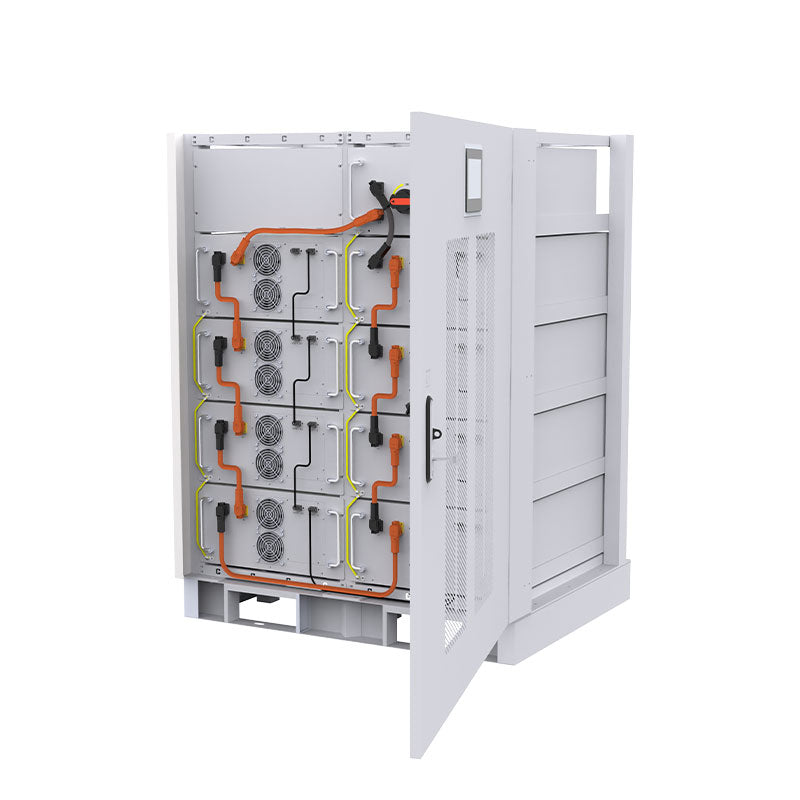
- LiFePO4 Battery Bank: The heart of your system, providing reliable and long-lasting energy storage.
- Charge Controller: Regulates the voltage and current from your solar panels to your batteries, preventing overcharging and optimizing efficiency. MPPT (Maximum Power Point Tracking) controllers are highly recommended for their ability to extract maximum power from solar panels.
- Inverter: Converts the DC (direct current) power from your batteries into AC (alternating current) power, which most household appliances use. A pure sine wave inverter is crucial for sensitive electronics like laptops, TVs, and medical devices.
- Wiring and Safety Components: Proper gauge wiring, fuses, and circuit breakers are vital for the safe and efficient operation of your entire system.
Installation and Maintenance for Lasting Performance
Proper installation and regular maintenance are key to ensuring your LiFePO4 RV solar kit delivers quiet, reliable power for years to come.
Installation Considerations for RVs
Mounting solar panels securely on your RV roof is paramount. Consider factors like available space, potential shading from roof-mounted equipment, and ease of access for cleaning. Battery placement also requires thought; LiFePO4 batteries are sealed and do not off-gas, allowing for more flexible installation locations compared to flooded lead-acid batteries. However, ensuring adequate ventilation for the battery management system (BMS) and avoiding extreme temperatures is still beneficial.
Wiring best practices include using appropriately sized wires to minimize voltage drop and prevent overheating, along with installing fuses and circuit breakers at critical points for protection. While many RV owners opt for DIY installation, consulting with or hiring a professional for complex setups can ensure safety and optimal performance. The International Energy Agency (IEA) highlights that proper system integration is crucial for the reliability of renewable energy systems.
Maximizing Lifespan and Efficiency
Maintaining your LiFePO4 solar kit is generally straightforward. Regular cleaning of your solar panels helps maximize their energy production, as dirt and debris can significantly reduce efficiency. Monitoring your battery health through the battery management system (BMS) or a dedicated monitor allows you to track charge cycles, voltage, and temperature, helping you identify any potential issues early.
Avoiding prolonged exposure to extreme temperatures, both hot and cold, can extend battery life. While LiFePO4 batteries perform well across a wide range, very cold temperatures can impact charging efficiency, and very hot temperatures can accelerate degradation. Some smart components may also offer software updates that can improve performance or add new features. Adhering to manufacturer guidelines for all components will contribute significantly to the longevity and efficiency of your system.
Achieving Energy Independence and Quiet Operation
The transition to a LiFePO4 solar kit offers more than just power; it provides a transformative RV experience.
The Benefits of Quiet Power
One of the most immediate and appreciated benefits of a solar-powered LiFePO4 system is the absence of noise. Unlike traditional generators, which can be loud and disruptive, solar energy conversion and LiFePO4 battery discharge are virtually silent. This allows for peaceful camping, whether you are nestled in a quiet forest or enjoying a serene lakeside view. The reduction in noise pollution enhances the natural environment for you and your neighbors, contributing to a more enjoyable outdoor experience.
Furthermore, eliminating generator use significantly reduces emissions, aligning with a more environmentally conscious way of traveling. This quiet operation is a key differentiator, providing a truly tranquil off-grid experience.
Realizing Off-Grid Freedom
With a robust LiFePO4 solar kit, you gain unprecedented energy independence. You can extend your boondocking trips far beyond the limits of traditional battery setups, exploring remote locations without constantly searching for shore power. This freedom allows for more spontaneous travel and deeper immersion in nature. The reliability and ample capacity of LiFePO4 batteries mean you can confidently power your lights, refrigerator, water pump, and other essentials, even during periods of low sunlight.
This shift towards self-sufficient energy solutions is part of a broader trend in renewable energy adoption, as noted by the U.S. Department of Energy, which actively supports the development of solar energy technologies to enhance energy independence.
Your Path to Empowered RV Travel
Embracing a LiFePO4 solar kit for your RV or campervan is an investment in unparalleled freedom, reliability, and peace. You gain a quiet, powerful, and long-lasting energy solution that enhances every aspect of your travels. By understanding your power needs, carefully selecting components, and maintaining your system, you unlock the full potential of off-grid living.
Our commitment lies in providing reliable and scalable energy solutions, empowering you to achieve true energy independence on your adventures. Choose a path where your power source is as limitless and serene as the open road ahead.
Frequently Asked Questions
What is the lifespan of a LiFePO4 battery in an RV?
LiFePO4 batteries typically offer a lifespan of 10 to 15 years, or 3,000 to 6,000 charge cycles, when properly maintained. This significantly exceeds the lifespan of lead-acid batteries, which often last only 2-5 years.
Can I upgrade my existing RV solar system with LiFePO4 batteries?
Yes, in most cases, you can upgrade. However, you may need to replace your charge controller and potentially your inverter to ensure compatibility with LiFePO4 charging parameters. It is crucial to verify that all components are rated for lithium batteries.
Are LiFePO4 batteries safe for RV use?
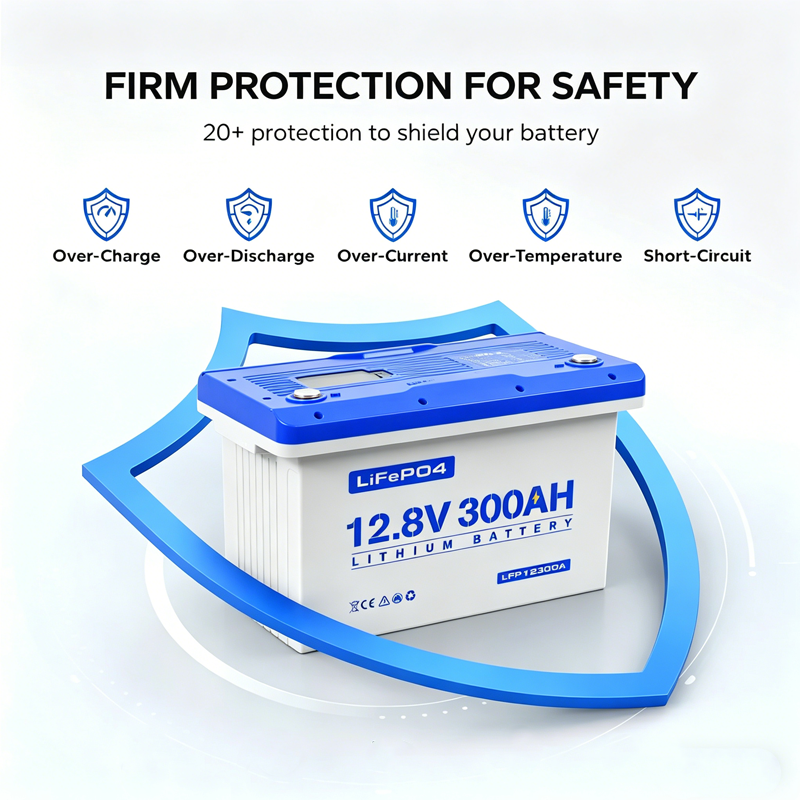
Absolutely. LiFePO4 chemistry is inherently stable and safe, featuring a lower risk of thermal runaway compared to other lithium-ion chemistries. Modern LiFePO4 batteries for RVs include advanced Battery Management Systems (BMS) that provide protection against overcharging, over-discharging, over-current, and extreme temperatures.
How do LiFePO4 batteries perform in cold weather?
LiFePO4 batteries generally perform well in cold temperatures for discharge. However, charging them in temperatures below freezing (0°C or 32°F) can cause damage. Many RV-specific LiFePO4 batteries come with low-temperature cutoff protection or internal heating elements to mitigate this issue, ensuring safe operation even in colder climates.
