










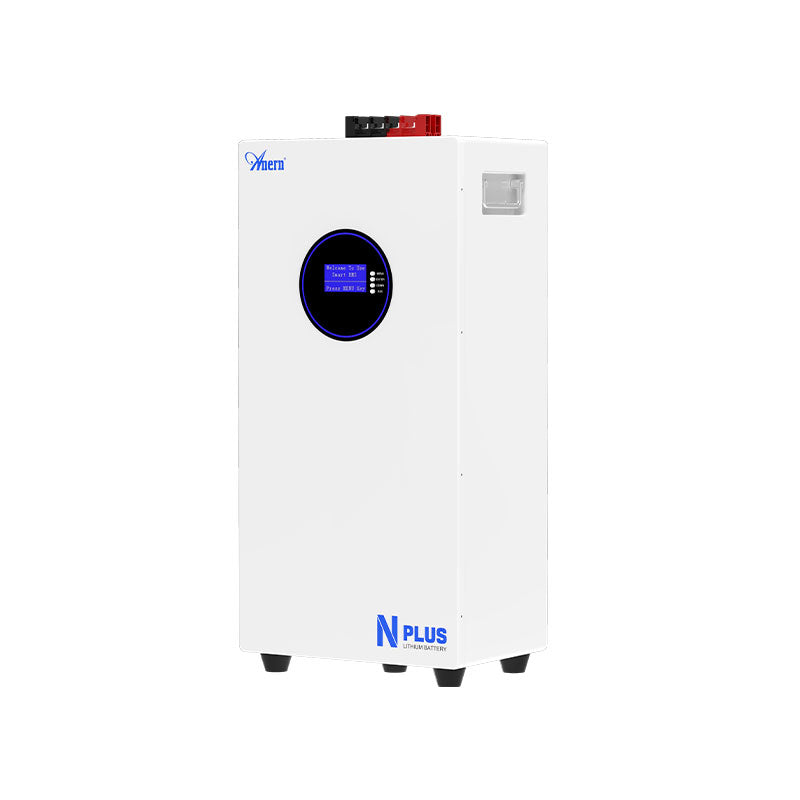

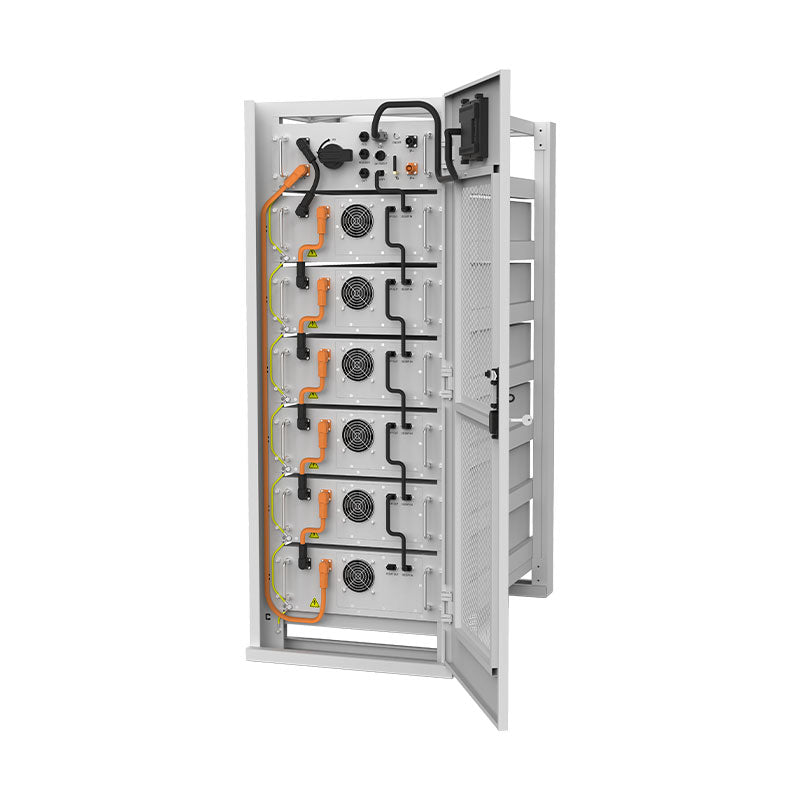
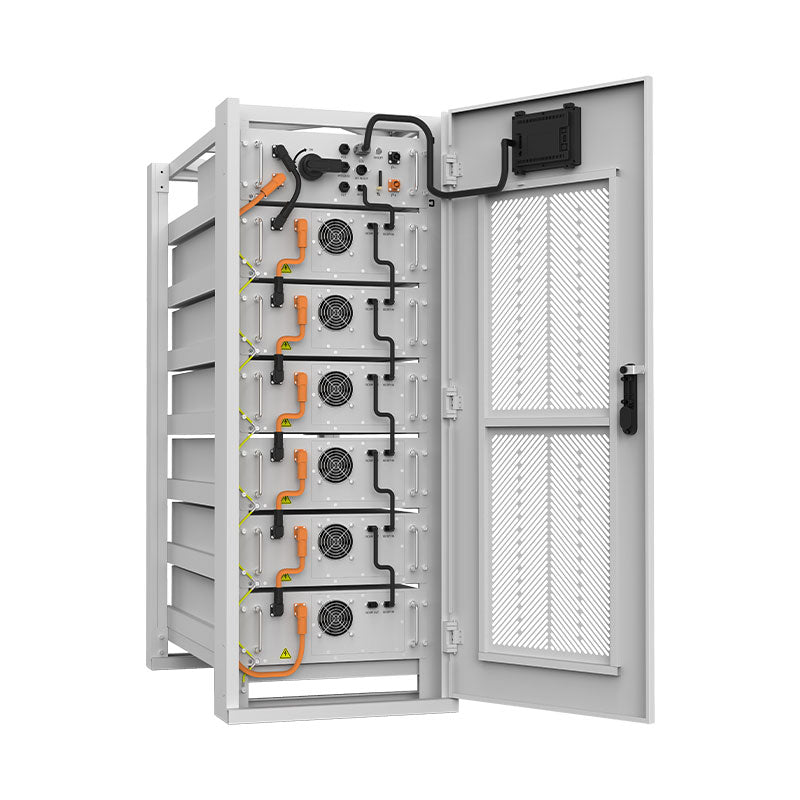
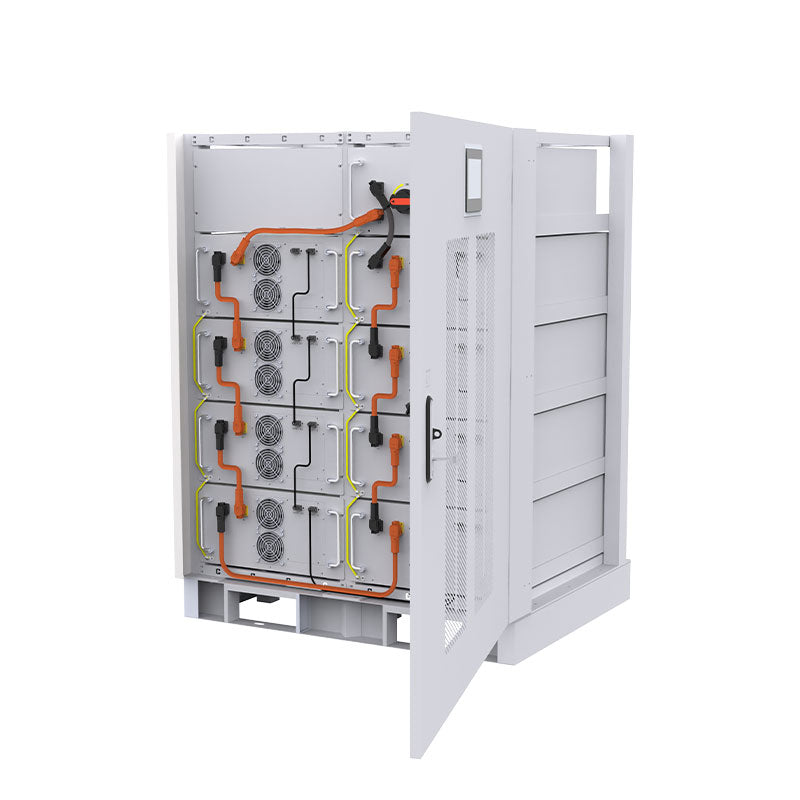

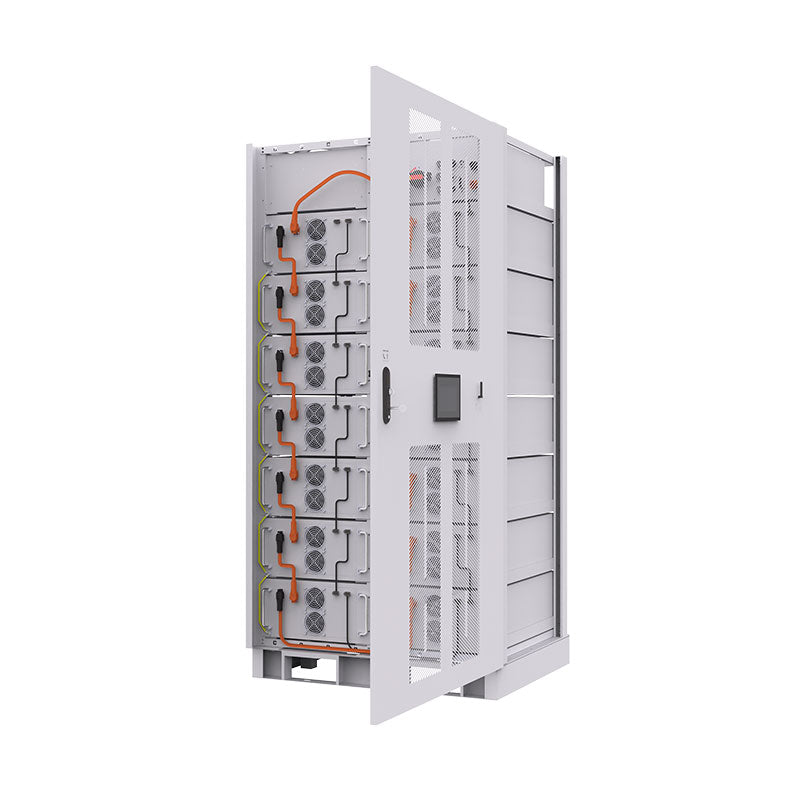
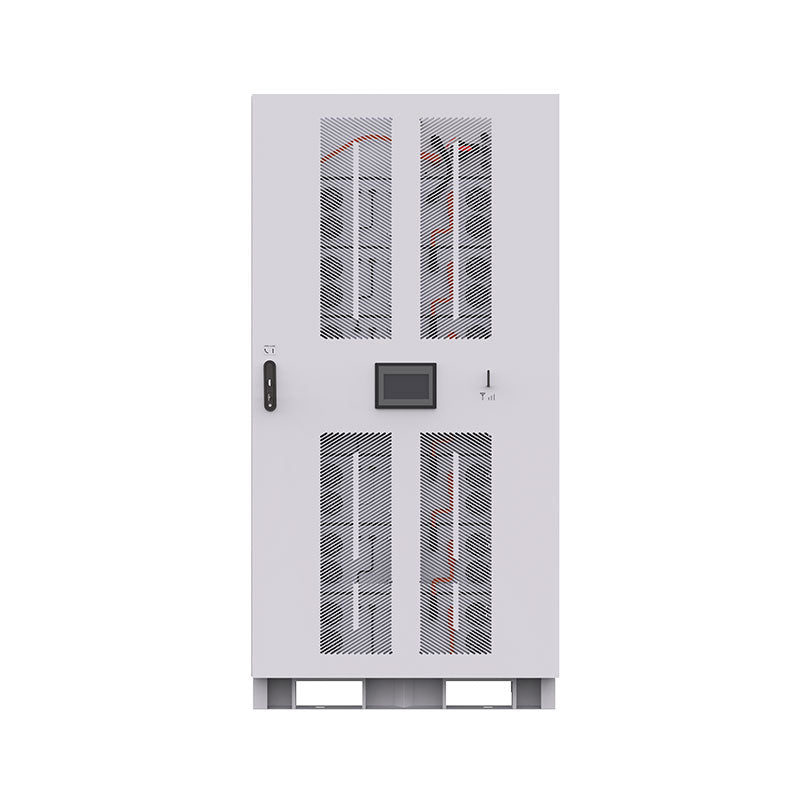


The shift from traditional generators to battery backup systems represents one of the most significant changes in residential power solutions. While this transition offers numerous advantages—silent operation, minimal maintenance, and environmental benefits—many homeowners make expensive errors that could have been easily avoided.
After working with hundreds of clients through their generator replacement projects, I've witnessed the same costly mistakes repeatedly. These errors don't just impact your wallet; they can leave you without power when you need it most. Let's examine the five most expensive pitfalls and how to sidestep them.

Mistake #1: Undersizing Your Battery Capacity
The most expensive mistake homeowners make is purchasing insufficient battery capacity. Unlike generators that can run indefinitely with fuel, batteries store finite energy. This fundamental difference catches many people off guard.
A typical home generator produces 10-20 kW continuously, while many homeowners assume a 10 kWh battery system will provide equivalent backup power. This assumption leads to disappointment and expensive system upgrades later.
Calculating Your Real Power Needs
Your backup power requirements depend on three critical factors:
- Essential load calculation: Sum the wattage of devices you absolutely need during outages
- Runtime expectations: How long you need power without grid connection
- Recharge capability: Whether you have solar panels or other charging sources
For example, a home requiring 5 kW of essential power for 8 hours needs at least 40 kWh of usable battery capacity. Factor in system inefficiencies and depth-of-discharge limitations, and you're looking at 50-60 kWh of total capacity.
| Essential Load | Runtime Needed | Minimum Battery Size | Recommended Size |
|---|---|---|---|
| 3 kW | 12 hours | 36 kWh | 45 kWh |
| 5 kW | 8 hours | 40 kWh | 50 kWh |
| 7 kW | 6 hours | 42 kWh | 55 kWh |
Mistake #2: Ignoring Installation Requirements and Costs
Battery systems require specific installation conditions that many homeowners overlook during initial planning. These requirements often add thousands to project costs if not considered upfront.
Critical Installation Factors
Temperature control represents the biggest surprise cost. Lithium batteries perform optimally between 32°F and 95°F (0°C to 35°C). Installing batteries in unheated garages or basements often requires additional climate control systems.
Electrical upgrades frequently catch homeowners off guard. Battery systems need dedicated circuits, proper grounding, and often require main panel modifications. These electrical changes can cost $2,000-$5,000 beyond the battery system price.
Ventilation requirements vary by battery chemistry. While lithium iron phosphate batteries are safer than other lithium types, proper ventilation prevents thermal buildup and extends system life.
Mistake #3: Overlooking Integration with Existing Solar Systems
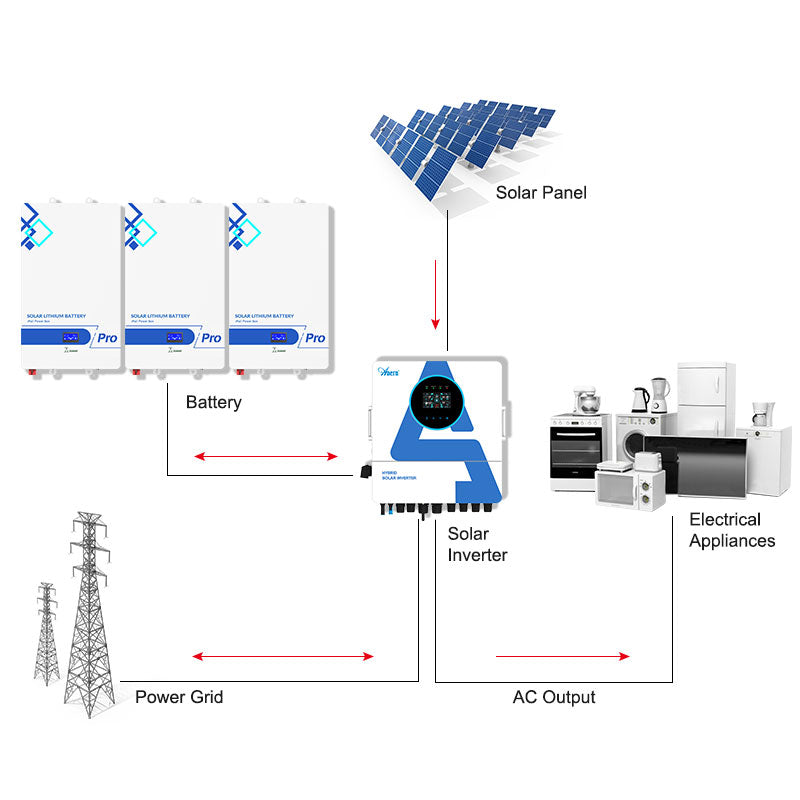
Many homeowners assume their existing solar installation will seamlessly integrate with new battery storage. This assumption leads to compatibility issues and expensive retrofits.
Solar-Battery Integration Challenges
Inverter compatibility represents the primary integration hurdle. String inverters installed with older solar systems often cannot communicate with modern battery systems. This incompatibility requires either:
- Installing AC-coupled battery systems (less efficient but compatible)
- Replacing existing inverters with hybrid models (more efficient but expensive)
- Adding power optimizers or microinverters (moderate cost, good performance)
According to IRENA's storage valuation framework, proper integration between solar and storage systems can improve overall system efficiency by 15-25%. This efficiency gain translates to faster payback periods and better long-term value.
Mistake #4: Choosing the Wrong Battery Chemistry
Not all batteries are created equal. The battery chemistry you choose significantly impacts system performance, safety, and lifespan. Many homeowners focus solely on upfront costs, ignoring long-term implications.
Battery Chemistry Comparison
| Chemistry | Cycle Life | Safety Rating | Temperature Range | Cost per kWh |
|---|---|---|---|---|
| Lithium Iron Phosphate | 6,000-8,000 | Excellent | -4°F to 140°F | $400-600 |
| Lithium NMC | 3,000-5,000 | Good | 32°F to 113°F | $300-500 |
| Lead Acid | 500-1,200 | Fair | 32°F to 104°F | $150-250 |
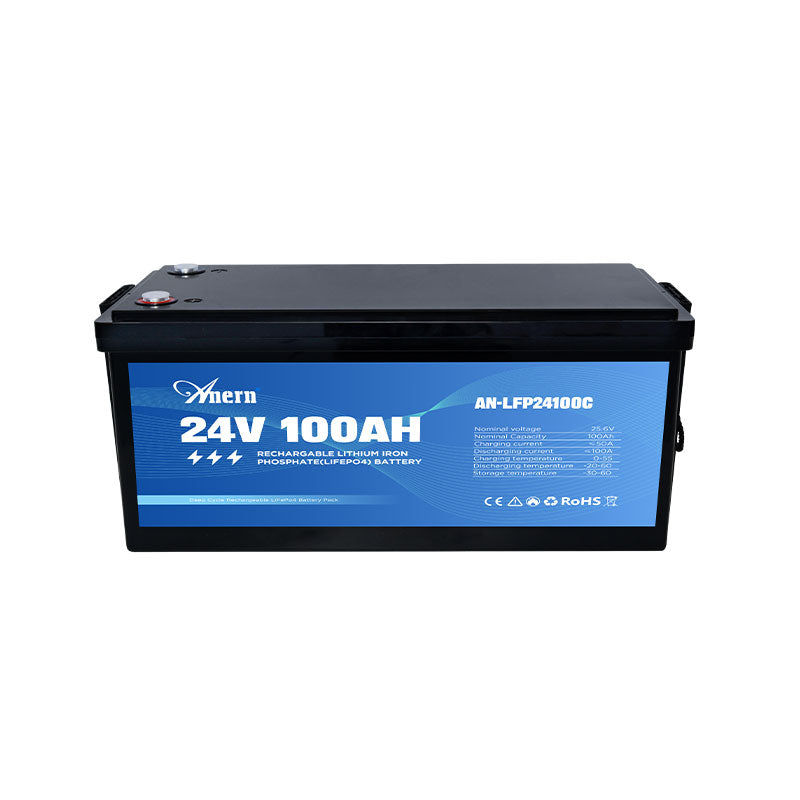
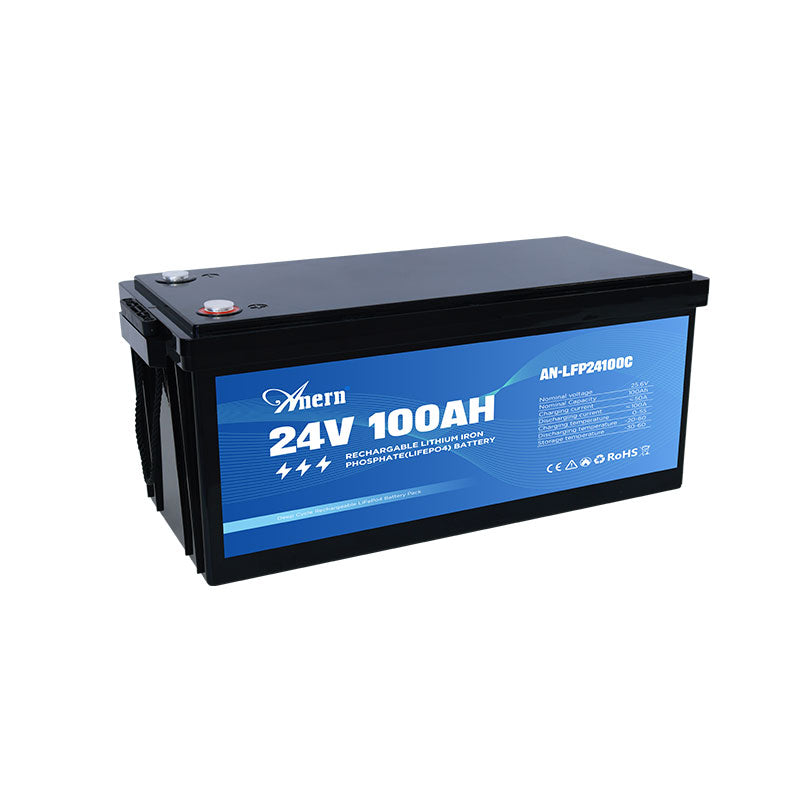
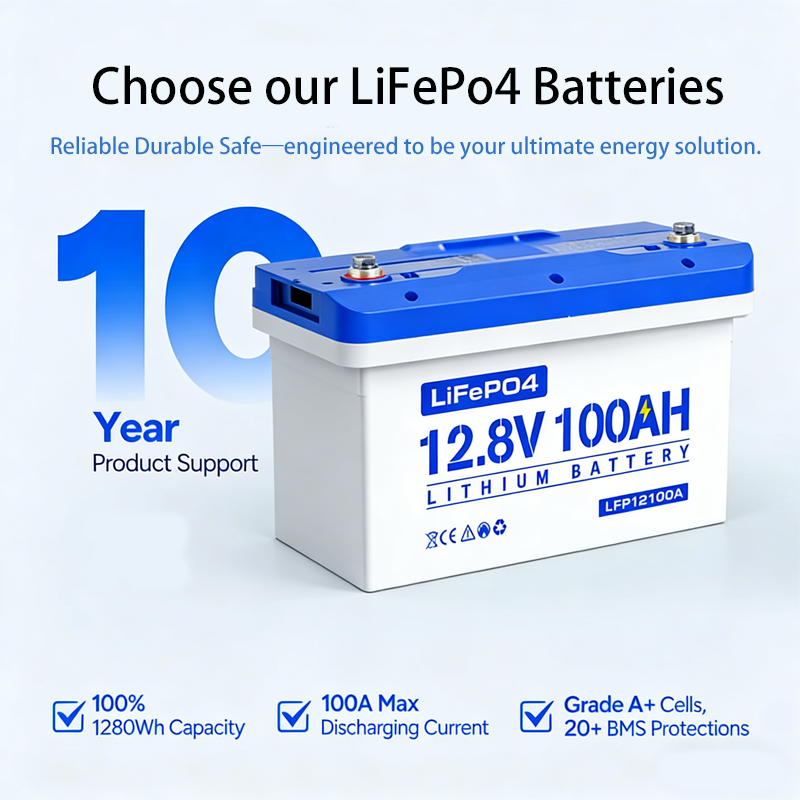
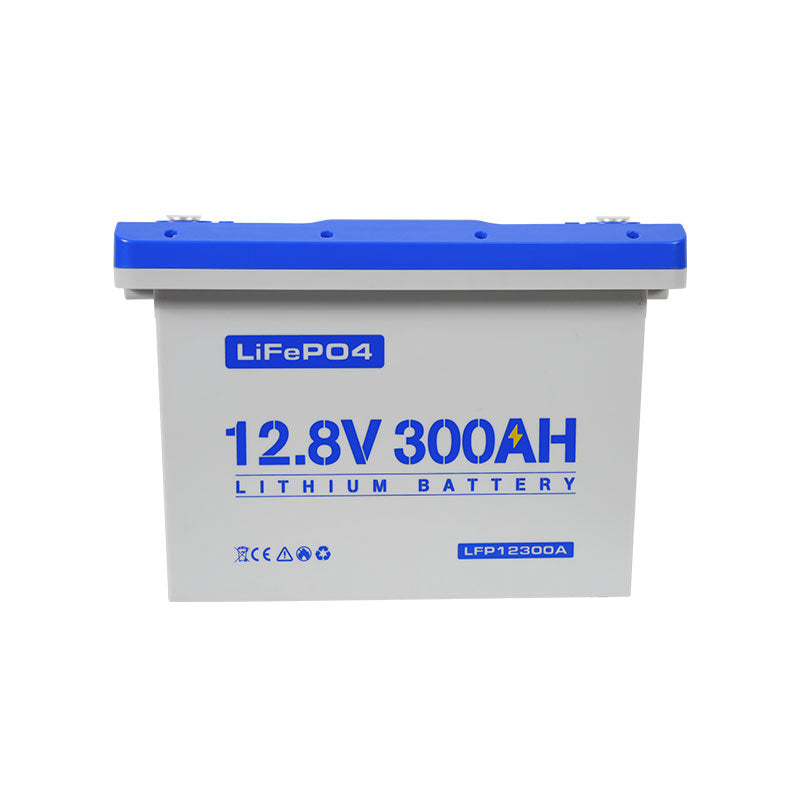
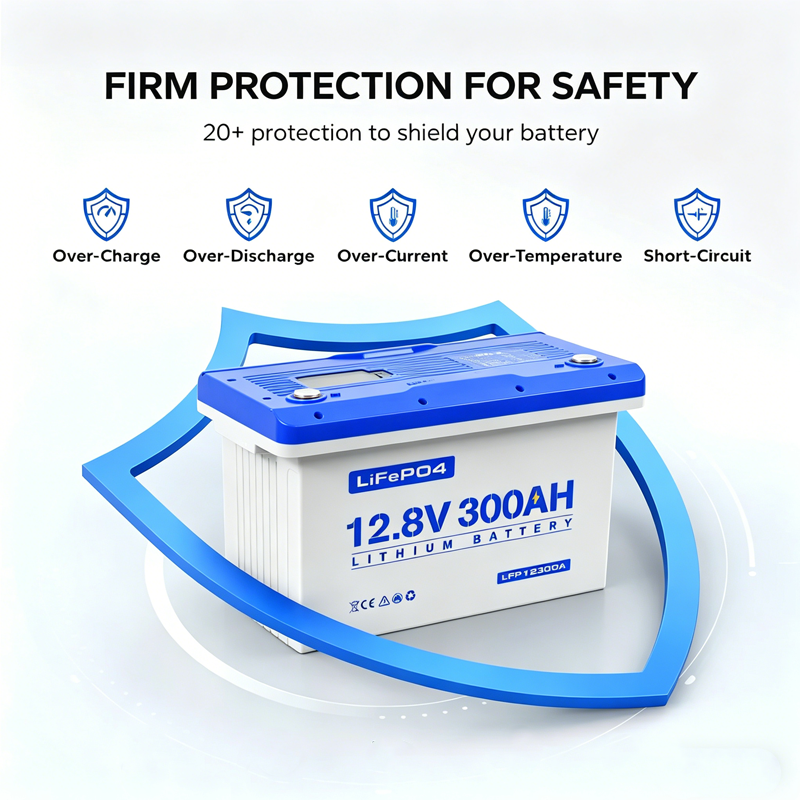
Lithium iron phosphate (LiFePO4) batteries offer the best combination of safety, longevity, and performance for residential applications. While they cost more upfront, their 6,000-8,000 cycle lifespan provides better value than cheaper alternatives that require replacement every 3-5 years.
Mistake #5: Neglecting Maintenance and Monitoring Systems
Battery systems require less maintenance than generators, but they're not maintenance-free. Homeowners who skip proper monitoring and maintenance protocols often face premature system failures and voided warranties.
Essential Monitoring Features
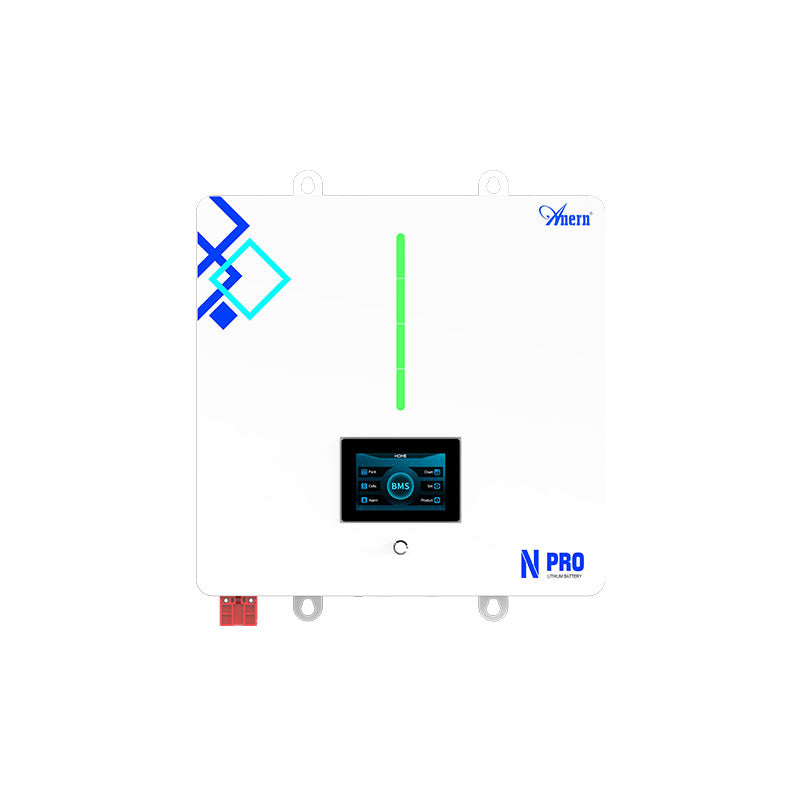
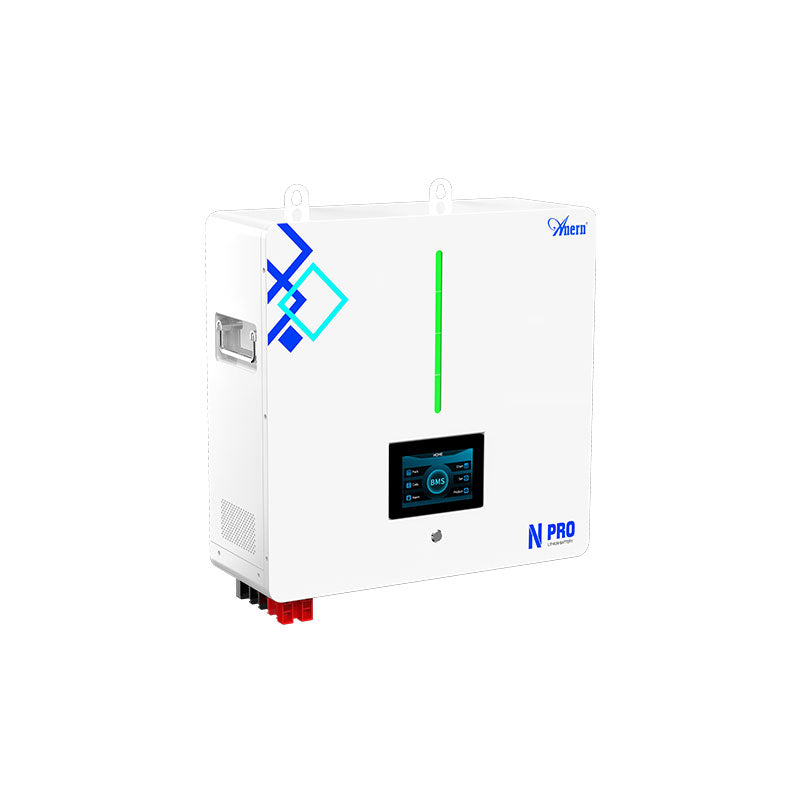
Modern battery systems should include comprehensive monitoring capabilities:
- Cell-level voltage monitoring: Identifies failing cells before they impact system performance
- Temperature tracking: Prevents thermal runaway and optimizes charging cycles
- State of charge indicators: Helps optimize usage patterns and extend battery life
- Remote diagnostics: Enables proactive maintenance and troubleshooting
Systems without proper monitoring often experience 20-30% shorter lifespans due to undetected issues that compound over time. The cost of comprehensive monitoring—typically $500-1,000—pays for itself through extended battery life.
Maintenance Requirements
While battery systems need minimal maintenance compared to generators, certain tasks remain critical:
- Quarterly visual inspections for physical damage or corrosion
- Annual electrical connection checks and cleaning
- Software updates for battery management systems
- Environmental monitoring to ensure optimal operating conditions
Making Smart Generator Replacement Decisions
Successful generator replacement requires careful planning and realistic expectations. Global energy investment trends show increasing focus on storage technologies, with battery costs declining 15-20% annually. This trend makes battery backup systems increasingly attractive, but proper sizing and installation remain crucial.
Consider your specific needs rather than following generic recommendations. A family that experiences frequent 2-4 hour outages has different requirements than one preparing for multi-day storm events. Your local climate, electrical infrastructure, and budget constraints all influence the optimal solution.
Professional energy audits help identify your actual power consumption patterns and essential loads. This data enables accurate system sizing and prevents the costly oversizing or undersizing mistakes that plague many installations.
Financial Planning Considerations
Budget for the complete system, not just battery costs. A typical residential battery backup installation includes:
- Battery system: 60-70% of total cost
- Installation and electrical work: 20-25%
- Permits and inspections: 3-5%
- Monitoring and accessories: 5-10%
Many states offer rebates and incentives for battery storage systems, particularly when paired with solar installations. Research available programs before finalizing your purchase to maximize potential savings.
The Path Forward
Generator replacement with battery backup systems offers significant advantages when done correctly. Silent operation, minimal maintenance, and environmental benefits make batteries attractive alternatives to traditional generators. However, success depends on avoiding these five costly mistakes.
Take time to properly size your system, plan for installation requirements, ensure solar compatibility, choose appropriate battery chemistry, and implement proper monitoring. These steps prevent expensive surprises and ensure your battery backup system provides reliable power for years to come.
The transition from generators to batteries represents more than just a technology upgrade—it's an investment in your home's future resilience and sustainability. Make informed decisions based on your specific needs, and you'll enjoy the benefits of clean, quiet backup power without the costly mistakes that catch many homeowners unprepared.
References
- The Role of Critical Minerals in Clean Energy Transitions - International Energy Agency
- Electricity Storage Valuation Framework - International Renewable Energy Agency
- World Energy Investment 2023 - International Energy Agency
- Empire State Strikes Back: Solar Will Help New York City Rebound After National Disasters - U.S. Department of Energy
