













You've probably heard it countless times: "Just add more solar panels to fix your off-grid power problems." This thinking has led to countless oversized, underperforming systems that waste money and deliver frustrating results. After years of designing off-grid installations, I've seen this myth damage more projects than any other misconception.
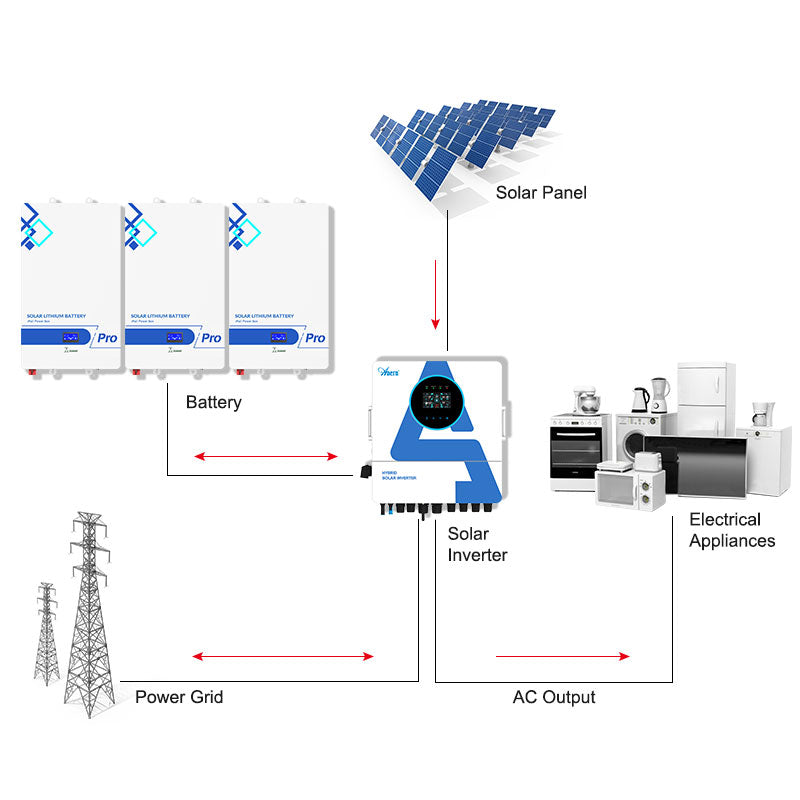
The truth? Panel size is just one piece of a complex puzzle. Your off-grid system's performance depends on how well every component works together - from battery storage capacity to inverter efficiency and charge controller matching.

The oversizing trap: why bigger isn't always better
Many off-grid newcomers fall into the "more panels equals more power" trap. This oversimplification ignores fundamental system dynamics that determine actual performance.
Real-world efficiency losses compound quickly
Consider a typical cabin installation I reviewed last year. The owner installed 3,200 watts of panels but only achieved 65% of expected output. The problem wasn't the panels - it was a mismatched 40-amp PWM controller trying to handle 200+ amps of potential current.
According to IRENA's Electricity Storage Valuation Framework, system efficiency losses can reach 25-35% when components aren't properly matched. These losses multiply across the entire energy conversion chain.
Battery limitations create bottlenecks
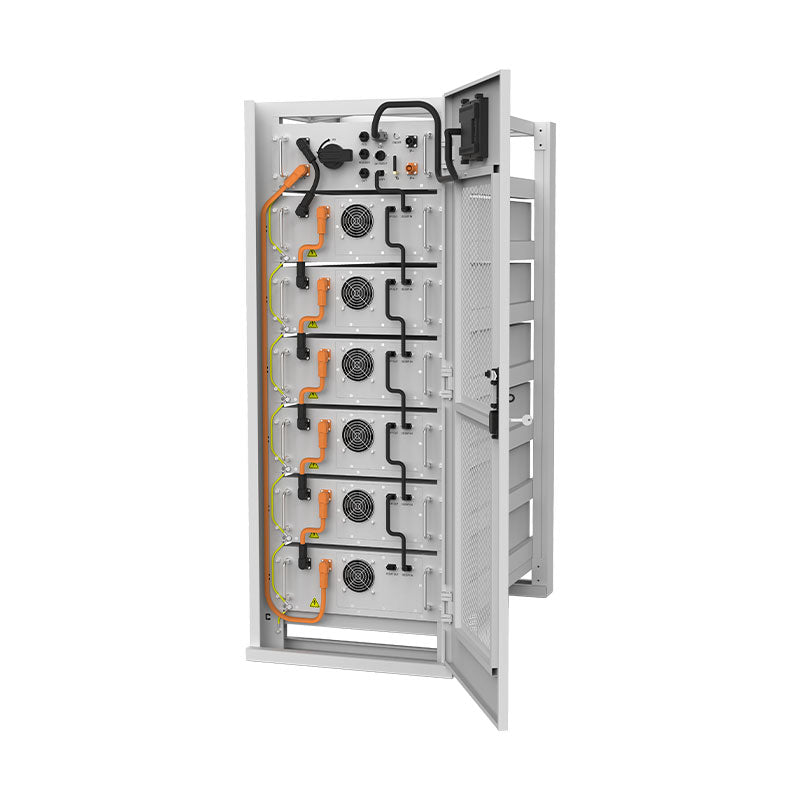
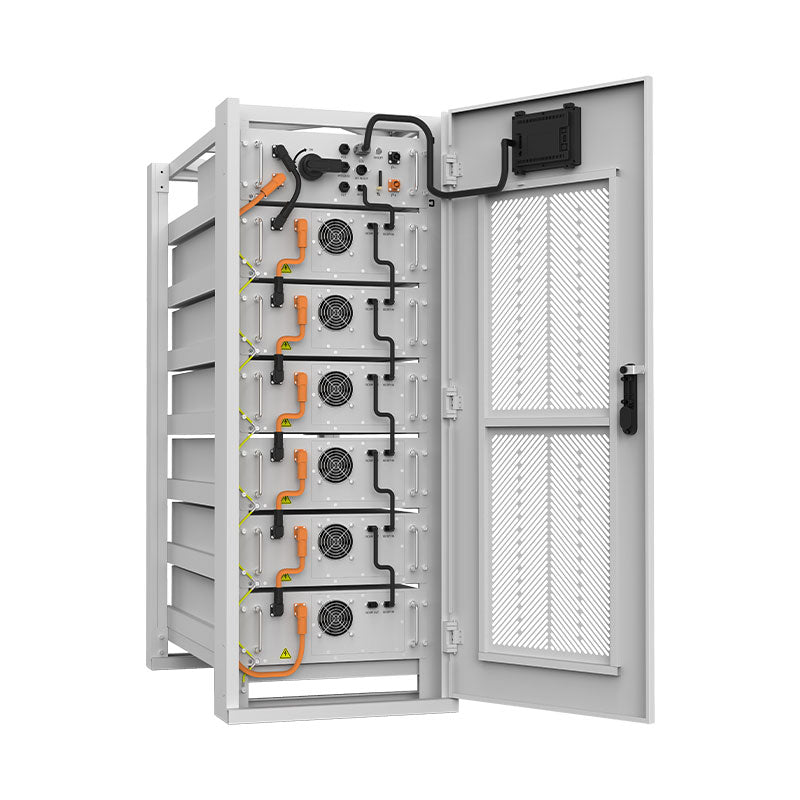
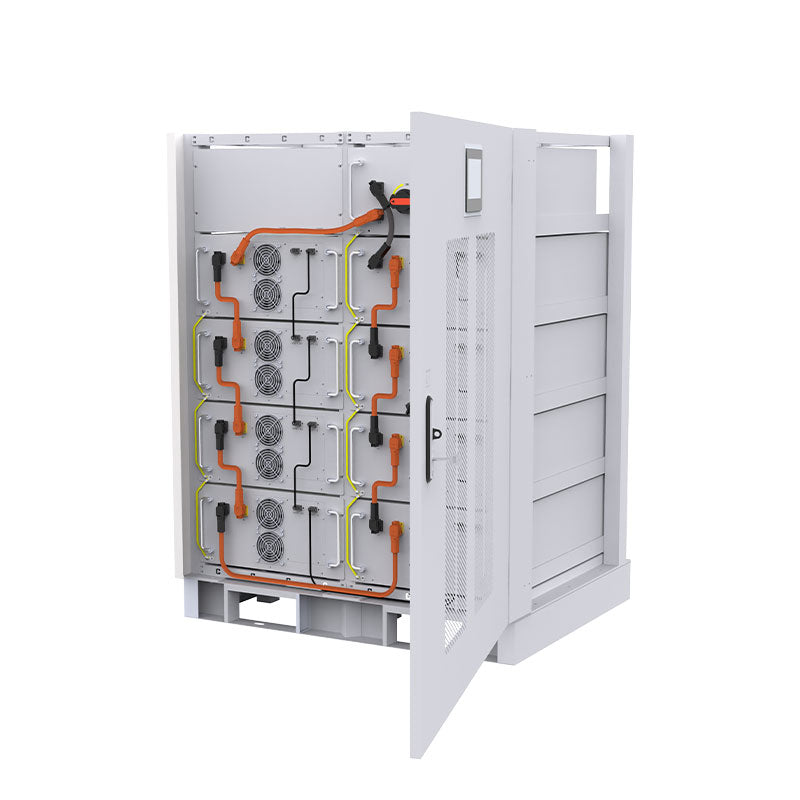
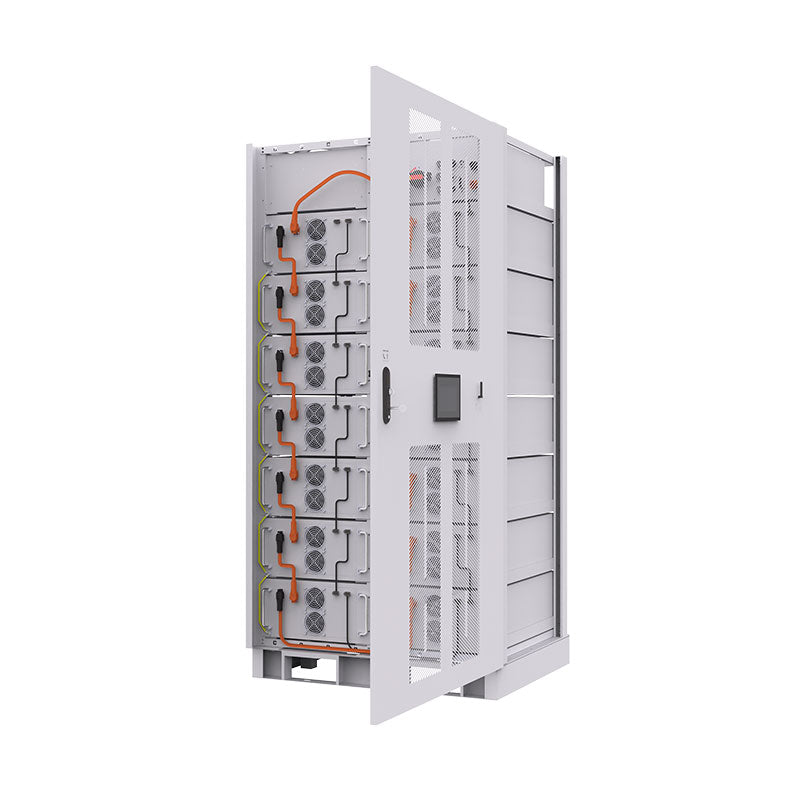
Your battery bank sets the ceiling for usable power, regardless of panel capacity. Installing 4,000 watts of panels with a 400Ah battery bank creates an expensive mismatch. The batteries will reach full charge quickly, then waste excess solar production.
Professional sizing follows the C/5 to C/8 rule: battery capacity should handle 5-8 hours of peak solar input. A 400Ah LiFePO4 bank pairs optimally with 1,000-1,600 watts of panels, not 4,000 watts.
System balance beats raw panel capacity
Effective off-grid design prioritizes component harmony over maximum panel wattage. Each element must complement the others to achieve reliable performance.
Charge controller matching determines harvest efficiency
Your charge controller acts as the system's traffic manager, directing solar energy to batteries. Undersized controllers create immediate bottlenecks, while oversized units waste money without performance gains.
MPPT controllers typically achieve 94-98% efficiency when properly matched, compared to 75-80% for mismatched PWM units. The IEA's Status of Power System Transformation confirms that inverter efficiency varies significantly based on load matching and operating conditions.
Inverter sizing affects daily usability
Inverter capacity must handle your peak loads plus surge requirements. A 2,000-watt inverter can't reliably start a 1,800-watt well pump due to 3-5x startup surges. This creates frustrating power limitations regardless of panel capacity.
| Load Type | Running Watts | Startup Surge | Recommended Inverter |
|---|---|---|---|
| Refrigerator | 150W | 450W | 1,000W minimum |
| Well Pump | 750W | 2,250W | 3,000W minimum |
| Air Compressor | 1,200W | 3,600W | 4,000W minimum |
Design principles that actually work
Successful off-grid systems follow proven design principles that prioritize system integration over individual component maximization.
Load analysis drives component selection
Start with detailed load analysis, not panel shopping. Document every device's power consumption, operating hours, and seasonal variations. This data reveals your actual energy needs, not theoretical maximums.
A Montana ranch project I consulted on initially planned 6,000 watts of panels based on "future expansion" ideas. Load analysis revealed 2,400 watts would meet 98% of actual needs, saving $8,000 while improving system reliability.
Seasonal capacity planning prevents oversizing
Design for your worst-case month, typically December in northern climates. Calculate available solar hours, weather derating factors, and increased heating loads. This realistic approach prevents both undersizing and expensive oversizing.
The Oglala Lakota College off-grid project demonstrates this principle effectively. Their 500-watt system provides reliable power for construction tools because it was sized for actual usage patterns, not theoretical maximums.
Component integration ensures long-term reliability
Each component must operate within its optimal efficiency range. Batteries perform best at 20-80% state of charge, inverters achieve peak efficiency at 50-75% load, and MPPT controllers optimize harvest when properly matched to panel voltage.
Common oversizing mistakes and their fixes
Understanding typical oversizing errors helps you avoid expensive mistakes that compromise system performance.
The "future expansion" fallacy
Many builders install oversized systems for imaginary future loads. This approach wastes money on unused capacity while creating immediate performance problems. Design for current needs plus 20% growth margin, then expand systematically as requirements actually increase.
Ignoring temperature coefficients
Real-world output depends on module (cell) temperature, not ambient air alone. For example, at ~65 °C module temperature (≈40 °C above 25 °C STC), a 400 W panel with −0.35 %/°C power coefficient delivers ≈400 × (1 − 0.0035 × 40) ≈ 344 W. Rooftop modules often run 20–40 °C hotter than ambient under full sun.
Mismatched voltage systems
Mixing 12V and 24V components, or using 12V systems above 1,000 watts, creates efficiency losses and safety hazards. Higher voltage systems (24V, 48V) reduce current flow and associated losses in larger installations.
Building systems that perform reliably
Reliable off-grid systems result from careful component matching, not maximum panel capacity. Focus on creating balanced systems that operate efficiently across all conditions.
Start with accurate load calculations, select components that complement each other, and size for realistic usage patterns. This approach delivers better performance at lower cost than oversized panel arrays with mismatched support components.
Remember: your off-grid system's weakest link determines overall performance. A well-balanced 2,000-watt system will consistently outperform a poorly designed 4,000-watt installation while costing significantly less to build and maintain.
