




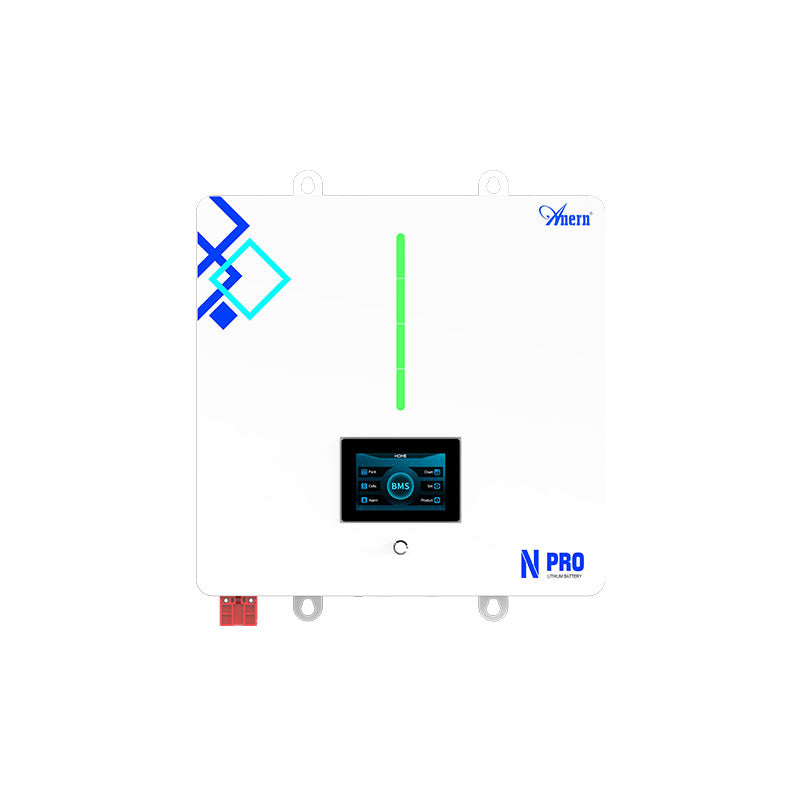
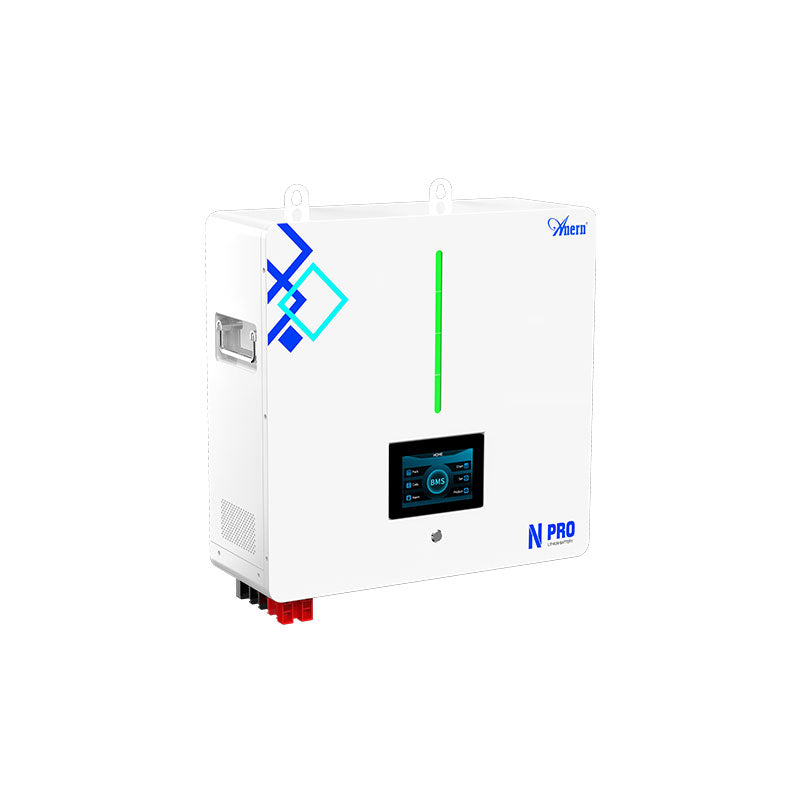


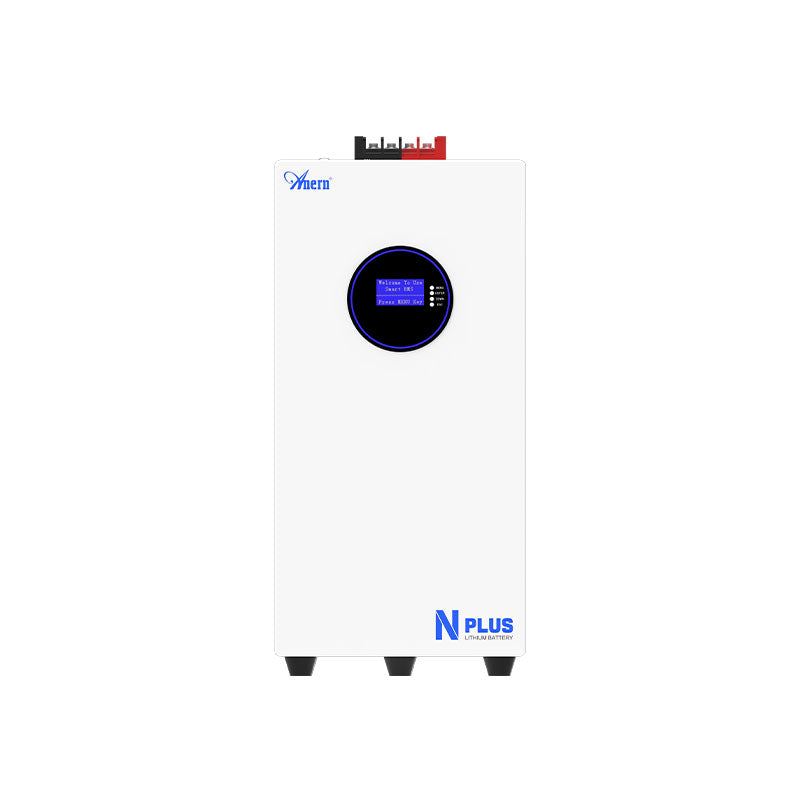
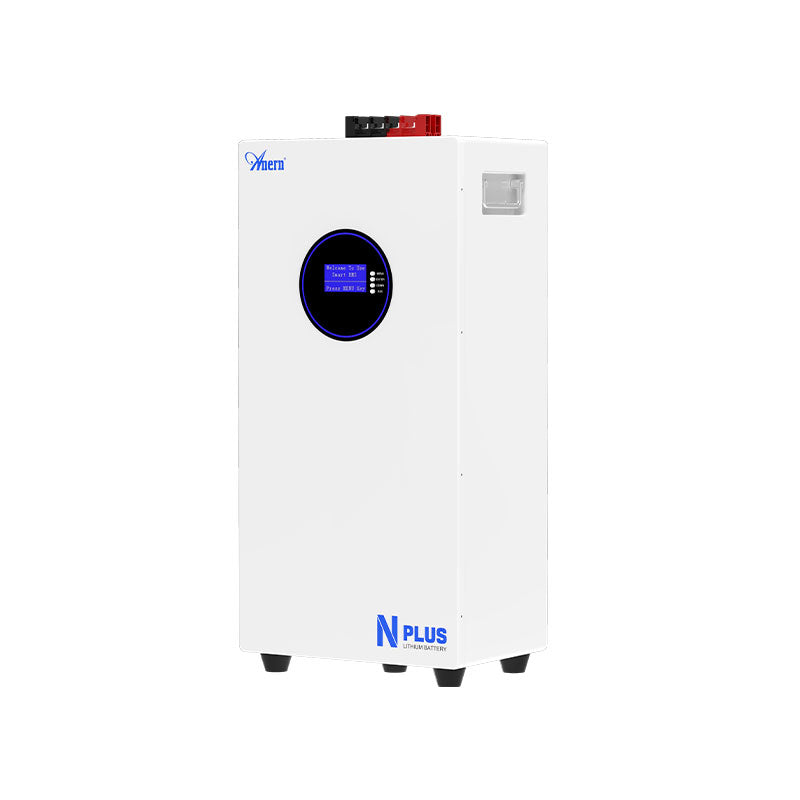






Many people believe that using a Bill of Materials (BOM) template for off-grid solar and energy storage projects adds unnecessary complexity and inflates costs. This perception often stems from a misunderstanding of how these structured tools function. In reality, a well-designed BOM template can be a powerful ally in optimizing your off-grid power system, leading to substantial cost savings and enhanced project efficiency. You gain clarity and control over your investment, moving closer to true energy independence.

Understanding the True Role of BOM Templates
A Bill of Materials template is more than just a list of parts; it is a strategic planning document. It provides a comprehensive, itemized breakdown of all components, sub-components, and materials required to build your off-grid solar and energy storage system. This detailed approach ensures you account for every screw, wire, and battery cell, preventing overlooked items that often lead to budget overruns.
Preventing Hidden Costs and Surprises
Without a structured BOM, you risk encountering unexpected expenses during procurement or installation. These surprises can range from missing connectors to incompatible components, each adding to your project's timeline and budget. A robust BOM template forces a thorough pre-planning phase, identifying potential issues before they become costly problems. It helps you accurately estimate the total capital expenditures, which is crucial for the economic viability of energy storage systems.
Enhancing Procurement Efficiency
Templates streamline the purchasing process. With a clear list of specifications and quantities, you can solicit accurate quotes from suppliers, compare options effectively, and negotiate better prices. This organized approach reduces the time spent on sourcing and minimizes errors in ordering, which can otherwise lead to delays and additional shipping costs.
How BOM Templates Drive Cost Savings
The notion that BOM templates inflate costs is a misconception. Instead, they act as a financial safeguard, ensuring you get the most value from your investment in an off-grid power system.
Optimized Component Selection
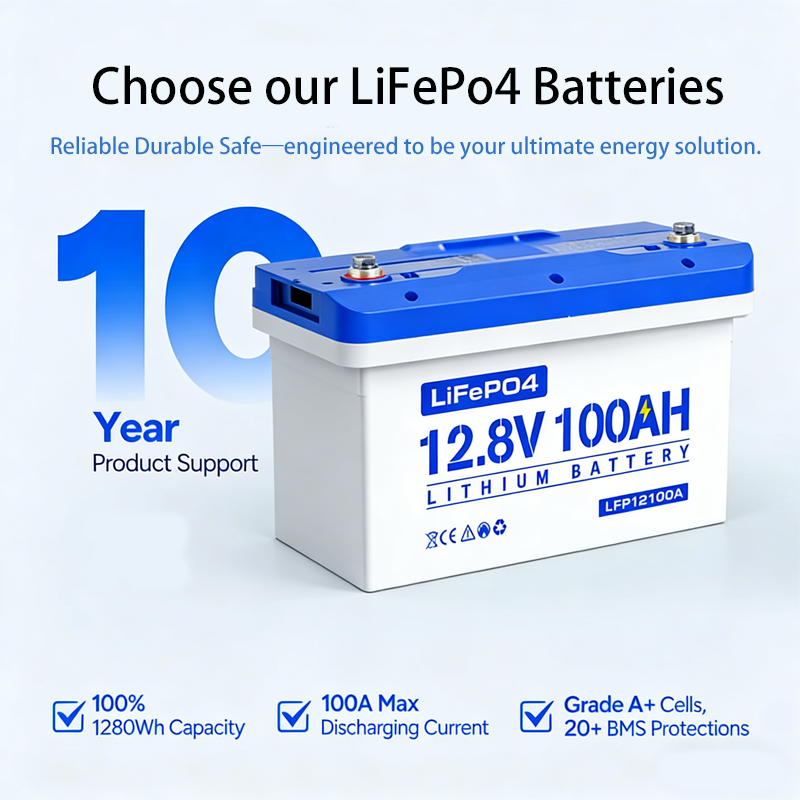
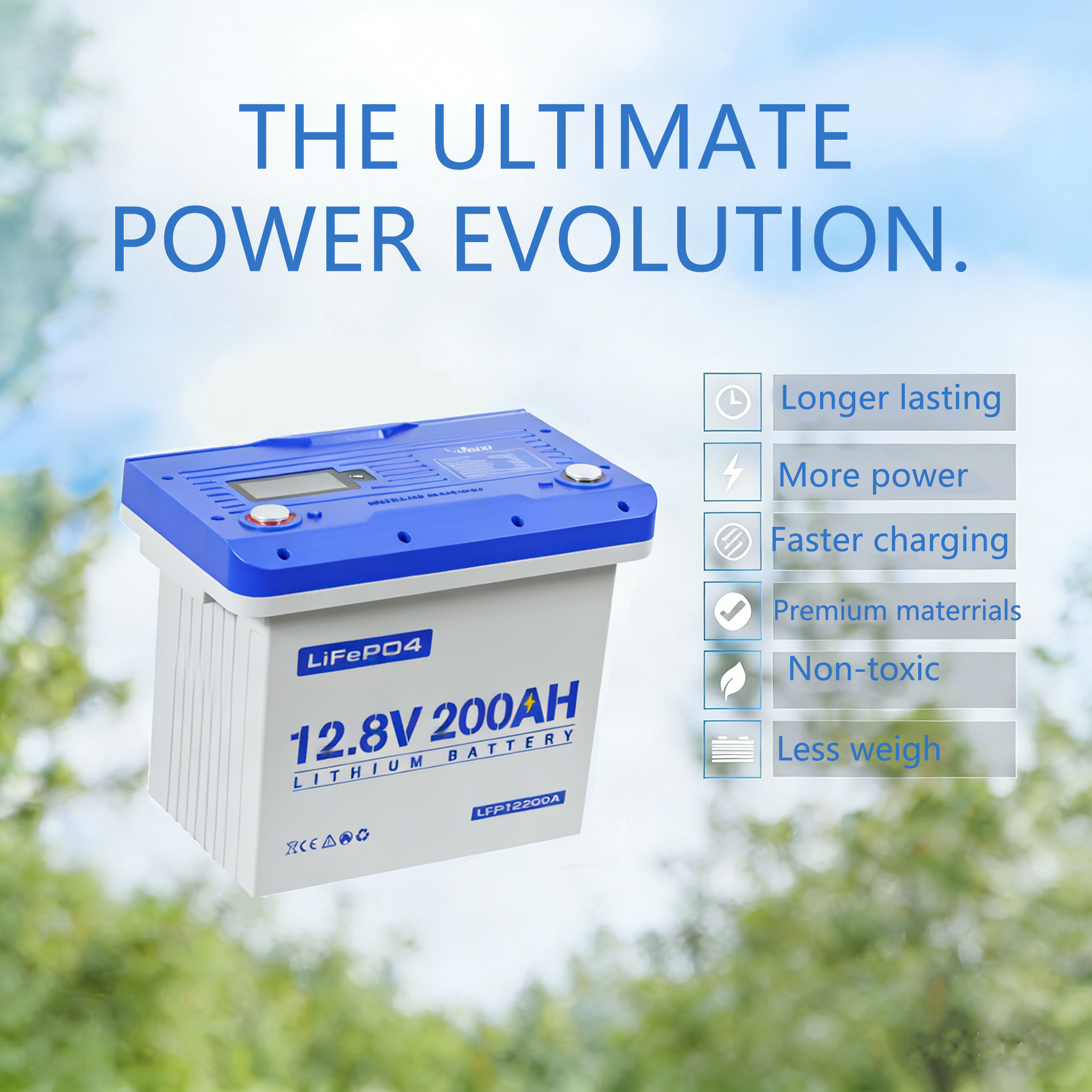
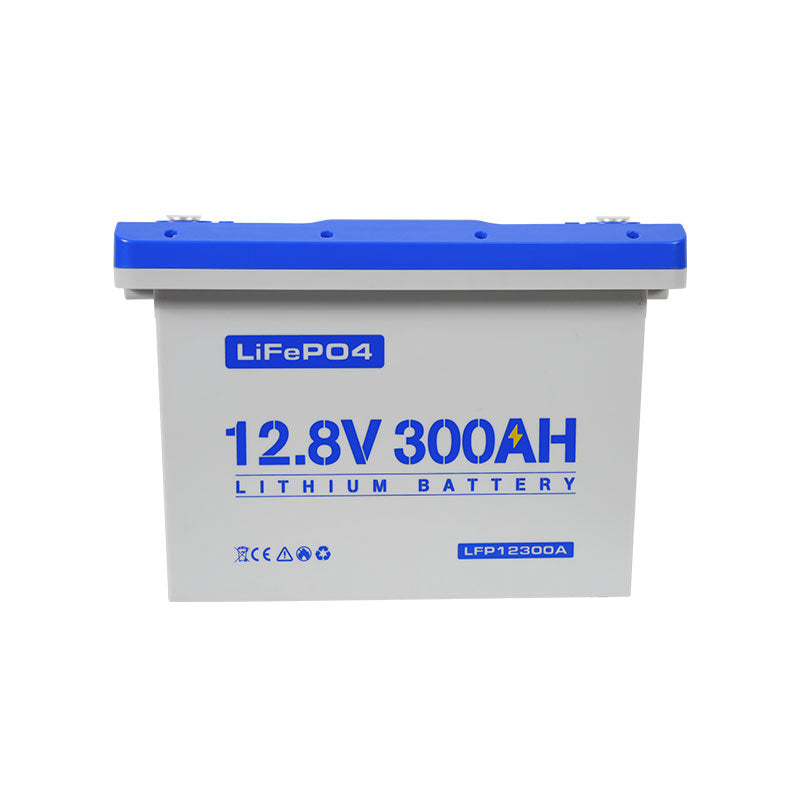
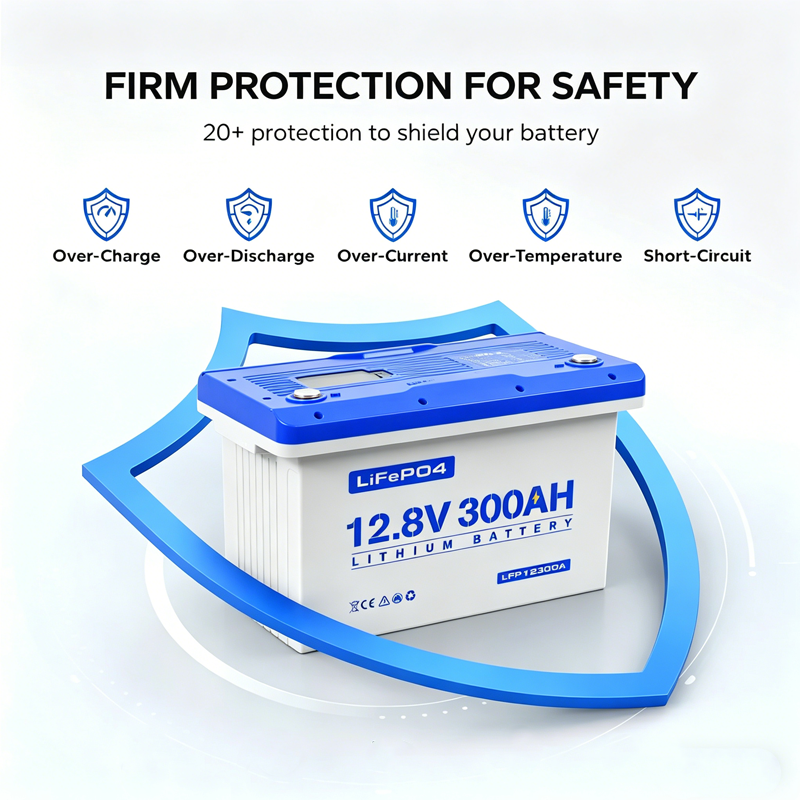
A well-structured BOM template encourages careful consideration of each component's specifications, performance, and cost-effectiveness. For instance, selecting the right lithium iron phosphate (LiFePO4) batteries, known for their high performance and safety, requires evaluating capacity, cycle life, and warranty against your specific energy needs. Similarly, choosing an appropriate solar inverter involves balancing efficiency, power output, and grid-forming capabilities for off-grid applications.
By comparing various options within the template, you can identify components that offer the best long-term value, rather than simply the lowest upfront price. This is particularly important for hybrid systems combining solar PV with battery storage, where careful selection enhances grid flexibility and reduces curtailment.
Reducing Waste and Rework
Errors in component selection or quantity can lead to wasted materials and the need for costly rework. A detailed BOM template minimizes these risks by ensuring all parts are compatible and correctly sized for your system. For example, miscalculating wire gauges or circuit breaker ratings can lead to safety hazards and inefficient power transfer, necessitating expensive replacements. A precise BOM helps avoid these pitfalls, saving both material and labor costs.
Forecasting and Budgeting Accuracy
Accurate cost forecasting is vital for any project. BOM templates provide a solid foundation for budgeting by itemizing every expense. This allows you to track spending against your budget in real-time and make informed adjustments. According to the U.S. Energy Information Administration (EIA), understanding system costs is fundamental for effective energy planning. A detailed BOM aligns with this principle, offering transparency into your financial outlay.
Building an Effective Off-Grid BOM Template
Creating a BOM template that genuinely saves costs requires a methodical approach. You will need to consider all aspects of your off-grid power system.
Key Sections for Your Template
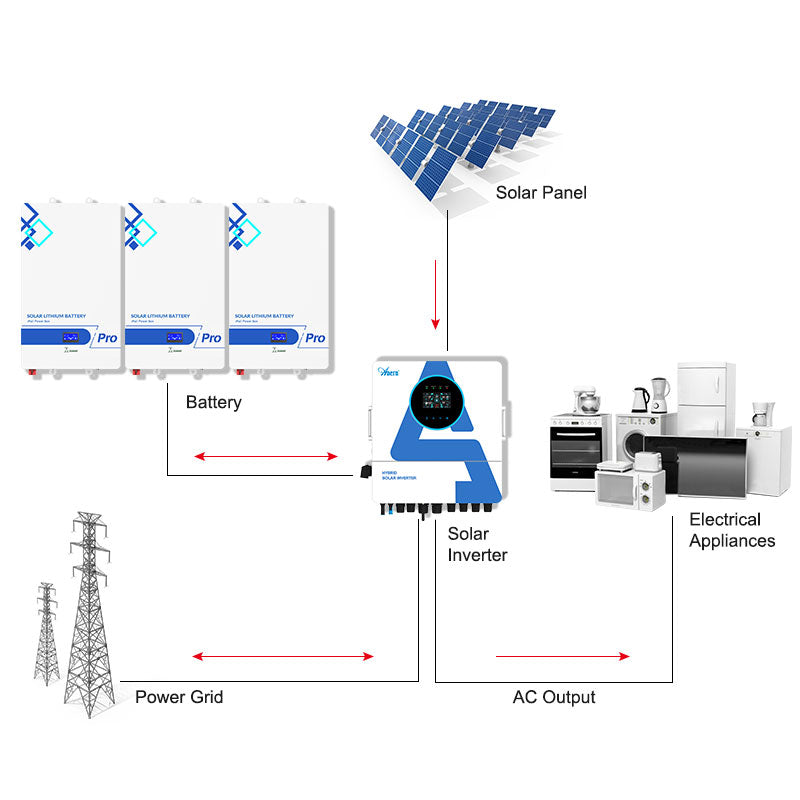
- Solar PV Array: Panels, mounting hardware, wiring, combiners, disconnects.
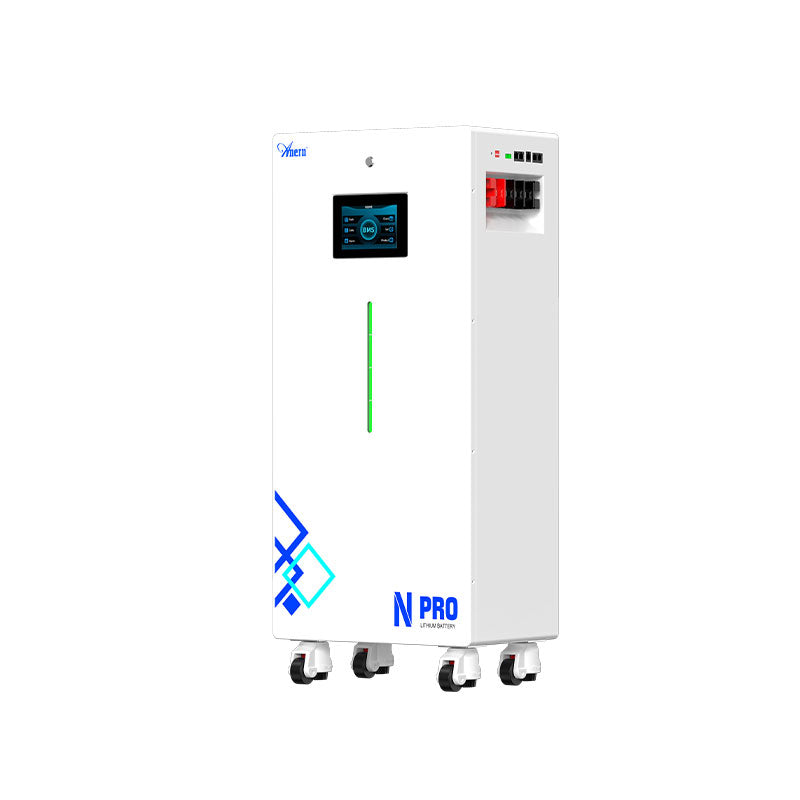
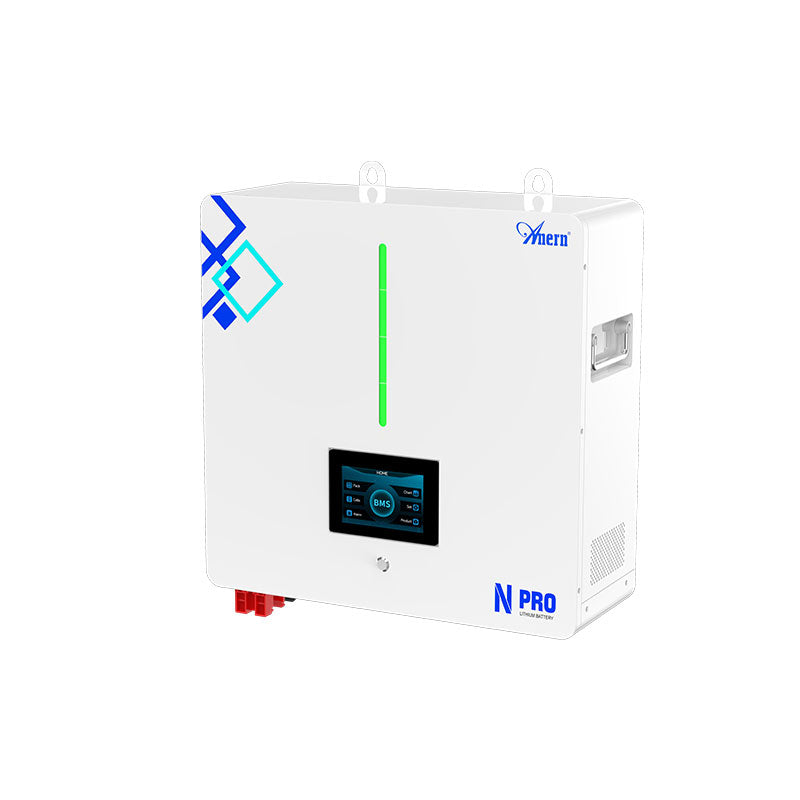
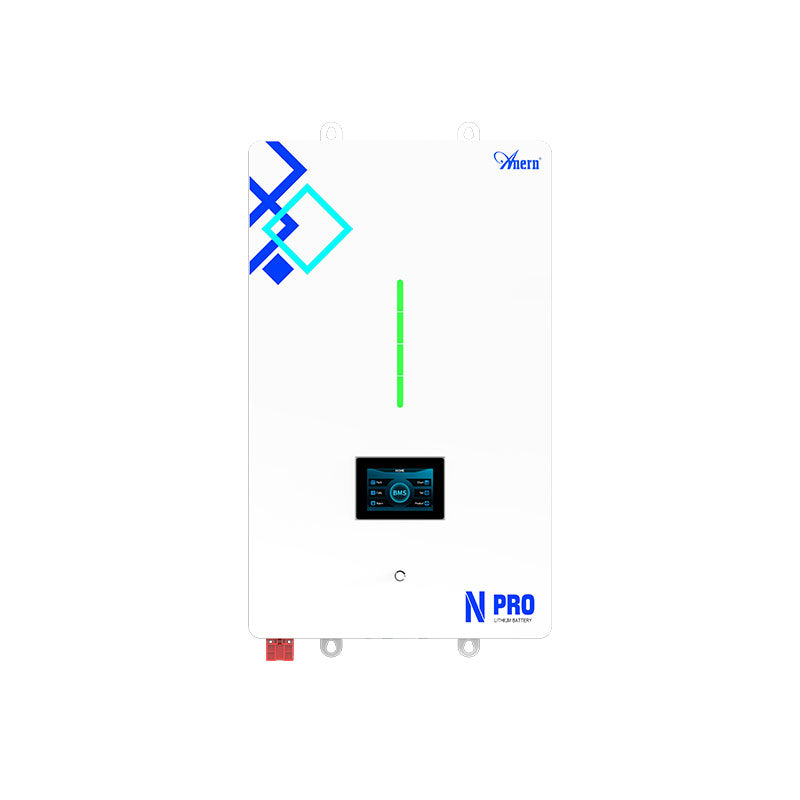
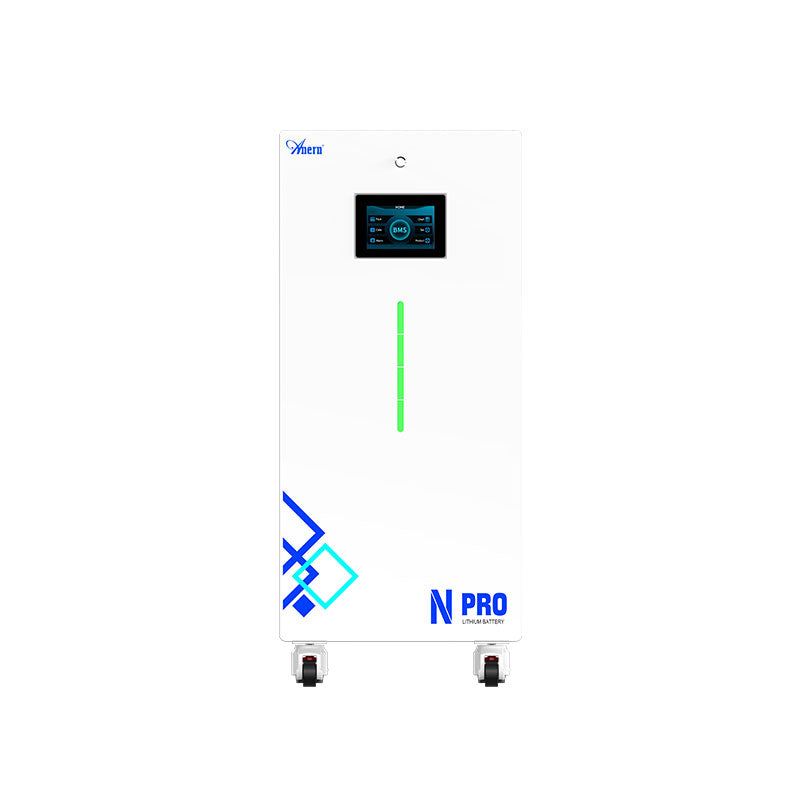
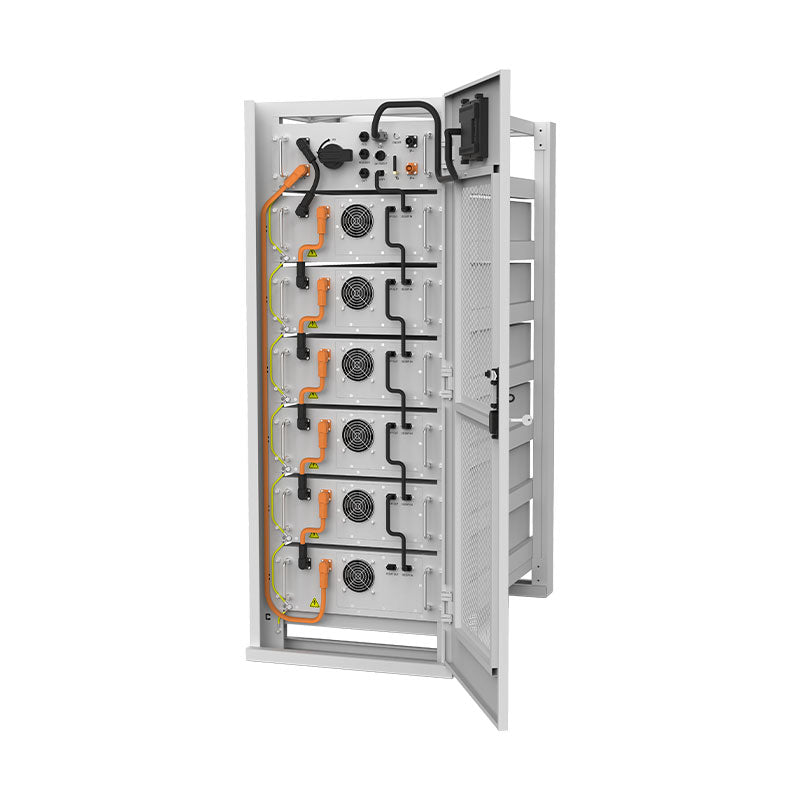
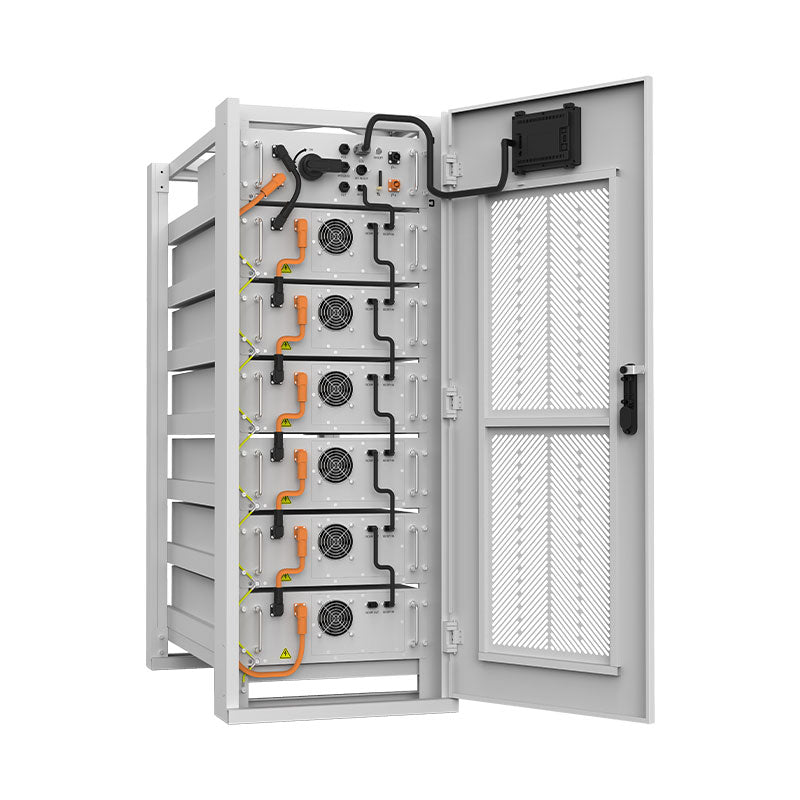
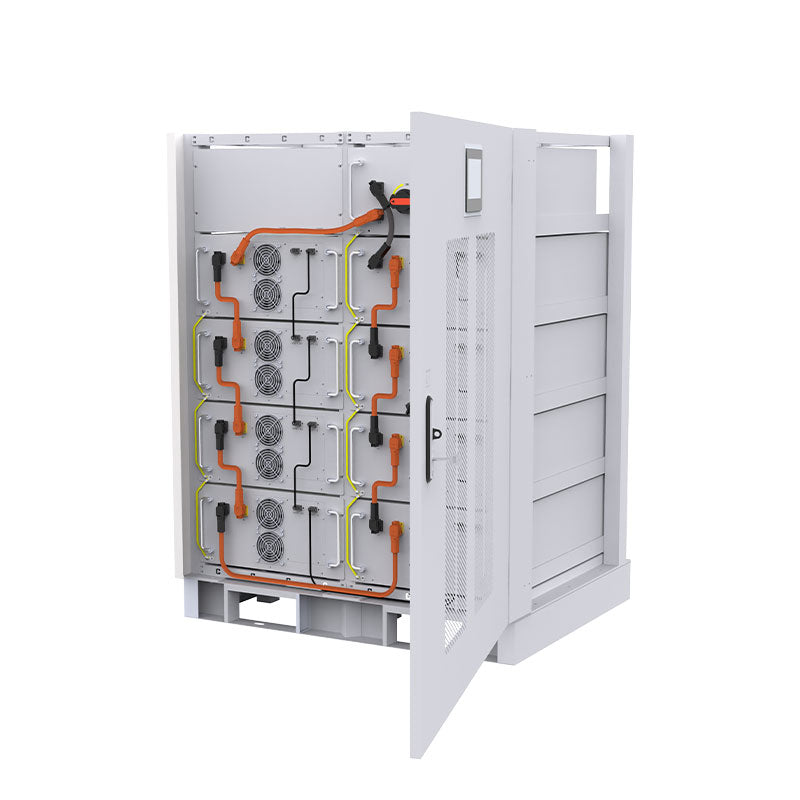
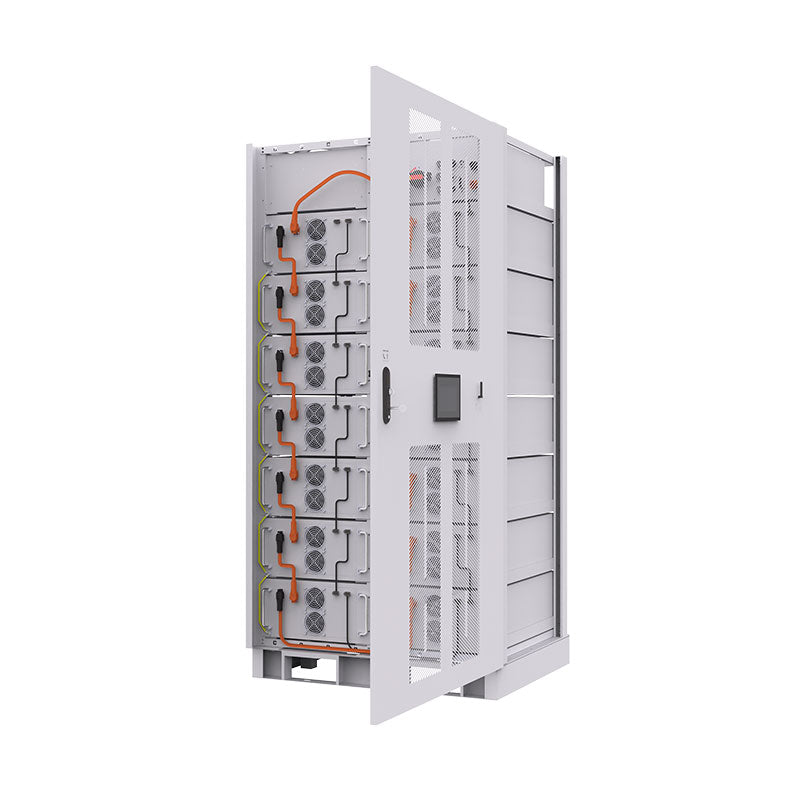
- Energy Storage System: LiFePO4 batteries, battery management system (BMS), enclosures, cabling.
- Inverter/Charger: Hybrid inverter, charge controller (if separate), AC/DC distribution.
- Balance of System (BOS): Wiring, conduits, fuses, circuit breakers, grounding equipment, surge protectors.
- Monitoring and Control: System monitors, communication devices.
- Safety Equipment: Fire suppression, personal protective equipment (PPE).
- Labor and Services: Installation, design, permitting, commissioning.
Leveraging Data for Better Decisions
Integrate real-world data into your template. For example, research average component lifespans and warranty periods. Consider the levelized cost of storage (LCOS) when evaluating battery options, which accounts for capital expenditures, O&M costs, and their timing over the system's lifetime. This comprehensive view helps you select components that offer the best long-term economic performance. The IEA's Next Generation Wind and Solar Power report highlights the importance of moving from a cost-only perspective to a value-driven approach in energy system transformation. Your BOM template can facilitate this by integrating value-based metrics.
| Cost Category | Generic BOM (Estimated) | Optimized BOM Template (Actual) | Savings Achieved |
|---|---|---|---|
| Solar Panels | $5,000 | $4,500 | 10% |
| LiFePO4 Batteries | $8,000 | $7,200 | 10% |
| Inverter/Charger | $3,500 | $3,200 | 8.6% |
| Balance of System | $2,000 | $1,700 | 15% |
| Labor & Services | $4,000 | $3,600 | 10% |
| Total Estimated Cost | $22,500 | $20,200 | $2,300 (10.2%) |
| Note: These figures are illustrative and vary based on project scope and market conditions. | |||
Achieving Energy Independence Through Smart Planning
The goal of an off-grid power system is to achieve reliable and scalable energy independence. This objective is significantly supported by meticulous planning, where BOM templates play a central role. By providing a clear roadmap for component acquisition and system assembly, you reduce risks and ensure your investment delivers lasting value.
Our experience in the solar and energy storage industry, particularly with home energy storage systems and off-grid solar solutions, consistently shows that well-executed BOM templates are instrumental in achieving project success. They empower you to make informed decisions, optimize expenditures, and build a robust power system that meets your needs for years to come.
Frequently Asked Questions
What is a Bill of Materials (BOM) template for off-grid systems?
An off-grid BOM template is a detailed, itemized list of all components, sub-components, and materials required to construct an off-grid solar and energy storage system. It includes specifications, quantities, and often cost estimates for items like solar panels, LiFePO4 batteries, inverters, wiring, and mounting hardware.
Do BOM templates actually save money, or do they just add extra work?
BOM templates save money by preventing costly errors, optimizing component selection, and streamlining the procurement process. While they require initial effort, this upfront planning significantly reduces unexpected expenses, rework, and delays, leading to overall project cost efficiency and better return on investment.
How does a BOM template help with component compatibility?
A comprehensive BOM template encourages you to list detailed specifications for each component. This structured approach helps identify potential compatibility issues between parts, such as voltage mismatches between solar panels and inverters, or current ratings for wiring and circuit breakers, before you make purchases. It ensures all elements work together seamlessly.
Can I use a generic BOM template for any off-grid project?
While generic templates provide a starting point, customizing them for your specific off-grid project is crucial. Every project has unique energy requirements, site conditions, and budget constraints. Tailoring the template ensures you select the most appropriate and cost-effective components for your particular needs, whether for a home, farm, or cabin.
What kind of data should I include in my BOM template for better cost accuracy?
For better cost accuracy, include unit costs, supplier information, lead times, shipping costs, and estimated labor costs. Additionally, incorporating technical specifications like power ratings, efficiency, warranty periods, and expected lifespan for major components like LiFePO4 batteries and solar inverters helps in making value-driven decisions.
References
- Renewable Power Generation Costs in 2024. International Renewable Energy Agency (IRENA), 2025.
- Next Generation Wind and Solar Power (Full Report). International Energy Agency (IEA), 2016.
- U.S. Energy Information Administration (EIA).
