














Living off the grid offers unparalleled freedom and control over your energy use. You gain independence from traditional utility providers. However, this autonomy also brings unique challenges, including the need for precise energy management. One often-overlooked culprit silently draining your precious battery reserves is the "phantom load."
These hidden energy consumers can significantly impact your off-grid battery's performance and lifespan. Understanding and addressing phantom loads is a critical step towards achieving true energy independence and ensuring a reliable power supply for your home, farm, or cabin.
Understanding Phantom Loads
Phantom loads, also known as vampire power or standby power, refer to the electricity consumed by devices when they are turned off or in standby mode, yet remain plugged into an electrical outlet. These devices are not actively performing their main function. Despite appearing inactive, they continuously draw a small amount of power.
Why do these devices consume power when "off"? Many electronics feature internal memory, digital clocks, remote control sensors, or instant-on capabilities. These functionalities require a constant, low-level power supply to maintain settings or respond quickly to commands. For instance, a television with a remote control needs to remain partially active to detect your input.
Common sources of phantom loads include:
- Televisions, cable boxes, and streaming devices
- Computers, monitors, and printers
- Phone, tablet, and laptop chargers (even when no device is connected)
- Microwaves and coffee makers (for their clocks and displays)
- Gaming consoles
- Appliances with "wall warts" or external power adapters
- Devices with continuous LED indicator lights
The Silent Drain: Impact on Off-Grid Batteries
For grid-tied homes, phantom loads translate to higher utility bills, potentially adding up to 5-10% of monthly energy consumption. Some studies even suggest that 75% of the electricity used by home electronics is consumed while the products are turned off. While this is a financial concern for grid-tied users, it presents a more critical challenge for off-grid systems.
In an off-grid setup, every watt-hour of energy is precious. You rely on stored energy from sources like solar panels, typically held in a battery bank. Phantom loads continuously draw power from your batteries, even when the primary appliance is not in use. This constant, unacknowledged discharge can significantly reduce your battery's usable capacity and shorten its overall lifespan.
Consider an inverter, which converts DC power from your batteries to AC power for most household appliances. Even when only a small phantom load is present, the inverter itself must remain active, consuming its own idle power. This idle consumption can be far greater than the actual phantom load it serves. For example, a device drawing only 1.4 watts might cause an inverter to idle at 30 watts, consuming 240 watt-hours over an eight-hour period without performing any useful work. This wasted energy directly impacts your battery's state of charge, leading to faster depletion and potentially insufficient power when you truly need it.
This hidden drain necessitates larger, more expensive battery banks and solar arrays to compensate. It also reduces your system's overall efficiency, pushing back your goals for complete energy independence. Rapid battery drain is a common frustration for off-grid users, often stemming from an energy mismatch between production and consumption, exacerbated by these constant phantom draws.
Identifying and Quantifying Phantom Power Consumption
The first step in combating phantom loads is to identify them. Look for devices that:
- Have a glowing LED light even when "off."
- Feel warm to the touch even when not in use (e.g., phone chargers, power adapters).
- Have a digital display that is always on.
- Are ready for instant activation via a remote control.
To quantify the impact, you can use a simple energy monitoring device, such as a Kill-a-Watt meter. You plug the device into the meter, and the meter into the wall. This tool measures the actual power draw of an appliance, even in standby mode.
Once you have the standby power consumption in watts, you can calculate the daily or monthly energy drain:
Phantom Load (kWh) = Power Consumption (Watts) × Time in Standby (Hours) / 1000
For example, if a device consumes 5 watts in standby mode for 24 hours a day:
5 Watts × 24 Hours / 1000 = 0.12 kWh per day
Over a month (30 days), this single device would consume: 0.12 kWh/day × 30 days = 3.6 kWh. While seemingly small, multiply this across multiple devices, and the cumulative effect becomes significant. For instance, a household with 15 devices, each drawing an average of 3 watts in standby, could consume 32.4 kWh per month.
Strategies to Vanquish Phantom Loads
Reducing phantom power consumption is a practical and effective way to optimize your off-grid power needs. You can significantly extend your battery autonomy and enhance your system's overall efficiency with a few targeted actions.
Unplugging Devices
The simplest and most effective method to eliminate phantom loads is to physically unplug devices when you are not using them. If a device is disconnected from the power source, it cannot draw electricity. This approach works particularly well for phone chargers, kitchen appliances used infrequently, or entertainment systems when you are away.
Utilizing Smart Power Strips and Switches
For devices that are inconvenient to unplug individually, power strips offer a practical solution. You can group multiple electronics, such as your TV, sound system, and gaming console, onto a single power strip. Flipping one switch then cuts power to all connected devices, preventing standby drain.
Advanced or "smart" power strips take this a step further. Some models can automatically detect when a primary device (like a TV) is turned off and then cut power to peripheral devices. Others feature timers or remote control capabilities for automated power management.
Investing in Energy-Efficient Appliances
When replacing or purchasing new appliances, prioritize models designed for energy efficiency. Products carrying the ENERGY STAR label, for instance, are engineered to consume less power in both active and standby modes. The International Energy Agency (IEA) has championed initiatives like the "One Watt Initiative," encouraging manufacturers to design appliances that consume no more than one watt in standby mode. Choosing such appliances directly reduces your baseline phantom power consumption.
Prioritizing DC Appliances for Off-Grid Systems
Off-grid solar systems primarily generate direct current (DC) power. Most household appliances, however, operate on alternating current (AC), requiring an inverter to convert the power. This conversion process, while essential, introduces efficiency losses, which can be 10% or more. You can minimize these losses by opting for DC-powered appliances where possible.
Many common devices, like LED lighting, certain refrigerators, and fans, are available in DC versions. Using these directly from your battery bank eliminates the need for inverter conversion for those specific loads, further enhancing your system's overall efficiency and reducing parasitic draws.
Achieving Lasting Energy Independence
Managing phantom loads is a fundamental aspect of optimizing any off-grid power system. By proactively identifying, measuring, and mitigating these hidden power consumers, you gain greater control over your energy budget. This careful approach directly translates to extended battery life, reduced reliance on backup power, and a more robust, resilient energy system.
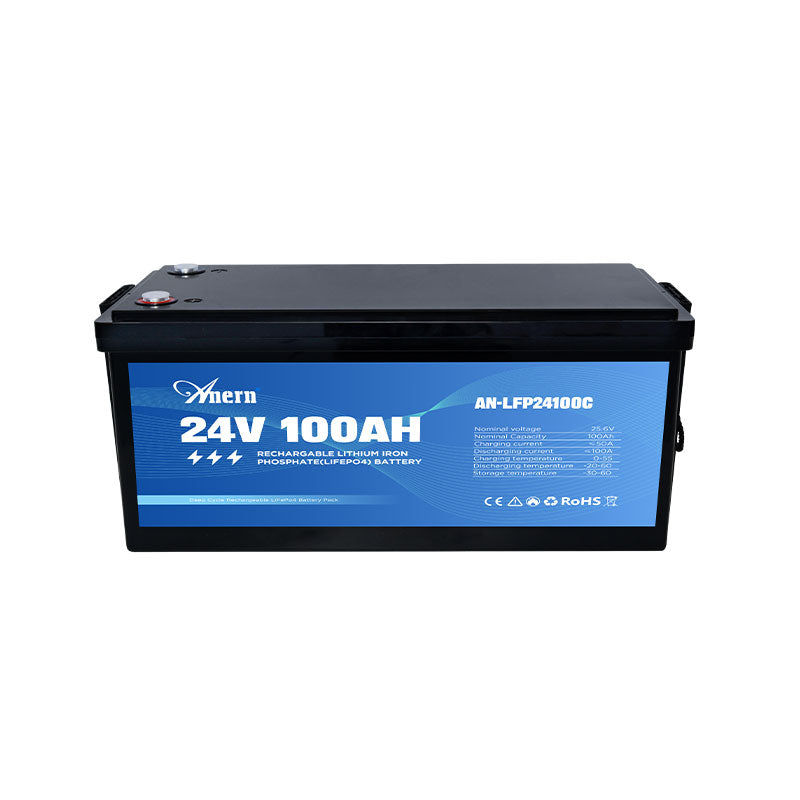
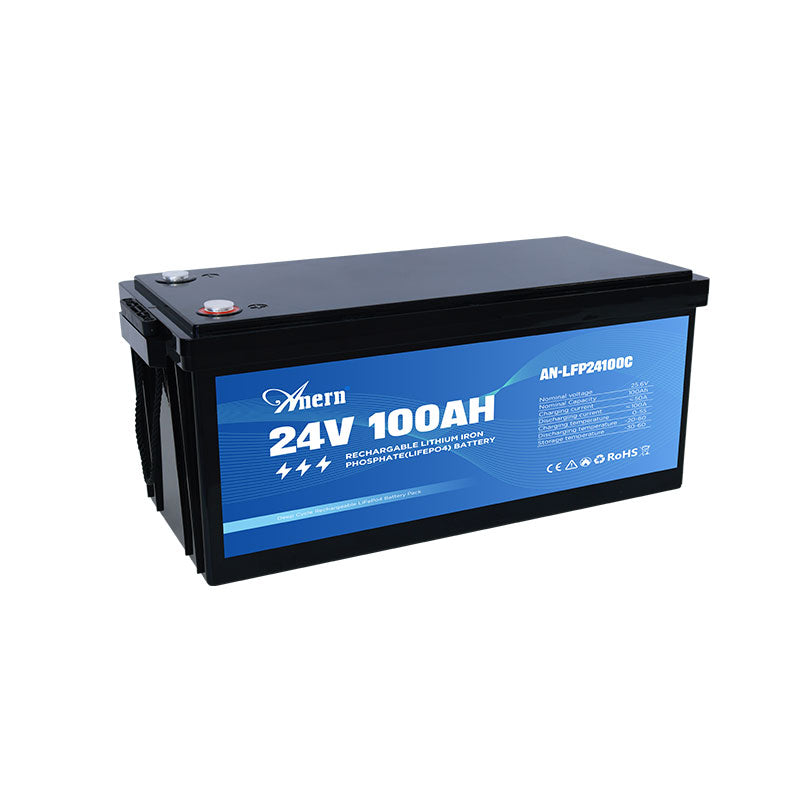
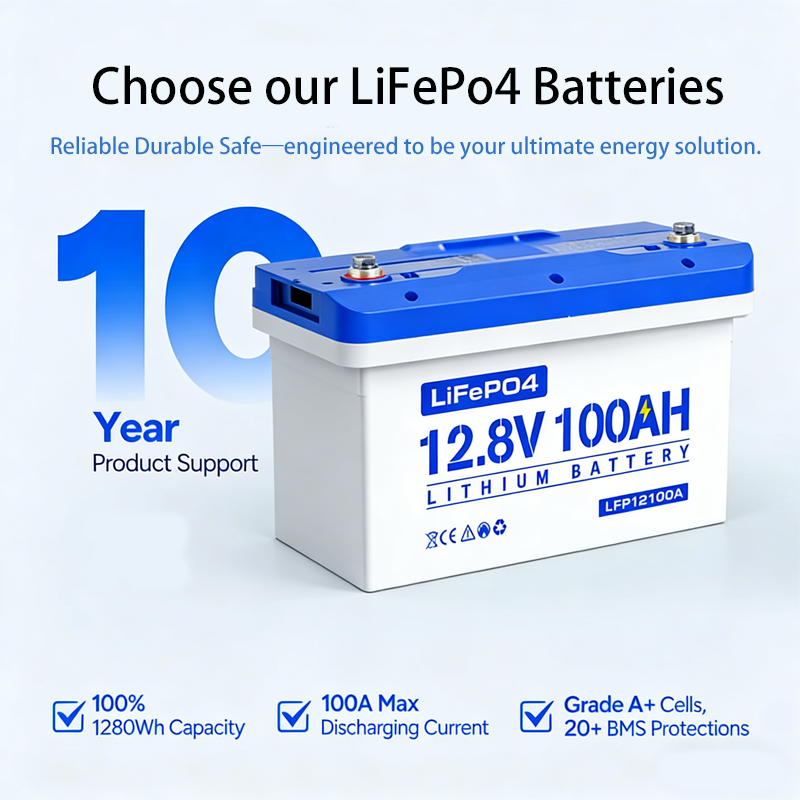
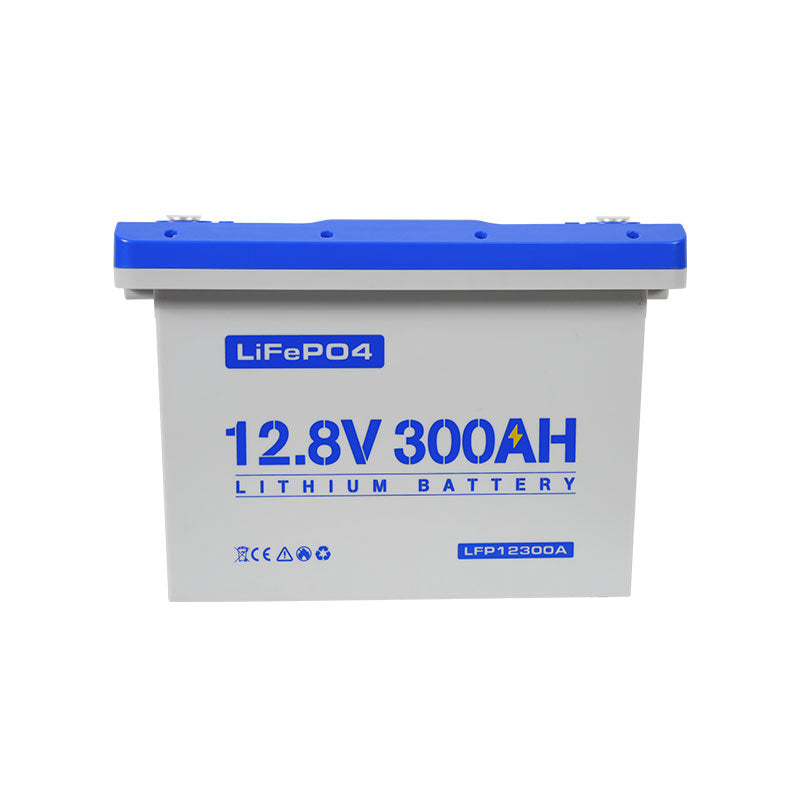
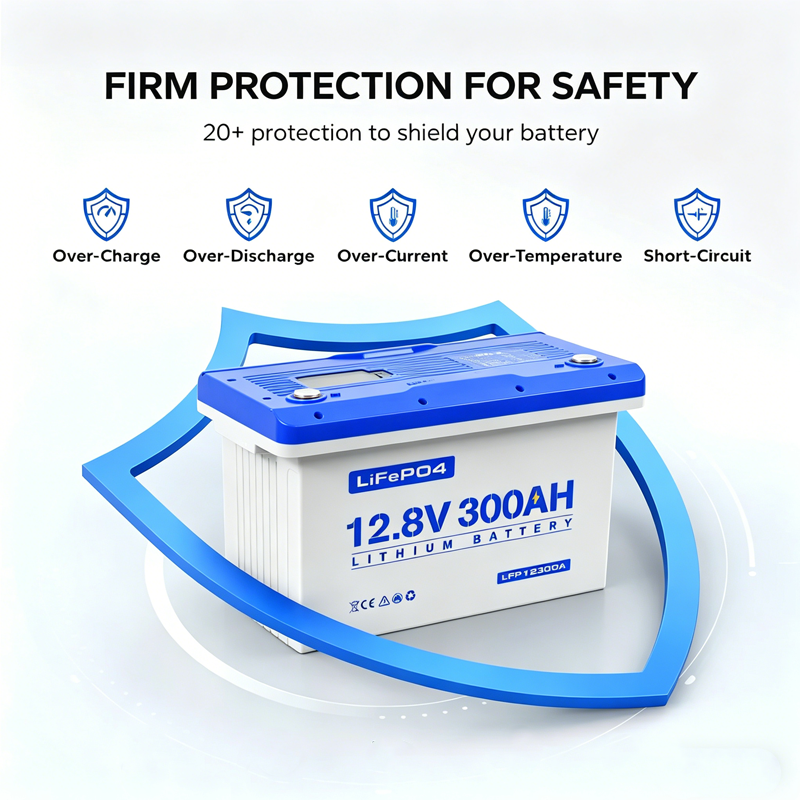
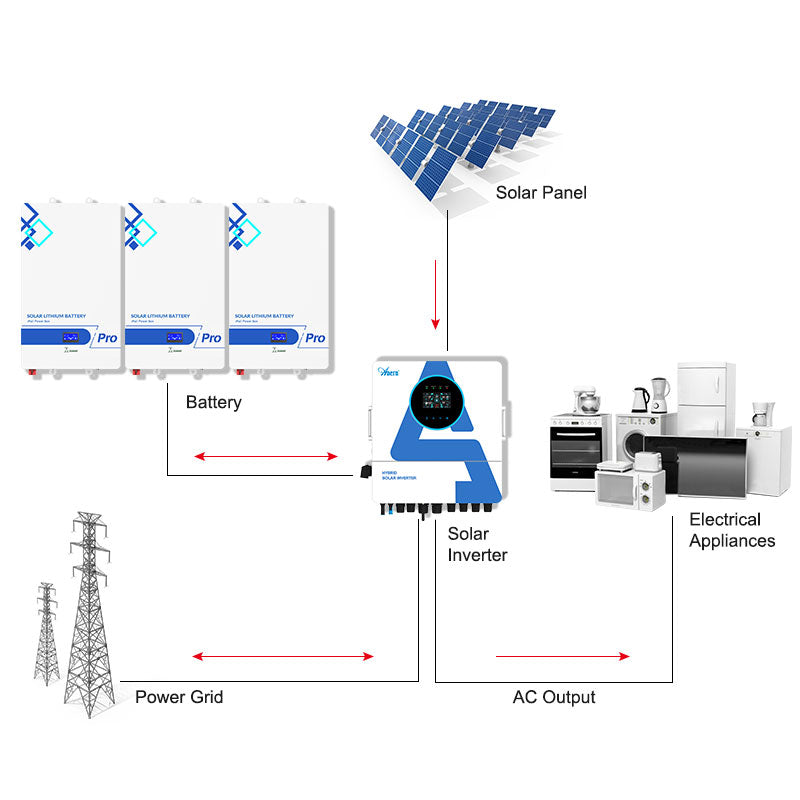
For years, we have specialized in solar and energy storage solutions, helping individuals achieve their energy independence goals. Our high-performance, safe, and reliable LiFePO4 batteries are at the core of robust off-grid systems. When integrated into a comprehensive home energy storage system, alongside efficient hybrid inverters and solar panels, you gain a complete solution. This integrated approach ensures that every component works in harmony, from efficient DC-to-AC conversion to intelligent load management, helping you to account for all power needs, including those elusive phantom loads. By embracing smart energy practices and leveraging advanced technology, you can build an off-grid system that truly empowers your lifestyle.
