













Living off-grid offers rare energy autonomy. As an analyst who has reviewed hundreds of small PV systems, I treat a quarterly checkup as risk management, not housekeeping. It reduces unplanned downtime, preserves battery life, and verifies that your array remains safe after weather events. Below is the same practical routine I use in field audits—clear steps, measurable thresholds, and data comparisons that translate into reliable power.
Foundational Checks: Visual and Physical Inspection
Start with a slow walk-around. Sightlines at shallow angles reveal glass defects and soiling better than a straight-on look. Touch nothing live; keep this purely observational.
Inspecting the Solar Modules
- Glass & encapsulant: look for cracks, chips, snail trails, yellowing, or bubbles (early delamination). Standards like IEC 61215 and IEC 61730 define durability tests; your field cue is any change from baseline photos.
- Hot-spot cues: localized browning or distorted busbars often precede measurable loss. If present, plan an infrared scan on a sunny day to confirm.
- Soiling: note coverage pattern (uniform film vs. edge streaks vs. bird droppings). If estimated soiling loss >3–5% for your climate, schedule cleaning.
- Shading: check for new obstructions—seasonal vegetation growth and antennae are common culprits.
For deeper background on PV module safety and design criteria, see NREL module reliability resources and IEA Solar Energy Perspectives.
Assessing the Mounting Structure
- Fasteners: verify no missing hardware; spot-check torque against racking specs (do not overtighten).
- Corrosion: surface rust on galvanized parts is common; pitting or red rust at bolt interfaces warrants remediation.
- Anchorage: confirm roof or ground anchors remain sound after storms or freeze–thaw cycles.
- Alignment: look for sagging rails or module misalignment that could stress frames.
Verifying Electrical System Health
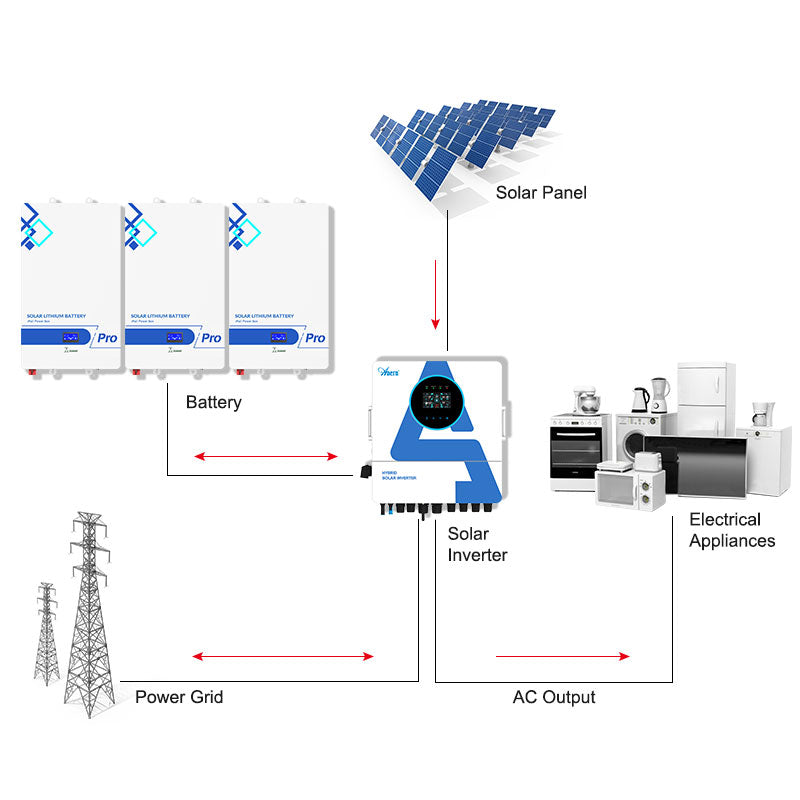
Balance of System (BOS) components convert, protect, and deliver energy. A quarterly once-over prevents small defects from escalating.
Wiring, Conduits, and Terminations
- UV & abrasion: inspect exposed runs for chalking or cracks; ensure cable management clips remain intact.
- Ingress protection: check that junction boxes and conduit ends are sealed; look for dust tracks or water stains.
- Terminations: without opening energized gear, confirm strain reliefs hold and there is no discoloration or odor that suggests overheating.
- Protection devices: note ratings on fuses/breakers in the combiner; they must match string current and conductor ampacity.
For system integration guidance, review the IEA note on integrating renewables. When in doubt about code, consult NFPA 70 (NEC) or your local equivalent.
Inverter and Charge Controller
- Status screens: record any warning/fault codes and the time they occurred. Cross-check with the manual.
- Thermals: make sure heat sinks and vents are unobstructed; dust with a dry cloth only. Persistent thermal throttling shortens device life.
- Audible cues: clicking, hum changes, or fan cycling out of pattern often precede faults.
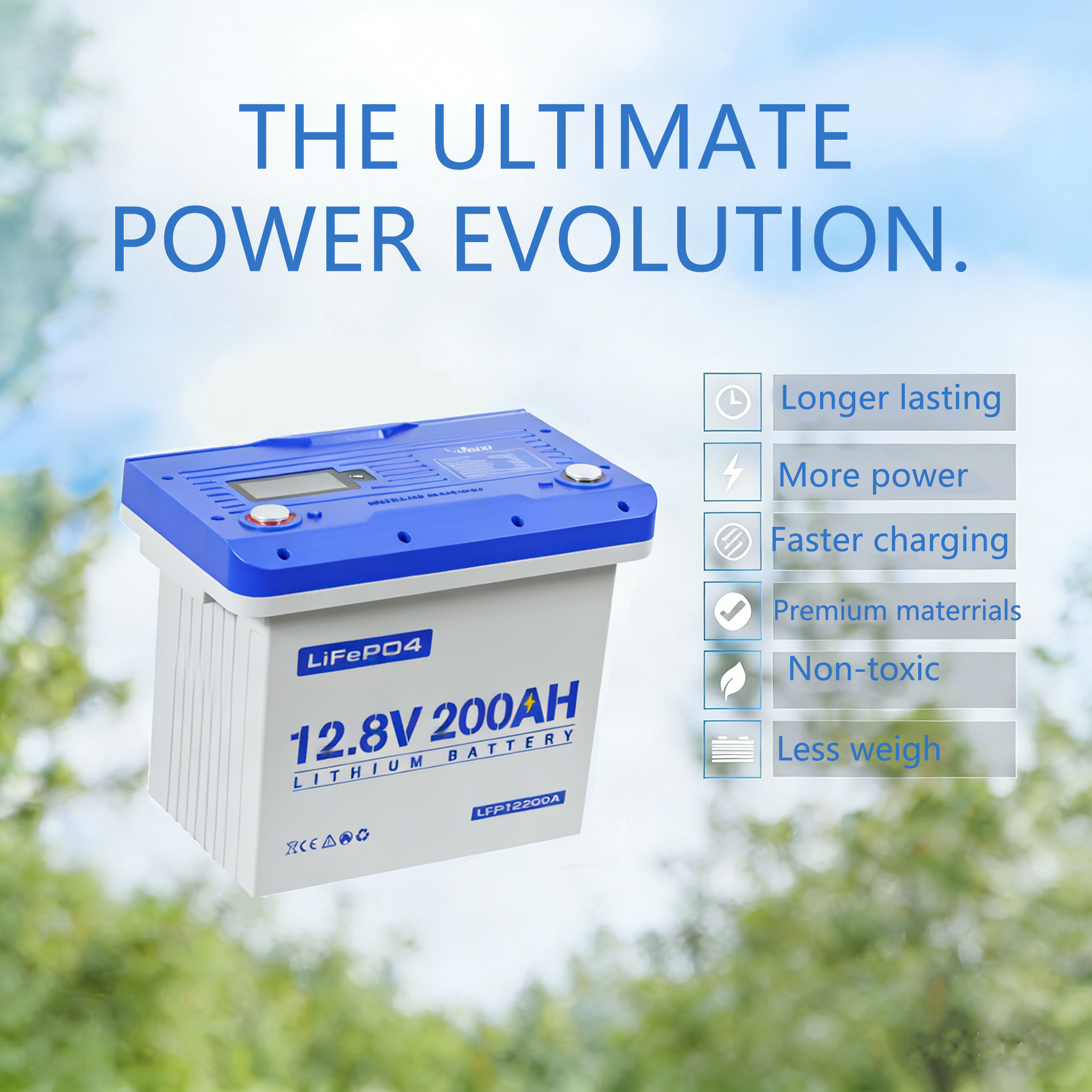
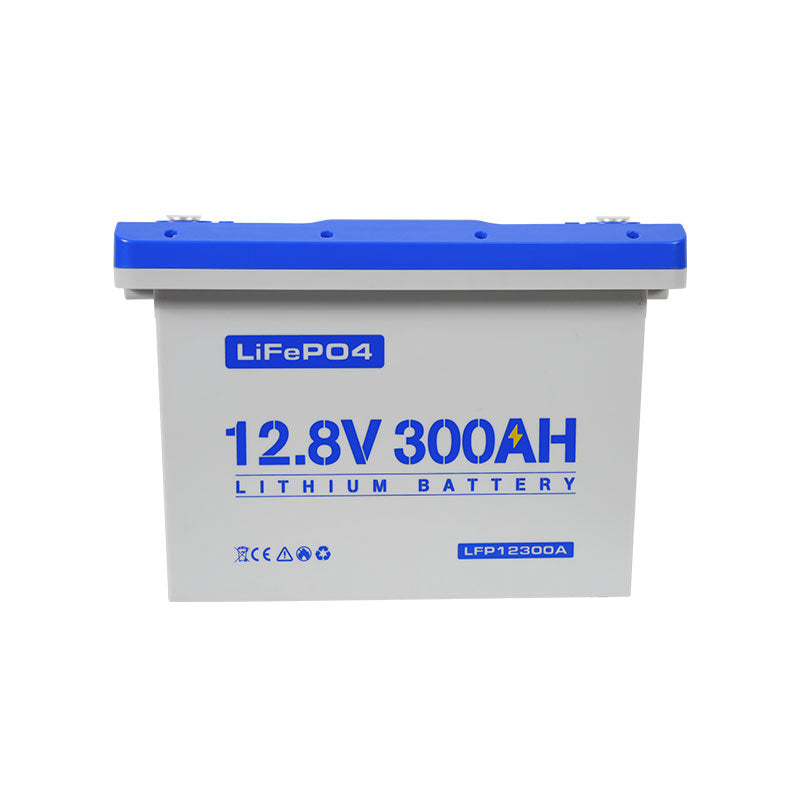
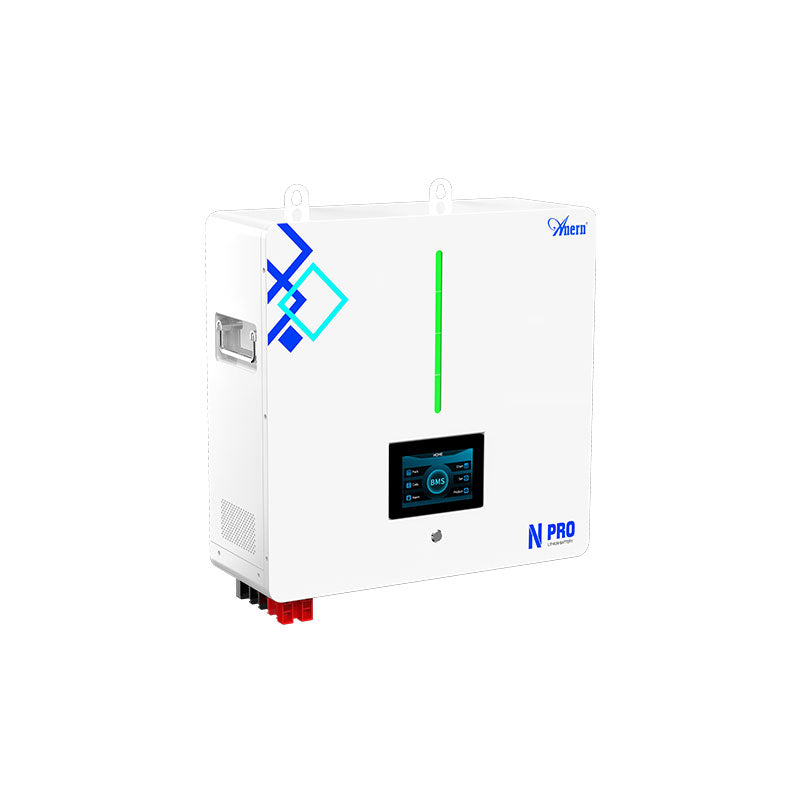
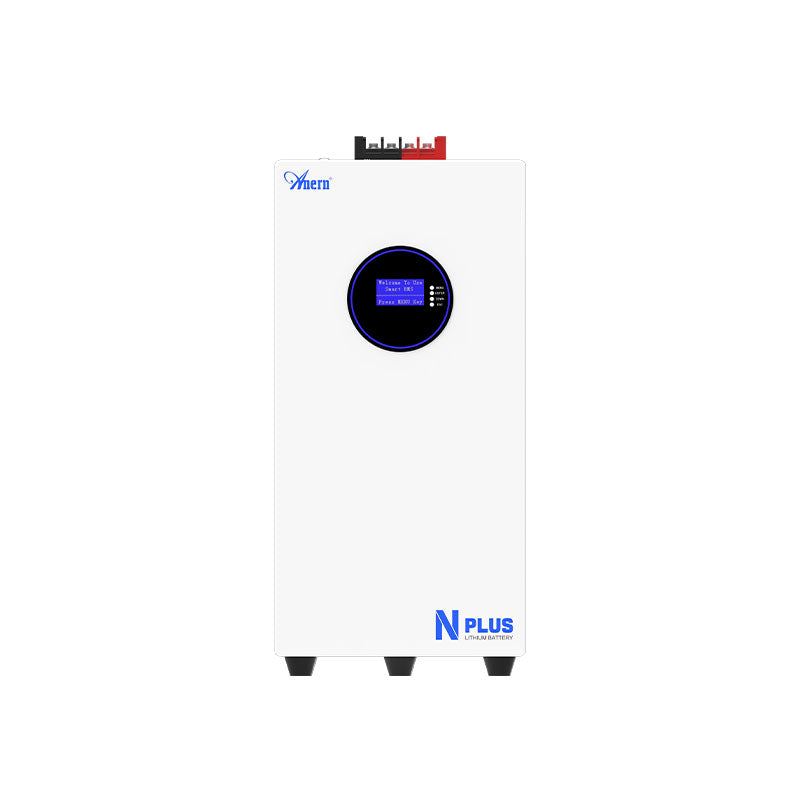
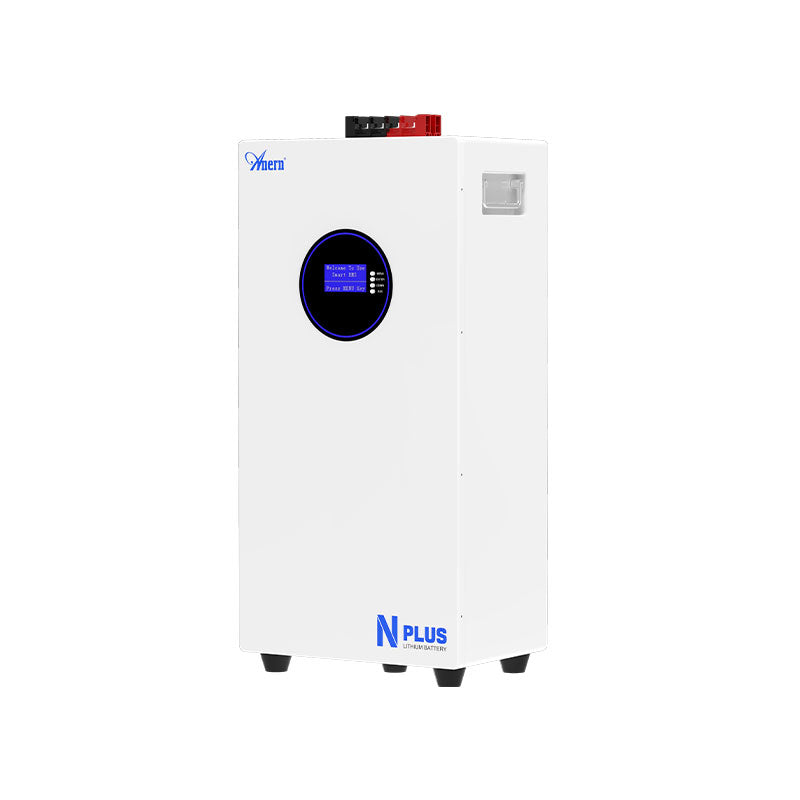
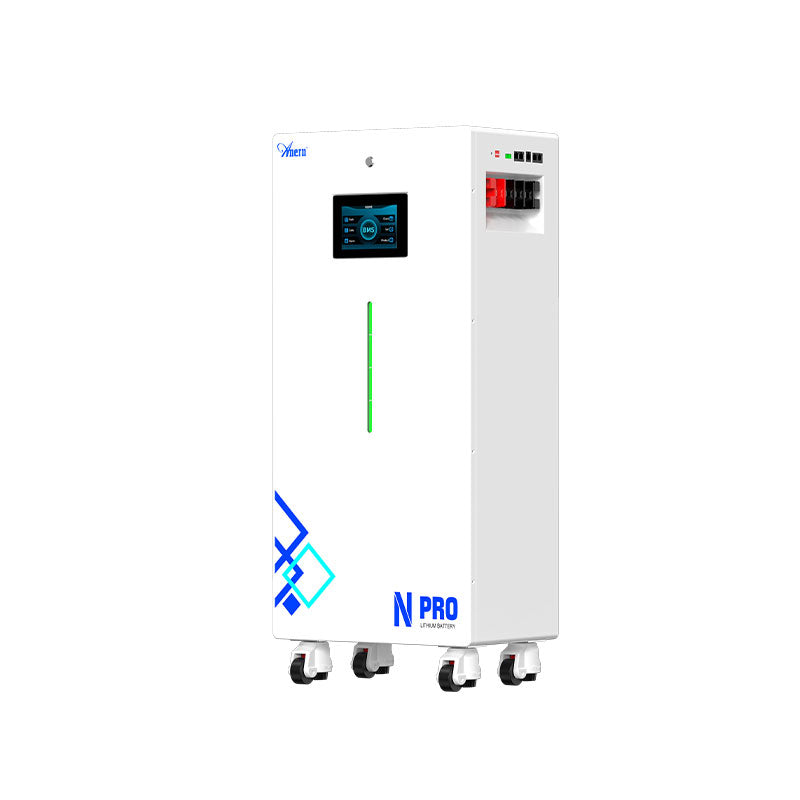
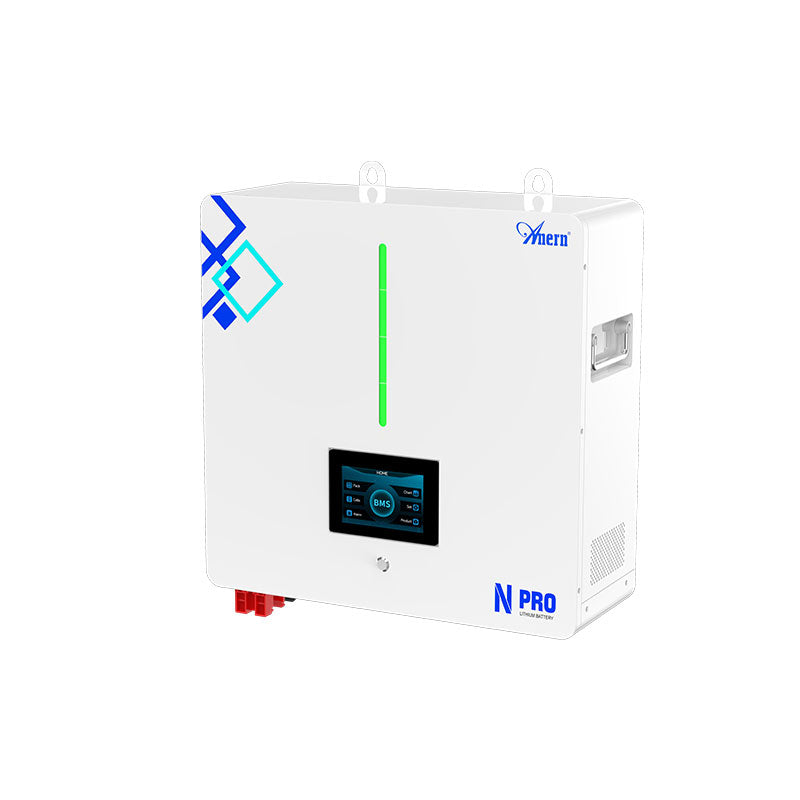
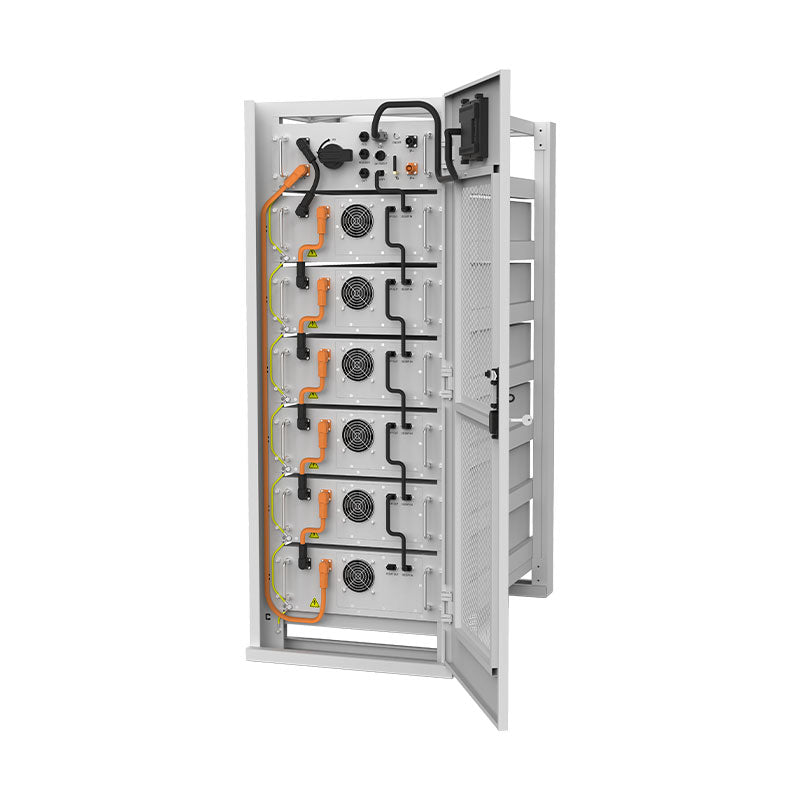
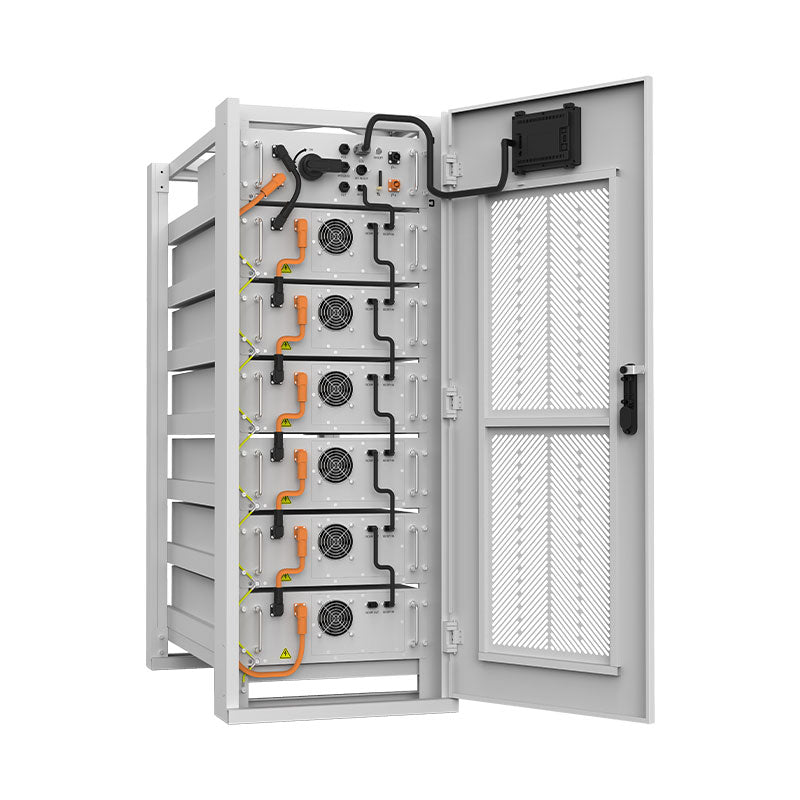
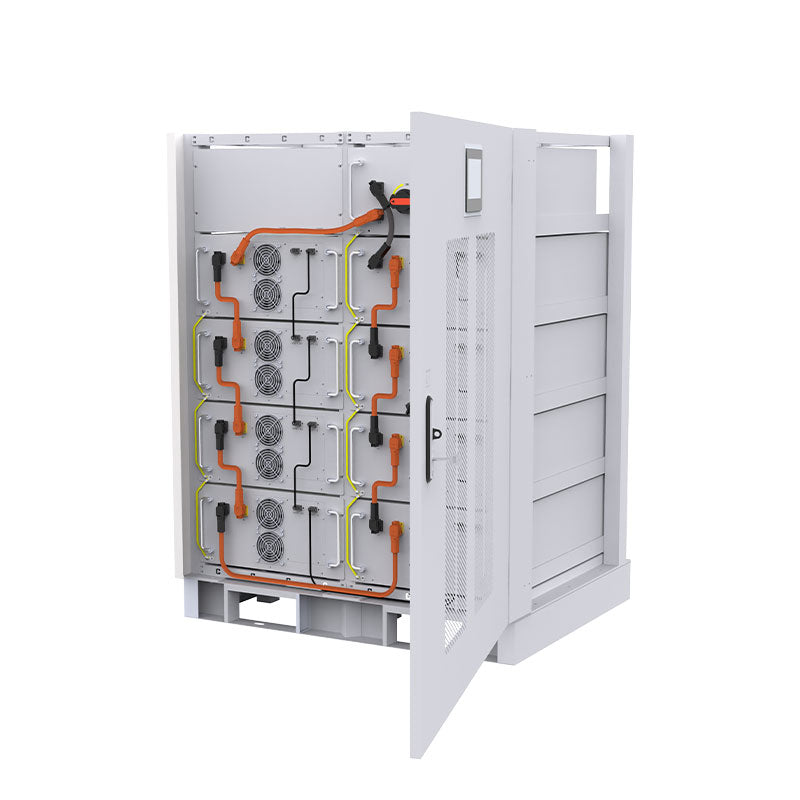
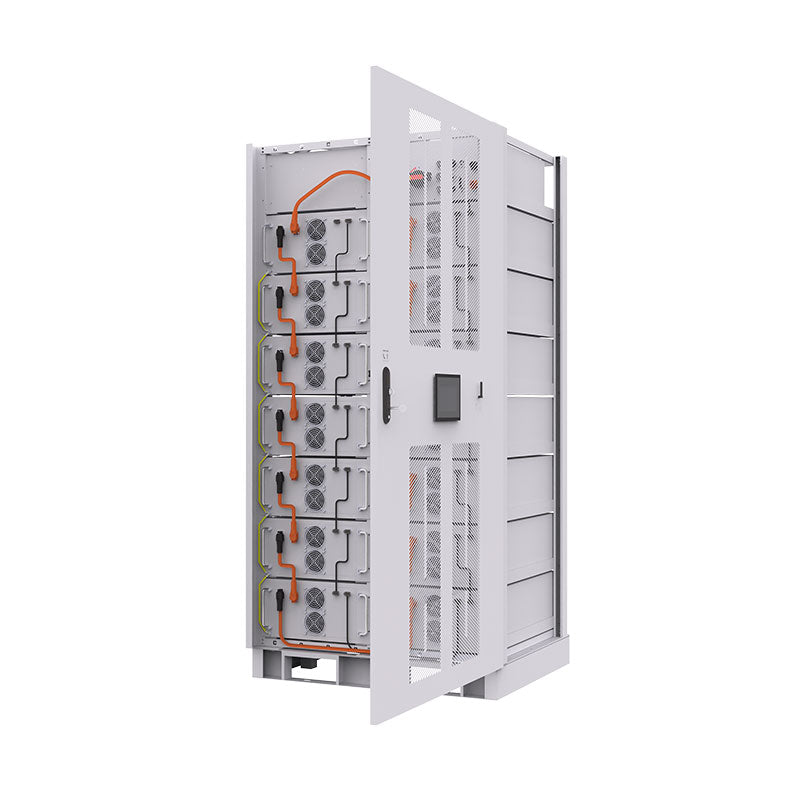
Battery Health
- Terminals: clean, tight, and free of corrosion. Any swelling or odor requires immediate isolation and expert help.
- State of charge (SOC): verify that the system routinely reaches absorb/float. Chronic undercharge is a root cause of capacity fade.
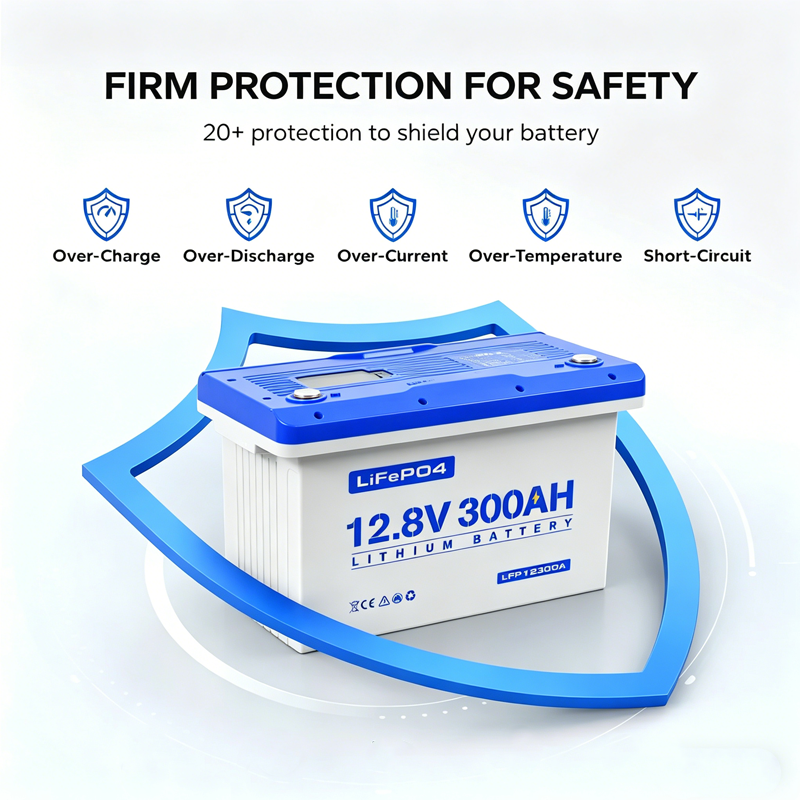
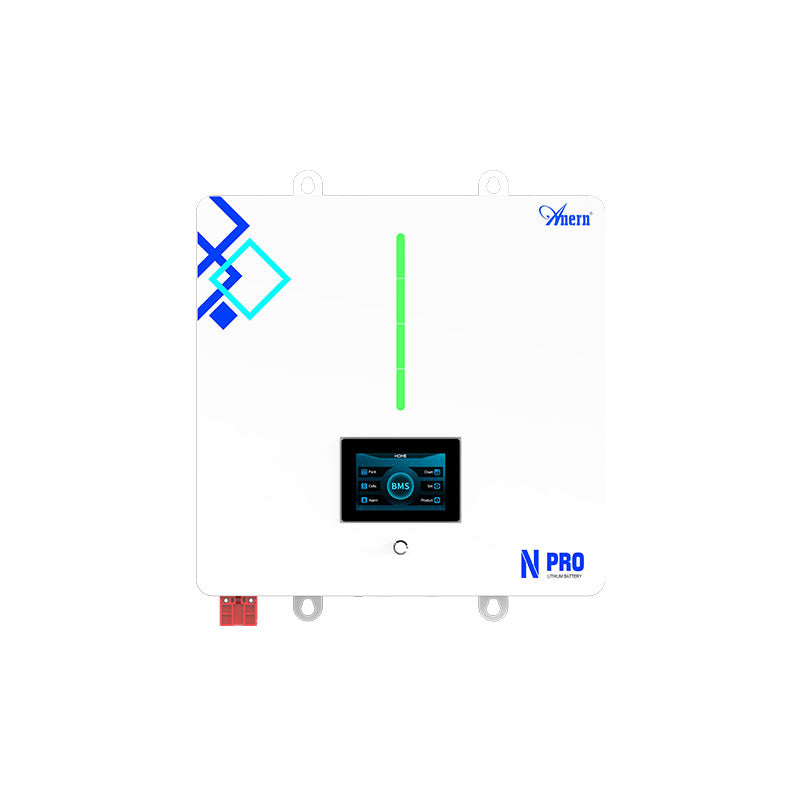
- Battery Management System (BMS): review logs for cell imbalance, temperature excursions, or high internal resistance flags.
For an accessible deep dive into storage fundamentals, see U.S. DOE storage overview.
Analyzing Performance Data
Data turns a visual check into a diagnosis. I compare production and load patterns quarter to quarter and adjust for season.
Production and Performance Ratio (PR)
- Track daily and quarterly kWh. Normalize by peak sun hours to derive a simple PR trend.
- Investigate a PR drop >5–8% that weather cannot explain—usually soiling, new shade, or an ailing string.
Soiling Ratio and Cleaning Trigger
If monitoring allows, compare output from a cleaned reference module (or post-rain day) to the array. A loss above your trigger (commonly 3–5%) justifies cleaning.
Battery Throughput and Round-Trip Efficiency
From BMS or inverter logs, note charge/discharge kWh and temperature. A falling round-trip efficiency (beyond expected seasonal variation) can indicate imbalance or resistance growth.
Your Actionable Quarterly Checklist
| Area | Task | Thresholds / What to Log |
|---|---|---|
| Modules | Visual scan | Cracks/delamination; hot-spot cues; soiling >3–5% loss. |
| Racking | Mechanical | All fasteners present; torque per spec; no structural sag. |
| Wiring | Safety | No UV cracking; intact clips; sealed boxes/conduits. |
| Protection | Fuses/breakers | Ratings match string current and conductor ampacity. |
| Electronics | Inverter/Controller | No faults; clear airflow; stable temperature. |
| Batteries | Terminals & BMS | Clean/tight; no swelling; no BMS alerts. |
| Performance | PR & logs | Investigate >5–8% unexplained PR decline. |
Safety and Escalation
De-energize before opening enclosures. If you suspect insulation damage, arcing, or swollen cells, stop and engage a qualified technician. Infrared imaging and IV curve tracing are powerful follow-up tests for ambiguous cases.
Quarterly Discipline, Year-Round Reliability
A 30–60 minute check each quarter is a small trade for stable autonomy. By pairing a disciplined visual routine with basic data trends, you can catch issues early, keep batteries healthy, and maintain the resilience that off-grid life demands.
Frequently Asked Questions
How long does a quarterly check take?
Most residential systems take 30–60 minutes, depending on access and array size.
Do I need special tools?
Basic hand tools and a multimeter for de-energized checks are usually enough. For advanced diagnostics, consider IR thermography or professional IV tracing.
What if I find a fault?
Address simple items (debris removal, fan cleaning, replacing a worn clip). For cracked modules, arcing evidence, or recurring faults, isolate the circuit and call a qualified professional.
Is cleaning part of the quarterly routine?
Assess soiling each quarter; clean when losses exceed your trigger or after dust/pollen events. Cleaning on the right day can recover several percent of output.
