












Extended rainy seasons challenge off-grid power systems like nothing else. While winter brings predictable cold and shorter days, rainy seasons deliver weeks of unpredictable cloud cover, humidity-related equipment stress, and dramatically reduced solar production. Your system's ability to maintain power during these challenging periods depends on three critical components working in harmony: optimized PV tilt systems, properly sized energy storage systems (ESS), and weather-resilient inverter technology.
Achieving rainy-season autonomy requires a fundamentally different approach than standard off-grid design. You need systems engineered for extended low-light periods, moisture resistance, and intelligent energy management that adapts to rapidly changing weather conditions.

Strategic PV Tilt Optimization for Maximum Rain-Season Capture
Solar panel tilt angles become mission-critical during rainy seasons when every photon counts. Unlike summer installations where slight tilt variations barely impact performance, rainy-season systems demand precision optimization to capture maximum available light through cloud cover.
Dynamic Tilt Considerations for Seasonal Variability
Fixed tilt systems optimized for annual production often underperform during rainy months. Research from the IEA's Integrating Solar and Wind report demonstrates that seasonal flexibility needs increase significantly with higher variable renewable energy (VRE) penetration, particularly during periods of reduced solar irradiance.
For rainy-season autonomy, consider these tilt optimization strategies:
- Latitude plus 15-20 degrees: Steeper angles capture more diffuse light during overcast conditions
- Adjustable mounting systems: Allow seasonal tilt adjustments to maximize production during critical low-light months
- Bifacial panel considerations: Ground reflection becomes more valuable with steeper tilts and wet surfaces
- Snow and debris shedding: Steeper angles naturally clear accumulated precipitation
Microclimate Analysis and Panel Placement
Rainy seasons create unique microclimates that affect solar production patterns. Morning fog, afternoon thunderstorms, and varying cloud densities require strategic panel placement beyond simple south-facing orientation.
Advanced installations incorporate multiple array orientations to capture light throughout changing weather conditions. East-facing arrays capture early morning light before fog develops, while west-facing panels maximize late-day production when storms typically clear.
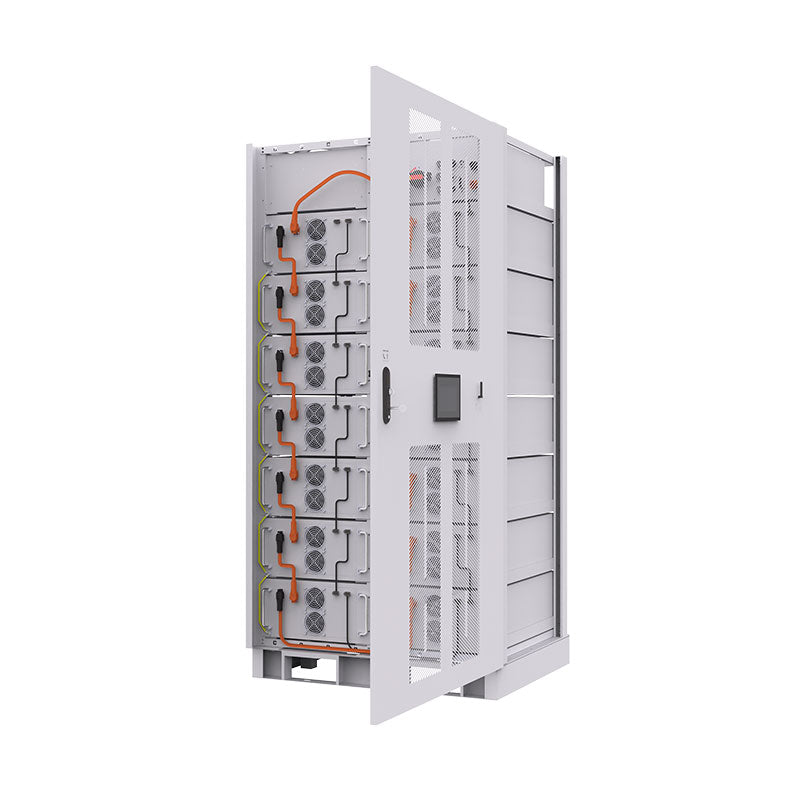
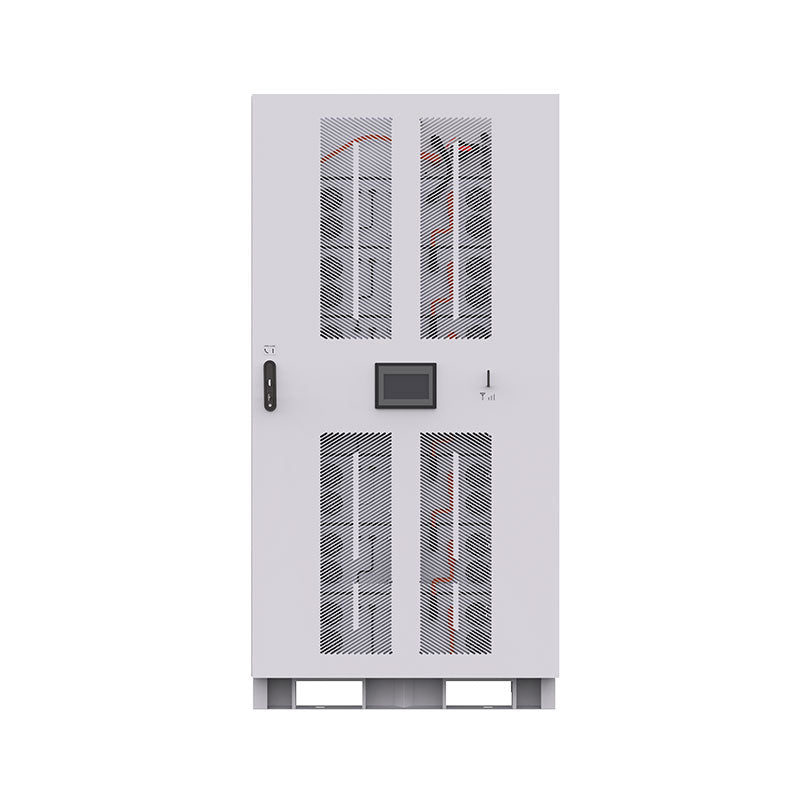
ESS Integration: Sizing for Extended Low-Light Periods
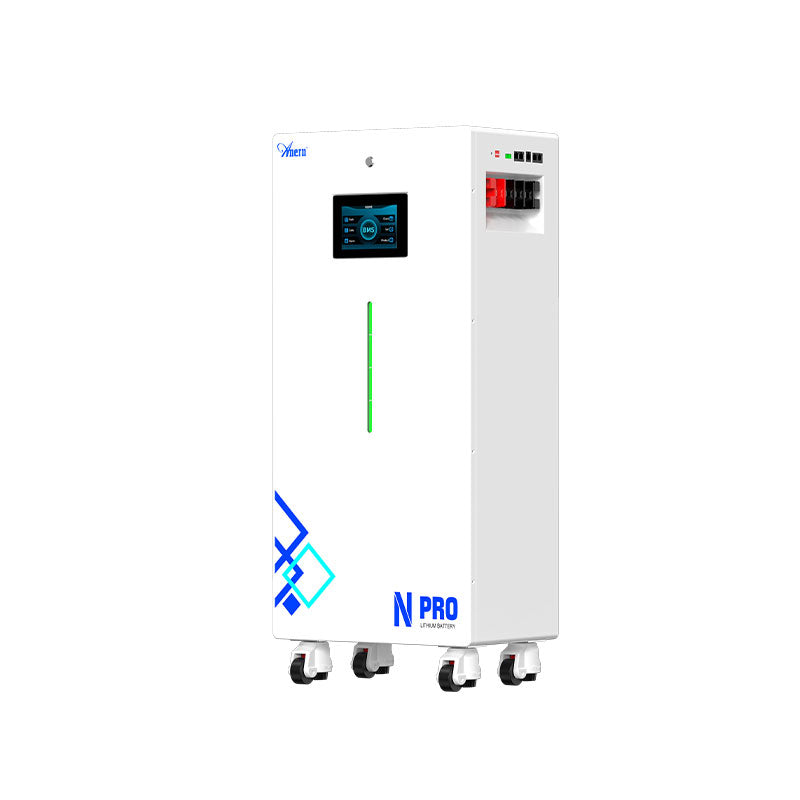
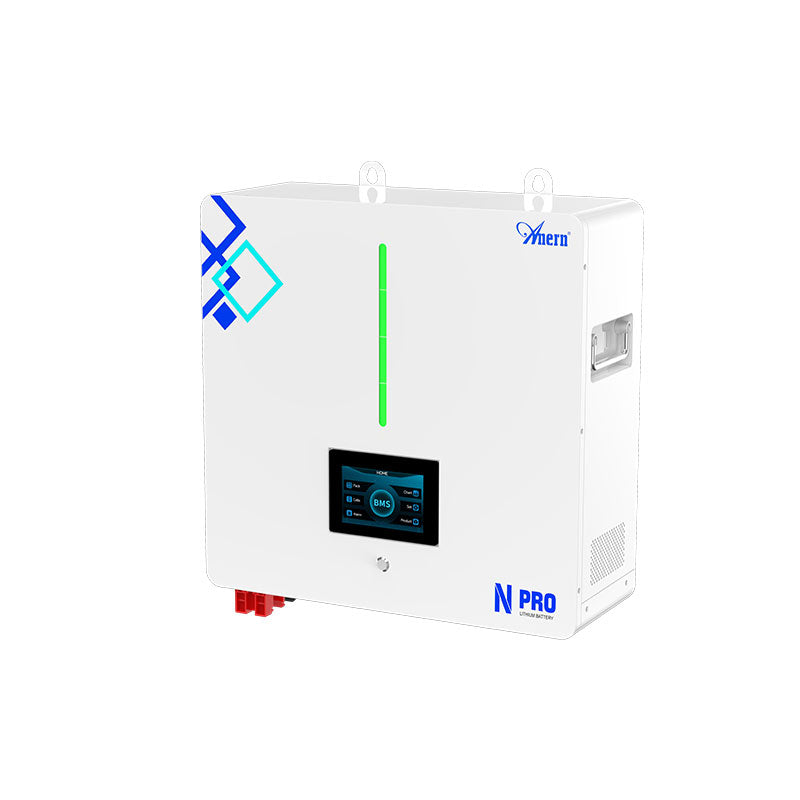
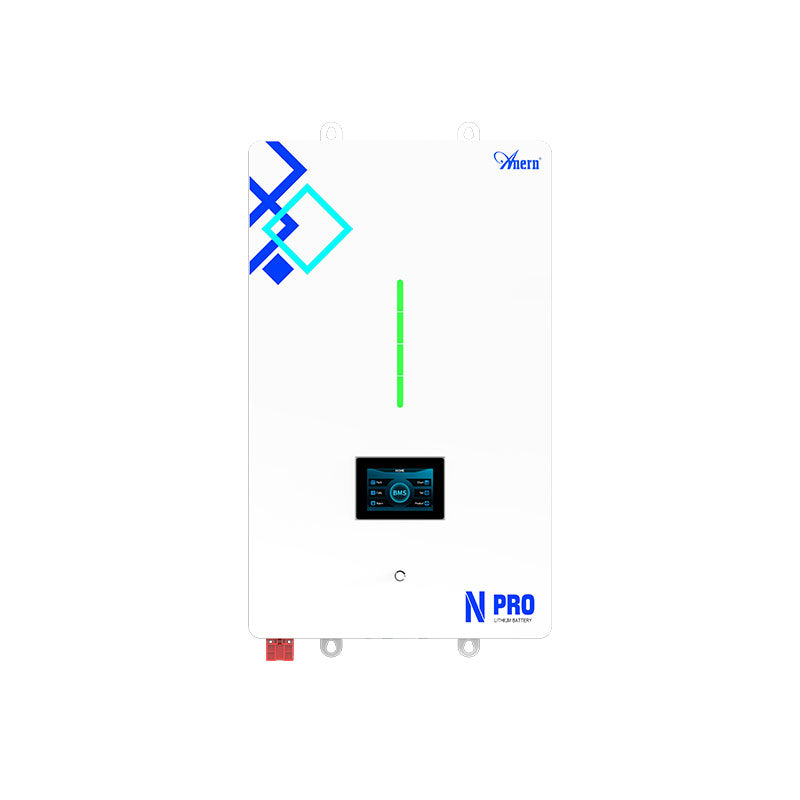
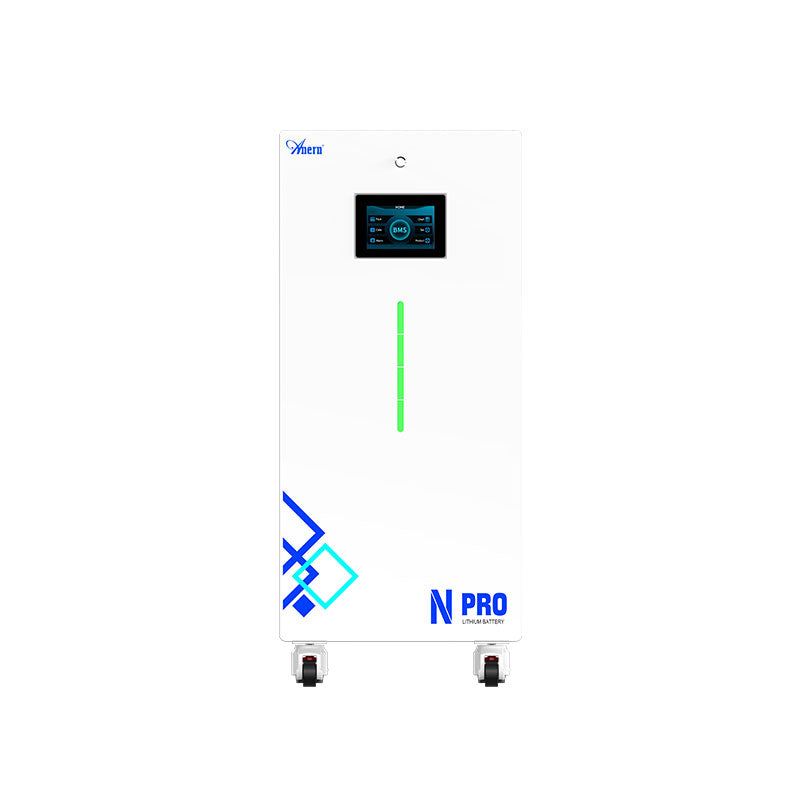
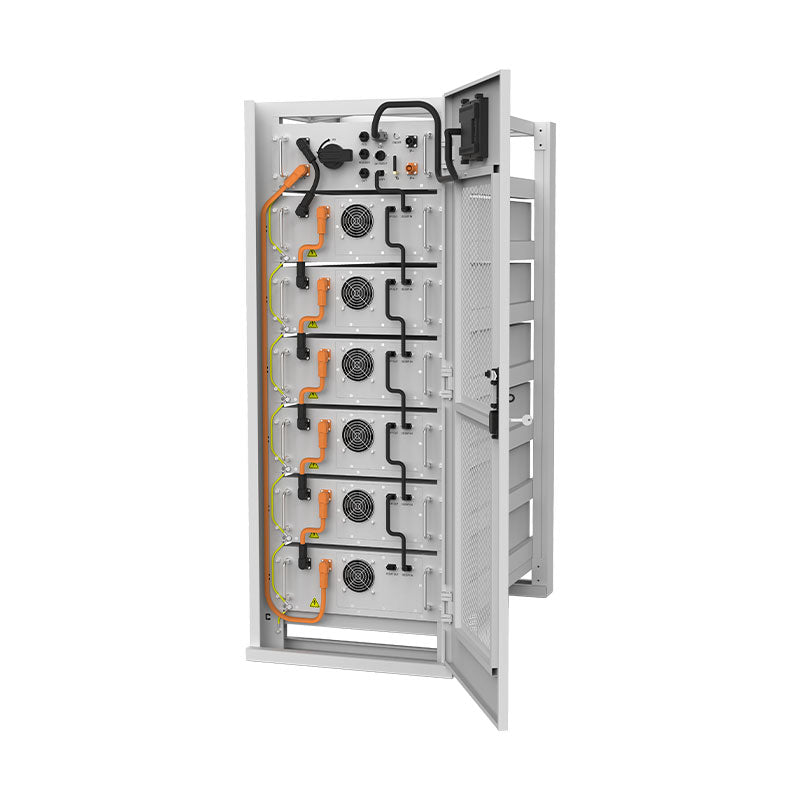
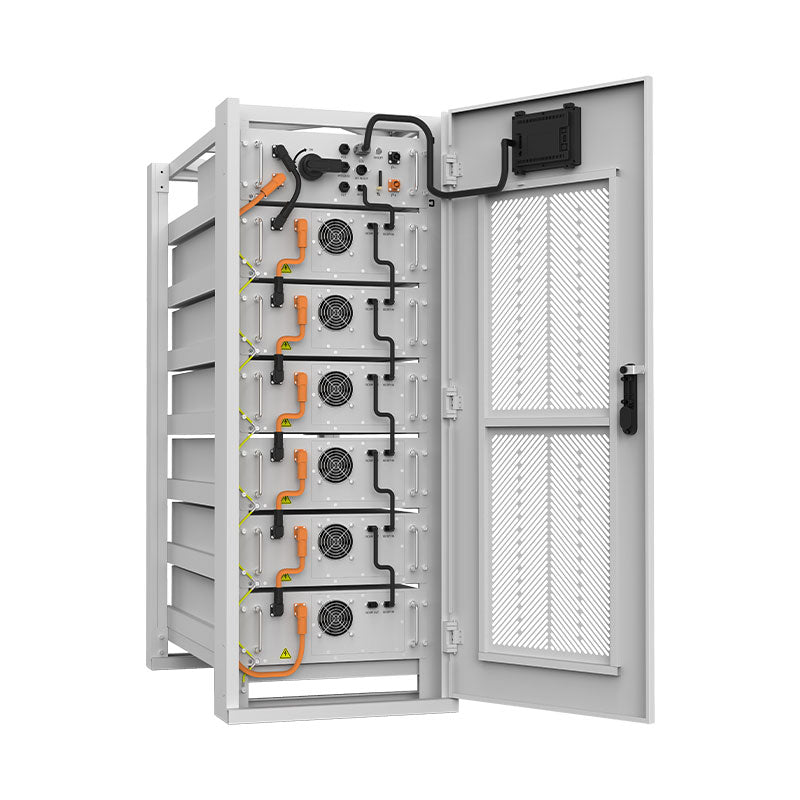
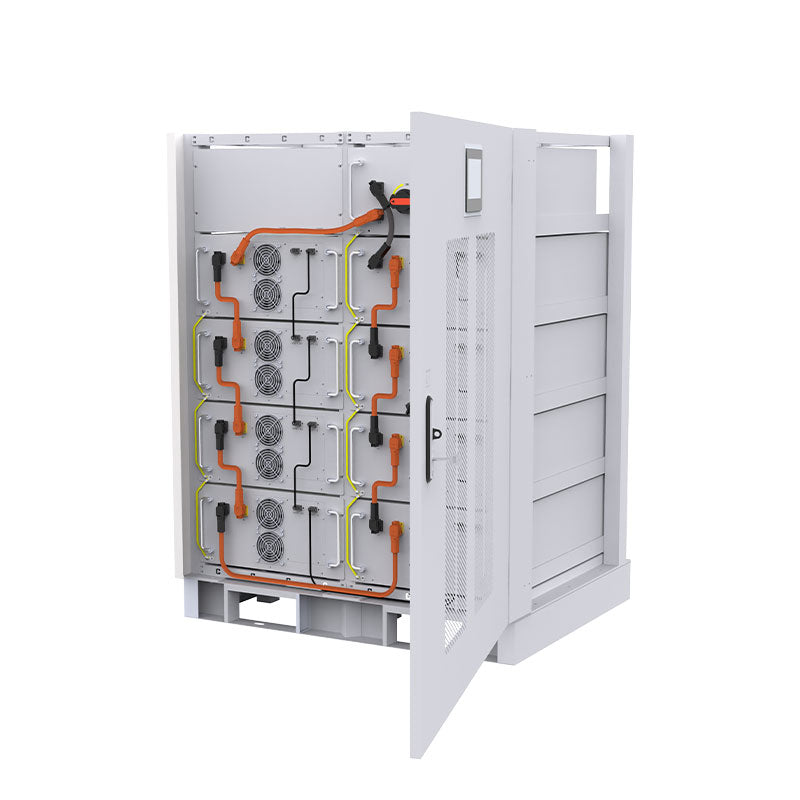
Energy storage system sizing for rainy-season autonomy differs fundamentally from standard off-grid calculations. You're not just storing energy for overnight use – you're bridging potential weeks of severely reduced solar production.
Advanced Capacity Planning Methodologies
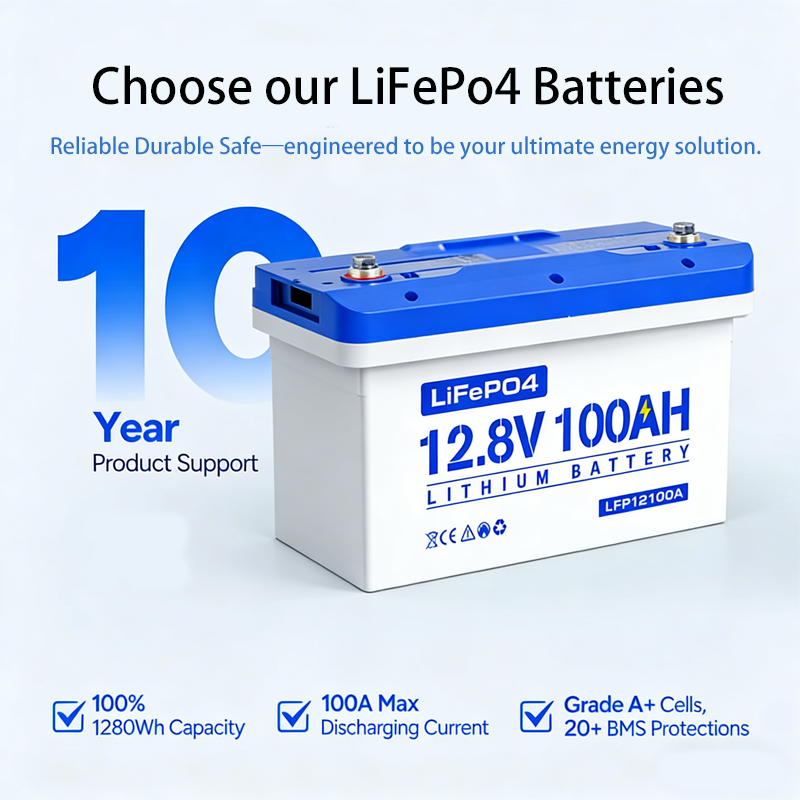
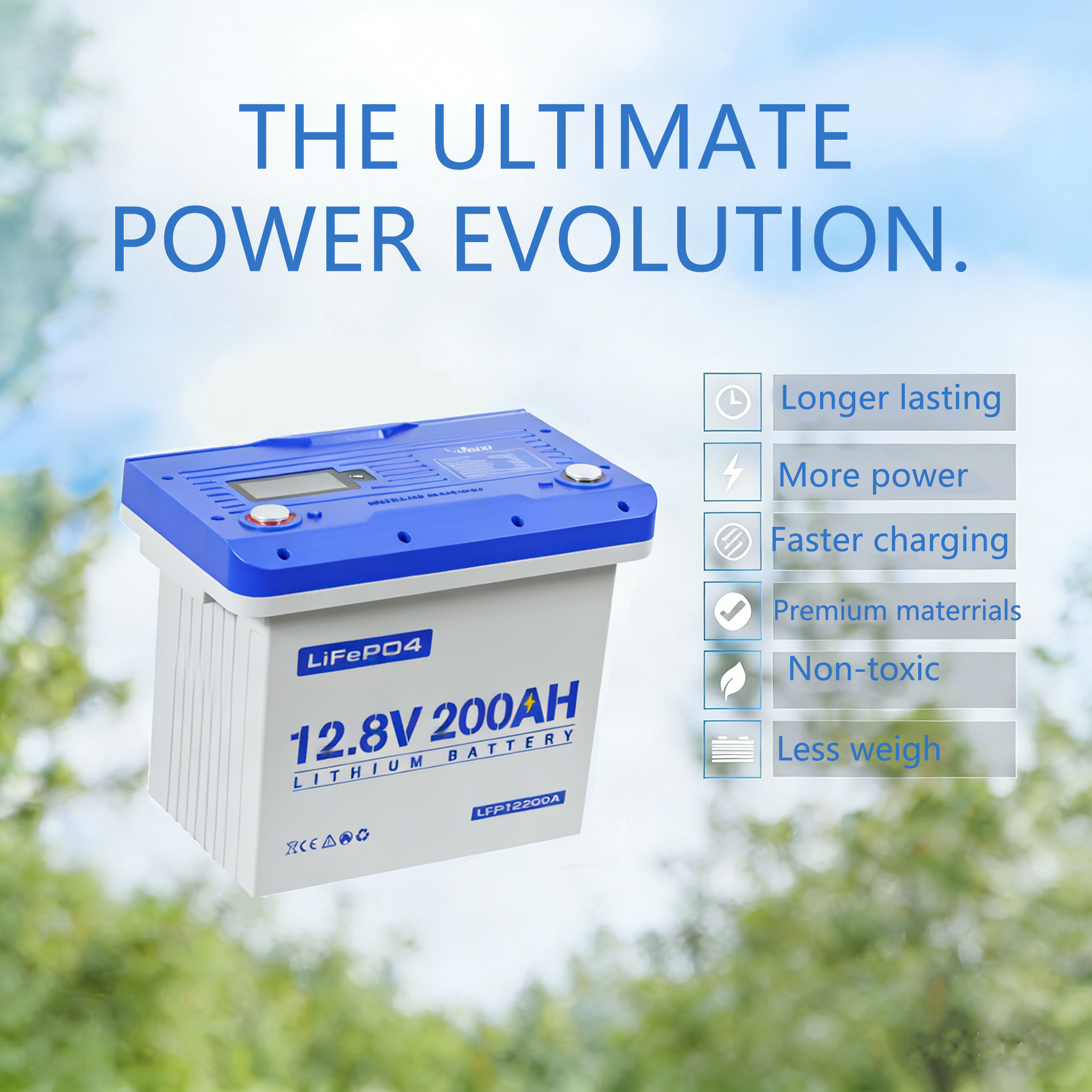
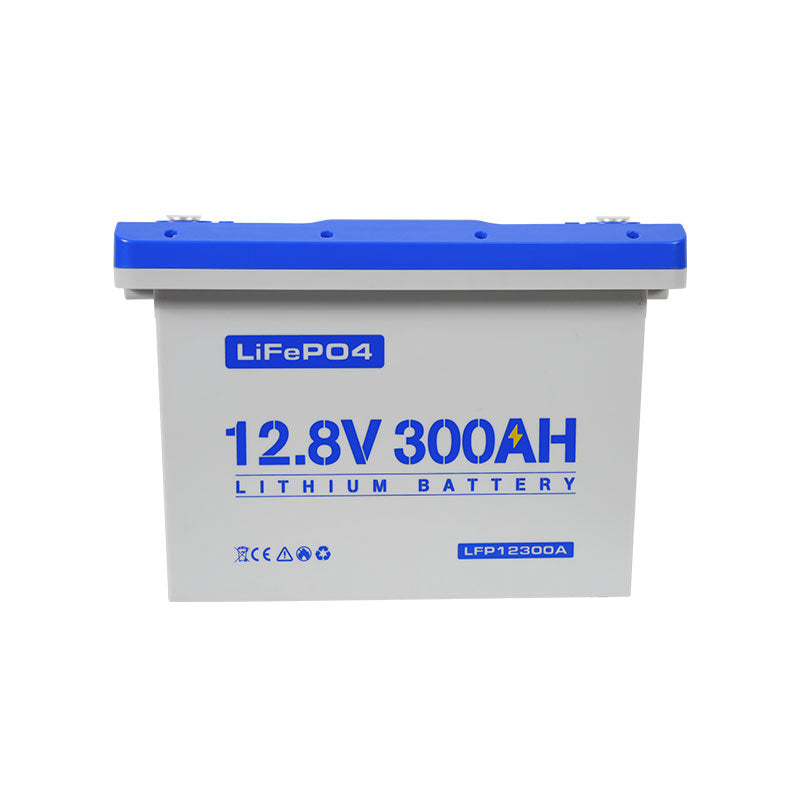
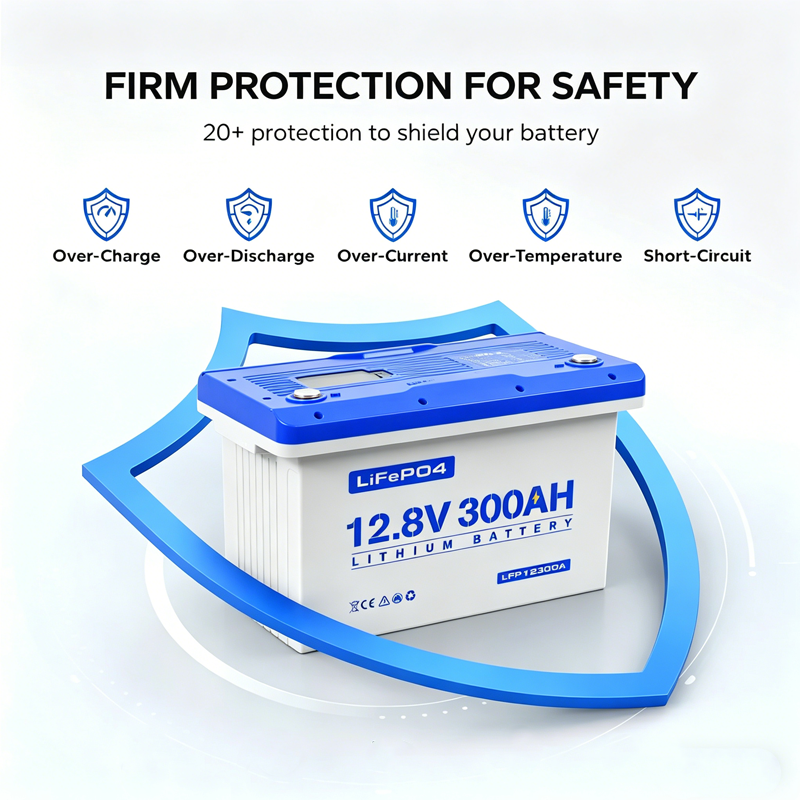
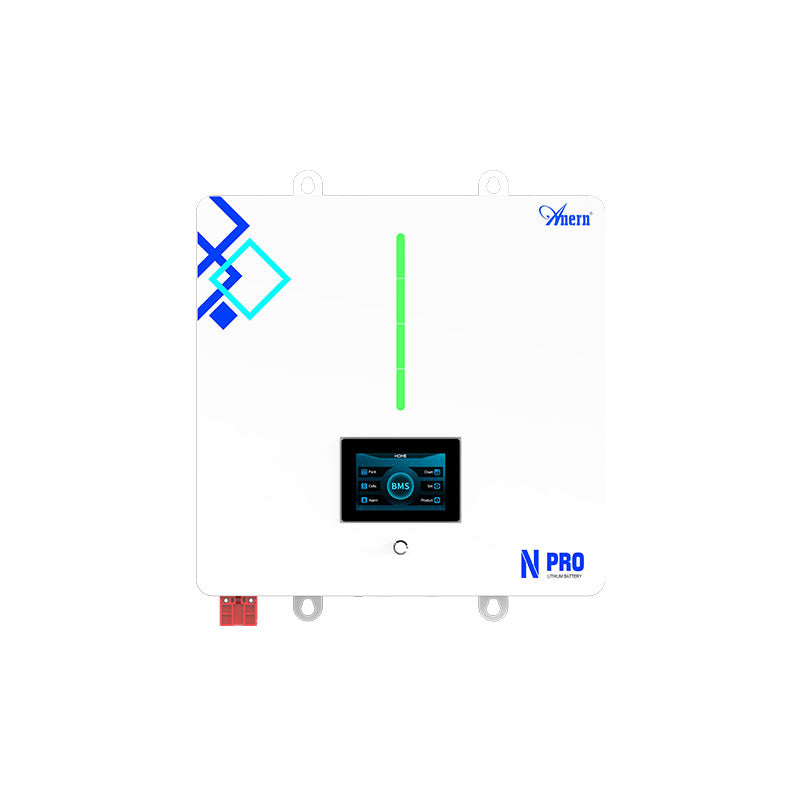
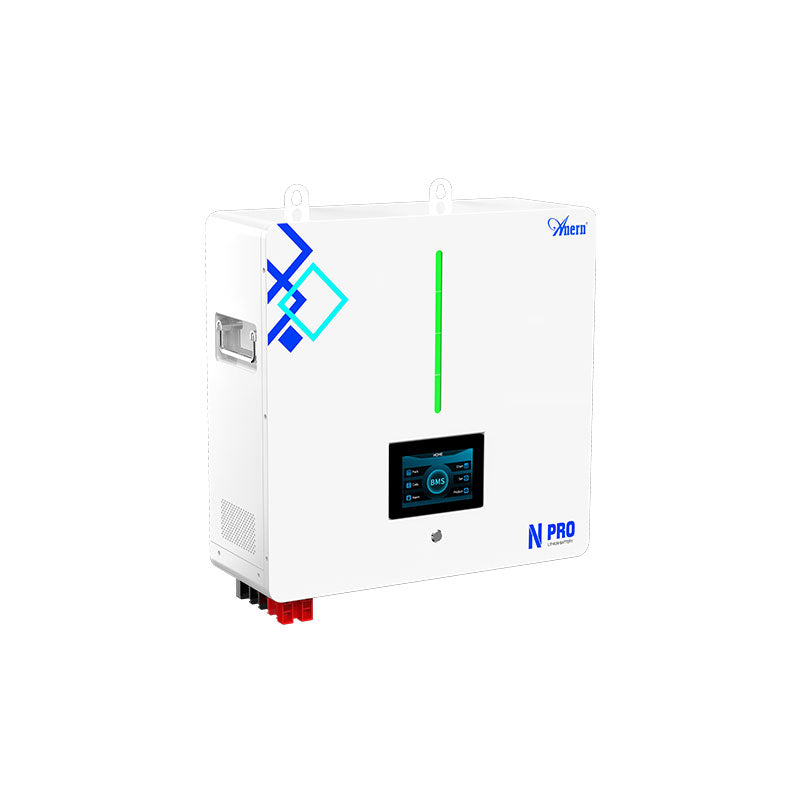
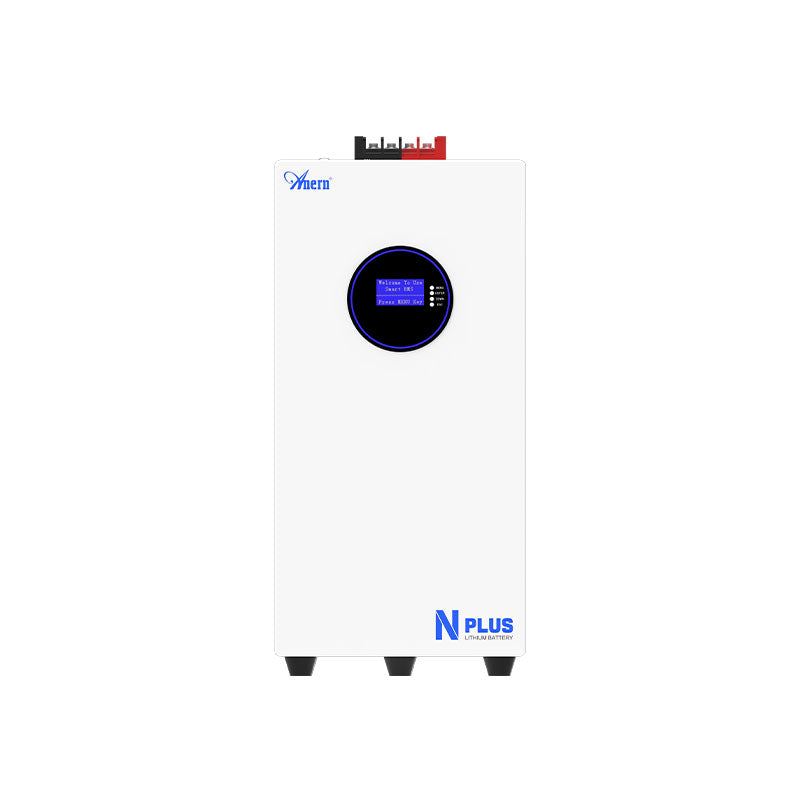
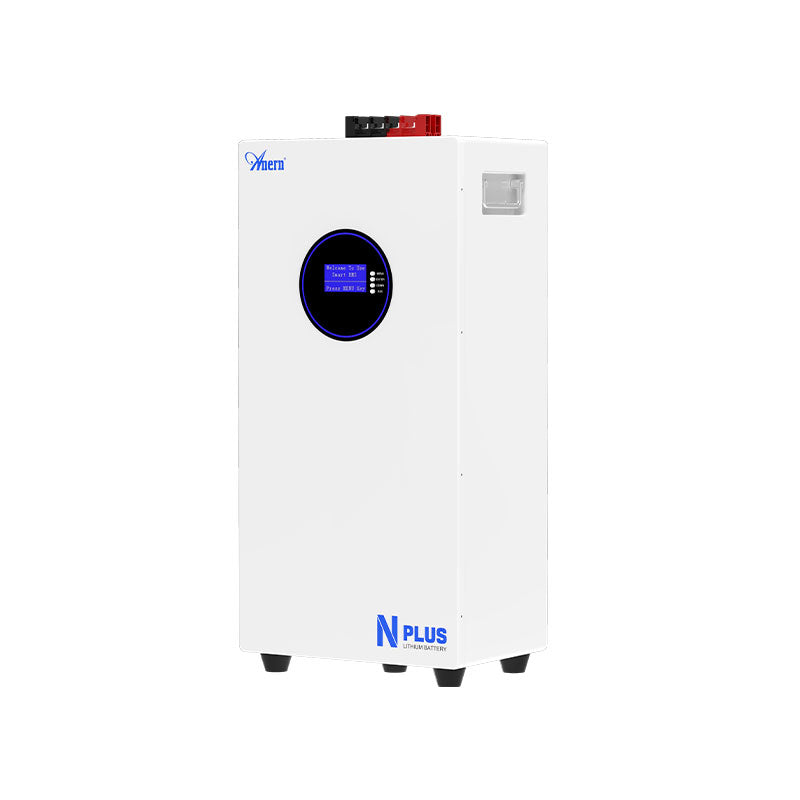
Traditional battery sizing often uses a 3-5 day autonomy period, but rainy seasons can deliver 10-14 consecutive days of minimal solar production. Modern LiFePO4 systems excel in these applications due to their consistent discharge characteristics and temperature tolerance.
| Autonomy Period | Battery Capacity Multiplier | System Confidence Level | Typical Application |
|---|---|---|---|
| 3-5 days | 1.0x | 85-90% | Standard off-grid |
| 7-10 days | 1.8x | 95-98% | Rainy season basic |
| 14+ days | 2.5-3.0x | 99%+ | Critical autonomy |
Smart Energy Management During Low Production
ESS integration for rainy-season autonomy requires intelligent energy management that adapts to changing weather forecasts. Modern systems incorporate weather data to automatically adjust charging strategies and load priorities based on predicted solar availability.
Key management strategies include:
- Predictive charging: Maximize battery capacity before predicted storm systems
- Load prioritization: Automatically reduce non-essential loads during extended cloudy periods
- Temperature compensation: Adjust charging parameters for humidity and temperature variations
- State-of-charge optimization: Maintain higher baseline charge levels during rainy seasons
Inverter Technology for Weather-Resilient Performance
Inverter selection becomes critical during rainy seasons when systems face temperature fluctuations, humidity stress, and potential voltage instabilities from rapidly changing solar input. The IEA's Status of Power System Transformation report emphasizes that inverter-based resources must maintain stability during disturbances, particularly important during weather-related grid fluctuations.
Grid-Forming Capabilities for Autonomous Operation
Modern grid-forming inverters provide superior performance during rainy seasons by maintaining stable voltage and frequency regardless of solar input variations. Unlike grid-following inverters that require external reference signals, grid-forming units create their own stable electrical environment.
Essential inverter features for rainy-season autonomy:
- Wide input voltage range: Accommodates varying solar production without shutdowns
- Temperature derating management: Maintains output during humidity-related temperature swings
- Advanced MPPT algorithms: Optimizes power extraction from low-light conditions
- Surge protection: Guards against lightning and electrical storms
Hybrid Integration and Backup Generation
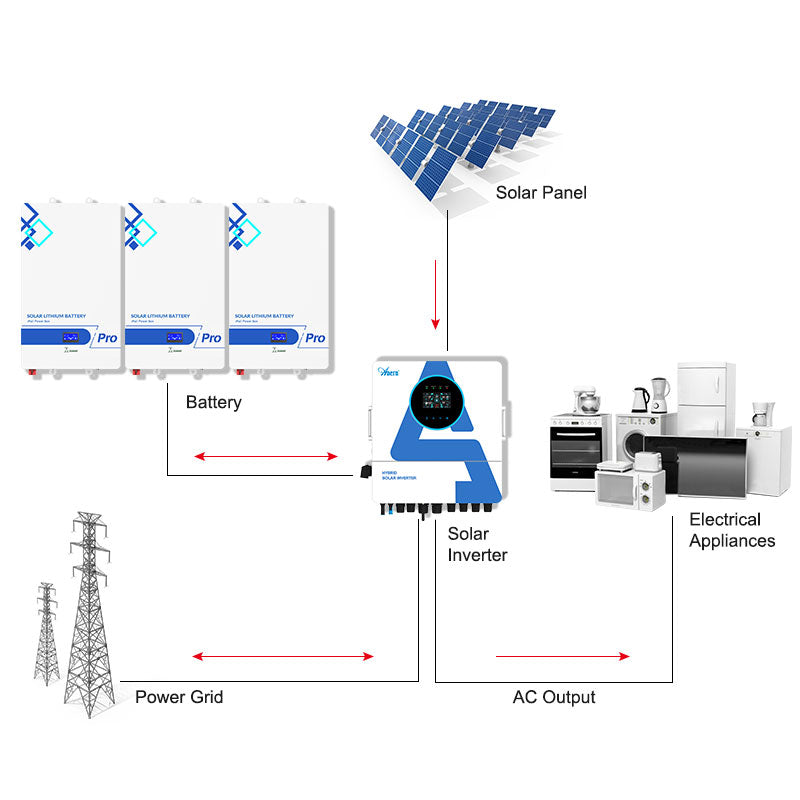
Rainy-season systems often require backup generation integration to bridge extended low-production periods. Modern hybrid inverters seamlessly manage solar, battery, and generator inputs to maintain continuous power availability.
Effective hybrid systems automatically start backup generators when battery levels reach predetermined thresholds during extended cloudy periods, then return to solar-battery operation when conditions improve.
System Architecture for Seasonal Resilience
Building true rainy-season autonomy requires integrated system architecture that addresses the unique challenges of extended low-light periods, moisture exposure, and variable weather patterns.
Redundancy and Modularity Design
Resilient systems incorporate redundancy at multiple levels. Multiple smaller inverters provide better reliability than single large units, while modular battery banks allow for maintenance without complete system shutdown.
Component redundancy strategies include:
- Multiple charge controllers: Prevent single-point failures in solar charging
- Parallel inverter configurations: Maintain partial power during equipment maintenance
- Distributed battery architecture: Isolate failed cells without system shutdown
- Independent monitoring systems: Ensure continuous system oversight
Environmental Protection and Maintenance Access
Rainy seasons demand enhanced environmental protection for all system components. Proper enclosure design, ventilation, and drainage prevent moisture-related failures that could compromise autonomy when you need it most.
Critical protection measures include IP65-rated enclosures for electronics, proper cable sealing, and accessible maintenance points that allow service during wet conditions.
Performance Monitoring and Predictive Management
Successful rainy-season autonomy relies on sophisticated monitoring systems that track performance trends and predict maintenance needs before failures occur. The IEA's Power of Transformation analysis highlights the importance of consistent, forward-looking approaches to renewable energy system management, particularly relevant during challenging weather periods.
Weather-Integrated System Control
Advanced systems integrate local weather forecasting to optimize energy management decisions. When extended rain is predicted, systems automatically adjust charging strategies, reduce non-essential loads, and prepare backup generation systems.
Real-time monitoring enables proactive management:
- Production forecasting: Predict solar availability based on weather data
- Consumption optimization: Automatically adjust loads based on available energy
- Maintenance scheduling: Plan service activities during optimal weather windows
- Performance trending: Identify degradation before it affects autonomy
Economic Considerations and Return on Investment
Investing in rainy-season autonomy requires careful economic analysis balancing increased upfront costs against the value of reliable power during challenging weather periods. The enhanced system reliability often justifies higher initial investment through reduced generator fuel costs and improved productivity during extended rainy periods.
Key economic factors include:
- Avoided fuel costs: Reduced generator runtime during rainy seasons
- Productivity maintenance: Continuous power availability supports business operations
- Equipment longevity: Proper sizing reduces stress on all system components
- Insurance considerations: Reliable backup power may reduce insurance premiums
Achieving reliable rainy-season autonomy demands careful integration of optimized PV tilt systems, properly sized energy storage, and weather-resilient inverter technology. Success requires moving beyond standard off-grid design approaches to create systems specifically engineered for extended low-light periods and challenging weather conditions. With proper planning and component selection, your off-grid system can maintain reliable power availability regardless of seasonal weather patterns, providing true energy independence throughout the year.
