






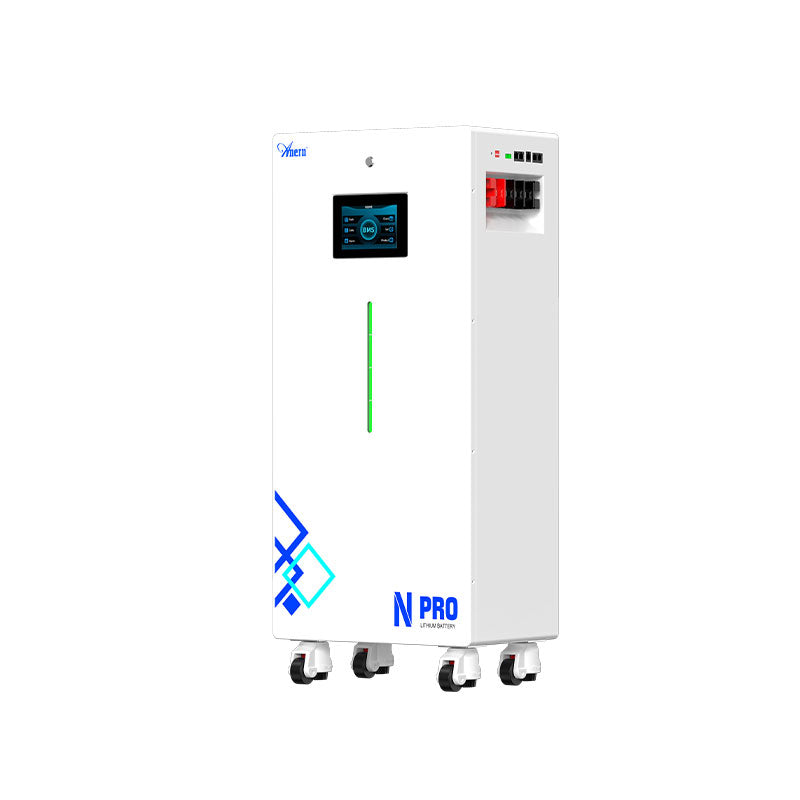

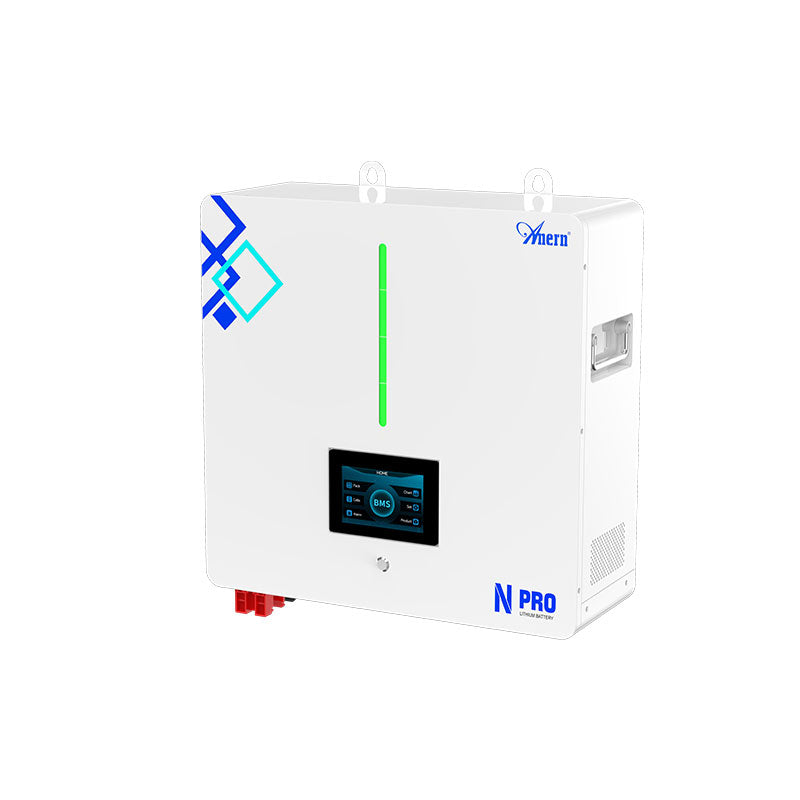

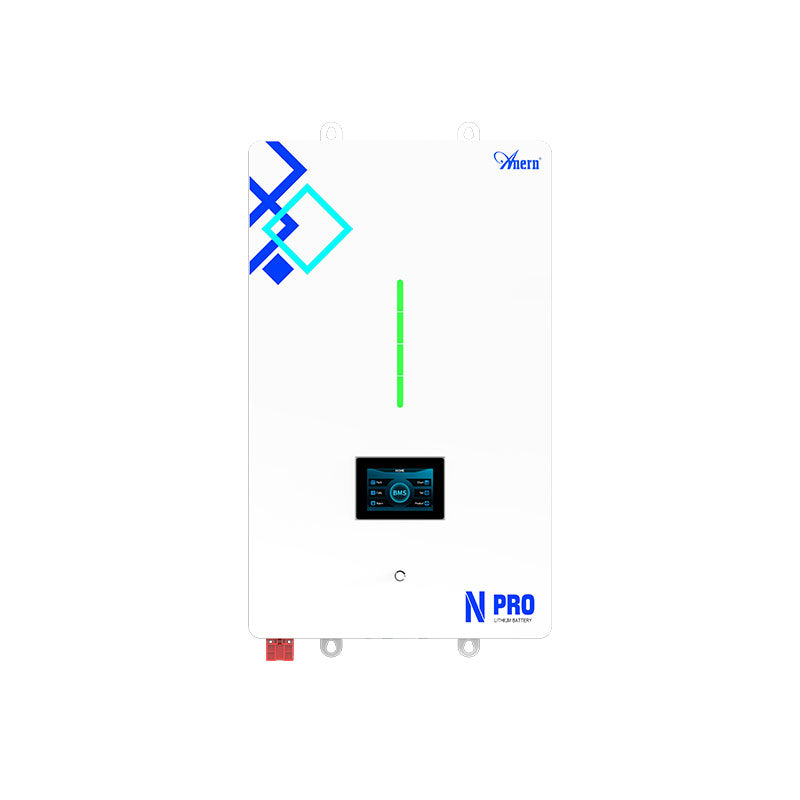




Embracing solar power for recreational vehicles (RVs) and campervans transforms travel, offering freedom from traditional power sources. This shift towards energy independence is not just a passing fad; it reflects a growing desire for sustainable and flexible adventures. You gain the ability to power your appliances, lights, and devices wherever your journey takes you, without relying on noisy generators or campground hookups. Understanding the current trends in RV solar adoption and the critical aspects of battery lifespan will help you make informed decisions for your mobile energy setup.
The Rise of RV Solar Power: A Data Perspective
The appeal of off-grid living and reduced environmental impact drives many RV owners towards solar solutions. This section explores the motivations behind this growing trend and highlights its expansion.
Why RV Owners Choose Solar
RV owners increasingly seek self-sufficiency, allowing them to venture into remote locations without power concerns. Solar power offers a quiet, clean, and renewable energy source, enhancing the overall travel experience. It eliminates the need for constant generator use, reducing noise pollution and fuel consumption. Furthermore, the ability to reduce electricity bills and contribute to a greener lifestyle are significant motivators.
Growth in RV Solar Adoption
The adoption of rooftop photovoltaic (PV) systems on vehicles, including RVs, is gaining traction. This trend is part of a broader movement towards distributed energy resources. According to the U.S. Department of Energy (DOE), rooftop PV adoption can significantly increase customer bill savings when combined with battery adoption. This synergy also boosts the value proposition of electric vehicle adoption by reducing charging costs, and in turn, EV adoption can drive rooftop PV adoption by increasing household demand for on-site power.
The maturity of solar PV and Li-ion battery technologies, as noted by the International Energy Agency (IEA), has reached a point where widespread adoption is increasingly feasible. Companies that became market leaders in producing solar PV panels and Li-ion batteries, for example, have demonstrated the benefits of early adoption and expertise in developing supply chains.

Maximizing RV Energy Storage: Battery Lifespan Insights
The battery bank is the heart of any RV solar system, storing the energy generated by your panels. Understanding battery types and how to extend their life is crucial for reliable power.
Understanding RV Battery Types and Their Durability
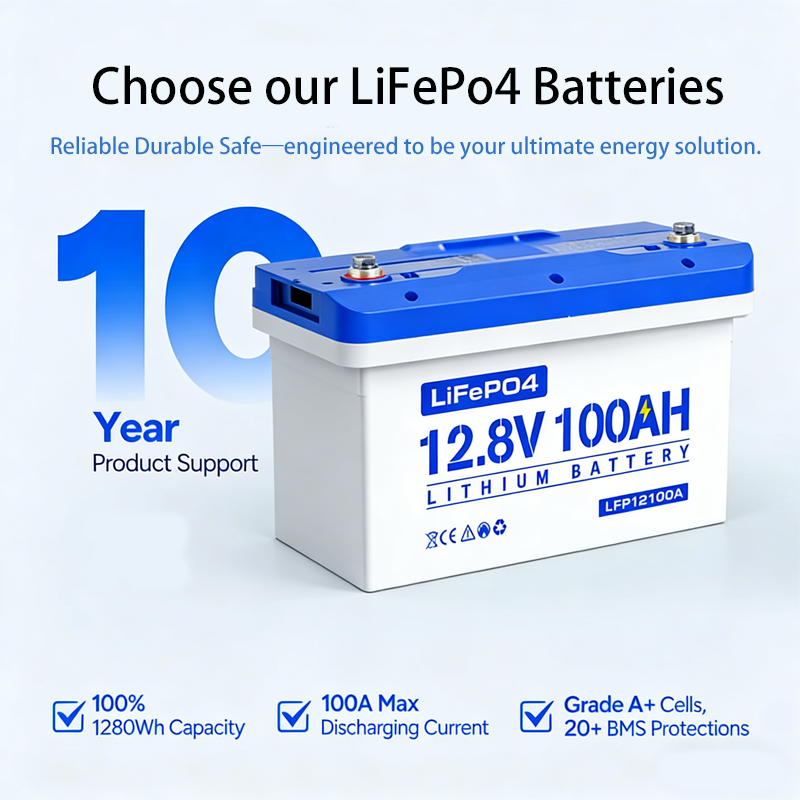
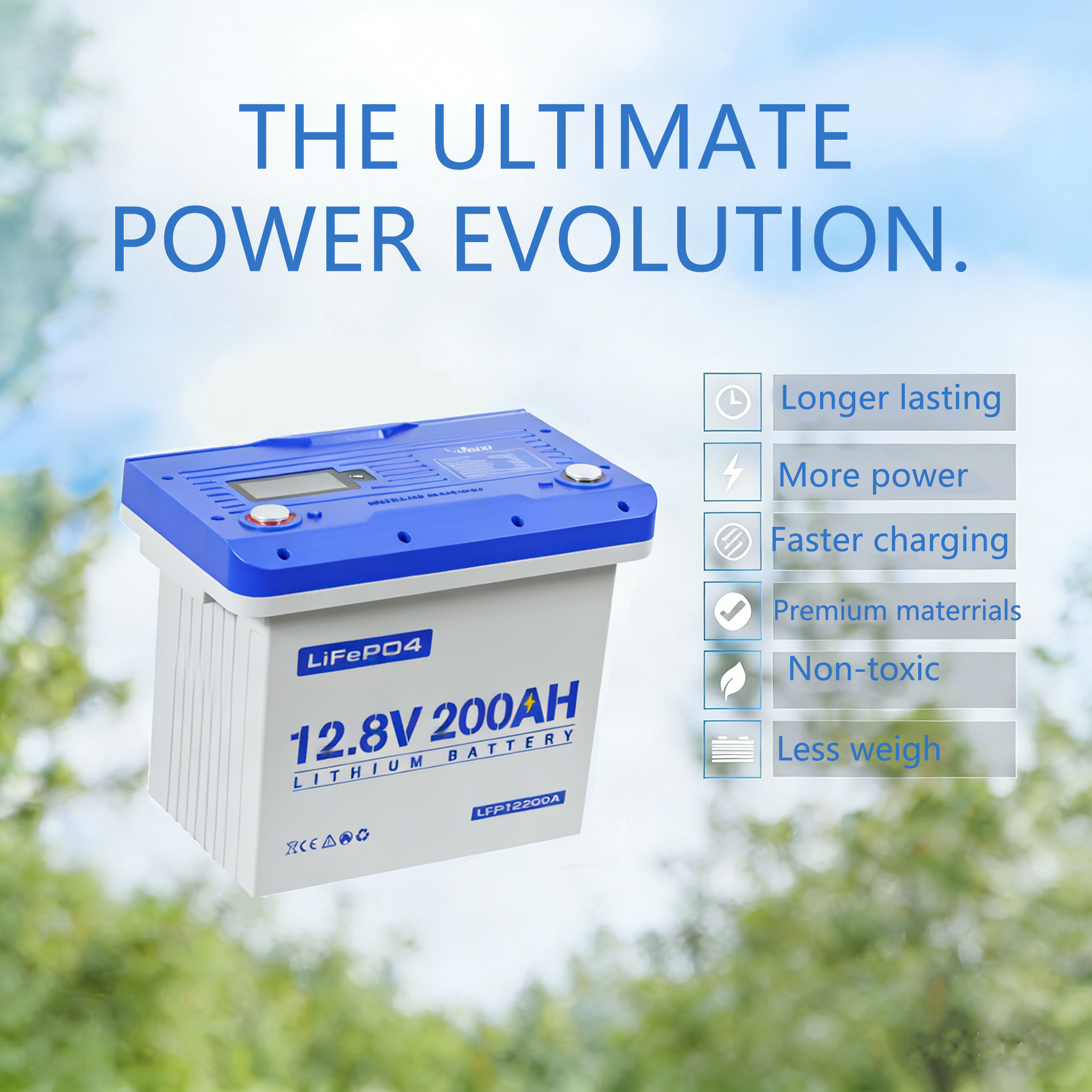
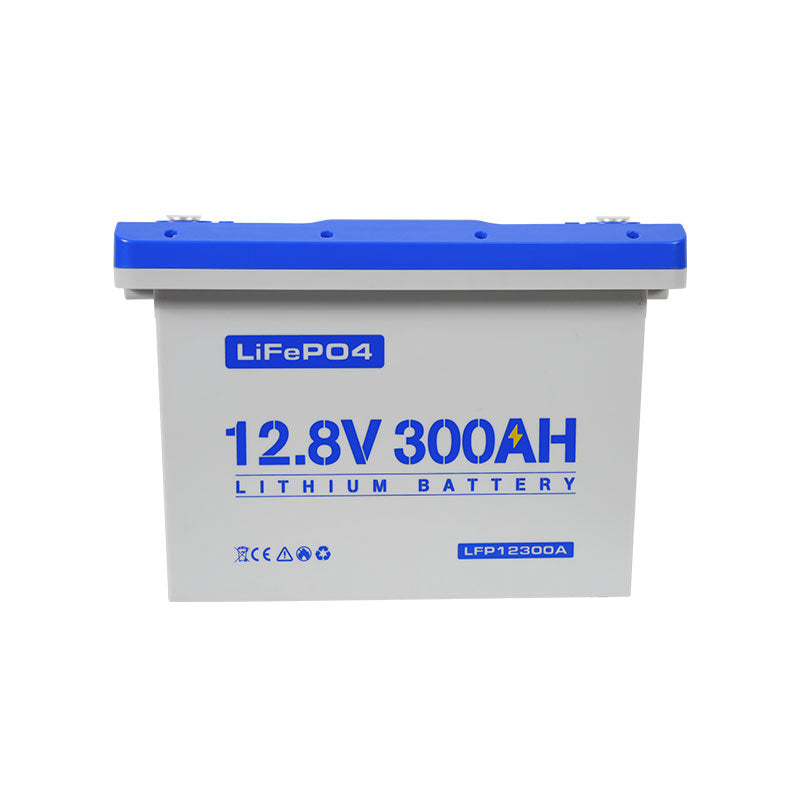
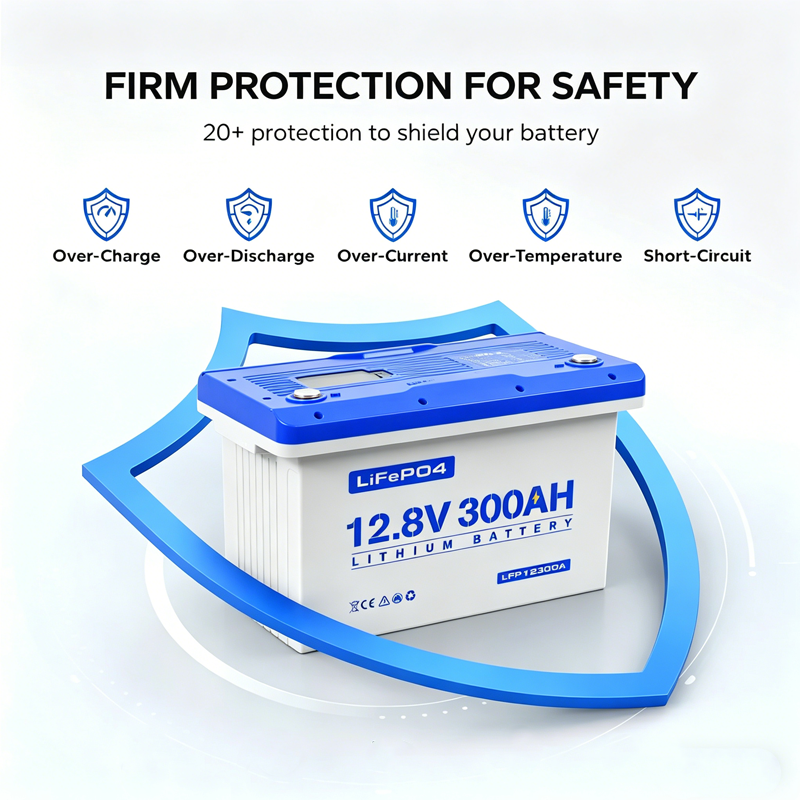
Various battery technologies power RVs, each with distinct characteristics. Lead-acid batteries (flooded, AGM, gel) are traditional choices, often more affordable upfront but with shorter lifespans and requiring more maintenance. Lithium iron phosphate (LiFePO4) batteries represent a significant advancement. They offer superior performance, safety, and reliability, making them an excellent choice for RV energy storage. LiFePO4 batteries typically provide a much longer cycle life, tolerate deeper discharges, and maintain a more consistent voltage output compared to lead-acid options.
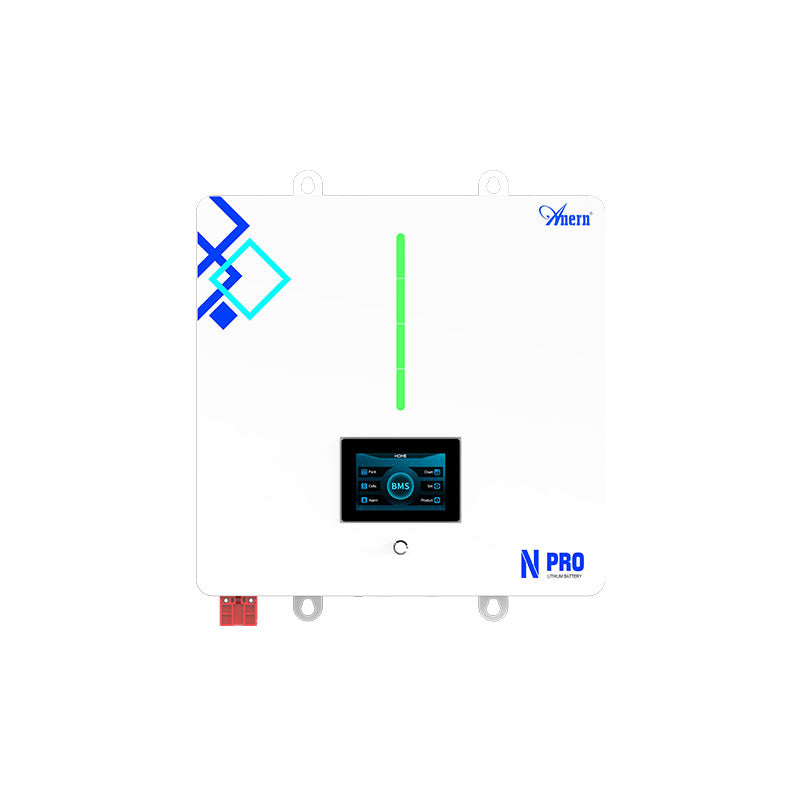
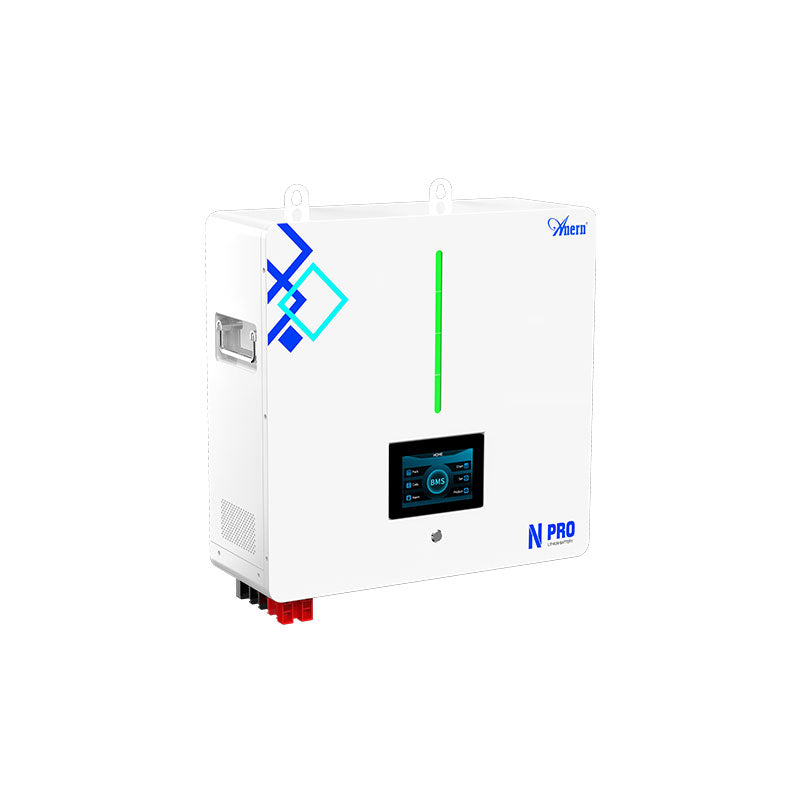
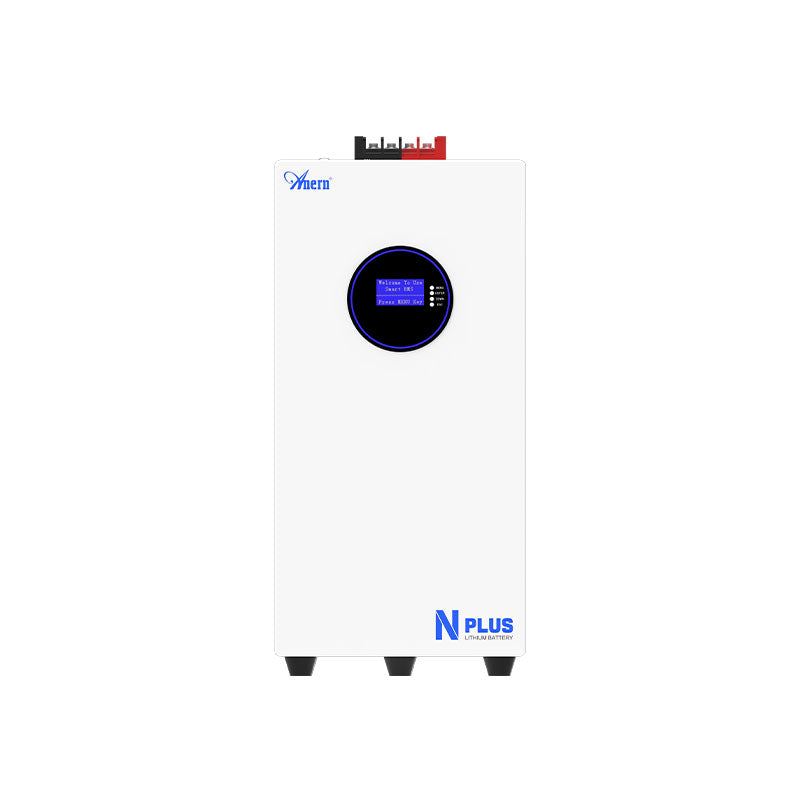
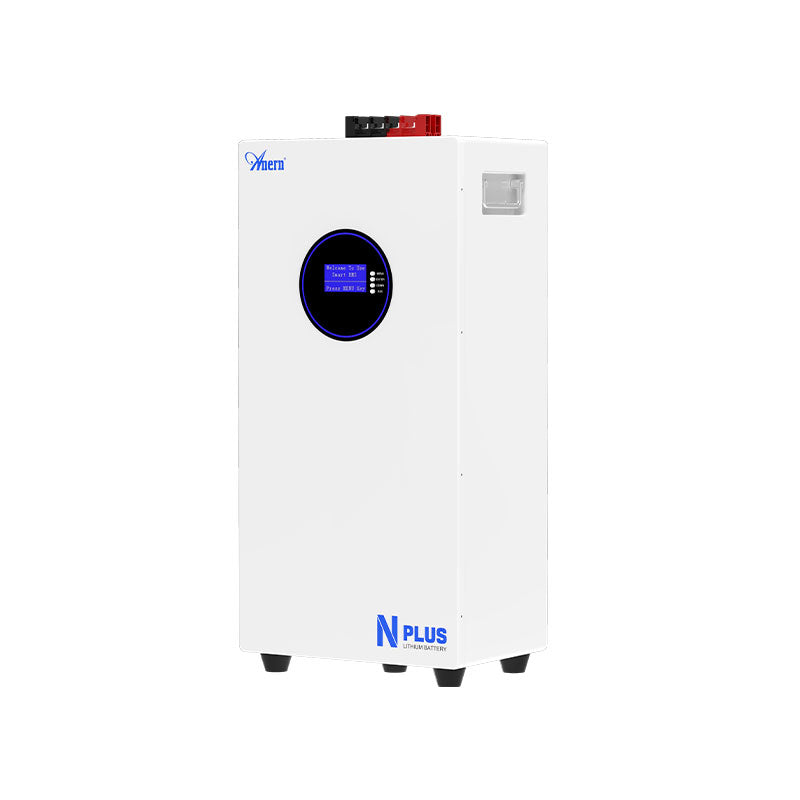
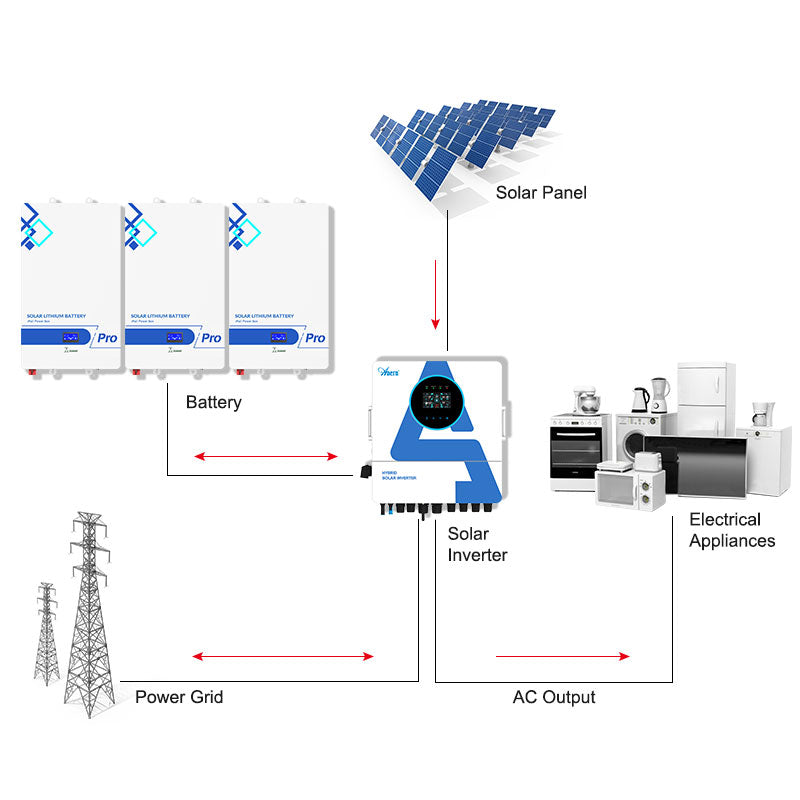
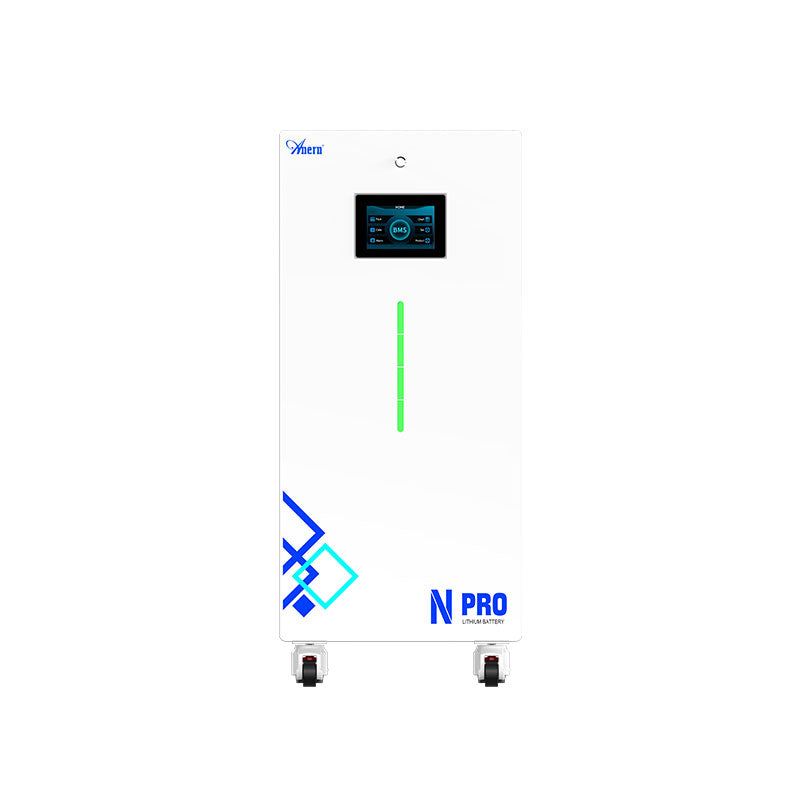
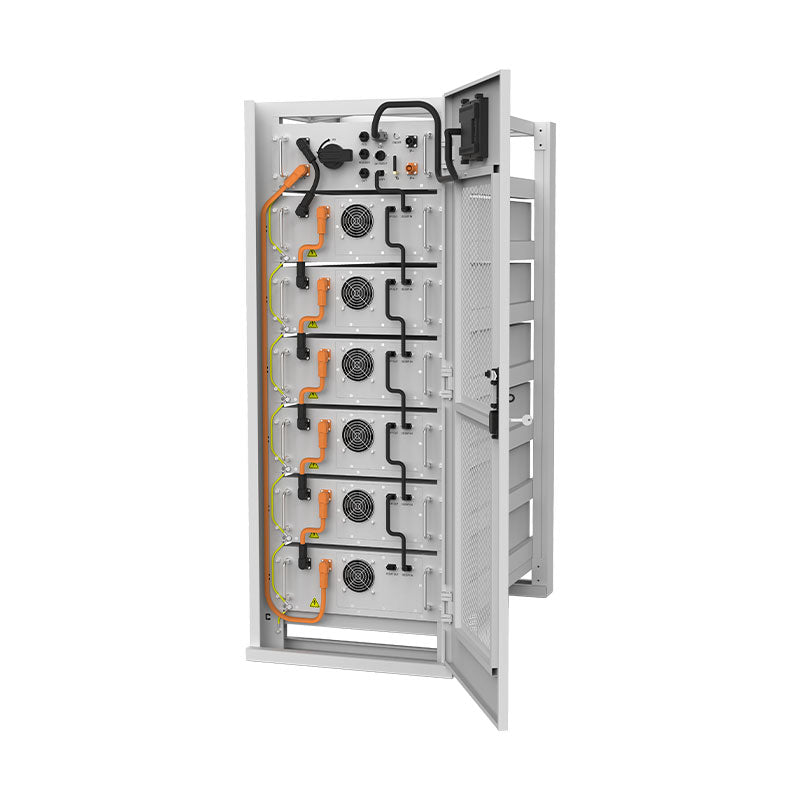
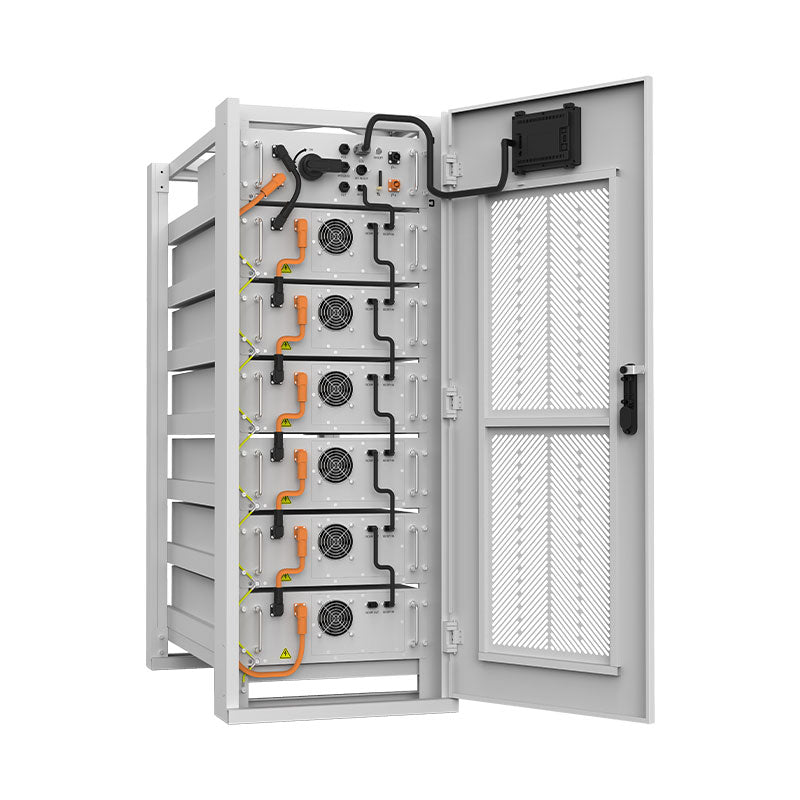
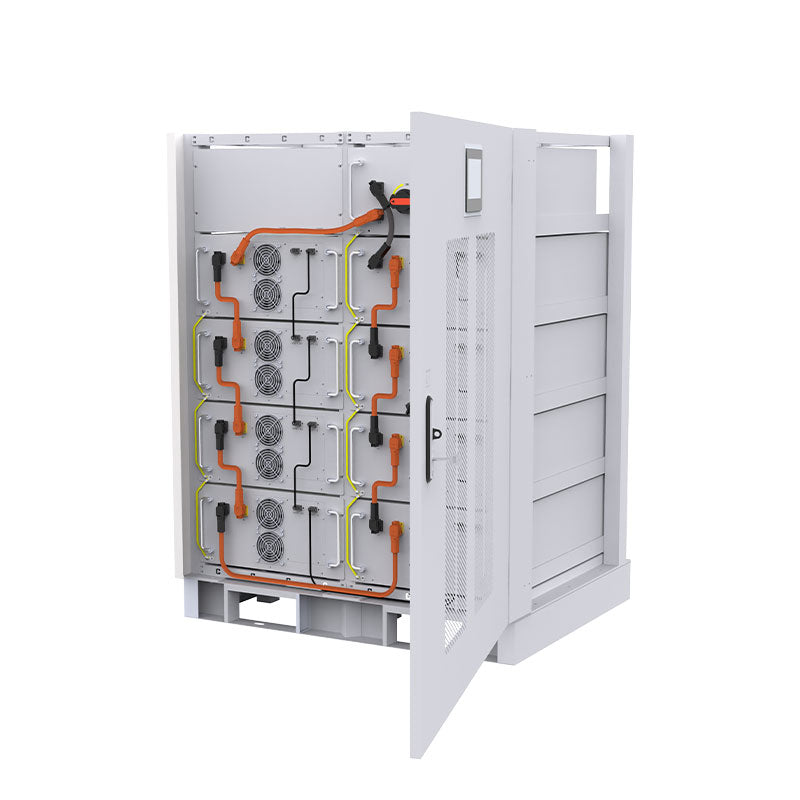
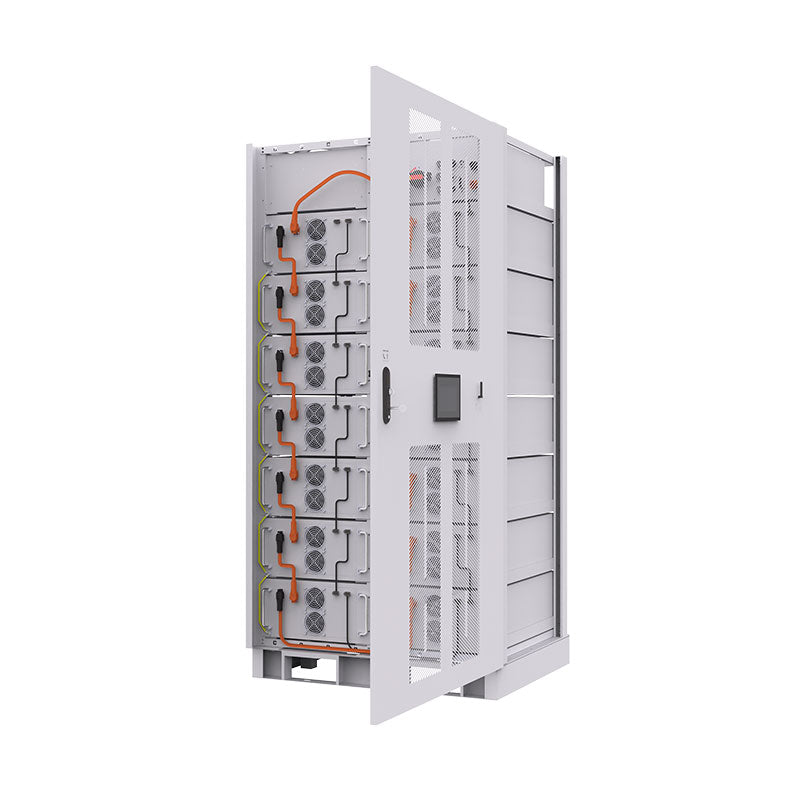
Our company specializes in manufacturing high-performance, safe, and reliable LiFePO4 batteries. These batteries are a core component of integrated energy storage systems (ESS), which combine lithium batteries, hybrid inverters, and solar panels to create comprehensive off-grid solar solutions.
Extending Battery Lifespan for Your RV
Proper management significantly impacts your RV battery's longevity. Here are key practices:
- Avoid Deep Discharges: While LiFePO4 batteries tolerate deep discharges well, consistently draining any battery to its absolute minimum can reduce its overall lifespan. Aim to keep the state of charge above 20%.
- Optimal Charging: Use a high-quality charge controller that matches your battery chemistry. This prevents overcharging and ensures efficient power transfer from your solar panels.
- Temperature Management: Extreme temperatures, both hot and cold, can degrade battery performance and shorten its life. Store and operate batteries within their recommended temperature ranges.
- Regular Monitoring: Keep an eye on battery voltage, current, and temperature. Many modern battery management systems (BMS) provide detailed data, helping you identify and address issues early.
- Proper Sizing: Ensure your battery bank is adequately sized for your power needs. An undersized bank will be constantly overworked, leading to premature wear.
Enhancing RV Solar Panel Efficiency
Maximizing the power output from your solar panels ensures you capture as much energy as possible, contributing to a more robust and reliable RV energy system.
Factors Affecting Solar Panel Performance
Several elements influence how effectively your RV solar panels convert sunlight into electricity:
- Sunlight Intensity: Direct, unobstructed sunlight is ideal. Cloud cover, haze, and time of day significantly reduce output.
- Panel Orientation and Tilt: Panels perform best when directly facing the sun. Adjusting their angle to match the sun's position throughout the day or season can dramatically improve efficiency.
- Temperature: While solar panels need sunlight, very high temperatures can slightly decrease their efficiency.
- Shading: Even partial shading from trees, antennas, or other roof-mounted equipment can severely impact the output of an entire panel or array, especially with older panel technologies.
- Cleanliness: Dust, dirt, leaves, and bird droppings block sunlight. Keeping panels clean is a simple yet effective way to maintain efficiency.
Practical Tips for Optimal Efficiency
You can take several steps to get the most out of your RV solar setup:
- Strategic Parking: Whenever possible, park your RV in locations that offer maximum sun exposure for your panels, especially during peak sunlight hours.
- Regular Cleaning: Periodically wipe down your solar panels with water and a soft cloth to remove accumulated dirt and debris.
- Angle Adjustment: If your panels are not permanently fixed, consider tilting them to optimize their angle relative to the sun. This is particularly beneficial during winter months or when traveling at different latitudes.
- System Monitoring: Utilize monitoring tools to track your solar input and battery charge. This helps you understand your system's performance and identify any potential issues.
- Proper Wiring: Ensure all wiring is appropriately sized and connections are secure to minimize energy loss.
The Future of RV Energy Independence
The landscape of RV energy is continuously evolving, with innovations promising even greater independence and efficiency for travelers.
Innovations in RV Solar and Storage
The integration of solar PV with advanced battery storage systems, particularly LiFePO4 batteries, is at the forefront of this evolution. Companies are developing integrated ESS (Energy Storage Systems) that combine high-performance lithium batteries with hybrid inverters and solar panels into cohesive units. These systems simplify installation and offer optimized energy management. The trend towards smart charging and vehicle-to-home (V2H) capabilities, as demonstrated in projects like ElaadNL and Renault's smart charging stations, illustrates the potential for even more dynamic energy use, including increasing self-consumption from 49% to 62-87%.
The ongoing development of low-cost solar technology will increasingly compete with traditional energy sources, driving electrification in various applications. This will further enhance the economic viability and appeal of solar solutions for RVs.
Achieving True Off-Grid Living
For many, the ultimate goal of RV solar is true off-grid living – the ability to power all needs without external connections. With advancements in solar panel efficiency, battery energy density, and smart energy management systems, this goal is more attainable than ever. Our company's focus on reliable and scalable energy solutions, from LiFePO4 batteries to complete off-grid solar solutions, aims to empower customers to achieve this level of energy independence.
Key Takeaways for RV Enthusiasts
Embracing RV solar power offers unparalleled freedom and sustainability for your travels. Prioritize high-quality LiFePO4 batteries for their extended lifespan and superior performance. Implement smart charging practices and regular maintenance to maximize your system's efficiency and durability. As technology advances, achieving complete energy independence on the road becomes increasingly practical and rewarding.
Frequently Asked Questions
How long do RV solar batteries typically last?
The lifespan of RV solar batteries varies significantly by type. Lead-acid batteries might last 2-5 years, depending on usage and maintenance. LiFePO4 batteries, known for their durability and cycle life, can last 10-15 years or even longer with proper care and management. Factors like discharge depth, charging cycles, and temperature all play a role in their longevity.
What factors influence RV solar panel efficiency?
Several factors impact solar panel efficiency, including sunlight intensity, panel orientation and tilt, temperature, and shading. Keeping panels clean, positioning your RV strategically, and adjusting panel angles can help you maximize energy capture. Even small amounts of shade can significantly reduce output, so minimizing obstructions is key.
Is RV solar power worth the investment?
For many RV owners, the investment in solar power is highly worthwhile. It provides energy independence, reduces reliance on noisy generators and campground hookups, and offers a clean, renewable power source. While the initial setup cost can be higher, the long-term savings on fuel and site fees, combined with the enhanced freedom of travel, often outweigh the upfront expense. The increasing efficiency and decreasing cost of solar technology also make it a more attractive option.
