




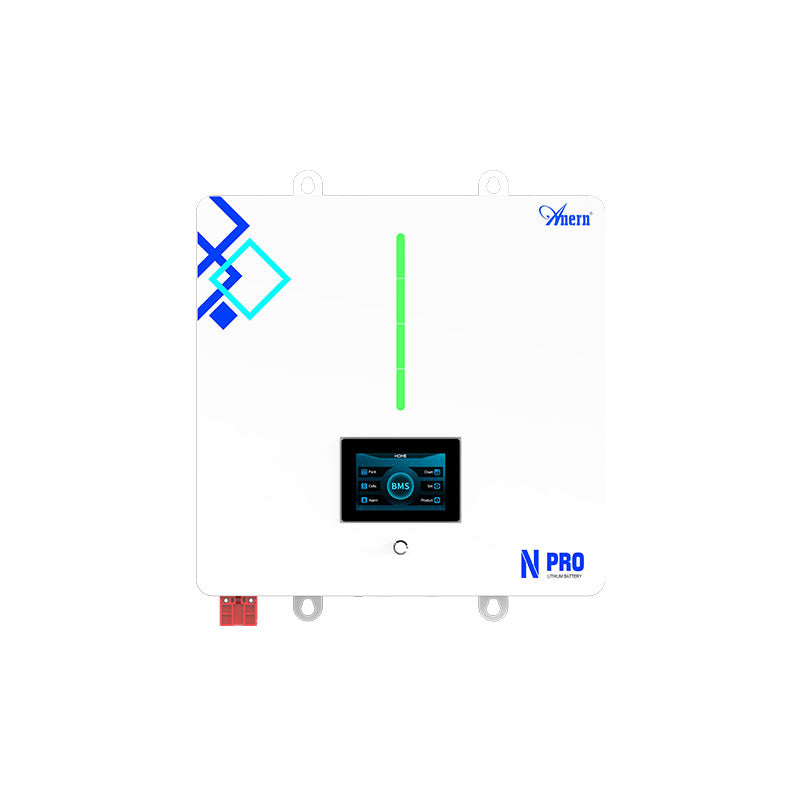
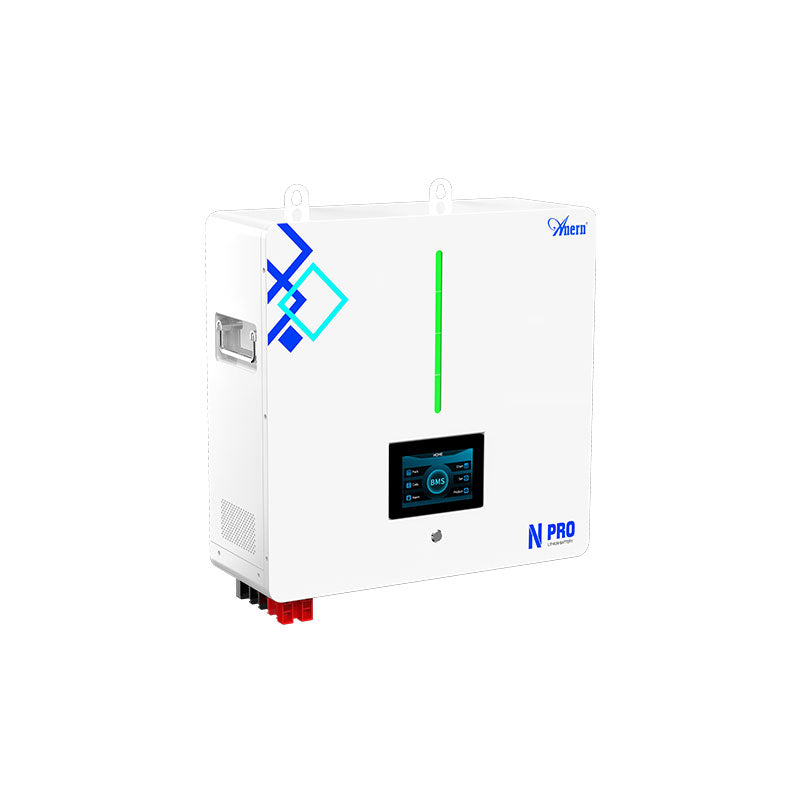


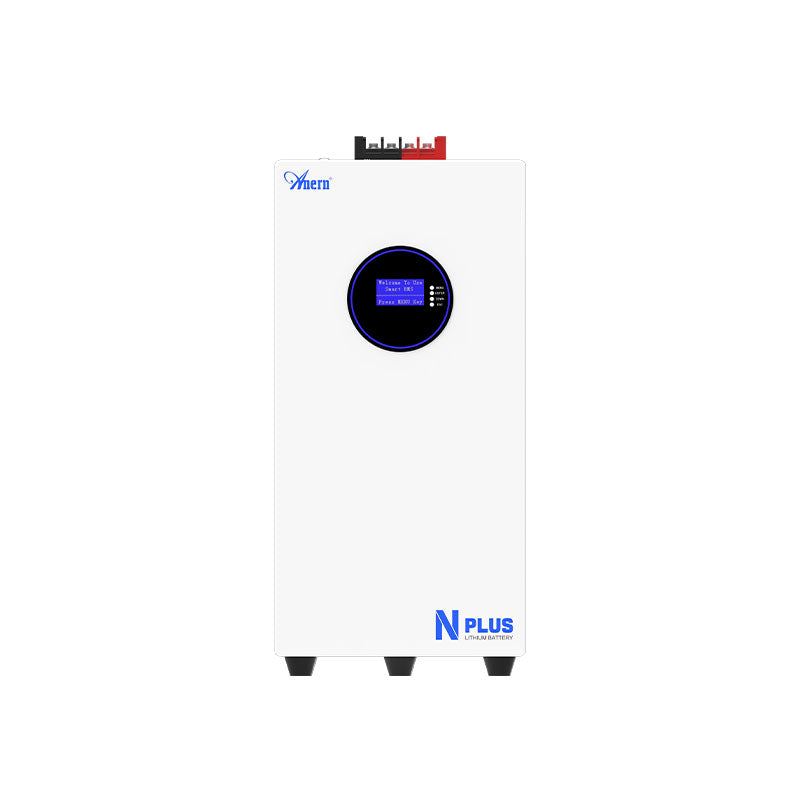
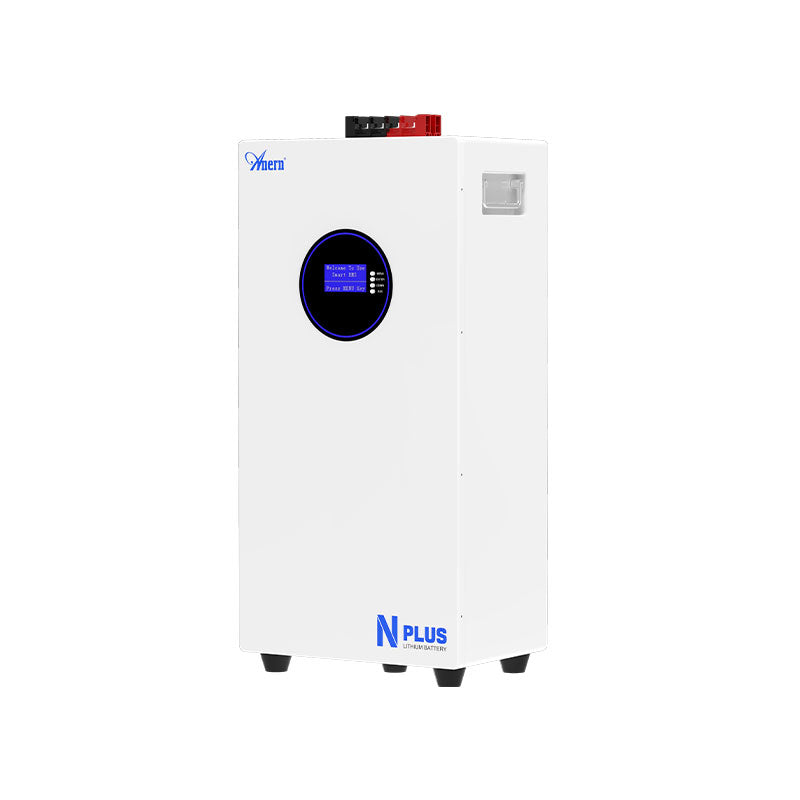


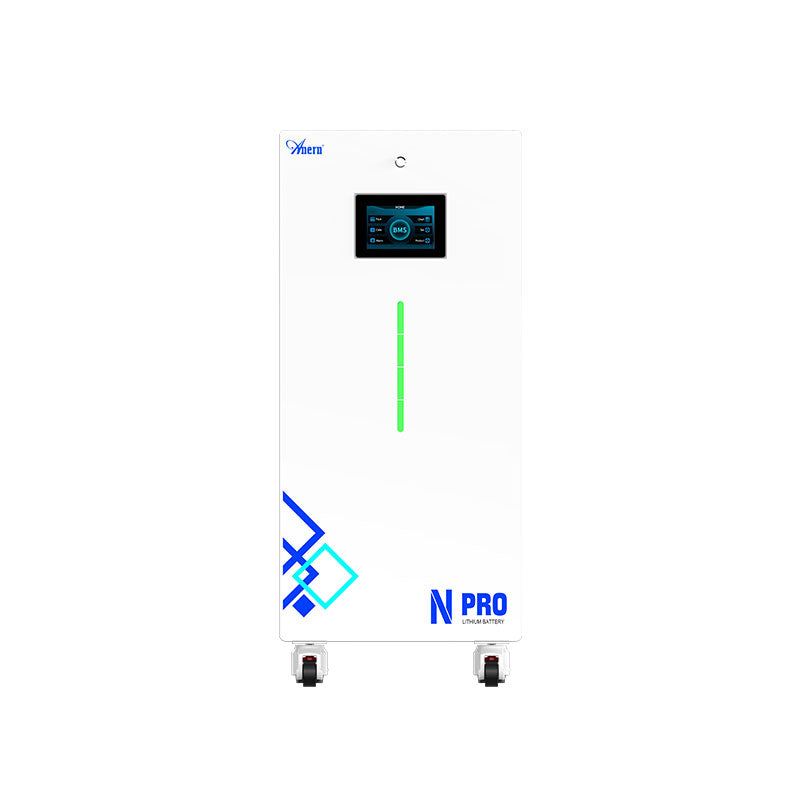

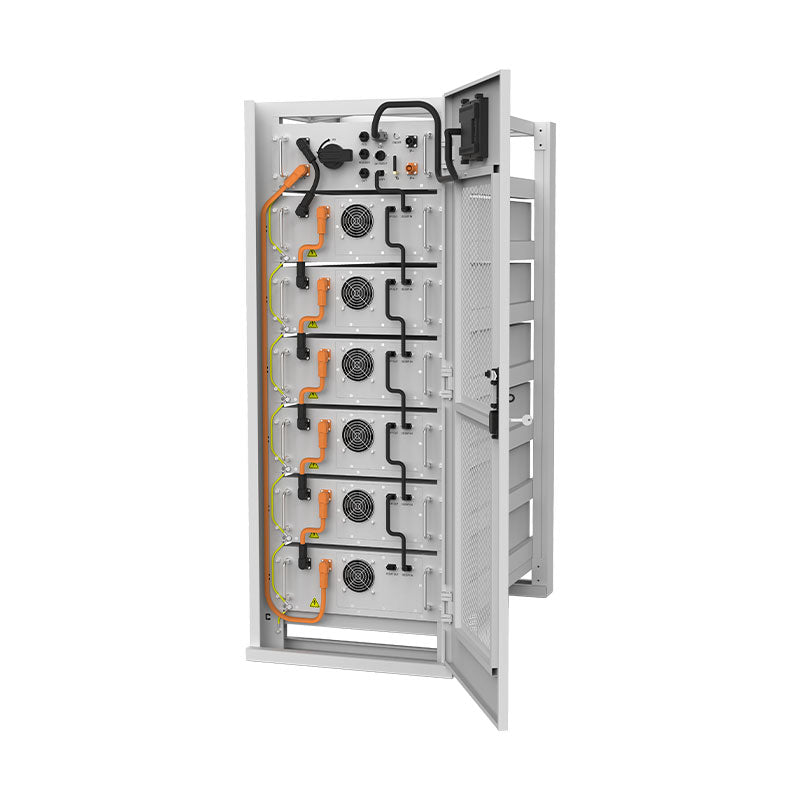
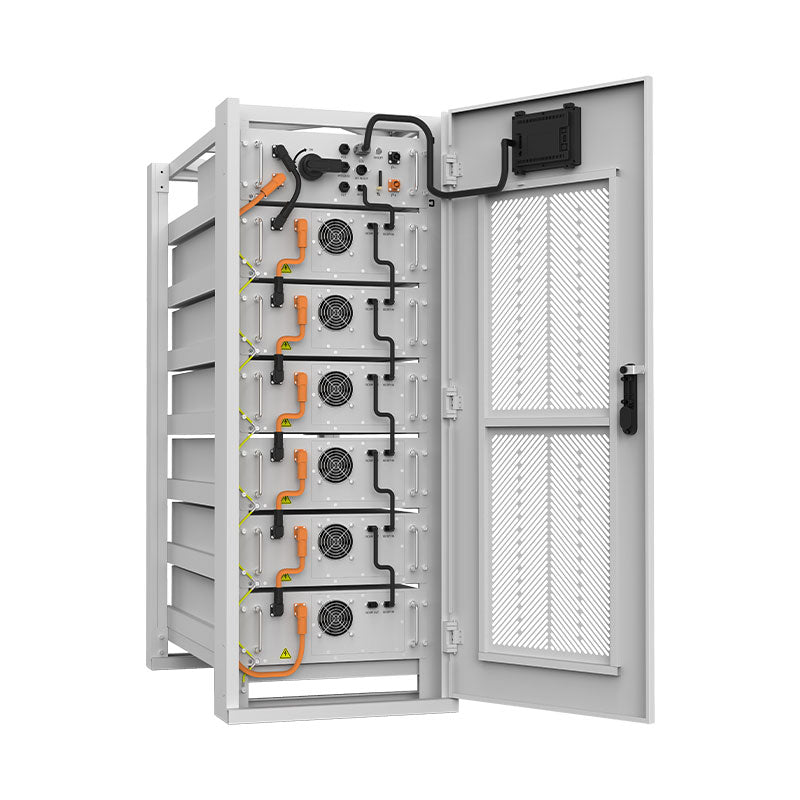
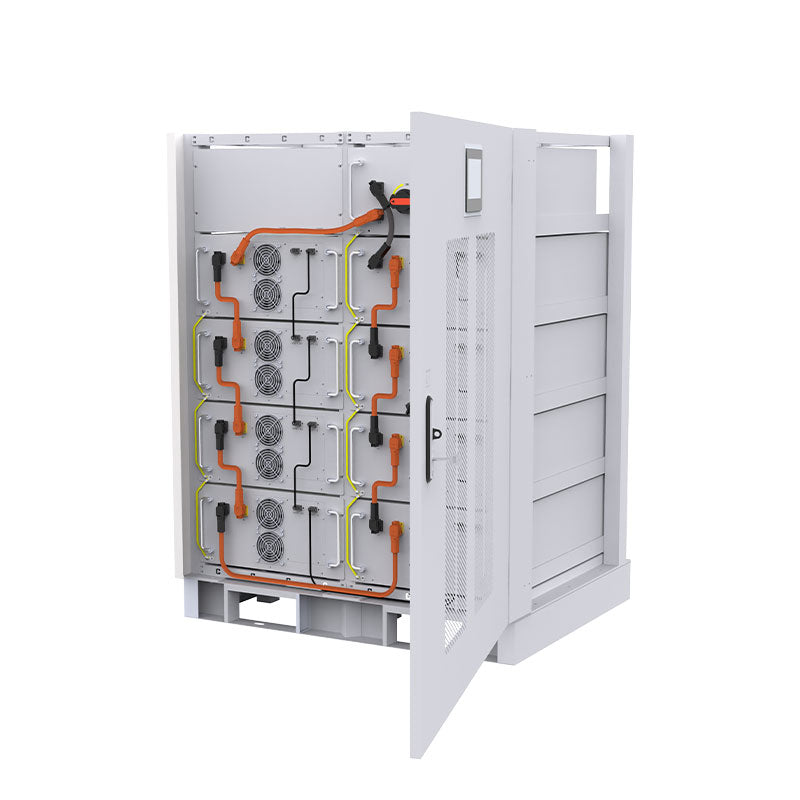



Telecommunication towers and remote base stations form the backbone of modern connectivity. Ensuring their uninterrupted operation is paramount. Traditionally, these sites have relied on unstable grid connections or diesel generators, presenting significant operational challenges. Solar-storage systems offer a compelling alternative, providing reliable, clean, and cost-effective power. This article outlines a strategic approach to deploying solar-storage solutions across extensive tower networks, focusing on technical considerations, practical applications, and the long-term benefits you can achieve.

The Drive for Energy Independence in Telecom
Telecom infrastructure faces unique power demands. Remote locations often lack stable grid access, making them dependent on costly and environmentally impactful diesel generators. Grid outages, fuel logistics, and high operational expenses create persistent hurdles for network operators.
Addressing Traditional Power Challenges
- Grid Instability: Many tower sites, especially in developing regions, experience frequent and prolonged power interruptions. This directly impacts network uptime and service quality.
- Diesel Reliance: Diesel generators provide backup power, but they come with a high price. Fuel procurement, transportation to remote sites, theft risks, and regular maintenance contribute significantly to operational expenditures. Furthermore, the carbon emissions from diesel combustion contradict sustainability goals.
- Operational Costs: Beyond fuel, the labor and logistics involved in maintaining and refueling distributed diesel generators across a vast network are substantial.
The Promise of Solar-Storage Solutions
Integrating solar power with advanced battery storage directly addresses these challenges. It offers a path to energy independence, reducing reliance on volatile fuel markets and unreliable grids. You gain consistent power supply, lower operating costs, and a smaller carbon footprint.
For example, in the U.S., the Solar Futures Study from the U.S. Department of Energy and the National Renewable Energy Laboratory (NREL) highlights that distributed energy resources (DERs), such as solar and storage, can enhance resilience by providing reliable, local generation to power critical assets during grid outages.
Building a Robust Solar-Storage System
A successful solar-storage deployment hinges on selecting and integrating the right components. Each element plays a crucial role in the system's overall performance, reliability, and lifespan.
Advanced Battery Technology: The Heart of Storage
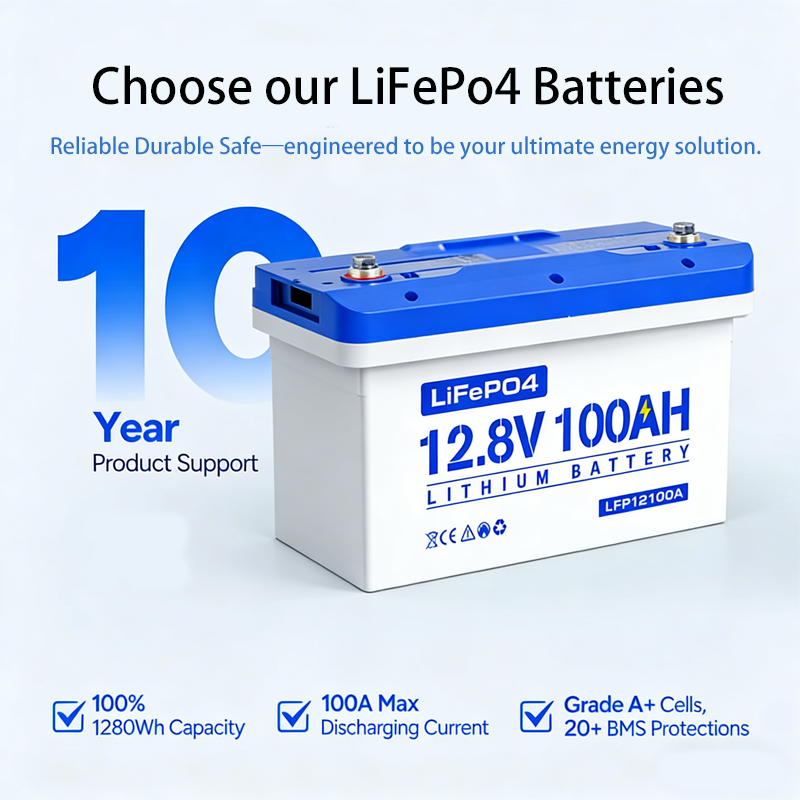
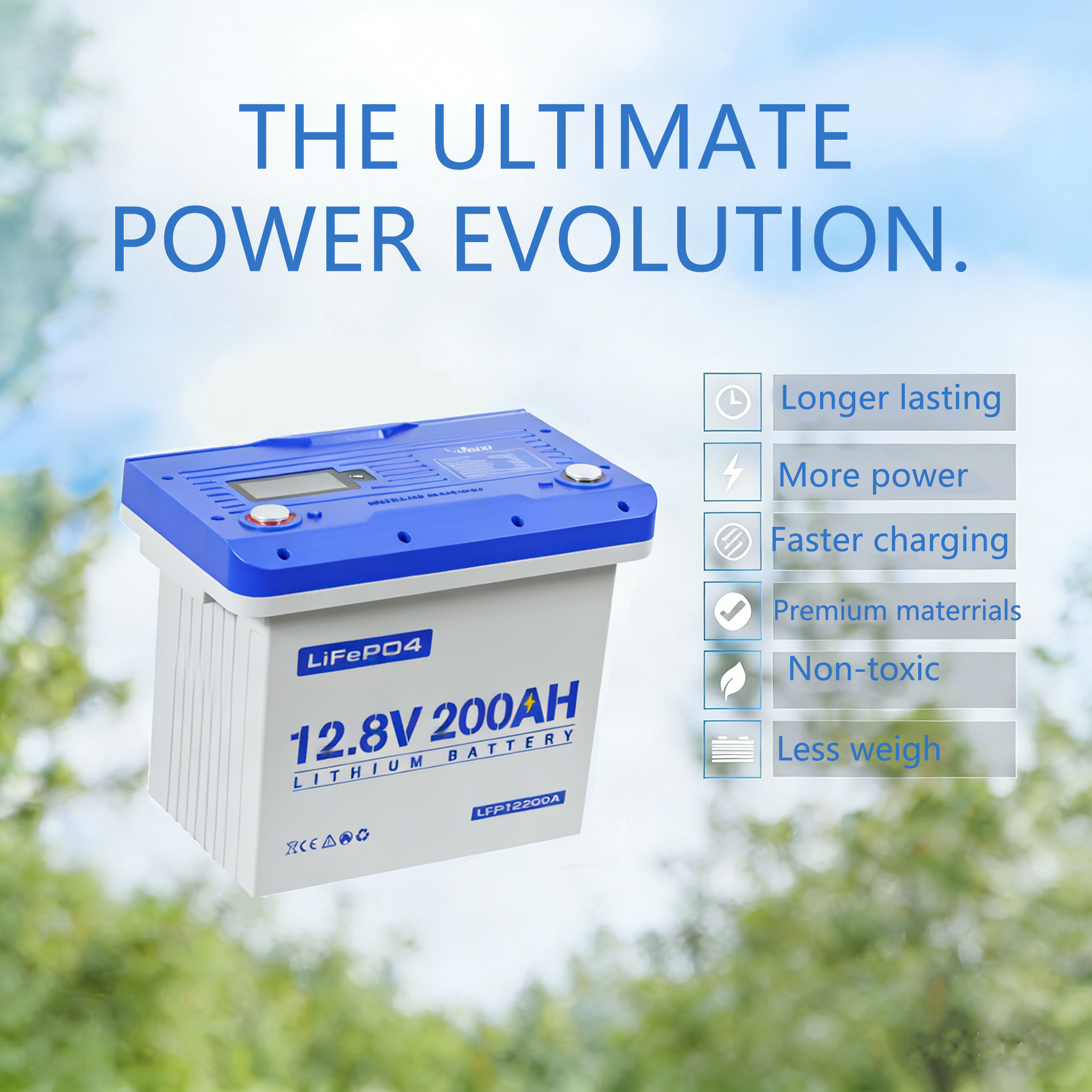
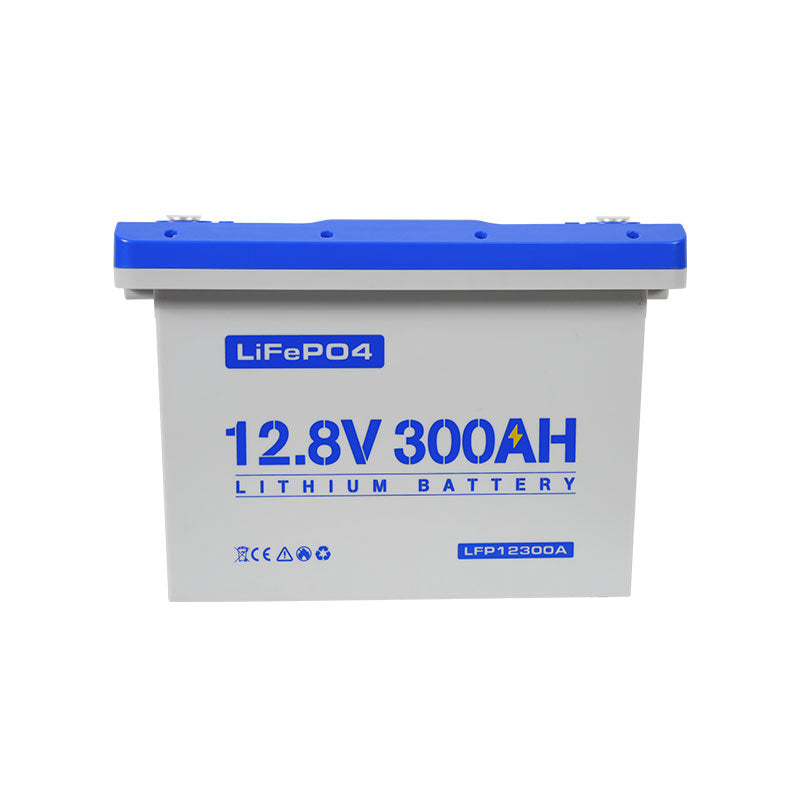
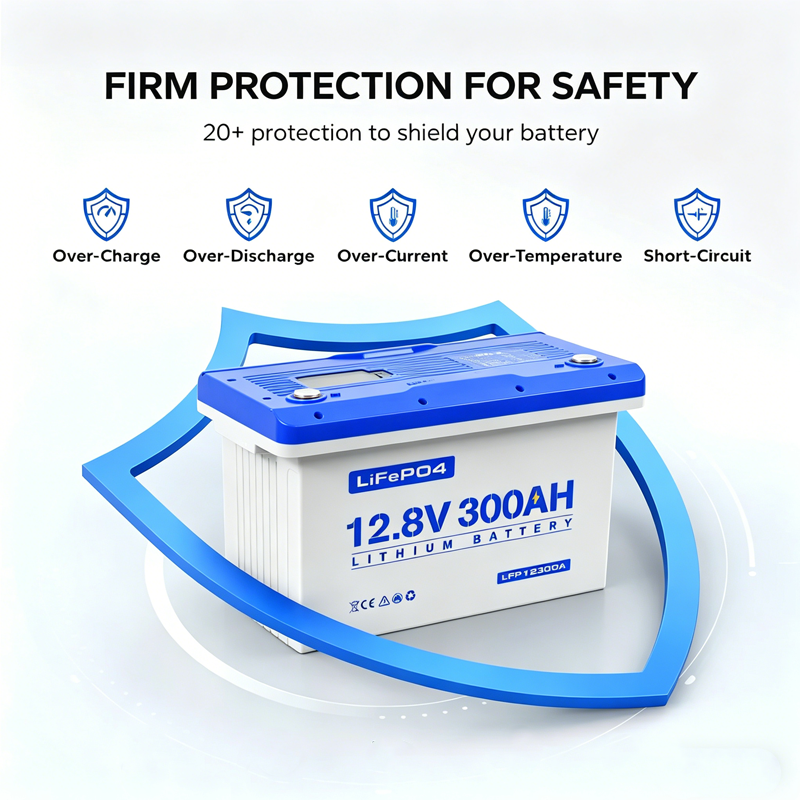
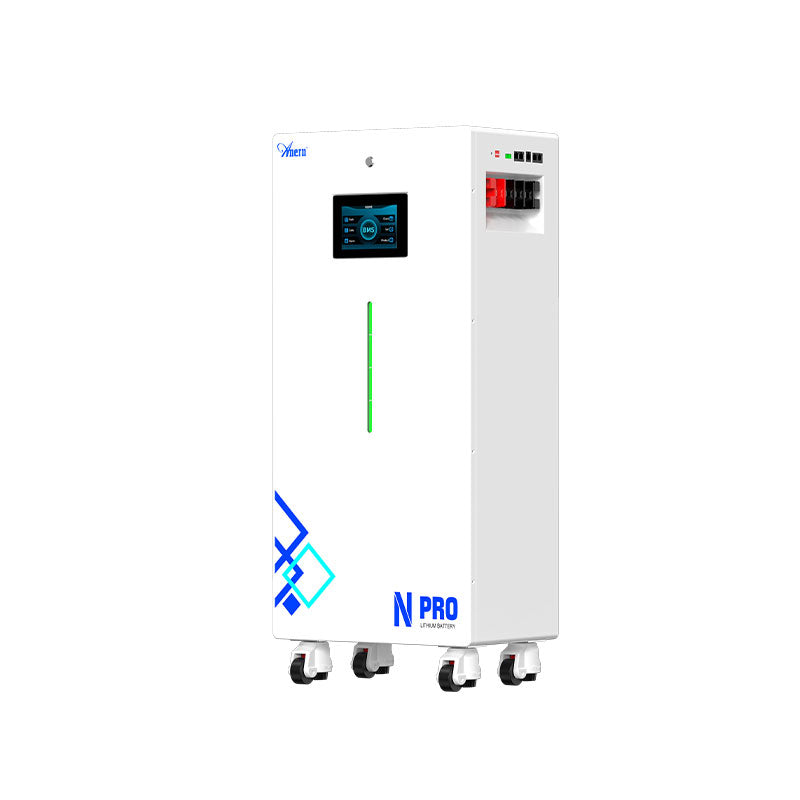
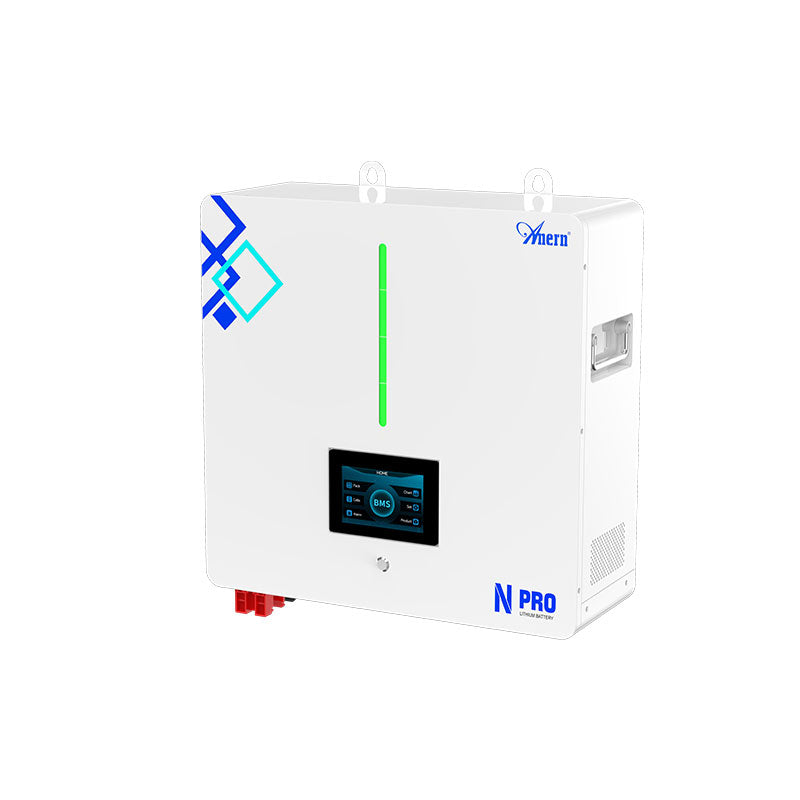
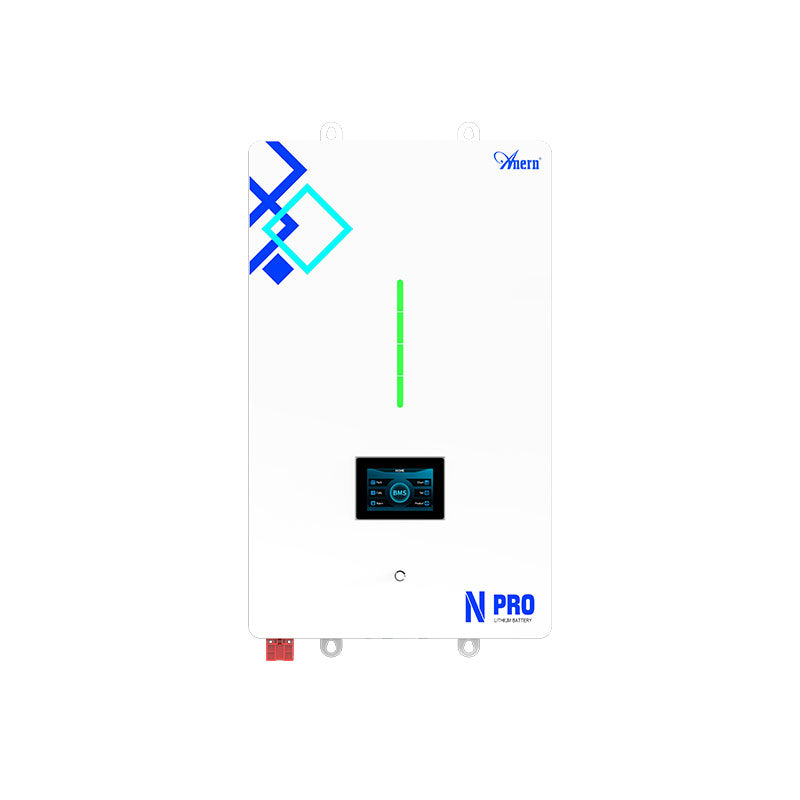
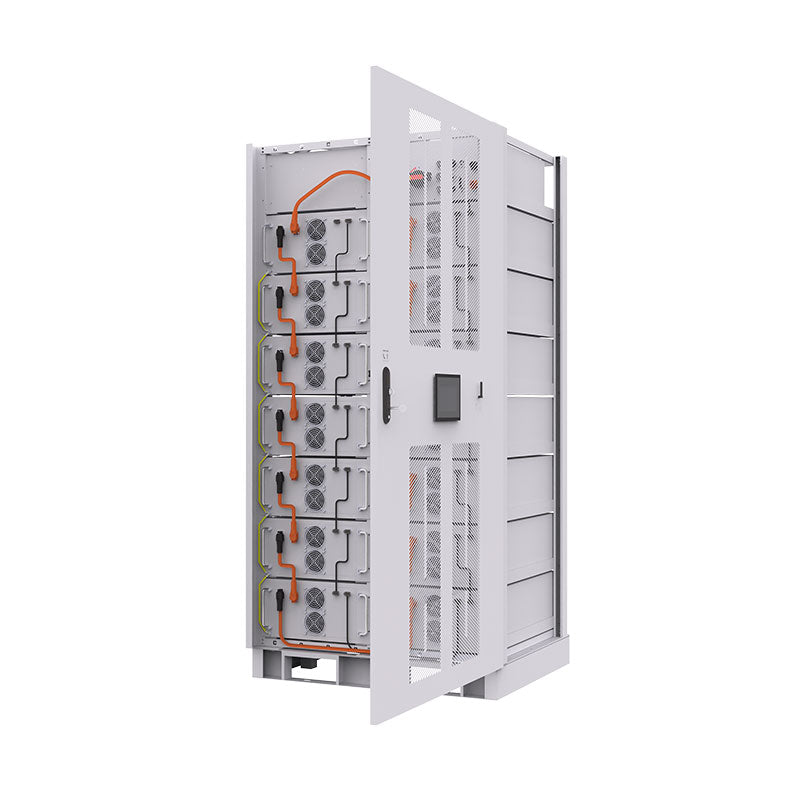
Lithium iron phosphate (LiFePO4) batteries are a preferred choice for telecom applications due to their high performance, safety, and long cycle life. These batteries offer superior energy density, allowing for compact installations, and maintain high efficiency over a wide temperature range. Their inherent safety characteristics, compared to other lithium-ion chemistries, make them suitable for unattended remote sites.
Efficient Power Conversion and Management
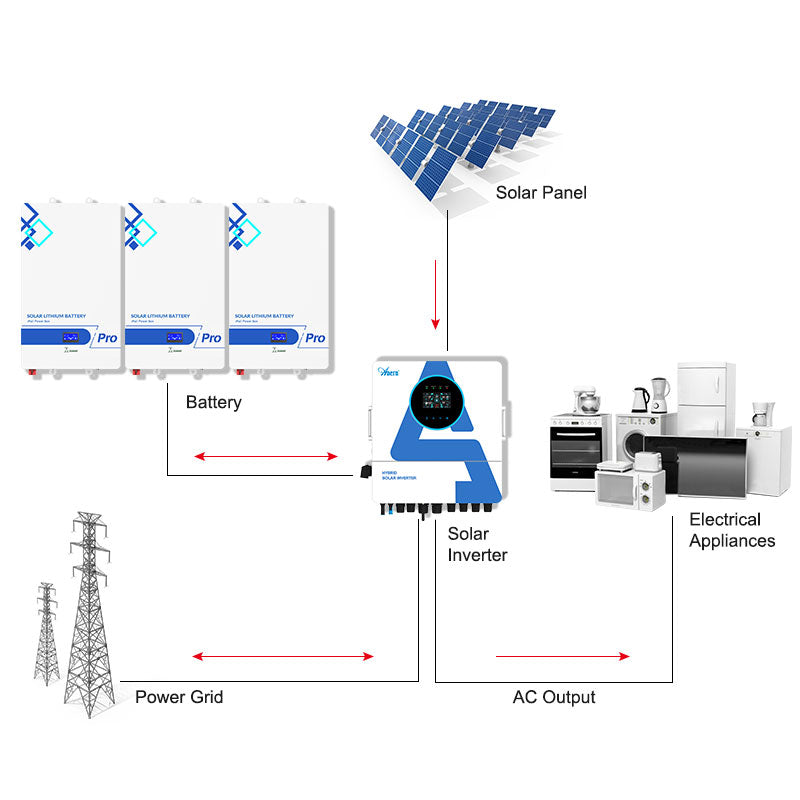
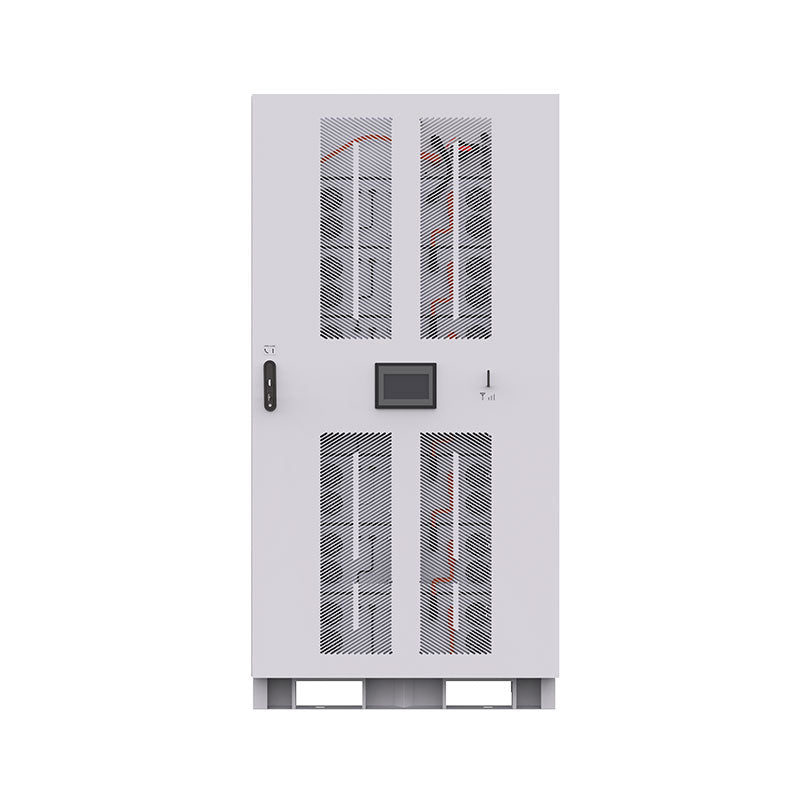
Solar inverters convert the direct current (DC) electricity generated by solar panels into alternating current (AC) for use by telecom equipment. Hybrid inverters further enhance system efficiency by seamlessly managing power flow from solar, batteries, and, if available, the grid. Integrated Energy Storage Systems (ESS) combine these components—lithium batteries, hybrid inverters, and charge controllers—into a single, optimized unit, simplifying installation and management. This streamlined approach ensures all components work together efficiently to maximize energy capture and delivery.
Optimizing Solar Panel Deployment
Photovoltaic (PV) solar panels are the frontline of energy generation. For telecom towers, efficient and durable panels are crucial. Factors such as panel efficiency, physical footprint, and resistance to environmental conditions (e.g., extreme temperatures, wind loads) directly affect the system's effectiveness. Proper sizing and orientation of the solar array ensure maximum energy harvesting throughout the year.
Strategic Deployment Across Multi-Site Networks
Scaling solar-storage across numerous tower sites requires careful planning and a systematic approach. This involves thorough site assessment, standardized designs, and managing complex integration.
Comprehensive Site Assessment and Planning
Before deployment, a detailed assessment of each site is vital. This includes analyzing solar irradiance, available space, local environmental conditions, and existing power infrastructure. Tools and methodologies like GIS-based multicriteria analysis can identify favorable zones for solar projects, combining resource data with infrastructure and land features.,,,, Such assessments help in understanding potential installed capacity and optimal system configurations. For instance, the International Renewable Energy Agency (IRENA) utilizes such assessments to identify areas with high feasibility for developing solar projects, considering proximity to transmission and road networks.
Standardized Solutions for Scalability
Adopting standardized, modular designs for solar-storage systems streamlines procurement, installation, and maintenance across a large network. A modular approach allows for flexible scaling, where capacity can be added or adjusted based on specific site demands and future growth. This reduces custom engineering costs for each site and accelerates deployment times. For example, a standard off-grid solar solution can be adapted for various homes, farms, or cabins, demonstrating the versatility of such designs.
Navigating Integration Complexities
Integrating new solar-storage systems with existing telecom infrastructure demands careful attention to technical details and regulatory frameworks. The value capture for energy storage, particularly when providing services at multiple locations, may necessitate regulatory adjustments. Effective integration ensures compatibility with existing power management systems and prevents disruptions to ongoing operations. This often involves detailed load profiling and ensuring the new system can reliably meet peak and off-peak demands.
Realizing the Benefits and Future Prospects
The transition to solar-storage brings significant operational advantages and paves the way for a more resilient and sustainable telecom network.
Enhanced Reliability and Resilience
Solar-storage systems dramatically improve power reliability for telecom towers. Batteries provide continuous power during periods of low solar generation or grid outages, ensuring uninterrupted service. The U.S. Department of Energy highlights that solar, especially coupled with storage, can enhance resilience by allowing critical assets to power during grid outages., For instance, after Hurricane Sandy, many solar systems in New York City could not provide power because they lacked battery backup or microgrid systems, underscoring the importance of integrated storage for resilience.
| Feature | Traditional (Diesel Generator) | Solar-Storage System |
|---|---|---|
| Fuel Source | Diesel (Fossil Fuel) | Sunlight (Renewable) |
| Operational Cost | High (Fuel, Maintenance, Logistics) | Low (Minimal Maintenance, No Fuel) |
| Reliability | Dependent on Fuel Supply & Generator Health | High (Battery Backup, Redundancy) |
| Environmental Impact | High Carbon Emissions, Noise Pollution | Zero Emissions, Quiet Operation |
| Scalability | Limited, Adds Complexity | Modular, Easily Expandable |
| Remote Management | Requires On-site Checks | Often Remotely Monitored |
Economic and Environmental Advantages
Shifting to solar-storage leads to substantial cost savings over time. You eliminate fuel purchases, reduce maintenance visits, and mitigate the risks associated with fuel transportation and theft. The environmental benefits are equally significant, with a considerable reduction in greenhouse gas emissions and noise pollution. This aligns with global sustainability initiatives and corporate social responsibility goals.
The Path Ahead for Telecom Energy
The future of telecom power lies in decentralized, resilient, and clean energy solutions. As solar technology advances and battery costs decrease, widespread adoption of solar-storage systems will accelerate. This will not only ensure robust connectivity but also contribute to a greener energy landscape. A long-term vision includes grid modernization and the co-optimization of distributed energy resources to minimize impacts on distribution networks, such as automating electric vehicle chargers to maximize charging from rooftop solar systems when there is surplus generation.
Final Considerations
Achieving energy independence for multi-site tower networks with solar-storage is a strategic investment that delivers tangible benefits. By embracing advanced battery technology, integrated systems, and a meticulous approach to deployment, you can build a resilient, cost-effective, and environmentally responsible telecom infrastructure. This transition safeguards operations and positions your network for future growth and sustainability.
