















Taking control of your energy production with a prefab solar kit is an empowering move toward sustainability and independence. These kits bundle the primary components, making the process more accessible. A successful DIY solar panel installation hinges on careful planning and a commitment to safety. This walkthrough provides the necessary steps to ensure your system is installed correctly and operates securely for years.
Pre-Installation Planning: The Blueprint for Success
Thorough preparation is the most critical phase of any self-install solar project. Rushing this stage can lead to costly errors, system underperformance, or safety hazards. Proper planning ensures every component works together efficiently.
Sizing Your System Correctly
Before purchasing a kit, you must determine your energy needs. Analyze your utility bills from the past year to find your average daily electricity consumption in kilowatt-hours (kWh). This figure will guide the size of your solar array, inverter, and battery bank. An undersized system will not meet your needs, while an oversized one results in unnecessary expense. Ensure your chosen kit's components are balanced; the solar panel output should align with the inverter's capacity and the battery's storage ability.
Typical System Configuration (3–5 kW Example)
This table provides a reference for matching components. Always consult manufacturer specifications for compatibility.
| Component | Specification for 3-5 kW System | Key Considerations | | :--- | :--- | :--- | | Solar Panels | 8-14 panels @ 350-400W each | Check voltage (Voc) and current (Isc) to match inverter limits. | | Inverter | 3-5 kW Hybrid or Grid-Tie Inverter | Ensure DC input voltage range matches your solar array's string voltage. | | Battery Bank | 5-10 kWh LiFePO4 Battery | Must be compatible with the inverter's charge controller specifications. | | Circuit Breaker | 20-30A double-pole breaker for AC connection | Sizing depends on inverter output and local code. **Consult an electrician.** |
Site Assessment and Component Inspection
Your roof or ground-mount location is a key factor. The ideal spot receives maximum direct sunlight, typically a south-facing roof in the northern hemisphere, with minimal shading from trees or other buildings. Inspect your roof structure to confirm it can support the added weight of the panels and racking. Once your prefab solar kit arrives, unpack and inspect every component. Check for any damage that may have occurred during shipping. Cross-reference the contents with the packing list to ensure everything is present.
Understanding Permits and Local Regulations
Most areas require permits for solar installations. Contact your local building department to understand the specific requirements, including electrical and structural codes. Key standards to be aware of include the **National Electrical Code (NEC)**, particularly **Article 690** which covers solar PV systems. Some homeowner associations (HOAs) also have rules regarding solar panel placement. Adhering to these regulations is not just about compliance; it is about ensuring your system is safe and insurable. The International Renewable Energy Agency (IRENA) details the various soft costs associated with installations, including permitting, in reports like its Renewable Power Generation Costs in 2024.
Disclaimer: This content provides general information and is not a substitute for professional legal or financial advice. Electrical work is dangerous. Always consult with qualified local professionals for permitting, structural assessments, and final electrical connections.
Printable Installation Checklist
- [ ] Confirmed average daily kWh usage from utility bills.
- [ ] System size (kW) and battery capacity (kWh) selected.
- [ ] Roof/ground location assessed for sun exposure and structural integrity.
- [ ] Local permit requirements and HOA rules researched and understood.
- [ ] All kit components received and inspected for damage.
- [ ] All necessary PPE (gloves, glasses, harness) acquired.
- [ ] Rafters/joists located and marked for mounting feet.
- [ ] All roof penetrations properly sealed.
- [ ] Panel clamps tightened to manufacturer's specified torque.
- [ ] All DC and AC electrical connections double-checked for tightness.
- [ ] System grounding wire correctly installed and connected.
- [ ] Final start-up procedure from manual reviewed before activation.
The Core Installation Process: A Step-by-Step Approach
With planning complete, the physical installation can begin. This phase requires precision and adherence to safety protocols. Work methodically and never compromise on safety measures.
Mounting the Racking System Securely
The racking is the foundation of your solar array. Its job is to hold your panels securely in place for decades. Locate the rafters or structural supports in your roof and attach the mounting feet directly to them. Use a high-quality sealant around every penetration to prevent water leaks. Assemble the rails onto the mounting feet, ensuring they are level and parallel. A securely installed racking system is vital for protecting your investment against wind and weather.
Installing the Solar Panels
Solar panels can be bulky. It is often best to have a partner to help lift and position them onto the racking. Once a panel is in place, secure it to the rails using the specified mid-clamps and end-clamps. Tighten the clamps to the manufacturer's recommended torque specification—**this is often between 12-15 ft-lbs (16-20 Nm), but always verify with your specific racking manual.** Over-tightening can damage the panel frame, while under-tightening can allow the panel to come loose.
Wiring the Components: DC to AC
With the panels mounted, you can begin the DC wiring. Panels are typically connected in series to build voltage, creating a 'string.' For example, ten 48V panels in series can create a nominal string voltage of 480V DC. Follow the kit's instructions for connecting the positive and negative MC4 connectors. Run the wiring neatly, using UV-resistant zip ties to secure cables to the racking. This prevents them from sagging or being damaged. The DC power from the panels will then run to your inverter, which is the heart of the system.
Standard Wiring Diagram
 *
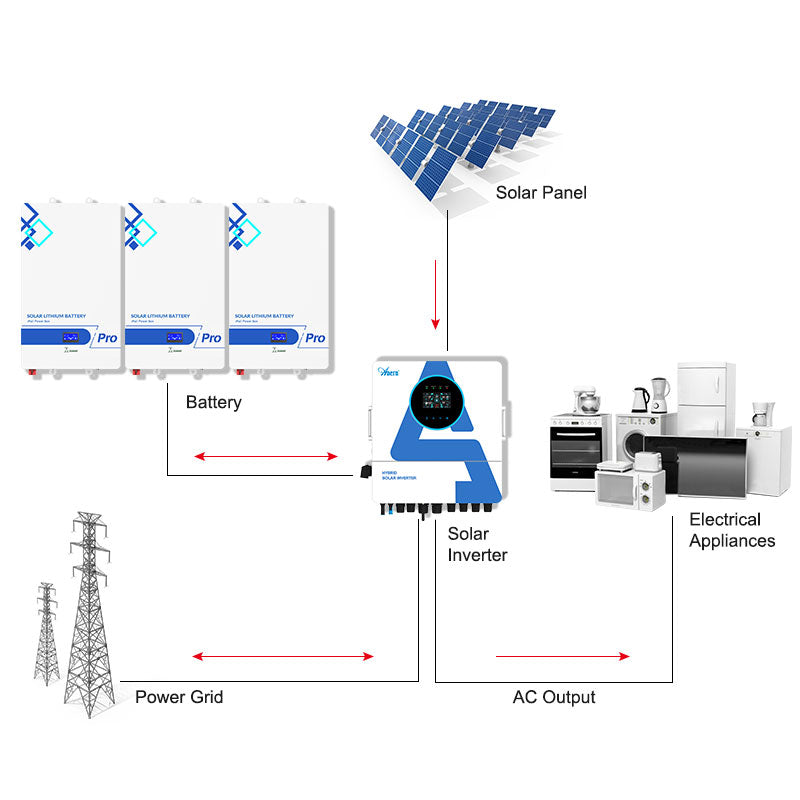
Caption: This diagram illustrates a typical setup. Your kit may vary. Key components include panels, disconnects, inverter, battery, and grounding, all of which must be wired according to the manual and local codes.
*
Powering Up: Connecting the Inverter and Batteries
This is where the electricity generated by your panels is converted and stored for use in your home. This part of the solar kit safety process involves working with live electricity, so extra caution is necessary. **Final connection to your home's main electrical panel must be performed by a licensed electrician.**
The Role of the Inverter
The solar inverter converts the Direct Current (DC) electricity from the panels into Alternating Current (AC) electricity that your home appliances use. Mount the inverter in a cool, dry, and well-ventilated location, such as a garage or utility room. Connect the DC input from the solar panels and the AC output to your home's main electrical panel via a dedicated circuit breaker. For a 5kW inverter at 240V, a 30A breaker is common, but this **must be sized according to the inverter's specifications and NEC guidelines.** Hybrid inverters also manage the flow of power to and from a battery bank.
Integrating Battery Storage
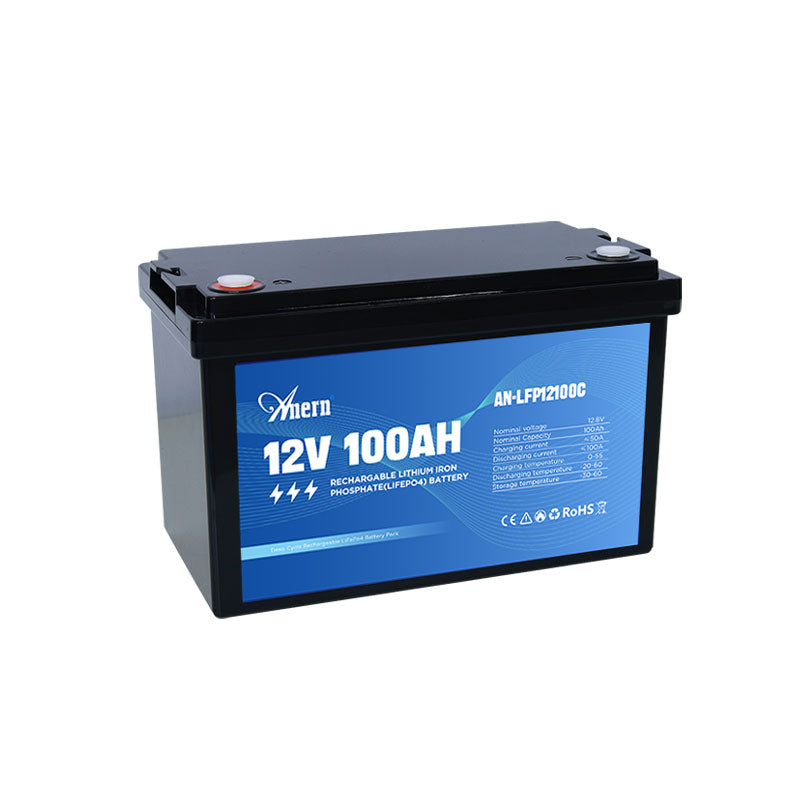
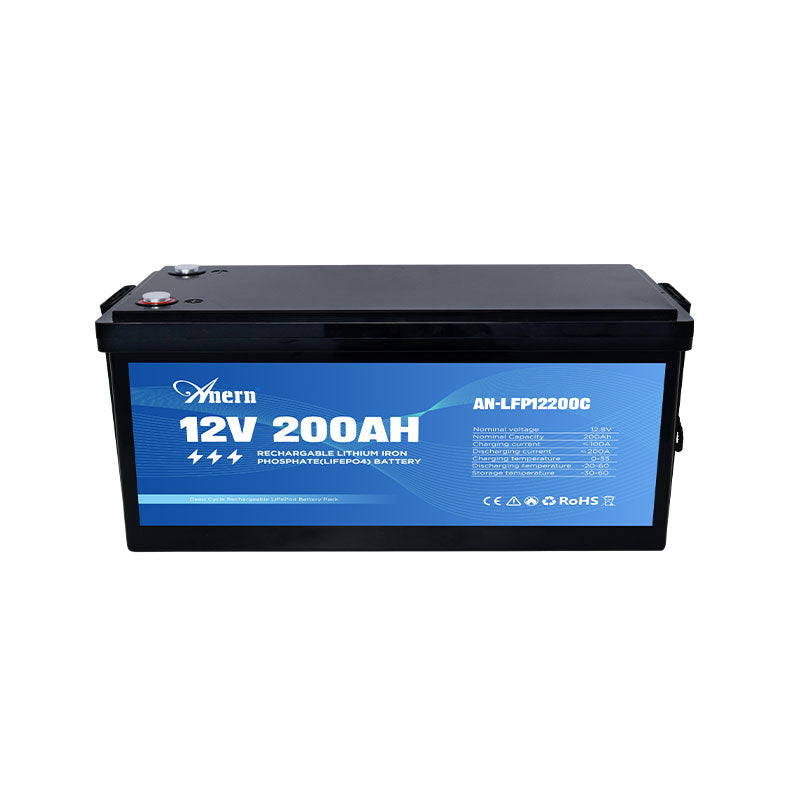
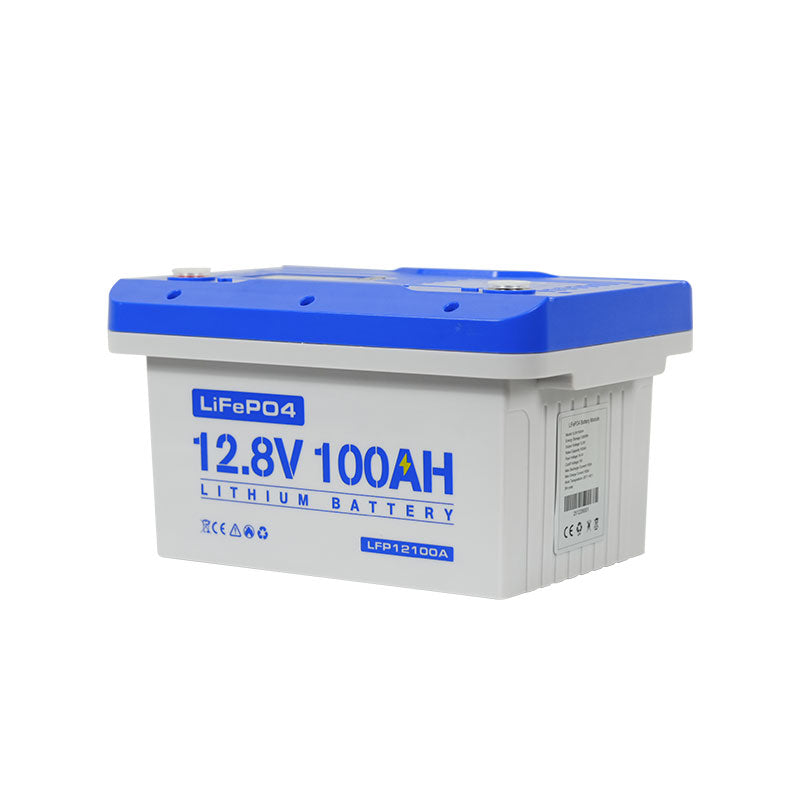
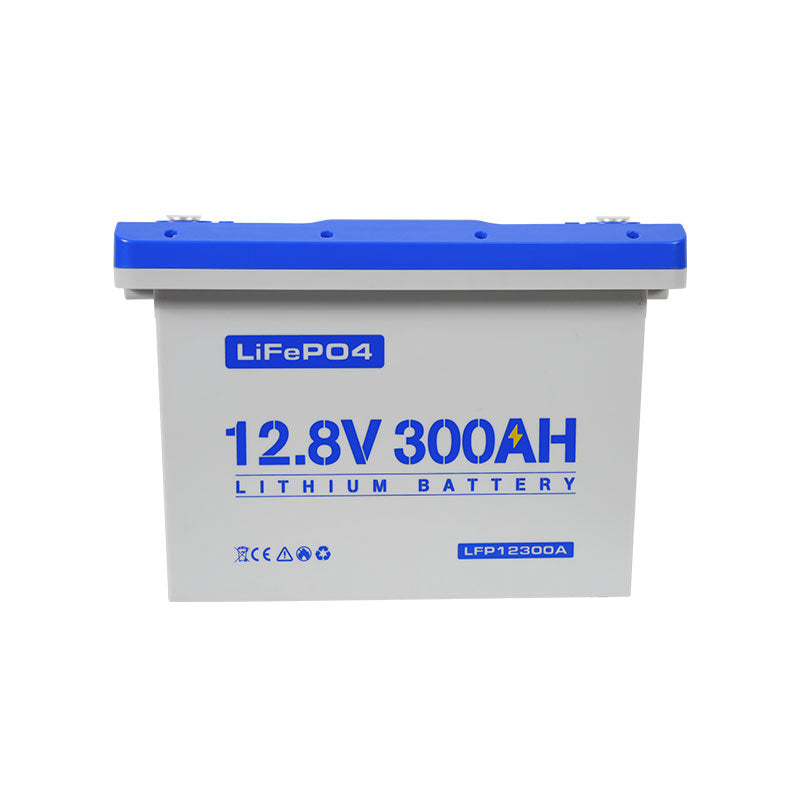
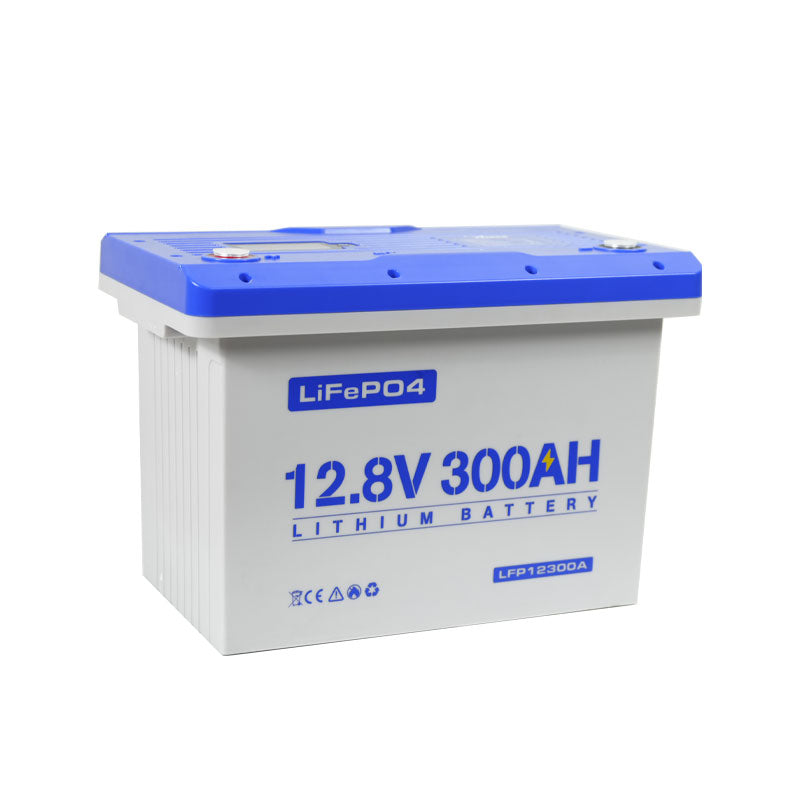
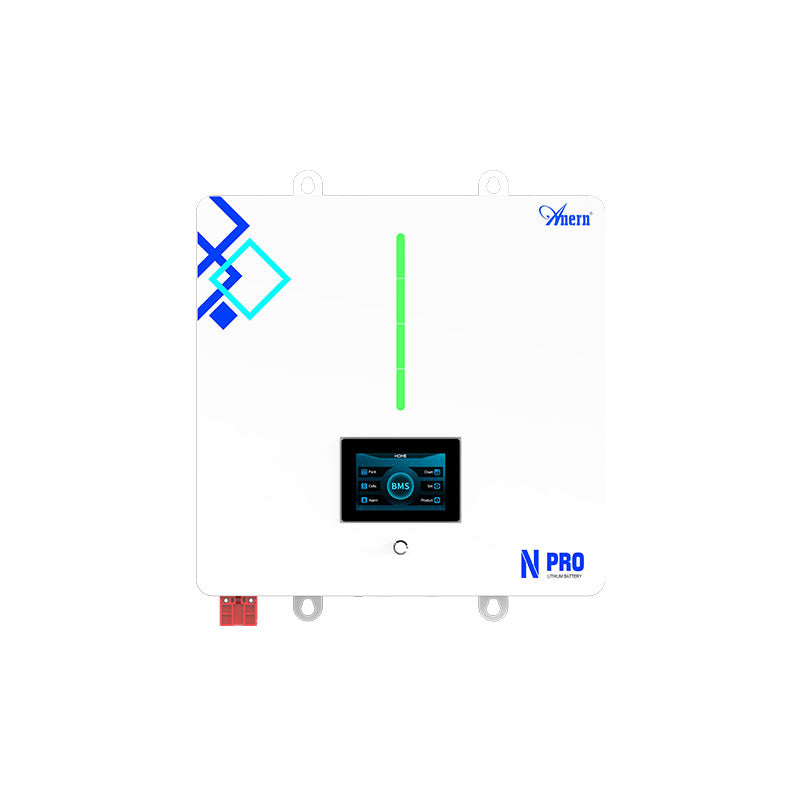
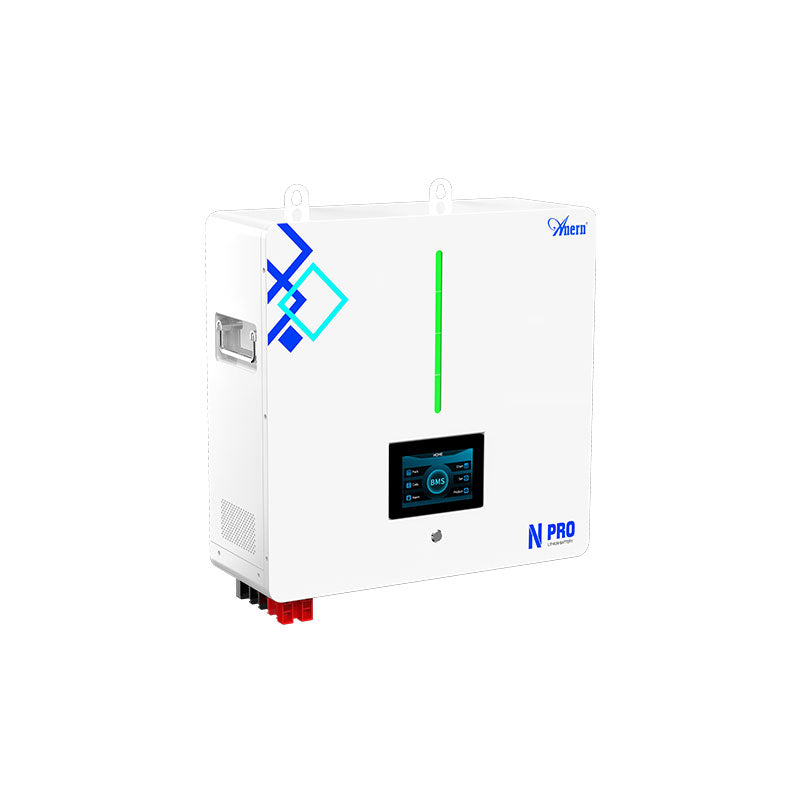
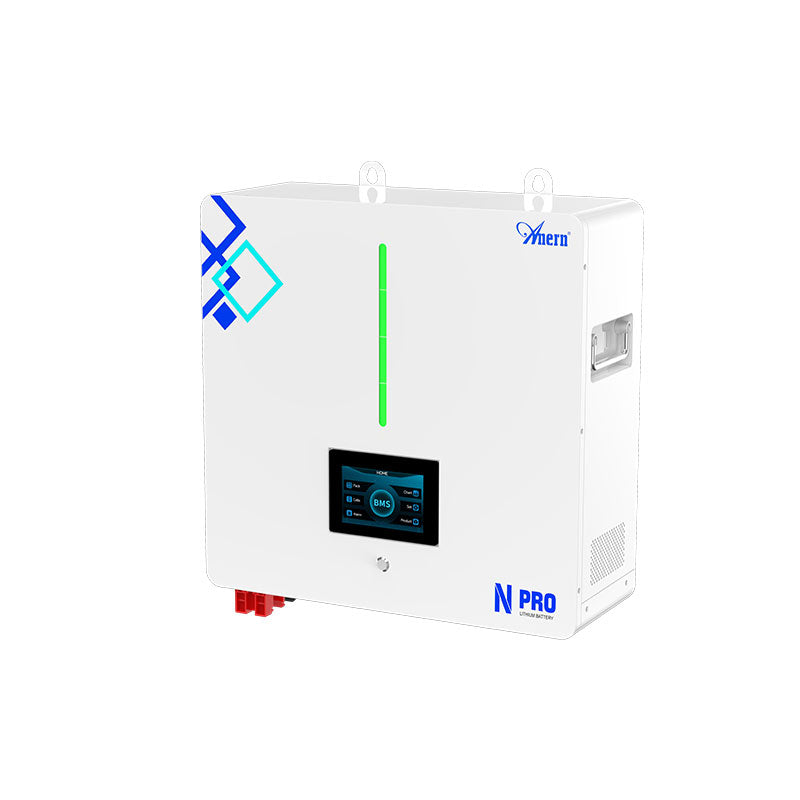
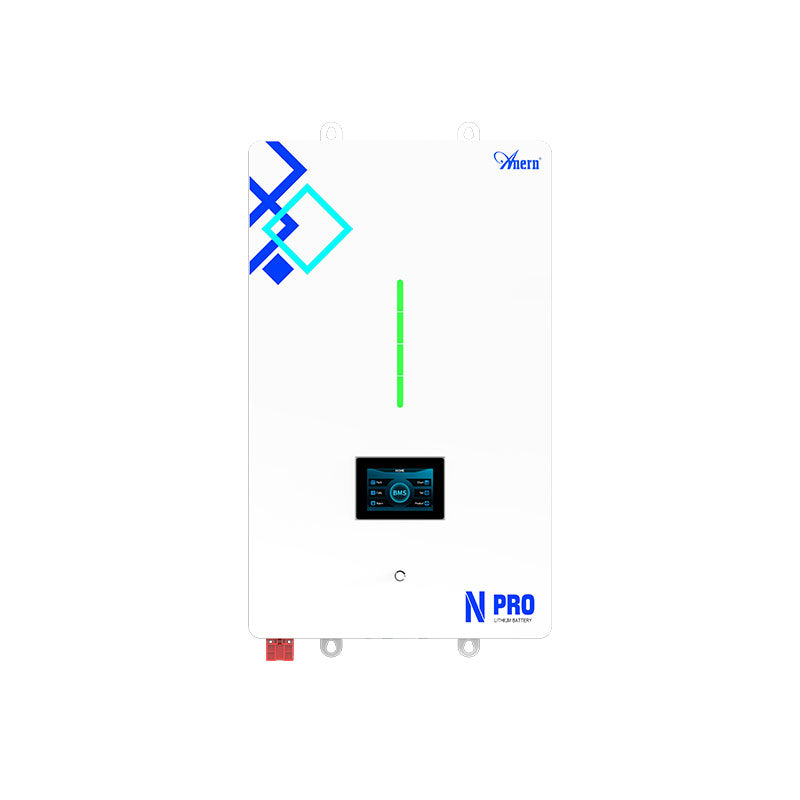
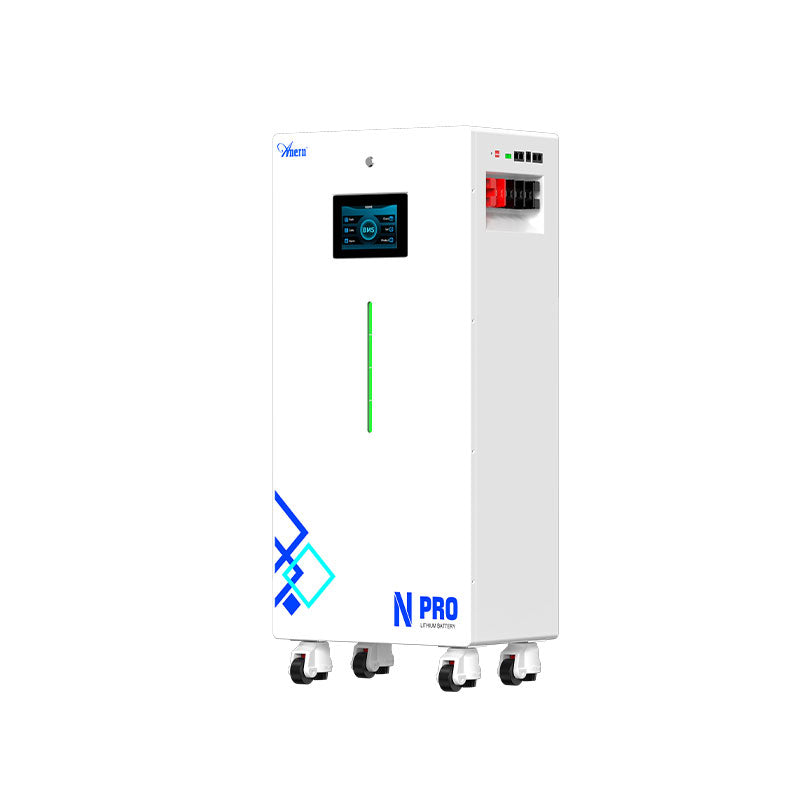
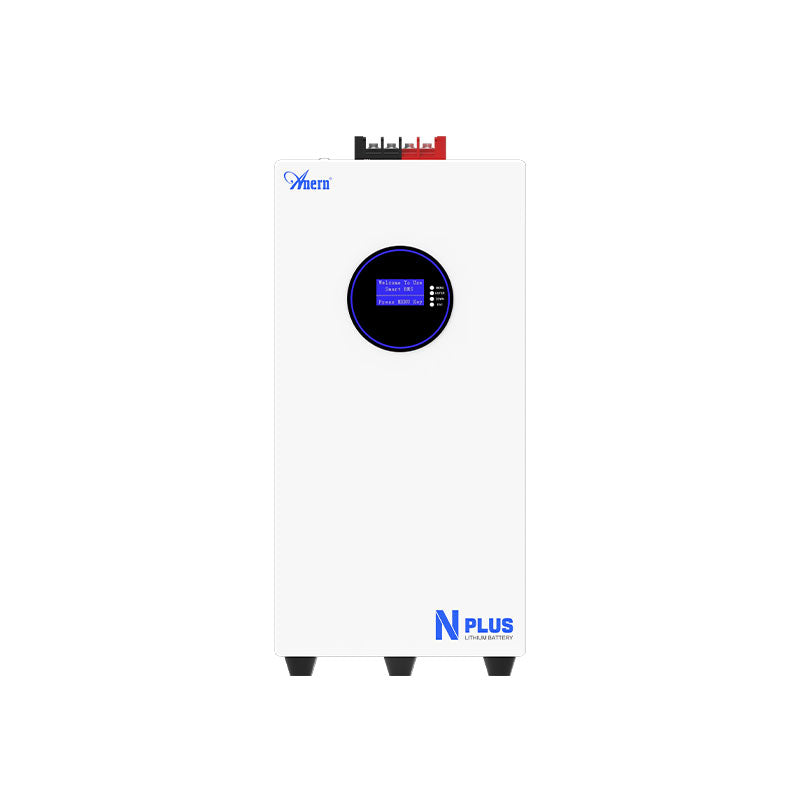
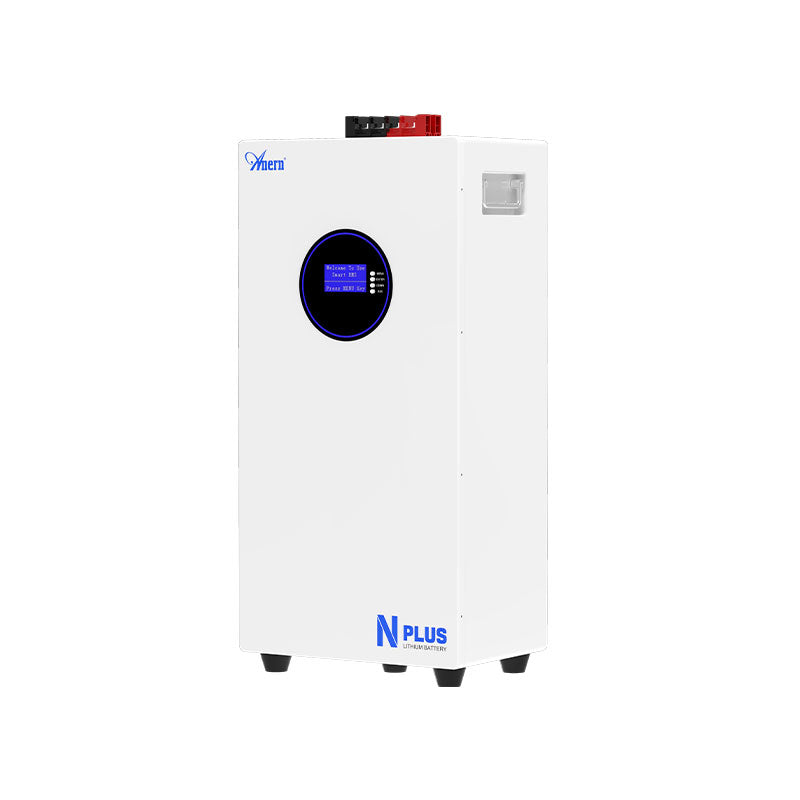
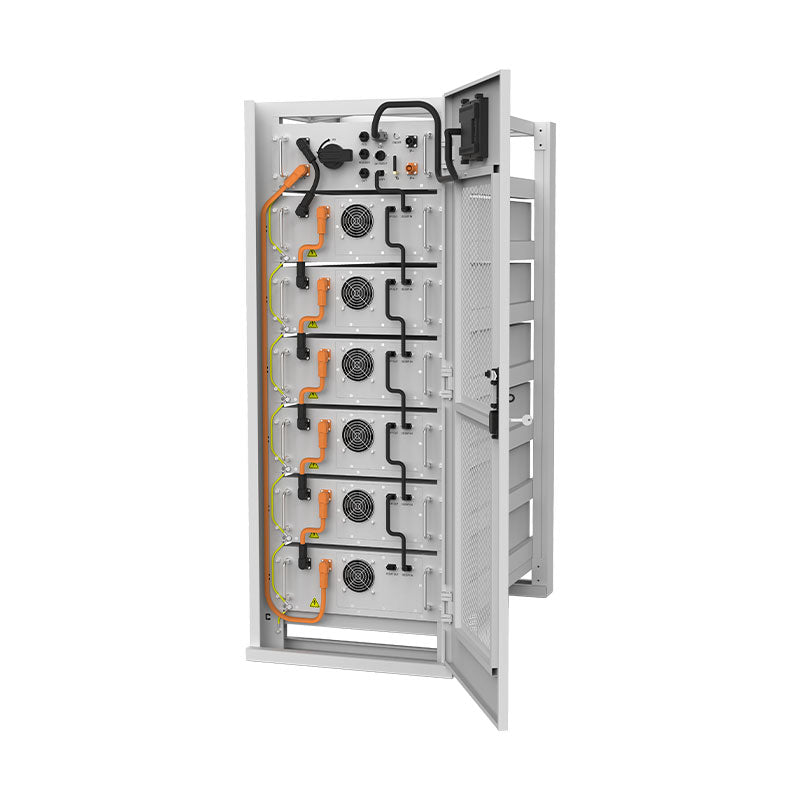
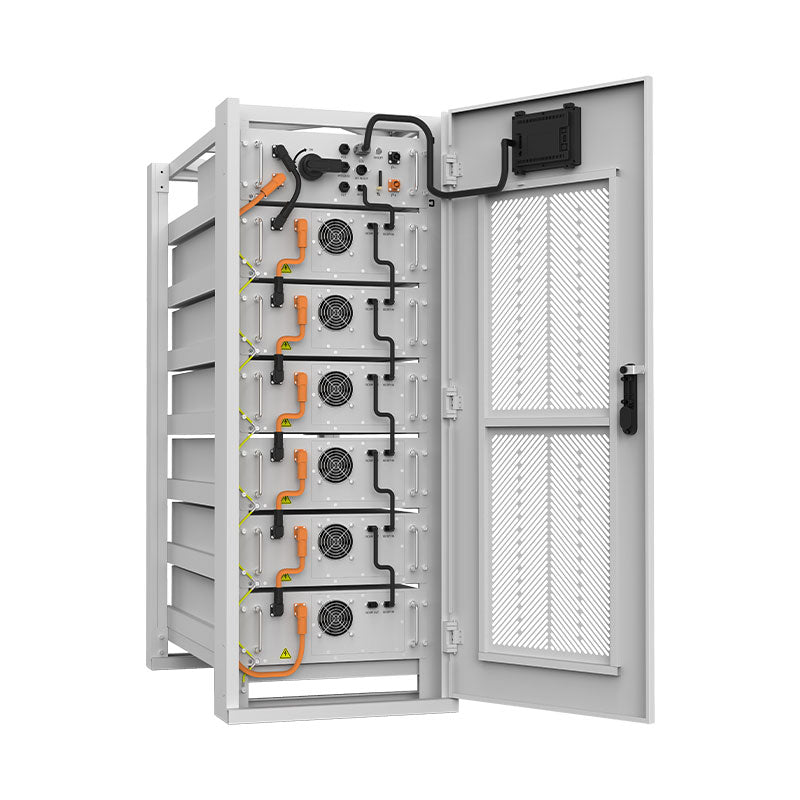
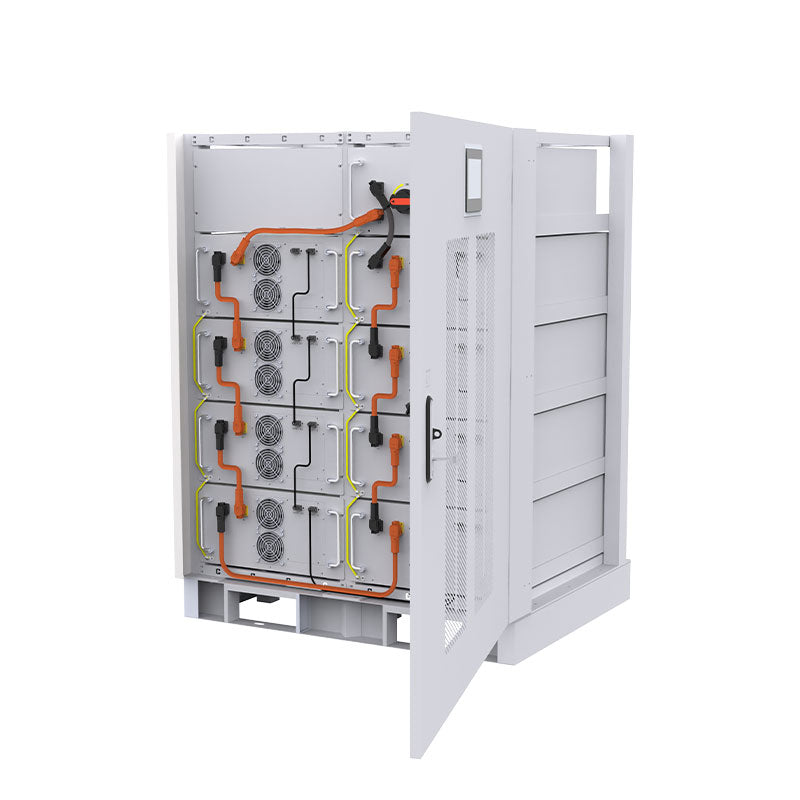
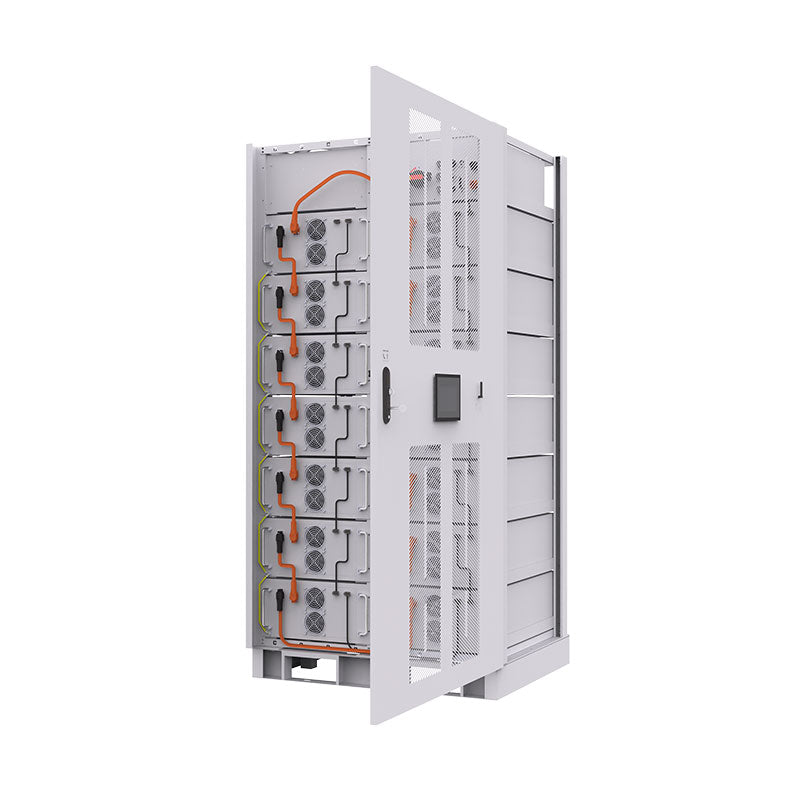
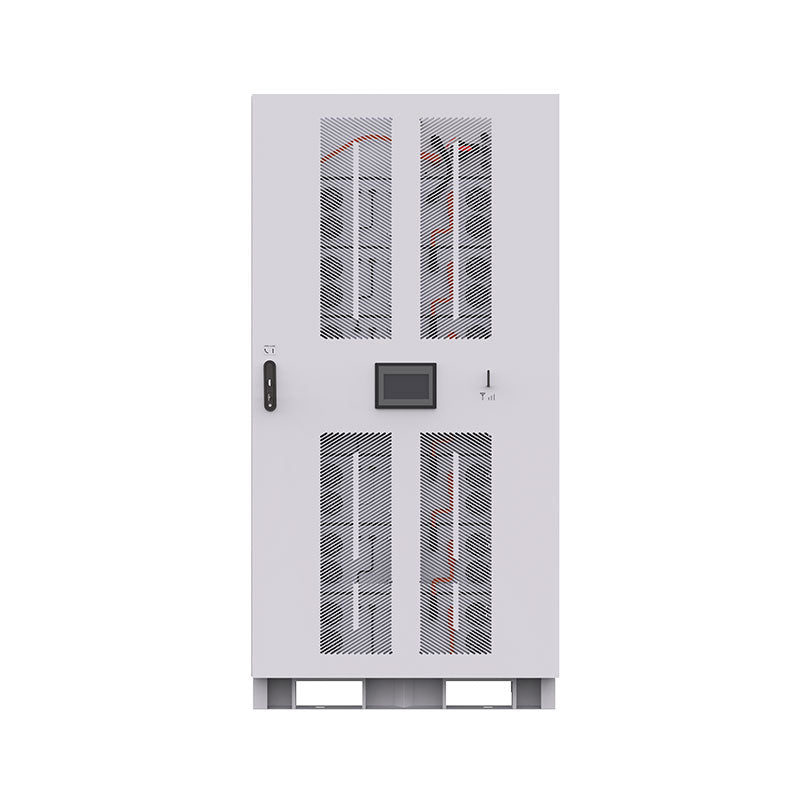
Adding a battery system allows you to store excess solar energy for use at night or during outages. Lithium Iron Phosphate (LiFePO4) batteries are a popular choice due to their long lifespan and high safety profile. Connect the battery to the inverter using the thick cables provided. Proper battery integration is key for energy independence. For a detailed analysis of how different battery technologies impact system efficiency, the Ultimate Reference for Solar Storage Performance offers valuable data on charge/discharge cycles and depth of discharge.
Grounding Your System for Safety
Grounding is a critical safety measure that protects you and your equipment from electrical faults. The entire system—including panel frames, racking, and the inverter—must be connected to your home's grounding system. This typically involves running a continuous copper grounding wire (typically 6 AWG) to a grounding rod driven into the earth. Follow the instructions in your manual and **local electrical codes (NEC Article 250)** precisely.
Real-World Example: 5.2kW Installation in Texas
To illustrate the process, here is a recent project. A homeowner installed a 5.2kW system using 13 x 400W panels and a 10kWh LiFePO4 battery. The primary goals were to offset high summer air conditioning costs and provide backup power.
- Challenge: The roof had multiple angles, requiring a split-array design.
- Solution: The installer used two separate strings of panels connected to a dual MPPT (Maximum Power Point Tracking) inverter to optimize production from each roof face.
- Result: The system now covers over 90% of the home's annual electricity needs and provides seamless backup during grid outages.

Safety Protocols and System Commissioning
Your DIY solar panel installation is nearly complete. Before you begin generating your own power, a final series of checks and a formal commissioning process are required.
Personal Protective Equipment (PPE) is Non-Negotiable
Throughout the installation, always use appropriate PPE. This includes:
- Insulated electrical gloves (Class 0) when handling wiring.
- Safety glasses to protect your eyes.
- Sturdy, non-slip footwear for roof work.
- A safety harness secured to a proper anchor point if working on a steep or high roof.
Final Checks and Powering On
Before activating the system, perform a final inspection. Double-check that all electrical connections are tight and that there are no exposed wires. Verify that the grounding is complete. Once you are confident everything is correct, follow the manufacturer's specific start-up procedure. This usually involves turning on the battery, then the inverter, and finally the circuit breaker connecting the solar panels.
Monitoring Performance for Optimal Output
Most modern inverters come with monitoring software or a mobile app. This allows you to track your system's energy production in real time. As noted in the IEA report Integrating Solar and Wind, monitoring and control systems are fundamental for the stability of renewable energy generation. Regularly checking your system's output helps you understand your energy habits and quickly identify any potential issues.
Moving Toward Energy Independence
Completing a self-install solar project is a significant accomplishment. By following a detailed, step-by-step process and prioritizing safety, you can build a reliable system that provides clean energy for your home. You have not just installed hardware; you have invested in a more resilient and sustainable energy future, taking a powerful step toward reducing your reliance on the grid.
Frequently Asked Questions
What are the most critical safety risks in a DIY solar installation?
The primary risks are electrical shock and falls. DC electricity from solar panels is active whenever there is light, so always handle wiring with care and use insulated tools and gloves. Working on a roof presents a fall hazard, so use proper safety equipment like a harness and secure ladders. **Stop and consult a professional if you are unsure about any electrical connection or structural assessment.**
How do I know what size prefab solar kit I need?
Your required kit size is based on your electricity consumption. Review your past utility bills to calculate your average daily kWh usage. Choose a kit that can generate slightly more than your average daily need to account for cloudy days and battery charging.
Can I connect my DIY solar kit to the grid?
Some prefab solar kits are designed for grid-tie applications, which may allow you to sell excess power back to the utility (net metering). However, this requires additional equipment, a more complex permitting process, and a formal interconnection agreement from your utility company. Connecting to the grid without authorization is illegal and dangerous. Always consult with your utility and a licensed electrician, as this step almost always requires professional sign-off and inspection, referencing codes like NEC Article 705.
