












As an engineer who designs off-grid power systems, I've learned that the diesel generator is the ultimate insurance policy. When a string of cloudy days drains your batteries, the genset is what keeps the lights on. But I've also seen more money wasted on improperly sized generators than on any other component. Go too big, and you're burning fuel for nothing. Go too small, and you risk a total system collapse when you need it most. That's why I've developed a set of field-tested rules to get it right every time.
Hybrid systems are the backbone of reliable remote power, a fact underscored by reports like the International Energy Agency's Renewables 2023 analysis. But making them work efficiently comes down to smart design.
First, Know Your Loads Inside and Out
Before we even talk about generators, we have to do a thorough load analysis. The first step is to sit down and divide every single electrical device into two lists: **critical** and **non-critical**. Critical loads are the things that *must* run no matter what—refrigeration, well pumps, essential lighting. Non-critical loads are everything else, like a washing machine or an air conditioner. This is crucial because your generator only needs to be sized to handle the critical loads, plus battery charging.
Rule 1: Size for Critical Loads + Battery Charging
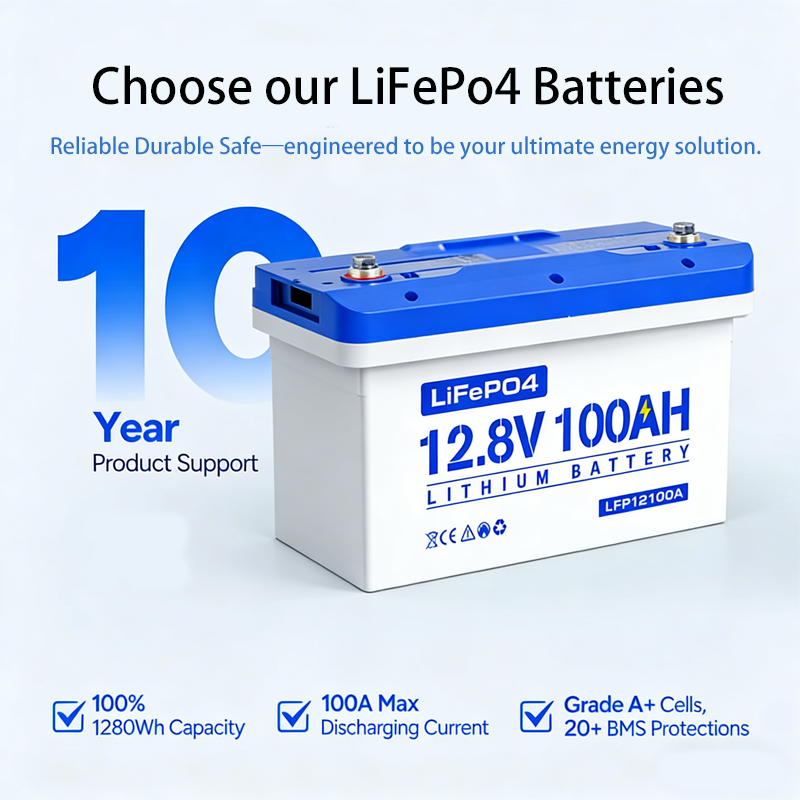
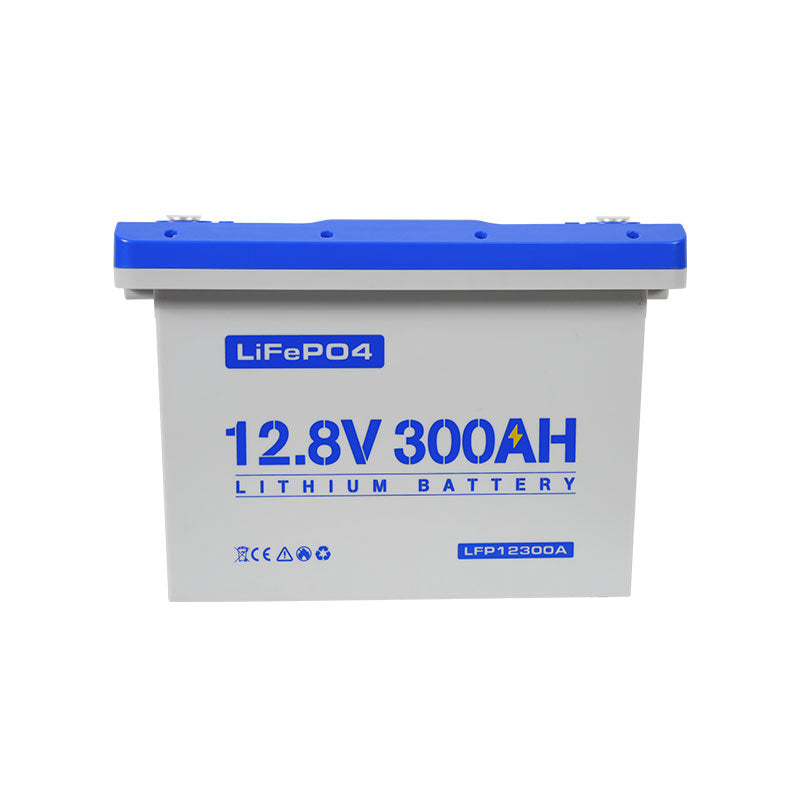
This is the golden rule. The generator's primary job is to power your essential equipment *while also* recharging your battery bank. A modern lithium iron phosphate (LiFePO4) battery bank can absorb a massive amount of power, and this charging load is often the biggest single load the generator will see. The formula I use is: Genset Capacity = (Critical Loads) + (Max Battery Charge Load) + (System Losses). Forgetting to account for the battery charging demand is the single most common sizing mistake I see.
Rule 2: Respect the Starting Surge
I've seen more undersized gensets fail from a well pump's startup kick than from any other single load. Motors in pumps, compressors, and air conditioners draw a huge surge of current for a few seconds when they start—often 3 to 6 times their running power. Your generator must be able to handle this momentary surge without faltering. The U.S. Department of Energy's guidance on solar-plus-storage always highlights this. Always identify your single largest motor and size the generator's surge capacity to handle it.
| Equipment Type | Running Power (W) | My Rule-of-Thumb Surge | Required Surge Capacity (W) |
|---|---|---|---|
| Refrigerator | 150 | 4x | 600 |
| Water Pump (1/2 HP) | 375 | 5x | 1,875 |
| Air Conditioner (1 Ton) | 1,000 | 3x | 3,000 |
Rule 3: Always Derate for Your Environment
A generator's power rating is based on performance at sea level on a cool day. That's not the real world. Heat and altitude rob a generator of its power. My rule of thumb for derating is simple: for every 10°C above 25°C, subtract 4% of its power. For every 300m of elevation, subtract another 3%. A 10kW generator installed at a mountain cabin at 1,500m on a hot day might only deliver 8.5kW. If you don't account for derating, your generator will be undersized from day one.
Rule 4: Aim for the Efficiency "Sweet Spot"
Diesel generators are most fuel-efficient when running at 75-85% of their rated load. Running them below 30% load is a recipe for disaster—it's inefficient and leads to a maintenance headache called "wet stacking." As IRENA's research confirms, a properly sized genset in a hybrid system can slash fuel use by over 50%. I always design the system so that when the generator runs, the combined critical and battery charging loads push it right into that 75-85% efficiency sweet spot.
Rule 5: Plan for Downtime
Every generator needs maintenance, which means it will be offline. Your battery bank should be large enough to carry your critical loads through a typical maintenance window (usually a few hours). For truly critical sites like remote clinics or communication towers, I always recommend an N+1 redundancy—typically two smaller generators instead of one large one. This allows one to run while the other is being serviced, ensuring 100% uptime.
Rule 6: Let Smart Controls Do the Heavy Lifting
Modern hybrid inverters have incredibly sophisticated controls that can make a smaller generator perform like a much larger one. I program the system to automatically start the genset only when the battery hits a low threshold (e.g., 20% state of charge) and to automatically shut off non-essential loads if the generator approaches its limit. This intelligent load management can often reduce the required generator size by 20-30%, saving significant upfront cost.
Rule 7: Size for Tomorrow, Not Just Today
A well-built hybrid system should last 20 years or more. Over that time, your energy needs will likely grow. I always add a 20-25% capacity margin to my final calculation. This "future-proofing" ensures that adding a new piece of equipment in five years won't require a complete and costly generator replacement.
By following these seven field-proven rules, you move from guessing to engineering. You create a hybrid system where the generator is a perfectly integrated, efficient, and reliable component, ensuring your energy independence for years to come. As the U.S. EIA has noted, proper maintenance and design lead to exceptional reliability, and that's the ultimate goal of any off-grid system.
