













Living off-grid provides incredible freedom. Your solar array is the heart of that independence, but a silent threat can reduce its output: soiling. Dust, pollen, bird droppings, and other airborne particles accumulate on your panels, blocking sunlight and cutting into your energy production. This reduction in power, known as soiling loss, can be surprisingly significant, especially in dry, dusty climates. Fortunately, you can fight back with practical, field-proven strategies to keep your panels clean and your power flowing.
Understanding Soiling and Its Impact on Your System
Soiling is more than just a cosmetic issue. It directly impacts the amount of solar energy reaching the photovoltaic cells. Think of it as putting sunglasses on your panels. The more debris, the darker the glasses, and the less energy they produce. This can lead to undercharged batteries and an energy deficit when you need it most.
How Soiling Reduces Energy Yield
When dust and grime cover a panel's surface, they scatter and reflect sunlight away from the solar cells. The U.S. Department of Energy's Solar Energy Technologies Office highlights that reducing soiling is a key way to increase energy yield. In some arid regions, these losses can climb to over 20% if left unmanaged. This lost production means your system has to work harder, and your reliance on backup generators might increase, defeating a key purpose of going solar.
The Hidden Danger of Hotspots
Soiling doesn't just reduce output; it can also create 'hotspots.' When debris partially shades a single cell, that cell can stop producing power and start acting like a resistor. This causes it to heat up significantly, potentially damaging the panel over the long term and reducing its lifespan. Consistent maintenance is crucial for protecting your investment.
Method 1: Strategic Manual Cleaning
The most direct way to combat soiling is manual cleaning. However, doing it correctly is vital to avoid scratching your panels. The best time to clean is early in the morning or late in the evening when the panels are cool. Using a soft-bristle brush and deionized water can prevent mineral deposits that regular tap water might leave behind.
Safety First
For ground-mounted arrays, cleaning is straightforward. For roof-mounted systems, always prioritize safety. Use appropriate fall protection equipment and a sturdy ladder. If you are not comfortable working at heights, hiring a professional solar panel cleaning service is a wise choice. The cost of a professional cleaning is often easily offset by the recovered energy production.
Method 2: Applying Protective Coatings
Technology offers a more passive approach through specialized coatings. Hydrophobic and anti-static coatings create a surface that repels water and resists dust accumulation. When it rains, water beads up and rolls off, taking dirt with it—a self-cleaning effect. While not a complete substitute for manual cleaning, these coatings can significantly extend the intervals between cleanings, saving you time and labor.
Method 3: Optimizing the Tilt Angle
Your system's design can be a powerful tool against soiling. Panels installed at a steeper tilt angle (greater than 15 degrees) are better at shedding debris naturally. Rainwater flows off more quickly, carrying away loose dust and dirt. In areas with significant snowfall, a steeper tilt also helps snow slide off faster, minimizing winter production losses. While you must balance tilt for optimal sun exposure, factoring in self-cleaning is a smart move for low-maintenance operation.
Method 4: Choosing Your Site Wisely
Prevention starts with location. When planning your off-grid installation, consider the surrounding environment. Avoid placing your array directly next to dirt roads, agricultural fields that are frequently tilled, or other major sources of dust. Managing vegetation growth around ground-mounted systems is also a key operational task. Keeping grass and weeds trimmed prevents them from growing over the panels and becoming a source of pollen and debris.
Method 5: Leveraging Automated Cleaning Systems
For larger off-grid systems, such as those on farms or small commercial properties, automated robotic cleaning can be a game-changer. These systems are essentially robots that travel across your array, cleaning each panel with brushes or wipers. According to a report by the International Renewable Energy Agency (IRENA), optimizing and automating cleaning can substantially increase energy output by ensuring panels operate at peak efficiency consistently. While there is an upfront investment, the long-term gains in energy yield and reduced labor costs can deliver a strong return.
Method 6: Implementing Performance Monitoring
You cannot manage what you do not measure. A robust monitoring system is critical for any off-grid setup. By tracking your solar energy production daily, you can establish a baseline for performance. When you notice a gradual, unexplained drop in output that isn't related to cloudy weather, soiling is a likely culprit. To effectively monitor your system, you need a solid grasp of key performance indicators. A comprehensive reference on solar storage performance can provide the foundational knowledge to interpret this data correctly, helping you distinguish soiling losses from other system issues like battery degradation or inverter faults.
Method 7: Creating a Predictive Cleaning Schedule
Combine performance monitoring with local weather data to create an intelligent cleaning schedule. Instead of cleaning on a fixed calendar basis (e.g., once a month), you can clean based on need. For example, if your monitoring system shows a 5% drop in production and there is no rain in the forecast, it is time to clean. This data-driven approach, endorsed by research from institutions like the International Energy Agency (IEA), ensures you are not wasting water or labor on unnecessary cleanings, optimizing your maintenance efforts for maximum impact.
The Financials of Clean Panels
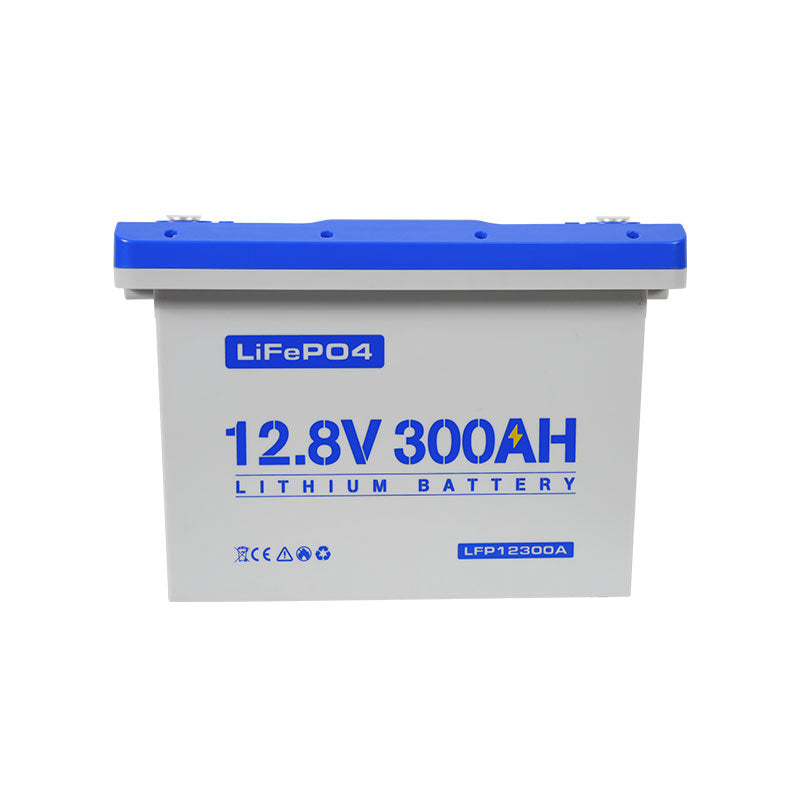
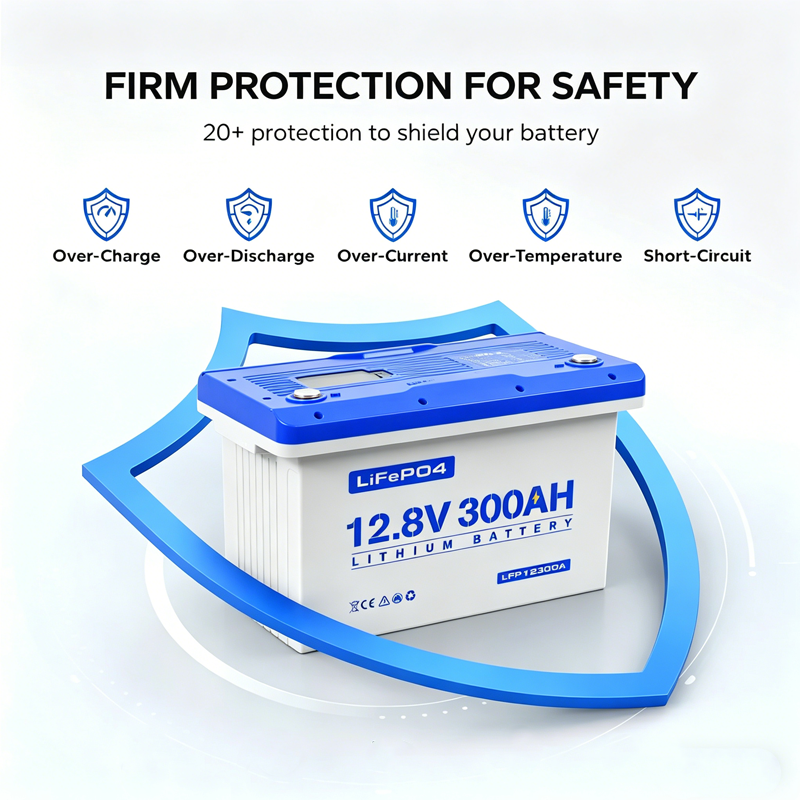
Investing time or money into cleaning your panels pays dividends. A cleaner panel produces more electricity, which means your lithium battery bank gets fully charged more reliably. This reduces your reliance on a backup generator, saving fuel and maintenance costs. A well-charged LiFePO4 battery also experiences less stress, potentially extending its service life.
| Soiling Level | Potential Energy Loss | Estimated Annual Value (for a 5kW system) |
|---|---|---|
| Light (Suburban) | 3-5% | $50 - $85 |
| Moderate (Rural/Agricultural) | 6-15% | $100 - $250 |
| Heavy (Arid/Dusty) | 16-25% | $270 - $425 |
Disclaimer: These are estimates. Actual financial impact depends on system size, electricity costs, and local conditions.
Final Thoughts on Maximizing Your Energy
Soiling is an unavoidable reality for any solar panel owner, but it does not have to compromise your energy independence. By combining smart system design with a proactive and data-informed maintenance strategy, you can effectively minimize soiling losses. From simple manual cleaning to advanced monitoring, these seven field-proven methods will help you keep your panels performing at their peak, ensuring your off-grid home, farm, or cabin has the reliable power it needs for years to come.
Frequently Asked Questions
How often should I clean my off-grid solar panels?
The ideal frequency depends heavily on your location. In a dusty, arid environment with little rain, you might need to clean them monthly. In an area with regular rainfall, you might only need to clean them once or twice a year. The best approach is to use a performance monitoring system to tell you when a cleaning is needed.
Can I use regular tap water to clean my panels?
It is not recommended. Tap water contains minerals that can leave behind a chalky film after the water evaporates. This film can be difficult to remove and can also block sunlight. Deionized or distilled water is the preferred choice for a spot-free finish.
Do soiling losses affect my lithium battery storage?
Yes, indirectly. Consistent soiling losses mean your solar array produces less energy each day. This can lead to your lithium battery (like a LiFePO4 battery) not reaching a full state of charge regularly. Chronic undercharging can stress the battery and may shorten its overall lifespan. Keeping panels clean ensures your battery gets the full, consistent charge it needs for optimal health and performance.
