









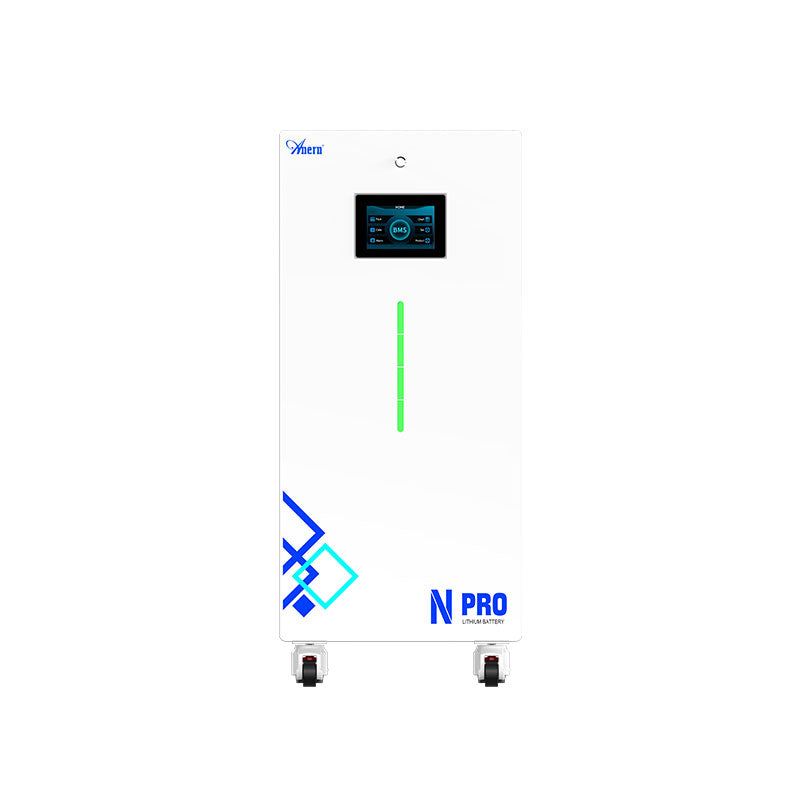

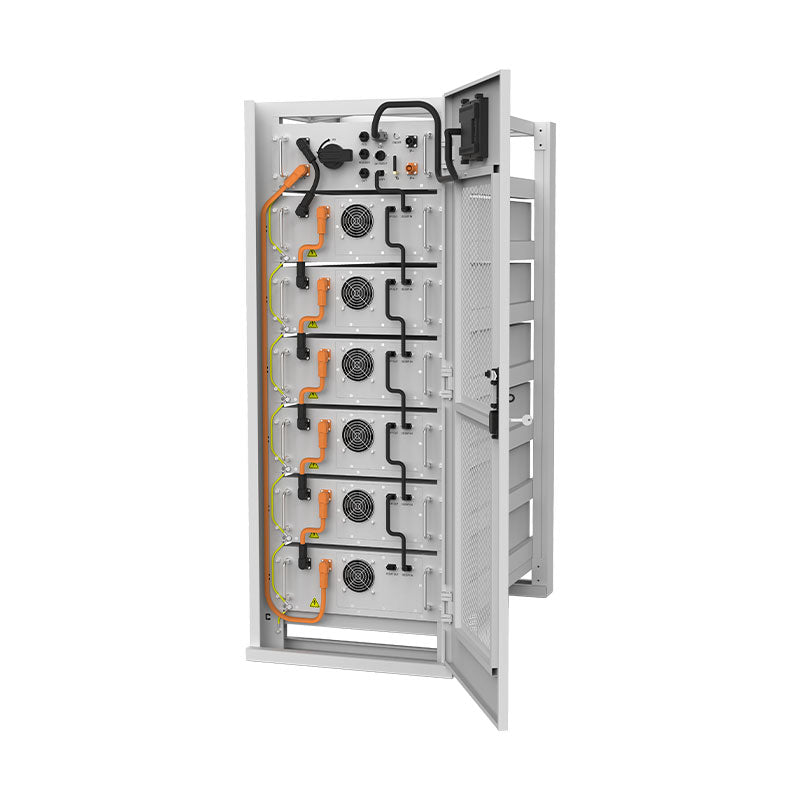
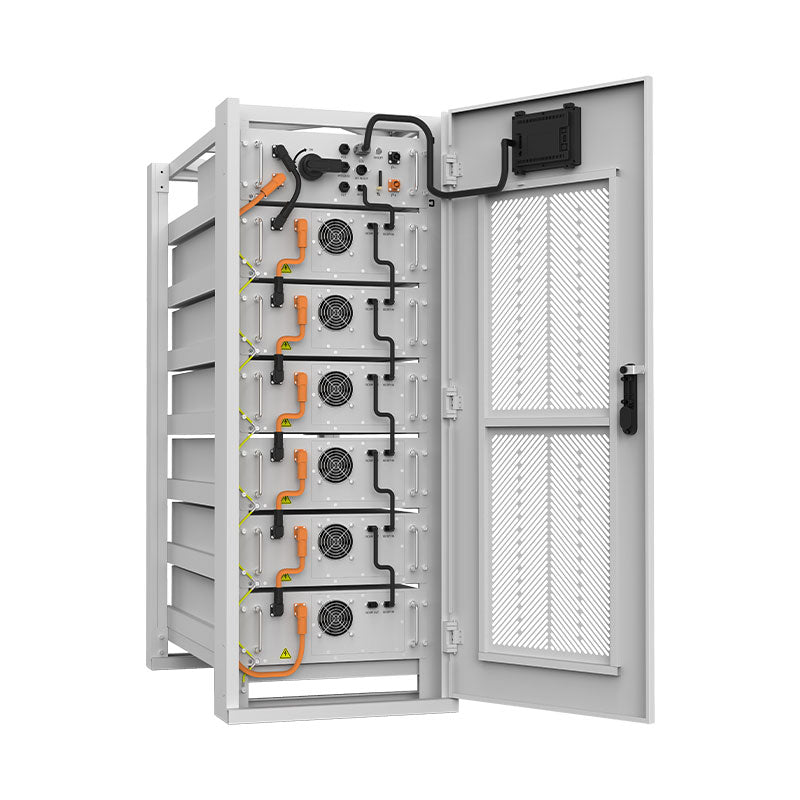
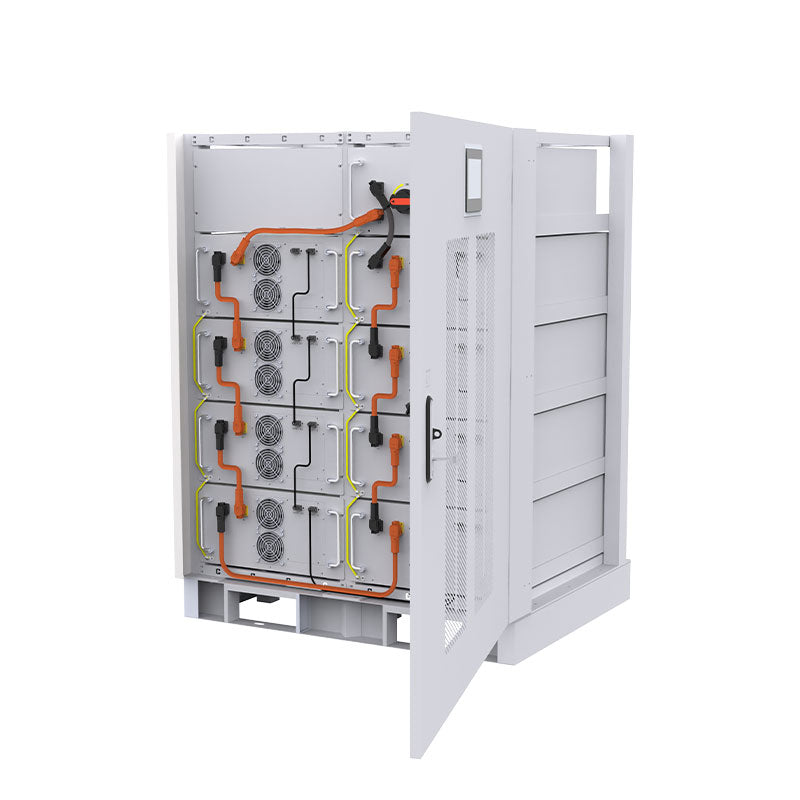

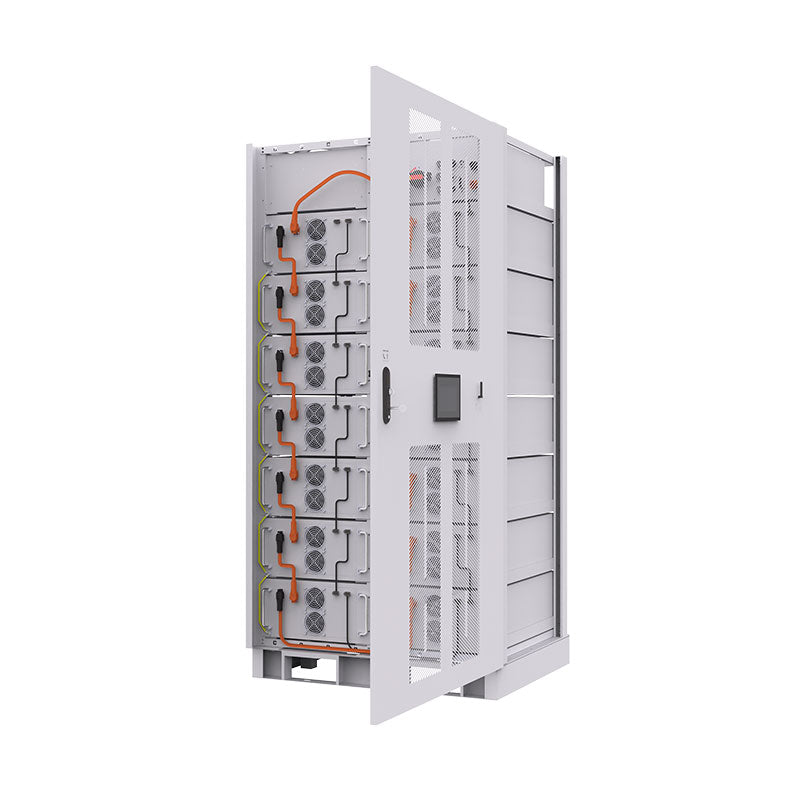
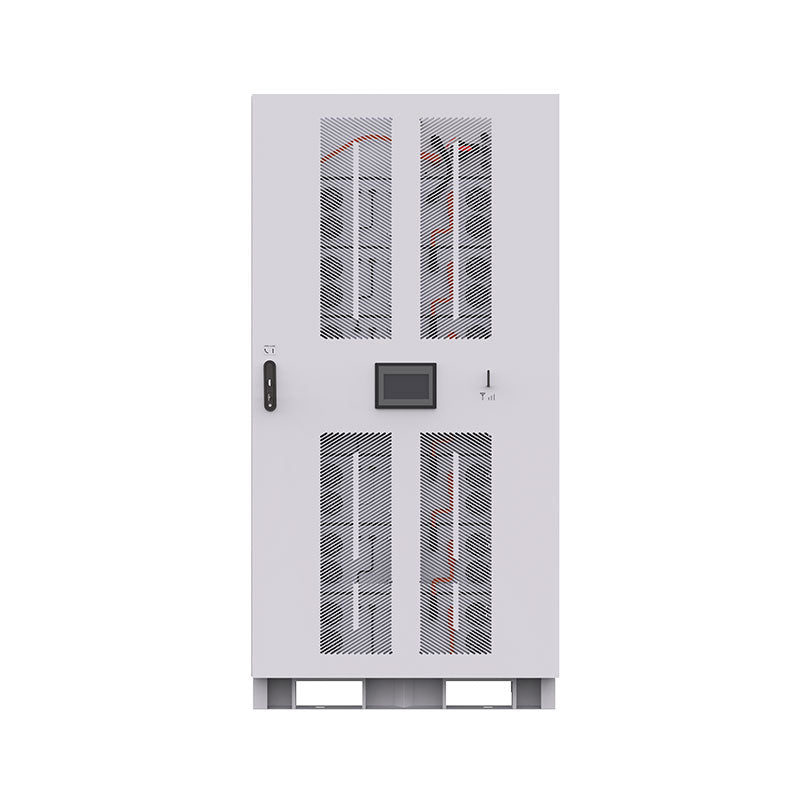


Taking control of your energy supply is a practical step toward greater self-sufficiency. A solar energy storage system helps you use solar power after sunset, during cloudy periods, or when grid power is unavailable. This 2026 buyer's guide explains the core components, sizing logic, and safety checks to review before choosing an off-grid solar kit or home battery storage system.
Core Components of an Off-Grid Solar Kit
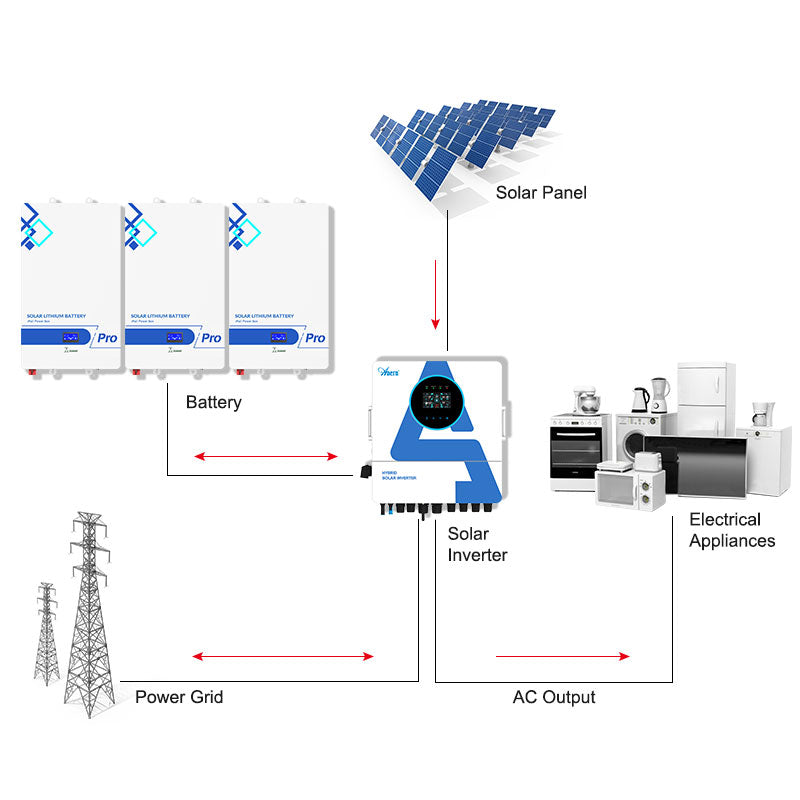
An effective off-grid solar kit works as a balanced system. Solar panels generate electricity, batteries store that energy, and the inverter and charge controller manage how power moves through the system. Choosing one oversized component rarely solves a weak system design; the parts need to match in voltage, current capacity, and intended use.
The Heart of the System: Solar Batteries
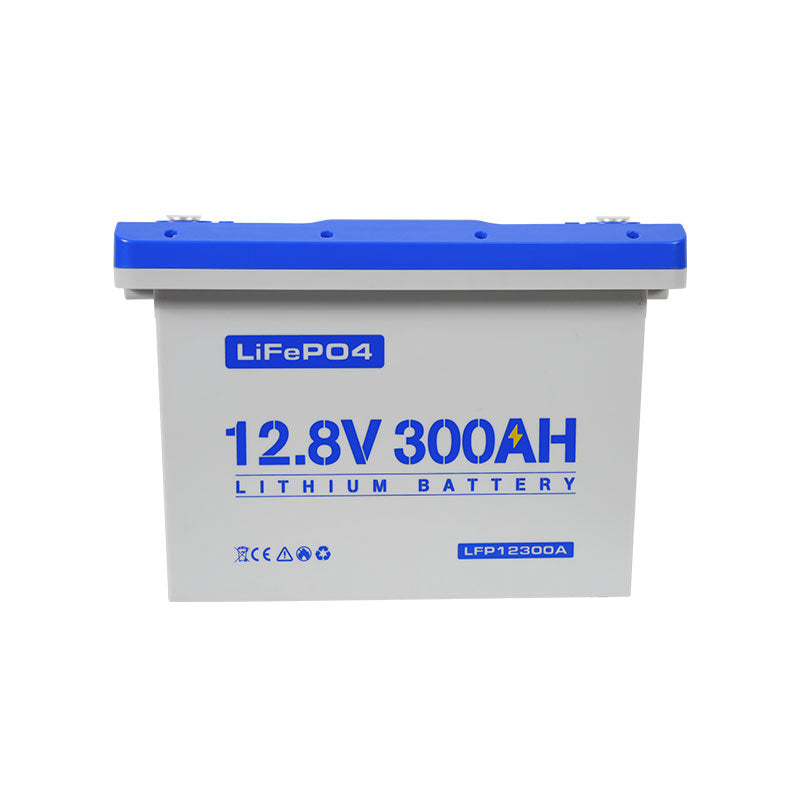
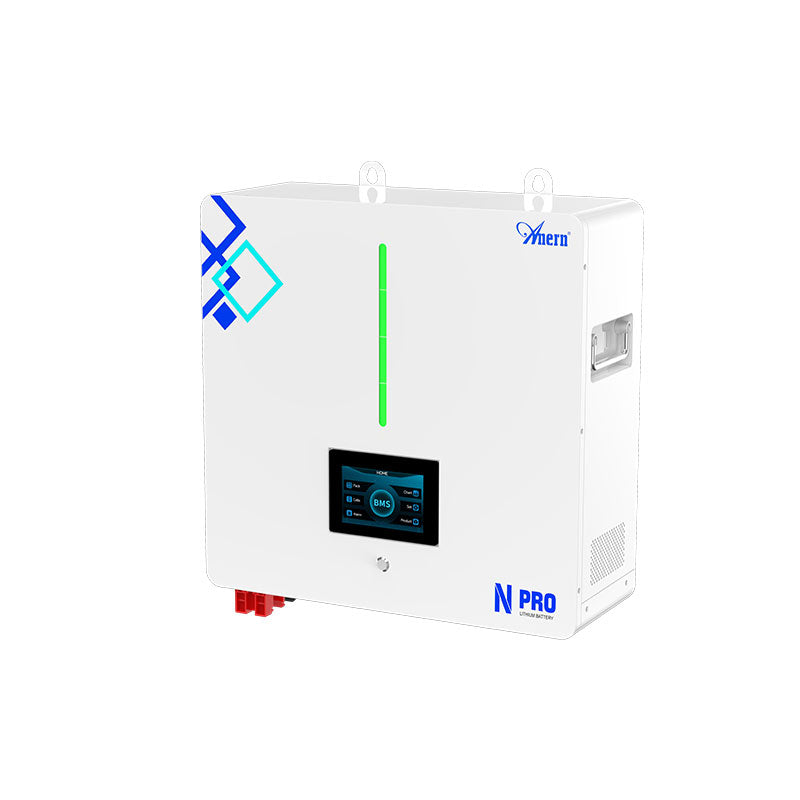
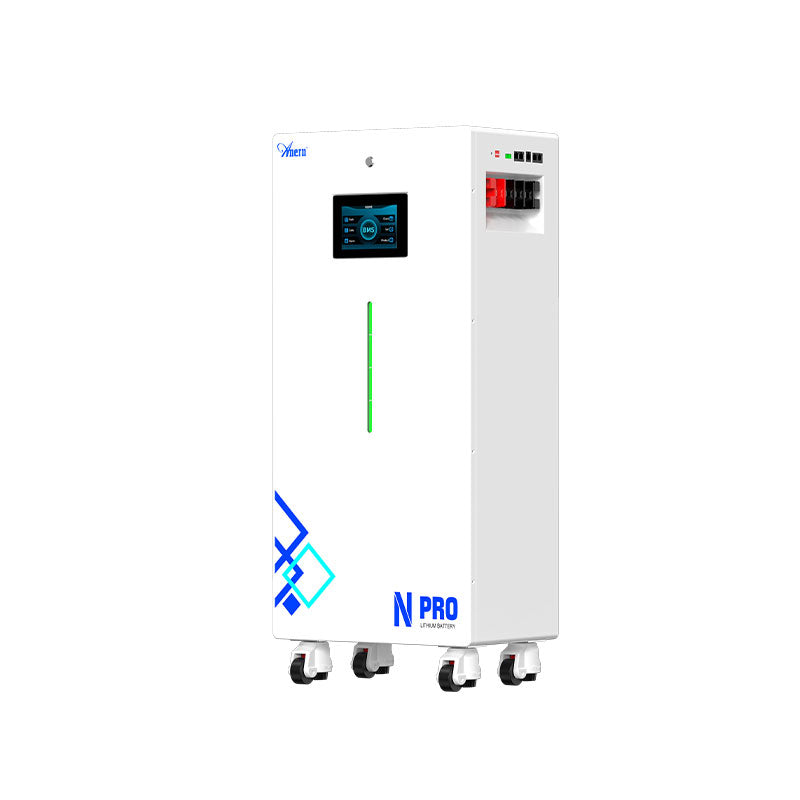
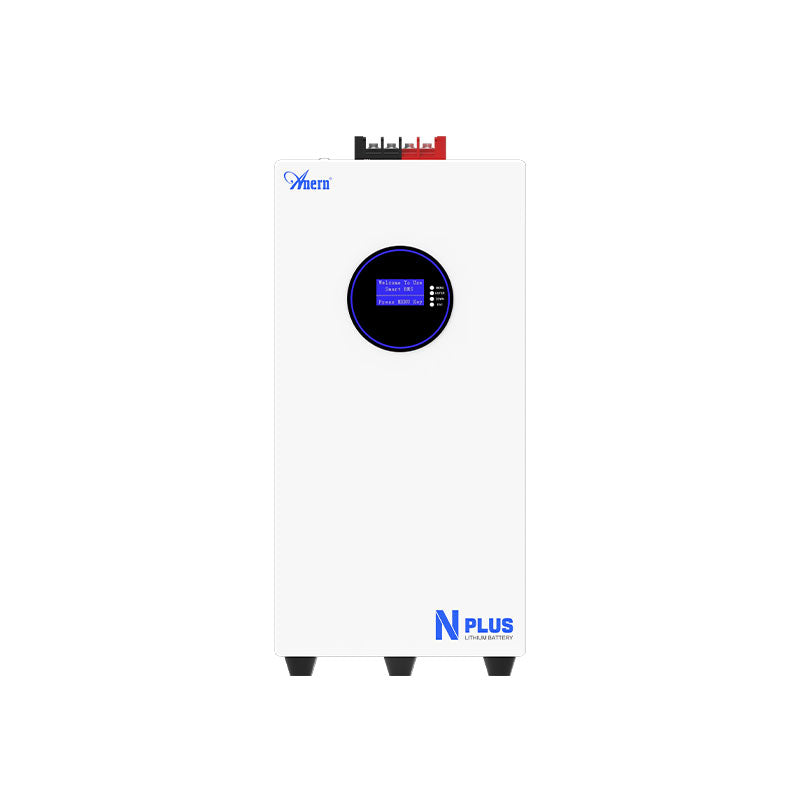
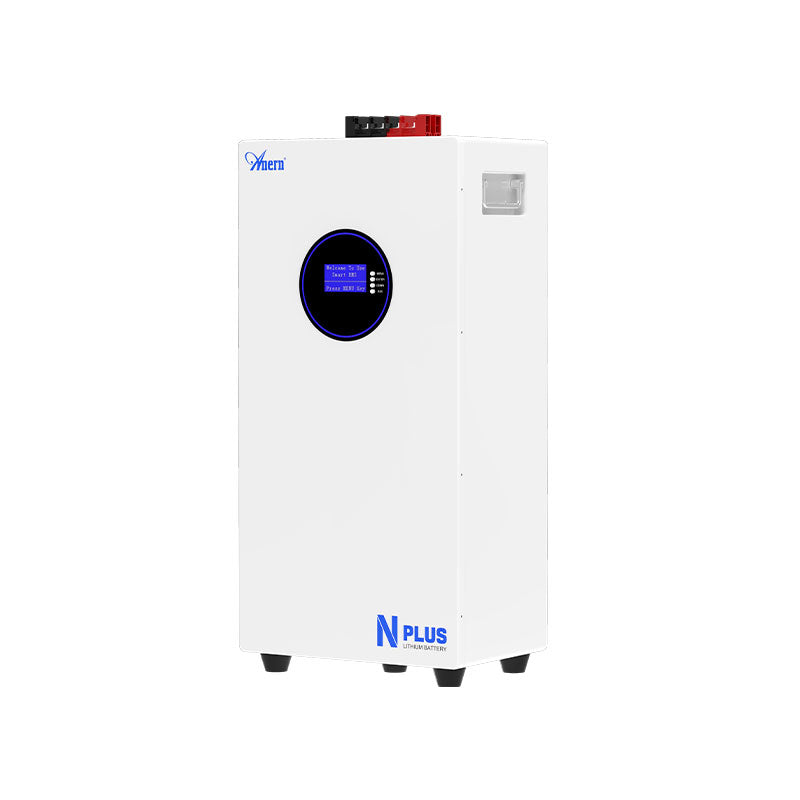
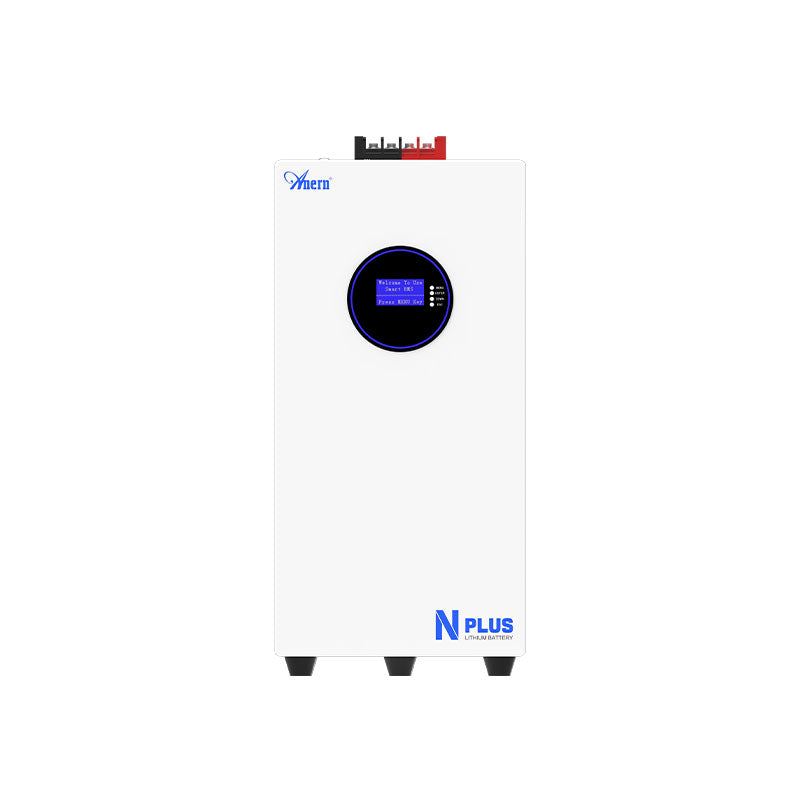
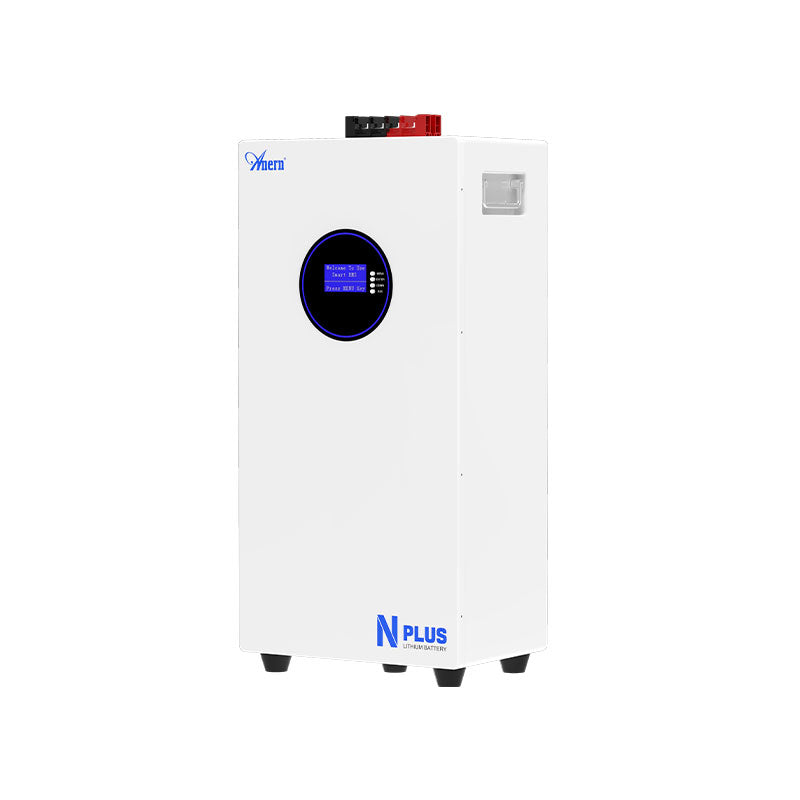
The battery is the core of any solar energy storage system. It stores the energy captured by your solar panels for use when the sun is not shining. Among common battery technologies, lithium iron phosphate (LiFePO4) is widely used for off-grid and backup power because it offers strong cycle life, stable chemistry, and low maintenance compared with many traditional lead-acid options.
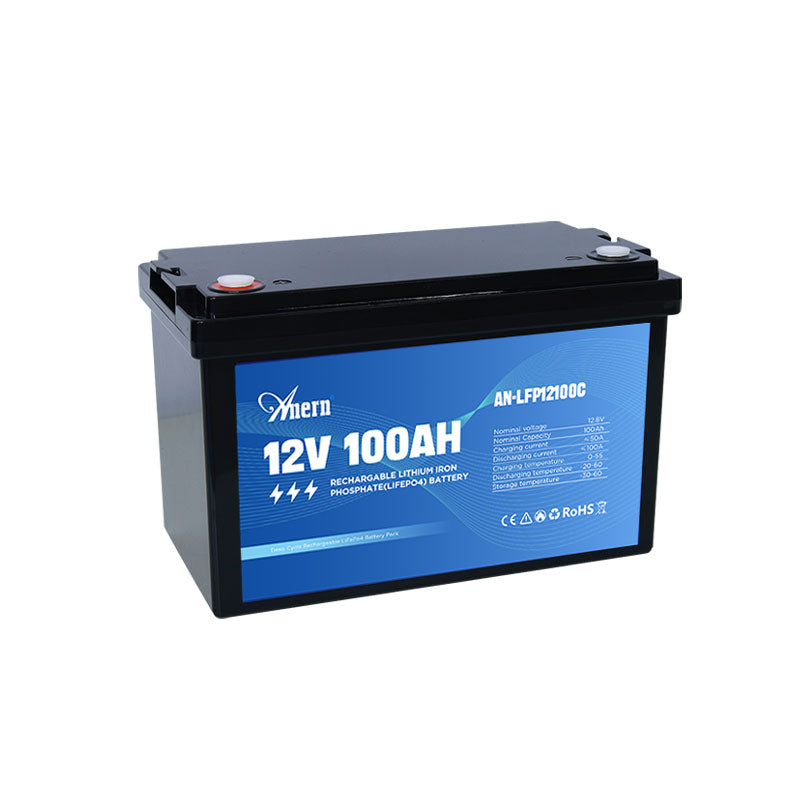
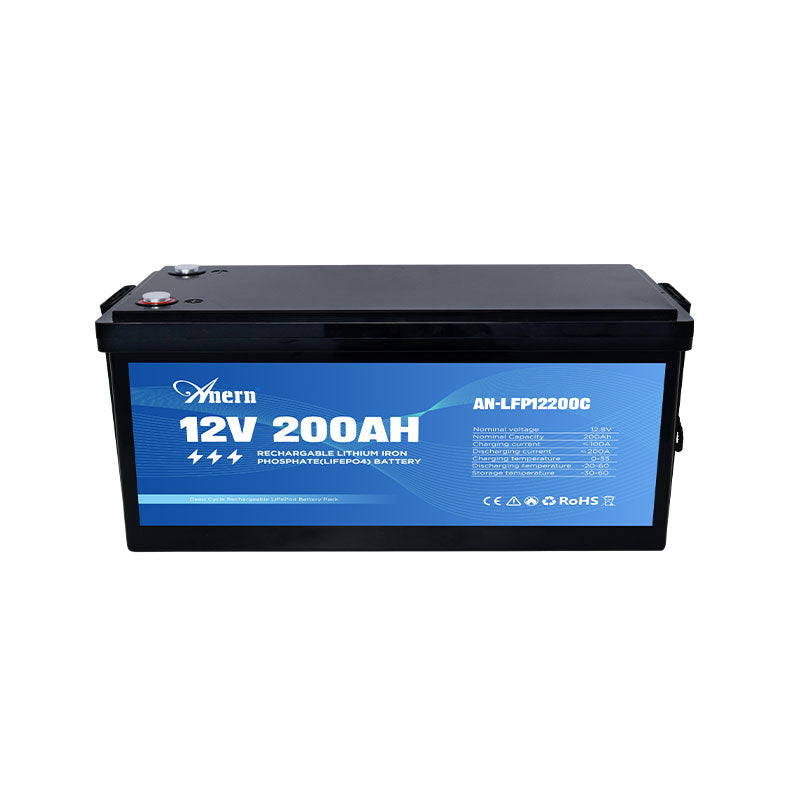
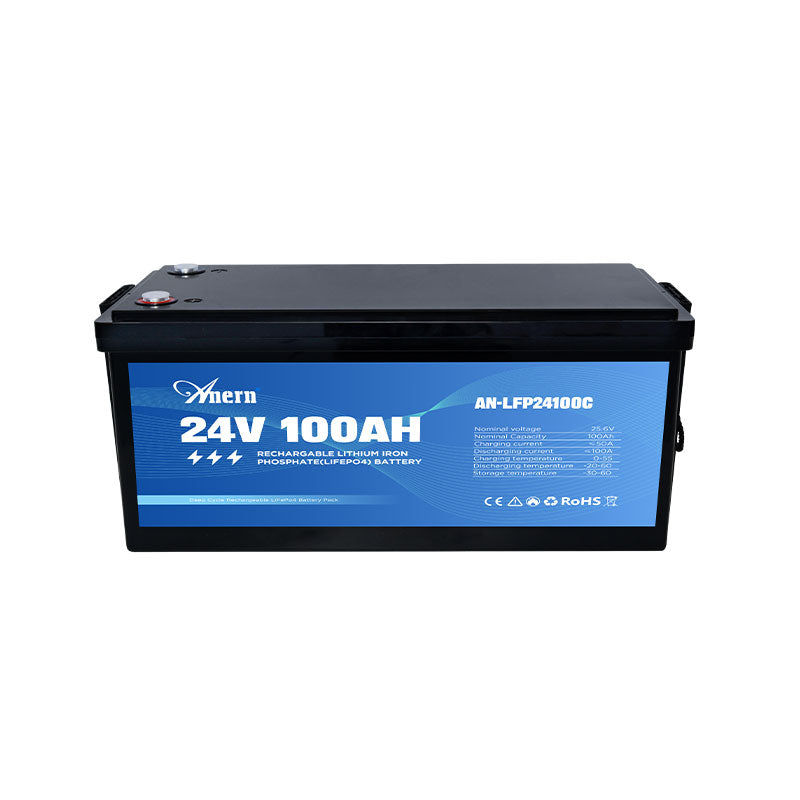
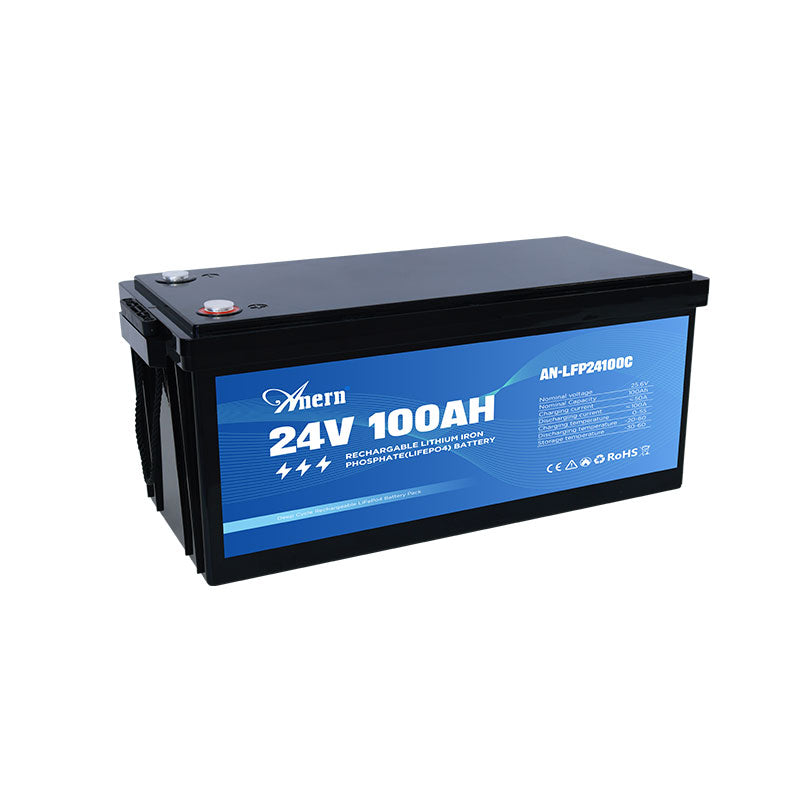
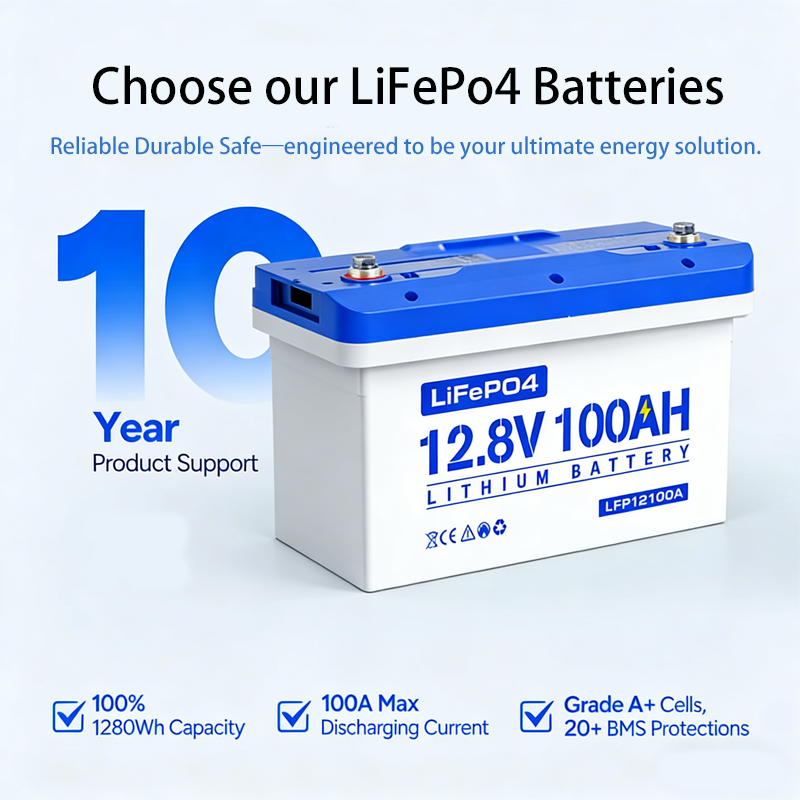
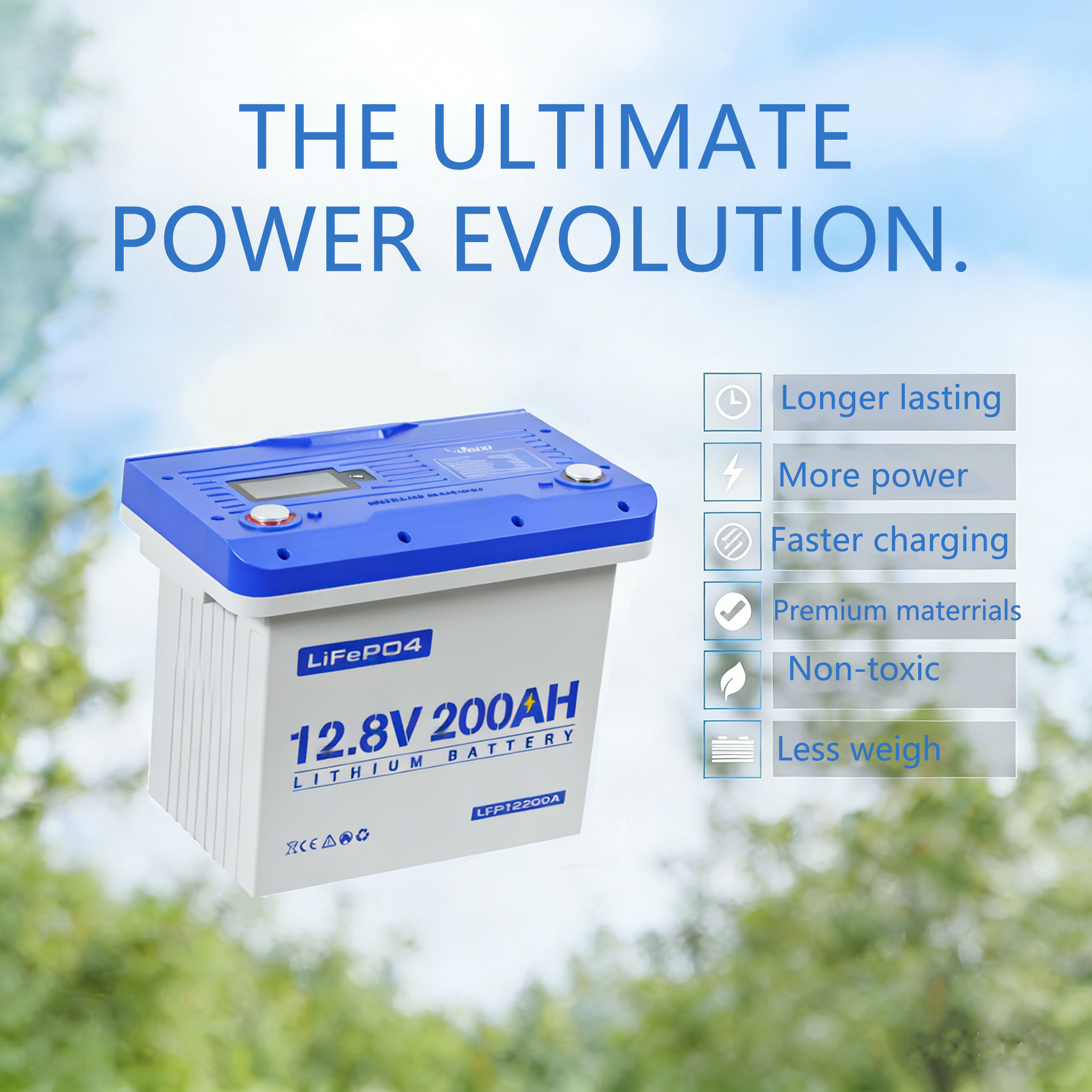
For example, a 12V 100Ah lithium battery is often used in RVs, cabins, small backup systems, and compact solar kits. A larger 200Ah lithium battery pack or a 24V/48V battery bank may be a better fit when the system needs to power higher loads or run for longer periods.
When evaluating a lithium ion solar battery, review these key metrics:
- Capacity (Ah and Wh): Amp-hours show charge capacity, but watt-hours give a clearer picture of usable energy. A 12.8V 100Ah LiFePO4 battery stores about 1280Wh, or 1.28kWh, before real-world losses.
- Voltage (V): Common battery system voltages include 12V, 24V, and 48V. The battery voltage must match the inverter and charge controller design.
- Depth of Discharge (DoD): This describes how much of the battery capacity can be used. Many LiFePO4 batteries support deeper discharge than lead-acid batteries, but the safe limit depends on the model and BMS settings.
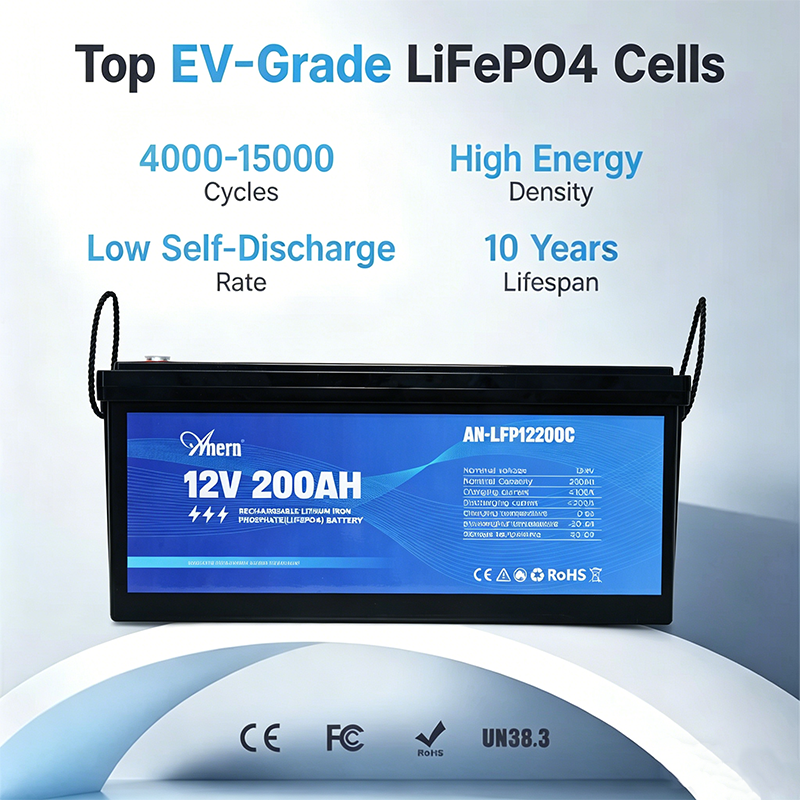
- Cycle Life: Cycle life estimates how many charge and discharge cycles a battery can deliver before noticeable capacity loss. Compare manufacturer specifications under similar test conditions.
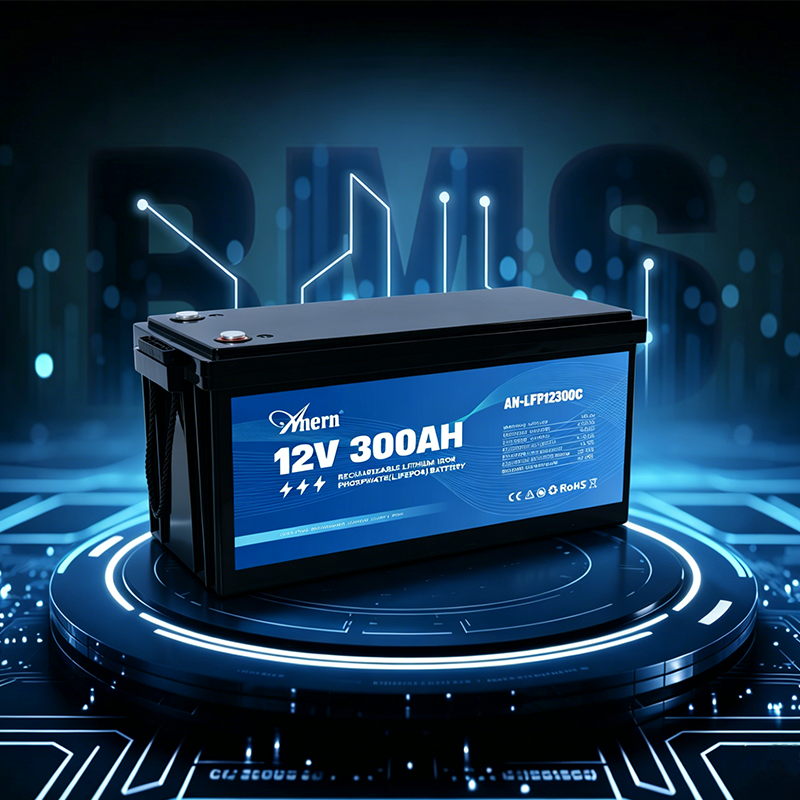
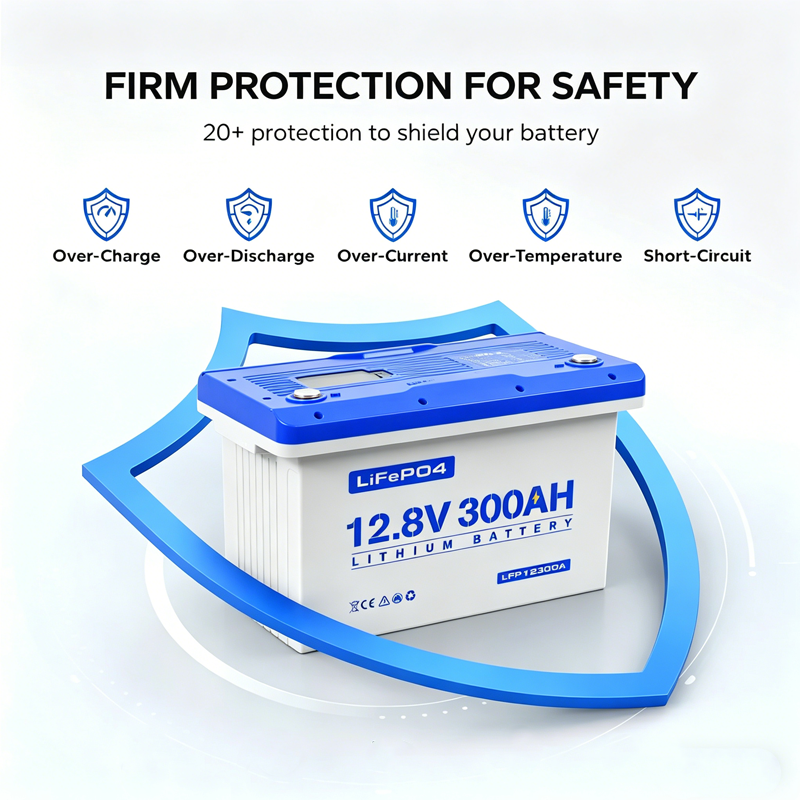
- BMS Protection: A quality battery management system helps protect against overcharge, over-discharge, over-current, short circuit, and temperature extremes.
| Feature | LiFePO4 Battery | Lead-Acid Battery |
|---|---|---|
| Cycle Life | Often thousands of cycles, depending on model and use | Usually lower cycle life, especially with deep discharge |
| Depth of Discharge | Commonly supports deeper usable discharge | Often limited to about half capacity for longer life |
| Efficiency | Generally high charge and discharge efficiency | Typically lower efficiency |
| Maintenance | Low maintenance in sealed battery packs | Some types require regular checks |
The Brains: Inverters and Charge Controllers
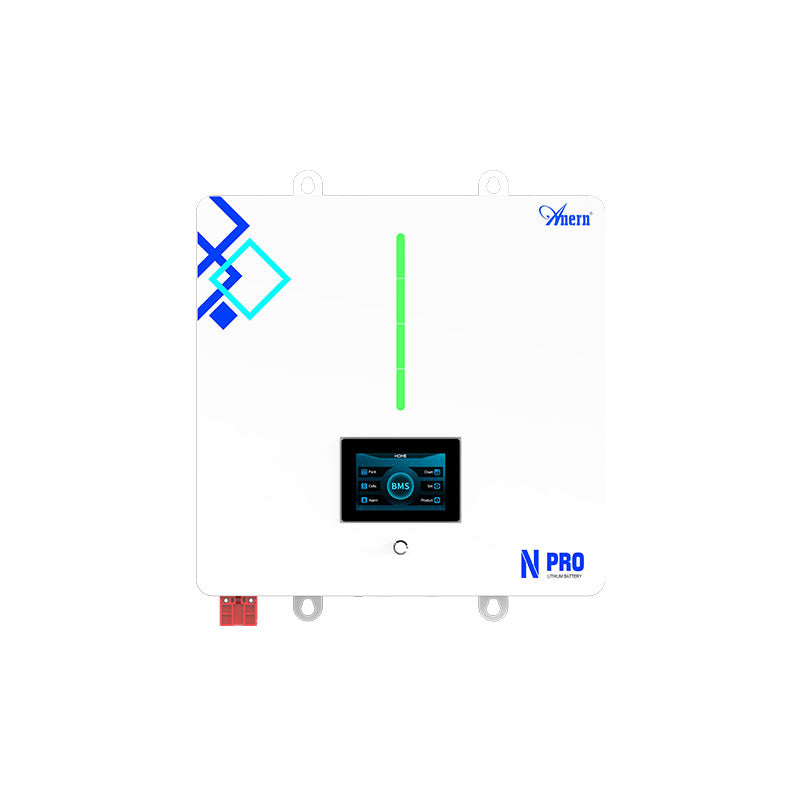
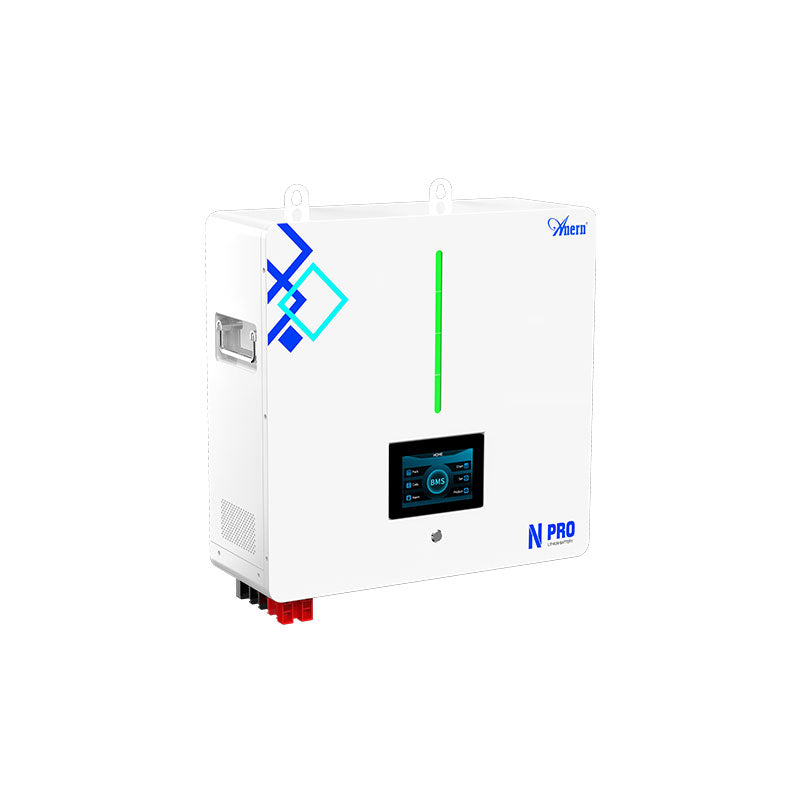
A solar inverter converts direct current (DC) from the battery into alternating current (AC) for household appliances. A charge controller regulates power from the solar panels so the battery charges safely. In many modern systems, a hybrid inverter combines inverter, charger, and solar charging functions in one unit, simplifying the setup of a home battery storage system.
Voltage matching is essential. A 12V inverter should be used with a 12V battery system, a 24V inverter with a 24V battery system, and a 48V inverter with a 48V battery system. Mismatched voltage can damage equipment and create safety risks.
The Power Source: Solar Panels
Solar panels convert sunlight into DC electricity. Their output is measured in watts (W), while daily energy production is measured in watt-hours (Wh) or kilowatt-hours (kWh). The total wattage of your solar array affects how quickly you can recharge your lithium battery storage, but weather, shading, panel angle, and charge controller efficiency also matter.
Sizing Your Energy Storage System for 2026
Proper sizing starts with your real energy use, not with the largest battery you can buy. A reliable solar energy storage system should support your daily loads, allow for reasonable backup time, and stay within the discharge limits of the battery and inverter.
Calculating Your Daily Energy Consumption
Start with a simple energy audit. List the appliances you want to power, their wattage, and how many hours each one runs per day. Multiply watts by hours to estimate daily watt-hours for each device, then add them together.
Daily energy use (Wh) = Device wattage (W) x Runtime (hours)
For example, a 60W fan running for 5 hours uses about 300Wh. A 100W TV running for 3 hours also uses about 300Wh. Together, those two loads need about 600Wh before inverter losses and reserve capacity.
Factoring in Battery Capacity and DoD
Once you know your daily energy use, estimate the battery capacity needed. A practical formula is:
Required battery Ah = Daily Wh / (Battery voltage x usable DoD)
If your loads require 4000Wh per day and you plan around a 12.8V LiFePO4 battery bank with 90% usable depth of discharge, the estimate is 4000 / (12.8 x 0.90), or about 347Ah. In practice, you would also leave margin for inverter losses, cloudy weather, battery aging, and future load growth.
Planning for Autonomy and Scalability
Days of autonomy means how long your system should run without enough solar charging. For many off-grid cabins and backup systems, one to three days of storage is a common planning range, depending on budget and how critical the loads are. A modular battery design can make later expansion easier, but expansion should follow the battery manufacturer's rules for matching model, age, voltage, and capacity.
Quick Buyer's Sizing Checklist
- List essential loads first, such as lights, router, refrigerator, fan, laptop, or medical devices.
- Separate running watts from startup surge watts for motors, compressors, pumps, and power tools.
- Choose battery voltage based on system size: 12V for smaller systems, and often 24V or 48V for higher-power systems.
- Check the inverter's continuous rating and surge rating against your real loads.
- Confirm the battery BMS can supply the current your inverter may demand.
- Leave room for cloudy days, conversion losses, and battery aging.
Key Performance Metrics for Solar Storage
Beyond basic capacity, a few performance metrics determine the long-term value and everyday reliability of solar energy storage solutions. Treat these numbers as comparison tools, not as the only basis for buying.
Understanding Round-Trip Efficiency
Round-trip efficiency measures how much energy you get back from a battery compared with how much energy was stored. Higher efficiency means less energy is lost during charging and discharging. LiFePO4 batteries are generally efficient for solar storage, but real-world performance still depends on temperature, charge rate, inverter losses, and system design.
The Significance of Cycle Life
Cycle life affects total cost of ownership. A battery with stronger cycle life can often serve for more years before its usable capacity drops significantly. When comparing cycle life, check the test conditions, depth of discharge, temperature, and end-of-life capacity definition. A claim based on shallow cycling is not the same as a claim based on deep daily cycling. For a deeper explanation, review this solar storage performance guide.
Current Rating and Surge Capability
Capacity tells you how long a battery can run loads, while current rating tells you how much power it can deliver at once. This is especially important for inverters. A large inverter connected to a small battery may demand more current than the BMS can safely supply. For appliances with motors or compressors, startup surge can be several times higher than running wattage, so the inverter and battery must both be sized for short bursts.
Integrating Your System: Safety and Installation
A safe and correctly installed system is crucial for performance and longevity. Even a good battery or inverter can perform poorly if wiring, ventilation, protection devices, or voltage matching are overlooked.
The Role of a Battery Management System (BMS)
Every lithium iron phosphate battery pack should include an integrated Battery Management System (BMS). The BMS helps protect the battery from overcharging, over-discharging, short circuits, over-current, and temperature extremes. It also helps keep cells operating within a safe range, which supports battery health and service life.
For LiFePO4 batteries, low-temperature charging deserves special attention. Standard charging below 0°C (32°F) is generally not recommended unless the battery is designed with low-temperature charging protection or a self-heating function. Discharging in cold weather may be possible depending on the model, but capacity and performance can be reduced. The U.S. Department of Energy Solar Futures Study gives broader context for why solar and storage integration matters as systems scale.
Installation Best Practices
Install the system in a dry, well-ventilated area away from direct heat, standing water, and physical damage. Use DC-rated protection devices, correctly sized cables, and secure connections. For complex systems, grid-connected backup, or high-power inverters, working with a qualified installer is the cleaner path because local electrical rules and safety requirements can vary.
Future-Proofing Your Investment
The energy landscape is evolving, and many buyers now want systems that can expand over time. A modular and scalable design can make future upgrades easier, but scalability should be planned from the beginning. Confirm that your inverter, charge controller, battery communication method, and physical installation space can support the expansion you have in mind.
A Forward Look at Energy Independence
Investing in a solar energy storage system is a meaningful step toward energy independence. The best system is not simply the one with the largest battery or highest inverter rating; it is the one that matches your daily energy use, backup expectations, installation environment, and safety requirements.
Before buying, compare specifications carefully, calculate your energy needs in Wh or kWh, and make sure the battery, inverter, charge controller, and solar panels are designed to work together. That planning work reduces nuisance shutdowns, improves battery life, and helps your solar storage investment perform reliably for years.
Frequently Asked Questions
What is the best type of battery for an off-grid solar kit?
LiFePO4 batteries are a strong choice for many off-grid solar kits because they offer long cycle life, stable chemistry, high usable capacity, and low maintenance. Lead-acid batteries may still fit some budget-sensitive systems, but they usually require more careful depth-of-discharge management.
How long do solar batteries last?
Battery lifespan depends on chemistry, depth of discharge, temperature, charge settings, and daily cycling habits. Many quality LiFePO4 batteries are designed for thousands of cycles, but buyers should compare official specifications rather than relying on a single generic lifespan claim.
Can I add more batteries to my system later?
Often yes, but compatibility matters. Use batteries that match the original system voltage and follow the manufacturer's guidance for model, capacity, age, wiring method, and maximum parallel or series configuration. Also confirm that the inverter and charge controller can handle the expanded battery bank.
How do I know whether I need a 12V, 24V, or 48V system?
Smaller systems often use 12V because the components are common and simple. As inverter power increases, 24V or 48V systems can reduce current, cable size, and voltage drop. For larger home backup or off-grid systems, a higher-voltage battery bank is often more practical.
What is the biggest mistake when buying a solar energy storage system?
The most common mistake is sizing from a vague idea of battery capacity instead of calculating actual daily energy use and peak load. A battery may have enough kWh for runtime but still be unable to supply the current required by a large inverter or motor-starting load.
