












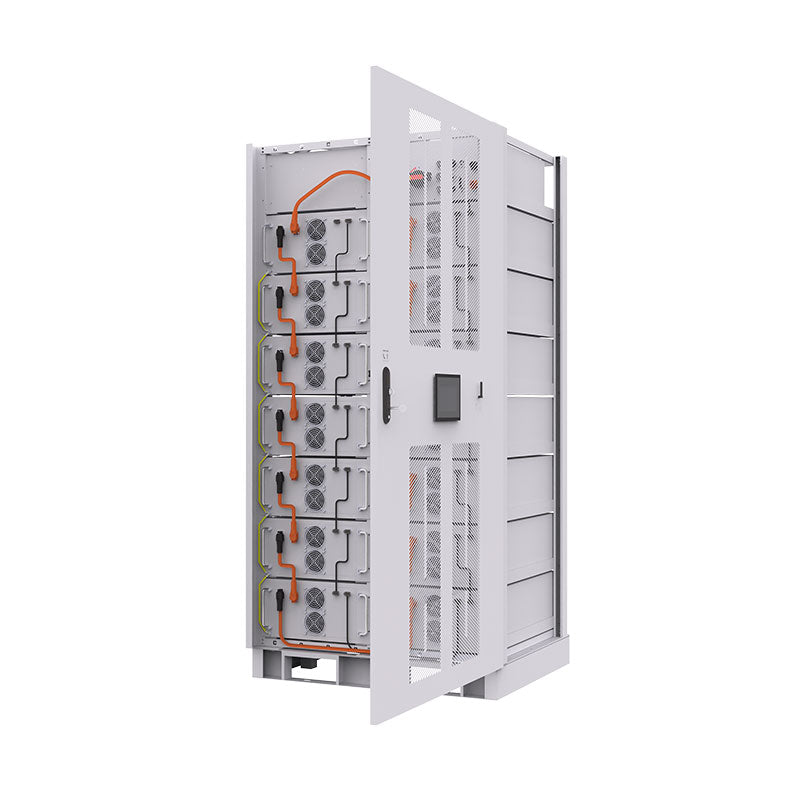
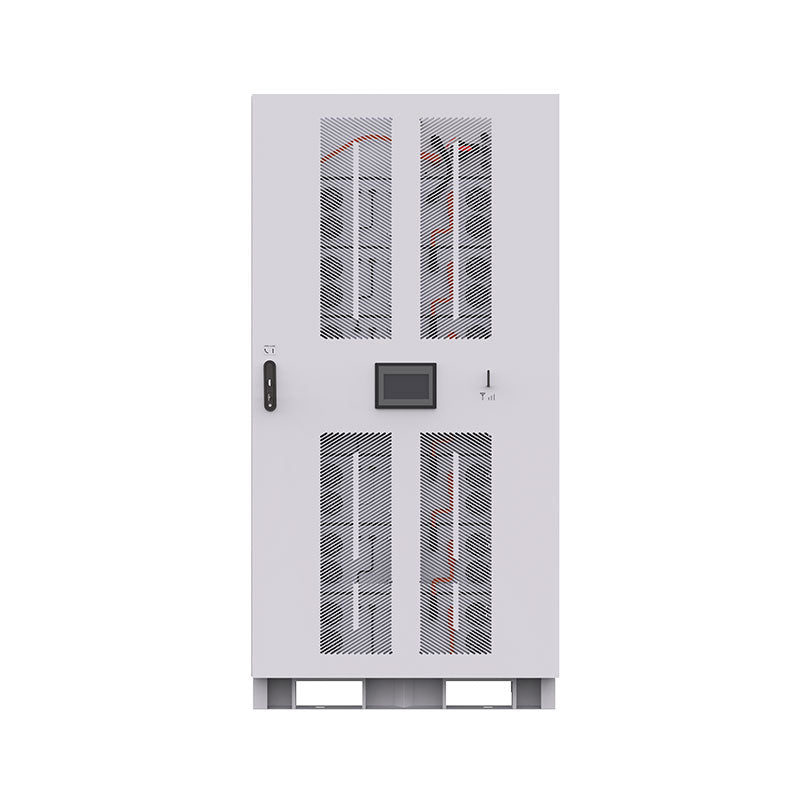


Power outages cost American households an average of $3,000 annually in spoiled food, lost productivity, and emergency expenses. While traditional generators have long been the go-to solution, LiFePO4 battery backup systems are revolutionizing emergency power by eliminating fuel dependency entirely. After installing over 500 residential backup systems, I've witnessed firsthand how battery technology transforms outage preparedness from a noisy, fuel-dependent chore into a seamless, silent safety net.

The Hidden Costs of Fuel-Dependent Backup Power
Generator owners face mounting expenses that extend far beyond the initial purchase. Fuel costs alone average $1,200-$2,400 annually for standby generators, assuming just 50 hours of operation. During Hurricane Sandy, gasoline prices spiked 300% in affected areas, leaving many generators useless despite functioning perfectly.
Maintenance requirements compound these expenses. Oil changes every 100 hours, spark plug replacements, carburetor cleaning, and seasonal tune-ups add another $800-$1,200 yearly. According to Department of Energy data, generators require professional service every 6 months to maintain warranty coverage, creating ongoing scheduling headaches and service costs.
Fuel Storage Challenges and Safety Risks
Gasoline degrades within 30-90 days without stabilizers, requiring rotation and disposal of unused fuel. Propane tanks need regular inspection and refilling, while natural gas connections require professional maintenance. Each fuel type introduces unique safety considerations: carbon monoxide poisoning kills 400+ Americans annually, with portable generators accounting for 80% of these deaths.
LiFePO4 Technology: The Fuel-Free Alternative
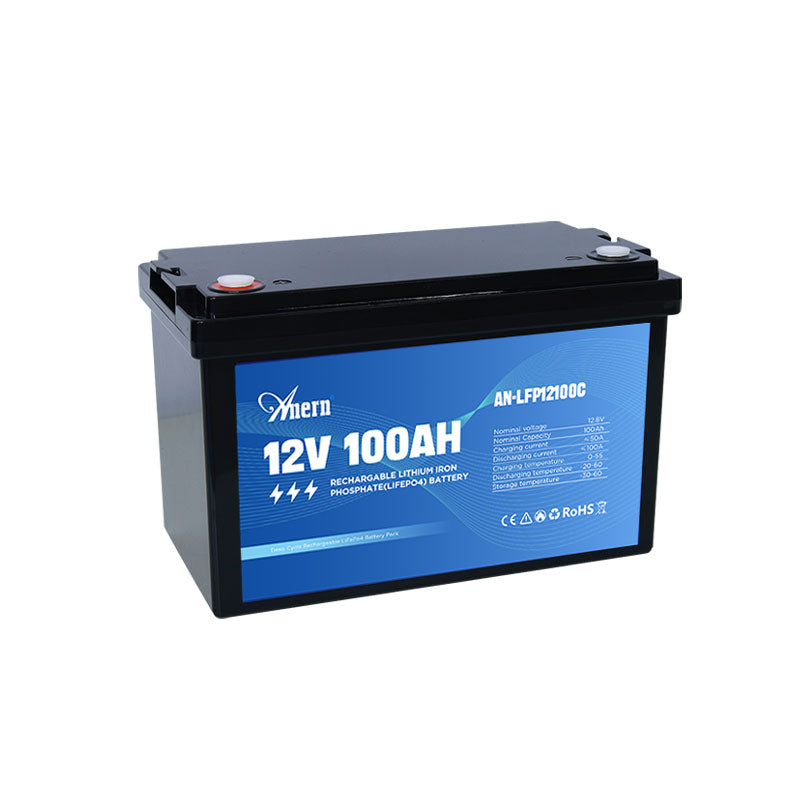
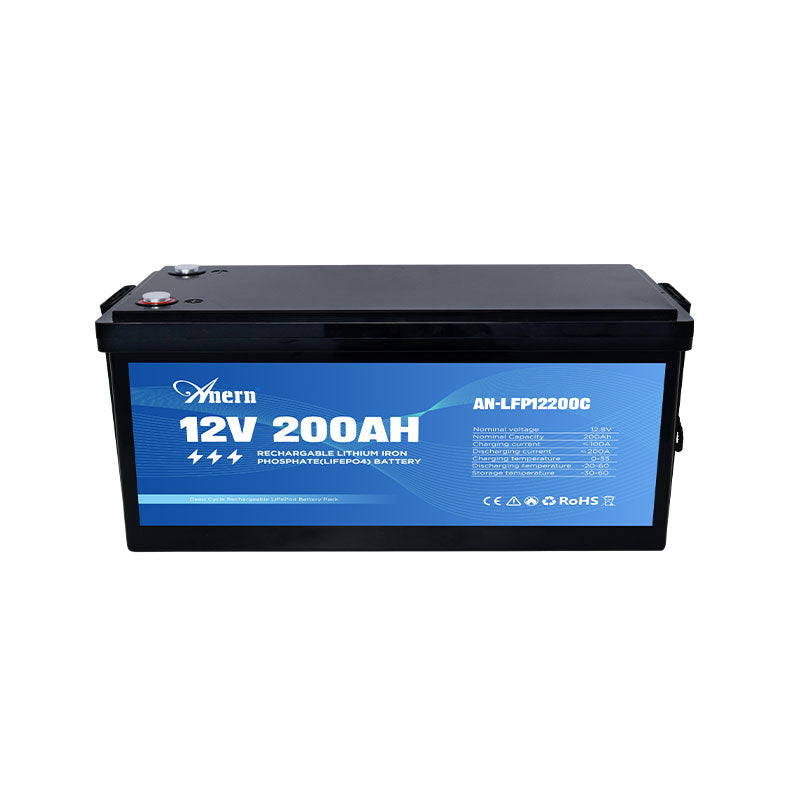
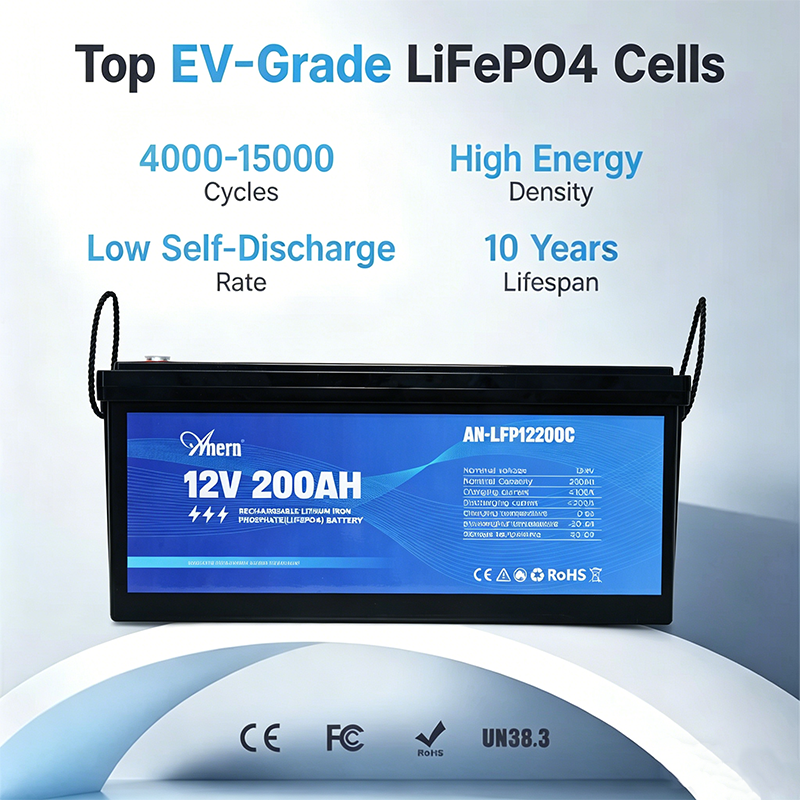
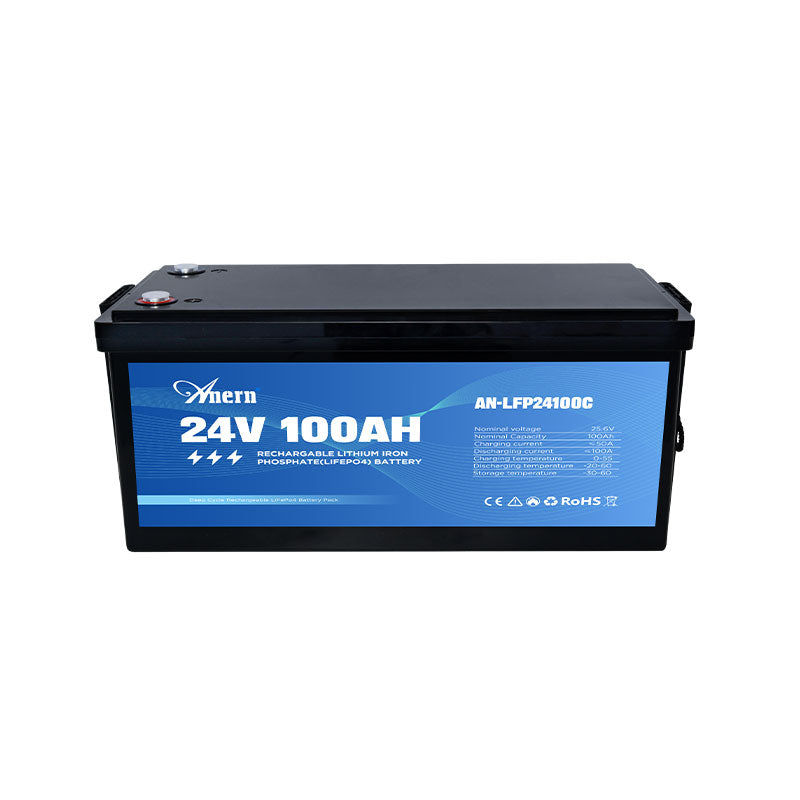
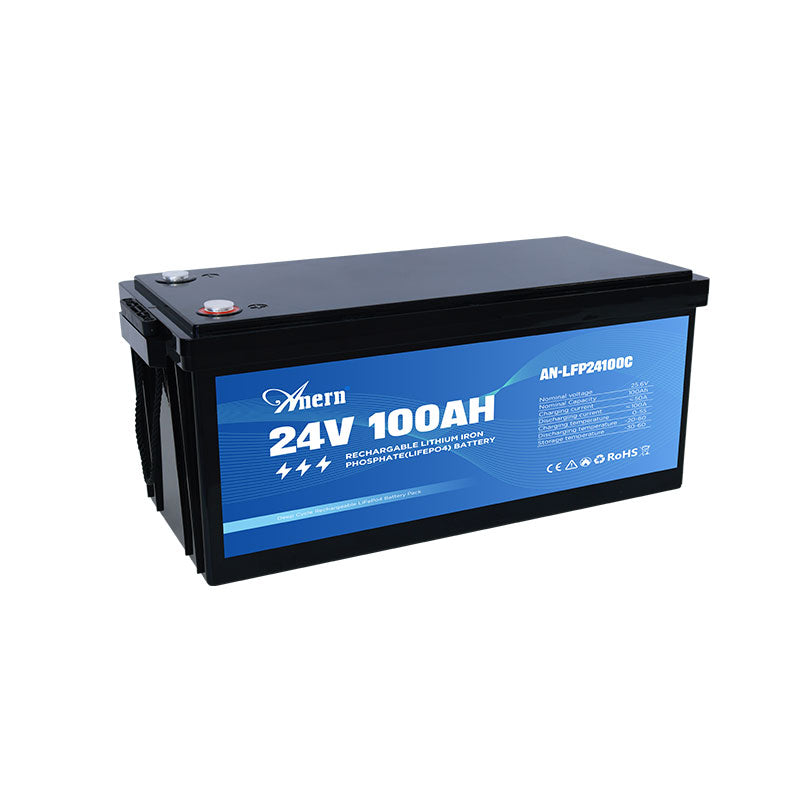
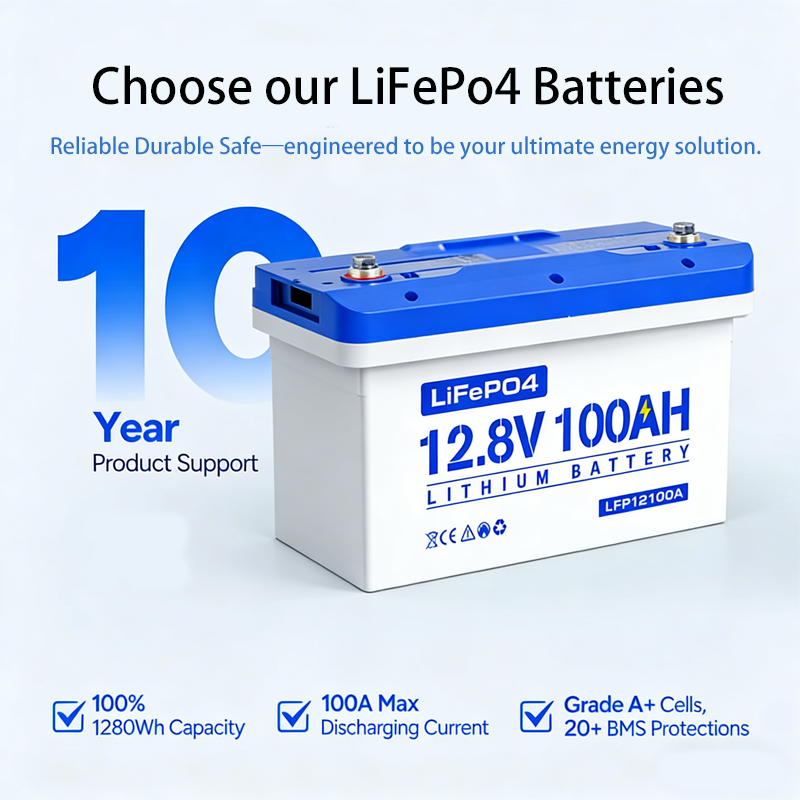
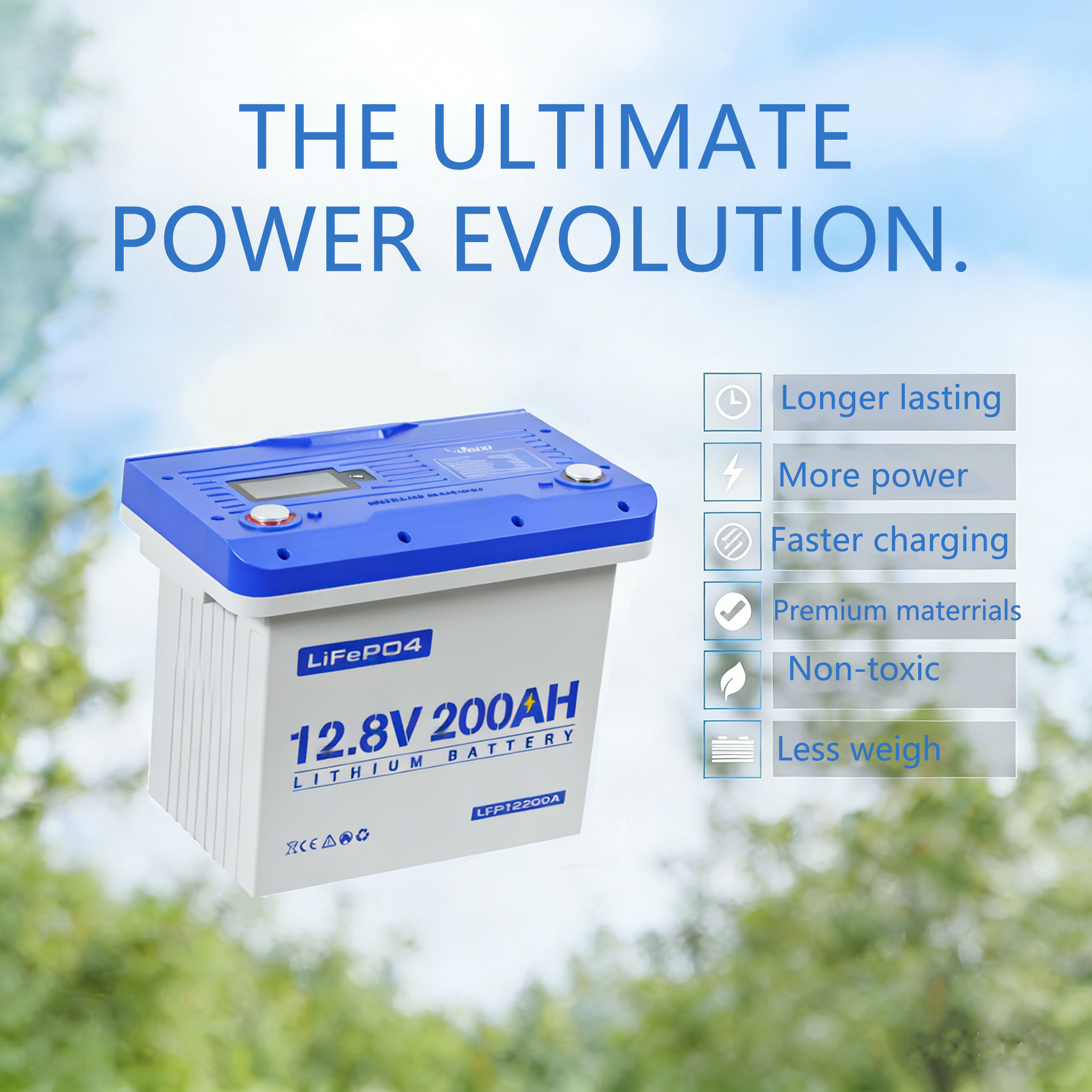
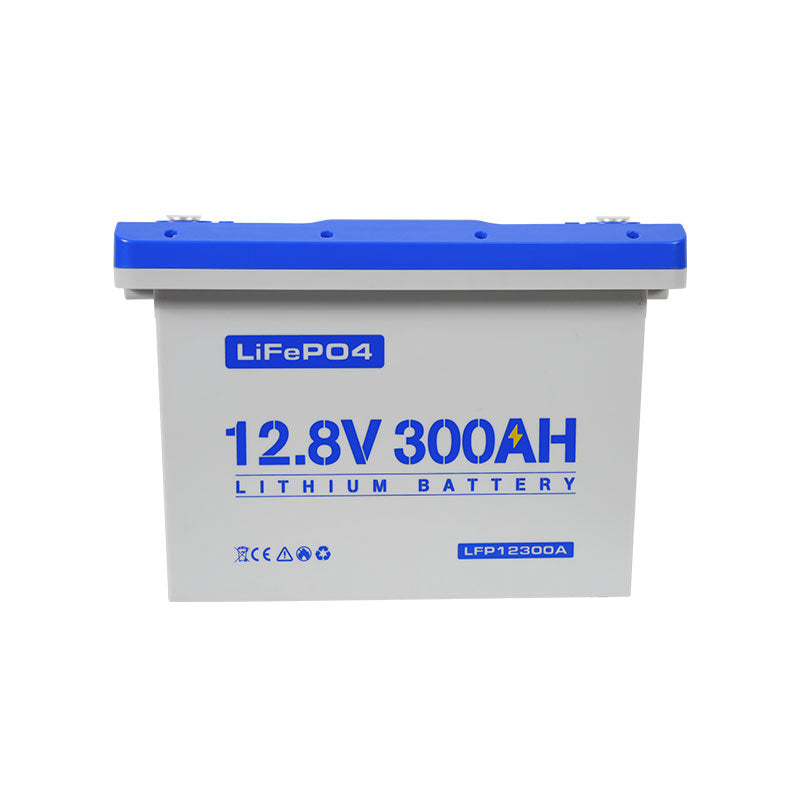
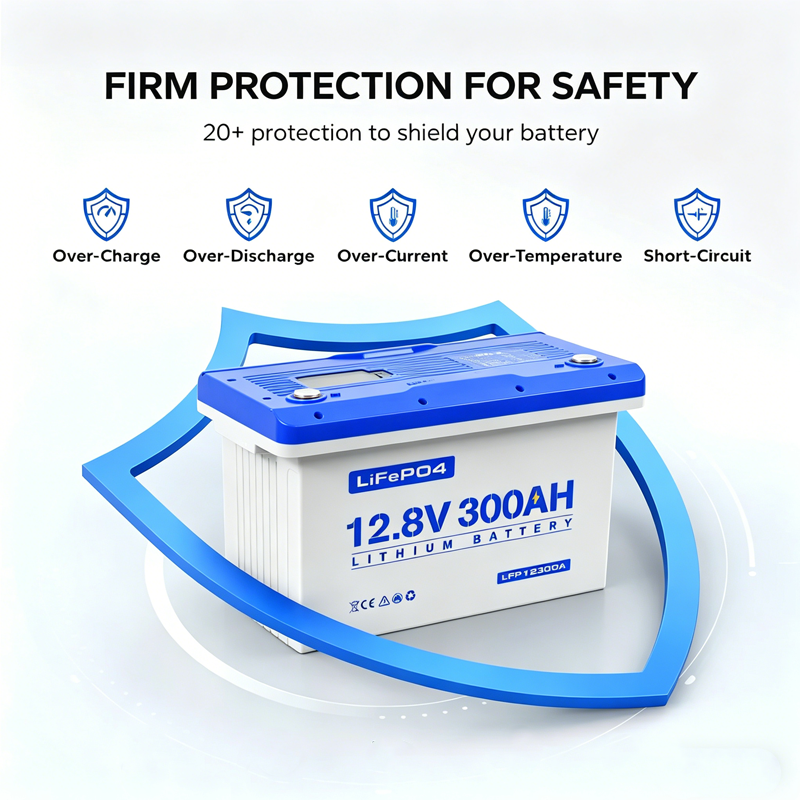
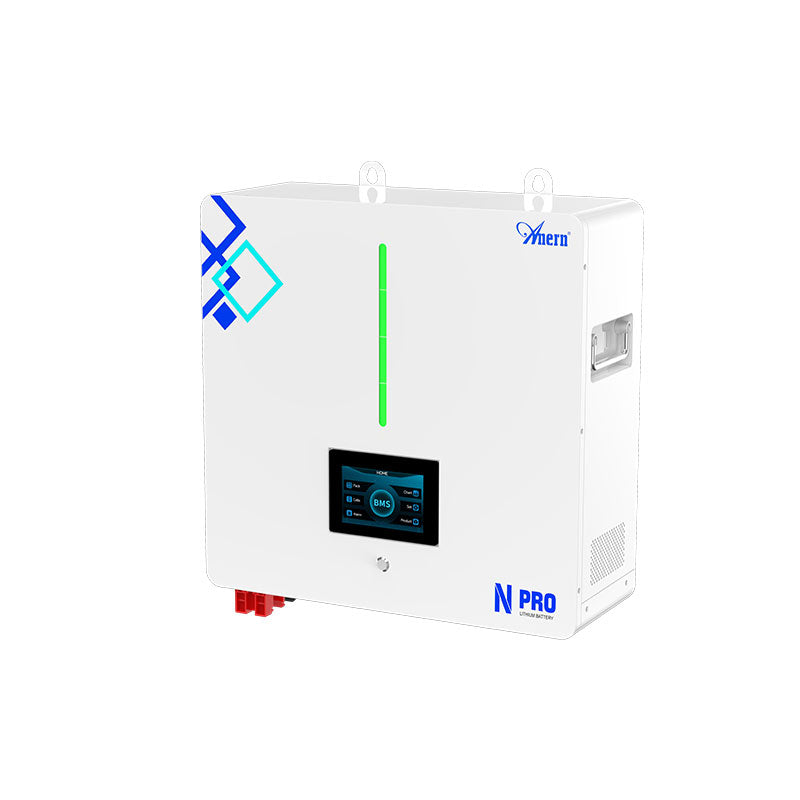
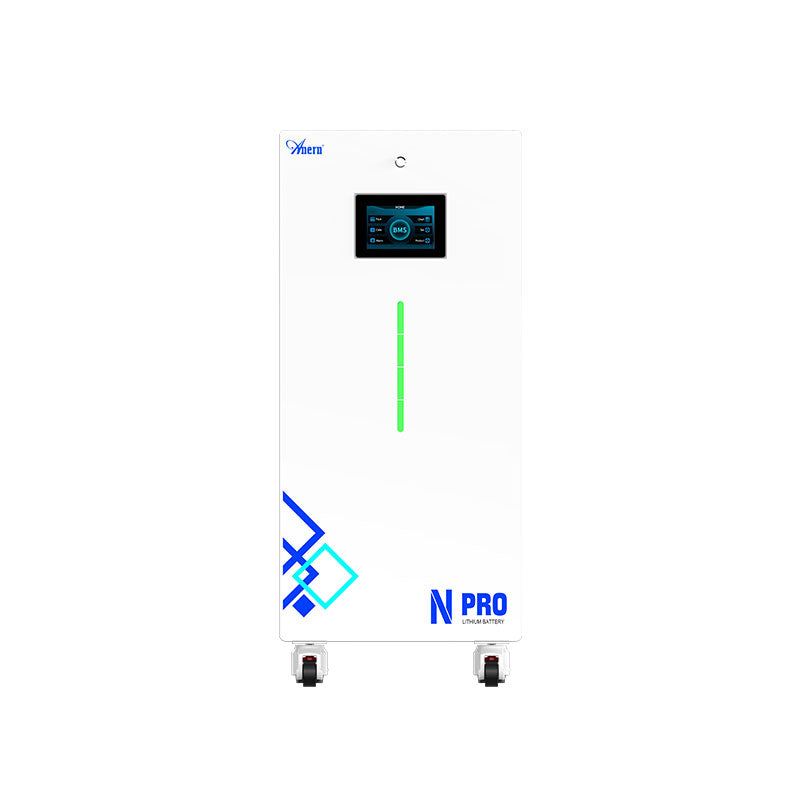
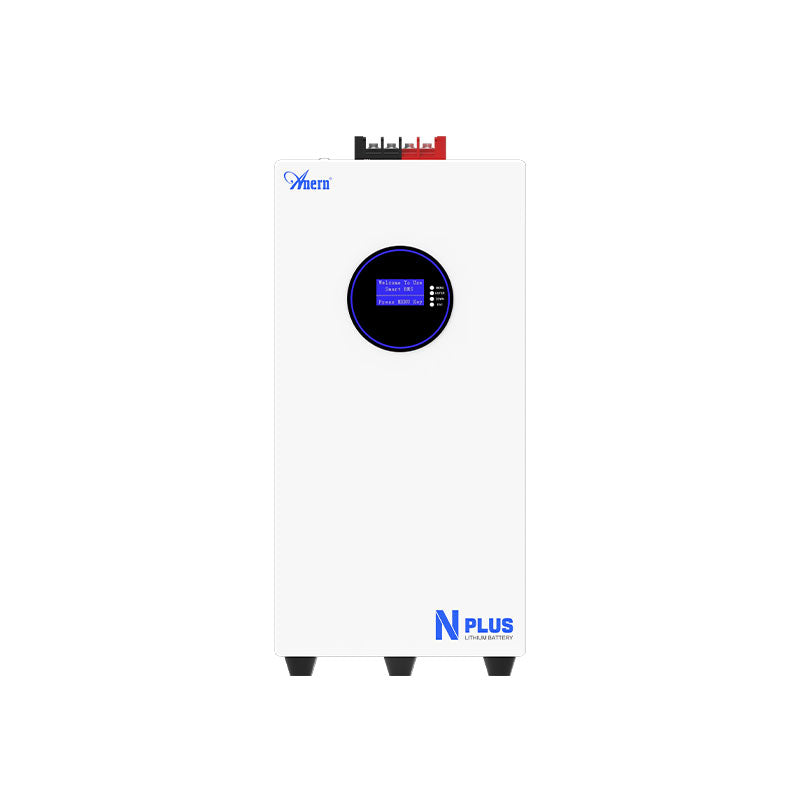
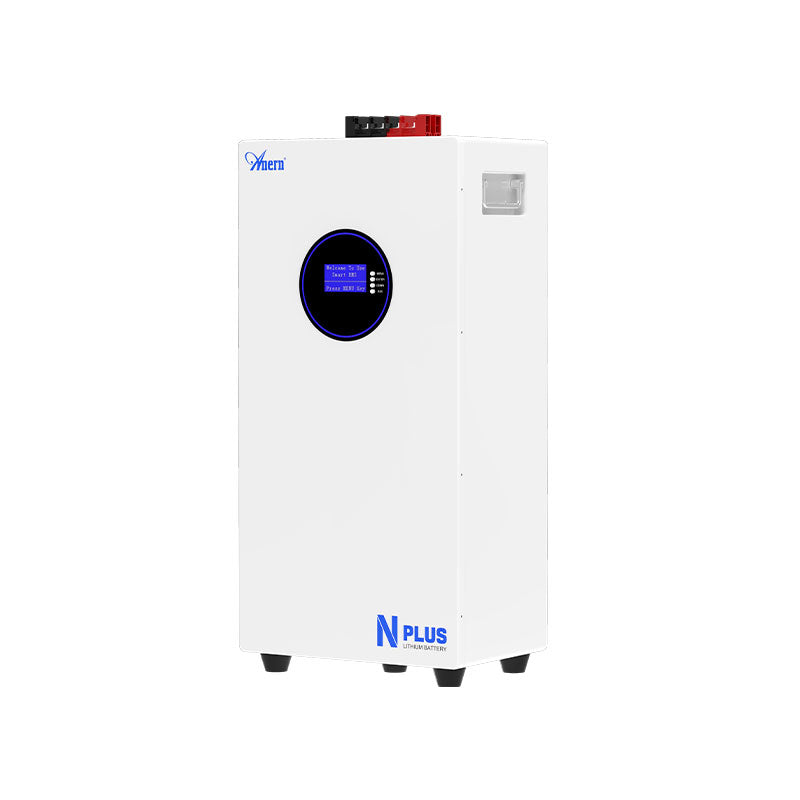
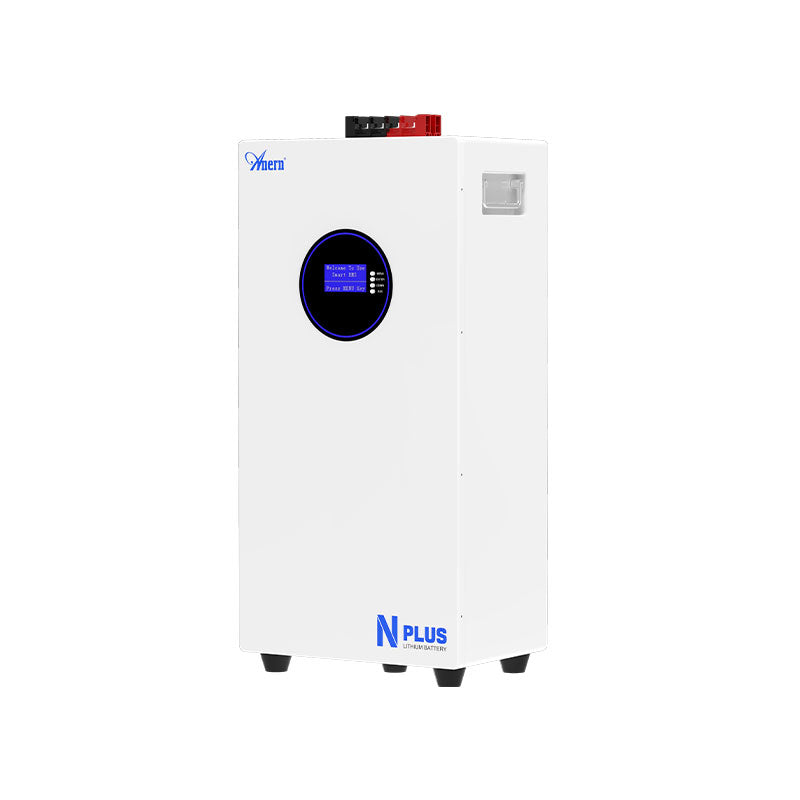
Lithium Iron Phosphate (LiFePO4) chemistry eliminates fuel dependency through advanced electrochemical energy storage. These systems store grid electricity during normal operation, then instantly provide clean power during outages without combustion, emissions, or fuel logistics.
Modern LiFePO4 systems achieve 95% round-trip efficiency compared to generators' 25-30% fuel-to-electricity conversion. This efficiency advantage translates directly into cost savings: storing electricity at $0.12/kWh costs significantly less than generating it from $4.00/gallon gasoline.
| Specification | LiFePO4 Backup | Standby Generator |
|---|---|---|
| Startup Time | 0.1 seconds | 10-30 seconds |
| Noise Level | 0 dB | 65-75 dB |
| Fuel Required | None | Gasoline/Propane/Natural Gas |
| Emissions | Zero | CO, NOx, particulates |
| Maintenance Frequency | Annual inspection | Every 100 hours |
Scalability and Modular Design
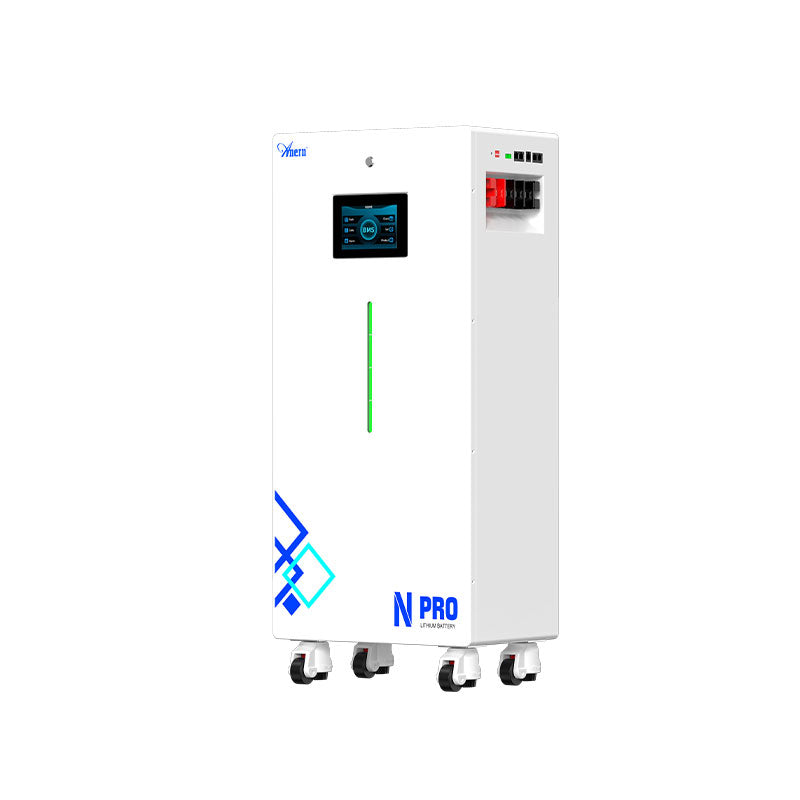
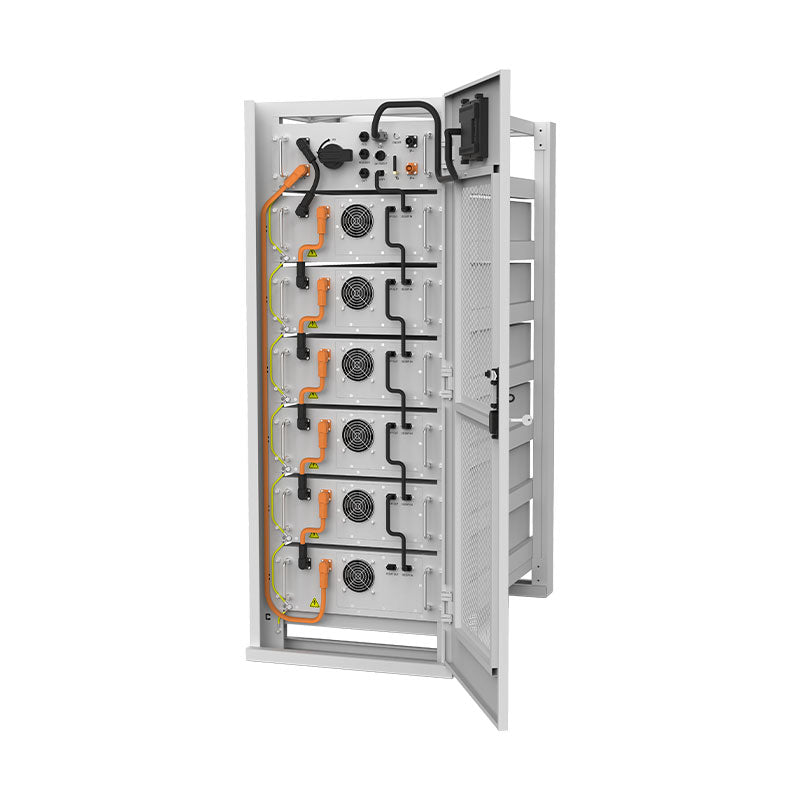
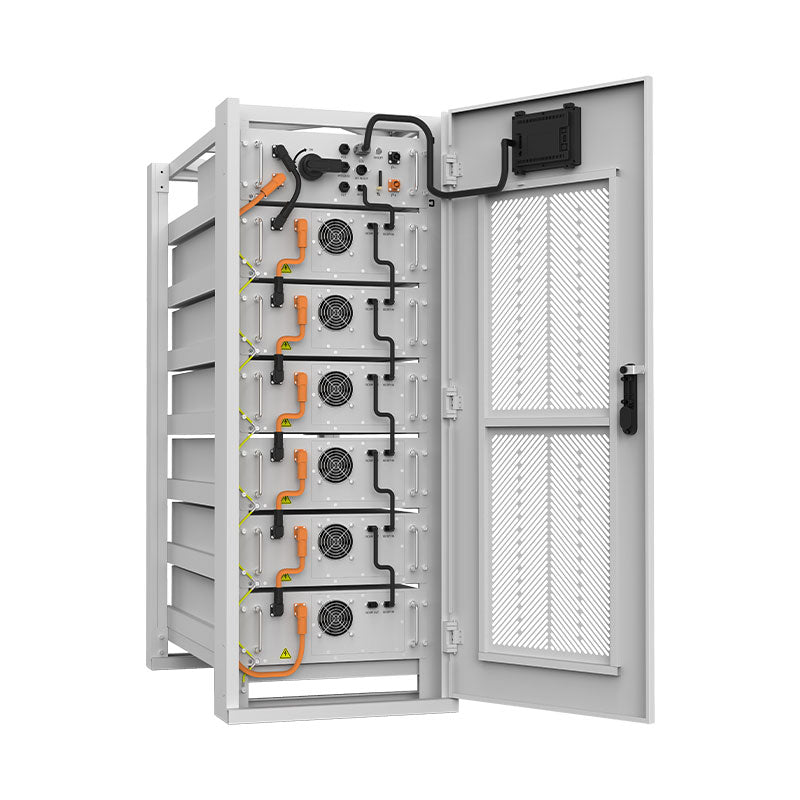
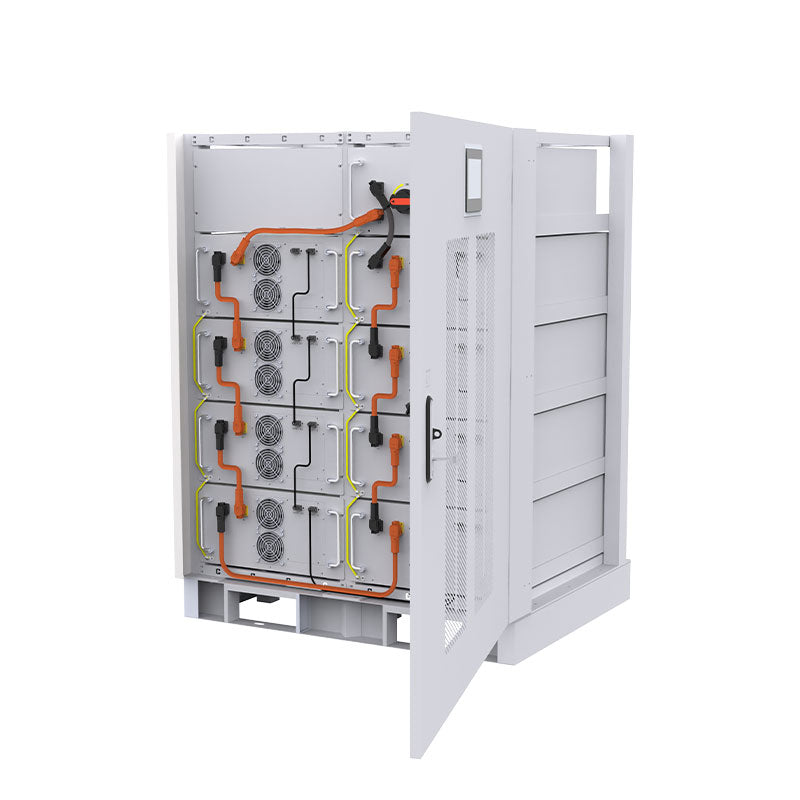
LiFePO4 systems offer unprecedented scalability through modular battery packs. Start with 10kWh capacity and expand to 100kWh+ as needs grow, without replacing existing equipment. This modularity contrasts sharply with generators, where capacity increases require complete system replacement.
Economic Analysis: Total Cost of Ownership
Initial investment represents just 30-40% of total ownership costs over 10 years. While LiFePO4 systems require higher upfront investment ($15,000-$25,000 vs. $8,000-$15,000 for generators), operational savings quickly close this gap.
Research from IEA's Clean Energy Innovation report projects battery costs dropping 68% by 2070, while fuel prices continue rising with inflation. Current LiFePO4 systems already achieve cost parity with generators around year 4-5 of ownership.
Fuel Cost Elimination Savings
Eliminating fuel purchases saves $1,200-$2,400 annually for typical residential applications. During extended outages, these savings multiply: Hurricane Ida victims paid $8-12/gallon for gasoline, while battery owners continued drawing from stored grid electricity purchased at standard rates.
Maintenance cost reductions add another $800-$1,200 yearly savings. LiFePO4 systems require only annual visual inspections and software updates, compared to generators' oil changes, filter replacements, and professional tune-ups.
Performance Advantages in Real-World Conditions
Battery backup systems excel in scenarios where generators struggle or fail entirely. Indoor installation eliminates weather-related startup failures common with outdoor generators. Temperatures below 20°F cause 40% of generator no-start conditions, while LiFePO4 systems operate reliably down to -4°F.
Instant activation prevents the 10-30 second power interruption that resets electronics and triggers UPS alarms. For home offices, medical equipment, and security systems, this seamless transition proves invaluable.
Integration with Solar Systems
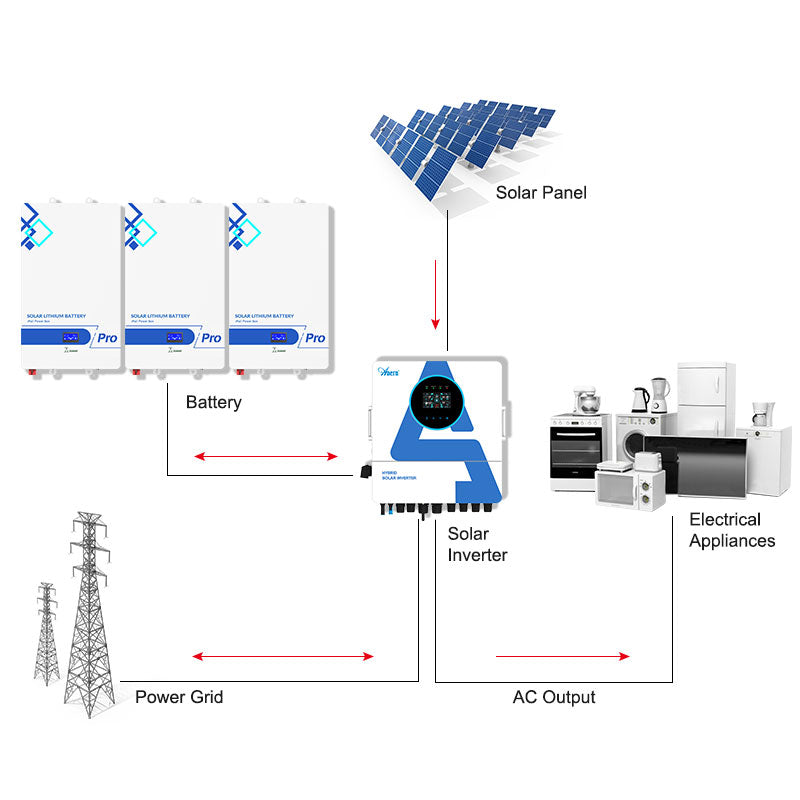
LiFePO4 systems integrate seamlessly with solar panels, creating true energy independence. During extended outages, solar panels recharge batteries daily, providing indefinite runtime without fuel deliveries. According to IRENA's Storage Valuation Framework, this solar-battery combination enables 100% renewable electricity generation in off-grid applications using proven, cost-competitive technology.
Smart energy management optimizes solar charging and load prioritization automatically. Systems learn usage patterns and weather forecasts to maximize battery capacity when storms approach, ensuring full readiness without manual intervention.
Installation and Maintenance Simplicity
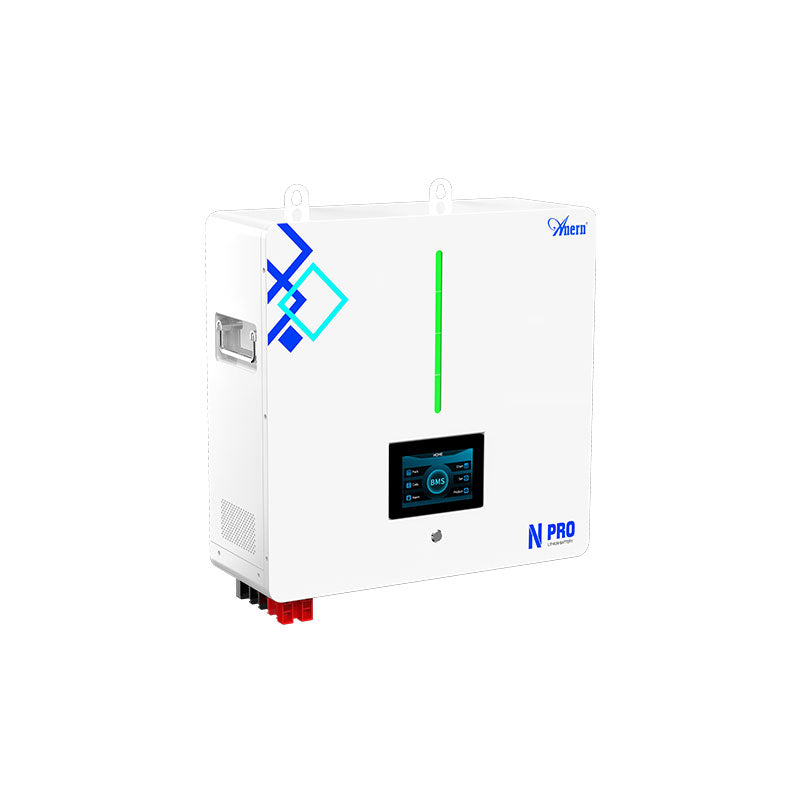
Professional LiFePO4 installation typically completes in 4-8 hours compared to 1-2 days for standby generators. No gas lines, exhaust systems, or concrete pads required – just electrical connections and wall mounting. Many jurisdictions streamline permitting for battery systems while generators face increasingly strict noise and emissions regulations.
Ongoing maintenance involves quarterly battery monitoring through smartphone apps and annual professional inspections. No oil disposal, fuel rotation, or seasonal preparation required. Battery management systems automatically balance cells and optimize charging, extending system life to 15-20 years.
Smart Monitoring and Control
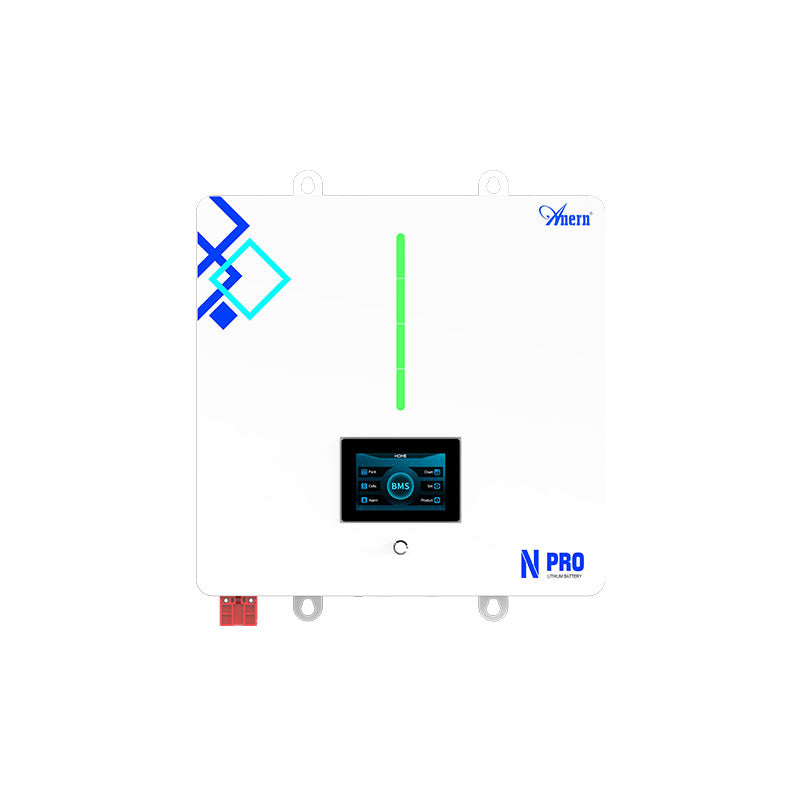
Modern systems provide real-time monitoring of battery capacity, power consumption, and system health through mobile apps. Predictive maintenance alerts identify potential issues before failures occur, while remote diagnostics enable troubleshooting without service calls.
Making the Switch: Implementation Strategy
Transitioning from generator to battery backup requires careful capacity planning and electrical assessment. Calculate critical loads including refrigeration, lighting, communications, and medical devices. Size battery capacity for 24-48 hours of essential power, then add solar charging for extended autonomy.
Financial incentives significantly reduce net investment costs. Federal tax credits cover 30% of battery system costs when paired with solar, while many states offer additional rebates. Time-of-use electricity rates create additional savings through peak shaving and load shifting capabilities.
Consider keeping existing generators as backup to the backup during the transition period. This hybrid approach provides ultimate reliability while you gain confidence in battery performance. Most customers find generators unnecessary after experiencing battery system reliability firsthand.
Future-Proofing Your Energy Security
Grid modernization trends favor distributed battery storage over centralized generation. Utilities increasingly value battery systems for grid stabilization services, creating potential revenue streams through virtual power plant programs. Vehicle-to-grid technology will soon enable electric vehicles to supplement home battery capacity, multiplying backup power resources.
Climate change intensifies extreme weather events while tightening emissions regulations. Battery backup systems align with environmental goals while providing superior outage protection. As IEA's Energy and AI report notes, backup generation faces increasing restrictions on noise and air pollution, while battery systems encounter no such limitations.
LiFePO4 technology represents the definitive solution to outage preparedness – eliminating fuel burn, reducing costs, and delivering silent, instant power when you need it most. The question isn't whether to make the switch, but how quickly you can implement this superior backup power solution.
