






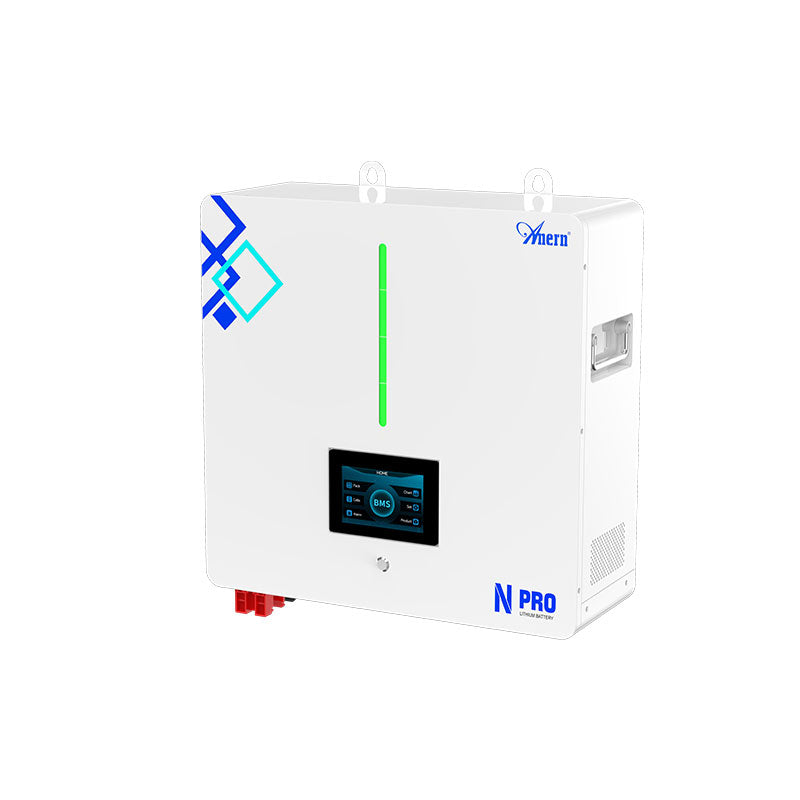

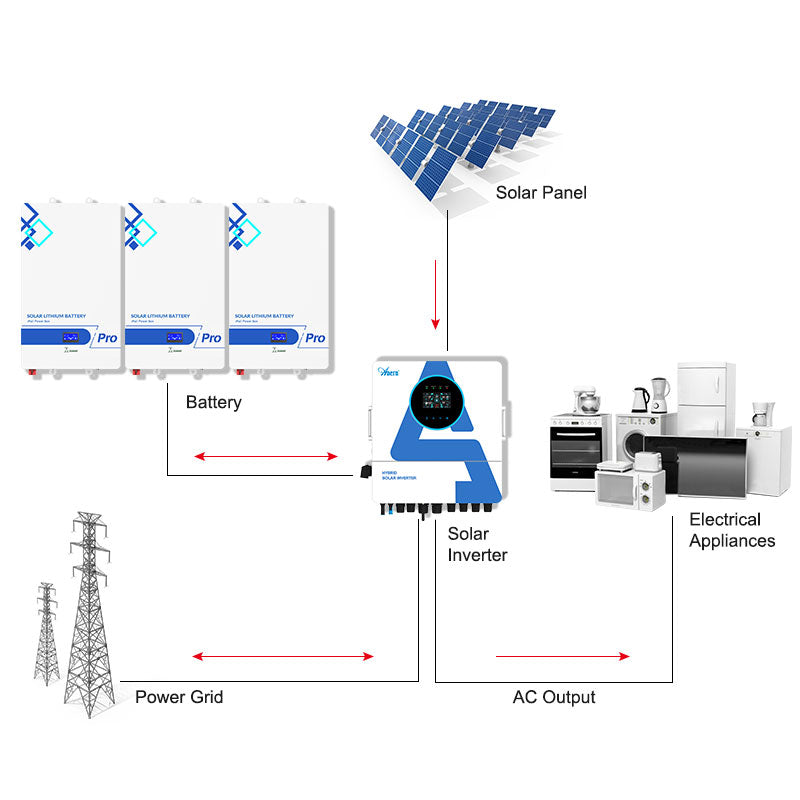
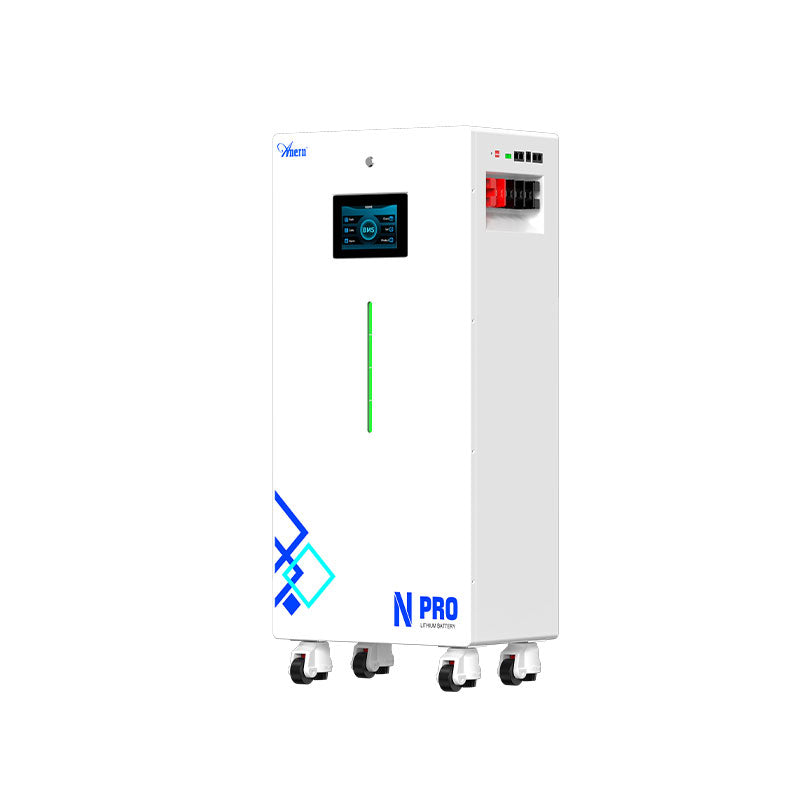



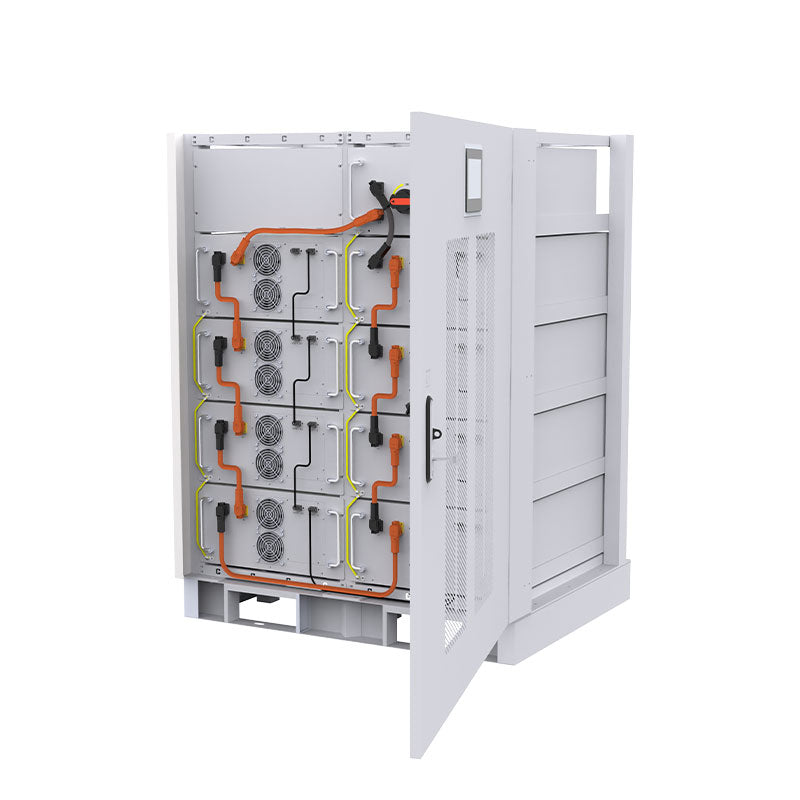

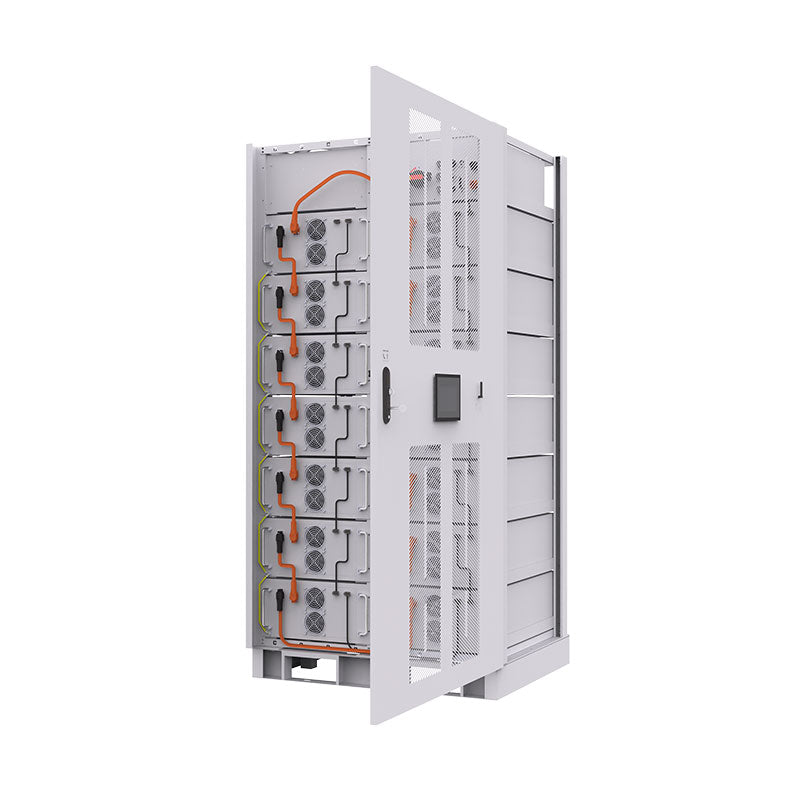
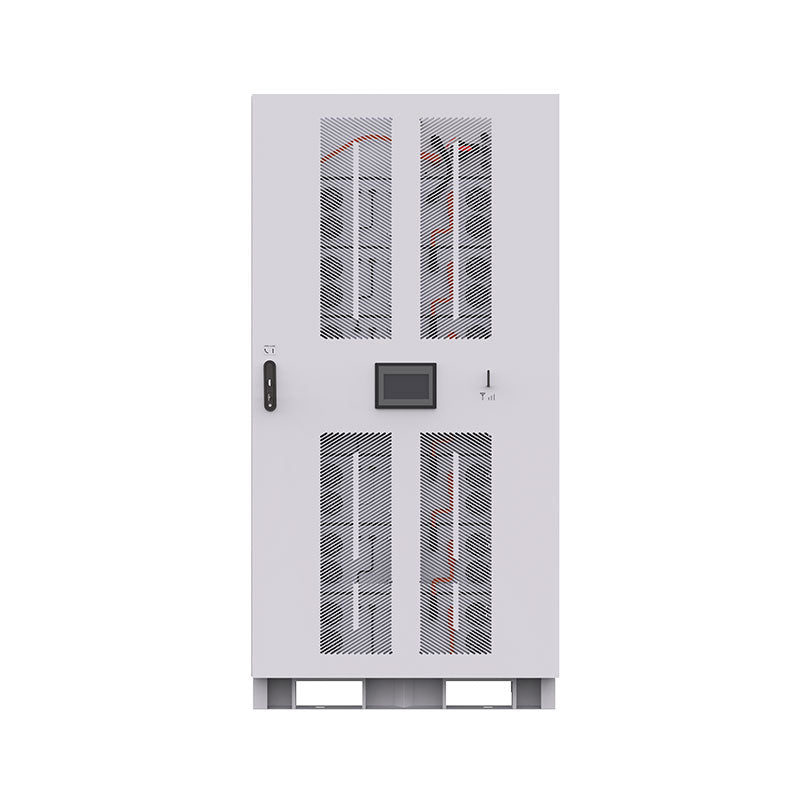


Installing a home Energy Storage System (ESS) is a major step toward energy independence. But the final, most critical phase is commissioning. This process is more than just turning the system on; it is a systematic verification that everything is safe, correctly installed, and ready to perform. The foundation of a safe commissioning process lies in understanding and verifying key test reports and certifications, both from the manufacturer and from your own on-site testing.
The Foundation: Component-Level Certifications
A reliable ESS is built from high-quality, certified components. Before you even begin installation, you should verify the certifications of your primary equipment. These documents confirm that the products have passed rigorous testing for safety and performance by independent laboratories. Think of them as a promise of quality from the manufacturer.
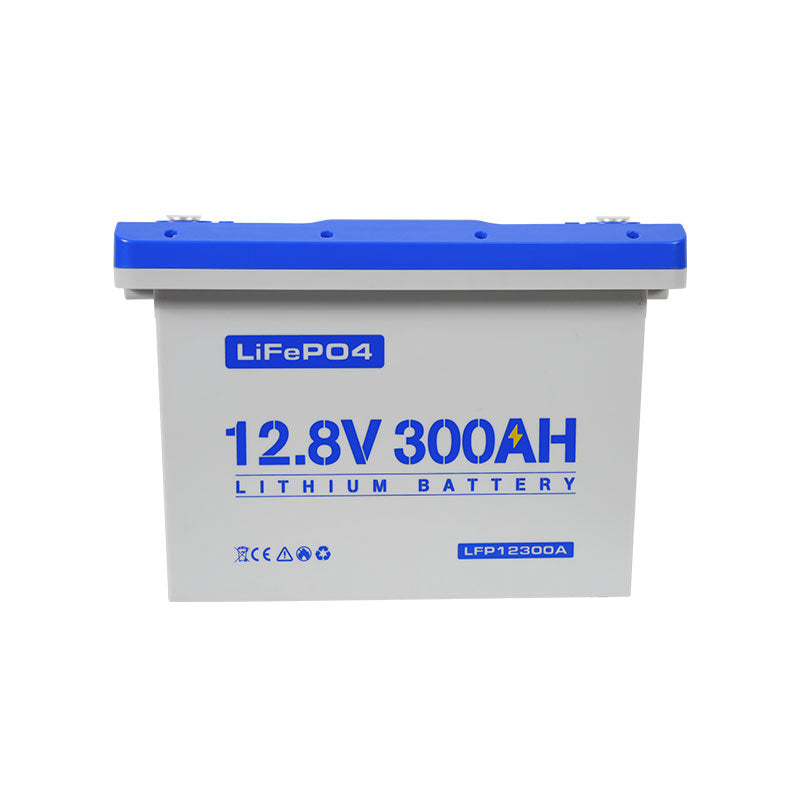
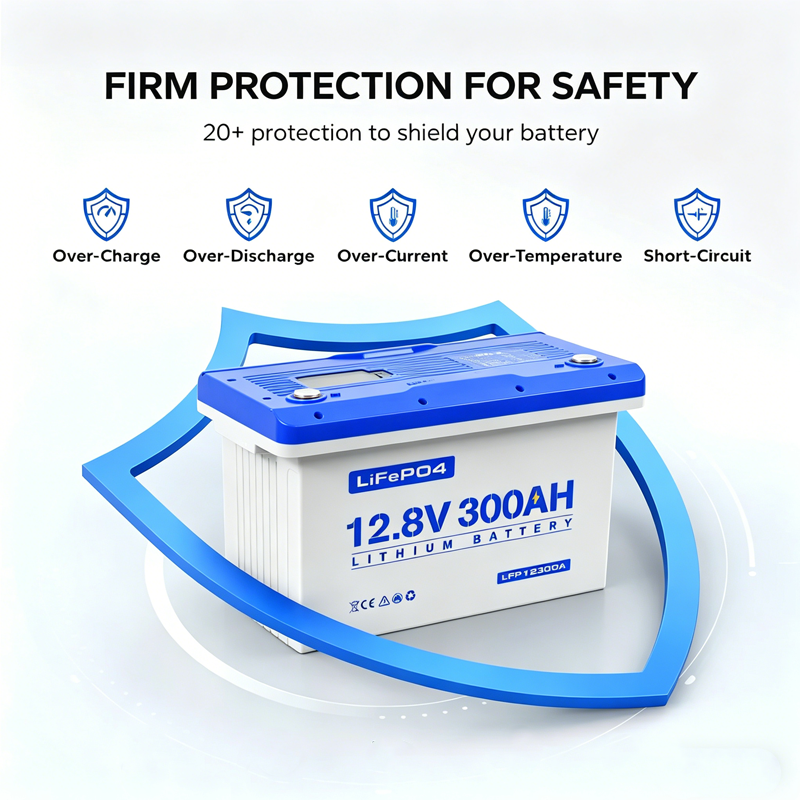
Battery Pack Certifications
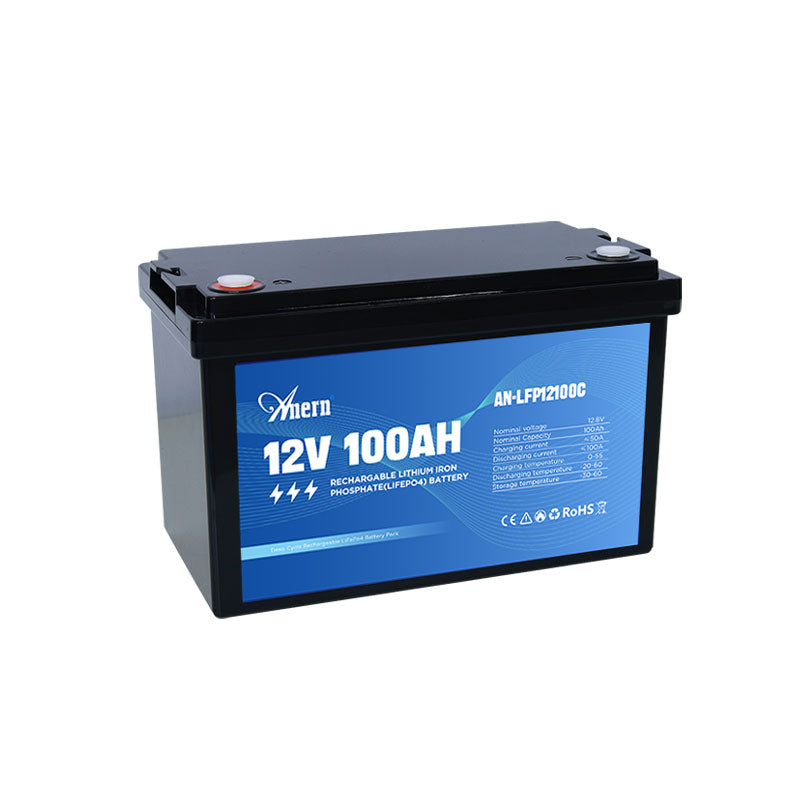
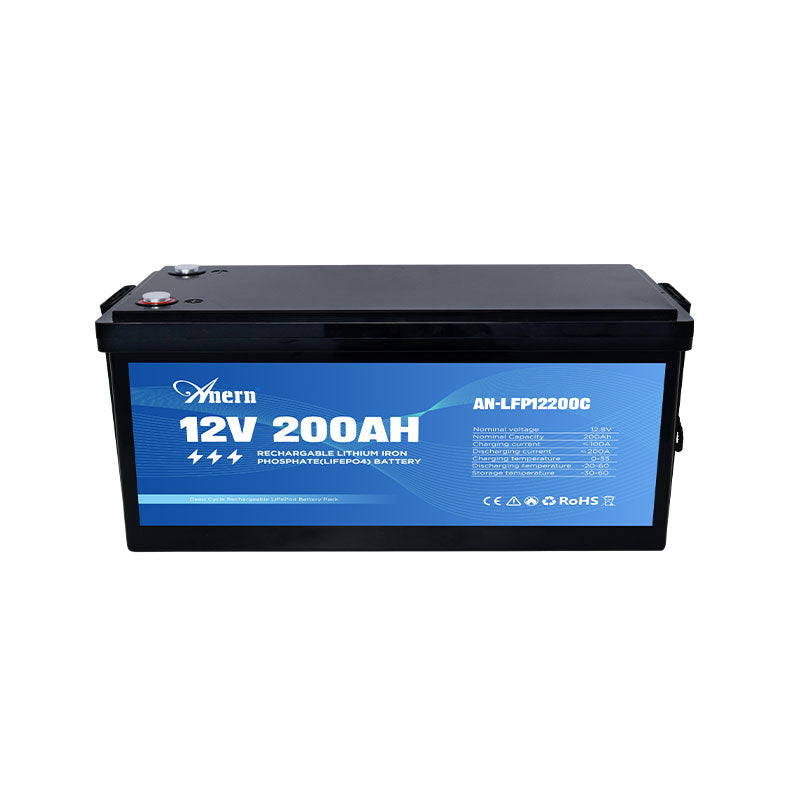
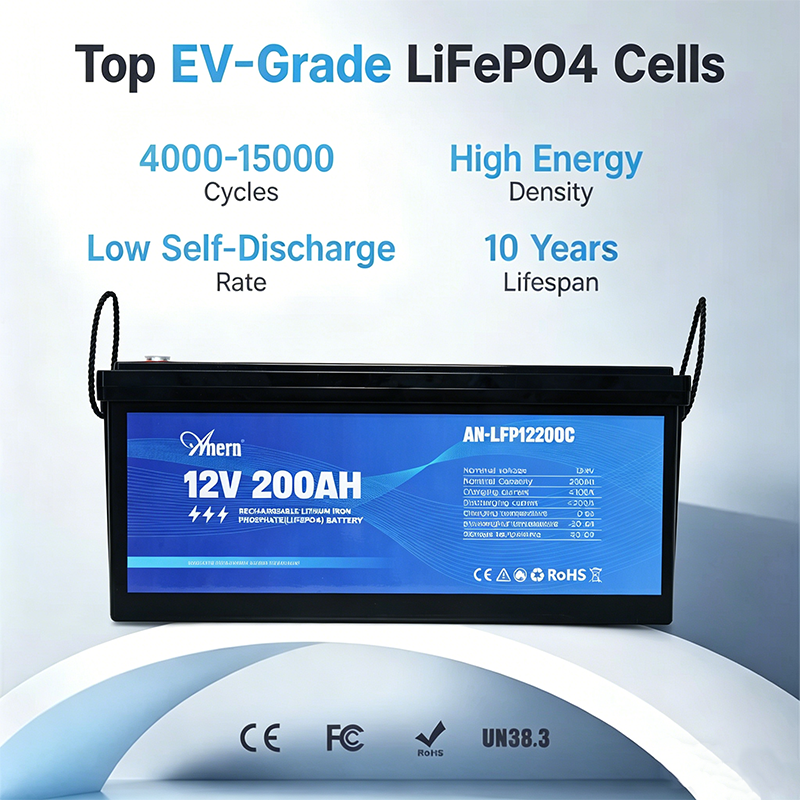
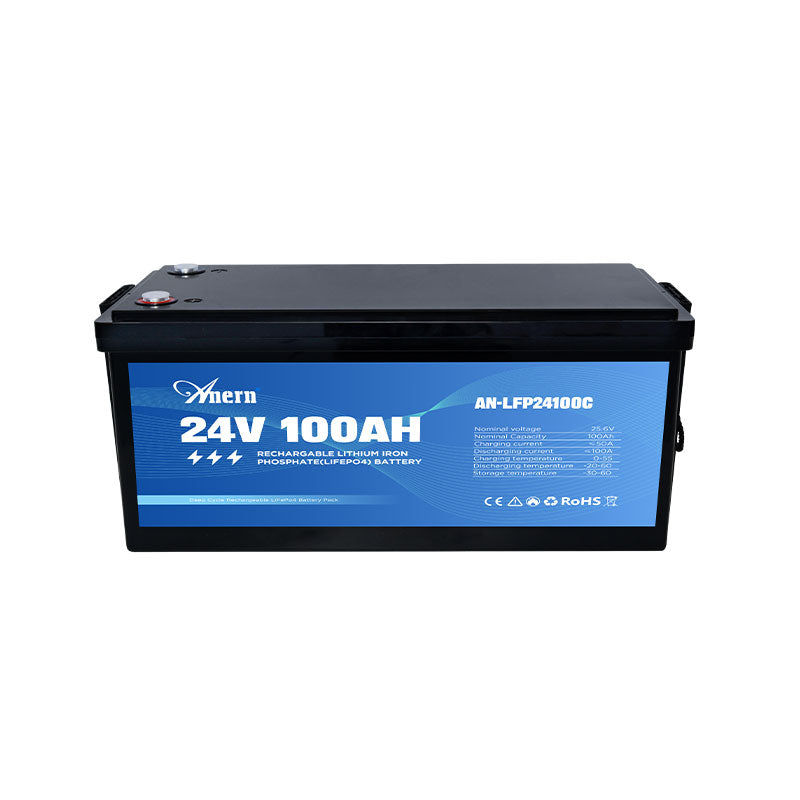
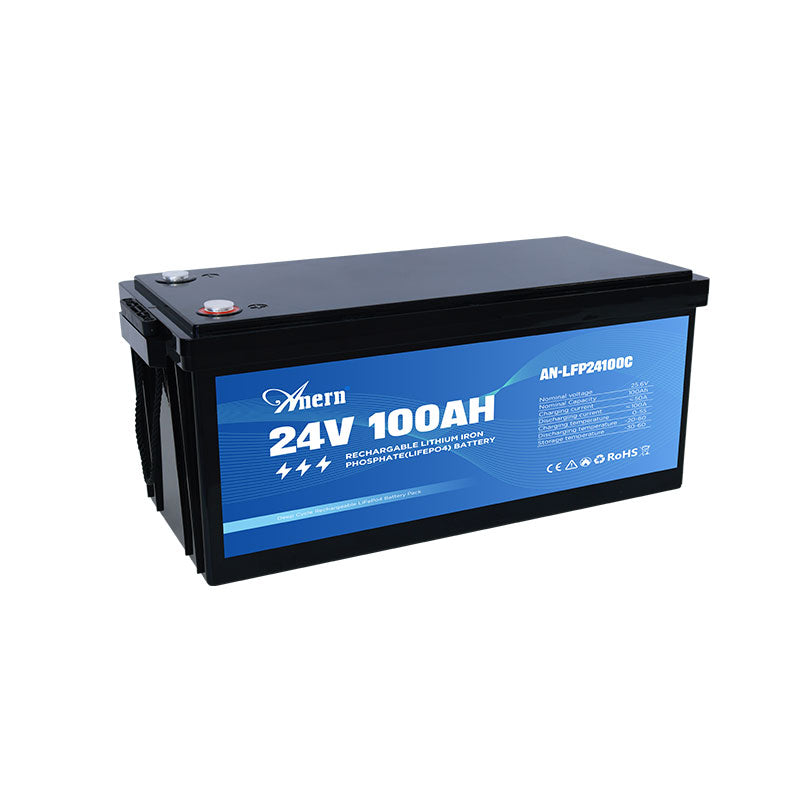
The battery is the core of your ESS. Look for key certifications on its datasheet. UL 1973 is a critical standard for stationary battery systems, specifically addressing safety. IEC 62619 is its international equivalent, providing a global benchmark for safety. Another common report is UN 38.3, which certifies the battery is safe for transport, indicating it can withstand shocks, vibrations, and short circuits. A battery with these certifications has undergone extensive third-party validation.
Inverter Safety and Grid Compliance
Your inverter is the brain of the system, managing energy flow. For systems connected to the grid, UL 1741 is the primary safety standard for inverters and converters. It ensures the device operates safely with the utility grid. Additionally, IEEE 1547 outlines the requirements for interconnecting distributed energy resources with the power grid. According to the IEA's report, Getting Wind and Solar onto the Grid, certification is a vital tool for ensuring that energy systems meet grid code requirements before they are allowed to export power. These standards are non-negotiable for a safe, grid-tied installation.
Why Factory Test Reports Matter
Beyond third-party certifications, manufacturers provide their own factory test reports. These documents detail the results of quality control tests performed before the product shipped, such as capacity verification, efficiency ratings, and internal resistance measurements. This report provides a valuable performance baseline specific to your unit, which you can use as a reference during your own commissioning tests.
System-Level Commissioning Tests and Documentation
Once the system is installed, you will perform a series of tests to verify its integrity. The results of these tests should be carefully documented, creating your own commissioning report. This logbook is proof of a safe installation and an essential tool for future maintenance and troubleshooting.
Insulation Resistance Testing
An insulation resistance test is a critical safety check. It uses a specialized meter to verify that there are no dangerous current leaks between the electrical conductors and the ground. This test helps prevent electric shock hazards and potential fire risks. Your report should document the DC voltage used for the test and the resulting resistance reading in megaohms (MΩ) for each major circuit (e.g., PV array to inverter, battery to inverter).
Voltage and Polarity Checks
This is a fundamental but unforgiving step. Before energizing the system, you must check the voltage and polarity of every connection. Reversing the polarity on a battery bank or PV string can instantly destroy expensive equipment like inverters or charge controllers. Documenting the open-circuit voltage (Voc) of your solar strings and the voltage of your battery bank confirms they are within the inverter's operating limits and that all connections are correct.
Functional and Performance Testing
This final stage confirms the ESS operates as a complete system. You should test and document several key functions: the inverter's startup and shutdown sequence, its ability to charge from solar and discharge to power loads, and for grid-tied systems, its anti-islanding function. Applying a known load and monitoring the system's response is crucial for verifying real-world performance. Understanding the results of these tests is easier when you have a solid grasp of key metrics. For a deeper look into what defines system effectiveness, the guide on solar storage performance provides a comprehensive reference for metrics like Round-Trip Efficiency and Depth of Discharge.
Interpreting the Data: What to Look For in Reports
Having the data is one thing; knowing how to interpret it is another. Your on-site readings should align closely with the manufacturer's specifications and factory test reports. Minor deviations are normal due to factors like temperature, but significant discrepancies can indicate a problem.
Comparing Factory Specs to Your On-Site Readings
Create a simple table to compare the expected values from the product datasheets with your actual measurements. This provides a clear, at-a-glance verification of system health.
| Test Parameter | Factory Spec Sheet | Your Commissioning Reading | Acceptable Variance |
|---|---|---|---|
| Battery Voltage (OCV) | 51.2V (Nominal) | 52.5V (at 80% SOC) | Matches expected SOC voltage |
| PV String Voc (at STC) | 140V | 138.5V | +/- 5% |
| Insulation Resistance | >100 MΩ | 150 MΩ | Must be above minimum threshold |
Creating a Commissioning Logbook
Your commissioning logbook is the official record of your installation's safety and performance. This document should include the date of each test, the procedure followed, the equipment used, the expected result, and the actual result. This detailed record is invaluable for warranty claims and for diagnosing any issues that may arise later. It transforms a DIY project into a professionally documented power system.
The Role of Standards in Ensuring Safety
The existence of these test reports and certifications is thanks to the work of national and international standards organizations. Groups like the American Society for Testing and Materials (ASTM) and government bodies help create a framework for product safety and reliability. As noted in the IEA's Medium-Term Renewable Energy Market Report 2016, such organizations are fundamental to the energy sector. Furthermore, government regulations often mandate minimum performance levels. According to the Transforming Global Markets for Clean Energy Products report, laws setting minimum energy performance standards have a direct impact on the quality and efficiency of the components available for your ESS.
Your Final Safety Checkpoint
Test reports and certifications are the backbone of a safe and dependable home ESS. They provide a chain of trust, from the component manufacturer to your final installation. By prioritizing equipment with recognized certifications and diligently documenting your own on-site commissioning tests, you build a system designed for longevity and peace of mind. This documented approach is the final, crucial step in achieving true and, most importantly, safe energy independence.
Disclaimer: This article is for informational purposes only. It is not a substitute for professional electrical advice or adherence to local electrical codes and regulations. Always consult a qualified electrician for your specific installation.
Frequently Asked Questions
Do I need all these certifications for an off-grid system?
While grid interconnection standards like IEEE 1547 may not apply, safety certifications like UL 1973 for batteries and UL 1741 for inverters are still highly recommended. These standards ensure the components themselves are robust and safe for use in a residential environment, regardless of a grid connection.
Can I get a home ESS insured without these reports?
Insurance requirements vary by provider and location. However, having documentation of proper commissioning and using certified components can significantly streamline the approval process. Some insurers may require proof of compliance with safety standards before extending coverage.
Where can I find the factory test report for my battery?
Reputable manufacturers often include a quality control or factory acceptance test (FAT) report with the product shipment. In other cases, it may be available for download from their website using the product's serial number. If you cannot find it, contact the manufacturer's customer support.
