













Winter brings unique challenges to off-grid solar systems. Reduced daylight hours, snow-covered panels, and increased heating loads create the perfect storm for power shortages. Professional sizing calculators designed specifically for dark winter weeks become essential tools for preventing seasonal blackouts and ensuring reliable energy independence.

Understanding Dark Winter Week Calculations
Dark winter weeks represent the most challenging periods for solar energy systems. These extended periods of minimal sunlight, typically lasting 7-14 days, occur when cloud cover combines with short winter days to drastically reduce solar production.
According to IEA's Integrating Solar and Wind report, managing periods of low renewable generation, such as "dark doldrums" experienced in Europe and Japan during winter, becomes increasingly critical as solar penetration increases. The report emphasizes that "at higher penetrations of VRE, the inherent variability of solar and wind resources contributes to the increased need for flexibility over periods longer than a few hours or a couple of days."
Key Calculation Parameters
Professional sizing calculators incorporate several critical winter-specific variables:
- Solar irradiance reduction: Winter months can see 60-80% reduction in solar production compared to summer peaks
- Temperature derating: Battery capacity decreases significantly in cold temperatures
- Load increases: Heating systems, longer lighting periods, and backup equipment increase energy consumption
- System inefficiencies: Inverter efficiency drops and parasitic loads increase in cold conditions
Professional Calculator Features for Winter Sizing
The most effective sizing calculators for dark winter weeks incorporate advanced meteorological data and sophisticated modeling algorithms. These tools go beyond simple solar calculators to provide comprehensive winter resilience planning.
Weather Data Integration
Top-tier calculators utilize historical weather data spanning 20-30 years to identify worst-case scenarios. They analyze:
- Consecutive days with less than 20% normal solar production
- Temperature patterns affecting battery performance
- Snow load duration and panel clearing frequencies
- Wind patterns that may complement solar during winter months
Research from IEA's Next Generation Wind and Solar Power study reveals that "wind production generally peaks in the evening and at night, thus complementing daily solar PV output," making hybrid calculations particularly valuable for winter planning.
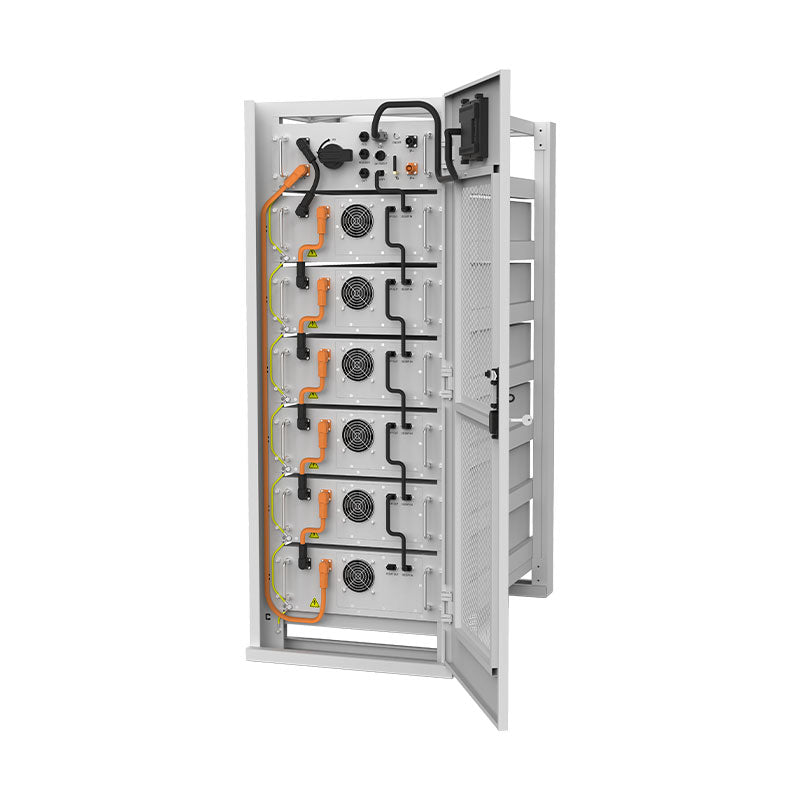
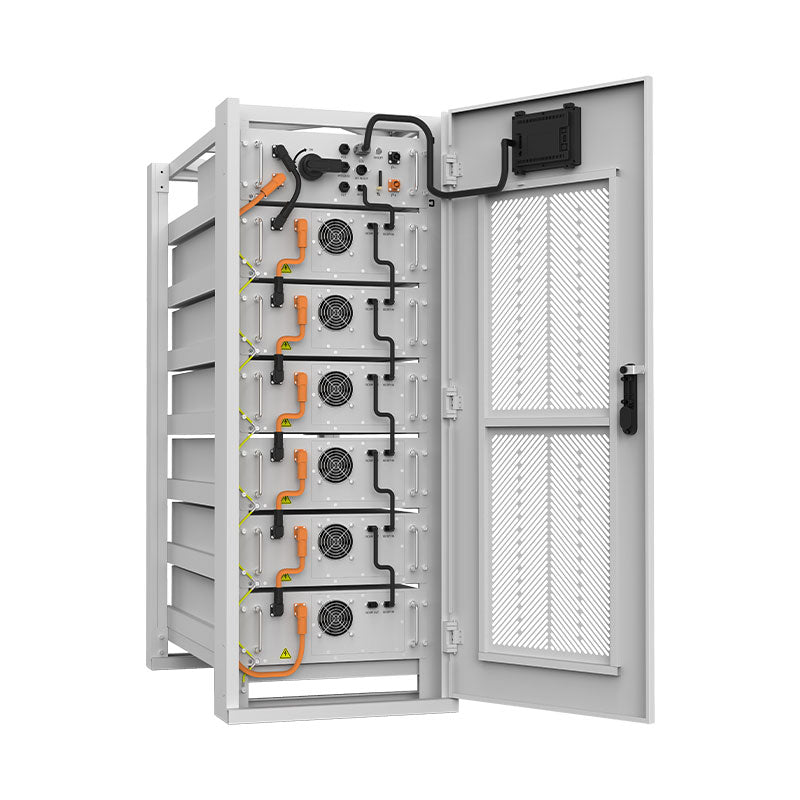
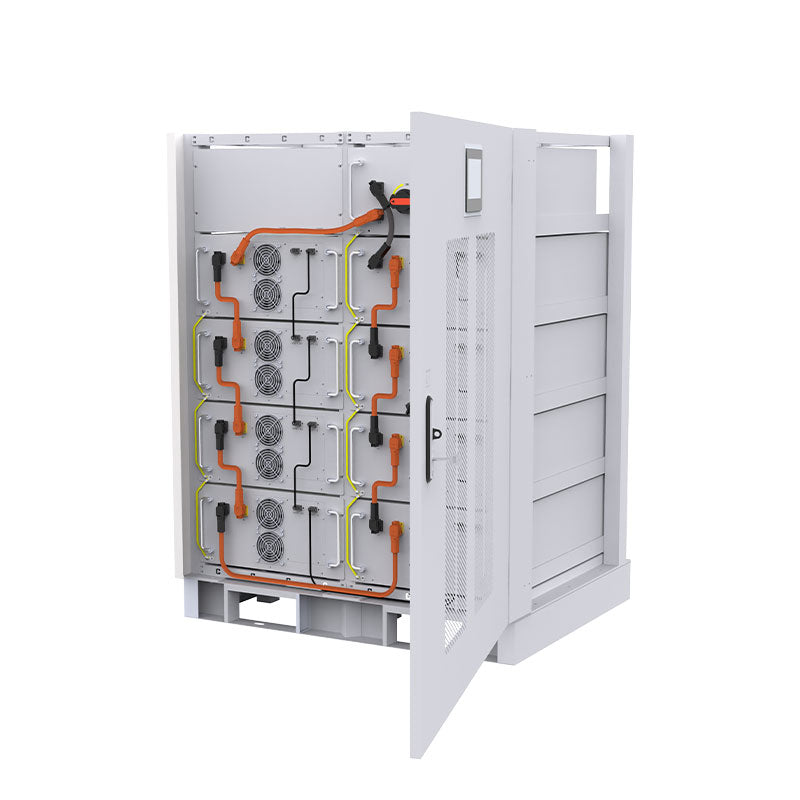
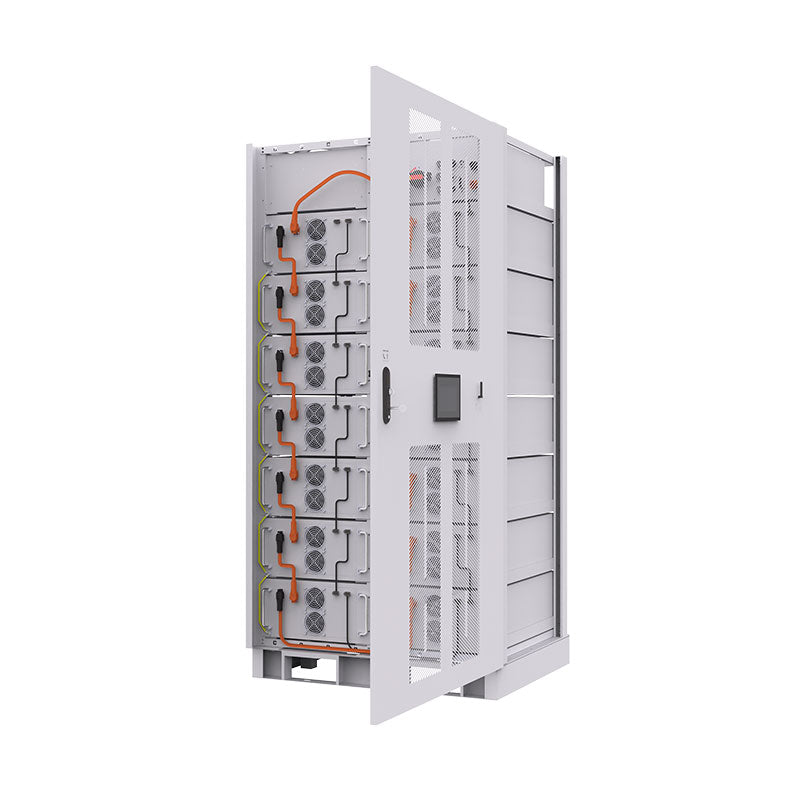
Battery Storage Optimization
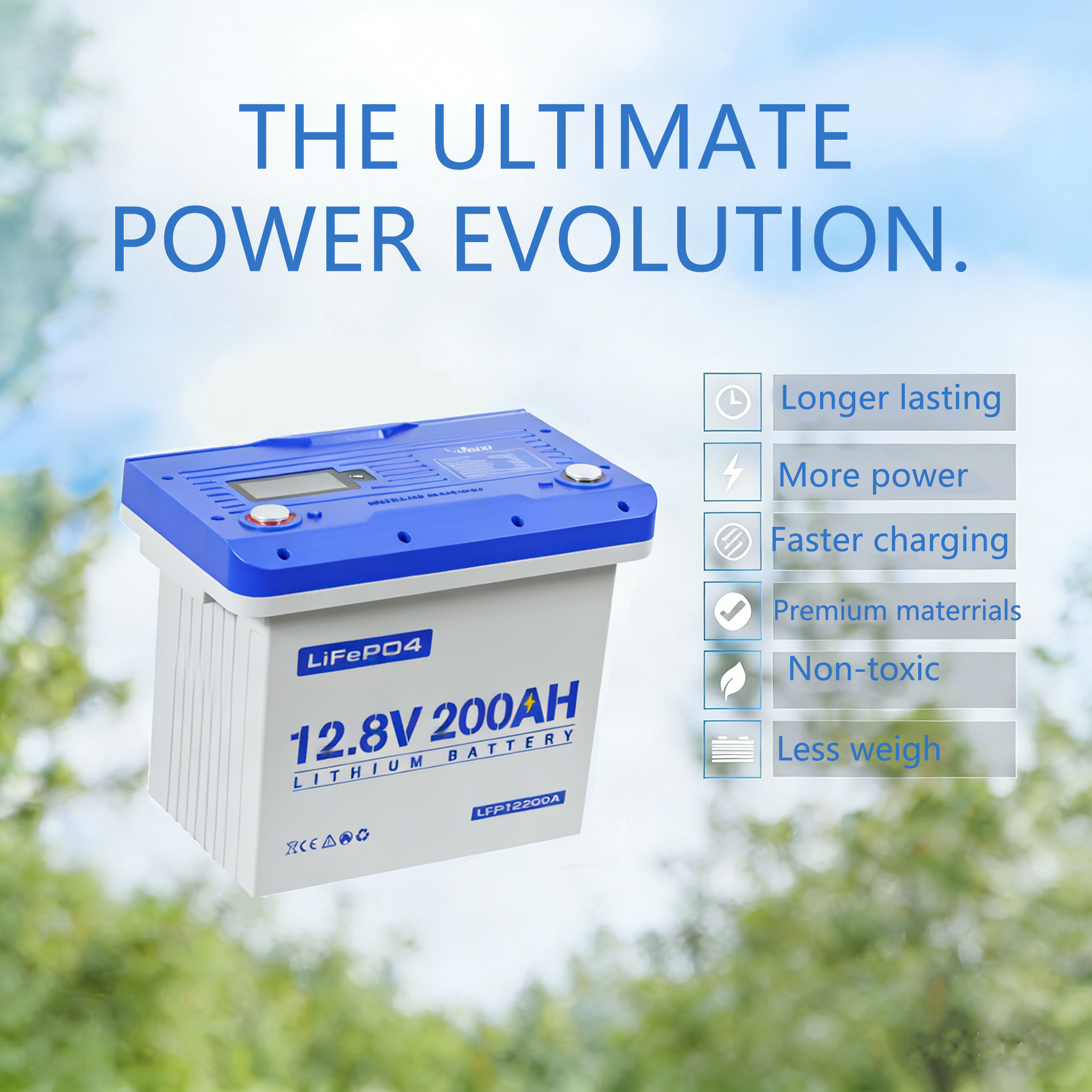
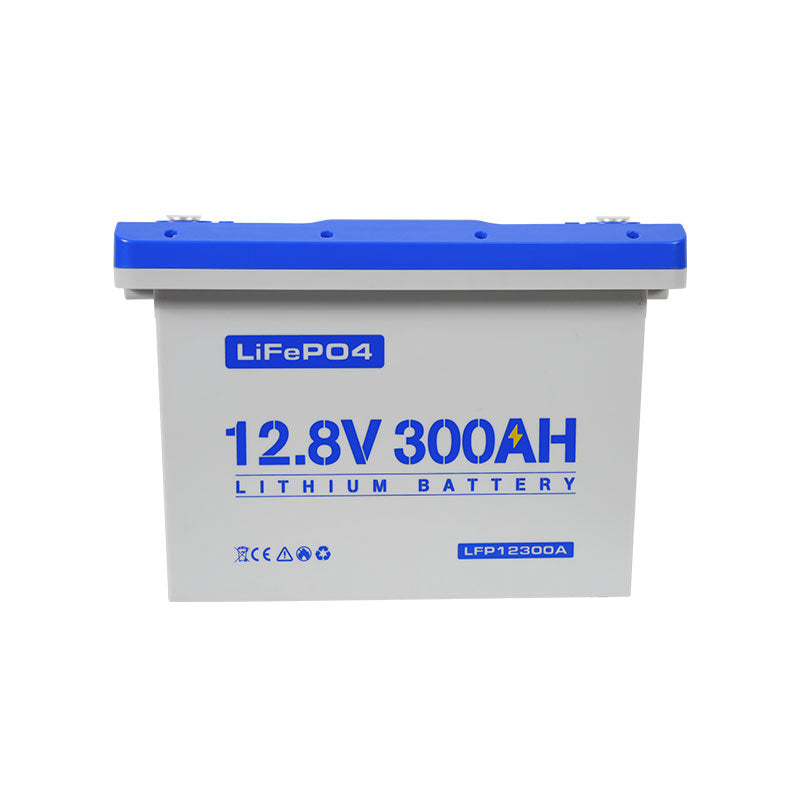
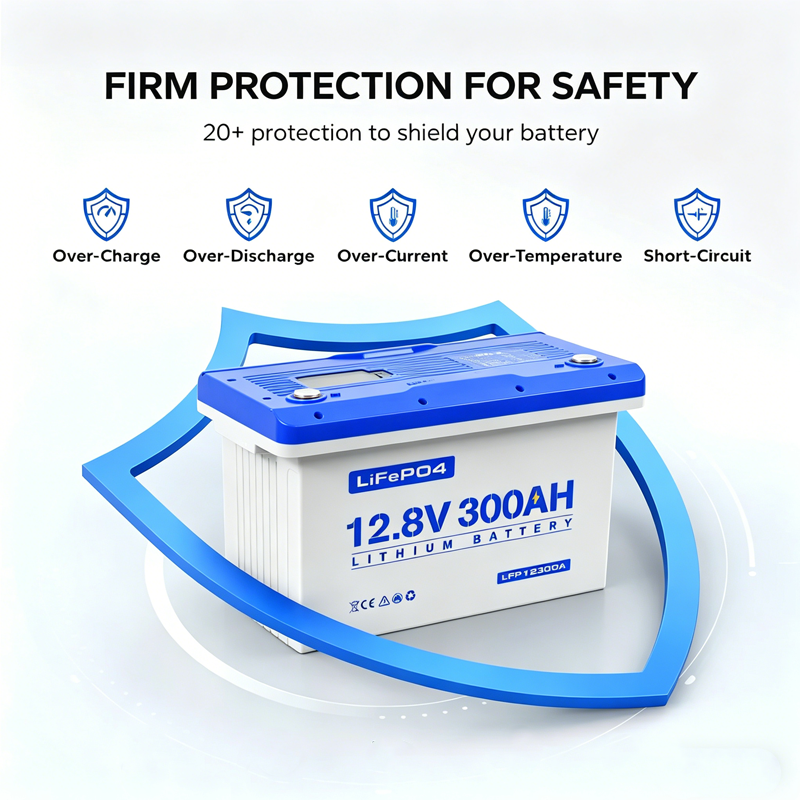
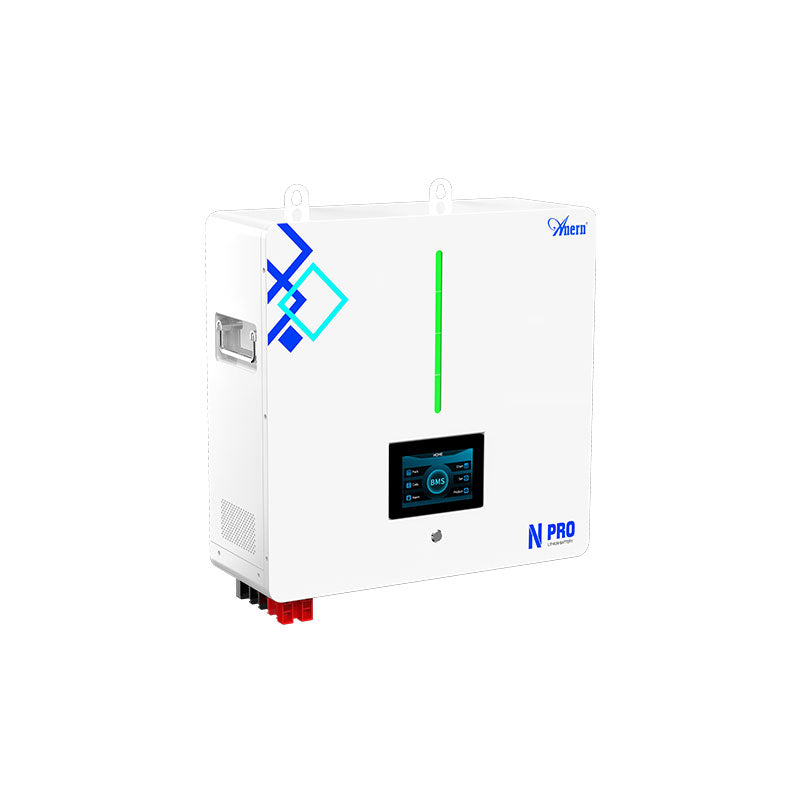
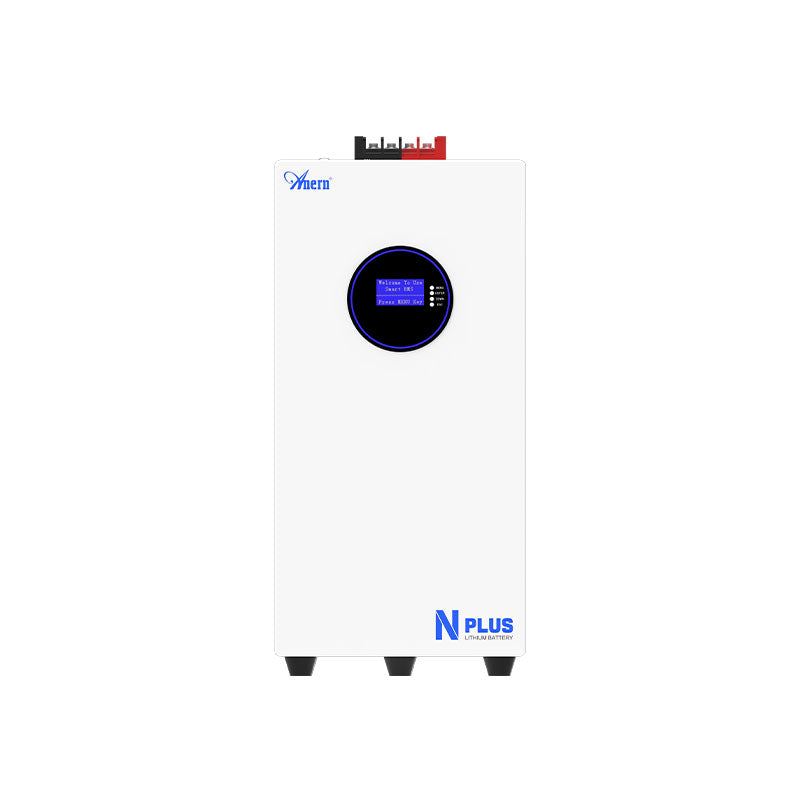
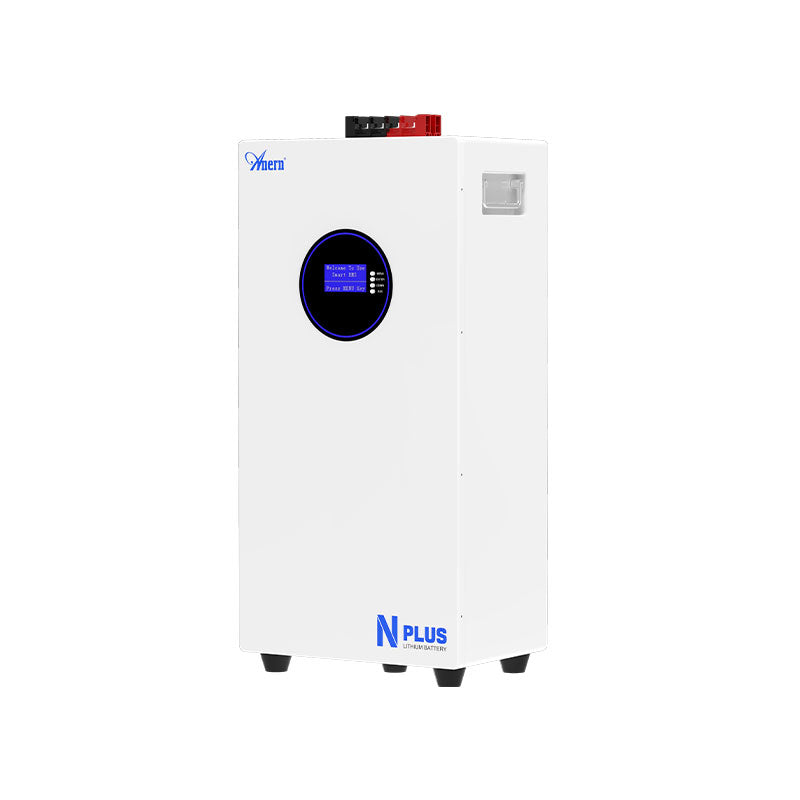
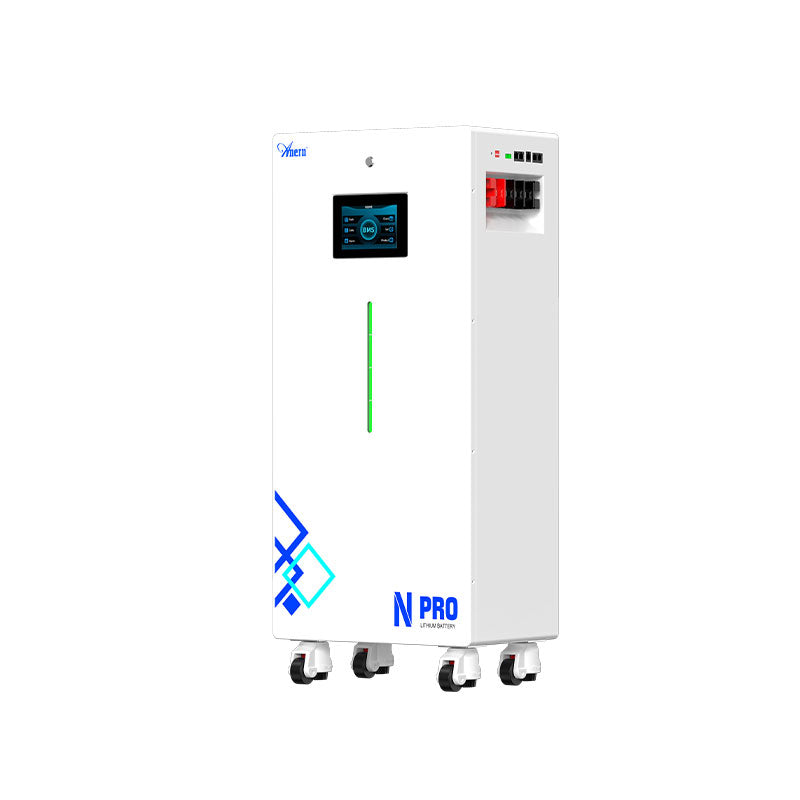
Advanced calculators incorporate temperature-compensated battery modeling. LiFePO4 batteries, while more cold-tolerant than other lithium chemistries, still experience capacity reductions of 10-20% at freezing temperatures. Professional tools account for:
| Temperature Range | Capacity Retention | Charging Limitations |
|---|---|---|
| 0°C to -10°C | 85-90% | Reduced charge rate |
| -10°C to -20°C | 75-85% | Heating required |
| Below -20°C | 60-75% | Active thermal management |
Evaluating Calculator Accuracy and Reliability
Not all sizing calculators provide the precision needed for dark winter week planning. Professional-grade tools distinguish themselves through several key characteristics that ensure accurate winter performance predictions.
Validation Against Real-World Performance
The most reliable calculators validate their algorithms against actual system performance data. They incorporate feedback loops that adjust predictions based on measured outcomes from installed systems across different climate zones.
Key validation metrics include:
- Prediction accuracy within ±15% of actual winter performance
- Successful modeling of 95% of dark winter week scenarios
- Integration with monitoring systems for continuous calibration
Load Modeling Sophistication
Professional calculators model dynamic load patterns rather than static averages. Winter loads fluctuate significantly based on:
- Heating system cycling patterns
- Occupancy variations during holidays
- Emergency equipment activation
- Seasonal appliance usage changes
Implementation Strategies for Dark Winter Resilience
Using sizing calculators effectively requires understanding how to interpret results and implement recommendations. The goal extends beyond meeting average winter loads to ensuring system resilience during extended low-production periods.
Oversizing Strategies
Professional calculators typically recommend oversizing components for winter reliability:
- Solar array: 150-200% of summer sizing to compensate for reduced winter production
- Battery storage: 7-14 days of autonomy based on local dark winter week patterns
- Inverter capacity: 125% sizing to handle cold-weather efficiency losses
Backup Integration Planning
Smart calculators incorporate backup generation planning, recognizing that even well-sized systems may require supplemental power during extreme weather events. They calculate optimal generator sizing and fuel storage requirements based on statistical analysis of historical weather patterns.
Economic Considerations and ROI Analysis
Professional sizing calculators include economic modeling to balance winter resilience with system costs. This analysis helps determine the optimal investment level for different reliability requirements.
Cost-Benefit Analysis
Advanced tools calculate the marginal cost of increasing winter reliability from 90% to 99%. They consider:
- Additional battery storage costs versus generator backup expenses
- Solar array oversizing costs versus fuel and maintenance savings
- System complexity increases versus reliability improvements
Lifecycle Financial Modeling
Professional calculators project 20-year lifecycle costs, including component replacements, maintenance schedules, and performance degradation. This long-term perspective ensures that winter sizing decisions remain economically viable throughout the system's operational life.
Future-Proofing Winter Energy Systems
Climate change introduces new variables into winter sizing calculations. Professional tools increasingly incorporate climate projection data to ensure systems remain viable as weather patterns evolve.
Modern calculators consider:
- Changing precipitation patterns affecting solar access
- Temperature volatility impacts on battery performance
- Extreme weather event frequency increases
- Grid interaction changes as renewable penetration grows
Sizing calculators designed for dark winter weeks represent essential tools for reliable off-grid energy systems. Professional-grade calculators that incorporate comprehensive weather data, sophisticated battery modeling, and economic analysis enable informed decisions that balance winter resilience with system costs. As climate patterns continue evolving, these tools become increasingly valuable for ensuring year-round energy independence.
The investment in proper winter sizing pays dividends through reduced generator runtime, eliminated blackouts, and peace of mind during the most challenging months. Professional sizing calculators transform complex winter energy planning into manageable, data-driven decisions that ensure reliable power when you need it most.
