












Your power bill can look fine most days. Then one busy afternoon hits. Cooling ramps up, equipment cycles, a motor starts under load, and your site pulls a short burst of high power. That single burst can set the billing peak for the entire month.
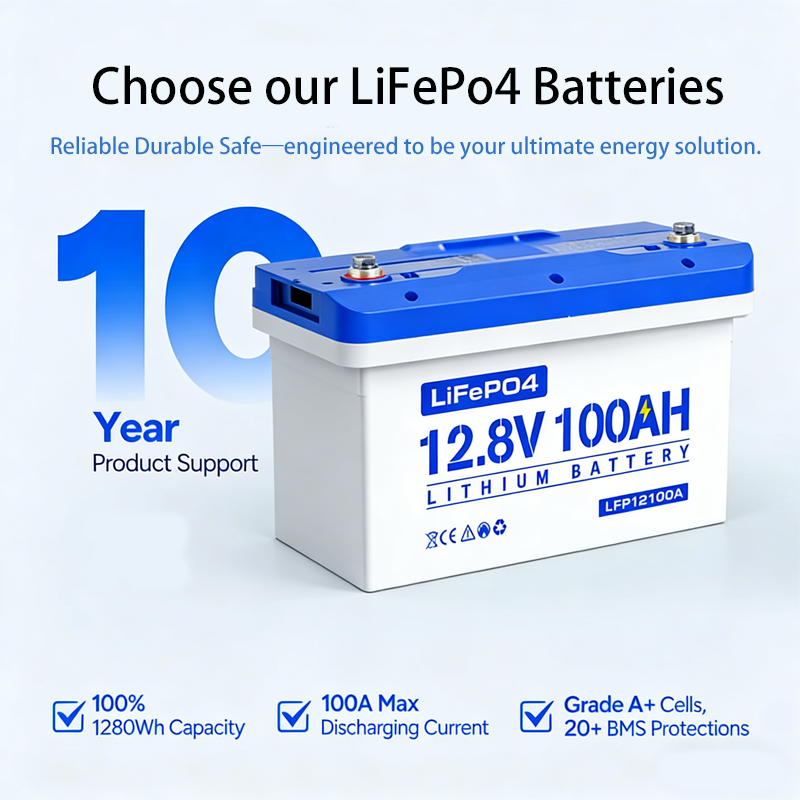
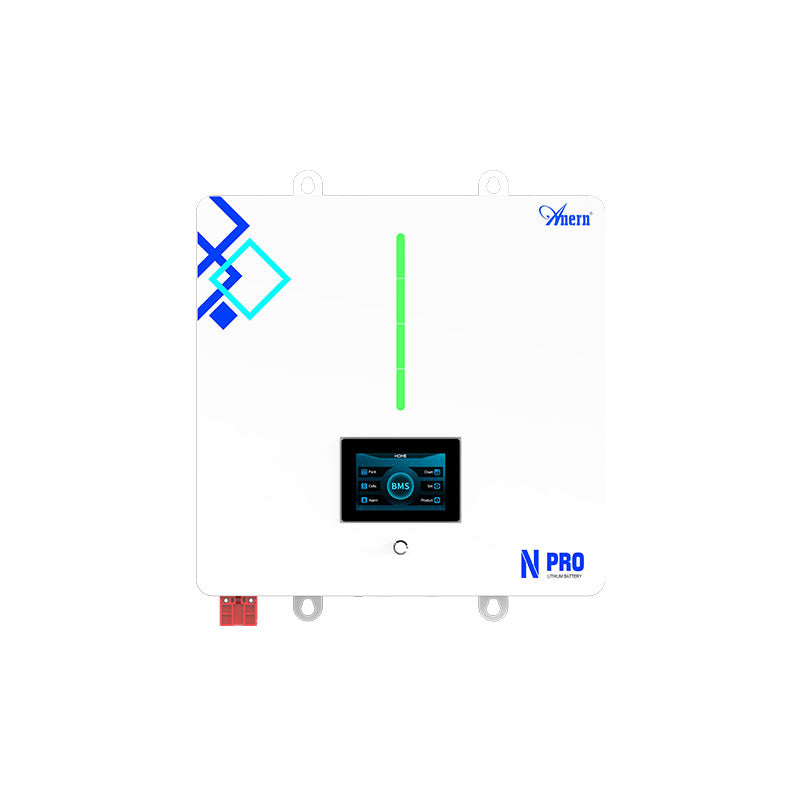
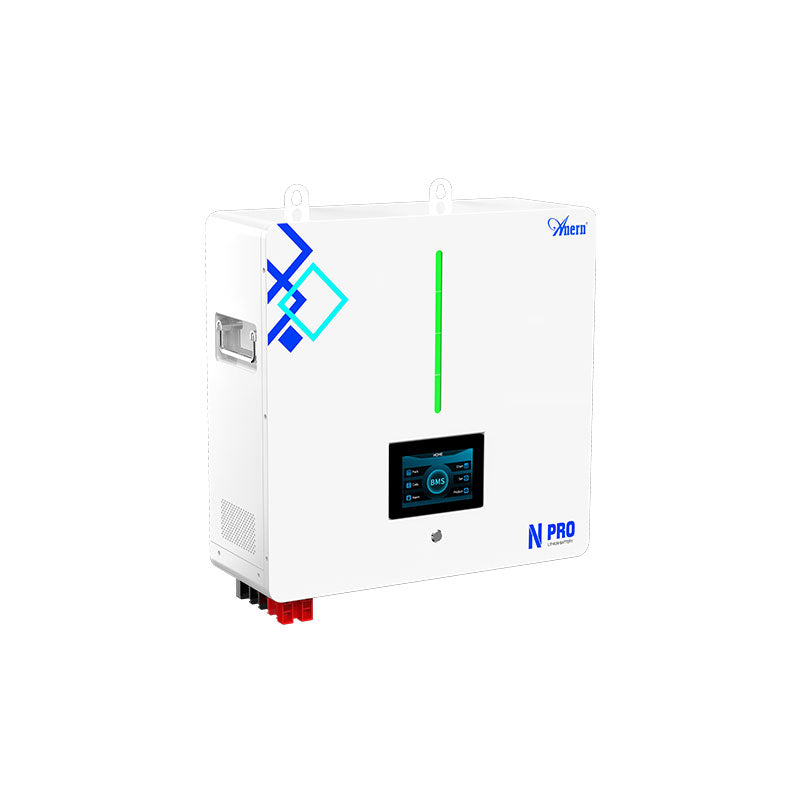
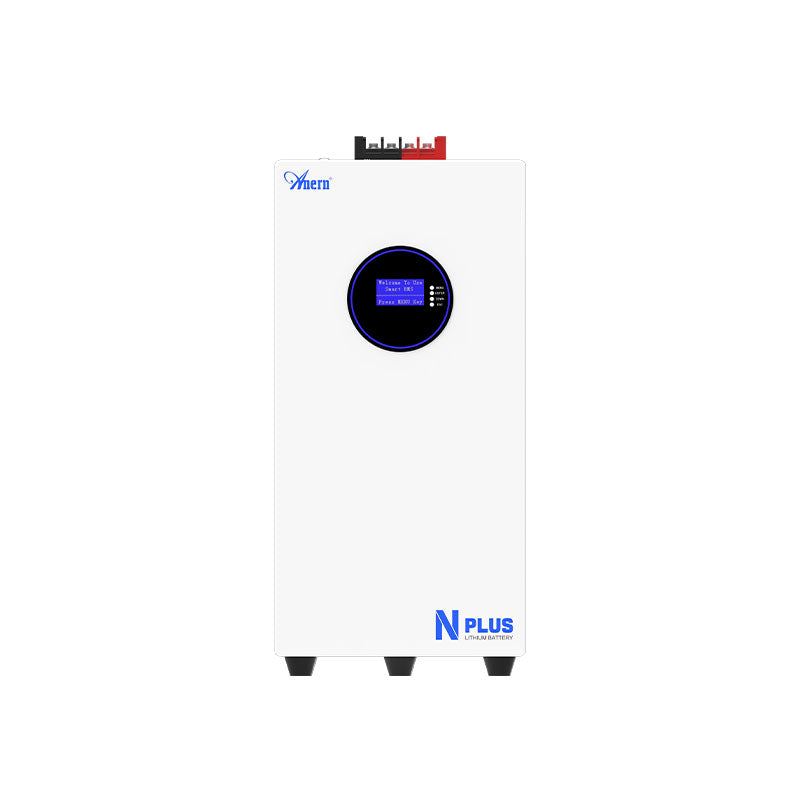
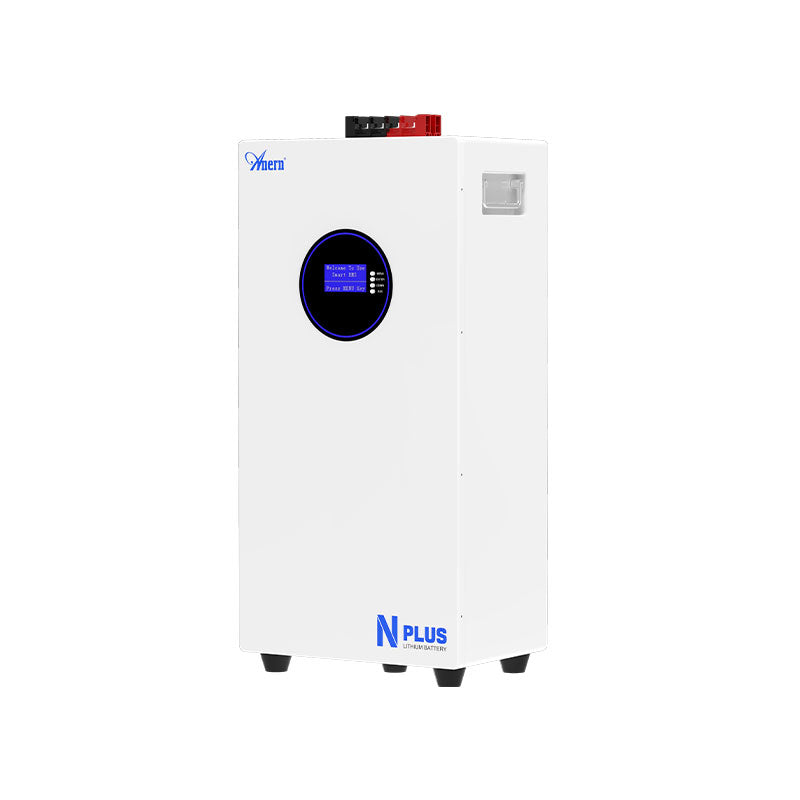
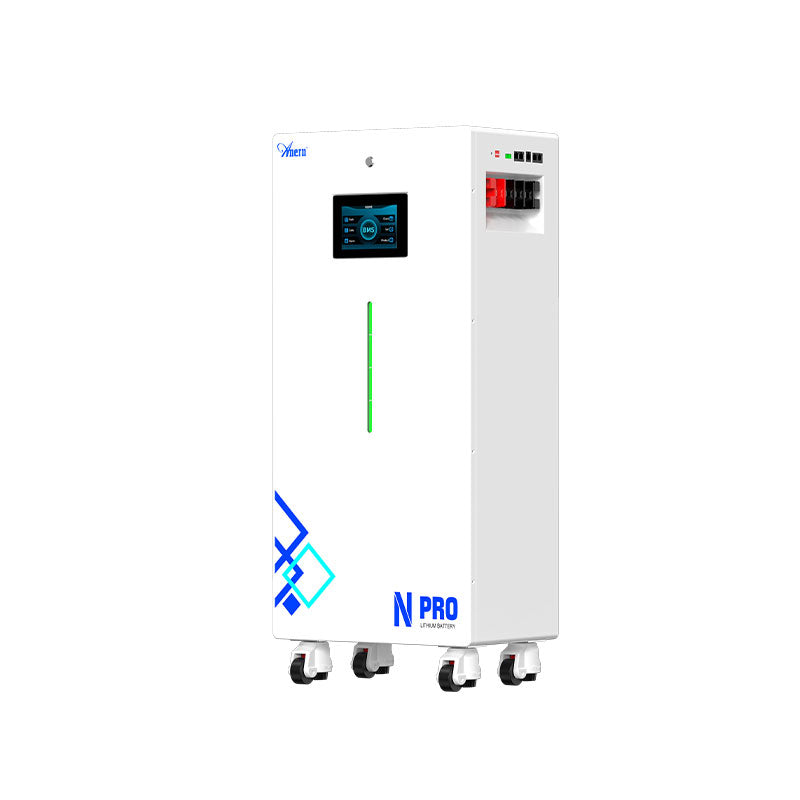
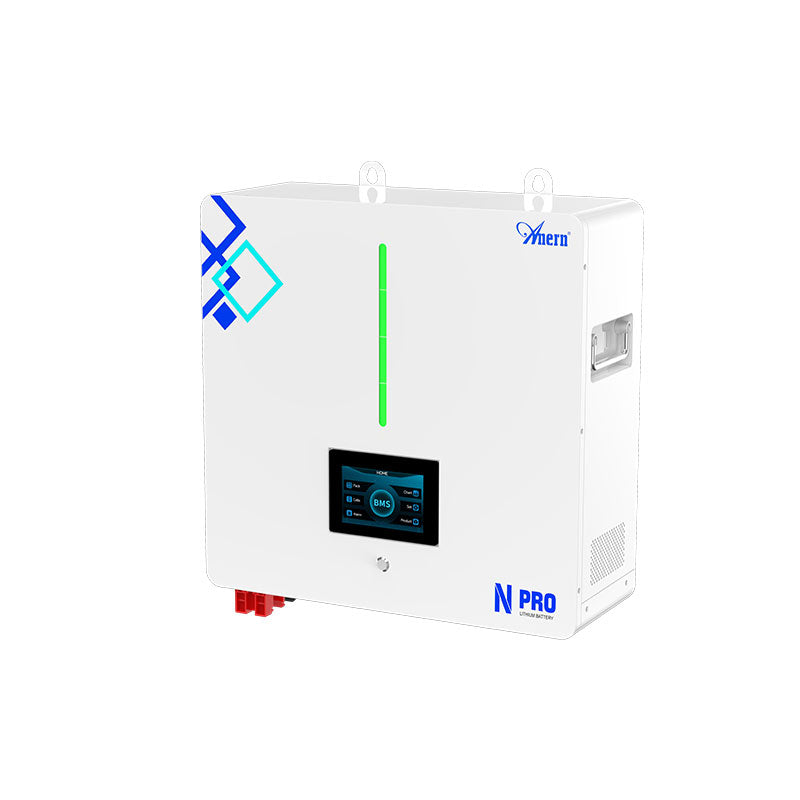
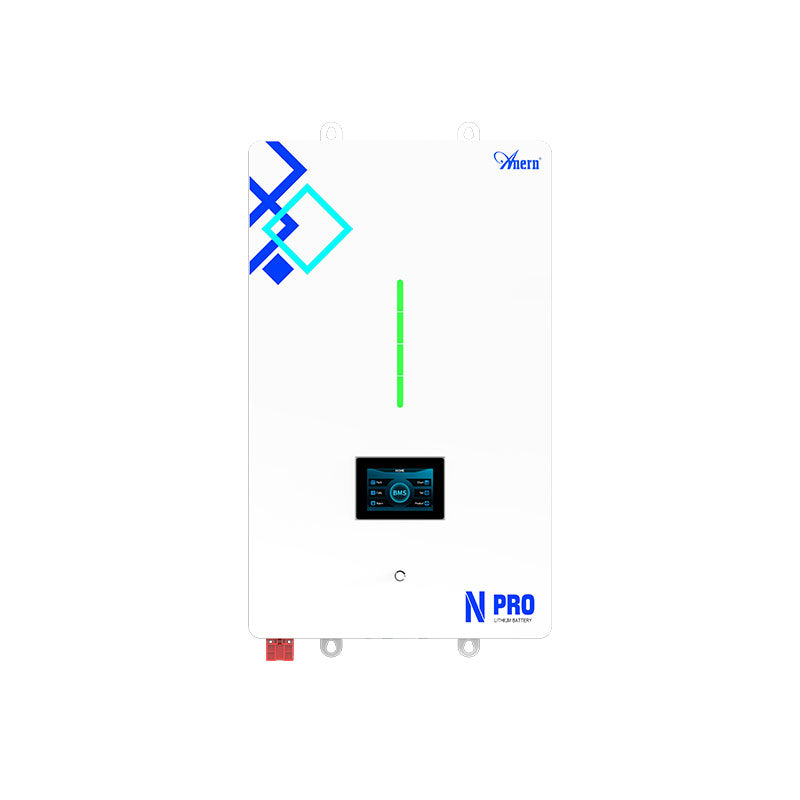
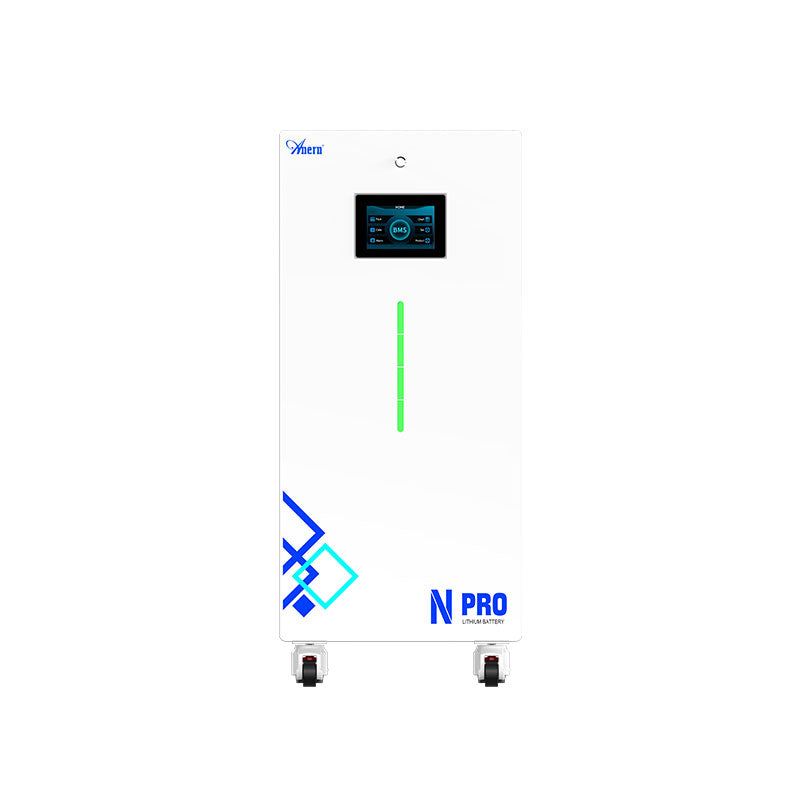
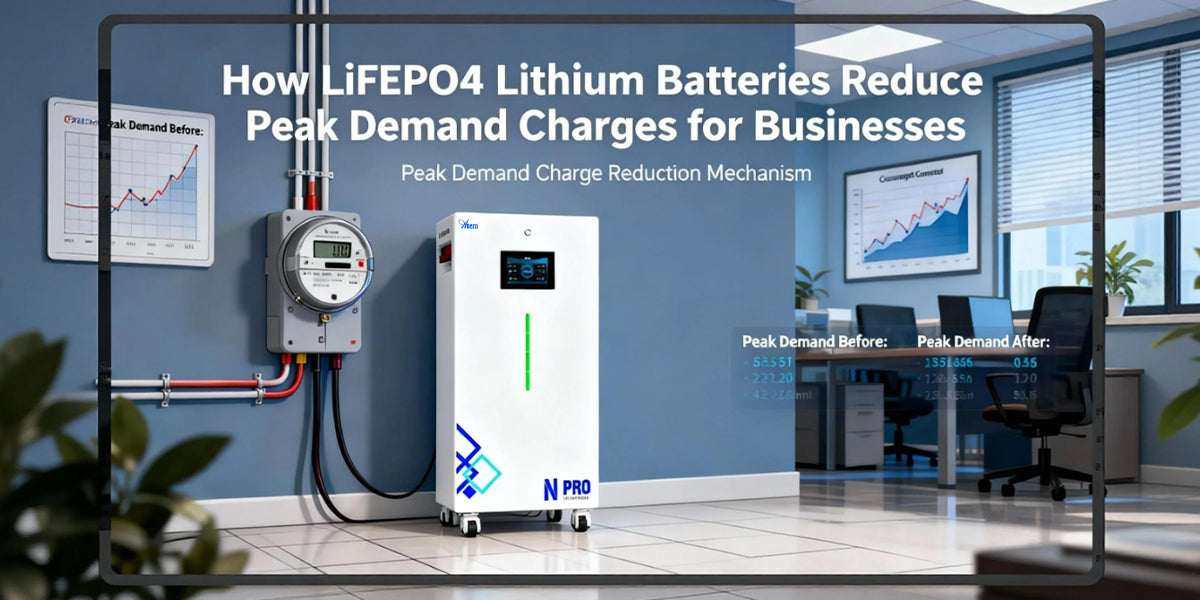
A LiFePO4 lithium battery system gives you a way to control that moment. It can deliver power during the spike so the grid sees a lower peak. When the peak drops, peak demand charges often drop with it. The play is simple. The execution needs good data and clean settings.
What Are Peak Demand Charges?
Peak demand charges are fees tied to the highest power your facility draws from the grid during a billing period. Power is measured in kW. Energy is measured in kWh. Demand charges track the kW peak, not the total kWh you consumed.
Many commercial tariffs measure demand using an averaging interval. Fifteen minutes is common. Thirty minutes is also used in some territories. The bill uses the highest interval value as your “billing demand.” That number can influence costs even when your overall kWh usage feels normal.
How Do Peak Demand Charges Show Up on Commercial Bills
A bill often lists demand as “Billing Demand,” “Maximum Demand,” or “Measured Demand.” You may also see “On-Peak Demand” if the tariff only counts certain weekday hours. Some tariffs add a second layer that reflects a prior maximum, sometimes called a ratchet. That structure is why one bad month can carry forward.
Why One Short Spike Can Matter
A demand meter is concerned with the worst interval. A brief operational overlap can create the month’s maximum. After the peak is recorded, it stays on the bill until the next billing cycle resets the measurement rules.
How Peak Shaving With Batteries Cuts Peak Demand Charges
Peak shaving uses a battery to reduce the facility’s grid draw during high-load moments. The battery discharges while your site load rises. Grid import stays below a cap you define. The meter records a lower peak.
Peak shaving works best when peaks are sharp and repeatable. A long plateau peak can still be managed, yet it demands more battery energy and longer discharge time. A LiFePO4 lithium battery is often a good fit for this job because it handles frequent cycling well in stationary storage duty.
Peak Drivers That Commonly Trigger Demand Charges
Many facilities see predictable peak causes. These patterns show up again and again.
- HVAC ramp on hot afternoons
- Refrigeration compressors cycling together
- Motor starts for pumps, blowers, and conveyors
- Batch steps for ovens, welders, or heated processes
- Coincident loads from kitchen equipment, lifts, or air systems
- Fleet or workplace EV charging that overlaps with building load
The best opportunities appear where peaks happen often enough to manage, yet not so long that the battery must run for hours.
What Peak Shaving Does Not Fix
Peak shaving does not change your tariff. It does not reduce every cost line. It targets the demand component. Facilities with flat, steady demand often see smaller gains. The peak must exist, and the battery must be dispatched at the right time.
How Demand Charge Management Works With a LiFePO4 Lithium Battery System
Demand charge management is the daily control layer that makes peak shaving reliable. It blends metering, automation, and guardrails that protect operations. The battery is the tool. The control policy is the skill.
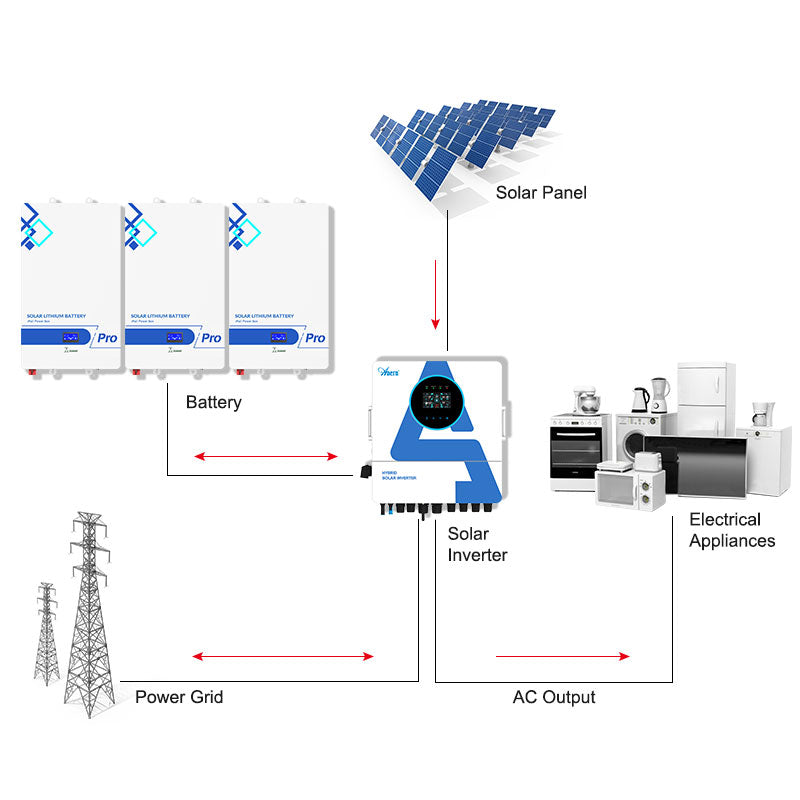
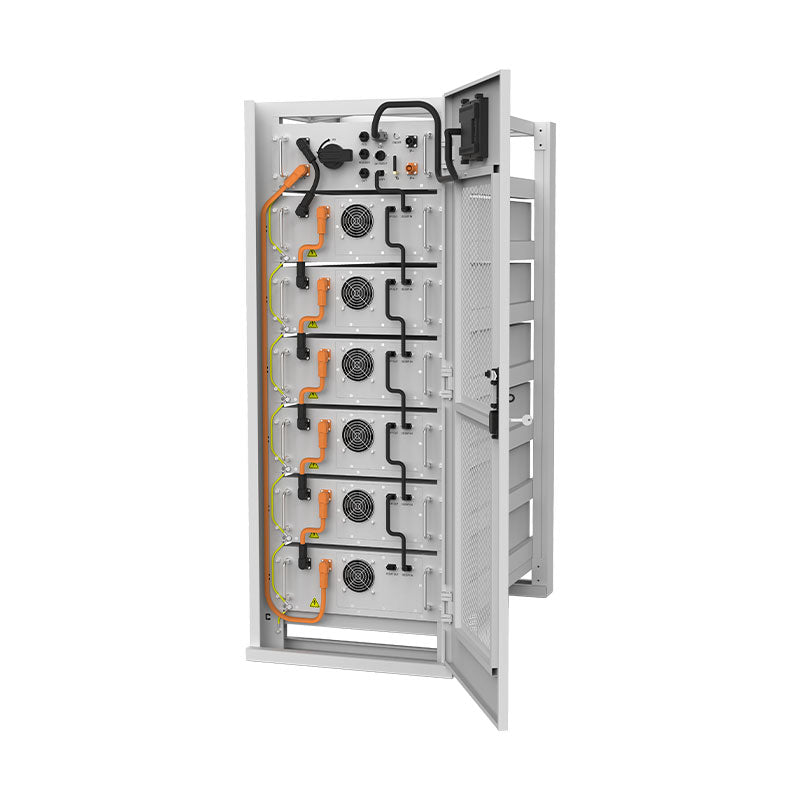
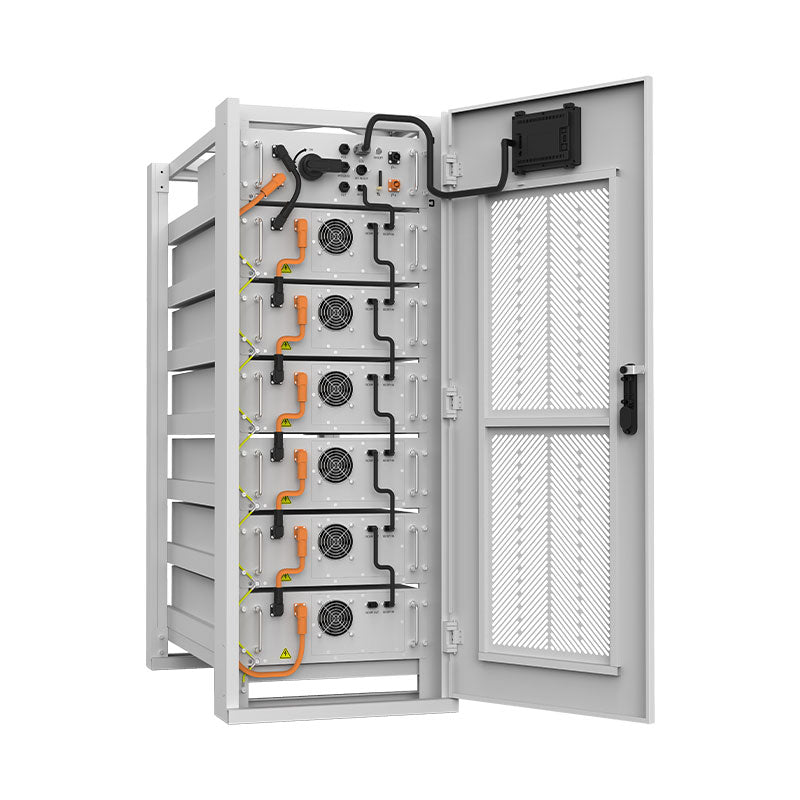
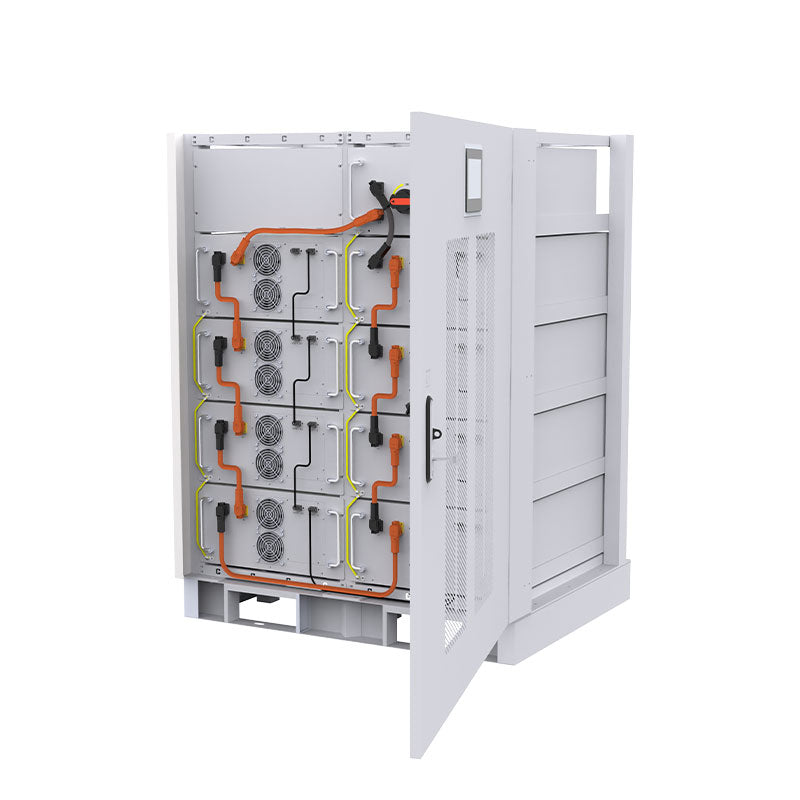
A typical LiFePO4 battery system used for commercial energy storage includes these elements.
- Battery modules with a battery management system
- A bidirectional inverter for charge and discharge
- Site metering or CTs that track facility load in near real time
- An energy management controller that issues dispatch commands
Threshold Control
Threshold control uses a simple rule. Set a target import cap. Discharge when site load approaches that cap. Recharge when the site load is lower and the battery has room.
This approach is easy to audit. It also matches how many facilities think about demand. The rule feels familiar to operators.
Forecast Aware Control
Forecast control uses patterns. It holds energy for the part of the day that tends to create peaks. It may also account for weather, schedules, and recurring production steps.
This approach can reduce “false discharges.” It helps when a site has one narrow danger window, such as late afternoon cooling plus a shift change.
Reserve Settings for Business Reality
Many businesses want backup power. That goal can live beside peak shaving. A reserve setting keeps part of the LiFePO4 lithium battery capacity in reserve. The cap must reflect the energy you are willing to spend on demand events.
Reserve settings reduce peak shaving headroom. They also improve resilience. A good policy fits both priorities.
How to Size Commercial Energy Storage for Peak Demand Charge Reduction
Sizing is where cost and performance meet. A battery that is too small misses peaks. A battery that is too large can sit idle. The sweet spot comes from your tariff and your interval load data.
Interval data is ideal. Many utilities provide 15-minute or hourly readings. If you only have monthly maximums, you can still estimate. The uncertainty grows.
Data You Need Before Choosing kW and kWh
The inputs below keep sizing grounded.
| Input | What To Collect | Why It Matters |
| Demand interval | 15-minute or 30-minute rule | Defines what counts as peak |
| Demand line items | On-peak demand, maximum demand, ratchets | Shows where savings can occur |
| Demand rate | $/kW for each applicable line | Converts kW reduction into dollars |
| Peak timing | Days and hours of monthly peaks | Guides dispatch scheduling |
| Peak duration | How long do peaks stay elevated | Sets the required discharge time |
| Site constraints | Inverter limit, interconnection rules, and space | Defines practical bounds |
A Practical Sizing Method That Holds Up
Use three steps that map to billing reality.
- Pick a target peak cap in kW.
- Identify how long the critical peaks last inside the demand interval.
- Translate the needed support into battery kWh, then account for reserve and losses.
Power rating matters as much as energy rating. Demand charges are based on kW. The LiFePO4 battery system must deliver that kW when the site needs it.
Charging needs the same level of planning as discharging. If the battery charges during a high-load period, it can lift your billing demand and erase part of the benefit.
A demand-aware charge plan usually includes:
- A charge window tied to low-building-load hours
- A max charge power limit (kW) that keeps total site import under your preferred cap
- A rule that pauses charging when the site load climbs
- A minimum reserve that stays protected even if the system is chasing peaks
This is also where energy charges enter the picture. Demand savings come from lowering the monthly kW peak. Energy costs depend on when you buy kWh from the grid. Charging during cheaper periods can support the demand strategy without quietly inflating the kWh side of the bill.
How to Estimate Savings From Peak Shaving and Demand Charge Management
Savings estimation can stay simple. The core idea is the billing peak reduction times the demand rate. Your own tariff is the deciding factor. Demand rates vary widely across regions and utilities.
Use this baseline relationship:
Estimated Monthly Demand Savings = Reduced Billing Demand (kW) × Demand Charge Rate ($/kW)
Then check for multiple demand components. Some tariffs apply demand charges in both delivery and supply. Some only count on-peak intervals. Some include a ratchet tied to a prior maximum.
Why This Cost Line Deserves Attention
Demand charges can represent a large share of commercial bills. A U.S. Forest Service technical note has described demand charges as commonly representing roughly 30% to 70% of many commercial electricity bills. That range depends on the tariff and the load profile. It still explains why a modest reduction in peak kW can move the total bill.
A Simple Plug-In Savings Example
Pull two numbers from your bill, then plug them into the same formula. No special modeling is required.
| What You Need | Where It Comes From | How You Use It |
| Demand charge rate ($/kW) | The demand line item on your tariff or bill | This is “R” in the math |
| Baseline billing demand (kW) | Your current “Billing Demand” or “Maximum Demand.” | This is “D₁” |
| Managed billing demand (kW) | The target peak after peak shaving | This is “D₂” |
| Monthly demand savings | Calculated | (D₁ − D₂) × R |
If your tariff has two demand charges (for example, delivery demand plus supply demand), run the same calculation for each rate using the same kW reduction, then add them together.
Annual planning is straightforward. Multiply the expected monthly savings by the number of months your peaks are active, since many sites see stronger peaks in cooling or heating seasons.
What Makes Savings Drift from the Spreadsheet
Estimates fail for a few repeatable reasons.
- Dispatch misses the true peak interval
- A new peak happens later in the month
- Season changes shift peaks from cooling to heating, or the reverse
- Operational changes add load at the wrong time of day
A short commissioning period helps. Watch the meter data. Adjust the cap and reserve. Lock the policy after it matches real operations.
Which LiFePO4 Lithium Battery Specs Matter Most for Peak Shaving
Peak shaving rewards fast response, repeatable cycling, and predictable thermal behavior. A LiFePO4 lithium battery is commonly used in stationary storage because lithium iron phosphate chemistry is widely recognized for its strong thermal stability characteristics in many storage applications.
Specs still matter. Do not focus on a single headline. Match the system to your dispatch needs.
Safety and Thermal Behavior
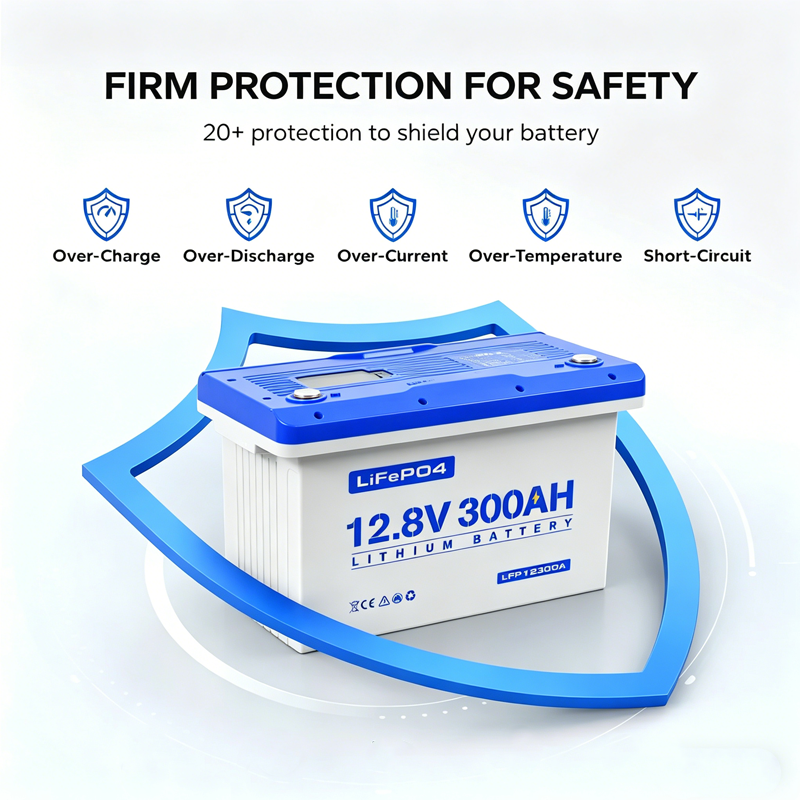
Commercial sites care about stability. Look for clear operating temperature ranges and system-level protections. Safety is a system property, not a cell label. The enclosure, BMS logic, and inverter protections all contribute.
Round Trip Efficiency
Round-trip efficiency affects how much energy you get back after charging. It also affects heat inside the system. Project models often use an efficiency assumption around the mid 80% range for battery storage. Published evaluations also show lithium storage efficiency can span a wider range, roughly from the high 70s into the mid 90s, depending on system design and operating conditions.
For demand charge management, efficiency matters because cycling can happen frequently. Losses add up over time.
Power Rating and Response
Demand charges are about power. Confirm continuous discharge power. Confirm the inverter can hold output without derating. Confirm the control can react inside your tariff’s demand interval.
Warranty Terms That Match Dispatch
Peak shaving can use many cycles. Warranty language varies. Focus on allowed throughput, operating temperature limits, and performance retention terms. Those details tell you how the system is meant to be used.
Cut Your Next Peak Demand Bill with LiFePO4 Batteries
A clean plan begins with your tariff and your load data. Pull 12 months of interval demand data if you can access it. Mark the top peak days and times. Compare them to schedules and equipment logs. A pattern usually appears quickly.
Set a realistic import cap. Align the cap to the demand interval used for billing. Configure dispatch rules that hold energy for the hours that create peaks. Keep a reserve that fits your risk tolerance and uptime needs.
Then measure results. Fine-tune for a few billing cycles. A LiFePO4 lithium battery system can reduce peak demand charges when the controls match the facility’s real peak behavior. The most successful projects keep the approach simple and the settings disciplined.
FAQs
Q1. How long does a peak demand event need to last before it affects billing demand?
Many tariffs measure demand as an average over a fixed interval. A short spike may not move the billed number unless it stays elevated across enough of that interval. Your tariff’s demand interval and averaging method determine the exact threshold.
Q2. Can a battery lower demand charges if my facility’s peak is caused by one large motor start?
Sometimes, but it depends on the inrush profile and how your demand meter averages the load. Motor starts can be brief yet intense. A battery helps more when the event sustains a higher average, or when multiple starts stack together.
Q3. Do utilities require special approvals for behind-the-meter battery systems used for demand management?
Often yes. Interconnection rules, protection requirements, and export limits vary by utility. Many sites operate in non-export mode, which simplifies compliance. Early utility review prevents delays related to metering, protection settings, or site inspections.
Q4. Will adding solar automatically reduce peak demand charges without storage?
Not always. Solar can reduce kW during sunny hours, but many commercial peaks occur late afternoon or early evening. Cloud cover also adds variability. Storage can help align solar production with the hours when demand charges are measured.
Q5. What operational changes can deliver demand charge savings alongside a battery system?
Small process tweaks often help. Staggering equipment starts, limiting simultaneous compressor cycles, shifting EV charging schedules, or adjusting HVAC pre-cooling can reduce peak formation. These changes can lower the required battery size and improve overall economics.
