





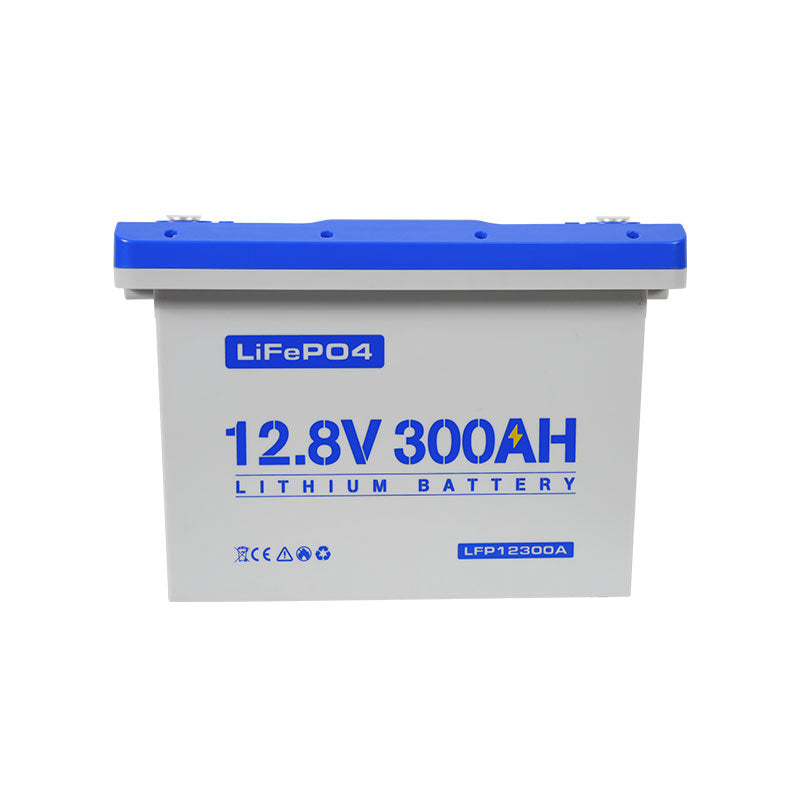
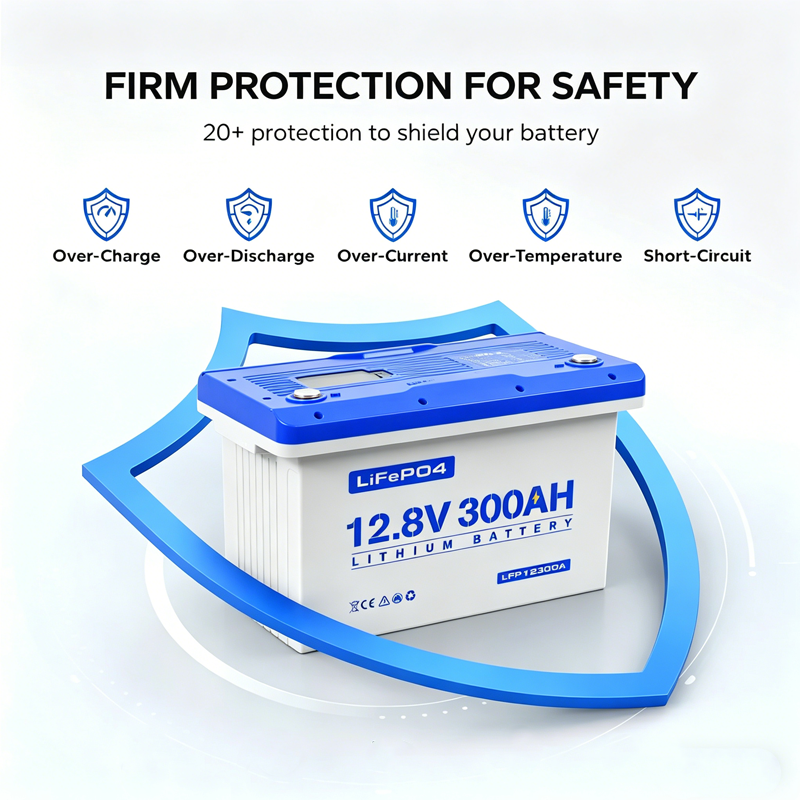

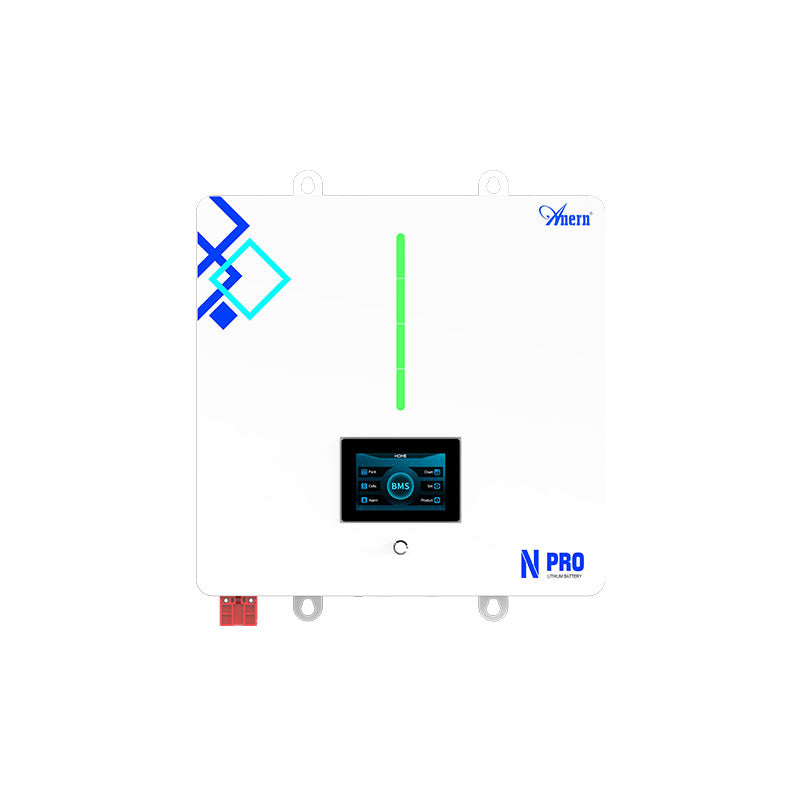
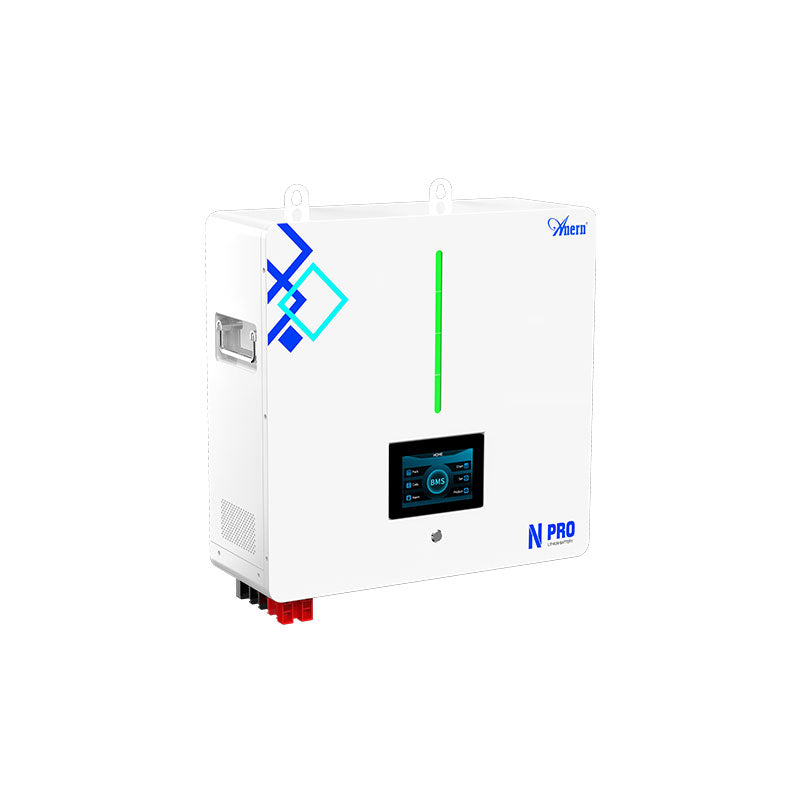
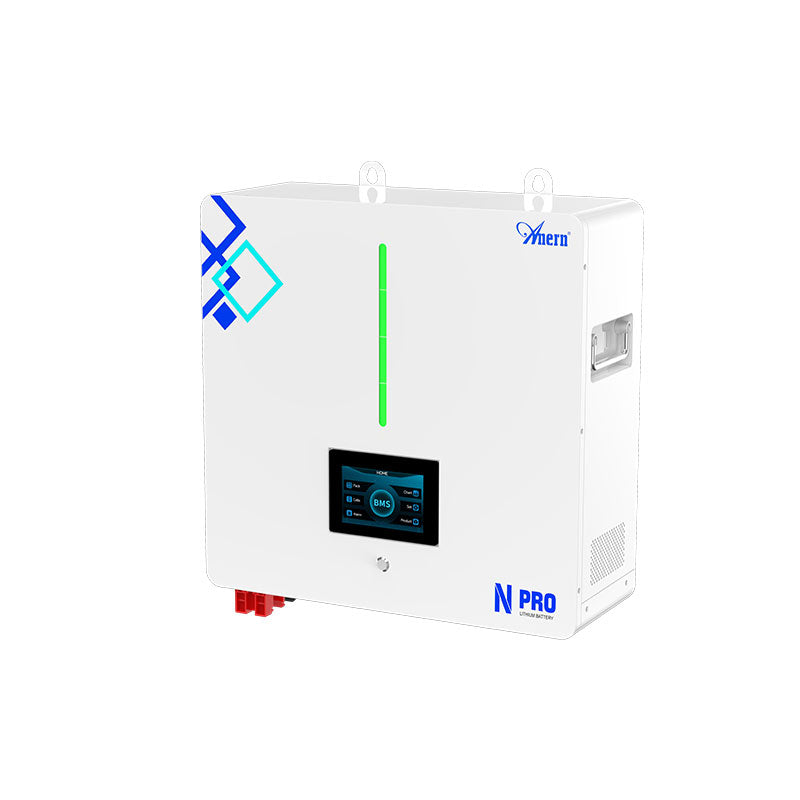

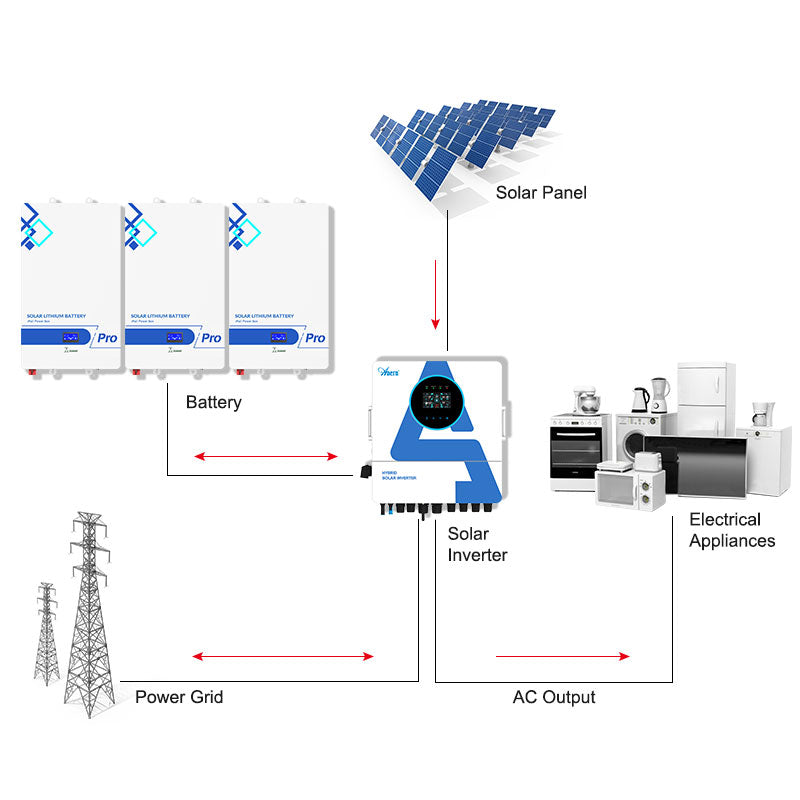
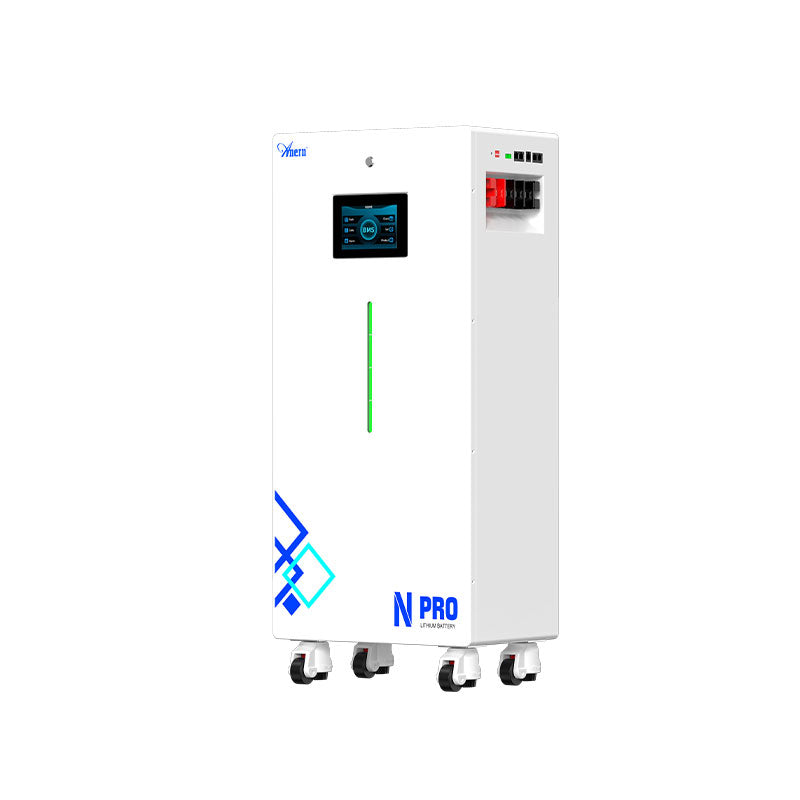



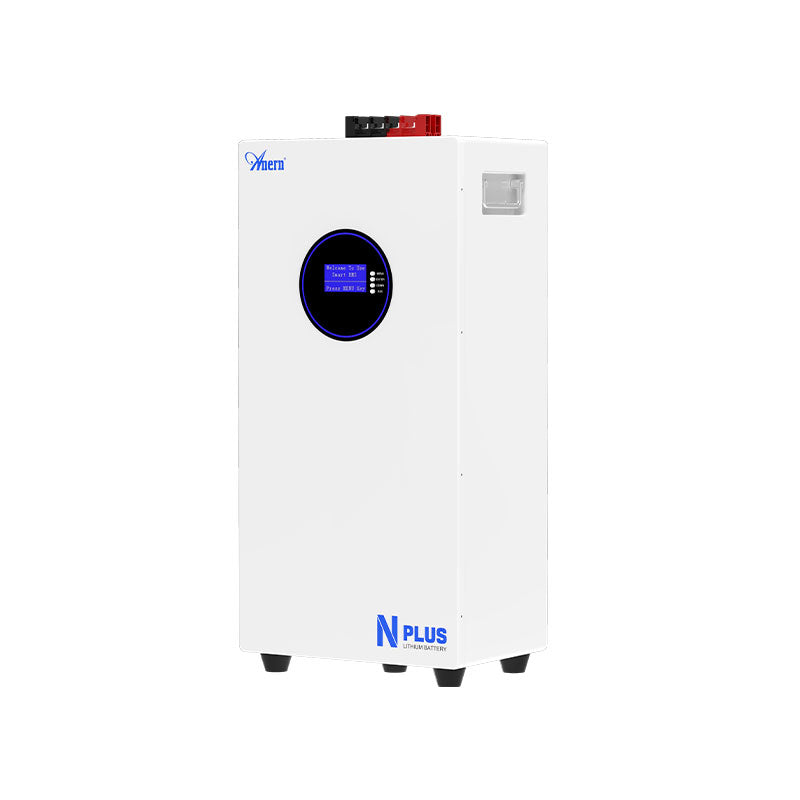

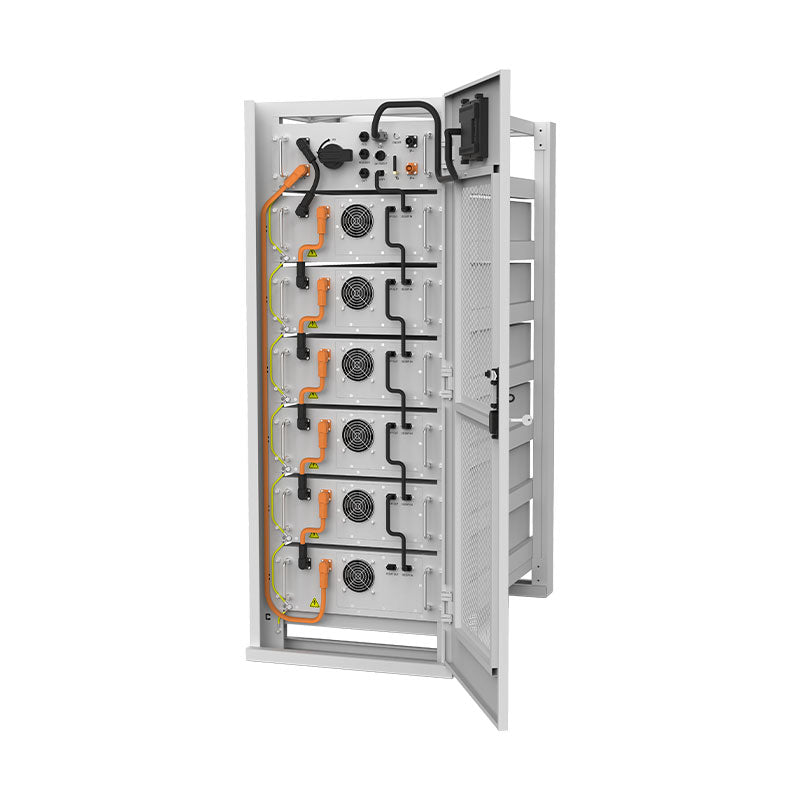
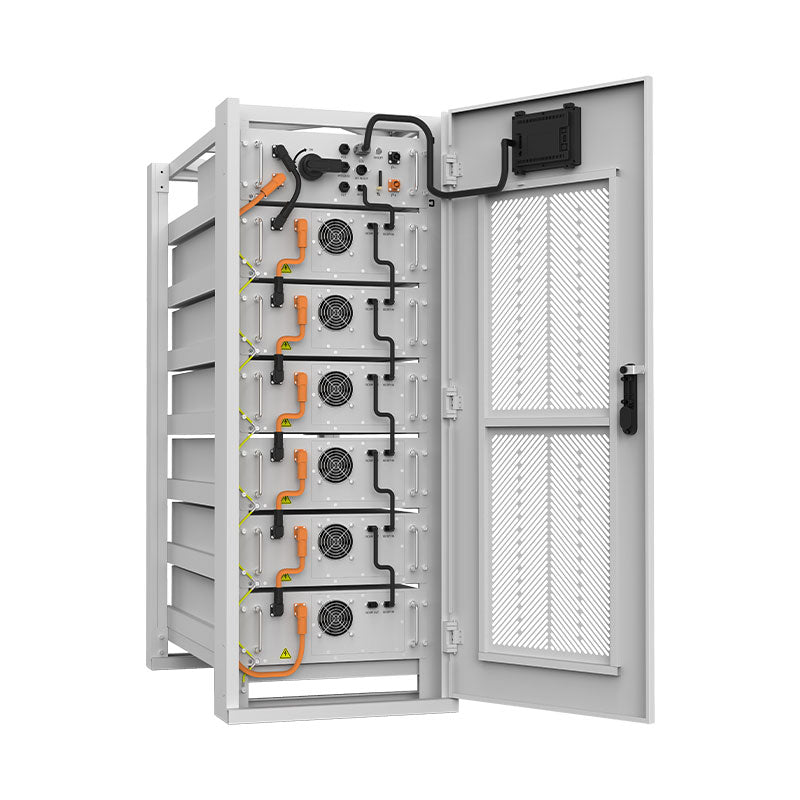
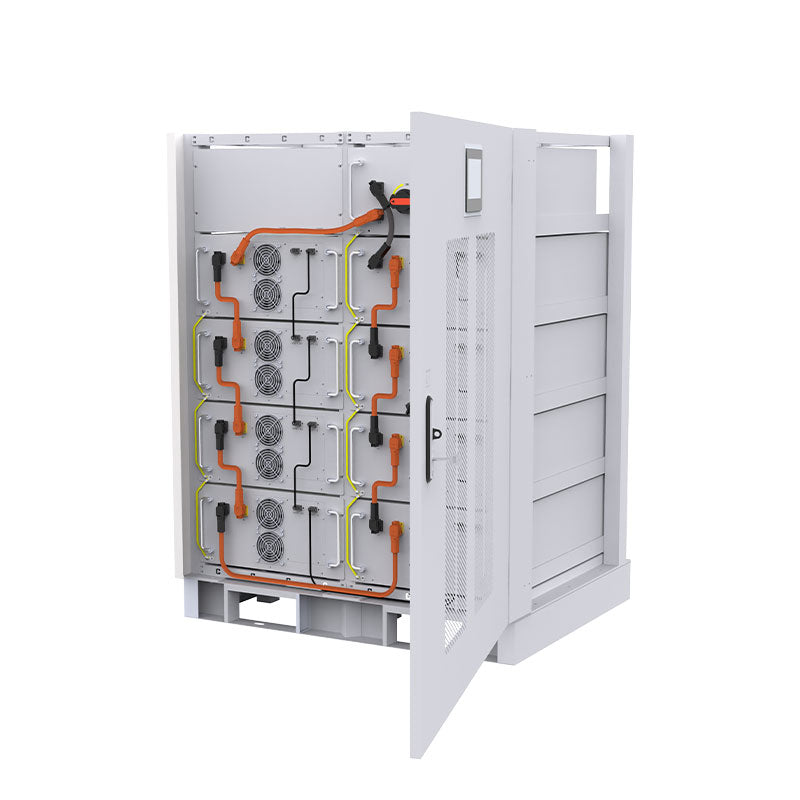

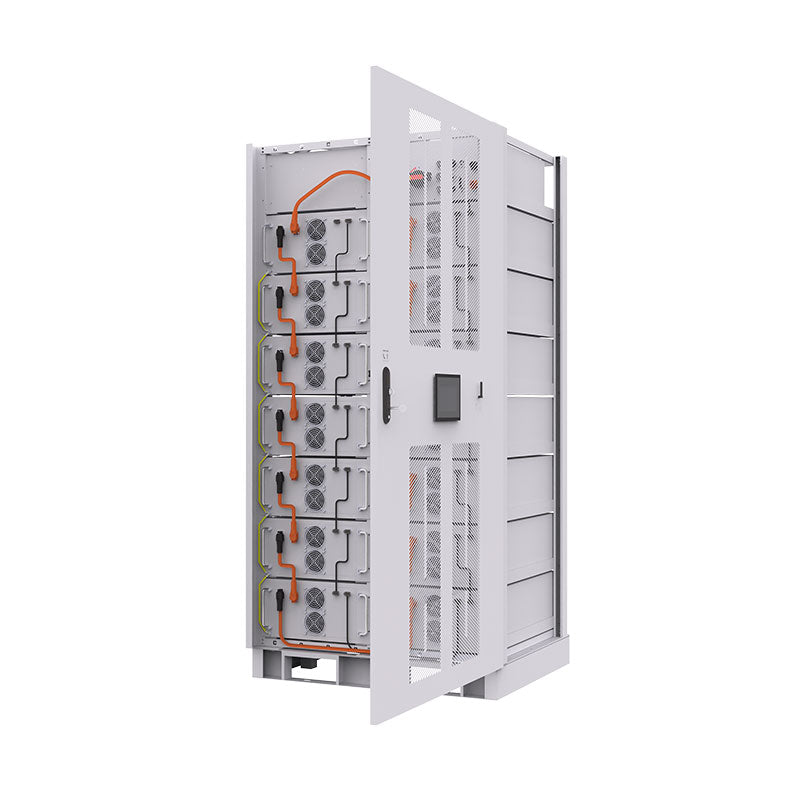


The lifespan of your energy storage battery is not a fixed number. It is an outcome that you can actively influence. While the chemistry of the battery cells sets the foundation, the intelligence of its Energy Management System (EMS) determines its long-term health and performance. A standard EMS acts as a basic guardian, but a degradation-aware EMS serves as a long-term health strategist. By intelligently managing how your battery charges and discharges, specifically by shaping its State of Charge (SOC) window, you can add years of productive life to your investment and secure your energy independence.
What is a Degradation-Aware Energy Management System?
An advanced EMS goes far beyond the simple tasks of monitoring voltage and preventing overcharging. It incorporates a deeper understanding of battery aging to make proactive decisions that preserve capacity and extend lifespan.
Beyond Basic Battery Management
A conventional EMS focuses on immediate safety and operation. It ensures the battery operates within safe voltage and temperature ranges, preventing catastrophic failures. A degradation-aware EMS does all this and more. It uses predictive models based on the battery's specific chemistry, like Lithium Iron Phosphate (LiFePO4), to forecast how different usage patterns will affect its State of Health (SOH) over time. It's the difference between a simple sentry and an experienced health coach.
The Core Principle: Proactive Health Management
The system's intelligence lies in its ability to balance your immediate energy needs with the long-term health of the battery. It constantly analyzes key stressors, including temperature, charge/discharge rates (C-rate), and, most importantly, the State of Charge. Instead of just reacting to limits, it actively steers the battery away from conditions known to accelerate degradation. This proactive management is the cornerstone of extending the operational life of electrochemical storage technologies, which are vital for grid flexibility.
The Critical Role of the State of Charge (SOC) Window
The SOC window—the range in which your battery typically operates—is one of the most significant factors you can control to influence its lifespan. Consistently pushing the battery to its absolute limits is a primary driver of premature aging.
Why Extreme SOC Levels Accelerate Aging
LiFePO4 batteries are robust, but they experience stress at the extremes of their charge range. Holding a battery at 100% SOC for long periods, especially at elevated temperatures, accelerates calendar aging, a process of degradation that occurs even when the battery is not in use. Conversely, deep discharges below 10-20% SOC put significant strain on the battery's internal components, accelerating cycle aging. As noted by the International Renewable Energy Agency, the specific operational profile of a storage system directly impacts its degradation rates. A smart EMS mitigates this by avoiding these stressful states whenever possible.
Defining the 'SOC Window'
Think of the SOC window as the battery's comfort zone. Instead of cycling between 0% and 100%, a degradation-aware strategy might aim to operate between 20% and 80% or 10% and 90%. This narrower window is directly related to the Depth of Discharge (DoD). Operating within an 80% SOC window (e.g., from 90% down to 10%) corresponds to an 80% DoD. This simple adjustment significantly reduces stress on the battery's chemistry, much like avoiding redlining a car's engine extends its life.
How a Smart EMS Shapes the SOC Window
A degradation-aware EMS makes these adjustments dynamically. For example, on a sunny day with low household consumption, it might recognize that the battery will be fully charged by noon. Instead of pushing it to 100% and letting it sit there for hours, it may cap the charge at 90% to reduce calendar aging. Similarly, if it anticipates several cloudy days, it might allow a slightly deeper discharge to meet your energy needs, but it will still avoid hitting 0%. Understanding the relationship between SOC and other metrics is key. For a deeper look into performance metrics like Depth of Discharge, which directly relates to the SOC window, this ultimate reference on solar storage performance provides valuable data.
Practical Benefits of SOC Window Optimization
Adopting a degradation-aware strategy isn't just a theoretical exercise. It delivers tangible returns in cycle life, financial value, and overall system reliability.
Extending Battery Cycle Life
The relationship between DoD and cycle life is well-documented. By reducing the average DoD, you can dramatically increase the number of cycles your battery can deliver. A battery might be rated for 3,000 cycles at 100% DoD, but that number can climb to 5,000, 7,000, or even more with a shallower discharge strategy managed by a smart EMS.
| Depth of Discharge (DoD) | Corresponding SOC Window | Approximate Cycle Life Increase |
|---|---|---|
| 100% | 0% - 100% | Baseline |
| 80% | 10% - 90% | ~40-60% |
| 70% | 15% - 85% | ~70-100%+ |
Note: These are illustrative figures. Actual performance varies by battery chemistry, quality, and operating conditions.
Improving System ROI and Reliability
A longer battery life directly translates to a lower Levelized Cost of Storage (LCOS), improving the return on your investment. As highlighted in a report on Renewable Power Generation Costs in 2024, estimating storage costs is complex because it depends heavily on the operational profile. A degradation-aware EMS helps stabilize one of the most critical variables in this equation—the degradation rate—by enforcing a healthier operational profile. This enhanced reliability provides greater peace of mind and confidence in your energy system, especially in off-grid applications.
Implementing a Degradation-Aware Strategy
Putting this strategy into practice involves choosing the right technology and understanding its capabilities. The intelligence is built into the system's software, which leverages advanced models to make its decisions.
The Role of Advanced Battery Models
At the heart of a degradation-aware EMS are sophisticated battery models. These are not simple rule-based systems. They are algorithms developed from extensive laboratory testing and real-world data, predicting how a battery's health will evolve under different conditions. They can forecast the long-term impact of a single deep discharge versus many shallow discharges, allowing the EMS to make the optimal choice for longevity.
What to Look for in an ESS
When evaluating an energy storage system, ask about the intelligence of its EMS. Look for systems that provide user-configurable settings for SOC limits. Some advanced systems offer distinct operating modes, such as a 'Longevity Mode' that prioritizes battery health by enforcing a conservative SOC window, and a 'Maximum Power Mode' for situations where you need all available energy. The presence of these options indicates a more sophisticated, degradation-aware design.
Disclaimer: The information provided is for educational purposes only and does not constitute financial or investment advice. Consult with a qualified professional before making any investment decisions.
Looking Ahead: The Future of Smart Energy Management
The field of energy management is continuously evolving. The next generation of EMS will likely incorporate artificial intelligence (AI) and machine learning to offer even more precise control. These systems will learn your unique energy consumption patterns and analyze local weather forecasts to optimize charging and discharging strategies in real-time. This aligns with broader industry trends, where, as noted in the IEA's report on The Role of Critical Minerals in Clean Energy Transitions, AI and machine learning are seen as key enablers for optimizing complex systems. For your home ESS, this means an EMS that not only protects your battery but also maximizes its value over its entire lifespan.
FAQs
Can I manually set my SOC window?
Many modern energy storage systems allow users to set upper and lower SOC limits through a user interface or mobile app. This is the most direct way to implement a degradation-aware strategy, even if the EMS isn't fully autonomous.
Does using a smaller SOC window reduce my available energy?
Yes, at any given moment, your immediately available energy is reduced. However, this is a trade-off. You are exchanging a small amount of daily capacity for a significant increase in the battery's total lifetime energy throughput. A smart EMS helps manage this trade-off intelligently based on your needs.
Is a degradation-aware EMS only for LiFePO4 batteries?
No, the principle applies to all battery chemistries, including other lithium-ion variants like NMC and NCA. However, the specific parameters and models must be tailored to the chemistry, as each type has different sensitivities to SOC levels, temperature, and C-rates.
How much extra life can I really get?
This varies widely based on the battery's initial quality, operating temperature, and how aggressively the SOC window is managed. However, it is not uncommon for a well-managed battery operating within a 70-80% DoD to achieve nearly double the cycle life of a battery consistently cycled at 100% DoD.
