


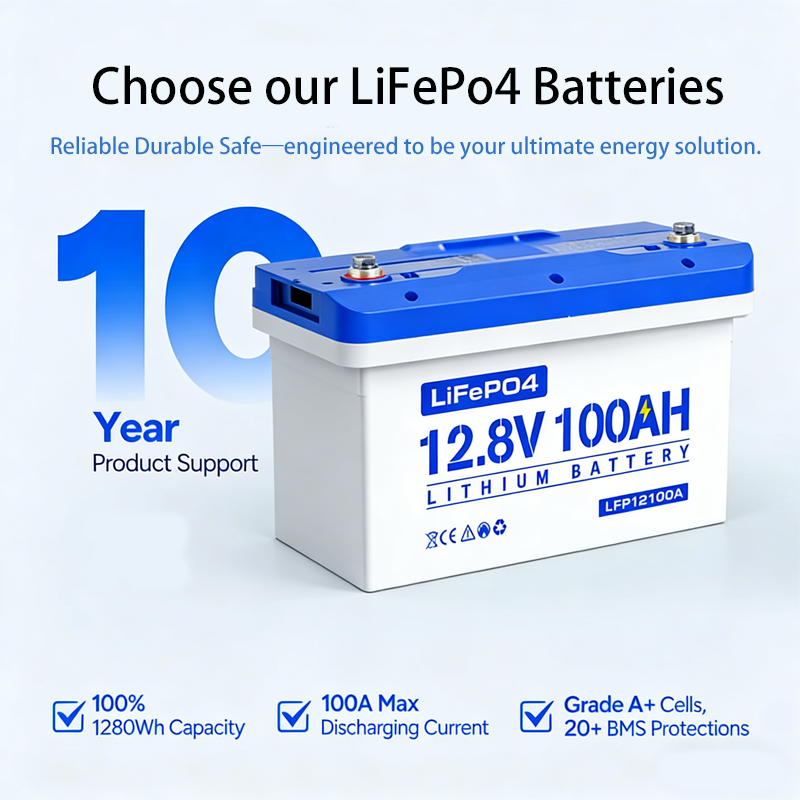

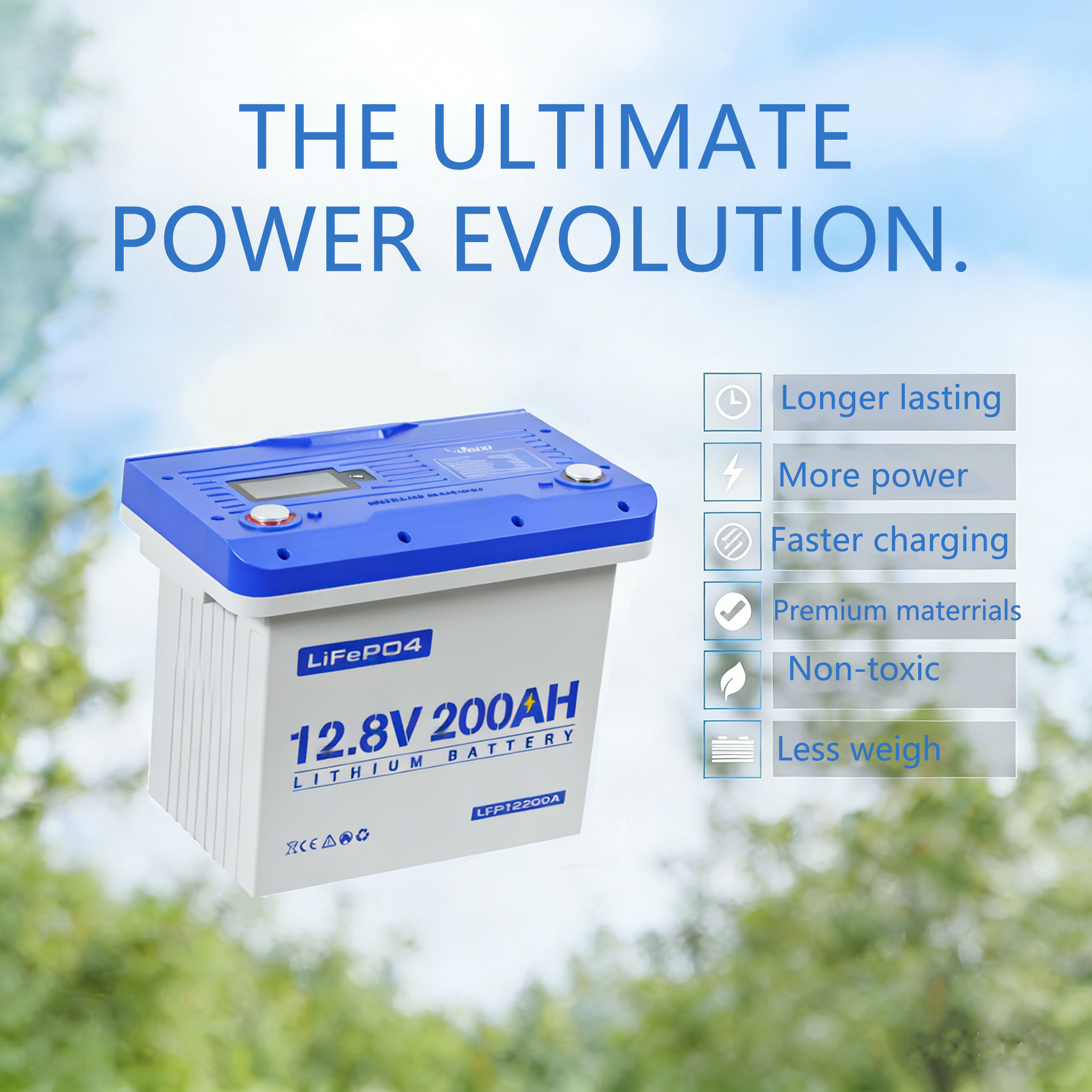
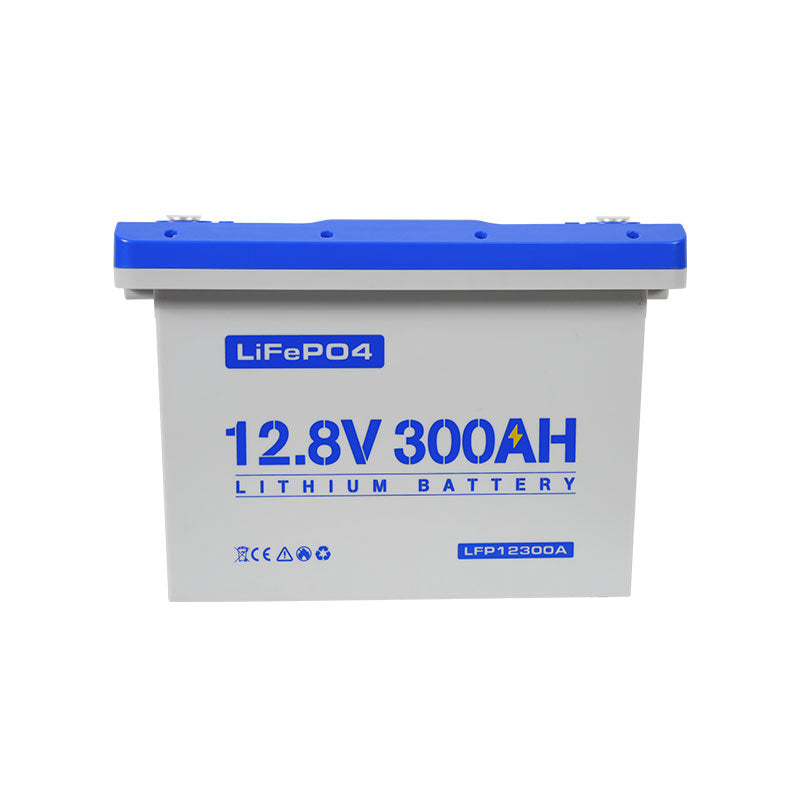
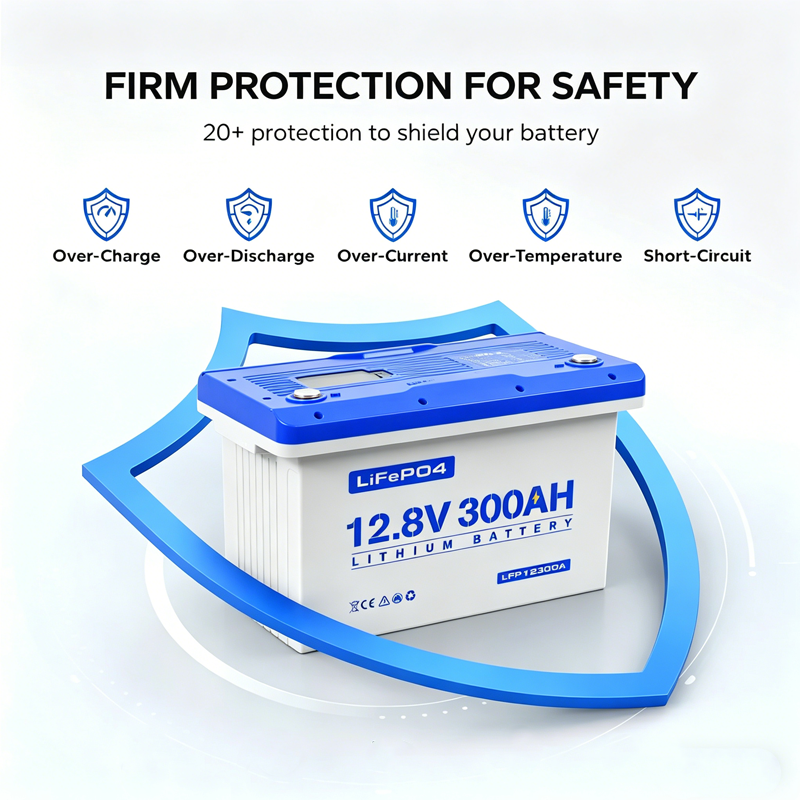

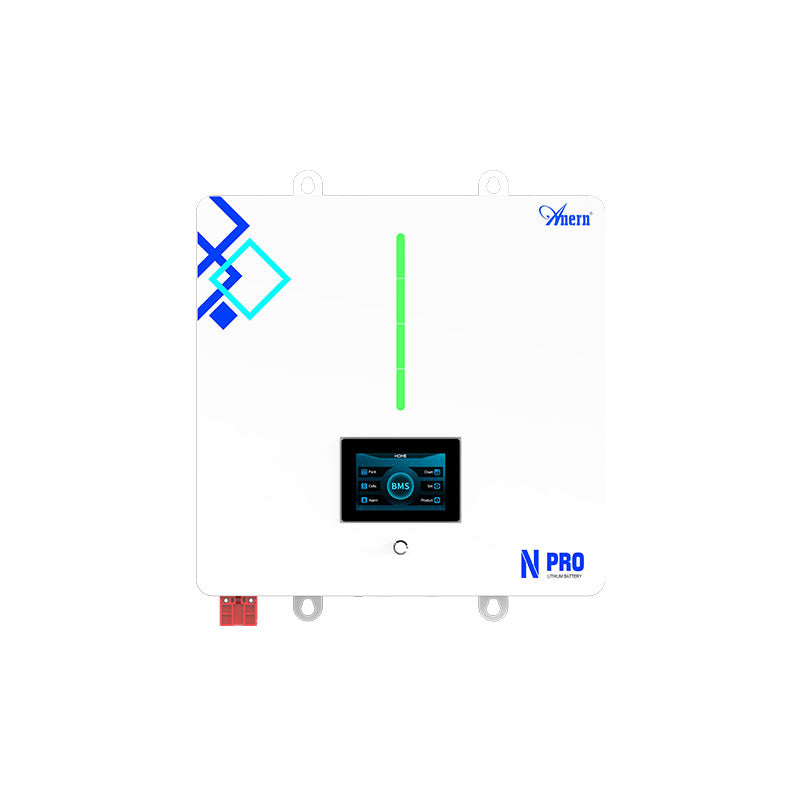
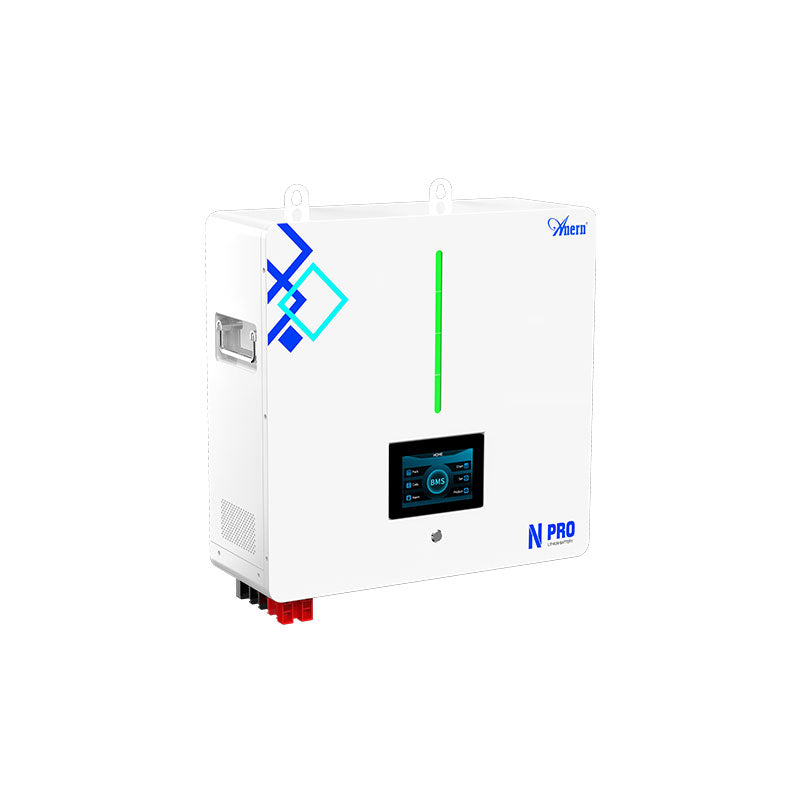


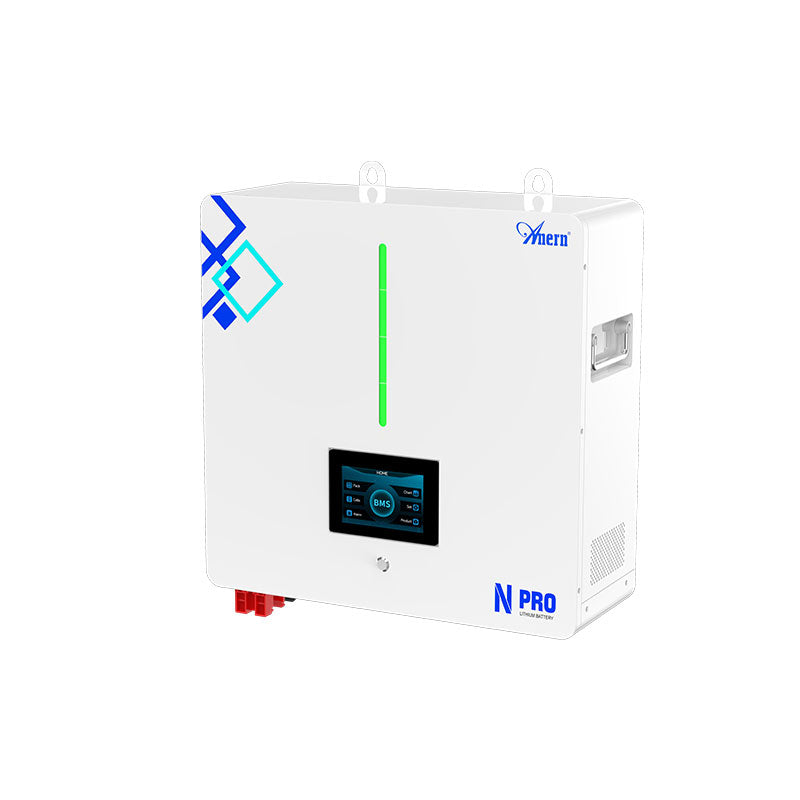

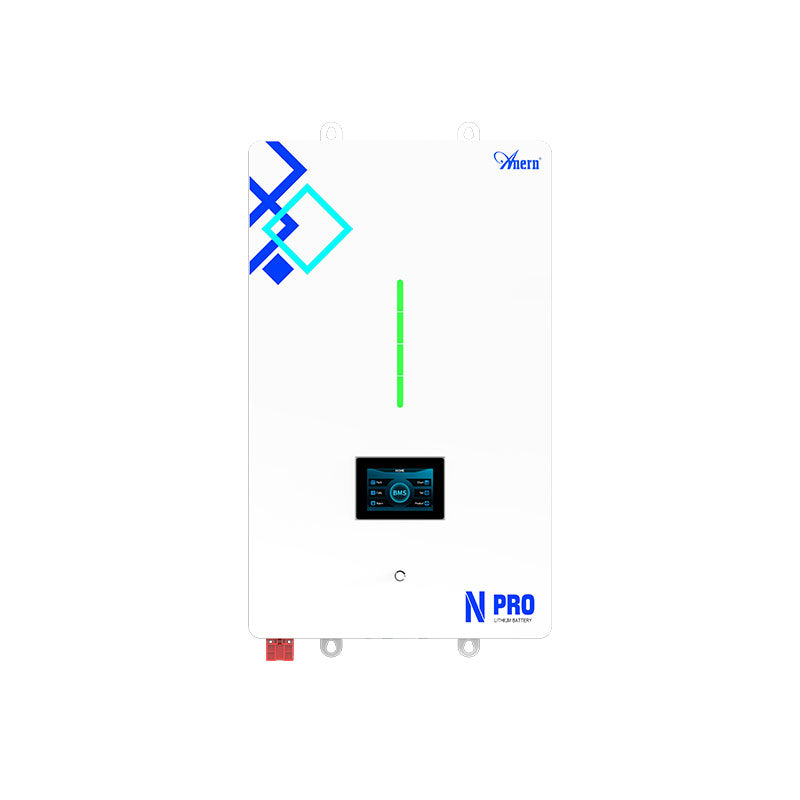
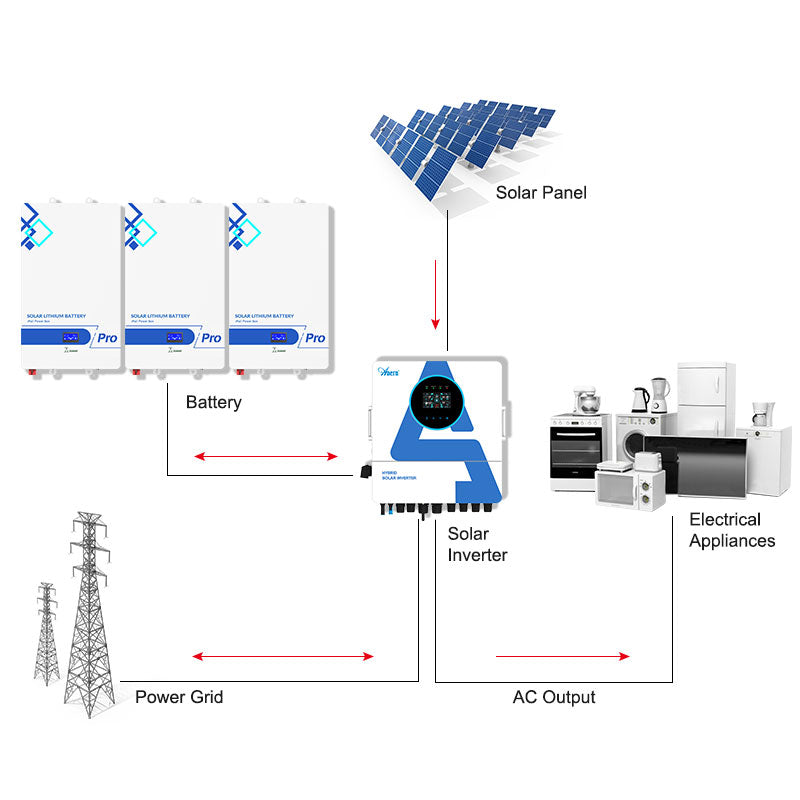


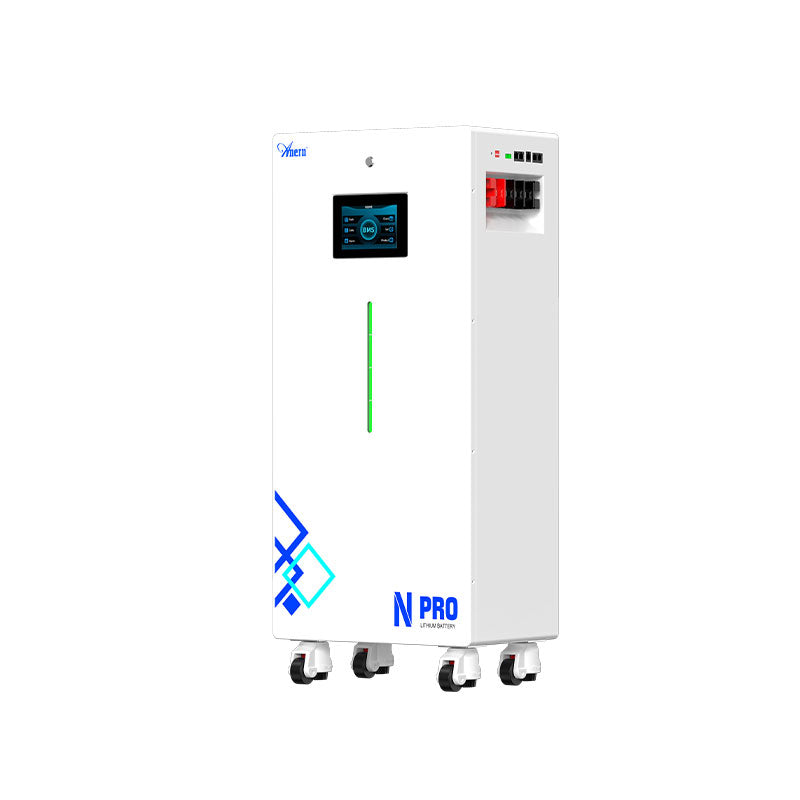


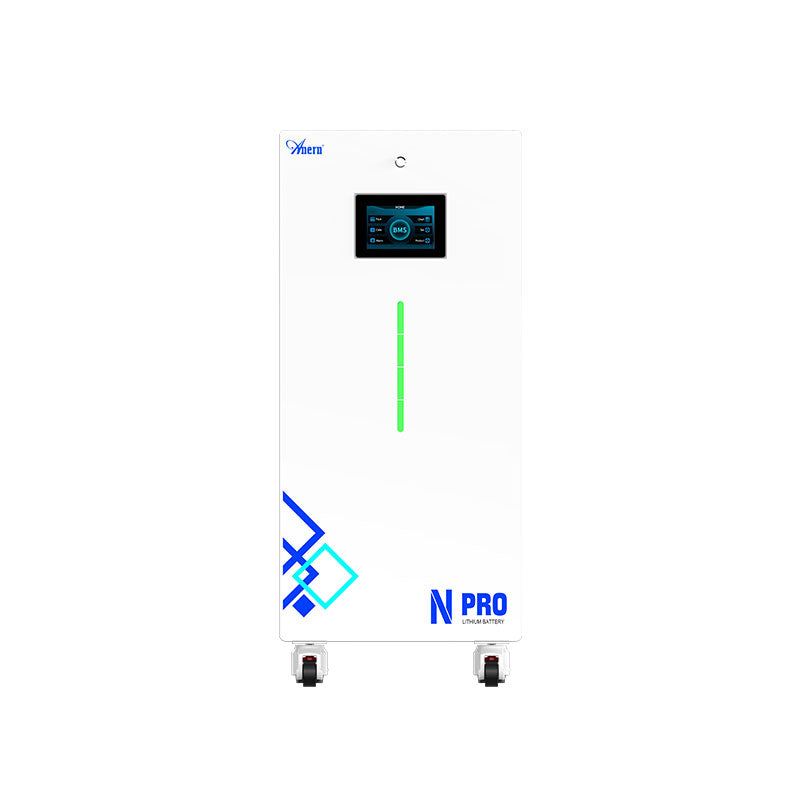

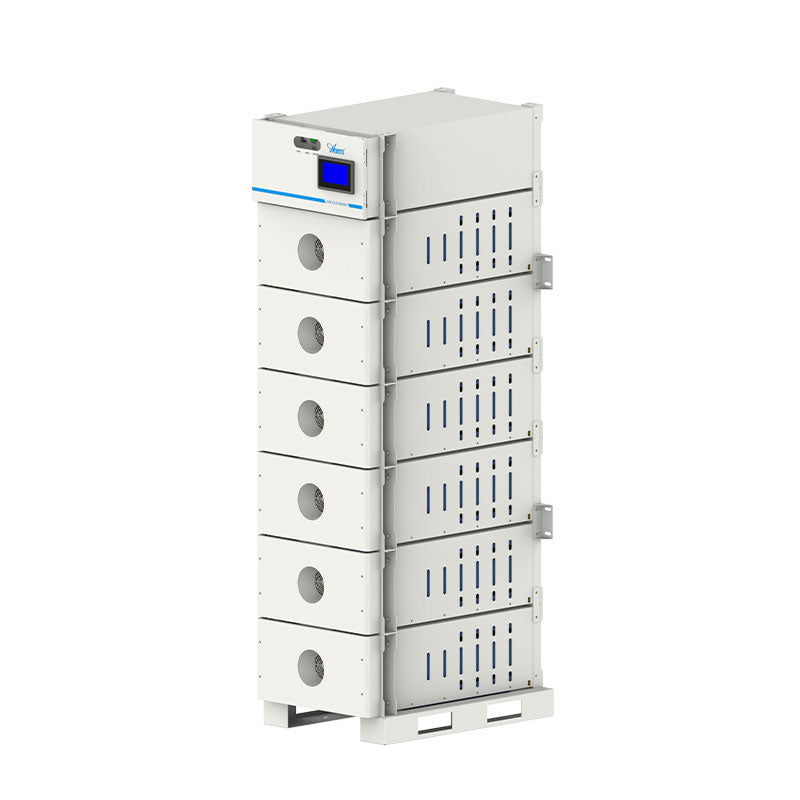
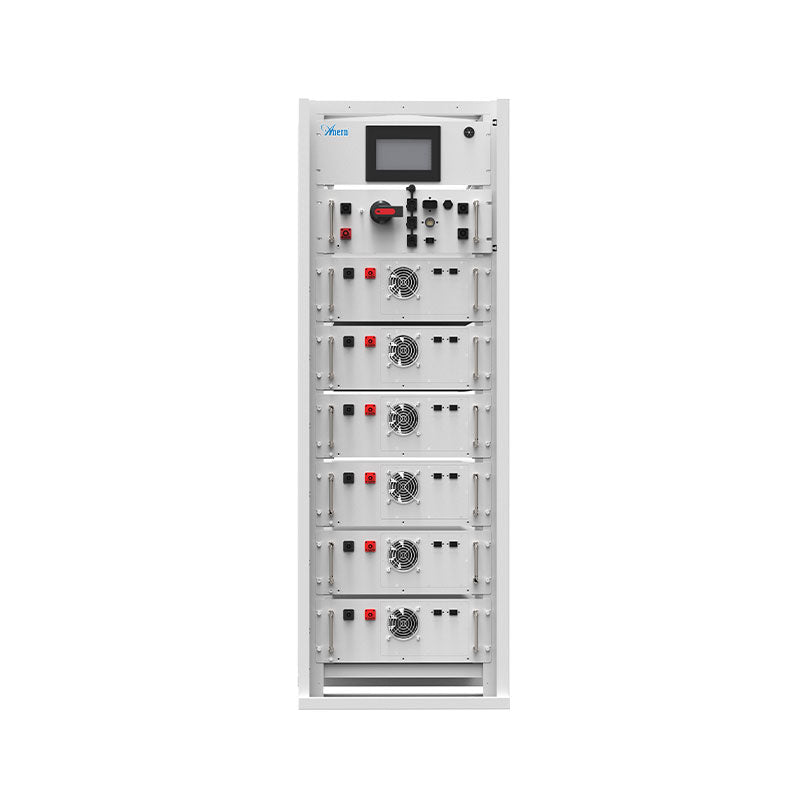
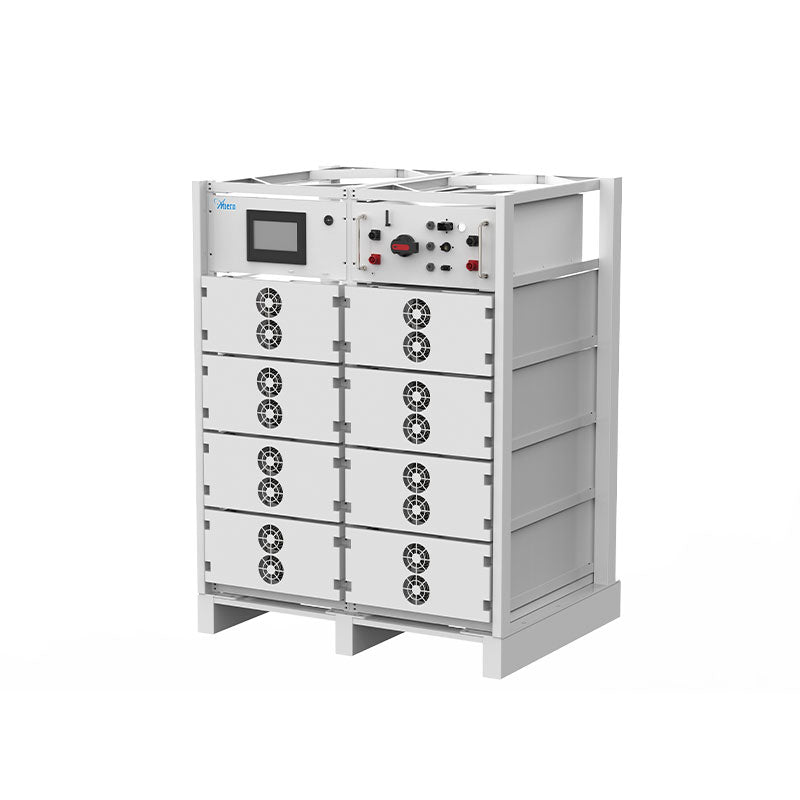
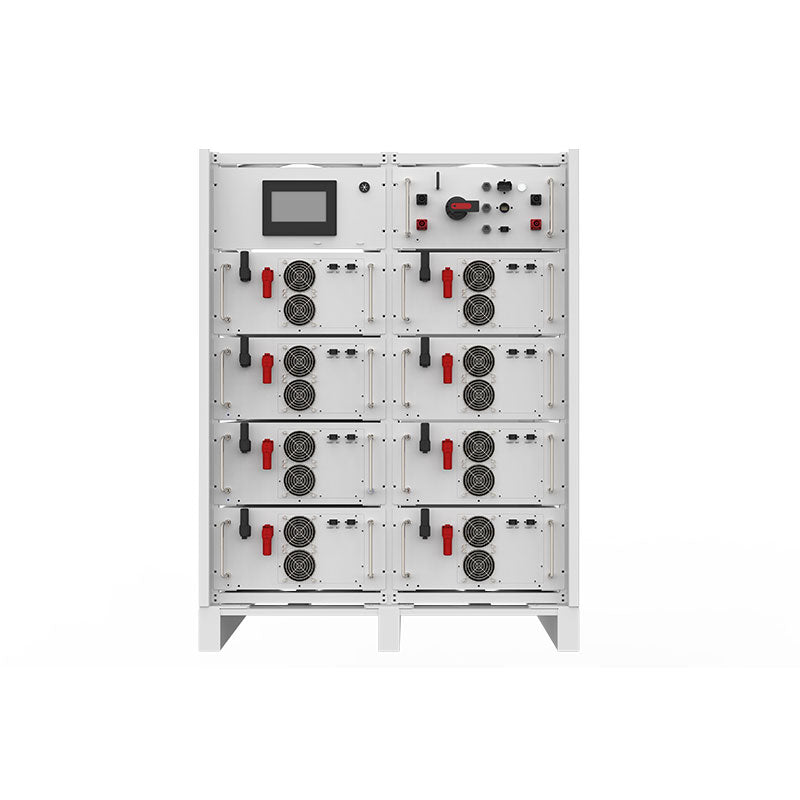
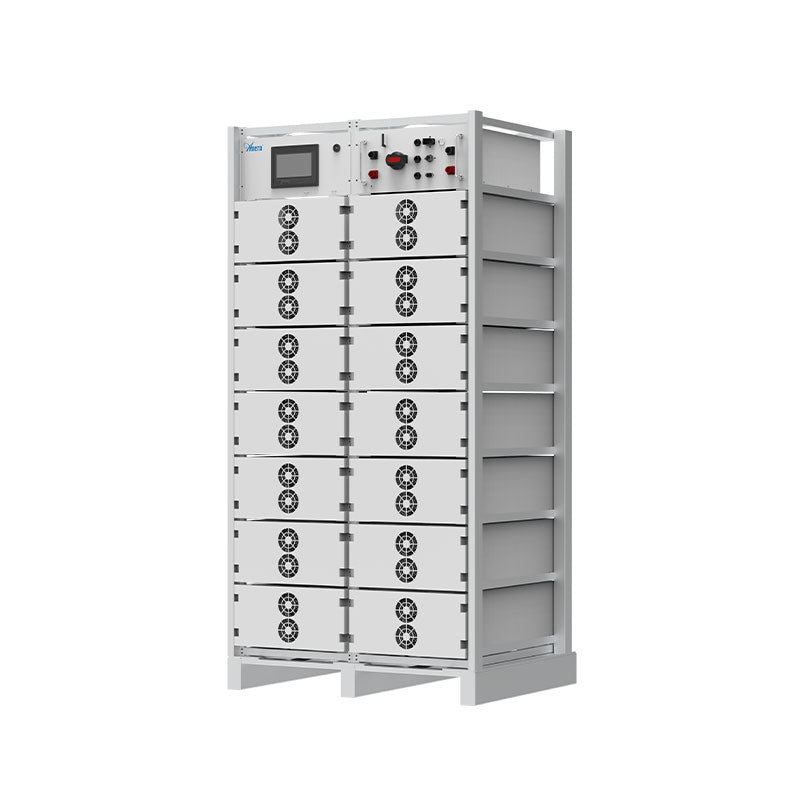
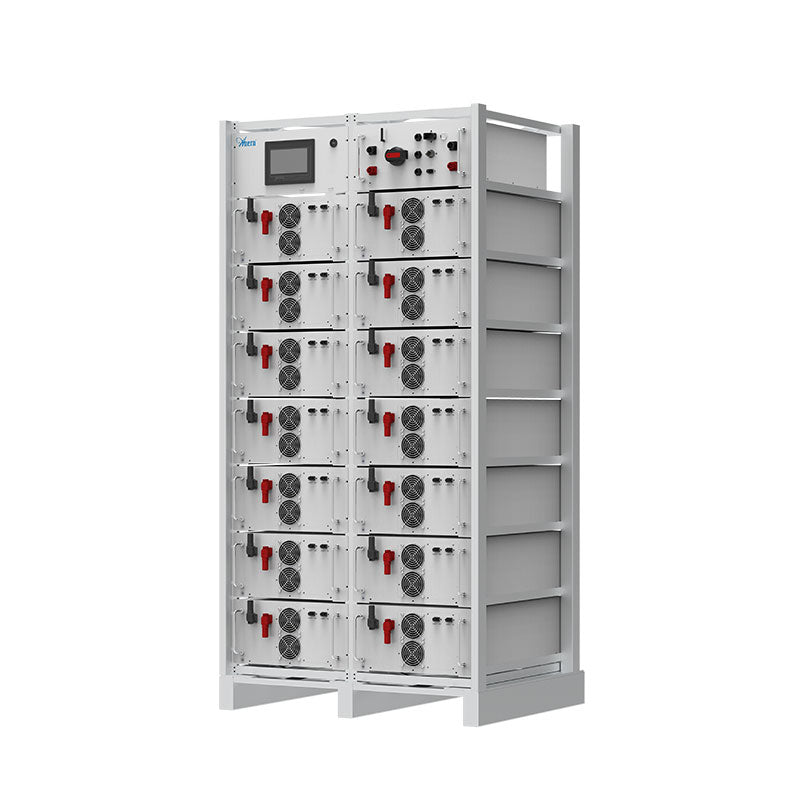


As the demand for dependable energy storage grows, battery chemistry has become a critical point of discussion. For years, our team has designed and deployed solar and storage solutions, and we've consistently seen one technology stand out for stationary applications: Lithium Iron Phosphate, or LiFePO4 (LFP). Its unique combination of safety, longevity, and reliable performance makes it the foundation of our high-quality lithium batteries and integrated home energy storage systems.
This article examines the core LiFePO4 benefits, moving beyond the surface-level claims to provide a clear view of why this chemistry is so well-suited for achieving energy independence.
Unpacking the Superior Safety of LiFePO4 Chemistry
When you bring an energy storage system into your home or rely on it for an off-grid property, safety is not just a feature—it's a necessity. The advantages of LiFePO4 in this area are rooted in its fundamental chemistry.
The Foundation of LFP Safety: Chemical and Structural Stability
The core of LFP's safety lies in its molecular structure. The cathode material uses a powerful covalent bond between its phosphorus and oxygen atoms, forming a highly stable olivine crystal structure. This bond is significantly stronger than the metal-oxide bonds found in other lithium-ion chemistries like Nickel Manganese Cobalt (NMC).
This stability makes LFP batteries exceptionally resistant to thermal runaway, a dangerous chain reaction where overheating leads to fire or explosion. The U.S. Department of Energy has noted that such thermal events are a key safety concern in battery design, which underscores the importance of LFP's inherent stability. Even under extreme conditions, the phosphate cathode is less likely to release oxygen, which is a key ingredient that fuels thermal events in other battery types. For anyone considering a home battery, this chemical resilience is a major advantage. You can find more details in our analysis on Why LiFePO4 Is the Safest Lithium Battery for Your Home ESS.
Real-World Safety: Performance Under Duress
Lab tests and real-world applications have repeatedly shown that LFP batteries can withstand conditions that would cause other batteries to fail catastrophically. They can endure punctures, crushing, and overcharging without igniting. While all modern lithium batteries, including our own, incorporate a sophisticated Battery Management System (BMS) to prevent over-voltage, under-voltage, and extreme temperatures, the underlying stable chemistry of LFP provides a crucial extra layer of protection.
Adherence to Strict Safety Standards
Reputable energy storage systems are certified to meet rigorous safety standards, such as UN 38.3 for transportation and UL 9540 for stationary energy storage. These certifications ensure the entire system, from cells to enclosure, has been tested for safety and reliability. When choosing a system, always verify it meets these industry benchmarks, as it confirms the manufacturer's commitment to safety.
The Long Game: Lifespan and Cost-Effectiveness
The initial purchase price of a battery is only one part of its total cost. The true value of an energy storage solution is revealed over its operational life. Here, the LiFePO4 benefits are exceptionally clear, offering a superior return on investment.
Cycle Life That Outlasts the Competition
A battery's cycle life is the number of full charge-and-discharge cycles it can perform before its capacity degrades to a certain point (typically 80% of its original capacity). LFP batteries are leaders in this regard, routinely offering between 3,000 and 10,000 cycles. This far surpasses other battery types.
| Battery Chemistry | Typical Cycle Life (to 80% Capacity) |
|---|---|
| Lithium Iron Phosphate (LFP) | 3,000 – 10,000+ cycles |
| Nickel Manganese Cobalt (NMC) | 1,000 – 2,000 cycles |
| Lead-Acid (AGM/Gel) | 300 – 700 cycles |
This extended lifespan means you can rely on your LFP-based system for well over a decade of daily use. This durability is a key theme we explore in LiFePO4 Battery Lifespan: What 10 Years of Use Looks Like.
Calculating the Total Cost of Ownership (TCO)
Because of their long cycle life, LFP batteries deliver a significantly lower Total Cost of Ownership (TCO). While the upfront cost might be slightly higher than older technologies, the cost per kilowatt-hour delivered over the battery's lifetime is much lower. This concept, often called the Levelized Cost of Storage (LCOS), is a critical metric for evaluating an investment in energy storage. When you don't have to replace your batteries every few years, the long-term savings are substantial. This makes a strong case for the Stop Replacing Batteries: The Long-Term Value of LiFePO4 Tech.
The International Renewable Energy Agency (IRENA) projects that the installed costs of battery storage systems could fall by 50-66% by 2030, further improving the economic case for durable technologies like LFP. For a complete financial breakdown, our guide on LiFePO4 ROI: A Cost-Benefit Analysis for Solar Energy Systems offers a detailed analysis.
Consistent and Reliable Performance
For a solar energy system or an off-grid application, consistent power delivery is essential. LFP battery performance is characterized by its stability and efficiency, ensuring your appliances and devices run smoothly.
Stable Voltage and High Discharge Efficiency
LFP batteries maintain a very flat voltage curve during discharge. This means they deliver consistent power output until they are almost fully depleted. In contrast, lead-acid batteries experience a significant voltage drop as they discharge. This stability is crucial for sensitive electronics.
Furthermore, LFP technology allows for a high Depth of Discharge (DoD), often up to 100%, without damaging the battery. This means you can use nearly all of the battery's stored energy. Combined with a round-trip efficiency of over 95%, very little energy is lost during charging and discharging. For a deeper dive into these metrics, our guide on solar storage performance provides a comprehensive reference.
Performance Across a Wider Temperature Range
Thanks to their thermal stability, LFP batteries operate safely and effectively across a broader temperature range than many other lithium chemistries. While extreme cold can reduce performance, they handle high temperatures particularly well, which is a significant advantage in warm climates or enclosed spaces like an RV. This resilience makes them ideal for demanding mobile applications, a topic covered in Power Your Adventures: Why Your RV Needs a 12V LiFePO4 Battery.
Ideal for Stationary Energy Storage
LFP batteries have a slightly lower energy density compared to NMC batteries, meaning they are larger and heavier for the same capacity. While this makes them less ideal for small consumer electronics where space is at a premium, it is a non-issue for stationary applications like a home energy storage system or an off-grid solar setup. In these cases, the immense advantages in safety, lifespan, and cost far outweigh the difference in size. This is a key reason why 7 Reasons LiFePO4 Is the Future of Home Battery Storage and why it's the preferred choice in our LiFePO4 vs. Lithium-Ion comparison for solar.
Environmental and Ethical Considerations
As we move toward a cleaner energy future, the materials used in our technologies matter. LFP batteries offer significant environmental and ethical advantages over other chemistries.
A Cobalt-Free Chemistry
One of the most significant LFP advantages is that it is a cobalt-free chemistry. Cobalt mining is heavily concentrated in the Democratic Republic of Congo and is associated with severe human rights issues and environmental degradation. The International Energy Agency (IEA) has highlighted the supply chain risks and ethical concerns tied to cobalt in its report, "The Role of Critical Minerals in Clean Energy Transitions." By choosing LFP, you are opting for a technology that avoids these issues entirely.
Abundant and Less Toxic Materials
The primary materials in LFP batteries—iron and phosphate—are abundant worldwide, inexpensive, and non-toxic. This not only contributes to a more stable and lower long-term cost but also reduces the environmental impact of mining and processing. Research has shown that cobalt-bearing batteries can impart greater environmental impacts than cobalt-free chemistries. This makes LFP a more sustainable choice for large-scale energy storage.
Making the Right Choice for Your Energy Future
When all the factors are considered—safety, longevity, performance, and environmental impact—the advantages of Lithium Iron Phosphate technology become undeniable. Its robust and stable chemistry provides the peace of mind needed for home applications. Its exceptionally long cycle life ensures a superior long-term investment. And its reliable performance empowers you to achieve true energy independence, whether you are connected to the grid or living completely off of it.
At our core, we are committed to providing reliable and scalable energy solutions. That is why we build our advanced lithium batteries, off-grid solar kits, and integrated energy storage systems on the proven foundation of LiFePO4 technology. It's the smart, safe, and sustainable choice to Unlock Energy Independence with a 100Ah Lithium Battery Pack.
Disclaimer: The information provided in this article is for educational purposes only. It is not intended as financial or investment advice. Please consult with a qualified professional before making any decisions regarding the purchase and installation of an energy storage system.
