


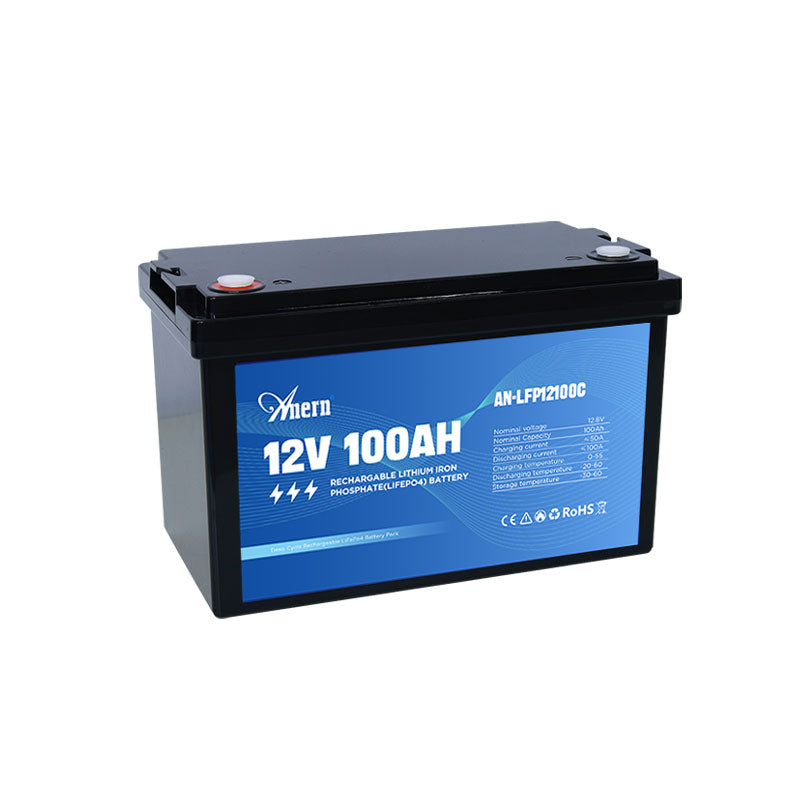
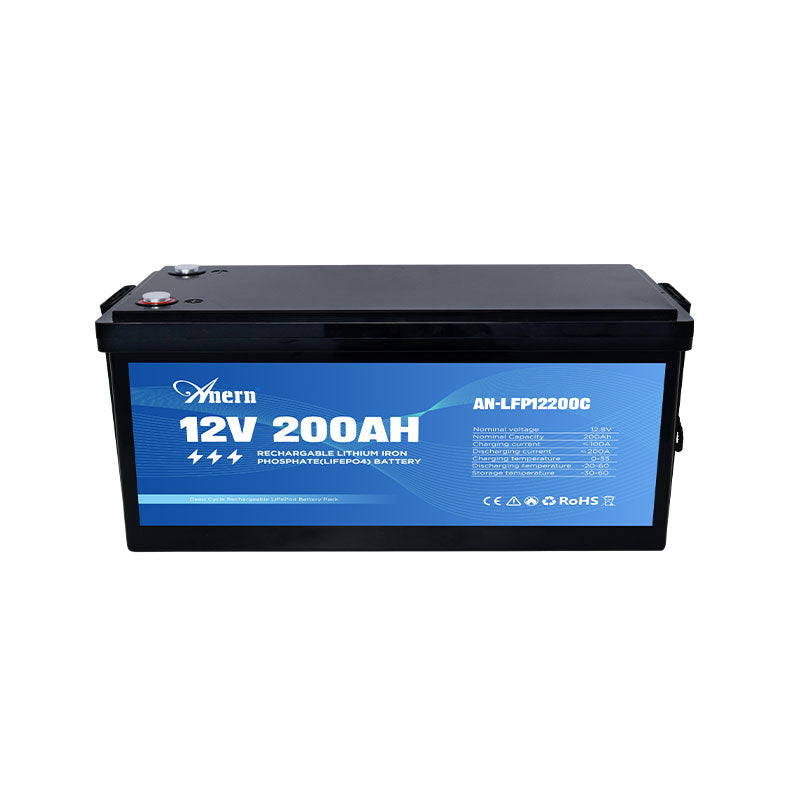
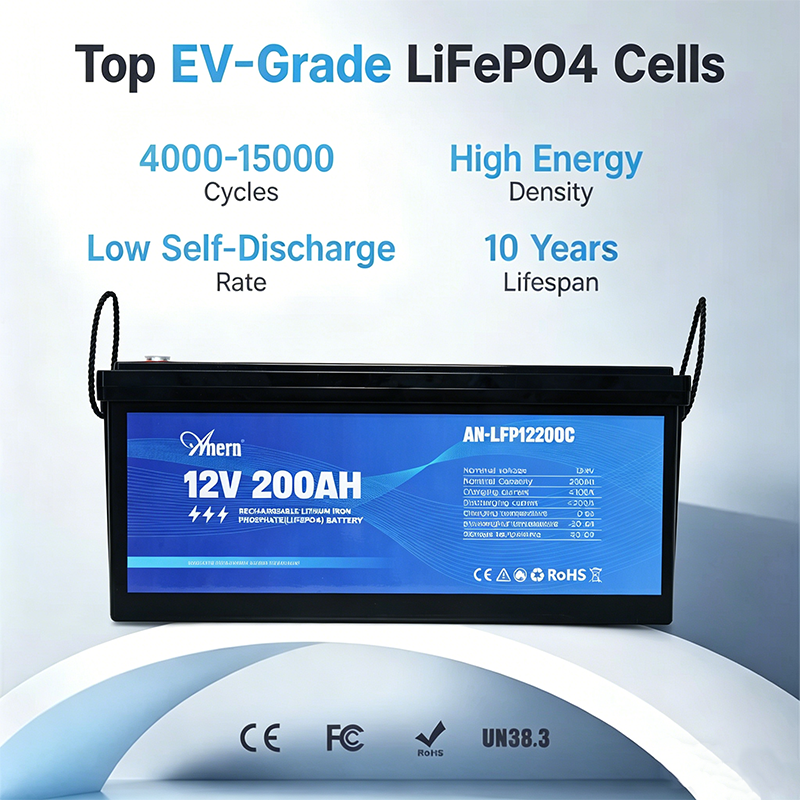







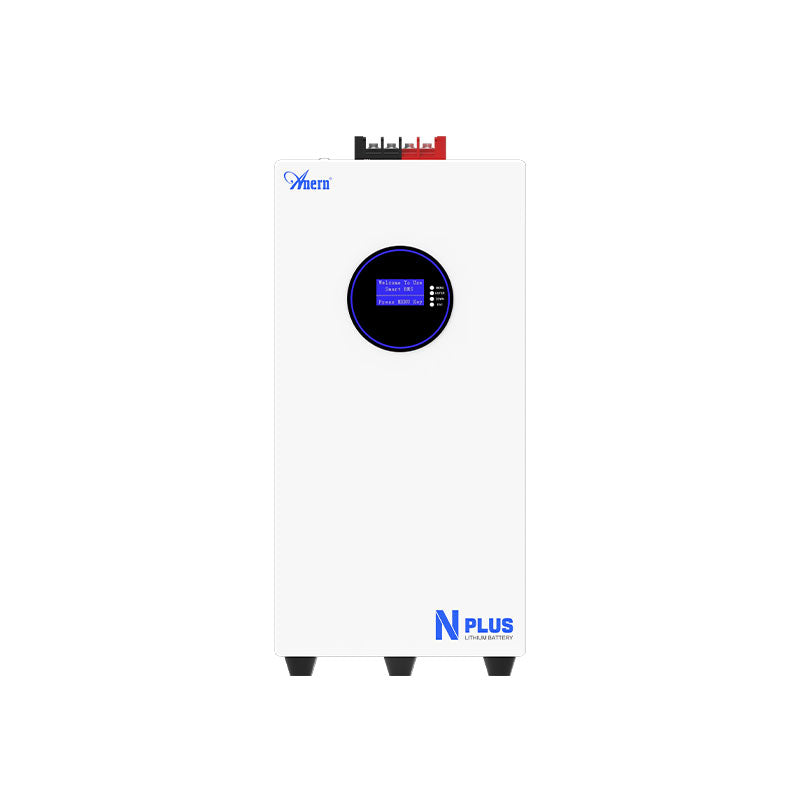
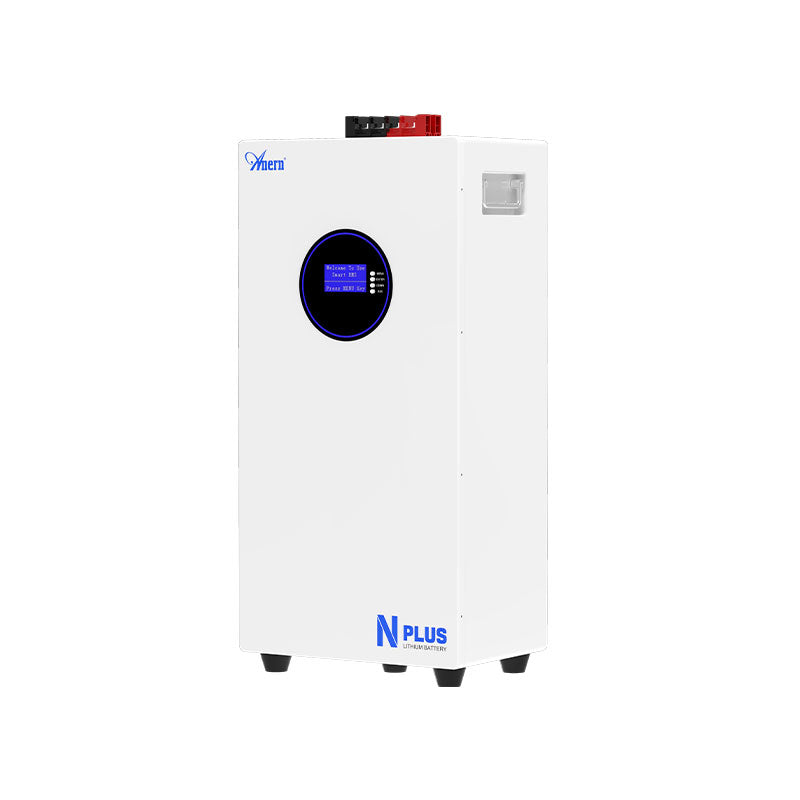
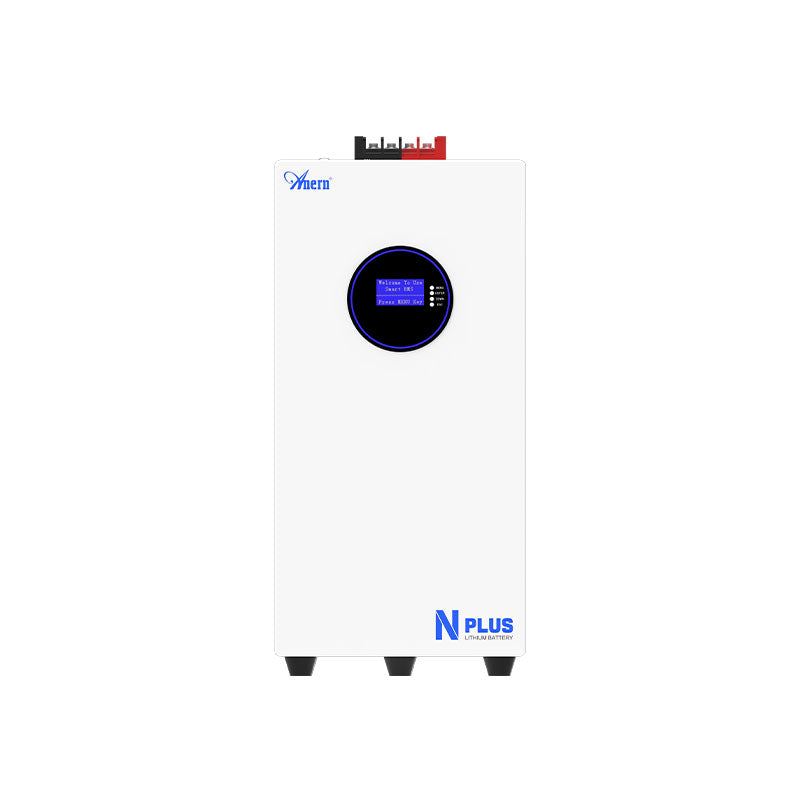
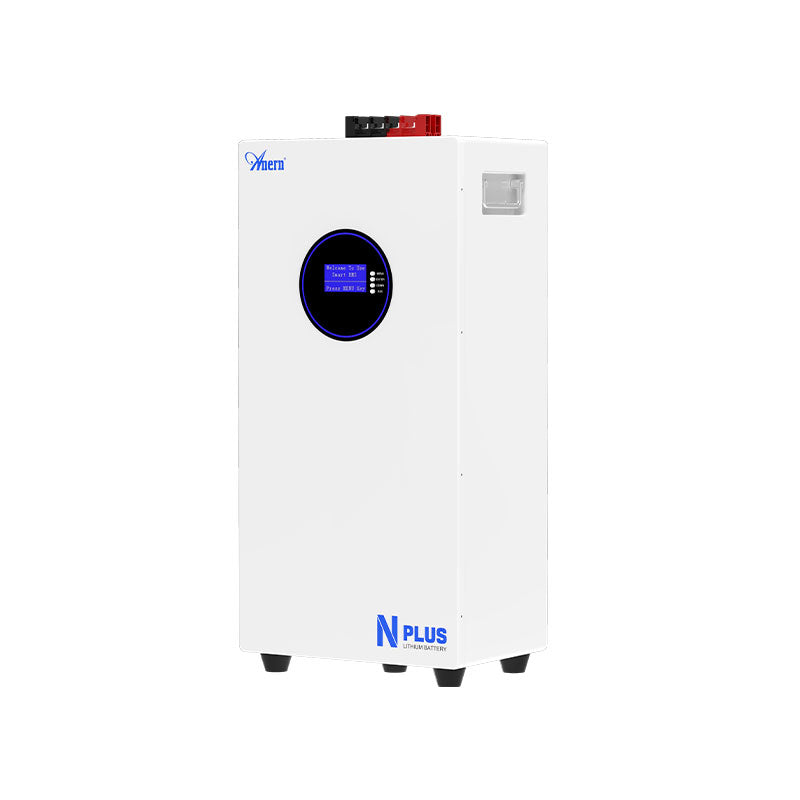




Lithium iron phosphate (LiFePO4) batteries are widely used in solar storage, RV power, marine systems, and home backup because they offer stable chemistry, long cycle life, and low maintenance. Those benefits depend heavily on correct charging. The wrong charger, poor temperature control, or unsuitable voltage settings can shorten battery life and may cause the Battery Management System (BMS) to shut the pack down.
This guide explains seven common LiFePO4 charging mistakes and the practical habits that help protect your battery pack without overcomplicating daily use.
Mistake 1: Using the Wrong Charger
The Problem with Lead-Acid Chargers
One of the most common LiFePO4 charging errors is using a charger designed for lead-acid batteries. Some lead-acid chargers appear to work at first, but their charging profiles are not designed around lithium iron phosphate chemistry. They may include equalization, desulfation, or long float stages that are useful for certain lead-acid batteries but unsuitable for many LiFePO4 packs.
High-voltage equalization or pulse repair modes can force the BMS to disconnect the battery. Repeatedly using the wrong profile can also contribute to imbalance, heat, and reduced service life.
Selecting a Dedicated LiFePO4 Charger
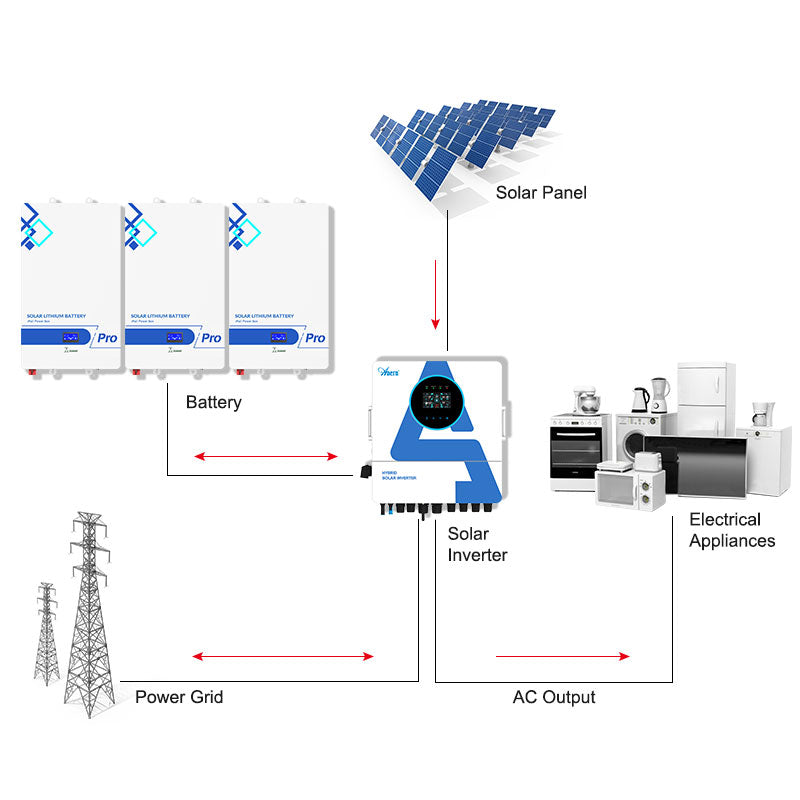
Use a charger with a LiFePO4 charging profile that matches your battery voltage and manufacturer specifications. Most LiFePO4 chargers use a Constant Current/Constant Voltage (CC/CV) method. The charger supplies steady current until the battery reaches the target voltage, then holds that voltage while current tapers down. If you are building a solar setup, pair the battery with a compatible solar charge controller for LiFePO4 batteries.
For many 12V LiFePO4 packs, the charging voltage is commonly around 14.2V to 14.6V, depending on the battery design. Check the battery manual instead of assuming one voltage fits every model.
Mistake 2: Ignoring Temperature Limits
The Dangers of Charging in Extreme Temperatures
Temperature has a major effect on battery health. Standard LiFePO4 charging below 0°C (32°F) is generally not recommended because it can cause lithium plating, which may permanently reduce capacity and increase internal risk. Charging at very high temperatures can also accelerate chemical aging and shorten service life.
Many batteries list an allowed charging temperature range in the specification sheet. For everyday use, charging near moderate room temperature is usually easier on the pack than charging near the edge of its limits.
Best Practices for Temperature Management
Before charging, allow the battery to reach a safe temperature range. In cold climates, consider batteries with low-temperature charging protection or self-heating functions, especially for outdoor solar storage. Insulated battery boxes can help reduce temperature swings, but any heating accessory should be suitable for the battery installation and used according to the manufacturer's guidance.
A quality BMS may include temperature sensors that block charging outside the safe range. Treat that protection as a safety backup, not as permission to charge in poor conditions every day.
Mistake 3: Incorrect Voltage and Current Settings
The Impact of Over-Voltage
Exceeding the recommended charging voltage stresses the cells. A 12V LiFePO4 pack is often charged near 14.4V to 14.6V, but the correct value depends on the exact battery. Pushing voltage beyond the manufacturer's limit may trigger BMS protection and can reduce cycle life if it happens repeatedly.
If your charger has adjustable settings, confirm the absorption voltage, restart voltage, and any float setting are appropriate for LiFePO4 chemistry.
The Consequences of Over-Current
Charging too quickly creates extra heat and can be harder on the cells. Charge current is often expressed as a C-rate. For example, 0.5C on a 100Ah battery means 50A. Some batteries can accept higher current, but many daily-use systems are gentler when charged in the 0.2C to 0.5C range.
The safest planning rule is simple: follow the battery manufacturer's recommended and maximum charge current. Do not size the charger only by how fast you want charging to finish.
Mistake 4: Disregarding the Battery Management System (BMS)
What the BMS Does
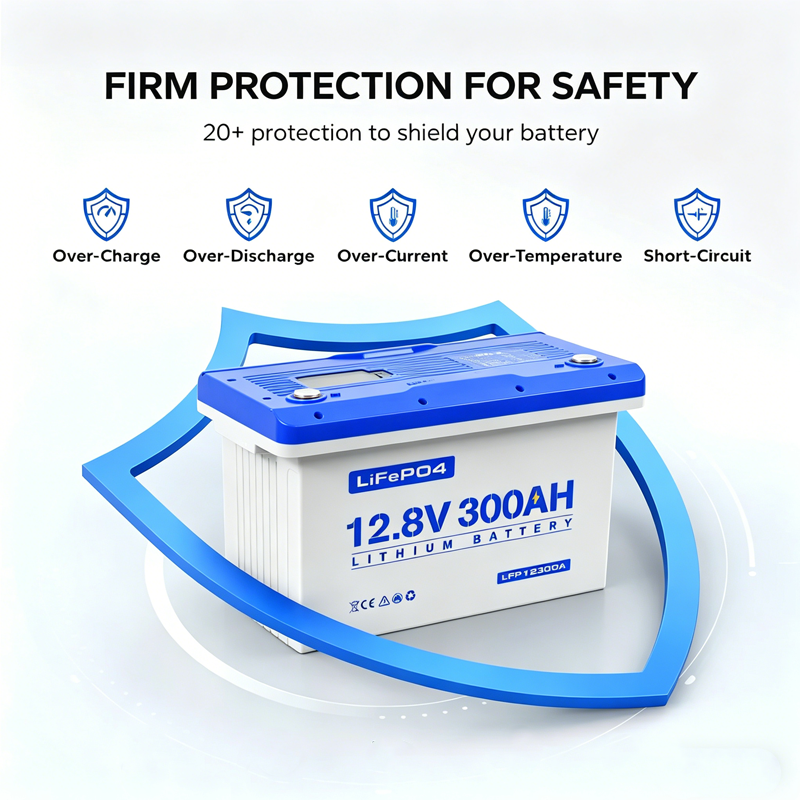
The BMS is the control and protection layer inside a lithium battery pack. It helps protect against over-voltage, under-voltage, over-current, short circuit, and unsafe temperatures. It may also handle cell balancing, which supports usable capacity and long-term pack health.
Relying Solely on the BMS as a Charger Controller
A common misunderstanding is that the BMS can make any charger safe. The BMS is a protection device, not a replacement for a correctly configured charger. If your charging setup regularly causes the BMS to disconnect the pack, something in the charger profile, current limit, wiring, or temperature environment needs review. For related protection behavior, see this guide to LiFePO4 BMS protection reset.
Good charging practice should keep the battery inside its normal operating range so the BMS rarely needs to intervene.
Mistake 5: Frequent and Unnecessary Full-Cycle Charging
The Myth of Battery Memory
LiFePO4 batteries do not need to be fully discharged before recharging. The old "battery memory" concern mainly applies to older nickel-cadmium batteries, not modern lithium iron phosphate packs. Deeply discharging a LiFePO4 battery every time is usually not beneficial for lifespan.
The Benefits of Partial State of Charge (PSoC)
LiFePO4 batteries handle partial charging well. For many users, operating between roughly 20% and 80% state of charge during normal daily use can reduce stress compared with frequent full-depth cycling. As discussed in the Ultimate Reference for Solar Storage Performance, shallower cycling can help extend usable cycle life.
A full charge can still be useful occasionally, especially when the battery needs time near the top of charge for BMS balancing. It does not need to be forced after every use unless the manufacturer recommends that for your specific system.
Mistake 6: Neglecting Cell Balancing
Why Cell Balance Matters
A battery pack contains multiple cells connected together. Small differences between cells can grow over time. If one cell reaches the high-voltage limit before the others, charging may stop early. If one cell reaches the low-voltage limit during discharge, the pack may shut down even though other cells still have energy available.
This is why an imbalanced pack can feel like it has lost capacity even when the cells are not all equally depleted.
How to Support Proper Balancing
A quality BMS normally performs balancing automatically. Passive balancing bleeds a small amount of energy from higher-voltage cells, while active balancing moves energy between cells in more advanced designs. The exact behavior depends on the BMS.
To help balancing, periodically allow the battery to complete a full charge cycle according to the manufacturer's instructions. Avoid leaving the battery on an unsuitable charger for long periods; the goal is controlled balancing, not constant trickle charging.
Mistake 7: Storing the Battery at the Wrong State of Charge
The Problem with Storing at 100% or 0%
Long-term storage is different from daily cycling. Storing a LiFePO4 battery at 100% state of charge for extended periods can accelerate aging. Storing it near 0% creates another risk: self-discharge may eventually pull the battery below its safe low-voltage range, which can make recovery difficult and may trigger BMS protection.
Ideal Storage Conditions
For long-term storage, many manufacturers recommend storing LiFePO4 batteries around 40% to 60% state of charge in a cool, dry place. Check the battery voltage every few months and recharge if it drops below the recommended storage range. Disconnect unnecessary loads so small standby drains do not slowly over-discharge the pack.
A Smarter Approach to Charging
Avoiding these seven mistakes can make a noticeable difference in battery reliability and lifespan. Use a charger made for LiFePO4 chemistry, respect low-temperature charging limits, set voltage and current conservatively, and treat the BMS as protection rather than a daily operating control. Broader lithium-ion safety guidance from the National Fire Protection Association is also useful when batteries are used around homes, garages, RVs, or workshops.
The best charging setup is not the fastest possible setup. It is the one that matches the battery specification, the solar charge controller or AC charger profile, the installation temperature, and your real usage pattern. That approach keeps the system easier to manage and helps your LiFePO4 pack deliver dependable service over many cycles.
Frequently Asked Questions
Can I use a solar panel to charge a LiFePO4 battery directly?
Do not connect a solar panel directly to a LiFePO4 battery. Solar panel voltage changes with sunlight and temperature, so the battery needs a solar charge controller with a LiFePO4 charging profile. The controller regulates voltage and current so charging stays within the battery's safe range.
How do I know if my LiFePO4 battery is fully charged?
A dedicated LiFePO4 charger or compatible solar charge controller usually indicates when charging is complete. For many 12V LiFePO4 batteries, resting voltage after charging is often around 13.4V to 13.6V once surface charge settles, but the exact reading depends on the battery design and recent load history.
What is the ideal charging current for a 100Ah LiFePO4 battery?
A charge rate around 0.2C to 0.5C, or about 20A to 50A for a 100Ah battery, is commonly used for balanced daily charging. Some batteries support higher charge rates, but the manufacturer's specification should be the final reference.
Is it okay to leave a LiFePO4 battery on a trickle charger?
LiFePO4 batteries generally do not need a traditional trickle charger or lead-acid-style float maintenance. Once charging is complete, the charger should either stop, enter an appropriate lithium maintenance mode, or disconnect according to the charger and battery instructions. Avoid leaving the pack on an unsuitable charger for extended periods.
What should I do if my LiFePO4 battery will not wake up after over-discharge?
If the battery output reads 0V or the charger will not recognize it, the BMS may have entered low-voltage protection. Some batteries require a lithium charger with wake-up or 0V activation functionality. If the battery remains unresponsive, contact the battery manufacturer or a qualified technician rather than opening the pack.
