












Living off-grid offers unparalleled freedom and self-sufficiency. A well-designed solar energy system with lithium battery storage is the heart of this independence. But what happens when that system starts to underperform? This case study examines a real-world scenario at a remote desert cabin, where increasing generator runtime threatened the owner's energy goals. The solution was surprisingly straightforward and highlights a critical aspect of system ownership: routine maintenance.
The Off-Grid Challenge: When Solar Energy Alone Is Not Enough
An off-grid system is a finely tuned ecosystem. When one part falters, the entire system feels the strain. This was precisely the situation at a desert retreat that had recently invested in energy independence.
Setting the Scene: A Modern Off-Grid System
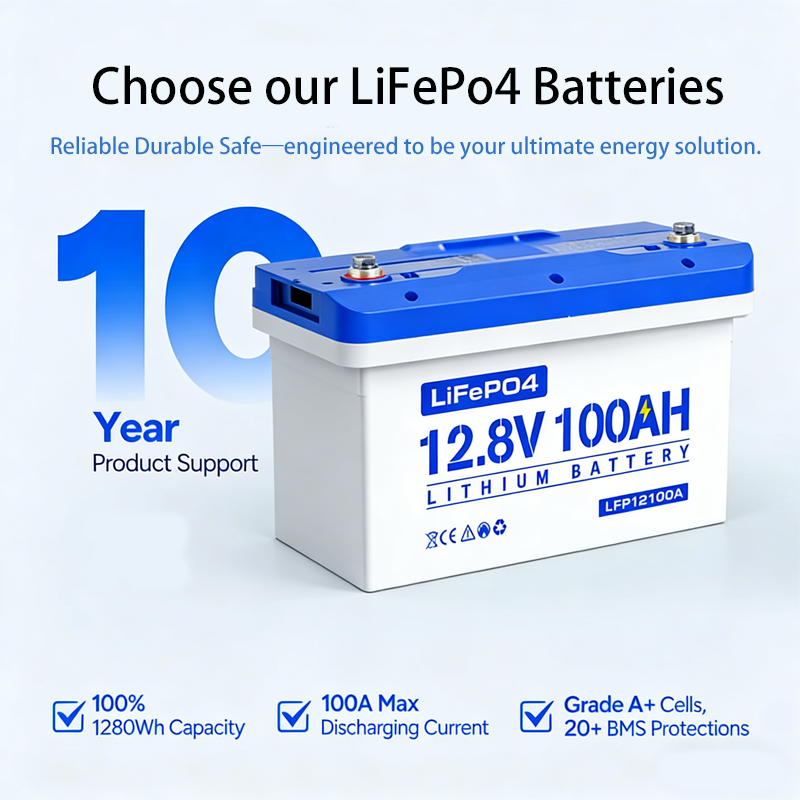
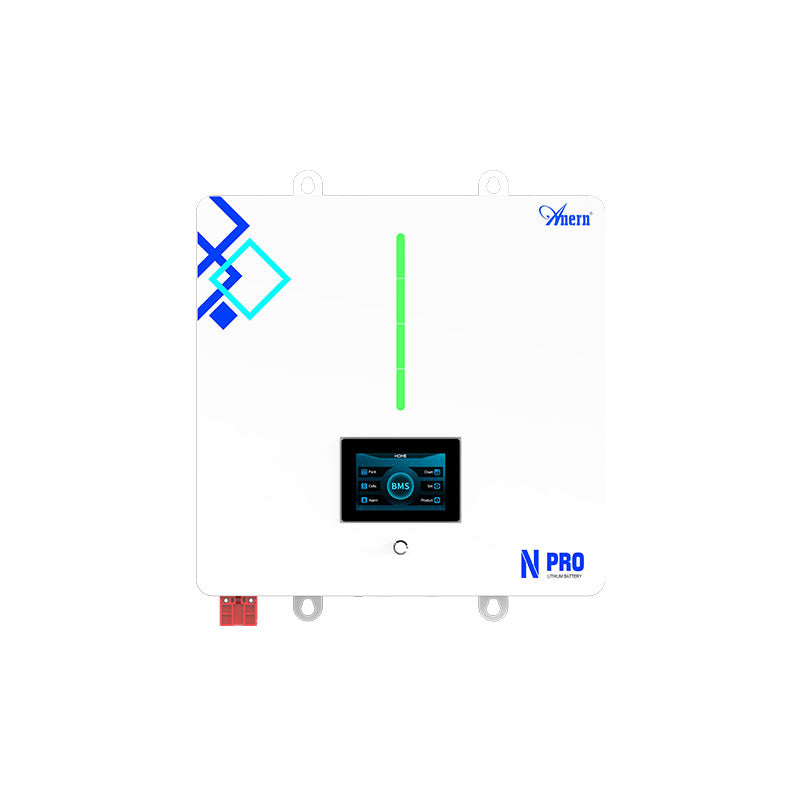
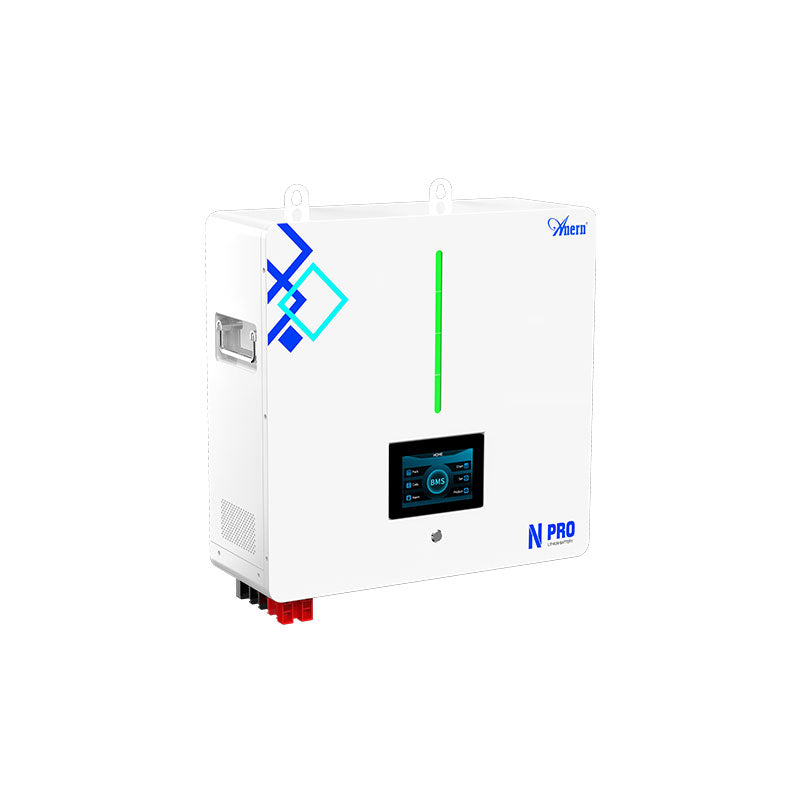
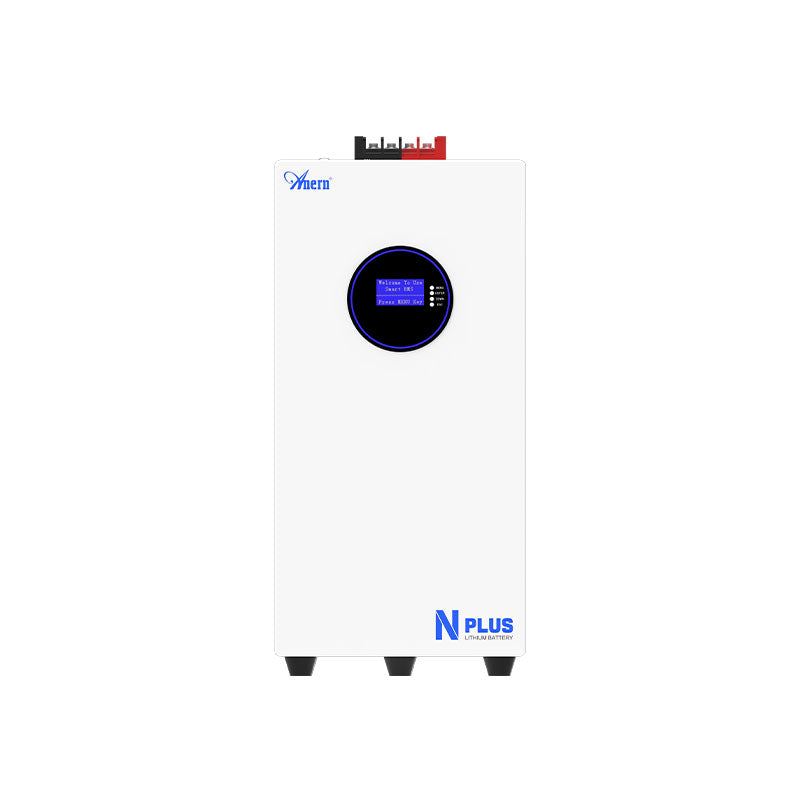
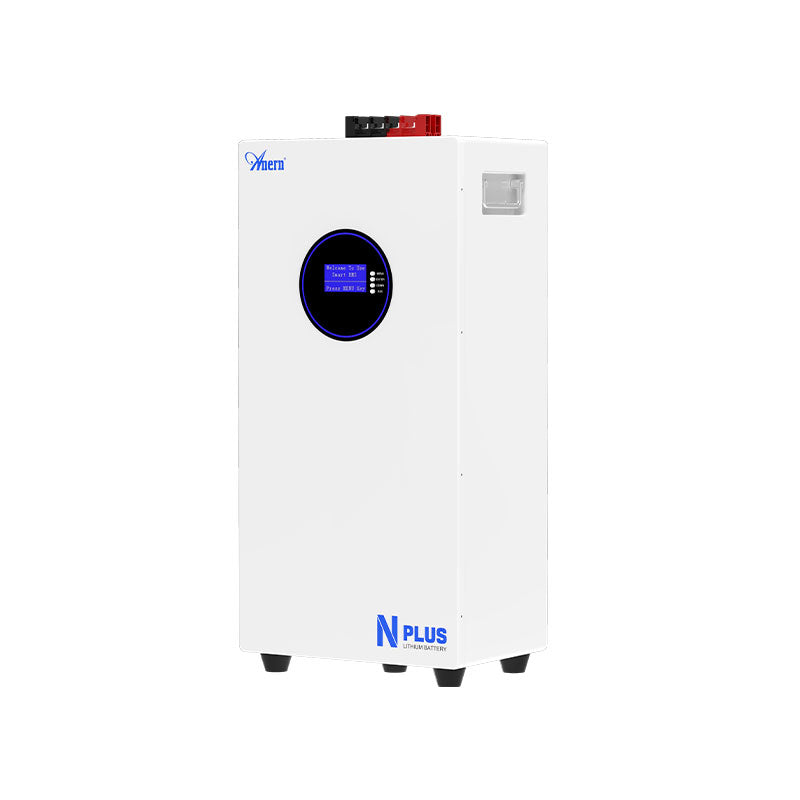
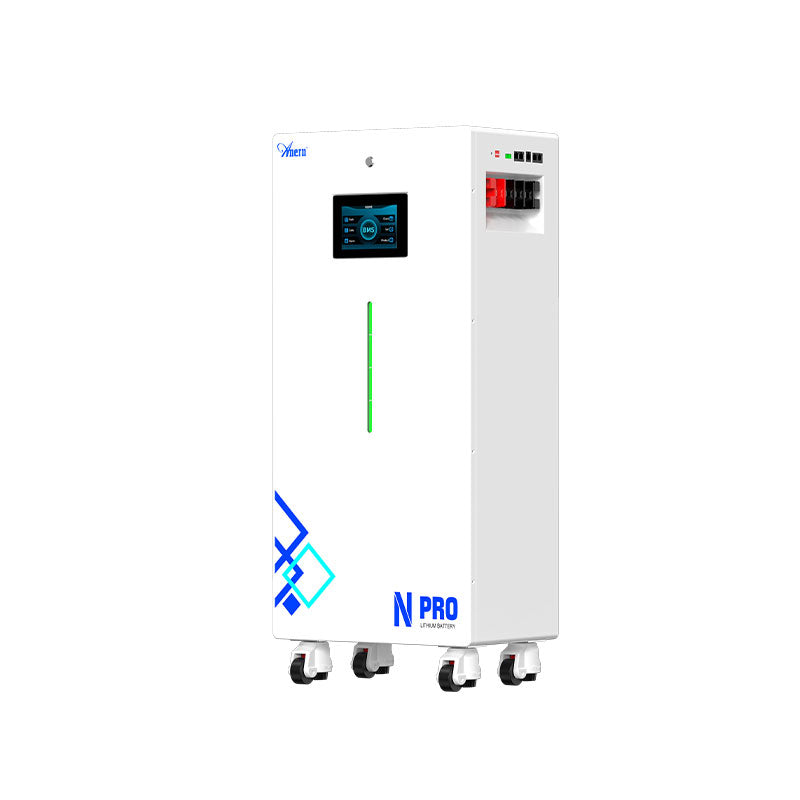
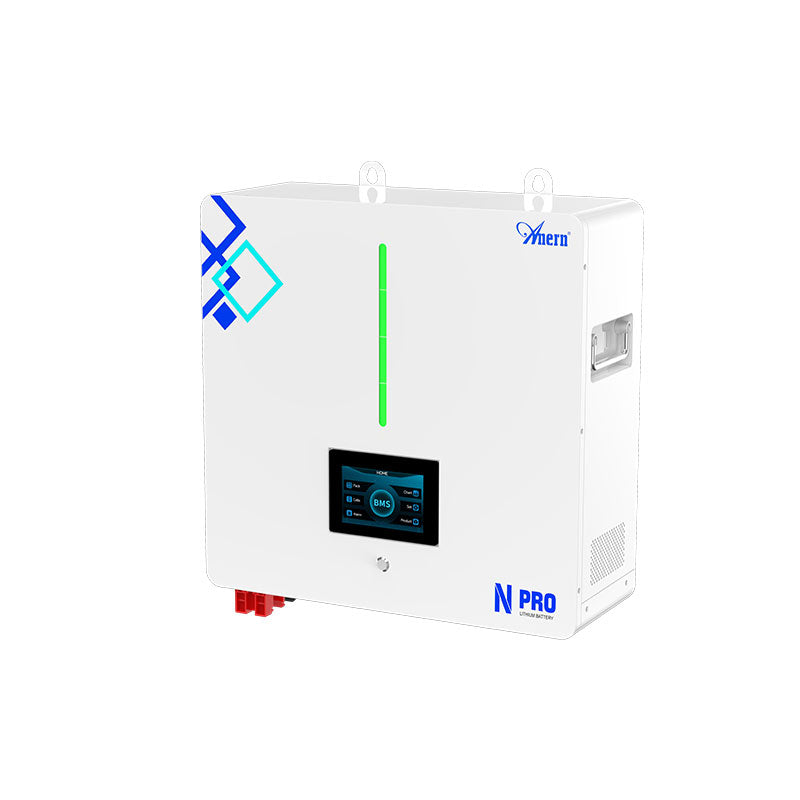
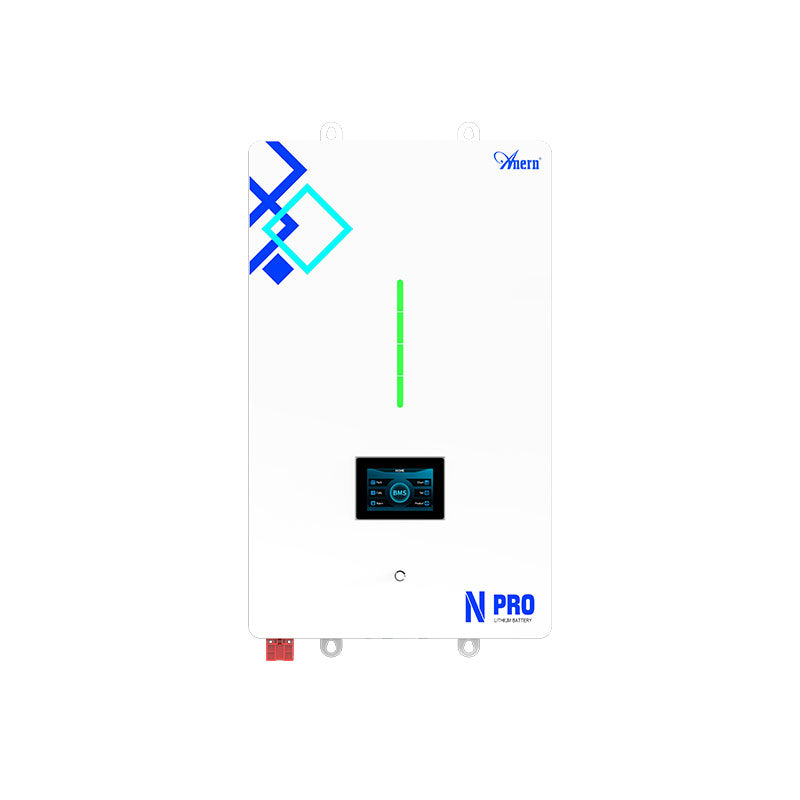
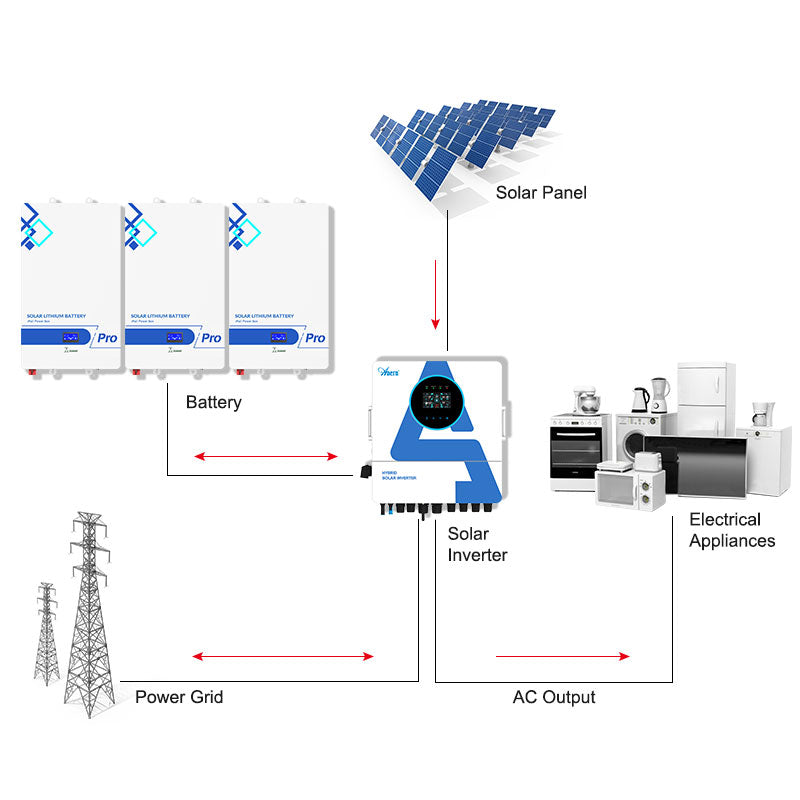
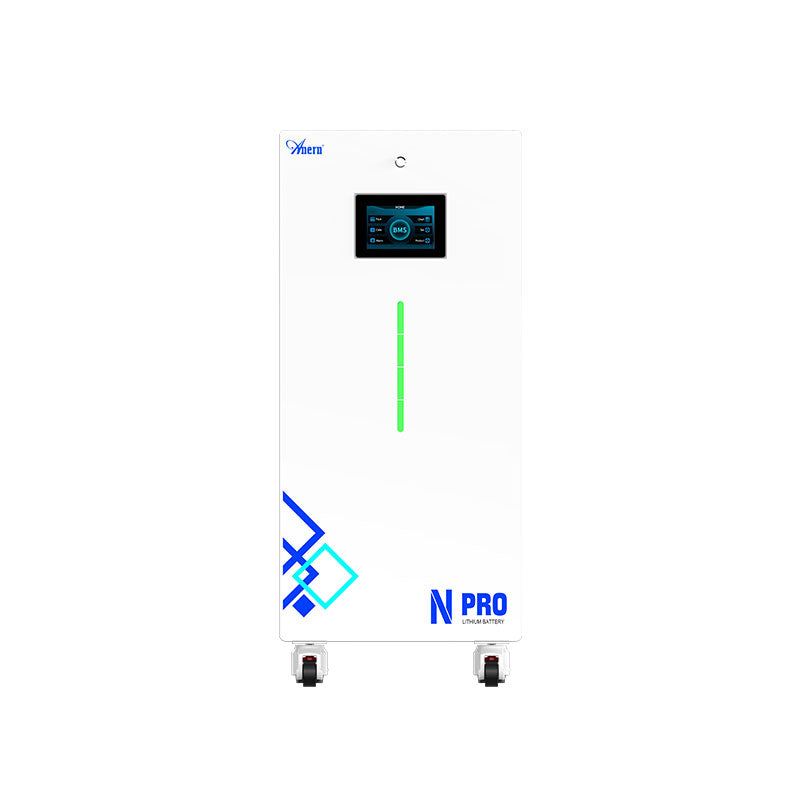
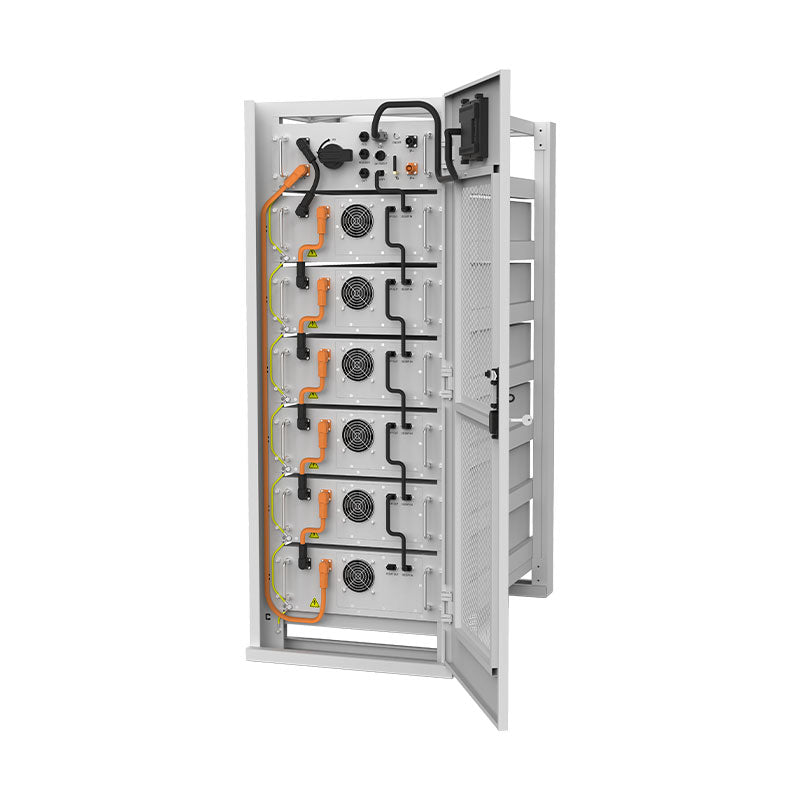
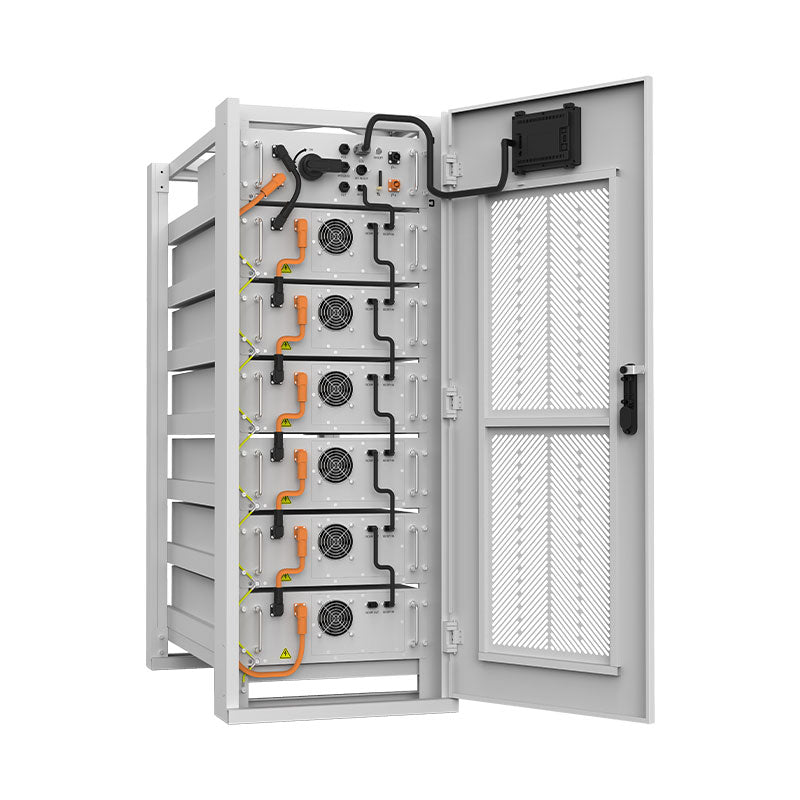
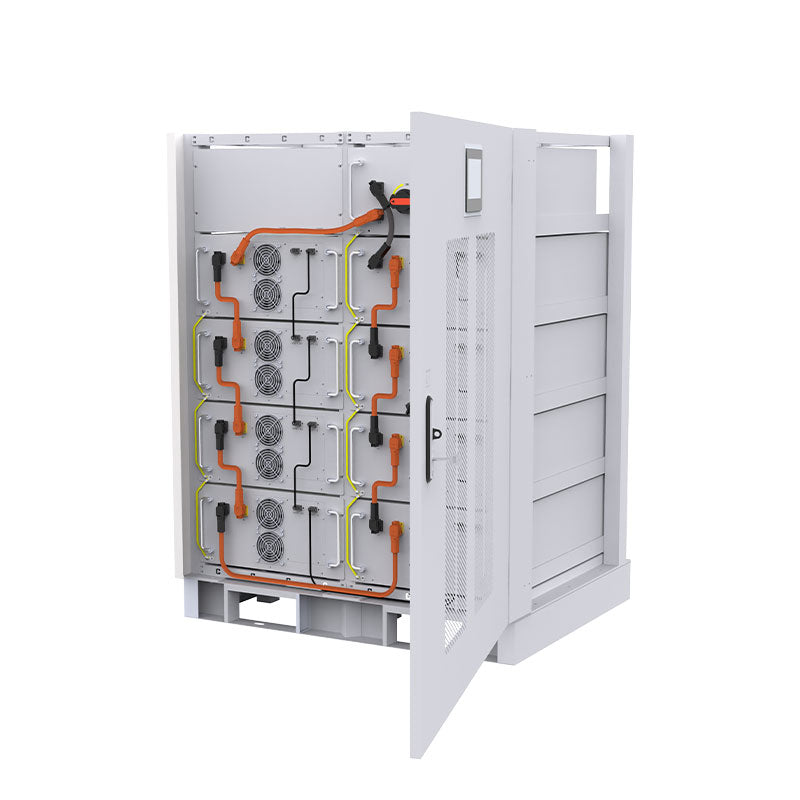
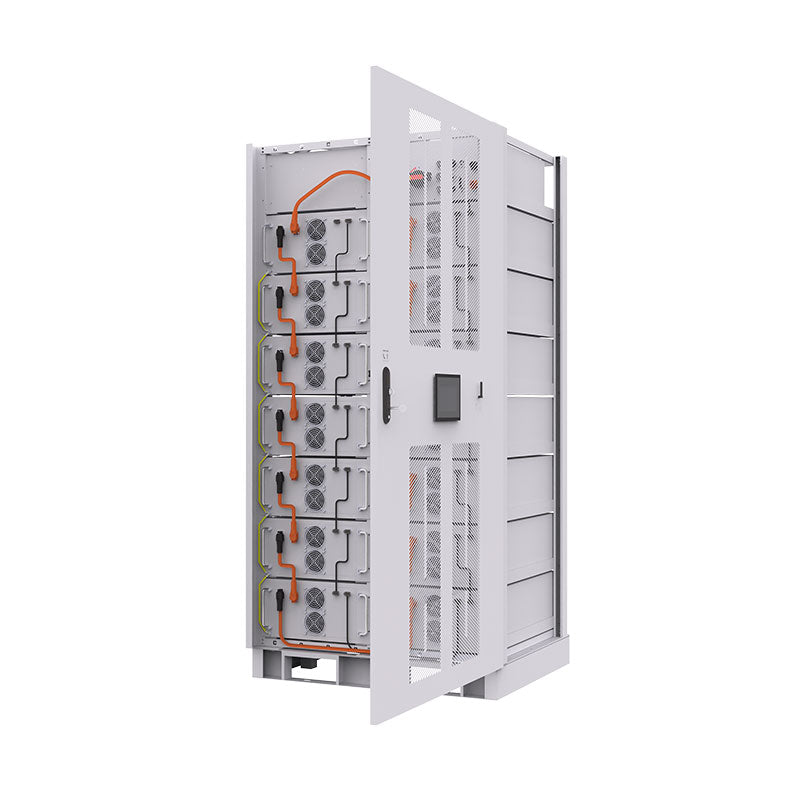
The cabin was equipped with a robust solar setup designed for self-reliance. It included a rooftop solar array, a hybrid solar inverter, and a high-capacity LiFePO4 (Lithium Iron Phosphate) battery bank. The primary objective was to power the cabin's lights, refrigerator, water pump, and other small appliances entirely from the sun, keeping the backup generator silent except for rare, prolonged periods of bad weather. Initially, the system performed flawlessly, providing quiet, clean power day and night.
The Problem Emerges: Declining Performance
After several months, the owner noticed a troubling trend. The backup generator, once a symbol of last-resort power, was starting up more frequently. It would kick on earlier in the evening and run for several hours each day. The lithium battery bank, known for its deep-cycle capabilities, was struggling to reach a full 100% state of charge before sunset. The initial thoughts pointed to complex issues: Was the battery failing? Was the inverter configured incorrectly? Had their energy consumption mysteriously skyrocketed?
The Hidden Culprit: Dust and Debris on Solar Panels
Before investing in costly diagnostics or component replacements, a simple visual inspection revealed the true source of the problem. The solar panels, once gleaming under the desert sun, were coated in a uniform layer of fine dust and sand.
Why Cleaning Matters in Arid Environments
Soiling loss is a significant factor in solar energy production, especially in dry, dusty locations. A layer of dirt, dust, pollen, or bird droppings can act as a film, blocking sunlight from reaching the photovoltaic cells. This can reduce a panel's output by 5% to over 25% in some desert regions. As noted in the IEA's Medium-Term Renewable Energy Market Report 2016, managing harsh desert conditions is critical for solar project success, with some large-scale operations even using automated washing systems to maintain efficiency. For a homeowner, this translates to a simple task with a major impact.
The Diagnosis: A Clear Case of Soiling Loss
The thick layer of grime was preventing the solar array from generating its rated power. Even on perfectly sunny days, the reduced energy harvest was insufficient to both power the cabin's daytime loads and fully charge the lithium battery. Consequently, the battery's state of charge was lower than it should have been by evening, forcing the system's automatic generator start to trigger and make up for the energy deficit. The problem wasn't a faulty component; it was a simple lack of cleaning.
The Solution and The Results: A Data-Driven Turnaround
With the problem identified, the solution was simple and low-cost. The results, however, were immediate and dramatic, showcasing the direct link between panel cleanliness and overall system performance.
The Cleaning Process: A Practical Approach
The owner performed the cleaning early in the morning to ensure the panels were cool. After shutting down the system at the breaker for safety, they used a soft-bristle brush on an extension pole and plain water to gently scrub the panels. No harsh soaps or abrasive chemicals were used, as these can damage the anti-reflective coating on the glass. The entire process for the modest array took less than an hour.
Quantifying the Improvement: Before and After
The change in performance was tracked using the system's monitoring software. The data clearly demonstrated the powerful effect of this simple maintenance task. The generator, which had been a noisy daily intruder, fell silent once more.
| Performance Metric | Before Cleaning | After Cleaning |
|---|---|---|
| Peak Daily Solar Production | ~3.8 kWh | ~5.1 kWh |
| Battery State of Charge at Sundown | ~70% | 100% |
| Daily Generator Runtime | 3-4 Hours | 0 Hours |
| Estimated Weekly Fuel Savings | $15-$20 | $0 |
Disclaimer: The data presented is illustrative of a typical case and actual results may vary based on system size, location, and level of soiling.
Maximizing Your Off-Grid System's Potential
This case study proves that achieving energy independence is an active process. Consistent maintenance is not a chore but an investment in your system's efficiency, longevity, and reliability.
Establishing a Regular Maintenance Schedule
Your cleaning schedule should match your environment. In dusty areas like the desert cabin, a monthly inspection and cleaning may be necessary. In regions with more frequent rainfall, a quarterly or bi-annual cleaning might suffice. Beyond cleaning, periodic checks should include inspecting for loose wiring, secure mounting hardware, and any error codes on your inverter display. This proactive approach helps catch small issues before they become large problems.
Understanding the Synergy of Components
An off-grid system is a chain where every link matters. Clean panels provide the maximum possible energy. A high-performance lithium battery stores that energy efficiently with minimal loss. A smart inverter manages the flow of power intelligently. When panels are dirty, the entire system is starved of its fuel—sunlight. A well-maintained system ensures each component operates at its best. The relationship between solar input and storage capacity is critical, as detailed in this comprehensive look at solar storage performance metrics, which can help you better understand your system's health.
The Broader Impact of Solar Maintenance
Properly maintaining your solar assets is key to realizing their full potential. The IEA's Solar Energy Perspectives report highlights that the long-term benefits of solar, such as energy security and sustainability, depend on the reliable operation of these technologies. Furthermore, as the U.S. Department of Energy's Solar Futures Study points out, continued technological progress is vital, but realizing those advancements depends on proper deployment and upkeep at the user level. Your simple act of cleaning contributes to this larger goal by ensuring your system delivers on its promise of clean, renewable power.
Your Path to True Energy Independence
The story of the desert cabin is a powerful reminder: the most advanced solar technology is only as good as its maintenance. A few minutes spent cleaning your panels can translate directly into more hours of clean energy, a longer life for your lithium battery, and significant savings on backup fuel. By taking an active role in maintaining your equipment, you move beyond simply owning a solar system to truly mastering your own energy independence.
Frequently Asked Questions
How often should I clean my off-grid solar panels?
The frequency depends heavily on your local environment. In dusty, arid regions or areas with high pollen counts, a monthly cleaning might be beneficial. In most other areas with regular rainfall, cleaning once or twice a year is often sufficient. The best approach is to visually inspect your panels periodically and clean them when you notice a visible layer of grime.
Can I use regular soap to clean my solar panels?
It is best to avoid household soaps and detergents. Many contain abrasive agents or chemicals that can leave a residue or damage the anti-reflective coating on the panel glass, which can reduce performance. Plain water and a soft brush or squeegee are usually all that is needed. If you have stubborn grime, use a cleaning solution specifically designed for solar panels.
What is the best time of day to clean solar panels?
Clean your panels in the early morning or on an overcast day. Cleaning them in the middle of a hot, sunny day can cause the water to evaporate too quickly, leaving behind residue. Additionally, the rapid temperature change from applying cool water to a hot panel could, in very rare cases, damage the glass.
Will dirty panels damage my lithium battery?
Dirty panels will not directly damage a LiFePO4 battery. However, they cause chronic undercharging. Consistently failing to bring your battery to a full state of charge can, over the long term, impact its overall lifespan and available capacity. A fully charged battery is a healthy battery, and clean panels are the best way to ensure it gets the energy it needs.
