













Battery storage inside apartments is possible, but only if it fits fire code. This piece lays out the rules that typically apply, the fire risks regulators look at, and practical setups that earn approvals. It also shows how safer chemistries and certified systems reduce risk.
I have sat with fire marshals reviewing submittals, walked multifamily sites with landlords, and helped renters assemble approval packets. The same themes repeat: know the adopted codes, show certified equipment, respect separation and egress, and keep energy capacity within thresholds.
Non‑legal advice: Codes vary by city and edition. Always confirm with your local Authority Having Jurisdiction (AHJ), fire department, and landlord.
1) The code landscape: who sets the rules and how they apply
Apartment fire codes for batteries mainly trace to three pillars: model fire codes, electrical codes, and product safety standards. Local adoption and amendments control the final answer in your building.
1.1 Model codes you will hear about
- NFPA 855 (Standard for the Installation of Stationary Energy Storage Systems). Sets siting, separation, aggregate energy limits, detection, and ventilation expectations for ESS in buildings, including Group R occupancies.
- International Fire Code (IFC) 2018/2021/2024, Chapter 12 (often Section 1206). Similar scope to NFPA 855. Many AHJs use IFC language for permits and inspections.
- NEC 2020/2023 Article 706 (Energy Storage Systems) and Article 705 (Interconnected Power Production). Covers wiring methods, disconnects, and listing requirements. See Tenant's Roadmap to NEC 706 Compliance with Plug-In Solar.
Not sure which applies? Start here: NFPA 855 vs IFC: Which Battery Rules Apply to Apartments?
1.2 Certifications and test methods AHJs expect
- UL 9540: System-level listing for an ESS (inverter + battery + BMS combo). A UL 9540 system streamlines approvals.
- UL 9540A: Test method that studies thermal runaway behavior and propagation. Fire marshals often ask for the test summary.
- UL 1973: Stationary battery safety (cell/module/pack level).
- UL 1741: Inverters, including anti-islanding and grid-interactive functions for PV + storage.
Renters often miss labels or documentation. This checklist helps: Tools Review: UL 9540, UL 1741, and Labels Renters Need.
1.3 Typical thresholds and conditions seen in apartments
Exact numbers vary by edition and amendments, but many AHJs use similar triggers for Battery Storage Regulations in Group R buildings.
| Topic | NFPA 855 (typical language) | IFC (typical language) | Notes |
|---|---|---|---|
| Placement inside dwelling units | Small ESS may be allowed with limits on rated energy and location away from sleeping areas and egress paths. | Similar approach; units often restricted to utility closets or dedicated spaces; balconies may be restricted by local rules. | Local amendments can prohibit units entirely; verify with AHJ. |
| Aggregate energy thresholds | Lower thresholds trigger basic protection; higher tiers require fire-rated separation, detection, and sometimes sprinklers. | Parallel tiering structure; capacity caps per control area or room; larger systems move to dedicated battery rooms. | Rough breakpoints commonly seen: ~20 kWh (lower tier), then higher tiers with more protections. Always verify locally. |
| Dedicated battery rooms in multifamily | 1–2 hour fire barriers, ventilation, exhaust, gas monitoring if chemistries require, signage, restricted access. | Similar; often requires sprinklers and emergency ventilation; emergency power-off at the entrance. | Group R-2 rooms typically in parking levels or service areas, not corridors. |
| Product listing | UL 9540 system listing preferred; UL 9540A data for hazard analysis. | Same; unlabeled assemblies face heavy scrutiny. | Brings plan review times down. |
Portable power stations fall under tighter rules inside apartments. See Ultimate Guide: Apartment Fire Codes for Portable Battery Storage and Fire Marshal Q&A: Portable Power Stations in Apartments, Legal?.

2) Battery Storage Fire Risks and safer design choices
2.1 Chemistry matters: LiFePO4 vs NMC
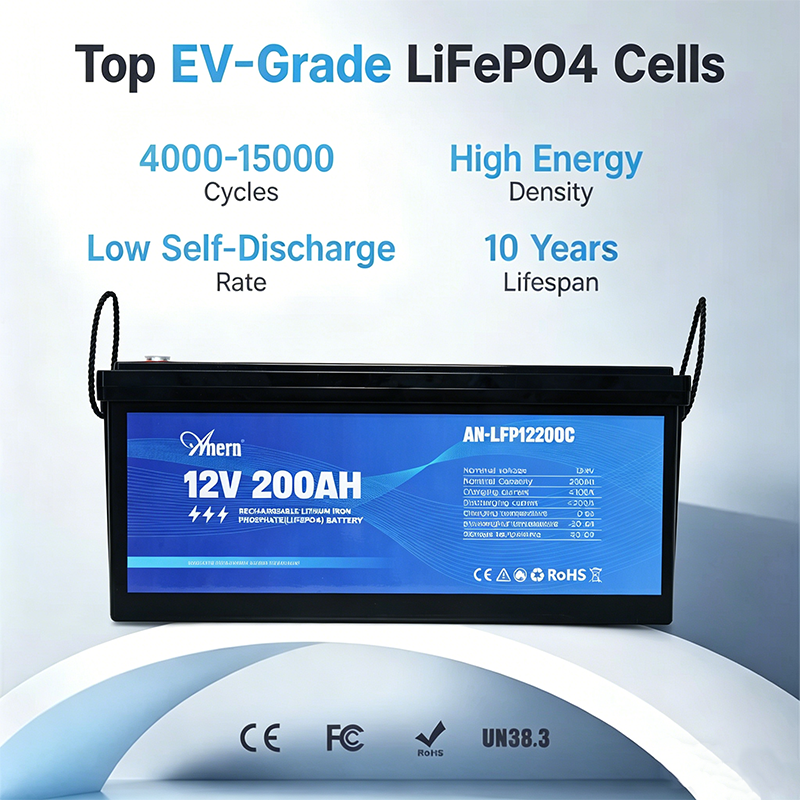
Battery Storage Fire Risks are not all alike. Lithium iron phosphate (LiFePO4) has higher thermal stability and lower heat release rates than nickel-rich chemistries such as NMC, under abuse conditions. This improves Rental Property Safety by reducing propagation risk and gas production during failures. See LiFePO4 vs NMC: Safer Chemistry Choices for Rental ESS.
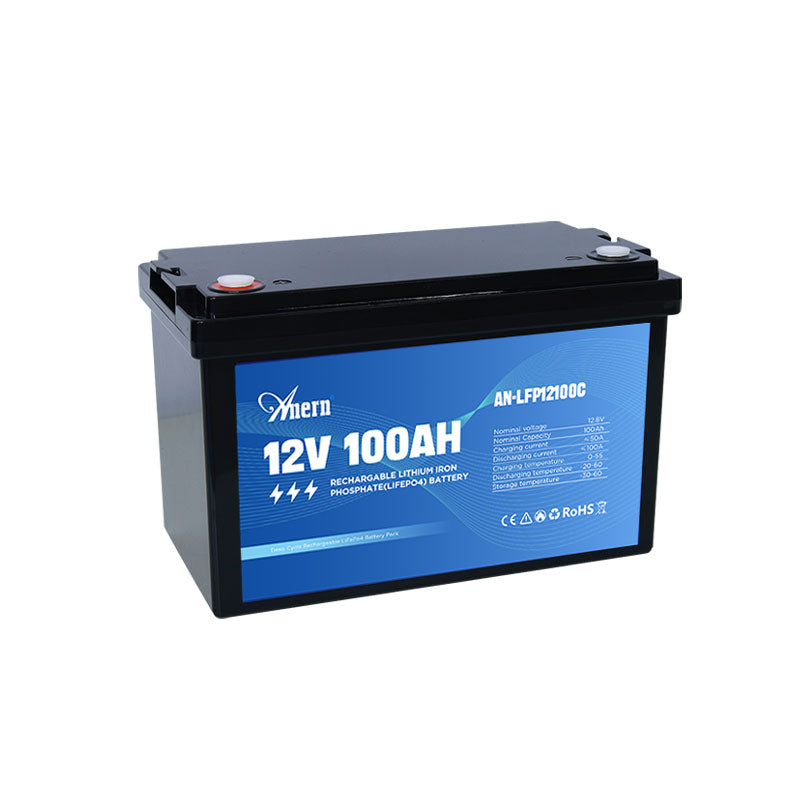
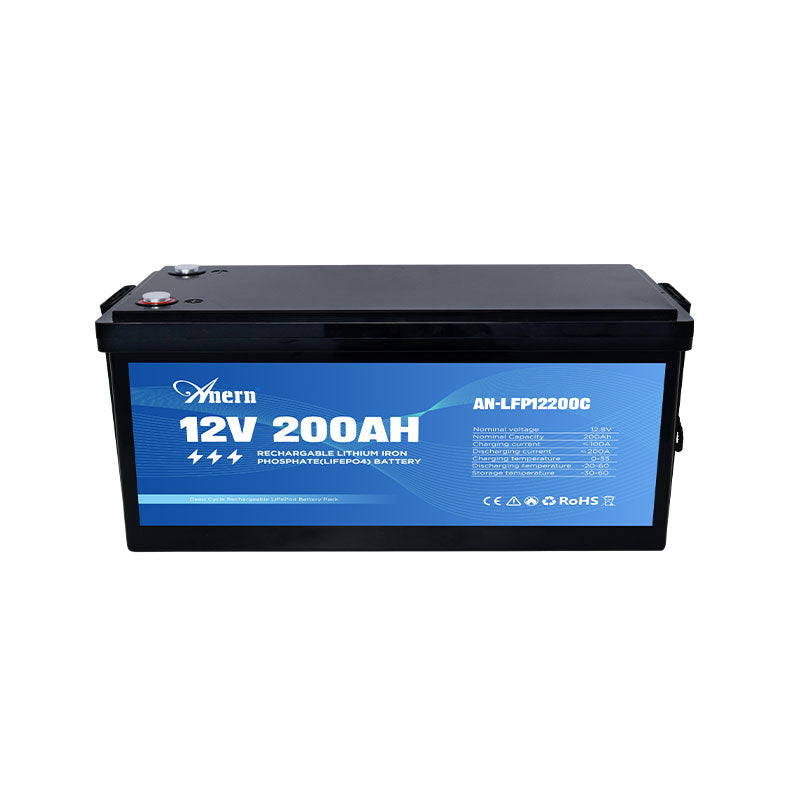
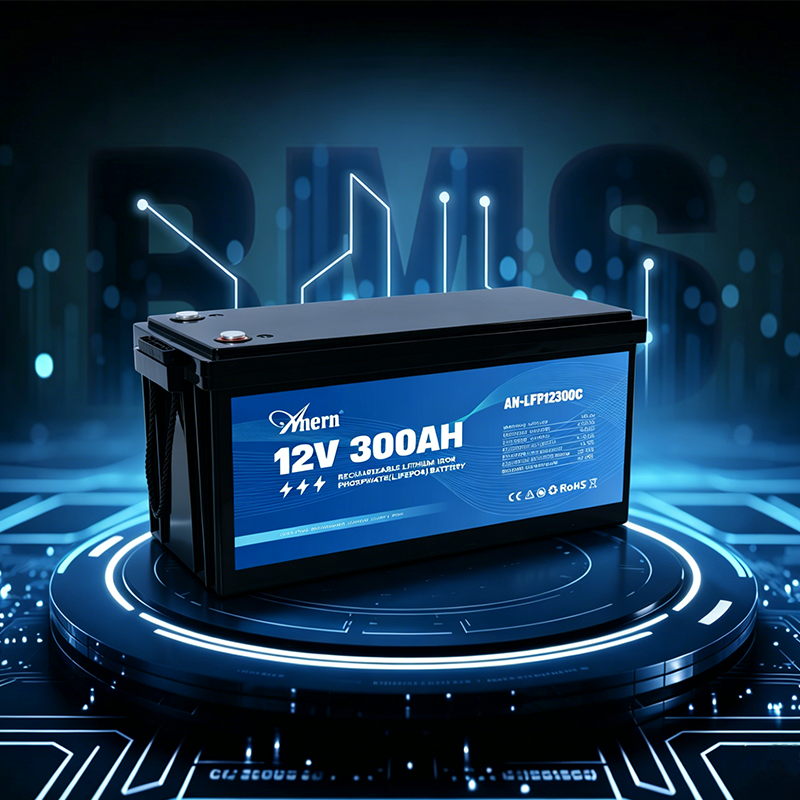
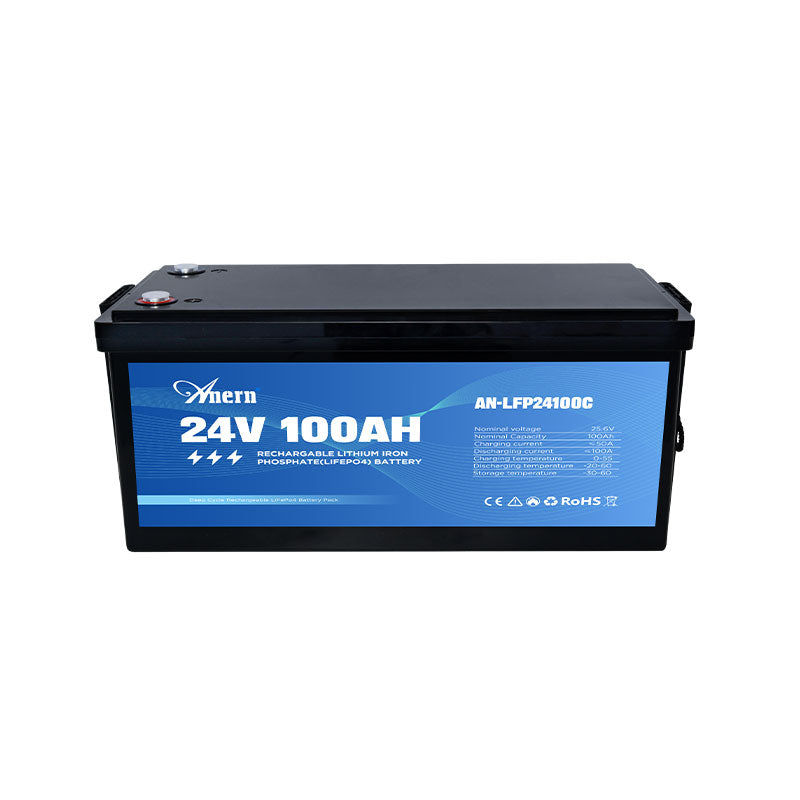
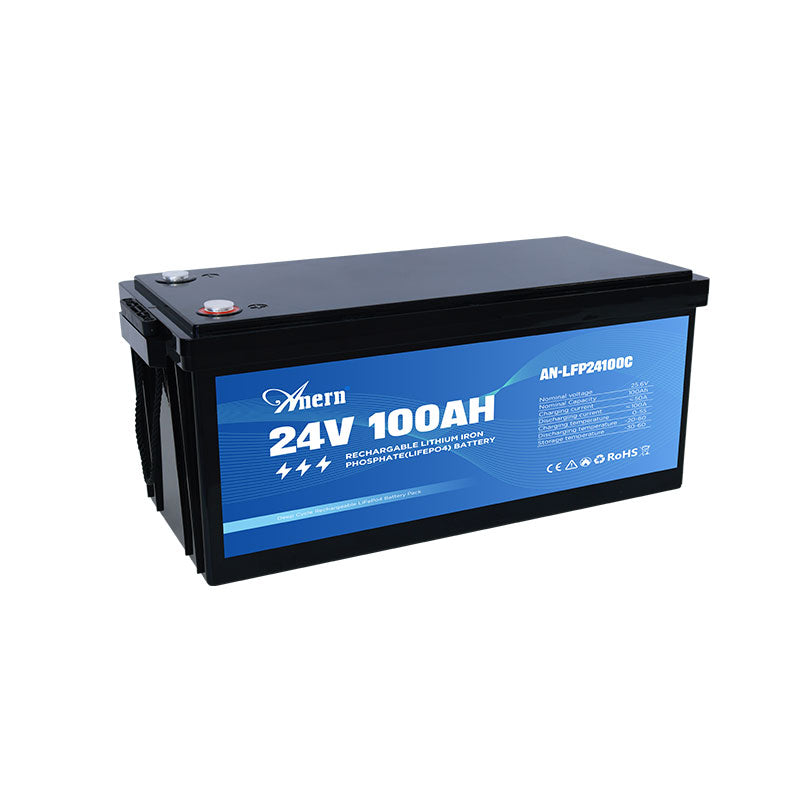
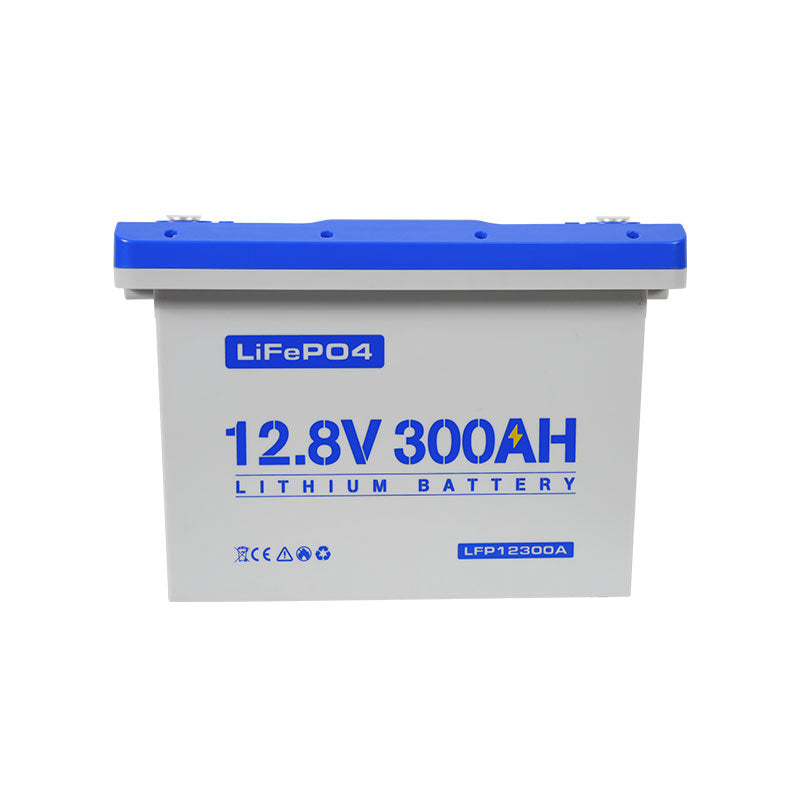
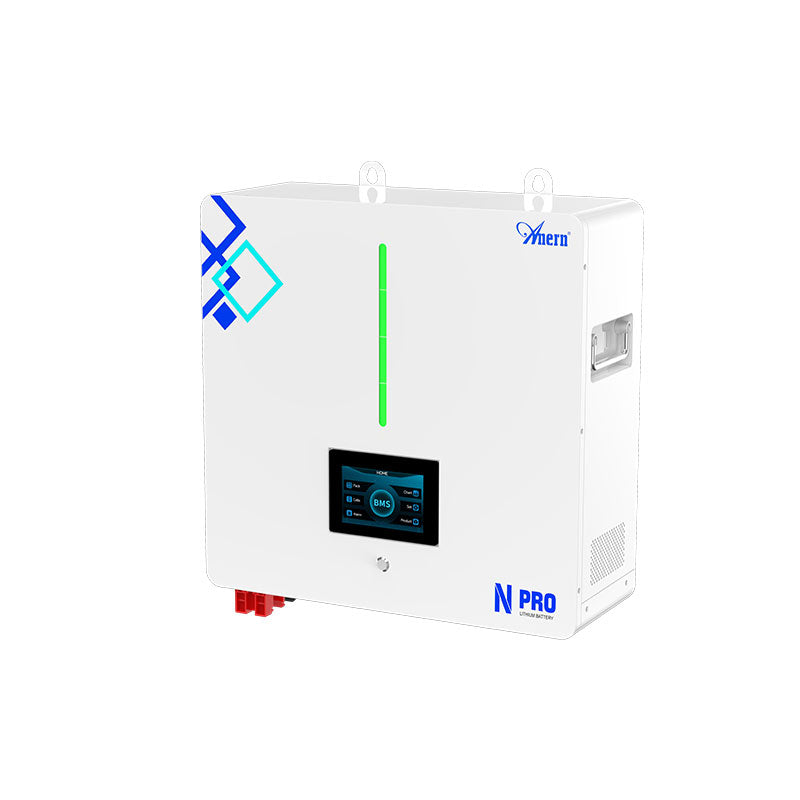
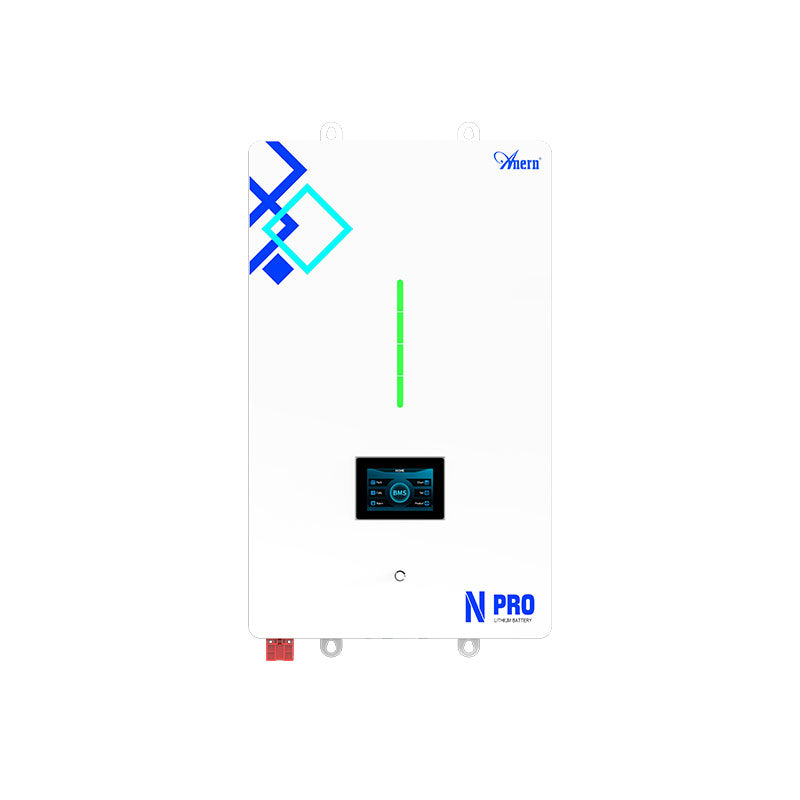
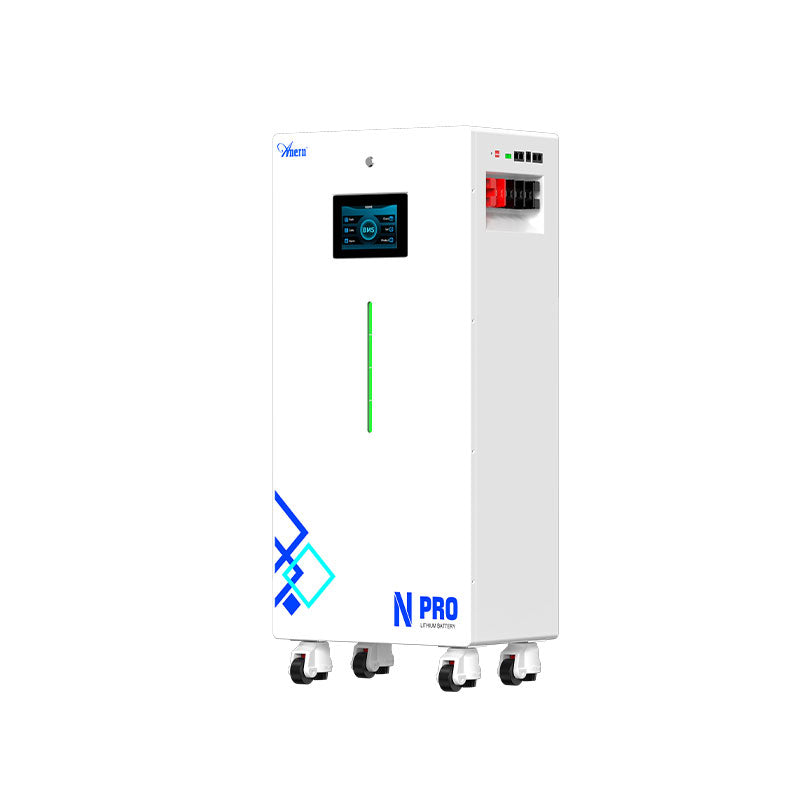
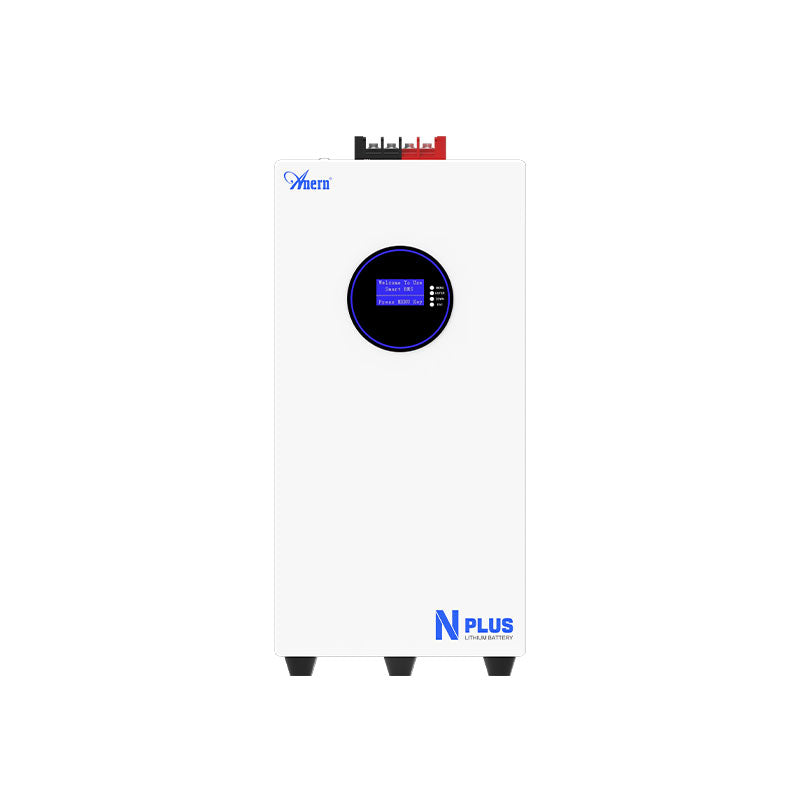
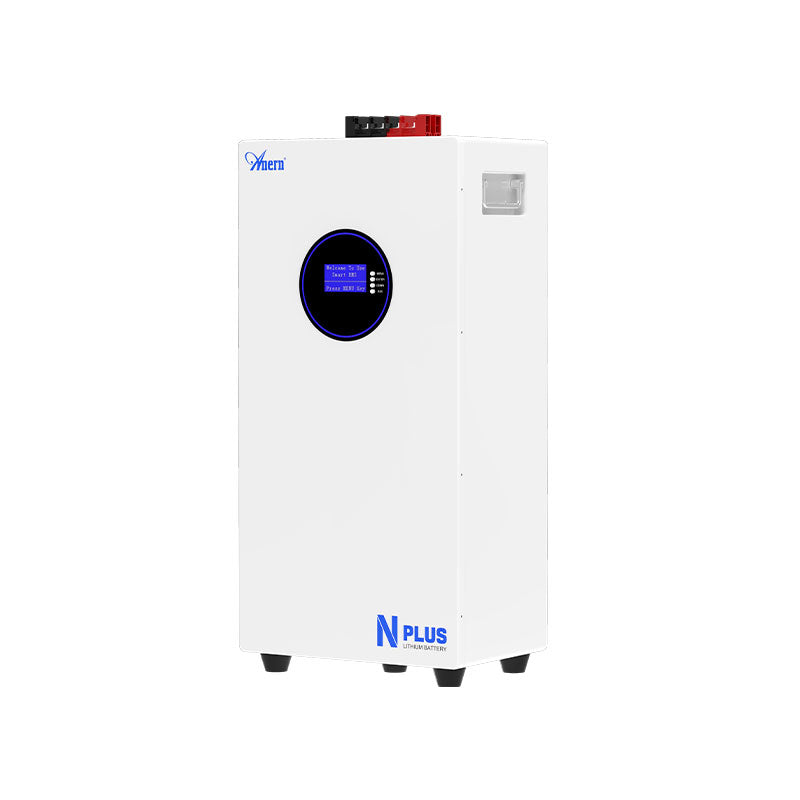
ANERN manufactures LiFePO4 batteries for stationary use. Our packs include robust BMS protections and support UL 1973-compliant design targets. In integrated systems, our hybrid inverters align with UL 1741 requirements. This reduces friction during plan review. Certifications vary by model and market; contact us for current listings.
2.2 What fire officials look for
- Thermal runaway propagation data (UL 9540A summary). Shows how a fault in one cell or module behaves and if it spreads.
- Separation from egress. Keep ESS away from exit doors, stairs, and corridors. Balconies used as a means of egress are usually off-limits.
- Fire-rated construction. 1–2 hour barriers for battery rooms; self-contained cabinets certified for internal fire may reduce room-level requirements.
- Detection and suppression. Smoke/heat detectors tied to the building system; sprinklers if the building has them; sometimes clean-agent systems for rooms.
- Ventilation. For chemistries that may off-gas, provide exhaust and makeup air; follow manufacturer instructions.
- Emergency shutdown. Visible, labeled disconnect at the entrance to the room or within line-of-sight of the unit.
These controls align with modern grid code thinking that values safe inverter behavior and coordination. See IRENA’s analysis of grid codes and inverter-based resources for context on safety and control functions in modern systems.
2.3 A simple risk control matrix you can act on
| Hazard | Control | Code hook | Field tip |
|---|---|---|---|
| Thermal runaway propagation | Use LiFePO4; UL 9540 + UL 9540A-tested system | NFPA 855 / IFC listing requirements | Attach the 9540A report summary to your plan set. |
| Blocked egress | 3 ft clearance from doors and hallways | IFC means of egress chapters | Mark clearances on scaled drawings. |
| Fire spread to dwelling | Battery room with 1–2 hr fire barrier | NFPA 855 room construction | Locate on parking or service level where possible. |
| Electrical fault | Listed hybrid inverter; AFCI/GFCI where required | NEC 706/705/210 | Specify breaker type on the one-line diagram. |
| Improper equipment | UL 9540 system; UL 1973 battery; UL 1741 inverter | IFC/NFPA listing mandates | Photograph nameplates for the submittal packet. |
Concerned about balcony PV modules and Fire Safety Standards Apartment Buildings? See Myth vs Reality: Are Balcony Solar Panels a Fire Hazard? and the real approvals discussed here: Case Study: NYC Balcony Solar + ESS That Passed FDNY Review.
3) Practical pathways for renters and landlords
3.1 Portable vs. stationary in apartments
Portable power stations look easy, but many AHJs treat high-capacity units like stationary systems if kept on charge permanently. This can trigger Apartment Fire Codes. Small, occasionally charged units may be acceptable, but limits and placement rules still apply. Read: Ultimate Guide: Apartment Fire Codes for Portable Battery Storage and Fire Marshal Q&A: Portable Power Stations in Apartments, Legal?.
3.2 Where to put it
- Inside the dwelling unit. Only if allowed, and away from bedrooms and exits. Lower energy caps apply. Never in corridors or under stairs.
- Dedicated service rooms. Best path in multifamily. Use rated construction, detection, and ventilation. Access-controlled.
- Balconies. Many cities restrict or prohibit. Some allow PV modules but not stationary batteries. Always ask the AHJ and building management.
Real lessons from a big-city approval: Case Study: NYC Balcony Solar + ESS That Passed FDNY Review.
3.3 The approval packet that gets a yes
Landlords want risk clarity. Fire marshals want complete, legible submittals. Use this checklist: Checklist: Landlord Approval Packet for Apartment Battery Storage.
- Cover letter describing use case, energy capacity, and placement.
- Scaled floor plan showing separation from egress, detectors, and barriers.
- One-line diagram with ratings, disconnects, and labeling.
- Datasheets and listings: UL 9540, UL 1973, UL 1741, UL 9540A summary.
- Operations and maintenance plan, including charging limits and shutdown steps.
- Emergency contact and service procedures.
4) Technical checklist to pass plan review
4.1 Labels and listings to photograph
- ESS system nameplate with UL 9540 mark.
- Battery module/pack label with UL 1973 mark.
- Inverter label with UL 1741 mark; grid-forming or backup mode details if used.
- UL 9540A test report summary from the manufacturer.
4.2 Electrical integration without headaches
- Plug-in solar + storage. Use listed microinverters or hybrid inverters. Follow NEC 705 interconnection limits (e.g., busbar rules) and NEC 706 wiring methods. See Tenant's Roadmap to NEC 706 Compliance with Plug-In Solar.
- Branch circuit loading. Respect 80% continuous load rule unless rated otherwise. AFCI/GFCI may be required in dwelling circuits.
- Emergency shutdown. Provide a labeled, accessible disconnect. Many AHJs want it near the entry to the battery room.
4.3 Fire safety add-ons that help
- Smoke/heat detection tied into the building fire alarm (if present).
- Sprinklers where the building is sprinklered.
- Signage: “Energy Storage System” placard on door and disconnect.
- Housekeeping: 3 ft clear space, no storage on top of cabinets, no flammables nearby.
Avoid common pitfalls. Many rejections trace to the same errors. See 9 Compliance Mistakes Renters Make with Apartment Batteries.
5) ANERN solutions designed for code-aware rentals
5.1 Safer by chemistry and system design
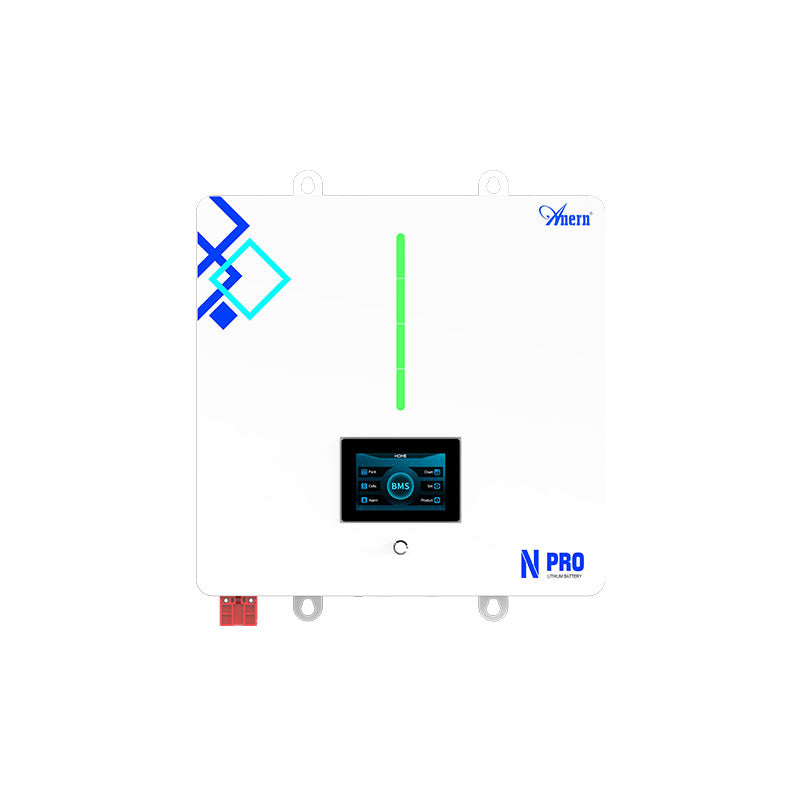
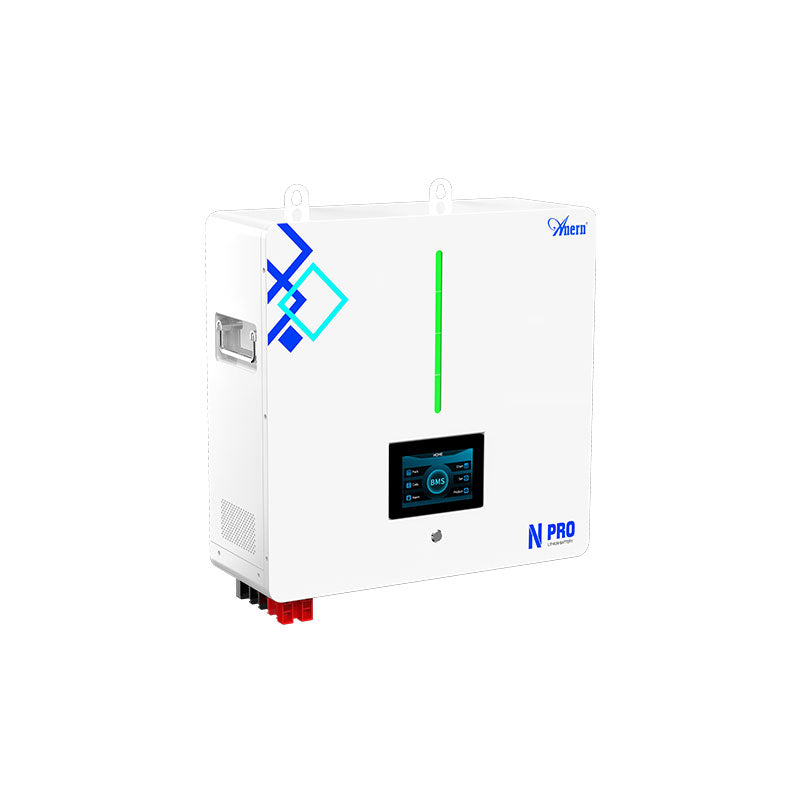
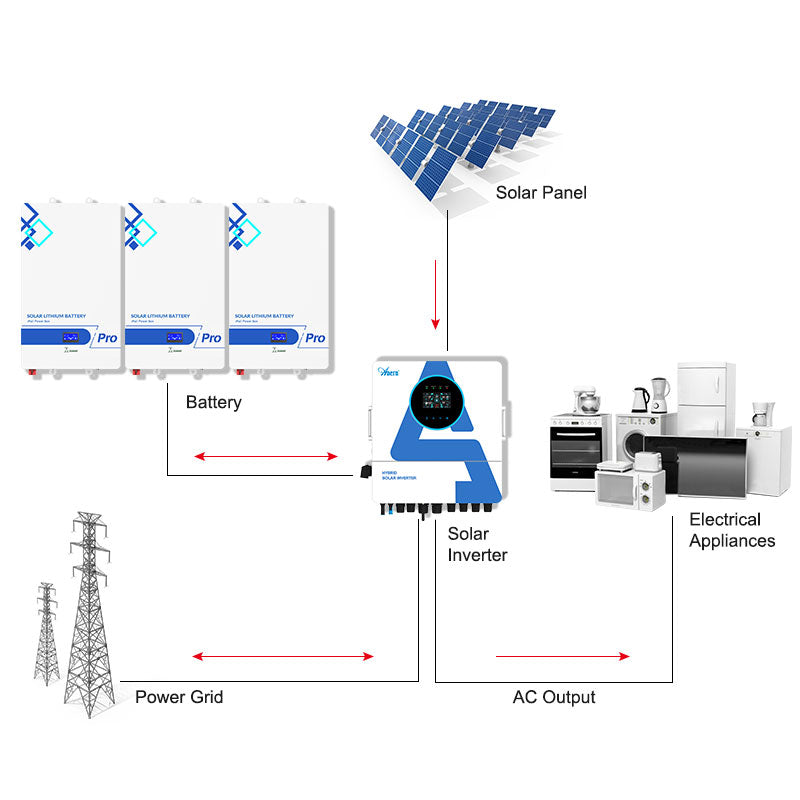
ANERN focuses on LiFePO4 chemistry for stationary use. This chemistry choice supports lower propagation risk. Our integrated home ESS pairs LiFePO4 batteries with a hybrid solar inverter and optional solar panels. For apartments, small-capacity configurations help stay below local thresholds while maintaining useful backup power.
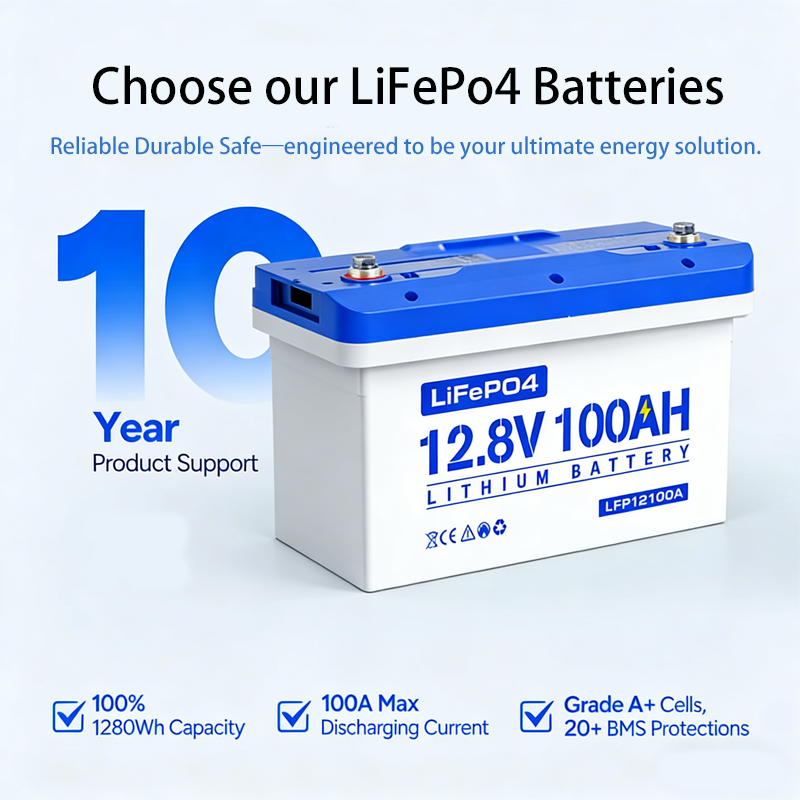
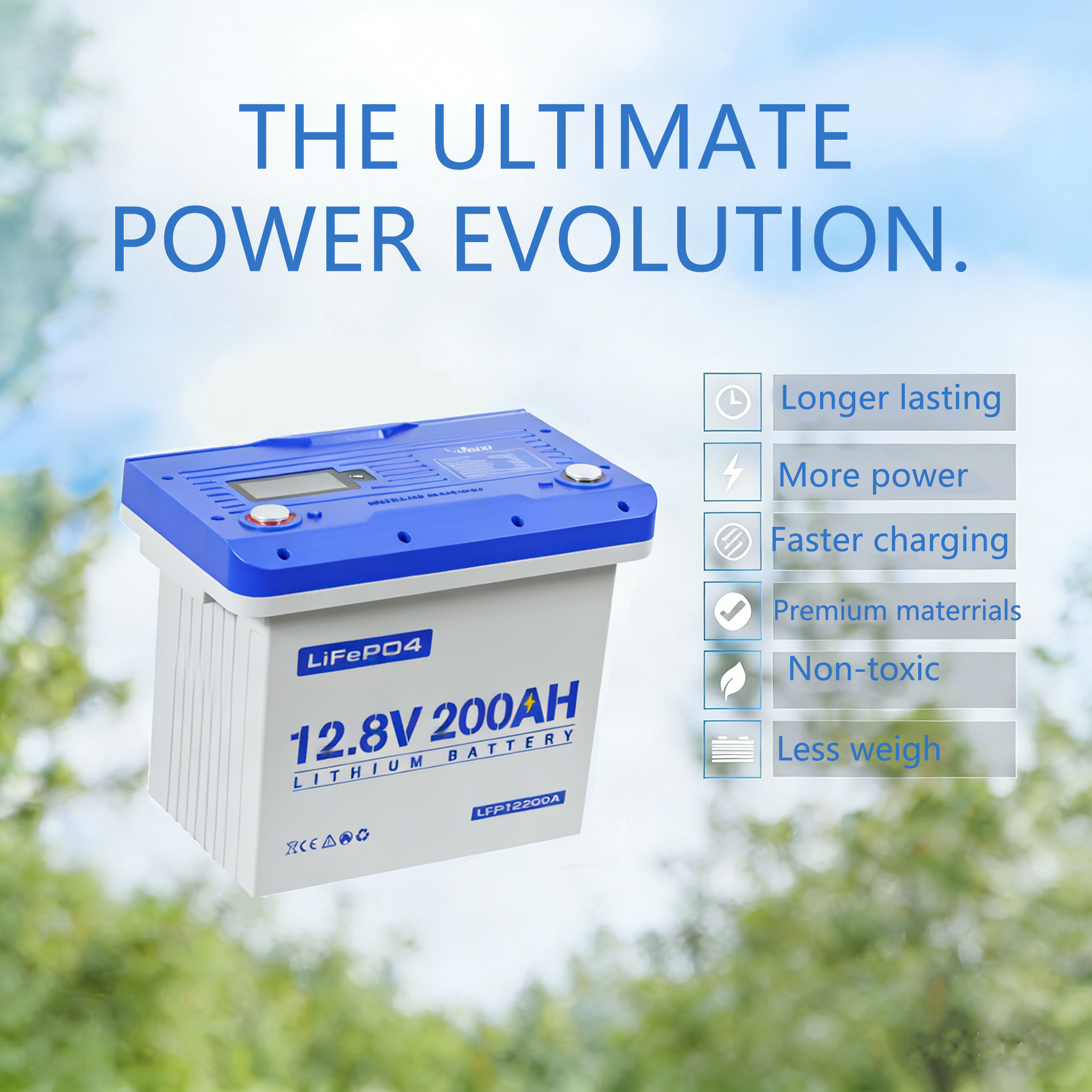
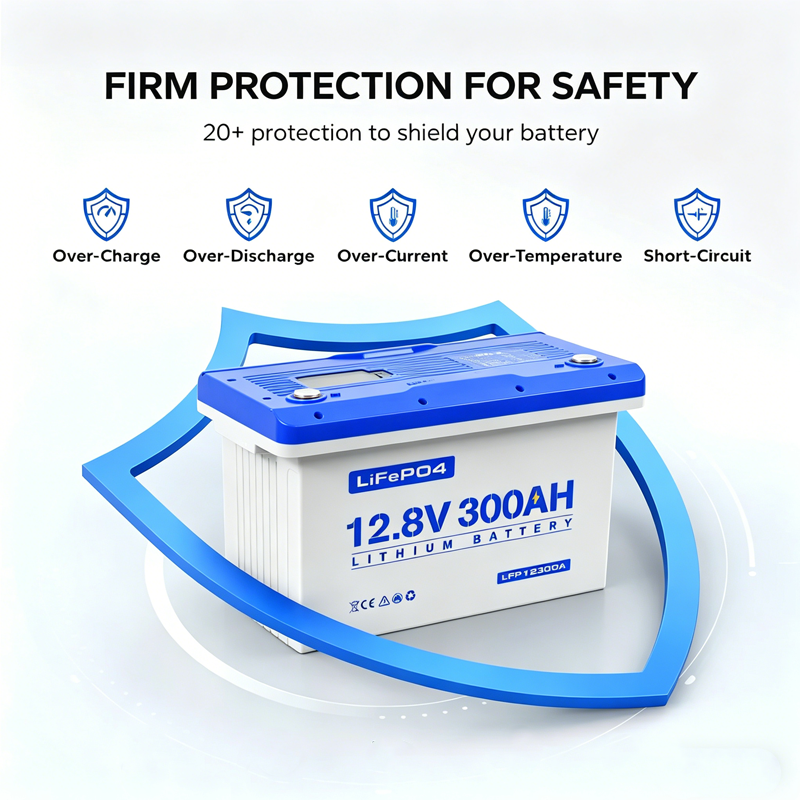
- Lithium battery (LiFePO4). High performance, stable chemistry, robust BMS with cell balancing, overcurrent, over/under-voltage, and over-temperature protections.
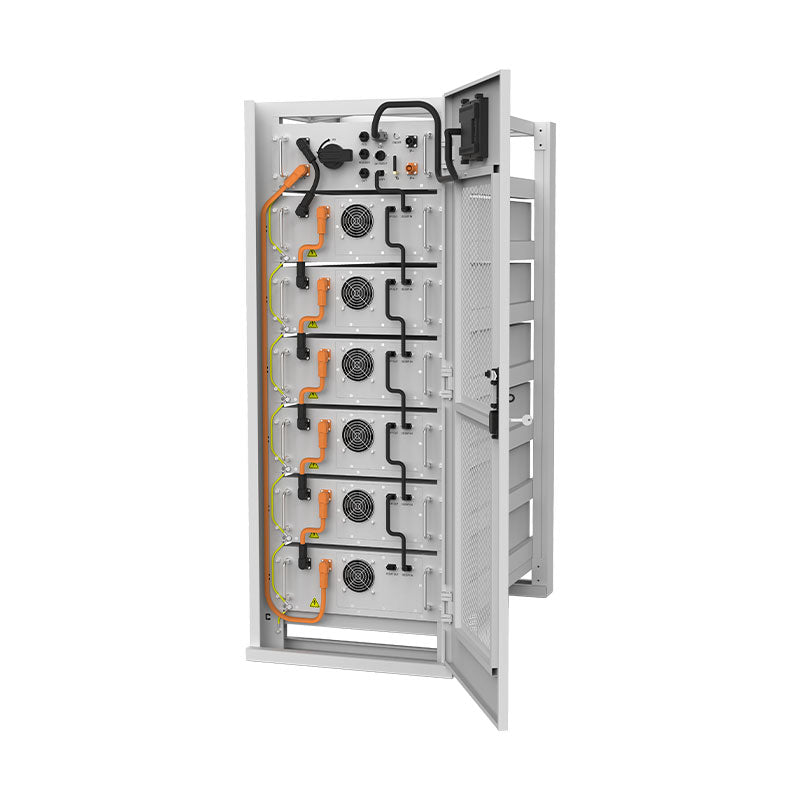
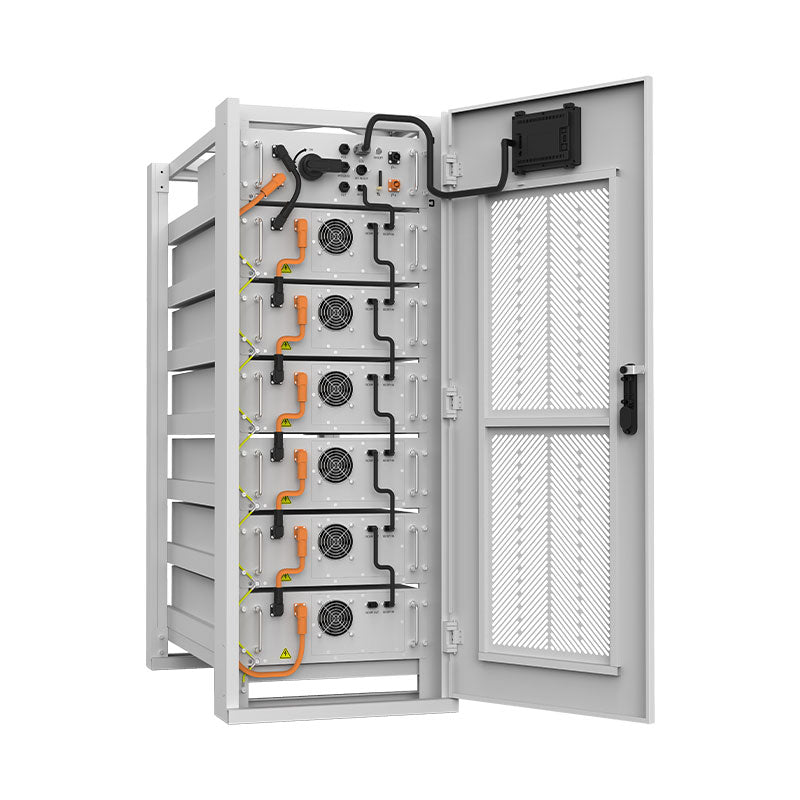
- ESS storage. Integrated battery + hybrid inverter + solar input. Options for backup loads only, reducing feeder and busbar impact.
- Solar inverter. Converts DC to AC, supports anti-islanding, and coordinates charging windows to minimize grid impact.
- Off-grid solar packages. For cabins and farm outbuildings. In apartments, elements of these systems can serve as portable, non-fixed backup if allowed.
5.2 Matching scenarios to products
| Apartment scenario | ANERN product fit | Code advantage | Notes |
|---|---|---|---|
| Small backup (lower tier energy) | Compact LiFePO4 module + hybrid inverter | Lower energy keeps requirements simpler | Stay clear of egress; provide listed cords/disconnects. |
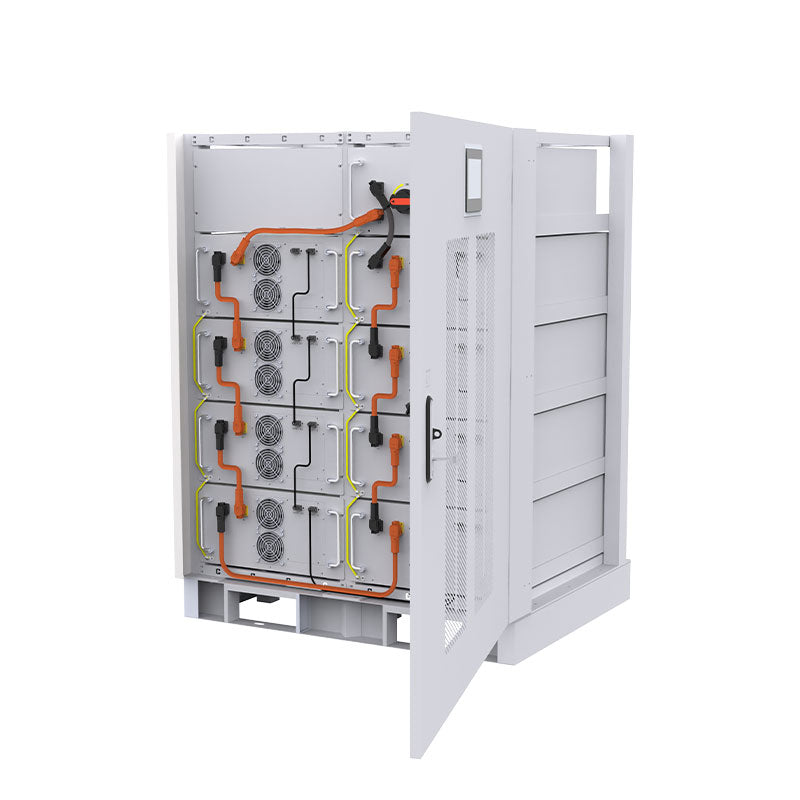
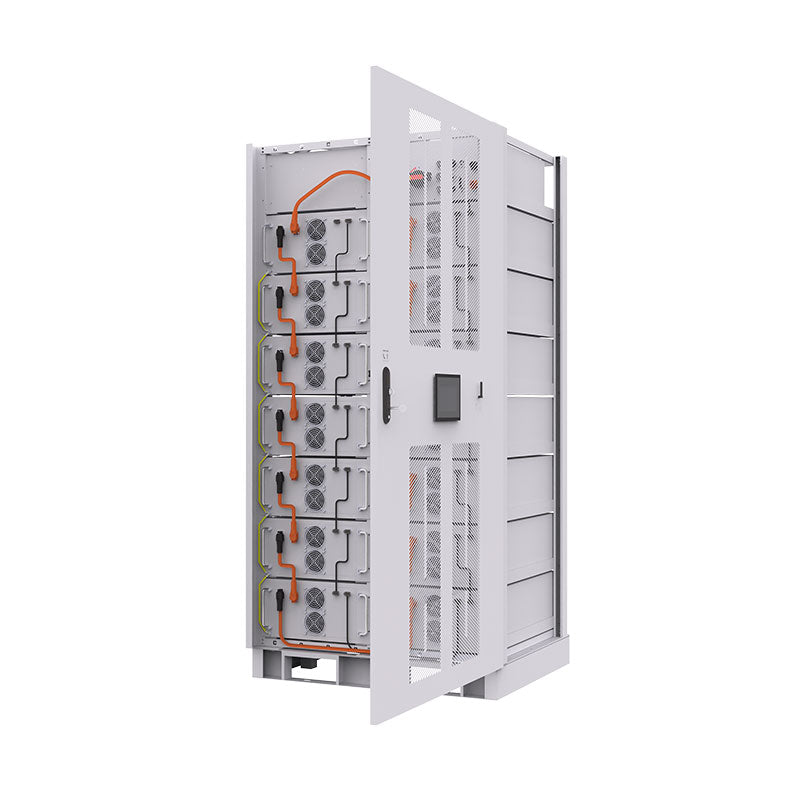
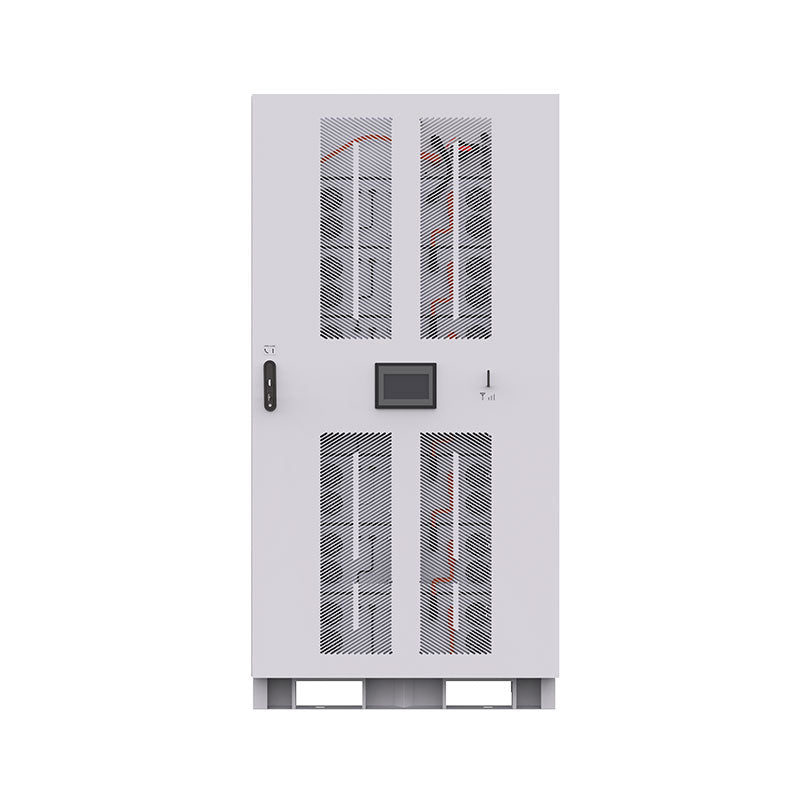
| Battery room on service level | Modular ESS cabinets with monitoring | Room-level detection and barriers satisfy AHJ | Provide UL 9540/1973/1741 listings and 9540A summary. |
| Renter with plug-in PV | Hybrid inverter with certified PV input | NEC 705/706-friendly interconnection | Coordinate with landlord and utility early. |
We build for reliability and scalability to support energy independence goals, while aligning with Fire Safety Standards Apartment Buildings. Our engineering team can prepare cut sheets and submittal packets to speed plan review.
6) Data-backed context: why approvals matter more each year
Investment signals are strong. Solar PV set new investment records in 2022, and momentum continued into 2023. Data compiled by the IEA shows China added 100+ GW of solar in 2022 and large gains in Europe, India, and Brazil, even with higher financing costs. Module prices rose through 2022 due to supply constraints, then began easing in early 2023 as input costs fell and manufacturing expanded. These trends point to more distributed PV and more storage seeking space in multifamily buildings.
Policy tailwinds are real. In the United States, federal incentives now support standalone storage, not only PV-coupled systems. In the EU, the 2030 renewables target increased, and permitting reforms are in motion. IRENA notes that modern grid codes increasingly rely on inverter-based resources and storage for stability functions. As adoption grows, AHJs tighten Battery Storage Regulations to protect tenants and responders, and to standardize approvals.
For renters, these shifts translate into clearer local rules year by year. Stay current: 2025 Outlook: Code Changes Shaping Renters' Home Storage.
7) Field lessons, case outcomes, and data on incidents
7.1 What passed review in a major city
In a dense market, a balcony PV + ESS setup cleared fire department review after the team limited the ESS energy, used a listed system, avoided the egress balcony, and provided a clear shutdown. Details here: Case Study: NYC Balcony Solar + ESS That Passed FDNY Review. Your AHJ may differ, but the documentation approach travels well.
7.2 What renters still get wrong
- Buying non-listed batteries to save money.
- Placing units in bedrooms or along exit paths.
- Skipping the landlord packet and fire marshal pre-check.
- Ignoring branch circuit limits and labeling.
Avoid these errors: 9 Compliance Mistakes Renters Make with Apartment Batteries.
7.3 Incident data and what it implies
Public data sets show that energy storage incidents in multifamily settings remain low compared to installed base, but AHJs focus on low-probability, high-consequence events. Better listings, safer chemistries, and separation are the corrective levers. See Data Brief: Fire Incidents and ESS in Multifamily Buildings.
Next steps that work
- Confirm which code editions your city adopted and ask about local amendments.
- Pick a system with UL 9540, LiFePO4 battery, and UL 1741 inverter.
- Decide on placement: in-unit (if allowed) or a dedicated battery room.
- Prepare the landlord and AHJ packet early and include a shutdown plan.
- Consider portable units only within the size and use limits your AHJ accepts.
Safety first. Compliance strengthens Rental Property Safety and protects tenants, neighbors, and responders. If you need a code-aware configuration, ANERN can help design a path that fits your building and your AHJ.
Disclaimer: This content is for information purposes only and does not constitute legal, code, or engineering advice. Always consult your AHJ, licensed professionals, and building management.
Related reading
- Ultimate Guide: Apartment Fire Codes for Portable Battery Storage
- How to Install LiFePO4 Storage in Rentals, Fire-Code Safe
- NFPA 855 vs IFC: Which Battery Rules Apply to Apartments?
- Case Study: NYC Balcony Solar + ESS That Passed FDNY Review
- 9 Compliance Mistakes Renters Make with Apartment Batteries
- Fire Marshal Q&A: Portable Power Stations in Apartments, Legal?
- LiFePO4 vs NMC: Safer Chemistry Choices for Rental ESS
- Checklist: Landlord Approval Packet for Apartment Battery Storage
- 2025 Outlook: Code Changes Shaping Renters' Home Storage
- Data Brief: Fire Incidents and ESS in Multifamily Buildings
- Tenant's Roadmap to NEC 706 Compliance with Plug-In Solar
- Myth vs Reality: Are Balcony Solar Panels a Fire Hazard?
- Tools Review: UL 9540, UL 1741, and Labels Renters Need
References
- International Energy Agency (IEA). “World Energy Investment 2023.” /world-energy-investment-2023
- International Renewable Energy Agency (IRENA). “Grid Codes for Renewable Powered Systems.” https://www.irena.org/Publications/2022/Apr/Grid-codes-for-renewable-powered-systems
- U.S. Energy Information Administration (EIA). Energy Analysis and Data. https://www.eia.gov/
- U.S. Department of Energy. Solar Energy Basics. https://www.energy.gov/topics/solar-energy
- NFPA 855. Standard for the Installation of Stationary Energy Storage Systems (local adoption varies).
- International Fire Code (IFC) 2018/2021/2024. Chapter on Energy Systems (local adoption varies).
- National Electrical Code (NEC) 2020/2023. Articles 705 and 706 (local adoption varies).
- UL Standards: UL 9540, UL 9540A, UL 1973, UL 1741 (check listing directories for current certifications).
