
Long Cycle Life
Designed for repeated charge and discharge cycles, reducing replacement frequency over the life of an energy-storage project.
Reliable lithium iron phosphate battery solutions engineered for residential, commercial, off-grid and backup power applications. Compare 12V, 24V and 48V / 51.2V systems by capacity, installation format and project architecture.
Configure the battery around real loads, backup duration, inverter requirements and the installation environment.
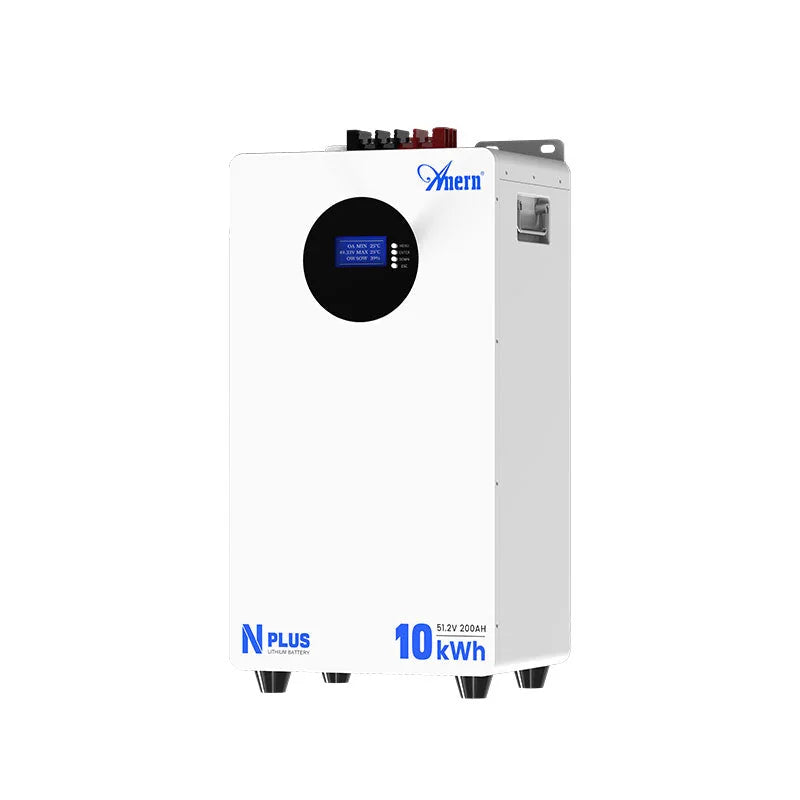
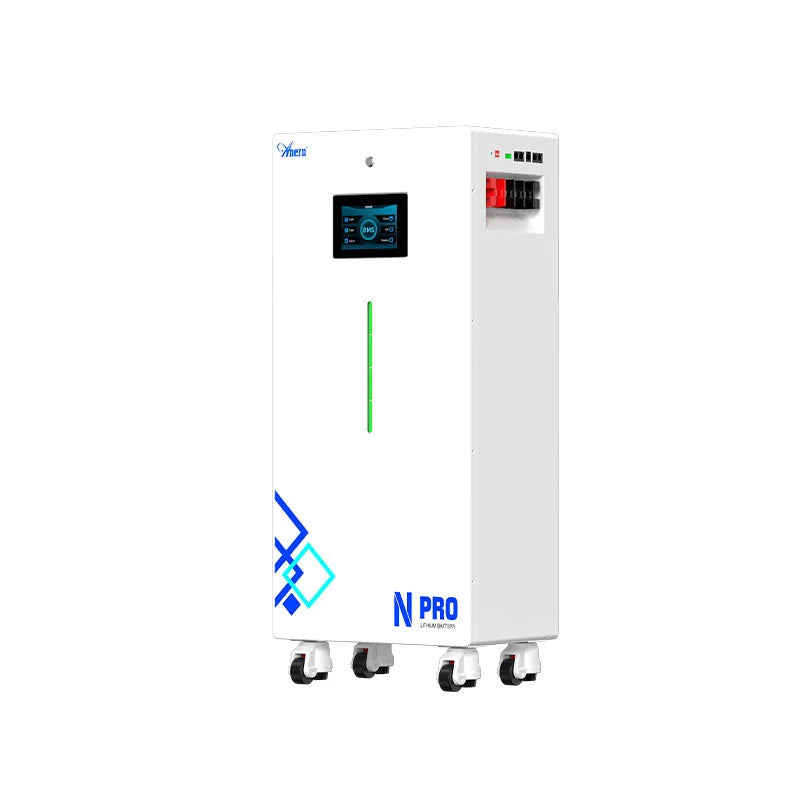
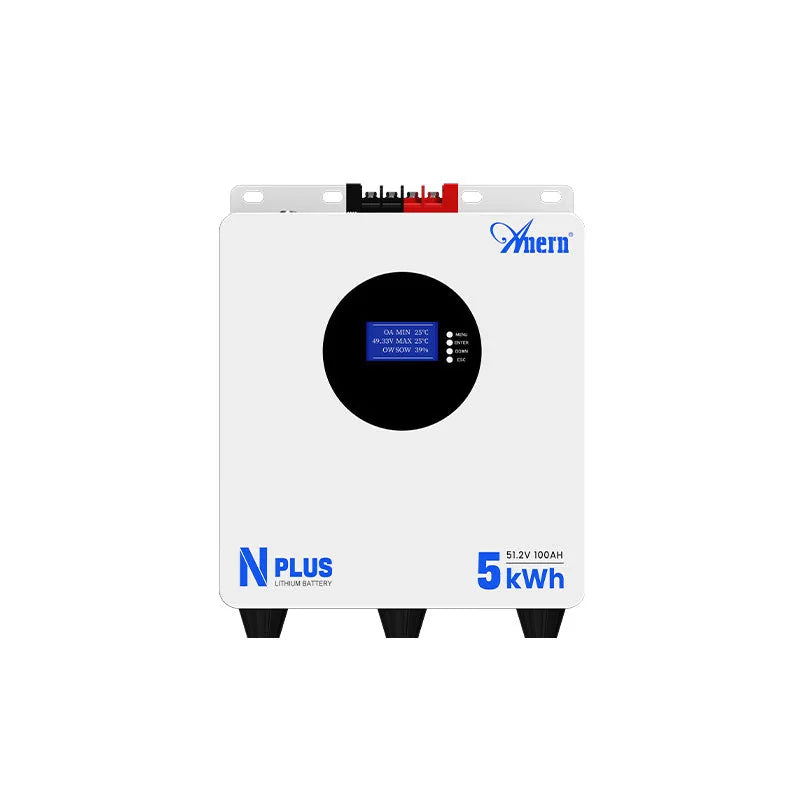

A LiFePO4 battery—also called a lithium iron phosphate or LFP battery—is a rechargeable lithium-ion battery that uses lithium iron phosphate as its cathode material. The chemistry is widely selected for stationary energy storage because it combines stable operation, deep-cycle capability and long service life.
Energy-storage configurations range from 12V and 24V batteries for compact DC or off-grid applications to 48V / 51.2V battery systems for residential solar storage, telecom backup and scalable battery banks.
LiFePO4 = Lithium Iron Phosphate = LFP.It belongs to the lithium-ion battery family, but uses lithium iron phosphate chemistry. Battery voltage, usable capacity, current limits and compatibility remain model-specific.
Move through three practical selection paths: electrical voltage, installation format or required energy capacity.
For compact DC systems, small solar, portable and backup applications.
Explore category02For mid-size off-grid loads with lower current than equivalent 12V systems.
Explore category03A mainstream platform for residential ESS, telecom and scalable storage.
Explore categoryThe chemistry and system design support repeatable, long-term use while the integrated BMS manages key operating protections.
Designed for repeated charge and discharge cycles, reducing replacement frequency over the life of an energy-storage project.
Lithium iron phosphate provides good thermal and chemical stability for stationary energy-storage applications.
Supports useful daily energy throughput when operated within the model's specified depth-of-discharge limits.
Monitors cells and helps protect against overcharge, over-discharge, over-current and abnormal temperature conditions.
Compatible units can be expanded using manufacturer-approved connection methods as project energy demand grows.
Start from the load profile and operating environment, then select voltage, nominal energy and installation format.
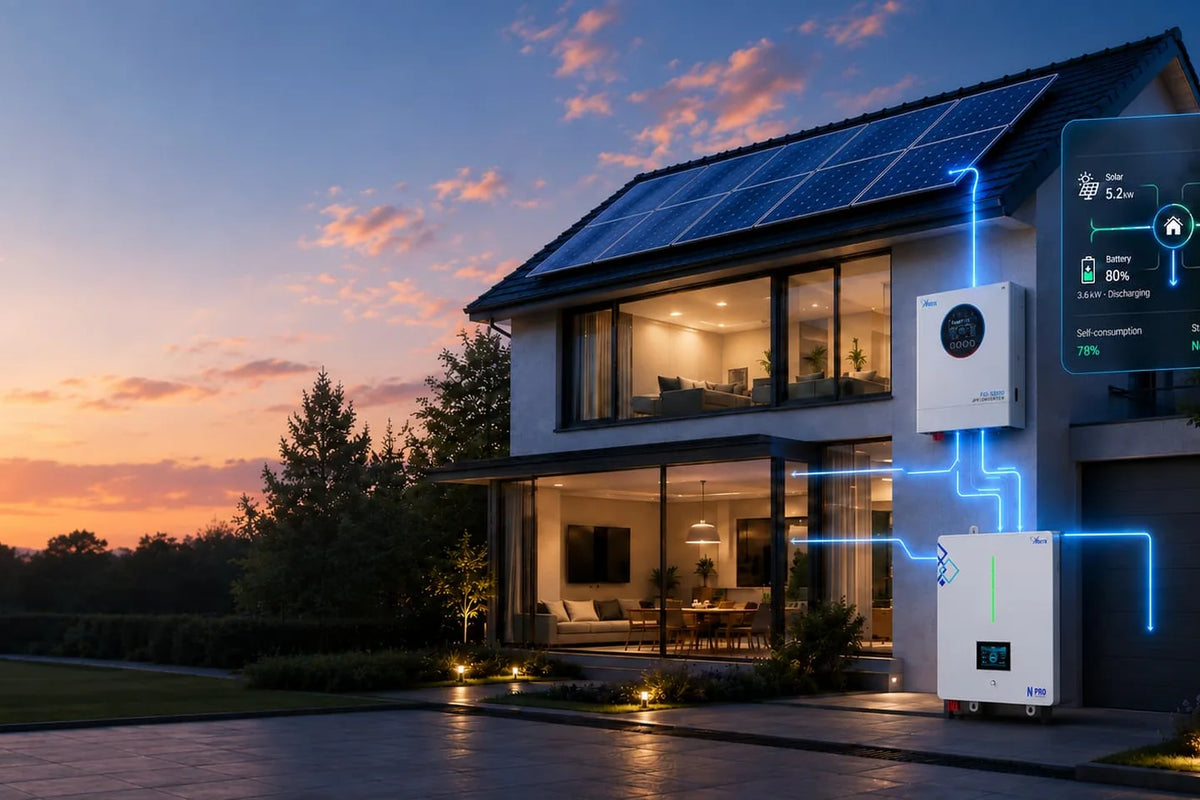
48V / 51.2V wall-mounted or floor-standing systems sized from household energy use and backup priorities.
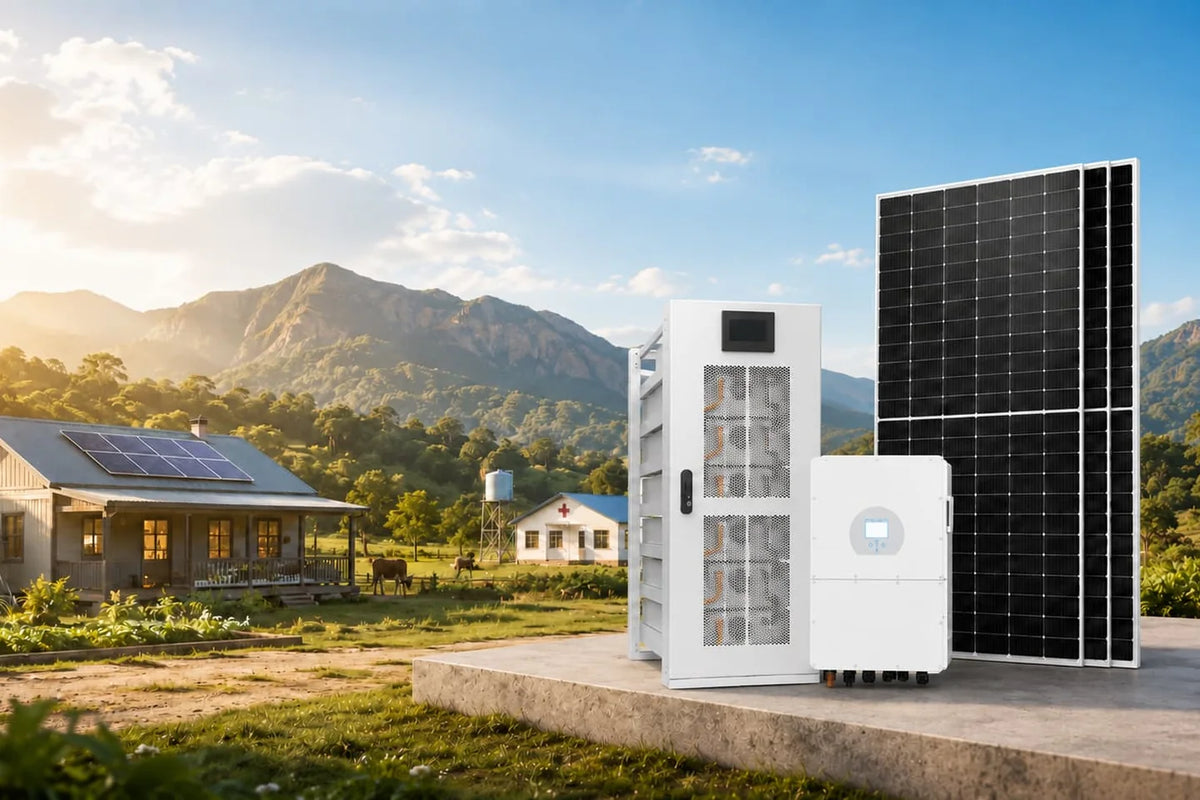
24V or 48V battery banks designed around daily consumption, solar production and required autonomy.
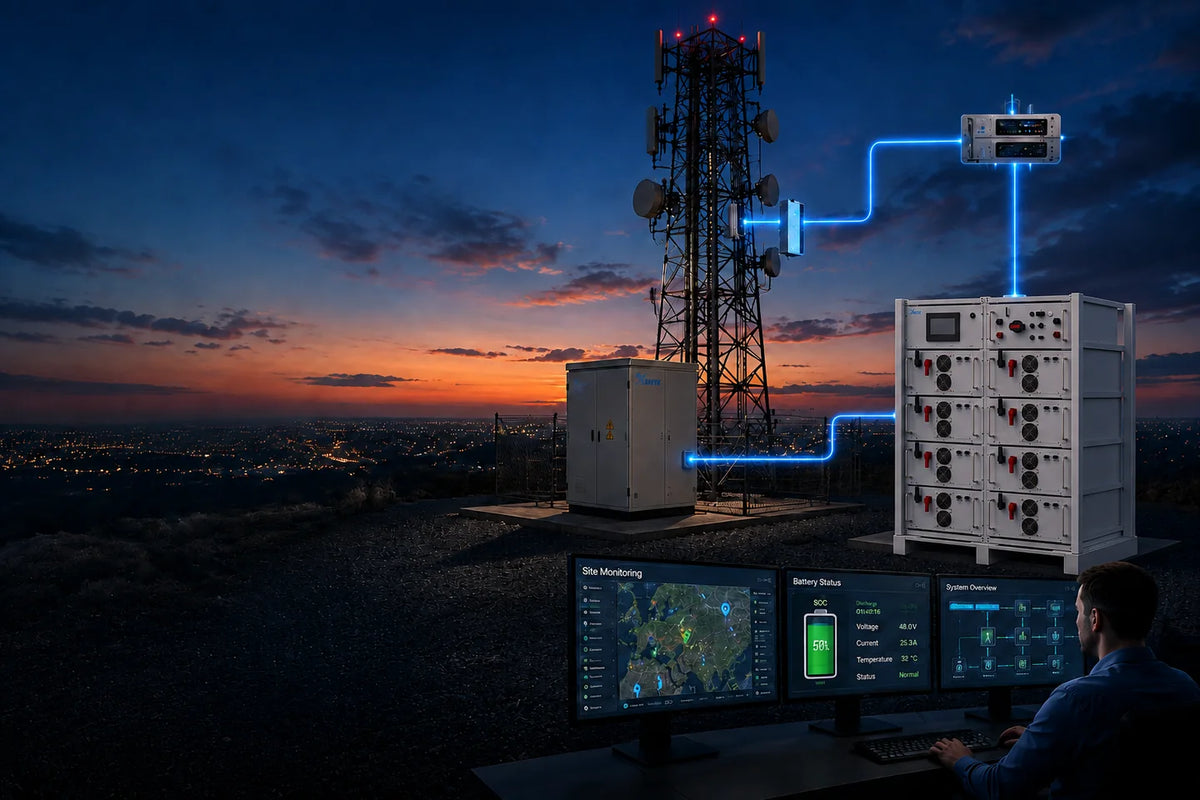
48V-class storage with suitable communication, cabinet integration and site-level protection.

Scalable battery options selected with the inverter, electrical design, certification and procurement requirements.
The best chemistry depends on the application; for stationary storage, LiFePO4 is often prioritized for cycle life and stable operation.
| Factor | LiFePO4 (LFP) | NMC / NCA lithium-ion | Lead-acid |
|---|---|---|---|
| Typical priority | Cycle life and stability | High energy density | Low initial cost |
| Stationary storage fit | Strong fit | Application-dependent | Traditional option |
| Usable depth | Generally deeper cycling | Model-dependent | Usually more limited |
| Maintenance | Low | Low | Varies by battery type |
| System requirement | BMS + compatible charger/inverter | BMS + compatible charger | Lead-acid charging profile |
Values vary by product design and operating conditions; always compare the exact datasheet and system requirements.
The BMS is part of the battery's control and protection layer; it does not replace correct system design or external protection.
Tracks cell voltage and pack status to keep operation within approved limits.
Helps prevent overcharge and over-voltage conditions.
Helps prevent excessive discharge and low-voltage conditions.
Responds to over-current or short-circuit conditions according to model design.
Monitors abnormal operating temperatures where supported by the battery design.
CAN, RS485 or other interfaces can exchange status with compatible inverters and controllers.
Confirm the electrical and communication architecture before ordering or installing a battery bank.
Match battery nominal and operating voltage to the inverter or DC load range.
Confirm charging voltage, current limits and lithium-compatible charge settings.
Size continuous and surge current against the inverter and connected loads.
Verify CAN / RS485 protocol compatibility when closed-loop communication is required.
Use only matching batteries and approved series or parallel configurations.
Plan cable sizing, fusing, ventilation, temperature range and service clearances.
Different buyers need different deliverables. The selection path should align with design, procurement and service responsibilities.
Match load studies, inverter architecture, installation details and documentation to the project scope.
Request project supportBuild a market-ready range by voltage, capacity and installation format, with clear model positioning.
Discuss distributionConfirm electrical compatibility, communication and commissioning requirements before site deployment.
Check a configurationThe planning brief identifies these company and project-support signals for B2B buyers.
Use the official download and inquiry paths for current model documentation, certificates and compatibility information.
Clear answers for early-stage battery and system selection.
It is a rechargeable lithium-ion battery using lithium iron phosphate cathode chemistry. It is widely used in stationary storage because it supports deep cycling, stable operation and long service life.
Yes. They are commonly configured for residential, commercial, off-grid and backup systems. The battery must still be matched to the inverter, charging profile and site conditions.
12V is commonly used for compact DC systems, 24V for mid-size loads and 48V / 51.2V for higher-power solar ESS. Choose from the complete electrical architecture rather than voltage alone.
Many models support parallel expansion, but the allowable unit count, matching requirements, BMS communication and protective devices are model-specific.
It monitors pack and cell conditions and supports protections such as overcharge, over-discharge, over-current and temperature protection. Functions vary by model.
Not automatically. Confirm voltage range, charger profile, inverter settings, current limits, cable sizing and physical installation before replacement.
Provide load power, daily energy use, backup duration, inverter model, solar array data, installation environment, expansion plan and destination-market documentation requirements.
Share the daily load profile, backup target, inverter model, installation environment and planned expansion. Anern can help narrow the suitable battery architecture and documentation path.