
01
When Energy Capacity Reaches the MWh Scale
Container architecture becomes increasingly relevant as battery capacity grows beyond cabinet-level deployment.
PROJECT SYSTEM / 01 CONTAINERIZED BESS
Modular containerized battery storage engineered for projects where energy capacity, deployment speed, system expansion and project-level integration matter as much as the battery itself.
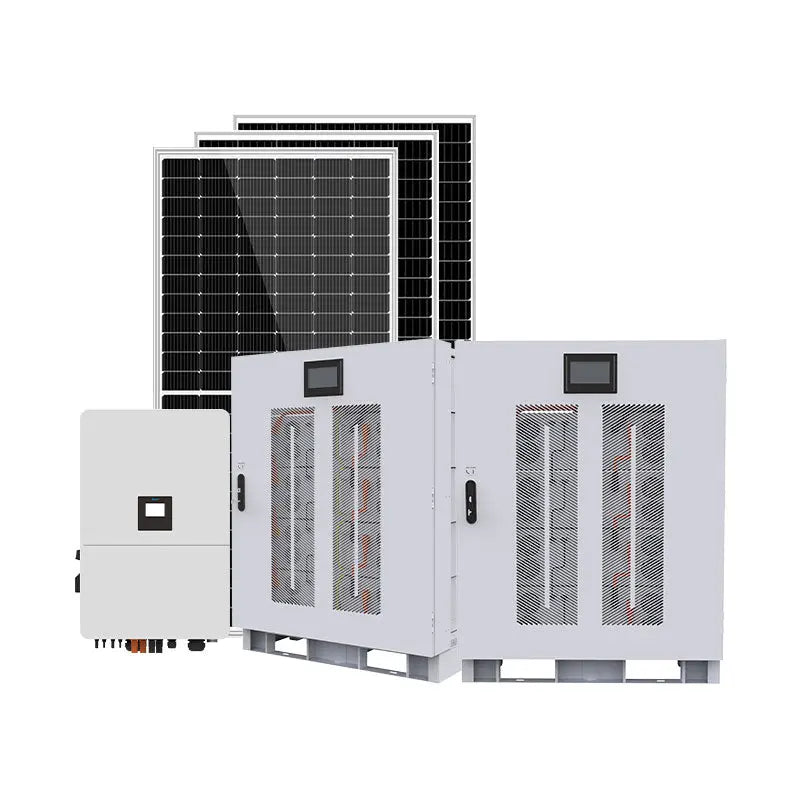
01 / SYSTEM DEFINITION
A container energy storage system packages battery racks, BMS, thermal management, fire-safety systems and supporting electrical equipment within a standardized enclosure suitable for large-scale stationary energy storage deployment.
Depending on project architecture, the PCS, EMS, transformer and switchgear may be integrated within the same container or installed as coordinated external equipment.
Integrated or coordinated externally
02 / DEPLOYMENT FIT
Container architecture becomes increasingly relevant as battery capacity grows beyond cabinet-level deployment.
Additional energy blocks can be planned as repeatable storage units.
Factory integration can reduce the amount of battery-module handling and subsystem assembly required at the project site.
Container layouts allow battery, electrical, cooling and safety systems to be engineered as a coordinated enclosure.
03 / SYSTEM ARCHITECTURE
Select a subsystem to trace its role across the container architecture.
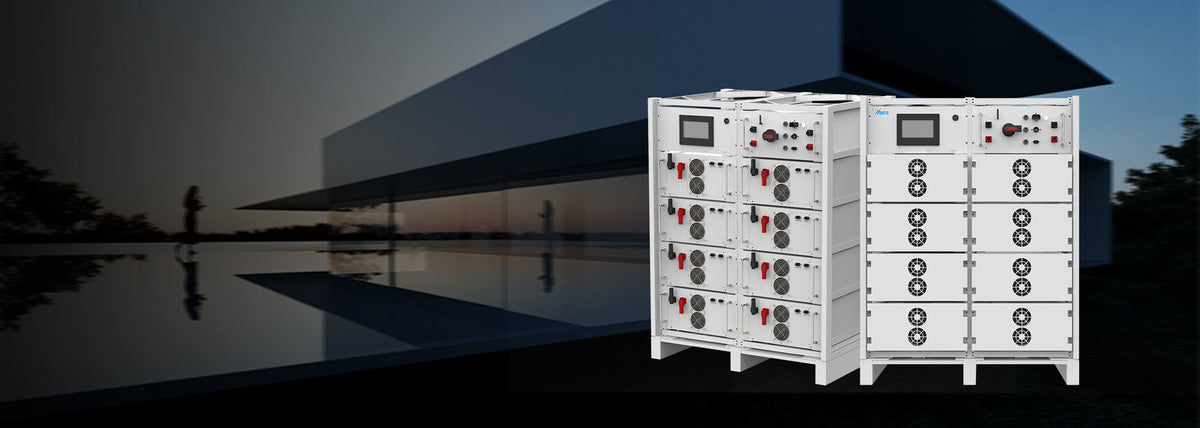
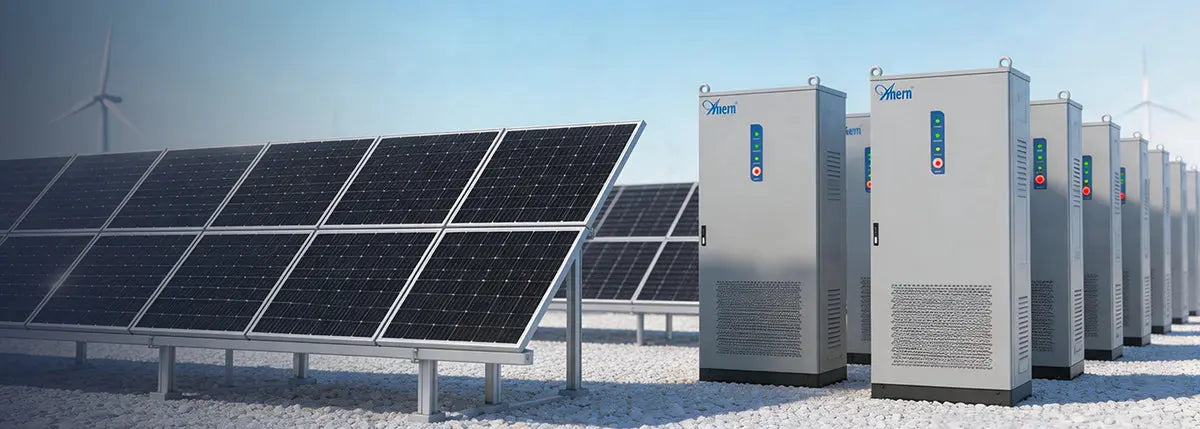
04 / LAYERED PROTECTION
Voltage and temperature supervision starts at battery level.
Faults should be identified and isolated as close to their source as practical.
Cooling design helps control temperature distribution across battery racks.
Detection, alarm, ventilation, suppression and enclosure design must be coordinated according to system and installation requirements.
Project-level protection must consider DC isolation, AC protection, emergency shutdown and interfaces with site fire-safety systems.
05 / MARKET ENTRY
Select a market to highlight its key project considerations. Final requirements depend on the product model, installation and local authority.
Battery safety, CE-related electrical requirements, grid connection, fire/environmental requirements
| Market | Key Compliance Considerations |
|---|---|
| EU | Battery safety, CE-related electrical requirements, grid connection, fire/environmental requirements |
| UK | Battery/system documentation plus applicable UK electrical and grid requirements |
| USA | UL 9540 system certification, UL 9540A fire testing where applicable, NFPA/IFC/AHJ requirements, utility interconnection |
| Australia / NZ | Battery/inverter safety, AS/NZS installation and grid requirements |
| Middle East | IEC-based technical specifications + local authority / utility requirements |
| Africa | IEC-based tender requirements, grid specifications and transport documentation |
| Latin America | Country-specific utility, electrical and fire requirements |
06 / DIRECT MANUFACTURER
Approximate production base
R&D professionals supporting product and system development
Anern operates a production base of approximately 30,000 m² rather than functioning purely as a sales intermediary.
Battery, inverter, PV and energy-storage products can be coordinated within one supplier ecosystem.
100+ R&D professionals support product and system development.
System configuration can be developed according to destination market, capacity and project requirements.
Provide available technical and compliance documentation according to product model.
07 / PROJECT DELIVERY
Load, grid, PV/wind, power and energy requirement.
Container quantity, PCS block, AC/DC coupling and transformer architecture.
SLD, communication interfaces, grid and safety requirements.
Manufacturing, integration and project acceptance documentation.
Logistics planning, site installation and system commissioning support.
Send Us Your SLD or Project Specification
08 / PROJECT QUESTIONS
Technical answers for early-stage planning and quotation preparation.
Ask a project engineerA battery energy storage system installed in a standardized container-style enclosure containing battery racks and supporting control, cooling and protection systems.
Cabinet ESS is typically used for smaller C&I projects; containerized architecture is better suited to larger modular battery blocks and multi-MWh projects.
It depends on the architecture. PCS may be integrated or externally installed as a coordinated AC block.
Yes, modular BESS architecture can allow additional storage blocks, subject to PCS, transformer, grid and site capacity.
Both air and liquid cooling are used in the market. Anern’s current integrated C&I portfolio includes liquid-cooled products; final container configuration should be confirmed per project.
Required MW/MWh, duration, grid voltage, SLD, PV/wind capacity, site conditions, operating strategy, compliance requirements and project location.