MID-VOLTAGE SOLAR & OFF-GRID STORAGE

24V / 25.6V LiFePO4 Battery

High-performance 25.6V lithium iron phosphate battery systems built for solar storage, off-grid power and professional energy projects where 12V current is too high and 48V is unnecessary.

CONFIGURATION VIEWA practical middle voltage for medium loads.25.6V nominal · 5.12kWh available
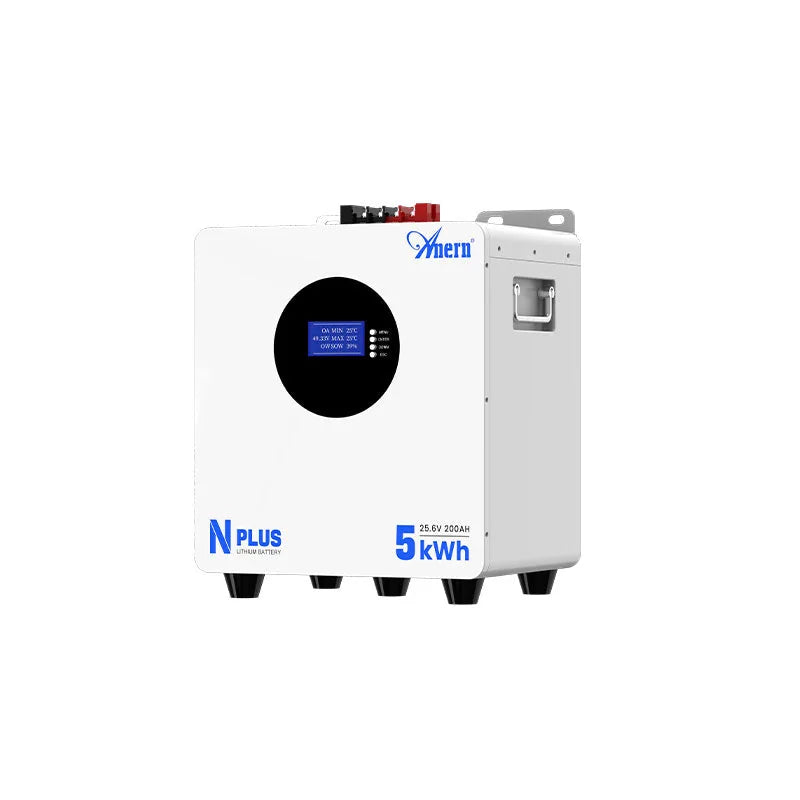
200Ah 25.6V 5Kwh Lifepo4 Battery
ANERN LFP SERIES25.6V 200Ah
Wall-mounted 25.6V 200Ah LiFePO4 solar battery with BMS display and blue accents
ANERN LFP SERIES5.12kWh Wall-Mounted
25.6VNominal voltage
5.12kWhAvailable energy option
200A BMSModel-specific protection
6000+ CyclesPlanned product positioning
24V PRODUCT RANGE

Choose Your 24V LiFePO4 Battery

Two 25.6V 200Ah configurations for wall-mounted or general solar-energy storage.

View all products
Wall-mounted 25.6V 200Ah LiFePO4 solar battery with BMS display and blue accents LiFePO4 Battery

25.6v 200ah Wall-Mounted Solar LiFePo4 Battery

The 25.6V 200Ah solar liFePO4 battery offers a high-capacity, compact, and efficient energy storage solution designed to meet the demands of solar energy systems for both reside…

25.6V200AhWall-mounted
View product
200Ah 25.6V 5Kwh Lifepo4 Battery LiFePO4 Battery

200Ah 25.6V 5Kwh Lifepo4 Battery

This 24V 200Ah lithium ion battery pack is a high-performance deep cycle lithium battery designed for solar power storage, residential backup systems, RVs, marine use, and off-g…

25.6V200Ah5.12kWh
View product
Wall-mounted white LiFePO4 solar battery with digital display and blue-green accents
25.6v 200ah Wall-Mounted Solar LiFePo4 Battery
24V PLATFORM

What Is a 24V LiFePO4 Battery?

8 × 3.2V = 25.6VTypical eight-cell nominal architecture

A 24V LiFePO4 battery is designed for a nominal 24V-class system. Many packs use eight LiFePO4 cells in series, giving approximately 25.6V nominal voltage.

Choose this architecture when a 12V system would draw excessive current but the intended load and inverter do not require a 48V battery bank. Common uses include medium off-grid solar, residential backup and custom energy projects.

CAPACITY PLANNING

Choose the Right 24V LiFePO4 Battery Capacity

Scale nominal energy while retaining a 24V-class system architecture.

BATTERY OPTION100Ah2.56kWh

Small off-grid loads, compact backup and solar systems.

BATTERY OPTION120Ah3.07kWh

Medium daily loads and custom equipment projects.

BATTERY OPTION200Ah5.12kWh

Residential solar, off-grid homes and larger backup.

BATTERY OPTIONMultiple Units10kWh+

Expandable storage where a 24V architecture must be retained.

Expansion support and maximum unit count depend on the selected model and BMS architecture.

WHY 24V

Why Choose a 24V LiFePO4 Battery System?

01

Lower Current than 12V

At the same power, a 24V system draws roughly half the current of a comparable 12V system.

02

Practical 5kWh Class

A 25.6V 200Ah configuration provides about 5.12kWh nominal energy.

03

Smart BMS Protection

Integrated monitoring helps manage charge, discharge, current and temperature limits.

04

Flexible Installation

Wall-mounted and project-oriented formats support different space and service requirements.

CHARGING & COMPATIBILITY

24V LiFePO4 Charging Voltage & Inverter Compatibility

A typical eight-cell pack may charge to approximately 29.2V, but the exact product specification always takes priority.

Discuss Compatibility

DC Operating Range

Confirm the inverter accepts the battery's minimum, nominal and maximum voltage.

Charge Voltage

Use the battery manufacturer's specified charge voltage and lithium profile; do not rely on a generic value.

Current Limits

Coordinate BMS charge/discharge limits with inverter and solar-controller settings.

Communication

Check CAN or RS485 protocol compatibility where closed-loop control is required.

Protection

Size DC isolators, fuses, cable and grounding for the calculated current and fault level.

SYSTEM VOLTAGE GUIDE

12V vs 24V vs 48V LiFePO4 Battery

Select voltage from the DC architecture, inverter operating range and load current—not from energy capacity alone.

Voltage classTypical scaleCommon fitDesign note
12V / 12.8VSmall DC loadsPortable, compact and low-power systemsHigher current at equal power
24V / 25.6VMedium DC loadsOff-grid homes and mid-size backupLower current than 12V
48V / 51.2VSolar ESSHome storage, telecom and larger systemsEfficient for higher-power loads

Final selection must be checked against the exact battery, inverter, charger, cable and protection specifications.

B2B SUPPLY

24V LiFePO4 Batteries for Installers, Distributors & OEM Projects

Use the system definition and destination-market requirements to structure the inquiry.

Installers

Confirm inverter compatibility, protection, cabling and commissioning settings.

Distributors

Position 24V battery options by capacity, enclosure and target application.

EPC & OEM Teams

Align technical documentation, labels, interfaces, packaging and delivery with the project scope.

24V BATTERY FAQ

Frequently Asked Questions About 24V LiFePO4 Batteries

Ask a Technical Question
Why is a 24V LiFePO4 battery often rated at 25.6V?

Eight LiFePO4 cells at about 3.2V nominal each produce approximately 25.6V. The market still commonly calls this a 24V-class battery.

How much energy does a 25.6V 200Ah battery store?

Nominal energy is approximately 5.12kWh before accounting for operating limits, reserve, temperature and conversion losses.

When should I choose 24V instead of 12V?

24V can reduce DC current for the same power and is often practical for medium loads. Use the inverter architecture and cable-current calculations to decide.

Can 24V batteries be connected in parallel?

Yes for models that explicitly support it. Match model, firmware, age and state-of-charge, and follow the stated maximum unit count.

Can two 24V batteries make a 48V bank?

Only if the specific batteries permit series operation and the inverter, BMS and protection design support the resulting voltage.

What charger should I use?

Use a lithium-compatible charger whose voltage and current settings match the exact battery datasheet. A generic 24V lead-acid profile may not be suitable.

What should a B2B buyer confirm?

Confirm specifications, communication protocol, approvals, warranty, technical files, packaging, MOQ, delivery and after-sales support for the intended market.

START YOUR BATTERY REVIEW

Match Your Battery to the Complete Energy System

Share the system voltage, daily energy demand, inverter model, installation environment and required backup duration for a project-based recommendation.

Discuss Your Battery Project