
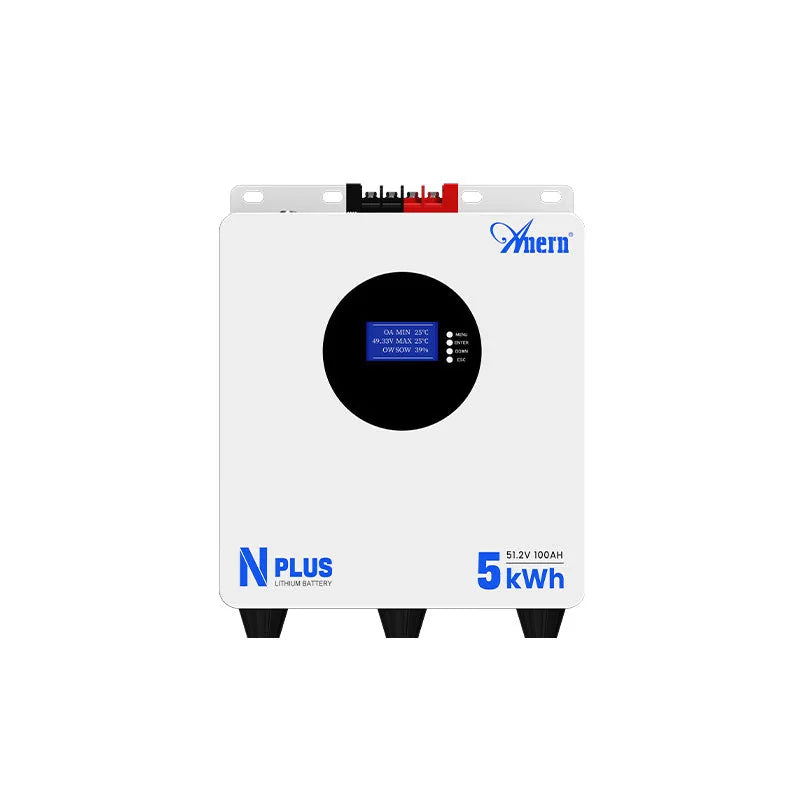
 LiFePO4 Battery
51.2V 100Ah 5kWh LFP Battery
The 5kWh solar battery is engineered for high-efficiency solar energy storage and reliable backup power. Built with premium-grade LFP cells, intelligent BMS, and long-cycle dura…
View productAnern 48V LiFePO4 batteries use the widely adopted 51.2V nominal architecture for solar and stationary energy storage, with approximately 5kWh to 16kWh options in flexible installation formats.
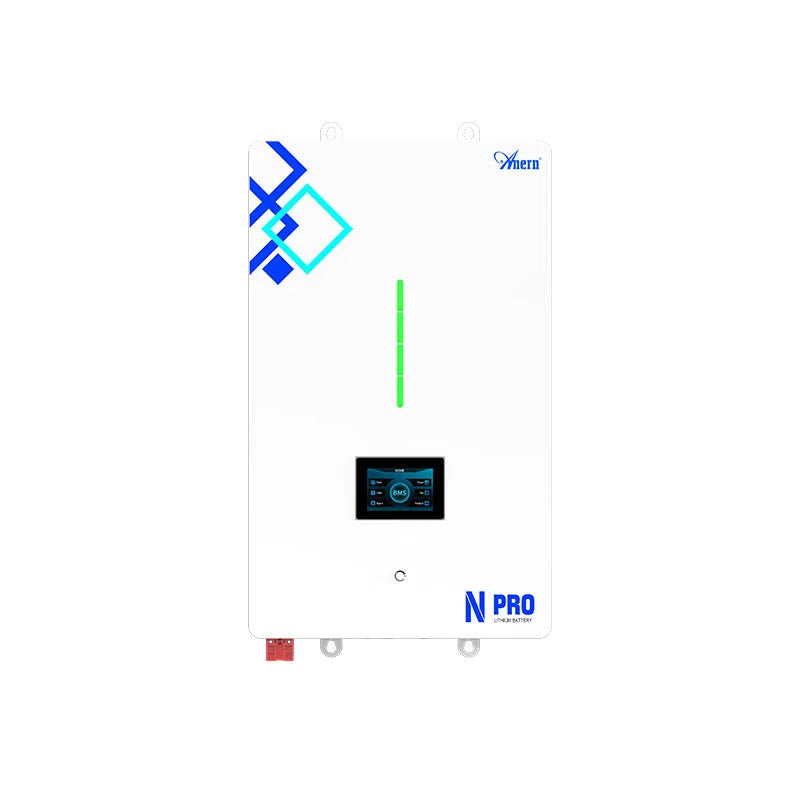
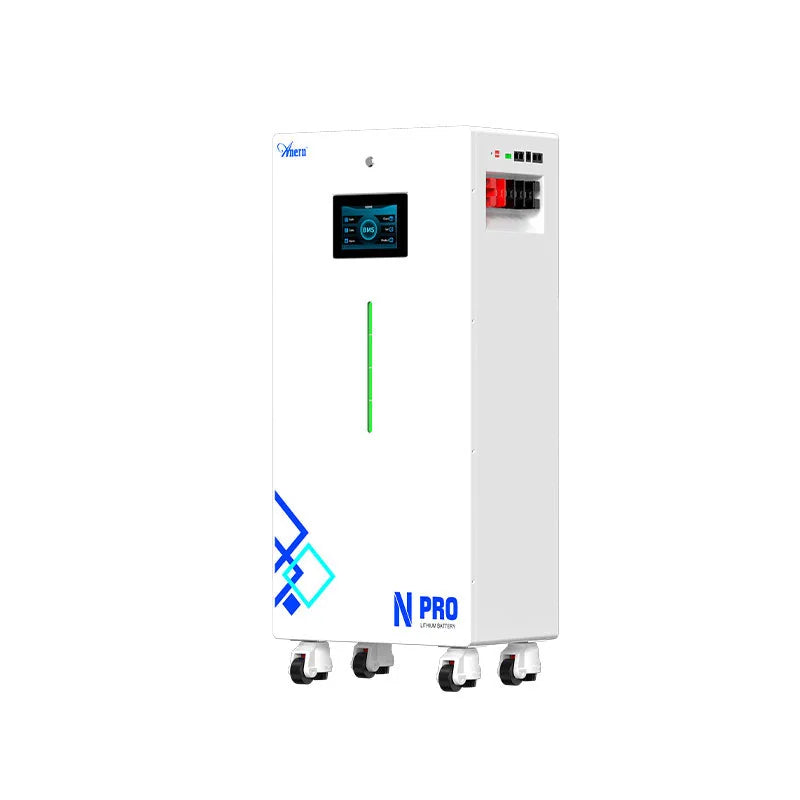
Compare energy capacity and installation format while retaining a common 51.2V-class system platform.
LiFePO4 Battery
The 5kWh solar battery is engineered for high-efficiency solar energy storage and reliable backup power. Built with premium-grade LFP cells, intelligent BMS, and long-cycle dura…
View product LiFePO4 Battery
The 51.2V 100Ah solar lithium LiFePO4 battery is designed to provide high-capacity energy storage for solar power systems. With LiFePO4 technology, this battery delivers long-la…
View product
LiFePO4 Battery
The 51.2V 200Ah wall mounted lithium battery is a high-performance 10.24kWh LiFePO4 solar battery, ideal for residential, commercial, and hybrid solar systems. Featuring advance…
View product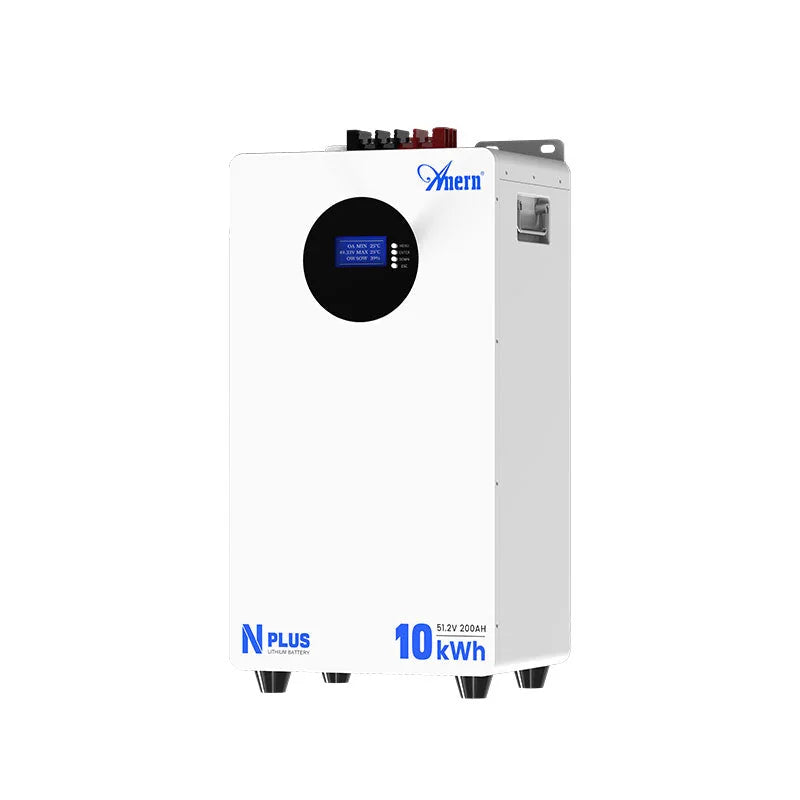 LiFePO4 Battery
The 10kWh wall-mounted battery is a premium energy storage solution designed for residential solar systems and off-grid applications. Using high-safety LiFePO4 cells, it deliver…
View product
LiFePO4 Battery
51.2V 300AH lithium battery is a high-capacity energy storage solution designed for residential, commercial, and industrial power applications. With a usable energy of 15.36kWh,…
View product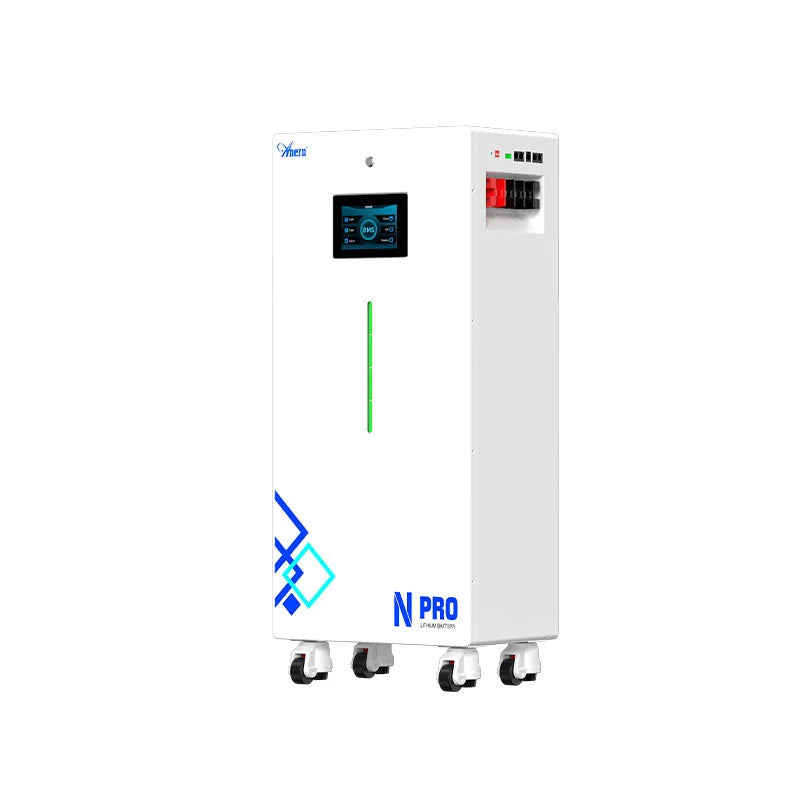 LiFePO4 Battery
This 51.2V 314Ah (16.07kWh) LiFePO4 battery pack uses brand-new Grade A cells and a smart BMS to replace short-lived lead-acid and unstable lithium alternatives. Designed for re…
View product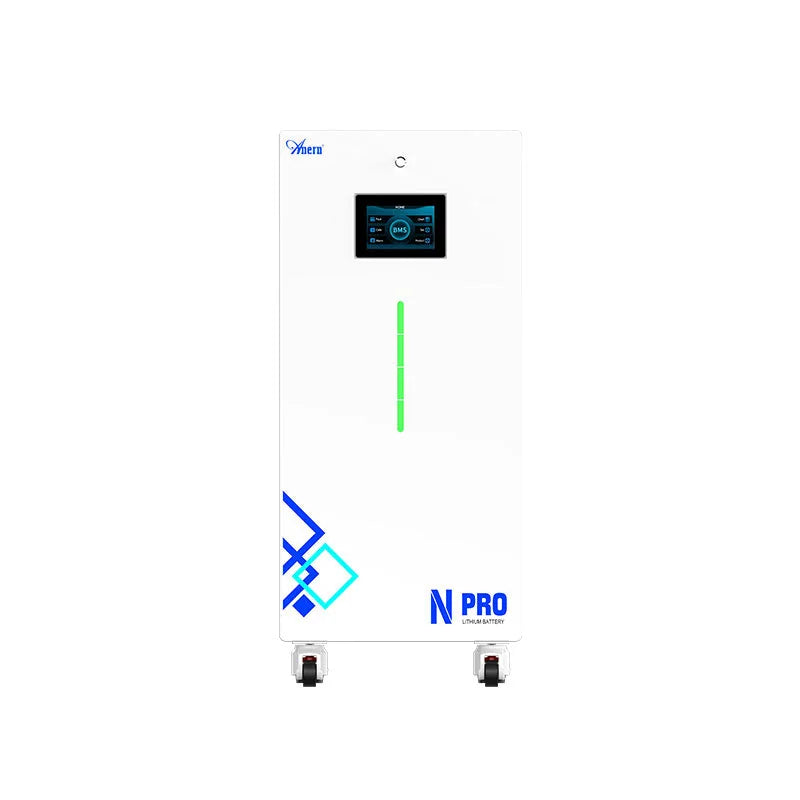 LiFePO4 Battery
51.2V 314Ah LiFePO4 battery uses high-quality Grade-A prismatic cells. They feature high energy density, steady performance and strong power output. The integrated 200A BMS offe…
View product
“48V LiFePO4 battery” commonly describes a battery class built from sixteen LiFePO4 cells in series. At approximately 3.2V nominal per cell, the resulting pack is rated at about 51.2V.
This architecture is widely paired with 48V-class hybrid and off-grid inverters. Compatibility must be confirmed from the complete operating-voltage range, charge current, discharge current and BMS protocol—not the nominal label alone.
Use daily energy, peak power, backup duration and planned expansion to define the correct capacity tier.
Compact home solar, essential-load backup and modular entry systems.
Residential solar storage and longer whole-home backup targets.
Larger homes, higher daily demand and small commercial applications.
High-energy residential, off-grid and project-oriented storage.
Nominal capacity is not the same as usable delivered energy; include reserve, conversion loss, power limits and environmental derating.
Installation format affects wall space, service access, modularity and project expansion.
The 51.2V platform is a common fit for systems with higher inverter power and larger daily energy demand.
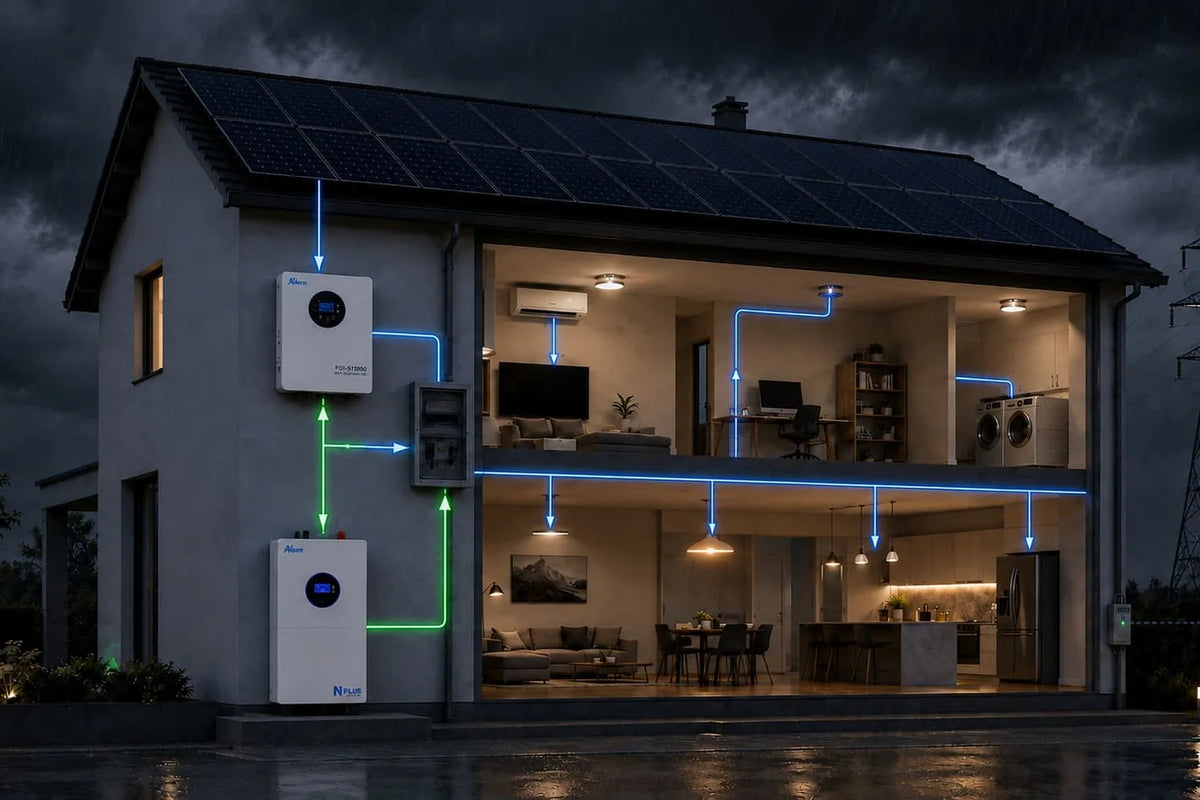
Store daytime solar energy for night use, backup and improved self-consumption.
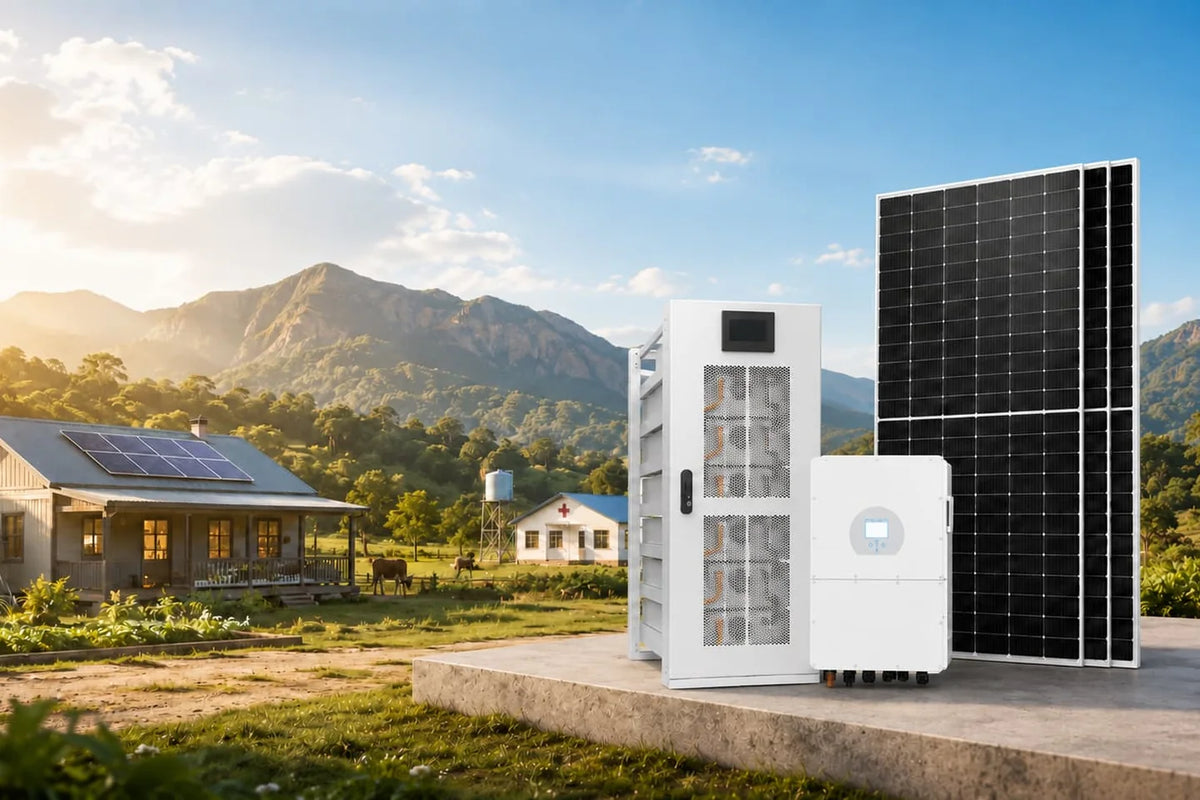
Support homes, farms and remote properties where autonomy and load planning are critical.
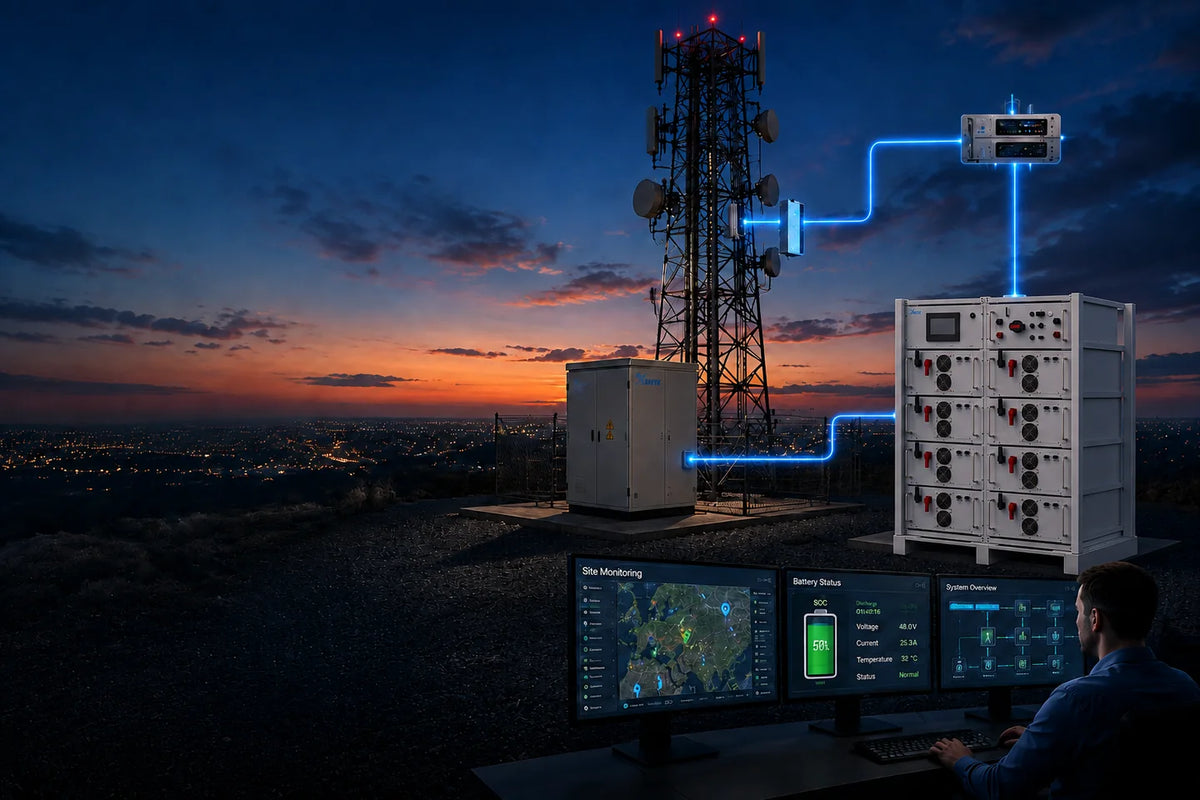
Integrate with site power, monitoring and compatible communications for network resilience.
A safe installation depends on coordinated electrical design, mechanical placement and commissioning.
Provide a dry, stable location with required temperature range, ventilation and service clearance.
Check operating voltage, charge current, discharge current and supported battery protocol.
Select isolators, fuses, busbars and cable sizes from calculated current and fault conditions.
Route and terminate CAN or RS485 cabling exactly as specified by both manufacturers.
Apply approved charge, discharge, reserve and low-voltage settings before loading the system.
Use matching models, firmware and approved unit count when building a larger bank.
Select voltage from the DC architecture, inverter operating range and load current—not from energy capacity alone.
| Voltage class | Typical scale | Common fit | Design note |
|---|---|---|---|
| 12V / 12.8V | Small DC loads | Portable, compact and low-power systems | Higher current at equal power |
| 24V / 25.6V | Medium DC loads | Off-grid homes and mid-size backup | Lower current than 12V |
| 48V / 51.2V | Solar ESS | Home storage, telecom and larger systems | Efficient for higher-power loads |
Final selection must be checked against the exact battery, inverter, charger, cable and protection specifications.
Move from application needs to a verified system architecture in five steps.
Define home, telecom, off-grid or backup use and identify the critical loads.
Use daily kWh and required backup hours or days, then include reserve and losses.
Check continuous power, surge loads and charge/discharge current.
Choose 5, 10, 15 or 16kWh and wall, rack or floor installation.
Confirm protocol, certification, expansion, environment and procurement documents.
It is commonly referred to as a 48V-class battery. Sixteen 3.2V nominal LiFePO4 cells produce approximately 51.2V nominal voltage.
The planned range covers approximately 5kWh, 10kWh, 15kWh and 16kWh configurations in several installation formats.
No. Confirm the complete voltage window, charge/discharge current, power, low-voltage cutoffs and CAN or RS485 protocol compatibility.
Wall-mounted batteries save floor space, floor-standing batteries concentrate higher capacity, and rack or modular formats support organized expansion and service access.
Many models support parallel expansion, but only within their published unit count, matching and communication requirements.
Calculate daily energy and peak power, define backup duration, allow for conversion losses and reserve, then verify the battery current and inverter compatibility.
Share the system voltage, daily energy demand, inverter model, installation environment and required backup duration for a project-based recommendation.