HIGH-CAPACITY HOME & SOLAR STORAGE

10kWh Lithium Battery

High-capacity 10kWh lithium battery storage for efficient solar energy use, reliable home backup and scalable 48V-class energy systems.

CONFIGURATION VIEWA practical residential storage middle ground.51.2V 200Ah · wall or rack-compatible formats
White wall mounted 10kWh 51.2V 200Ah LiFePO4 solar battery with display
ANERN LFP SERIES10kWh Wall-Mounted
White wall-mounted 51.2V 200Ah LiFePO4 solar battery with smart BMS and display
ANERN LFP SERIES51.2V 200Ah
10kWhHigh-capacity storage
10–15 YearsModel-specific stated lifespan
Smart BMSStable battery management
ScalableFlexible expansion & setup
10KWH PRODUCT RANGE

Choose Your 10kWh Lithium Battery

Two official 51.2V 200Ah options for residential and project-based energy storage.

View all products
White wall mounted 10kWh 51.2V 200Ah LiFePO4 solar battery with display LiFePO4 Battery

10kWh 51.2V 200AH Wall Mounted Solar Battery

The 10kWh wall-mounted battery is a premium energy storage solution designed for residential solar systems and off-grid applications. Using high-safety LiFePO4 cells, it deliver…

51.2V200Ah10kWh
View product
White wall-mounted 51.2V 200Ah LiFePO4 solar battery with smart BMS and display LiFePO4 Battery

51.2v 200ah Wall-Mounted Lithium Solar Batteries

The 51.2V 200Ah wall mounted lithium battery is a high-performance 10.24kWh LiFePO4 solar battery, ideal for residential, commercial, and hybrid solar systems. Featuring advance…

51.2V200AhWall-mounted
View product
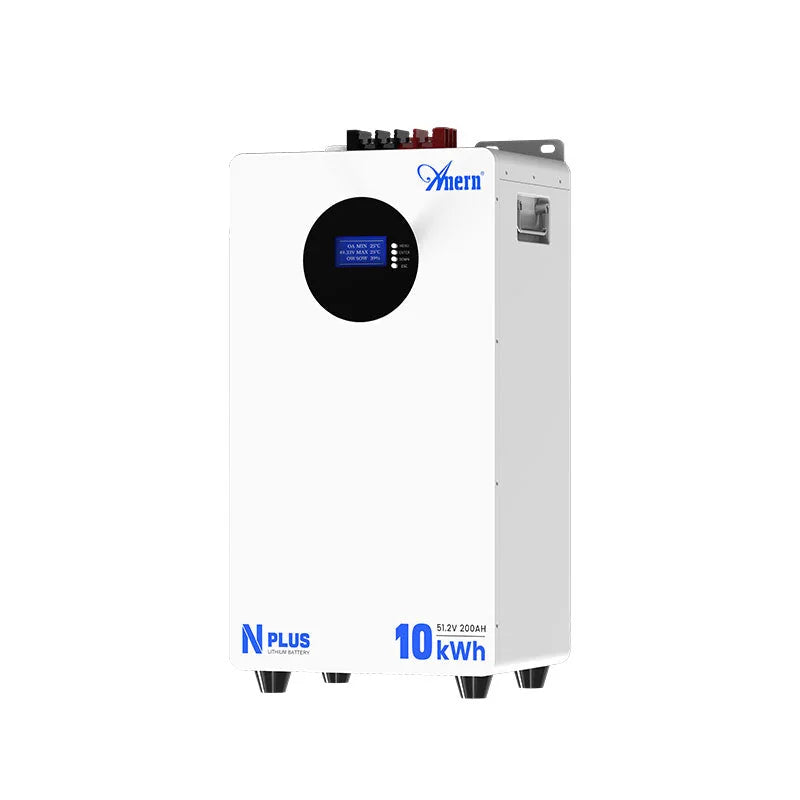
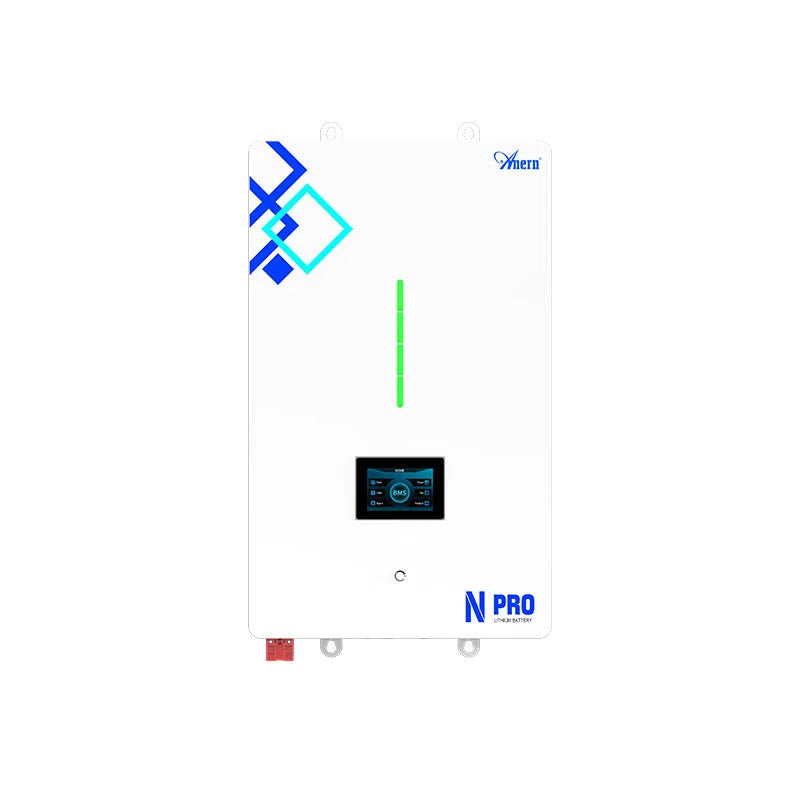
White 10kWh wall mounted LiFePO4 solar battery with circular LCD display and blue N PLUS branding
10kWh 51.2V 200AH Wall Mounted Solar Battery
CAPACITY EXPLAINED

What Is a 10kWh Lithium Battery?

51.2V × 200Ah = 10.24kWhCommon nominal configuration

A 10kWh lithium battery is a lithium iron phosphate energy-storage battery with approximately ten kilowatt-hours of nominal energy. It is designed for residential solar storage, home backup and off-grid systems.

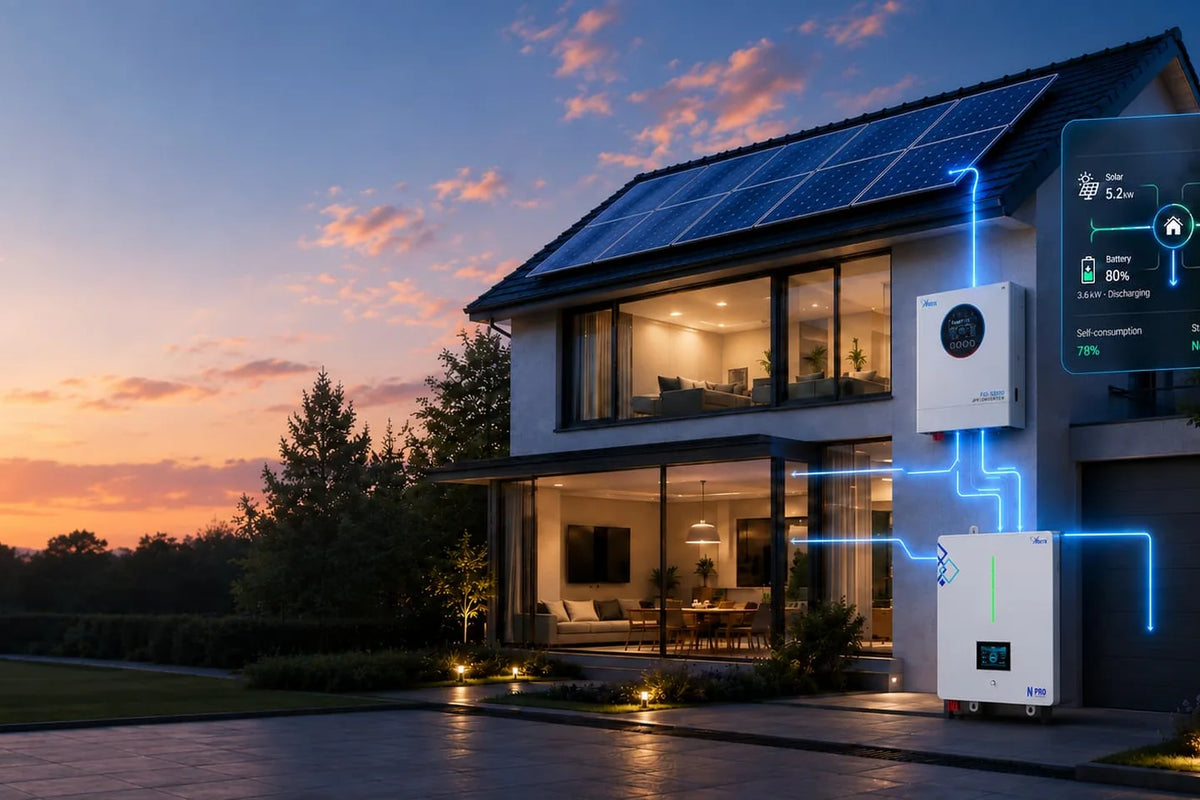
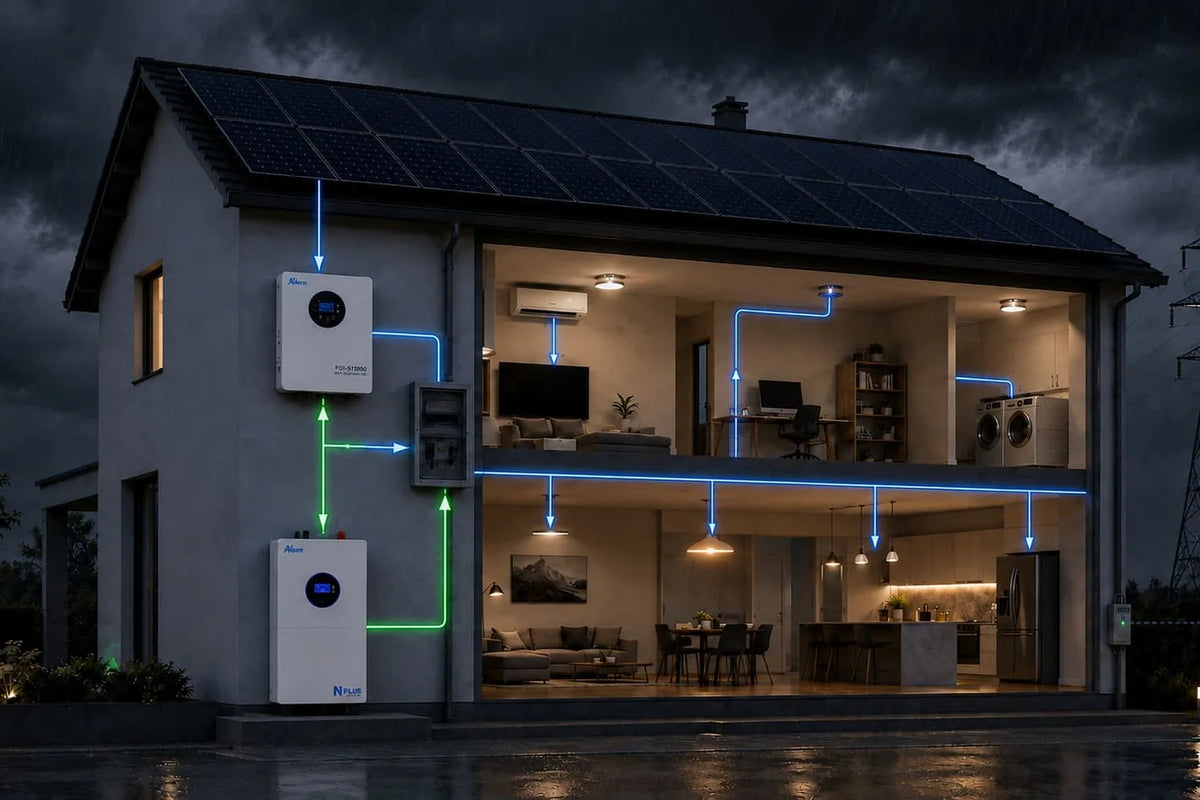
A common 48V-class configuration is 51.2V 200Ah. The battery can store excess daytime solar energy and supply compatible loads when generation is unavailable; matching units may be expanded where the model permits.

FORMAT SELECTION

Choose the Right 10kWh Lithium Battery Configuration

The same nominal capacity can be packaged for different installation and service strategies.

ModelTypical capacityBest suited for
10kWh battery48V / 200Ah classHome solar, backup and off-grid systems
10kWh rack battery51.2V 200AhHome ESS, UPS, telecom and small commercial systems
10kWh wall-mounted51.2V 200AhResidential solar and space-efficient home backup

Confirm enclosure, mounting, service access, protocol and expansion rules for the selected model.

CORE ADVANTAGES

Why Choose a 10kWh Lithium Battery System?

A 10kWh class system combines meaningful residential energy with manageable installation space.

01

10kWh Energy Reserve

Supports longer residential backup and larger daily solar shifting than a 5kWh system.

02

51.2V 200Ah Platform

A common 48V-class architecture for hybrid and off-grid energy systems.

03

Stable LFP Chemistry

Selected for stationary energy storage and repeatable cycling.

04

Smart BMS Protection

Monitors battery status and key abnormal operating conditions.

05

Long Service Life

The planned Anern 10kWh model positioning specifies a 10–15 year lifespan under appropriate conditions.

06

Flexible Expansion

Compatible units can increase total storage as energy requirements grow.

07

Smart Communication

Supported RS232, RS485 and CAN interfaces aid compatible system monitoring.

08

Compact Installation

Wall-mounted and rack-compatible approaches support different project spaces.

INVERTER & CHARGER MATCHING

Match a 10kWh Battery with the Power System

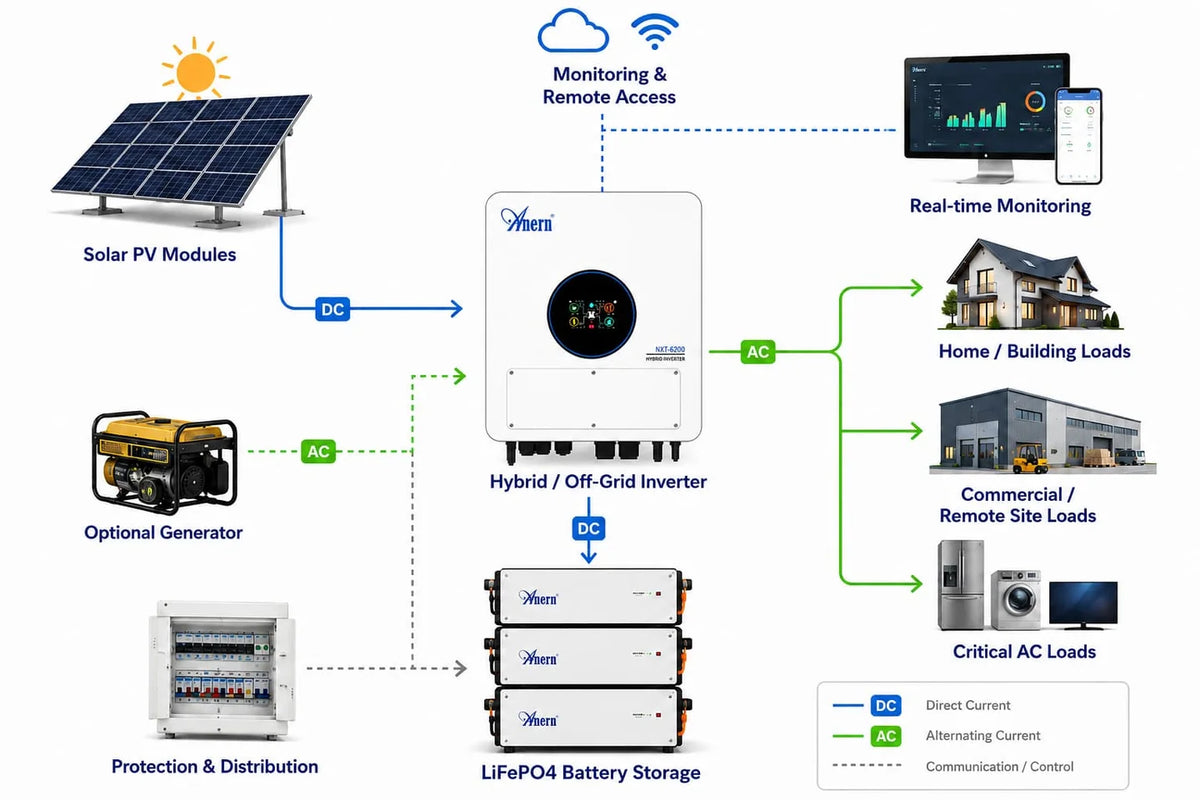
A 10kWh battery should normally be paired with a compatible 48V-class hybrid, off-grid or solar inverter.

Discuss Compatibility

Voltage Range

Confirm the inverter's full DC battery operating and charging window.

Power Rating

Check continuous and surge loads against both inverter and BMS discharge limits.

Charge Current

Coordinate inverter and solar-controller charging current with the battery specification.

BMS Communication

Verify RS485 or CAN protocol and cable pinout where closed-loop control is needed.

Future Expansion

Check the maximum number of units, firmware matching, busbar and protection requirements.

SYSTEM VOLTAGE GUIDE

12V vs 24V vs 48V LiFePO4 Battery

Select voltage from the DC architecture, inverter operating range and load current—not from energy capacity alone.

Voltage classTypical scaleCommon fitDesign note
12V / 12.8VSmall DC loadsPortable, compact and low-power systemsHigher current at equal power
24V / 25.6VMedium DC loadsOff-grid homes and mid-size backupLower current than 12V
48V / 51.2VSolar ESSHome storage, telecom and larger systemsEfficient for higher-power loads

Final selection must be checked against the exact battery, inverter, charger, cable and protection specifications.

PROJECT SELECTION

How to Choose the Right 10kWh Battery

For B2B projects, begin with the use case rather than nominal capacity alone.

01

Define the Application

Residential solar, backup, off-grid or selected commercial loads.

02

Match System Voltage

Confirm that a 51.2V 200Ah architecture fits the inverter and DC design.

03

Check Inverter & BMS

Verify current, power and protocol compatibility.

04

Select Installation Design

Choose wall-mounted, rack-compatible or another approved format.

05

Plan Future Expansion

Reserve space, protection and communication for compatible parallel units.

06

Confirm B2B Requirements

Review certificates, warranty, documentation, packaging, MOQ, delivery and support.

10KWH BATTERY FAQ

Frequently Asked Questions About 10kWh Lithium Batteries

Ask a Technical Question
What is a 10kWh lithium battery?

It is an LFP energy-storage battery with approximately 10kWh nominal capacity. A common configuration is 51.2V 200Ah, or about 10.24kWh nominal.

How long can a 10kWh battery provide power?

A 1kW load is theoretically about ten hours before losses and reserve; a 2kW load is about half that. Actual runtime depends on inverter loss, BMS limits, temperature and load variation.

Is 10kWh suitable for home solar storage?

Yes for many households with moderate-to-higher energy use or longer backup requirements, provided the system is sized from real loads and paired with a compatible inverter.

What is the difference between 48V 200Ah and 51.2V 200Ah?

Their nominal energy is about 9.6kWh and 10.24kWh respectively. The exact operating range must match the inverter; the market often groups both as 48V-class systems.

Can multiple 10kWh batteries be connected together?

Yes where supported. Two compatible 51.2V 200Ah units can provide roughly 20kWh nominal in parallel, subject to the product's matching and protection rules.

What inverter is suitable?

Use a compatible 48V-class hybrid, off-grid or solar inverter with suitable power, DC range, current and BMS communication protocol.

What is the typical lifespan?

The planned 10kWh wall-mounted model specifies 10–15 years under appropriate conditions. Actual life varies with cycling, temperature, current, settings and storage.

What should I check before buying?

Review voltage, Ah, current, BMS, inverter protocol, format, expansion, certifications, warranty, technical documentation and support.

START YOUR BATTERY REVIEW

Match Your Battery to the Complete Energy System

Share the system voltage, daily energy demand, inverter model, installation environment and required backup duration for a project-based recommendation.

Discuss Your Battery Project