










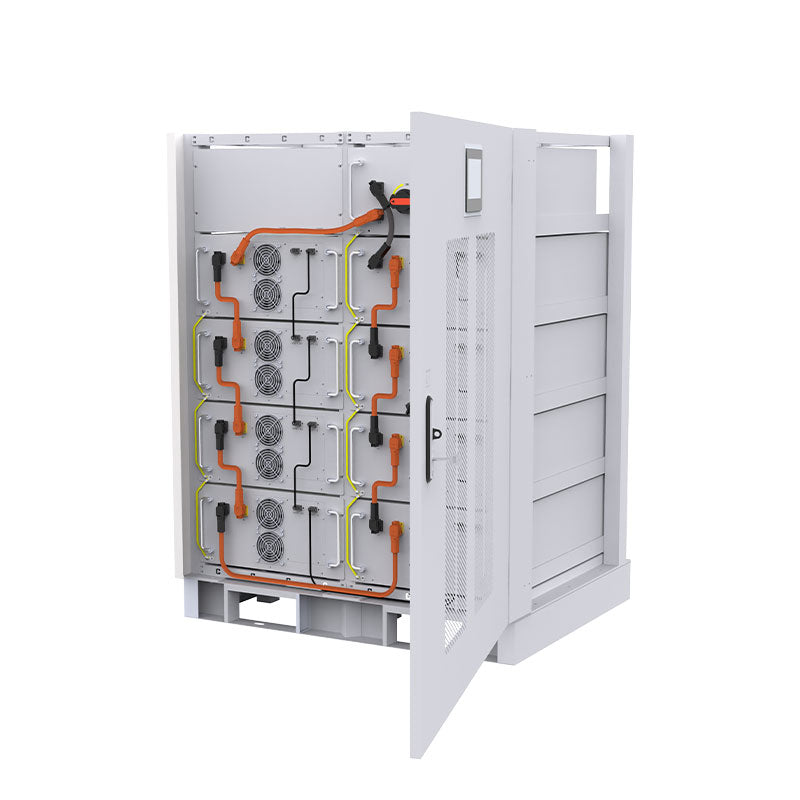

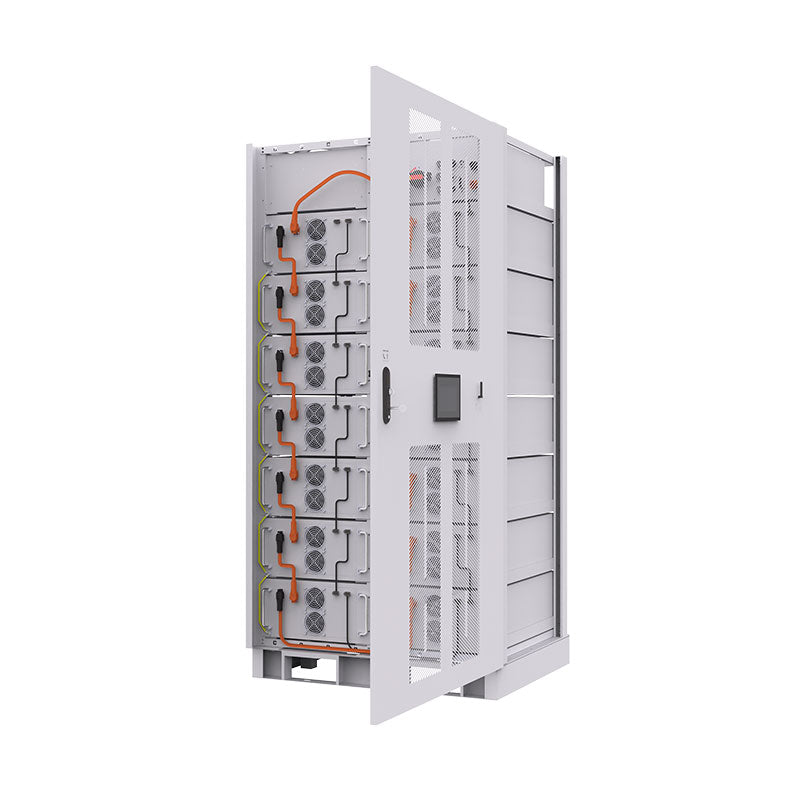
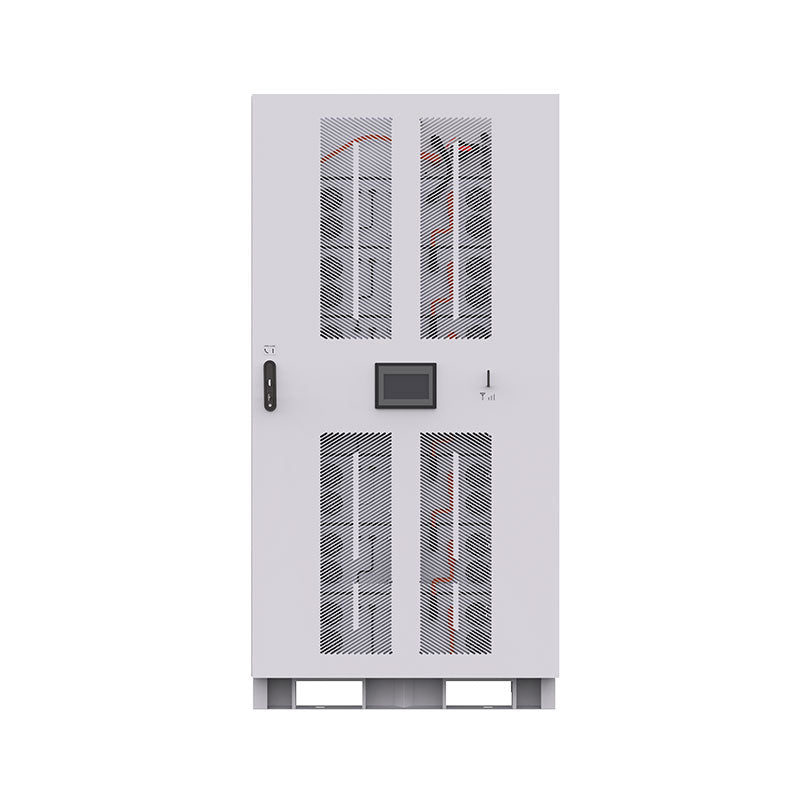


Power outages are more frequent in many regions due to extreme weather, aging grids, and rising demand. Homeowners ask a simple question: do solar panels keep running during a blackout? The short answer: standard grid‑tied solar shuts down for safety, but solar plus batteries with the right inverter can keep critical loads running. This page explains how it works, what you need, and how to size a reliable setup with home energy storage.

How solar behaves during a blackout
Anti‑islanding shuts grid‑tied solar off
Standard grid‑tied solar inverters must stop exporting power the moment the grid fails. This is called anti‑islanding. It protects lineworkers and neighbors from back‑fed voltage on a dead line. For a deeper look at the safety logic, see Why Solar Panels Shut Off in Blackouts: Anti-Islanding Safety.
In practice, inverters track grid voltage and frequency. If either drifts outside a tight window, the inverter trips in seconds or less. Then it waits for a stable grid for a defined time before reconnecting. This is why you might see solar production graphs flatline during an outage and restart only after service returns. For more on why inverters drop offline, see Stop Confusion: Why Inverters Cut Out When the Grid Fails.
Codes and standards that shape behavior
Standards such as IEEE 1547 set the trip ranges and response times for distributed energy resources. Local rules and utility interconnection requirements follow these principles. If voltage or frequency is outside allowed bands, inverters disconnect. See IEEE 1547 and Anti-Islanding: What It Means for PV Shutdowns and The Ultimate Guide to Anti-Islanding: Codes, Inverters, and Safety for detailed thresholds and timing. Roof systems also include rapid shutdown equipment to reduce array voltage near the module level during emergencies.
What actually stays on without batteries
Some inverters include a dedicated daytime outlet feature that can serve a small load while the sun shines. Output is limited and intermittent. It cannot start heavy appliances, and it stops as clouds pass. This can be useful for charging phones, but it is not full backup power. See Myth vs Reality: PV in Outages Without Batteries?.
Paths to backup power with solar
Grid‑tied solar plus battery (hybrid ESS)
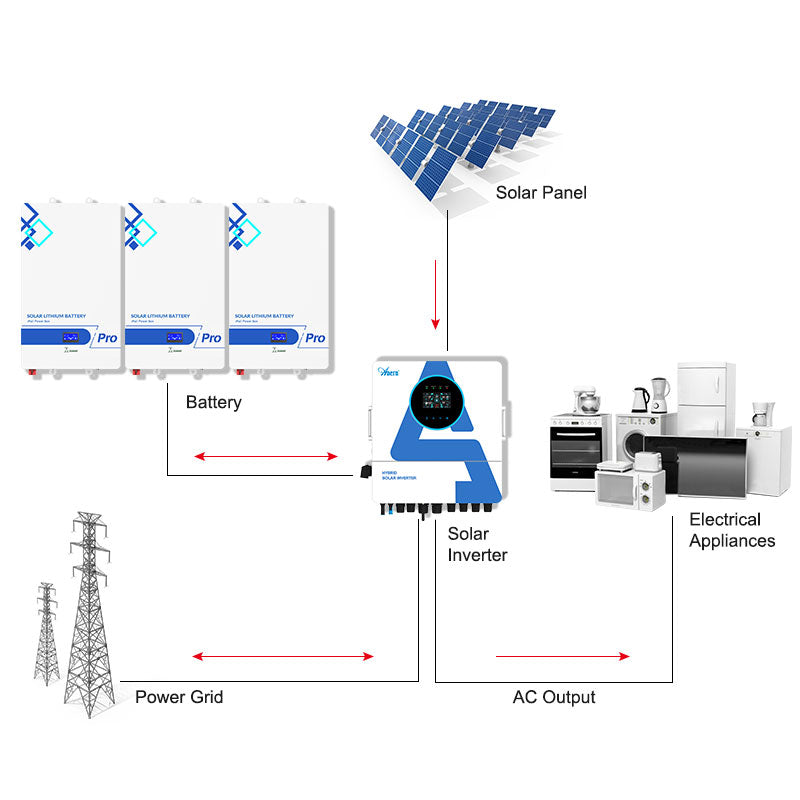
A hybrid energy storage system adds a battery and a hybrid inverter to your PV array. During a blackout, the inverter forms a local microgrid and powers a critical load subpanel. Solar panels recharge the battery in daylight, extending runtime. This setup is the most common path to keep lights, refrigeration, internet, and medical devices running. See How to Keep Lights On: Grid-Tied Solar Plus Battery Storage.
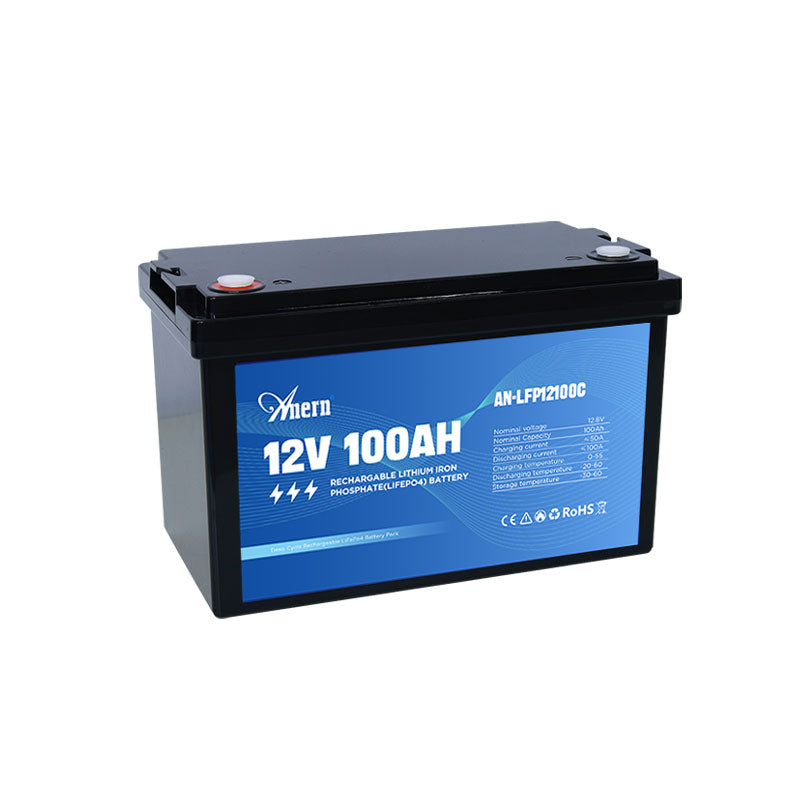
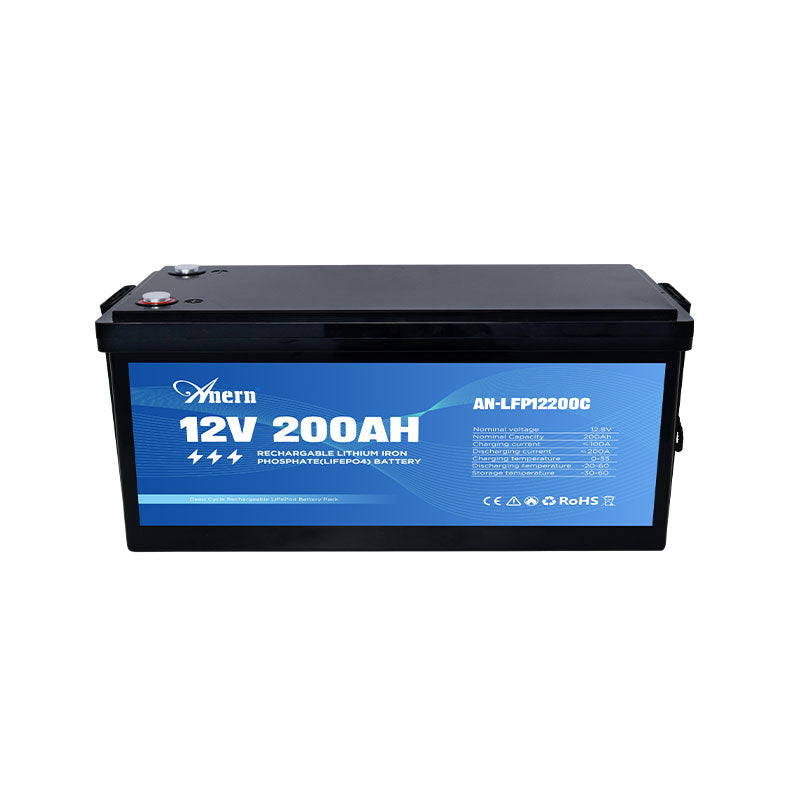
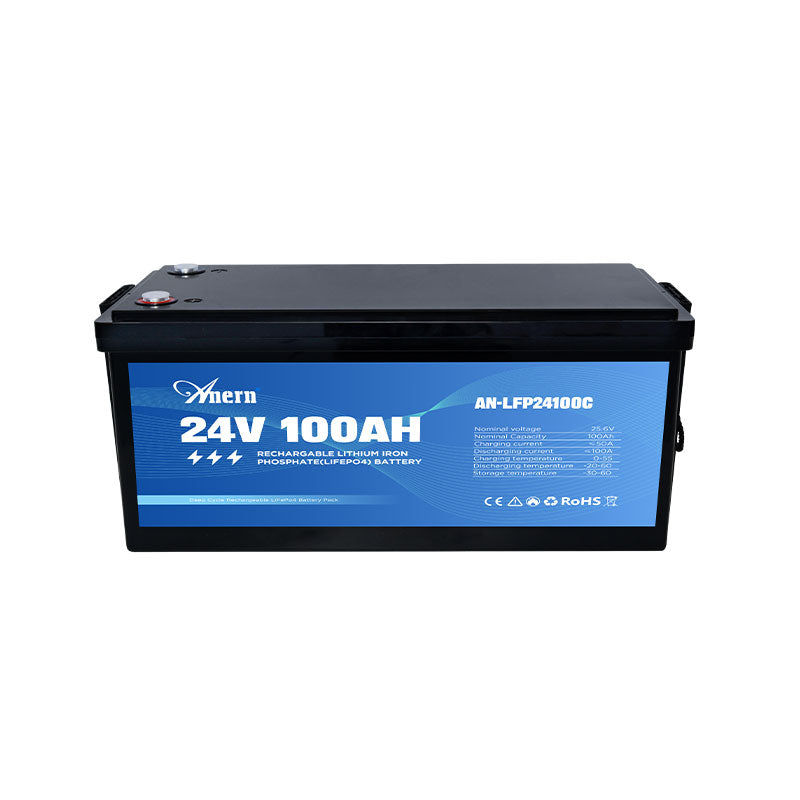
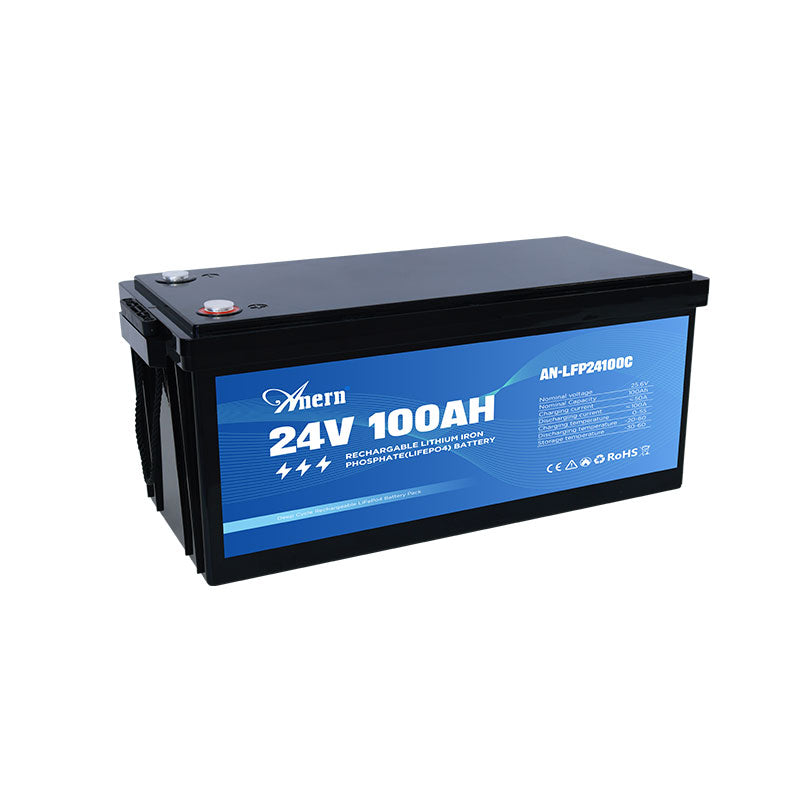
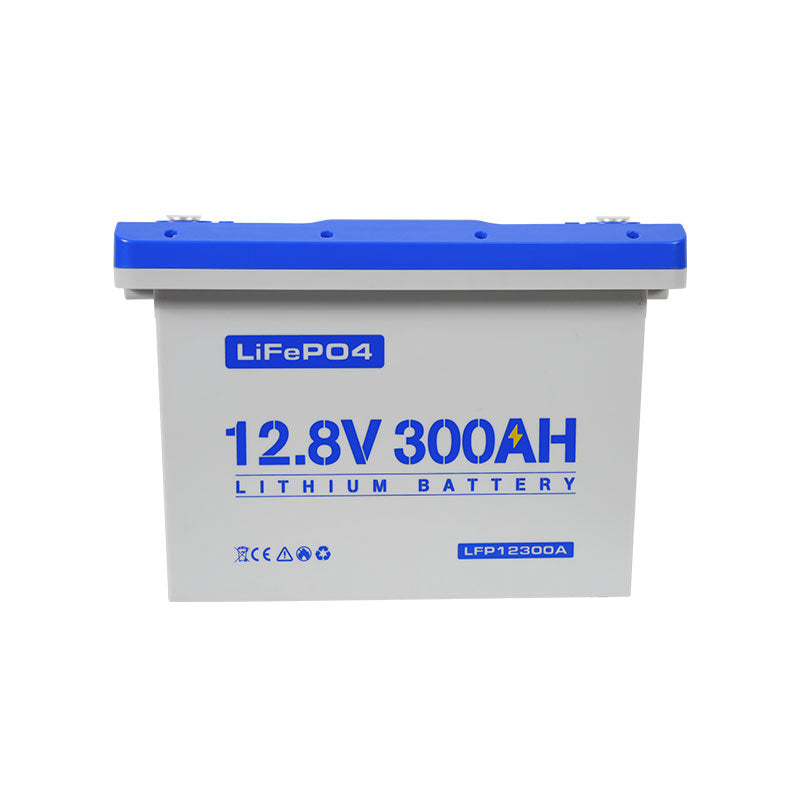
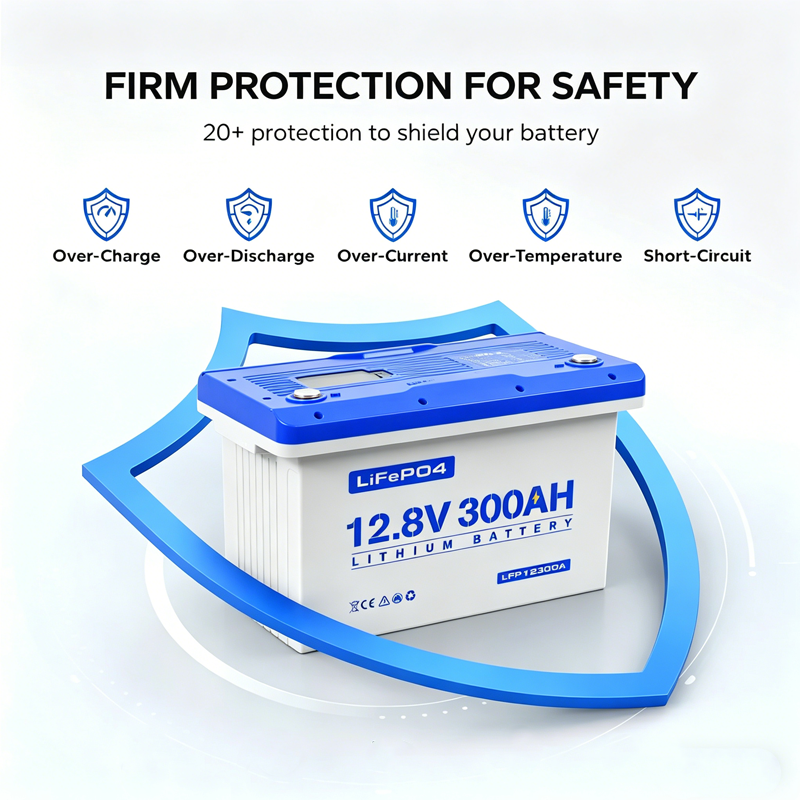
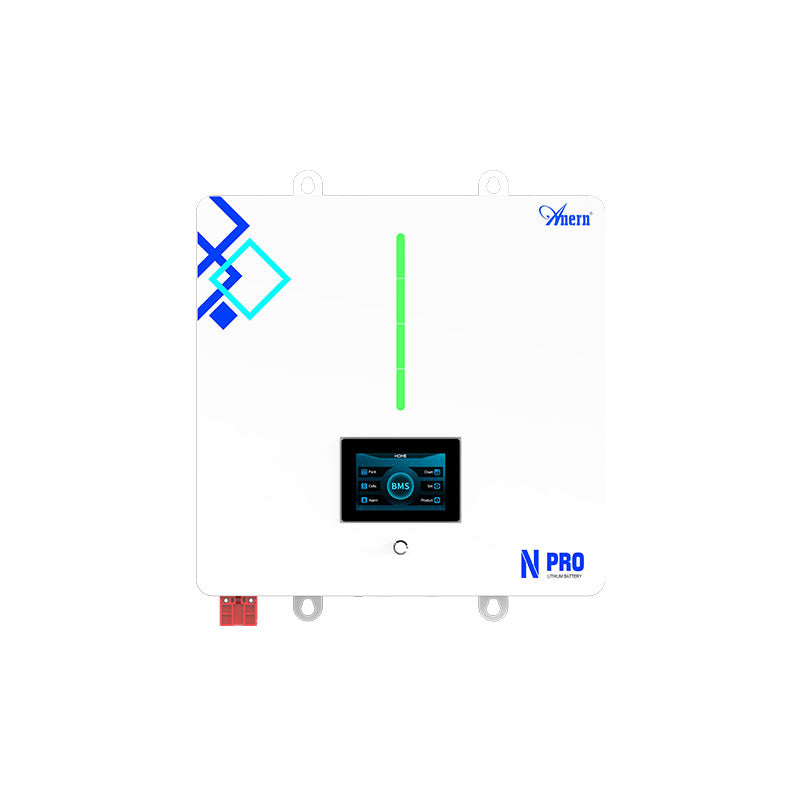
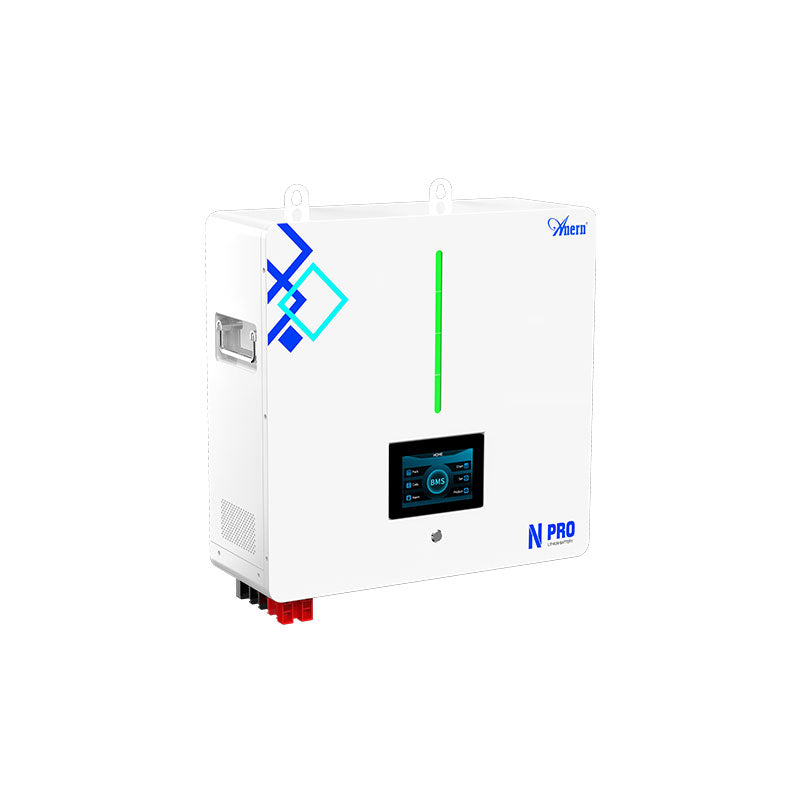
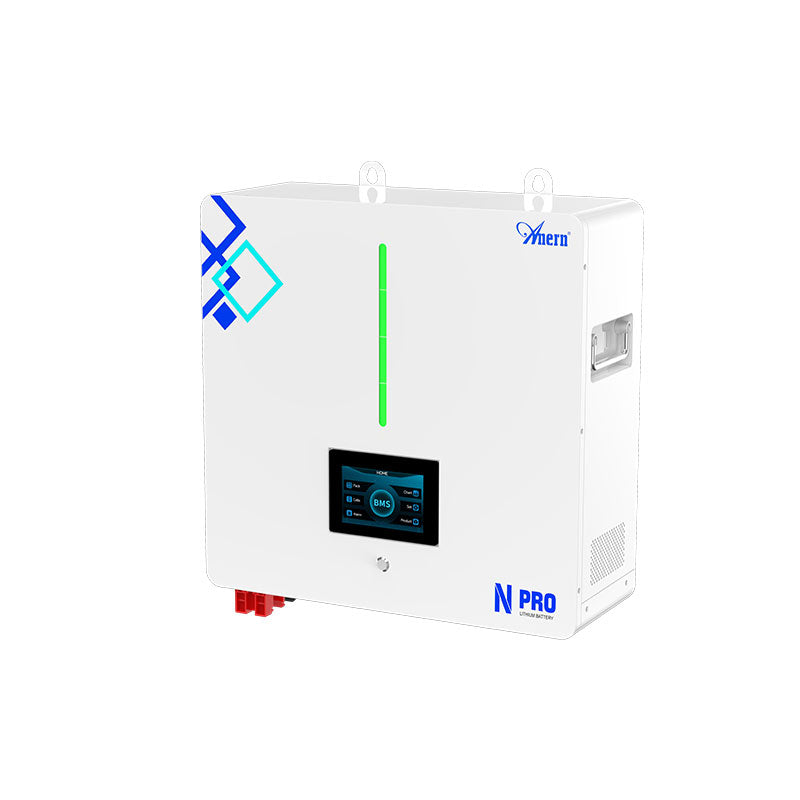
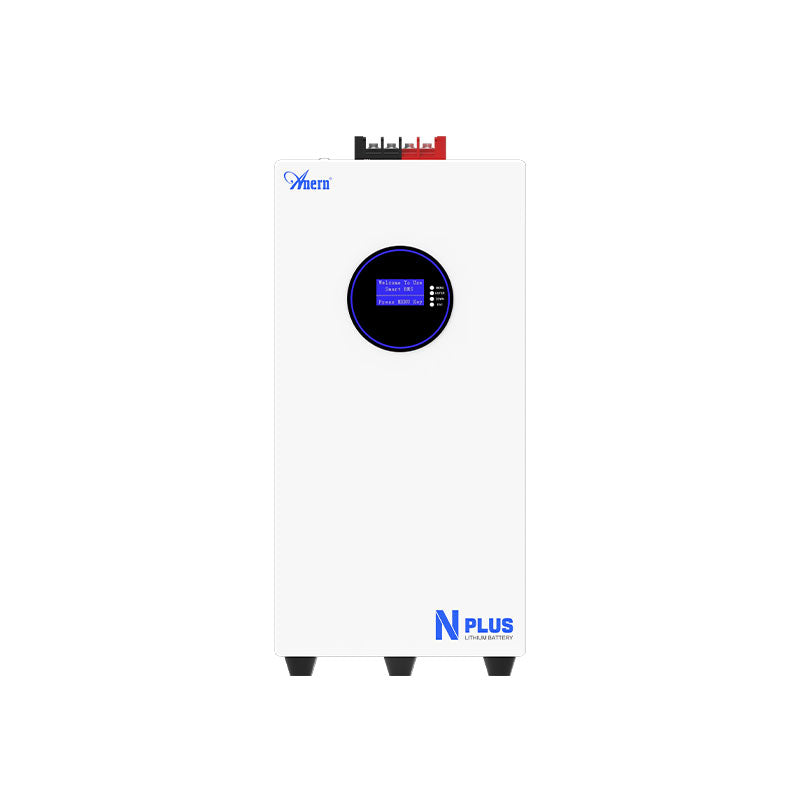
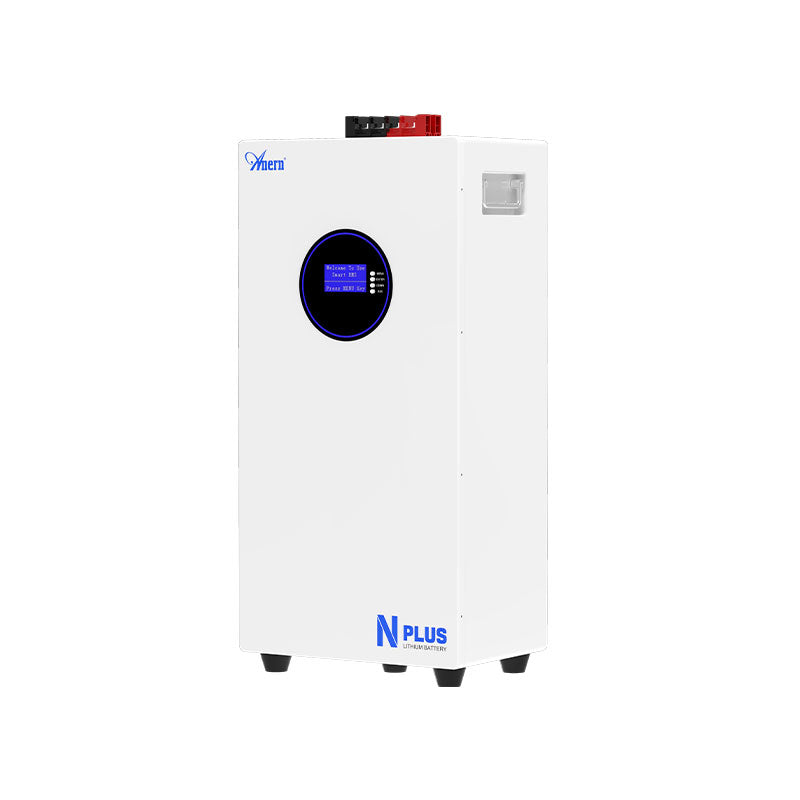
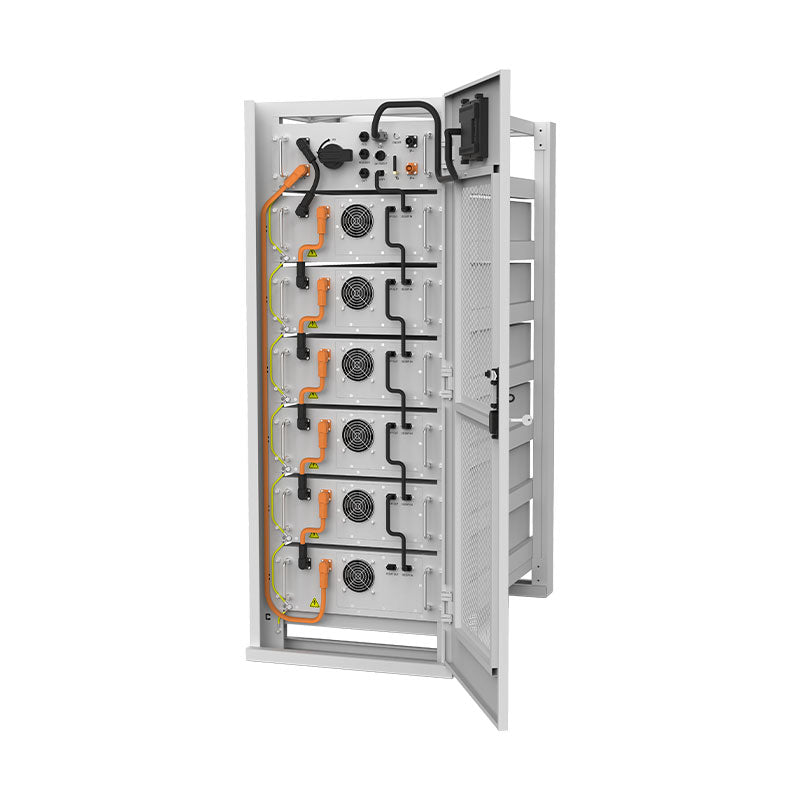
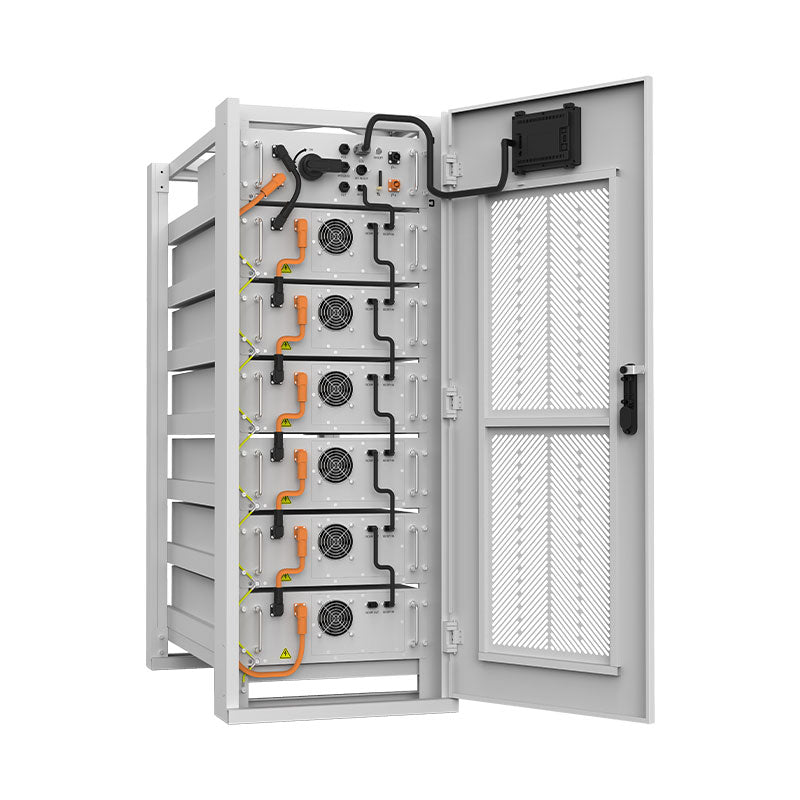
ANERN integrates the key pieces into a single package: LiFePO4 battery modules for safety and long life, a hybrid solar inverter that can form a stable island, and matched solar panels. This reduces design risk and speeds installation.
Off‑grid solar for full autonomy
Off‑grid systems run independently all the time. They include solar, batteries, an off‑grid inverter/charger, and often a generator for long cloudy spells. This path fits cabins, farms, and remote sites. It also suits homes that want full independence. See Off-Grid vs Grid-Tied: Backup Power Paths for Solar Homes.
ANERN’s off‑grid solutions cover homes and small businesses with scalable LiFePO4 storage and inverter power stages that support surge loads. Generator ports and automatic transfer functions can be added as needed.
Generator‑only backup
A generator can bridge outages, yet it needs fuel and frequent testing. Pairing a modest generator with a battery reduces runtime hours, noise, and fuel use. The battery covers overnight loads; the generator tops up during the day. Many hybrid inverters support this mode.
| Option | Works at night | Noise/Fuel | Key components | Typical use |
|---|---|---|---|---|
| Grid‑tied solar + battery (hybrid ESS) | Yes (via battery) | Low / No fuel | PV, hybrid inverter, LiFePO4 battery, critical load subpanel | Homes seeking outage protection and bill savings |
| Off‑grid solar | Yes | Low / Optional generator | PV, off‑grid inverter/charger, LiFePO4 battery, optional generator | Remote sites, full energy independence |
| Generator‑only | Yes (while running) | High / Fuel required | Generator, transfer switch | Short outages, budget backup |
Designing a resilient home energy storage system
Right‑size inverter power and battery energy
Start with a load audit. List watts (W) for each device and estimate hours per day. The inverter must cover peak watts plus motor starting surges. The battery must cover watt‑hours (Wh) for your chosen runtime. Solar input then replenishes the battery in daylight.
| Device | Power (W) | Hours/day | Energy (Wh/day) |
|---|---|---|---|
| Refrigerator (high‑efficiency) | 150 average | 10 | 1,500 |
| LED lighting (whole home) | 100 | 5 | 500 |
| Internet + router | 30 | 24 | 720 |
| Laptop + phone charging | 80 | 4 | 320 |
| Gas furnace blower or heat pump (partial) | 400 average | 4 | 1,600 |
| Total | 4,640 Wh/day |
A 5 kWh usable battery covers about one day for this plan. Add solar (for example, 3–5 kW) to recharge during the day. Cloudy periods may call for 10–15 kWh to extend runtime across nights. Values vary by climate and usage patterns.
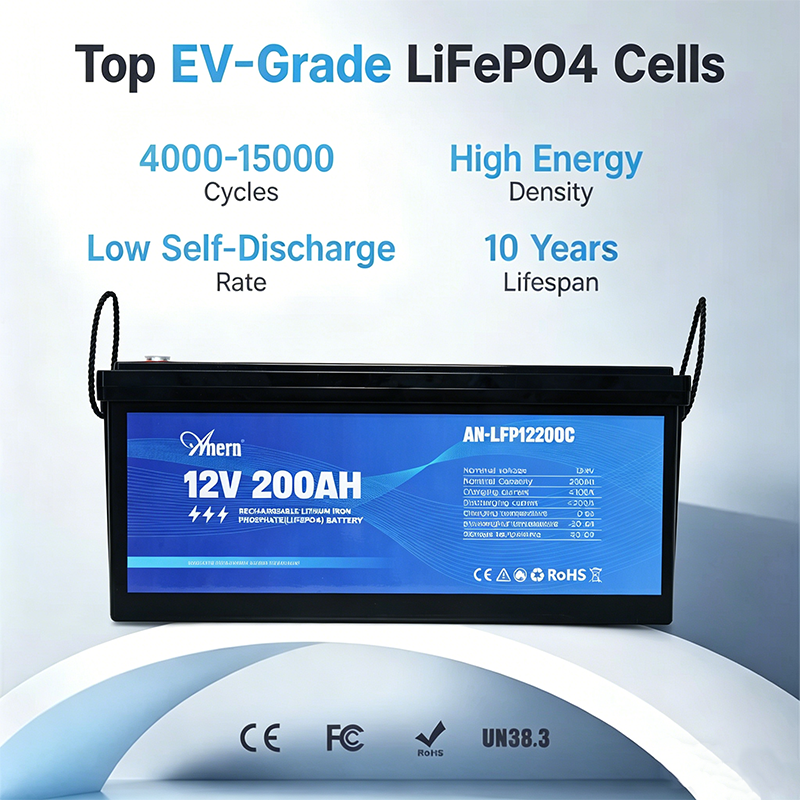
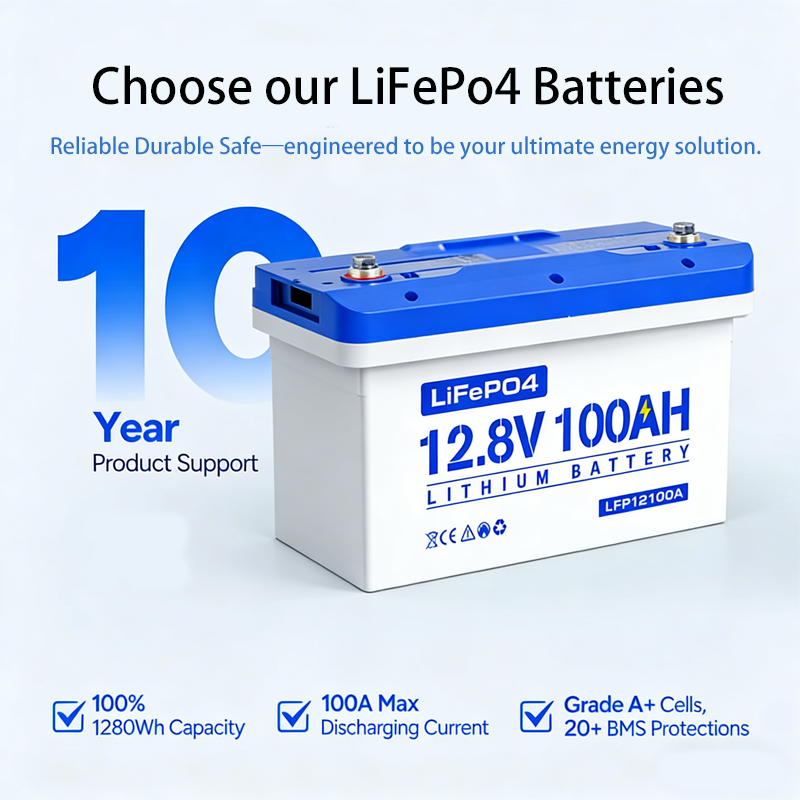
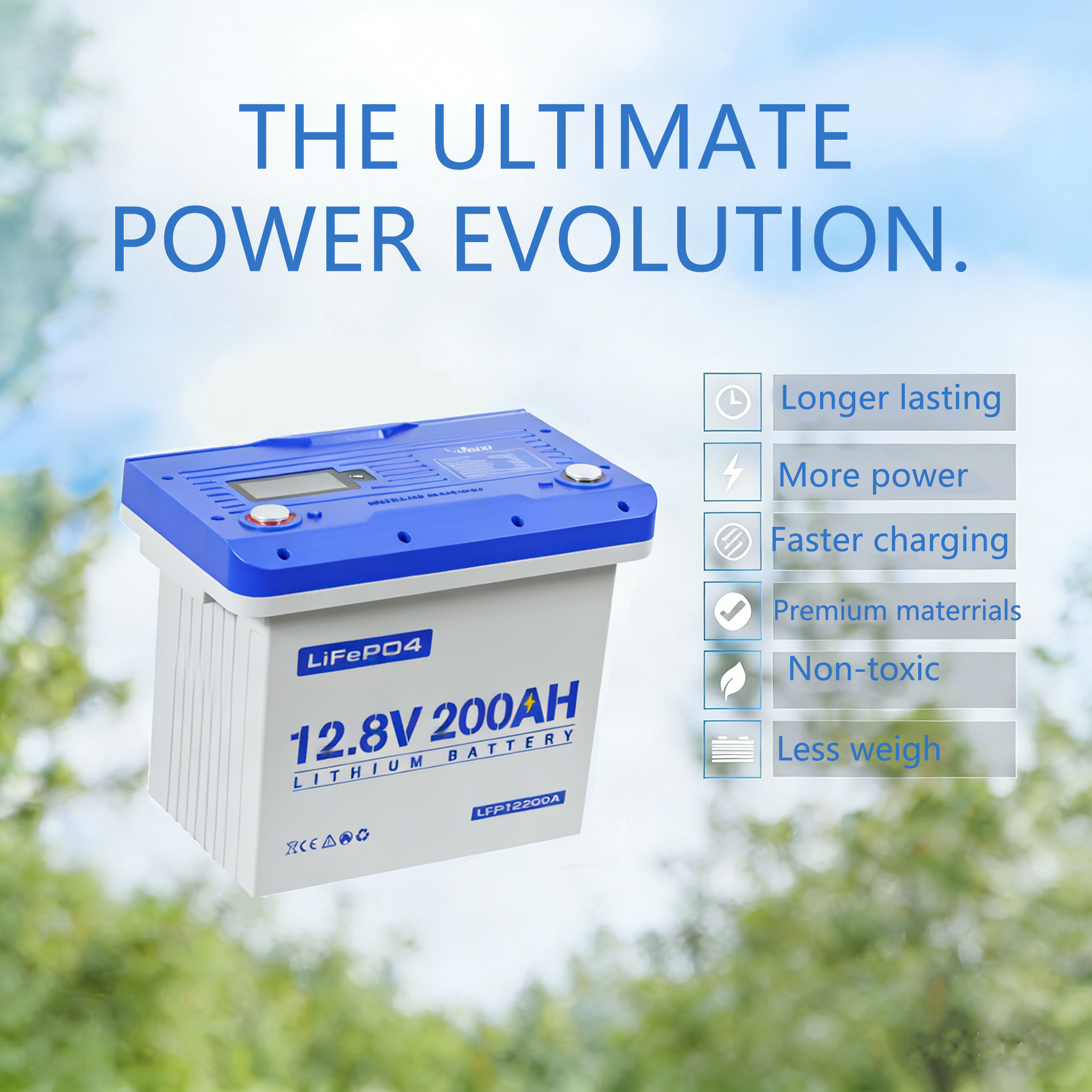
ANERN LiFePO4 batteries provide stable voltage and long cycle life, which helps daily cycling and emergency use. ANERN hybrid inverters manage PV, battery, grid, and generator sources in a single unit, reducing wiring complexity.
Islanding hardware and wiring
- Hybrid inverter with islanding capability. It forms a stable AC waveform during outages.
- Critical load subpanel. Only selected circuits move to backup to avoid oversizing the system.
- Automatic transfer and protection. Breakers, fuses, and rapid shutdown per code.
- Optional generator input. For long storms or winter seasons.
For a plain‑language primer on home microgrids, see Microgrid 101: Islanding Your Home Safely With Hybrid Inverters.
Safety, permitting, and inspections
Codes require anti‑islanding, rapid shutdown, and listed equipment. Many regions follow IEEE 1547 for interconnection and NEC for wiring. Some areas also require load calculations and utility review. Processing time can stretch projects. Energy agencies report that permitting and grid interconnection queues are a major bottleneck in many markets. Policy moves in the EU and the United States aim to speed this up through streamlined rules and tax credits (IEA; energy.gov). Always work with a licensed installer familiar with local rules.
Market signals that support backup decisions
Solar growth and equipment costs
Despite supply chain stress and higher interest rates, investment in solar kept setting records. The IEA’s Energy Investment 2023 report notes that China added over 100 GW of PV capacity in 2022, about 70% more than in 2021. Installations rose by 40% or more in Europe, India, and Brazil. Module prices rose about 20% year‑over‑year in early 2022 due to materials and labor, then started easing in early 2023 as silicon costs fell and manufacturing expanded (IEA). LCOE for PV increased in 2022 but remained attractive versus new fossil generation in many regions (IEA). These trends support continued adoption of solar plus storage.
Policy incentives and reliability concerns
Energy policies now include tax credits and support for storage and grid upgrades (energy.gov). The EU raised its 2030 renewables target to a minimum of 42.5% of final energy consumption (IEA). Households see value in resilience as well. EIA reliability data shows that average customers experience several hours of outages per year, with wide regional differences. That makes a strong case for sizing batteries to cover critical loads overnight and using PV the next day. For outage frequency and how often rooftop PV stops during grid events, see Data Check: How Often Do Grid Outages Stop Rooftop Solar Output?.
Resilience planning at home scale
Homeowners can adopt a simple blueprint: define critical loads, set a runtime target, size battery and inverter, and plan for recharge. See Resilience Blueprint: Solar Plus Storage to Ride Blackouts for a checklist and workflows you can follow with your installer.
Frequently asked questions: solar during blackout
How do solar panels work during a power outage?
Grid‑tied solar without storage shuts off due to anti‑islanding. With a hybrid inverter and battery, the system creates a local AC grid and keeps selected circuits running. Solar generation then recharges the battery in daylight. The inverter manages transitions automatically.
Can smart inverters keep PV online without batteries?
Smart inverters improve grid support, but codes still require anti‑islanding. Some units offer a small daytime outlet fed directly from PV, with limits. For details, see Q&A: Can Smart Inverters Keep Solar Running in Outages?.
What loads should I back up?
Most homes start with refrigeration, lighting, communications, medical devices, and heating/cooling fans or pumps. Resistive heating and large AC compressors need careful review due to high power draw. A critical load subpanel helps right‑size the system.
ANERN solutions for reliable backup power
Home ESS: integrated, scalable, code‑ready
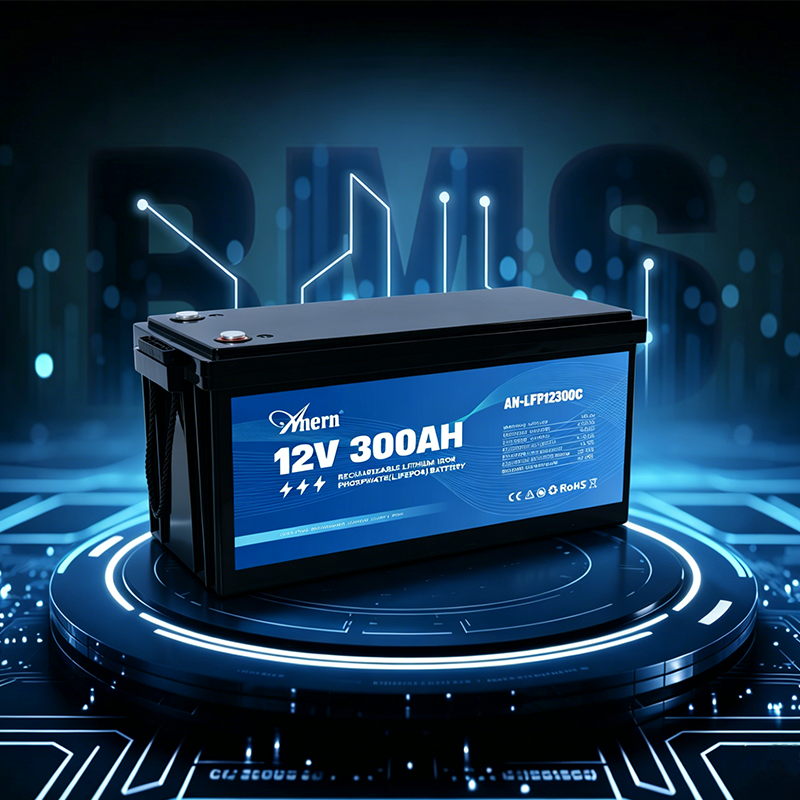
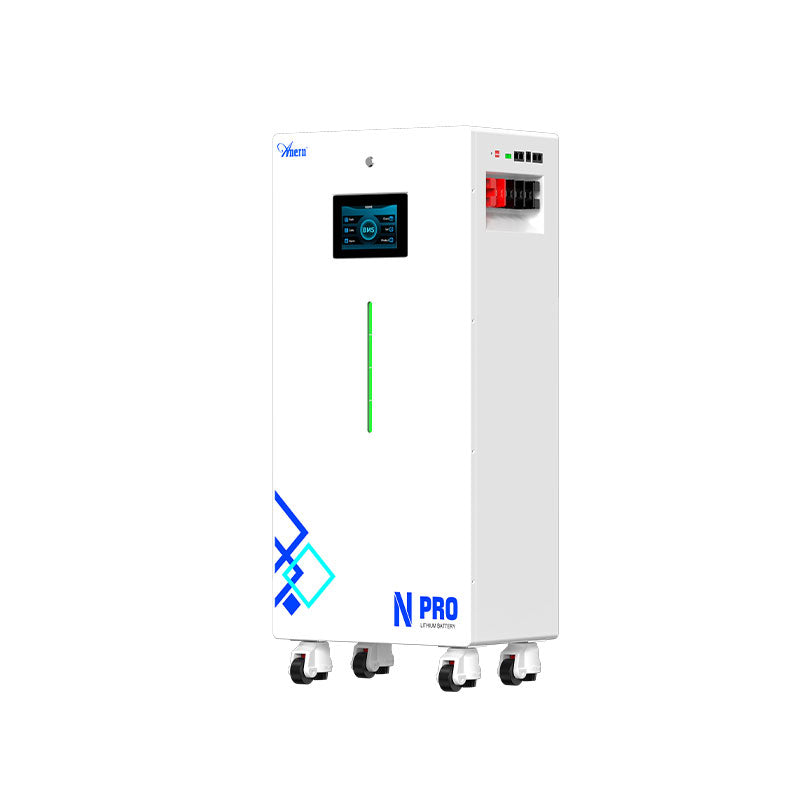
- LiFePO4 battery: high performance and stable chemistry with built‑in BMS for protection.
- Hybrid solar inverter: converts DC to AC, forms a local microgrid during outages, manages PV, battery, grid, and generator.
- Solar panels and balance‑of‑system: matched components for efficient charging and safe operation.
ANERN’s home storage systems are designed for critical load panels, with typical power blocks in the 3–10 kW range and battery energy scalable from about 5 kWh upward. Actual ratings vary by model. The focus is reliable, safe, and expandable backup power.
Off‑grid packages for remote sites
ANERN off‑grid solar solutions fit homes, farms, and cabins. Packages pair PV arrays with LiFePO4 storage and off‑grid inverter/chargers that can accept a generator input. This keeps essentials on through long outages or seasonal conditions.
Solar inverters and lithium batteries as stand‑alone upgrades
If you already have PV, ANERN hybrid inverters and LiFePO4 battery stacks can retrofit into many systems. The result: stable backup power and better self‑consumption. Review compatibility and certifications with your installer.
Practical steps and best practices
Step‑by‑step path
- Define critical loads and daily energy needs.
- Choose a target runtime (for example, 12–24 hours without sun).
- Size inverter power for peaks and motor starts.
- Size battery energy for overnight use; add solar capacity to recharge.
- Plan wiring: critical load subpanel, breakers, disconnects, and rapid shutdown.
- Confirm local code, utility interconnection, and inspection steps.
- Commission, test under load, and set up monitoring.
Operation and upkeep
- Test backup function a few times a year.
- Keep firmware updated for inverter and BMS.
- Maintain clear airflow around battery and inverter cabinets.
- Schedule periodic checks on breakers, lugs, and torque settings.
- If using a generator, exercise it monthly and store fuel safely.
Real‑home performance
See performance in context at Case Study: A Home That Rode Out Blackouts With Hybrid ESS. The case tracks load choices, battery sizing, and how daytime PV extended runtime during a multi‑day event.
Key takeaways
- Standard grid‑tied solar shuts off during outages due to anti‑islanding. That is required and protects crews and neighbors.
- A hybrid ESS with LiFePO4 batteries and a hybrid inverter keeps a local microgrid alive for selected circuits. PV then recharges the system in daylight.
- Right‑sizing starts with a load audit and a runtime target. A critical load subpanel lets you meet goals without oversizing hardware.
- Policy support, strong PV growth, and improving storage tech make solar plus storage a practical path to resilience (IEA, IRENA, energy.gov, EIA).
- ANERN provides integrated ESS, off‑grid packages, LiFePO4 batteries, and solar inverters to build a safe, scalable backup system for homes and small businesses.
Further reading
- Why Solar Panels Shut Off in Blackouts: Anti-Islanding Safety
- How to Keep Lights On: Grid-Tied Solar Plus Battery Storage
- Myth vs Reality: PV in Outages Without Batteries?
- Case Study: A Home That Rode Out Blackouts With Hybrid ESS
- 7 Reasons Grid-Tied PV Trips Off During Outages—and What to Do
- Off-Grid vs Grid-Tied: Backup Power Paths for Solar Homes
- The Ultimate Guide to Anti-Islanding: Codes, Inverters, and Safety
- Stop Confusion: Why Inverters Cut Out When the Grid Fails
- Q&A: Can Smart Inverters Keep Solar Running in Outages?
- Data Check: How Often Do Grid Outages Stop Rooftop Solar Output?
- Resilience Blueprint: Solar Plus Storage to Ride Blackouts
- Microgrid 101: Islanding Your Home Safely With Hybrid Inverters
- IEEE 1547 and Anti-Islanding: What It Means for PV Shutdowns
Sources for data and policy context: IEA Energy Investment 2023; IRENA capacity insights; EIA reliability metrics; energy.gov solar and storage information.
