














Connecting communities and enabling communication relies heavily on telecom infrastructure. Remote base stations and telecom towers often face significant challenges when it comes to a consistent, reliable power supply. Many of these sites operate far from conventional grids, making traditional power methods costly and environmentally impactful. This article provides a detailed examination of off-grid power solutions for these critical installations. You will gain a clear understanding of the technologies, design considerations, and practical applications that ensure uninterrupted connectivity in even the most isolated locations.
The Evolving Landscape of Telecom Power
The demand for robust and continuous telecommunications services continues to rise. This growth brings increased focus on how to power the vast network of towers and base stations, especially those in remote or challenging environments.
Traditional Power Challenges for Remote Sites
Historically, remote telecom sites have relied on a combination of grid connections, where available, and diesel generators. While functional, this approach presents a range of difficulties:
- High Operational Costs: Fuel transportation to remote locations is expensive, often requiring specialized logistics. The fluctuating price of diesel further complicates budgeting.
- Maintenance Burden: Diesel generators require frequent maintenance, including oil changes, filter replacements, and general servicing. This adds to operational expenditure and demands skilled personnel on-site.
- Environmental Impact: Burning fossil fuels releases greenhouse gases and pollutants, contributing to air quality concerns and climate change.
- Reliability Issues: Generators can fail, especially in harsh conditions, leading to network downtime. Fuel supply chain disruptions also pose a risk.
- Security Concerns: Remote sites with valuable fuel and equipment are vulnerable to theft and vandalism.
The Imperative for Off-Grid Solutions
The limitations of traditional power sources have driven the telecom industry towards more sustainable and reliable off-grid alternatives. Adopting these solutions provides multiple benefits:
- Enhanced Reliability and Uptime: Integrated renewable energy systems, when properly designed, offer a more resilient power supply, reducing outages.
- Significant Cost Reduction: Eliminating or drastically reducing reliance on diesel fuel leads to substantial long-term savings on operational expenses. You can learn more about how to reduce diesel dependence by exploring Cut Diesel Dependence: Solar ESS Microgrids for Mountain Towers.
- Environmental Sustainability: Utilizing renewable sources like solar power aligns with global environmental goals and corporate social responsibility initiatives. This also contributes to ESG (Environmental, Social, and Governance) objectives. Discover more about this in ESG Win: Cutting Tower Emissions with LFP Batteries and PV.
- Scalability and Future-Proofing: Modular off-grid systems allow for easy expansion as power demands increase, particularly with the rollout of new technologies like 5G.

Core Components of an Off-Grid Telecom Power System
An effective off-grid power system for telecom towers integrates several key technologies, working together to deliver consistent and clean energy.
Solar Photovoltaic (PV) Systems
Solar panels are often the primary energy source for remote telecom sites. They convert sunlight directly into electricity without moving parts, offering a reliable and low-maintenance power generation method. Key considerations include panel efficiency, shading analysis, and structural integrity to withstand local weather conditions. Understanding how to integrate solar with energy storage is crucial for consistent power delivery, as detailed in How to Power Remote Telecom Towers with Solar + LiFePO4 ESS.
Energy Storage Systems (ESS) – The Heart of Reliability
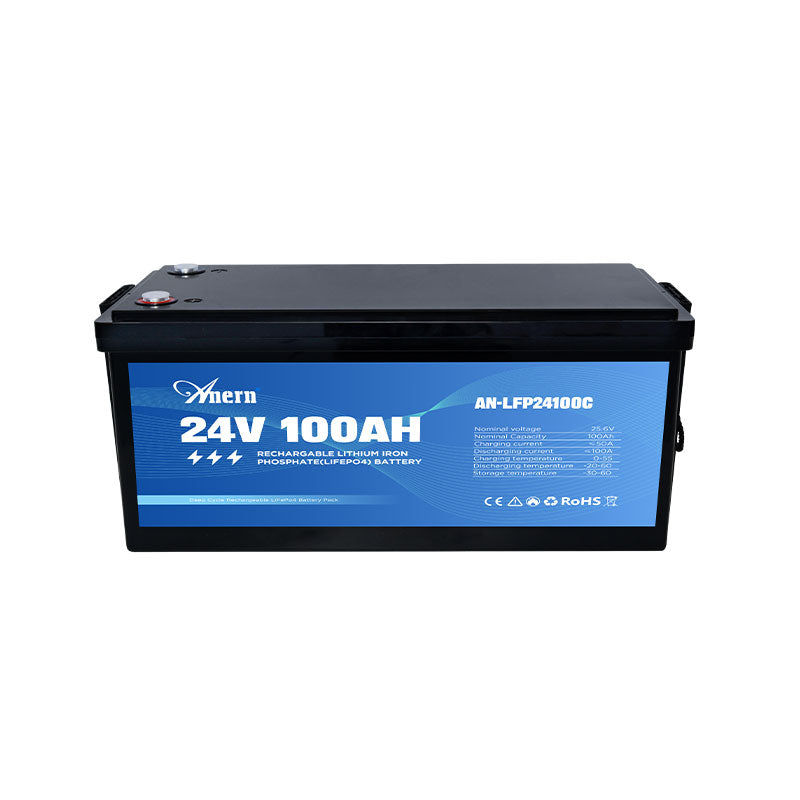
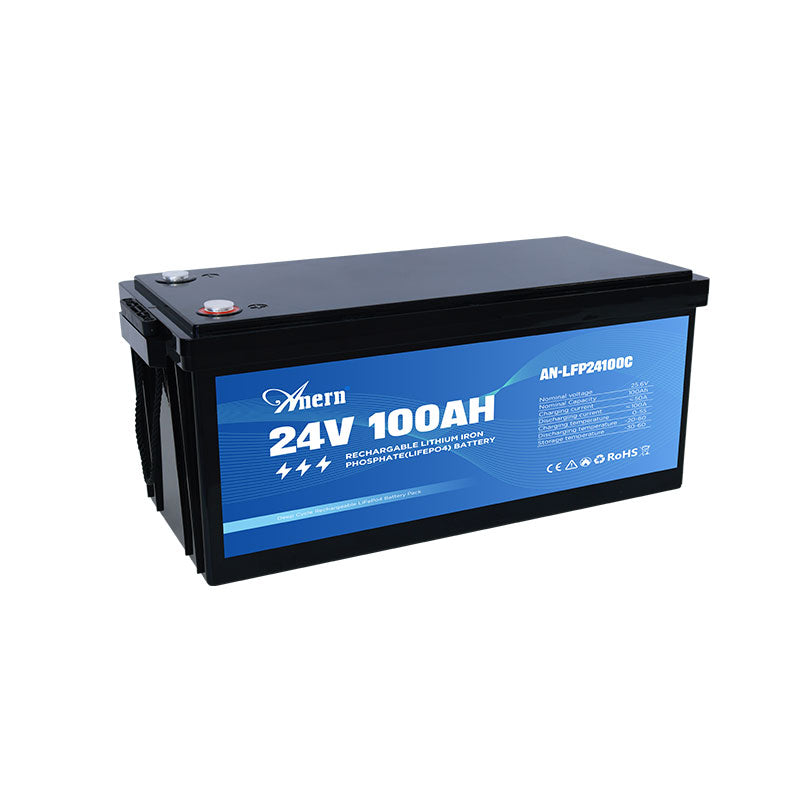
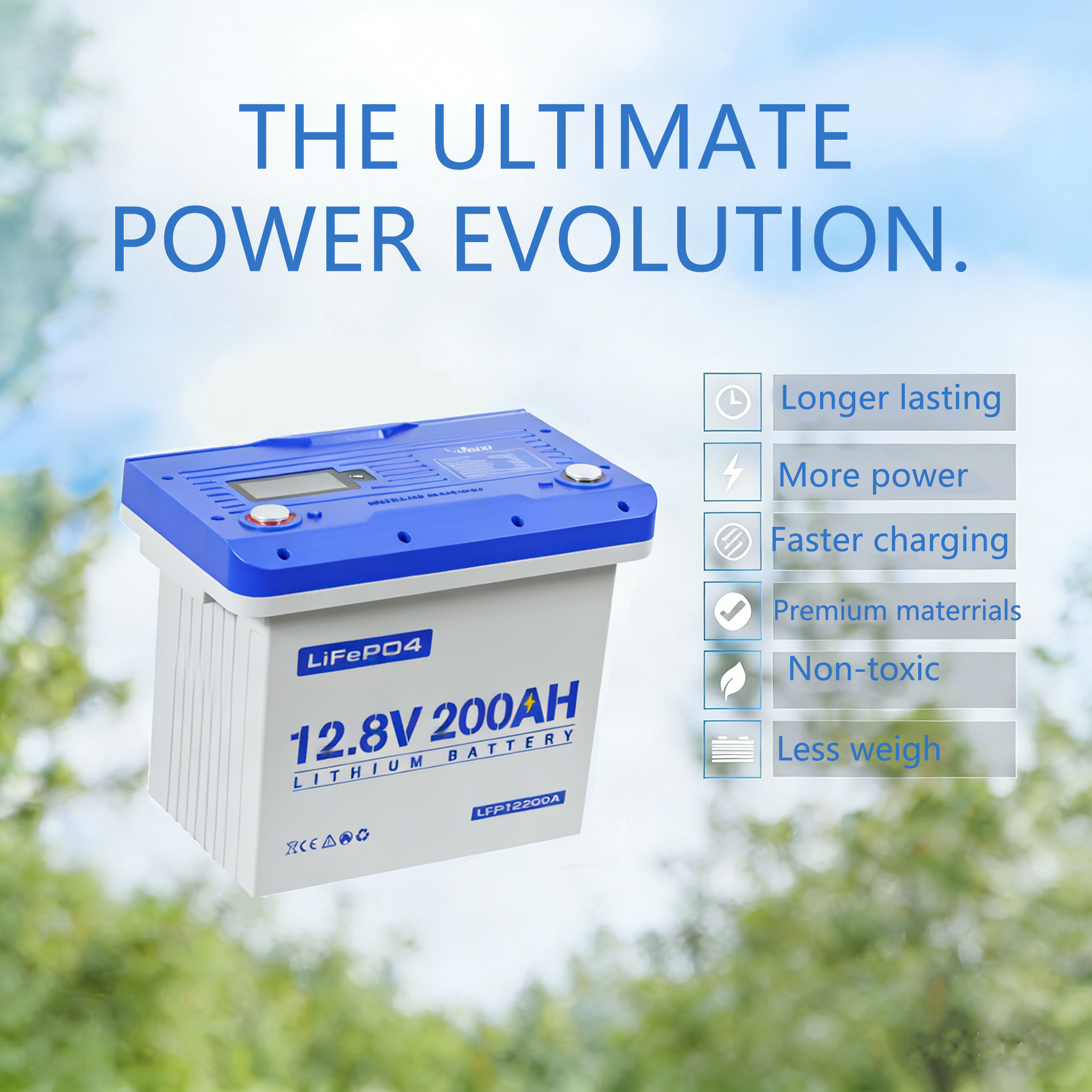
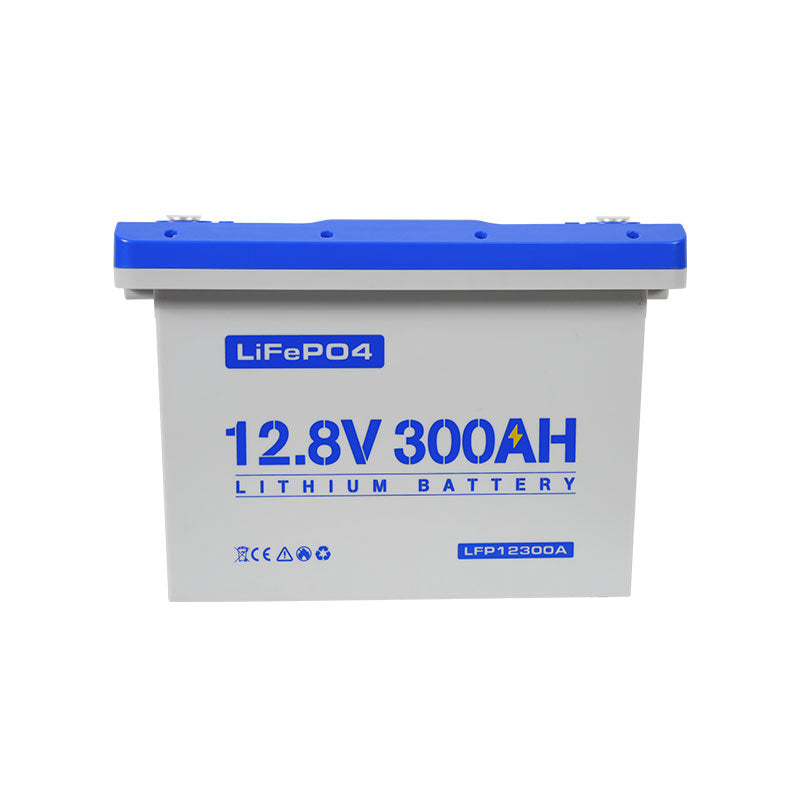
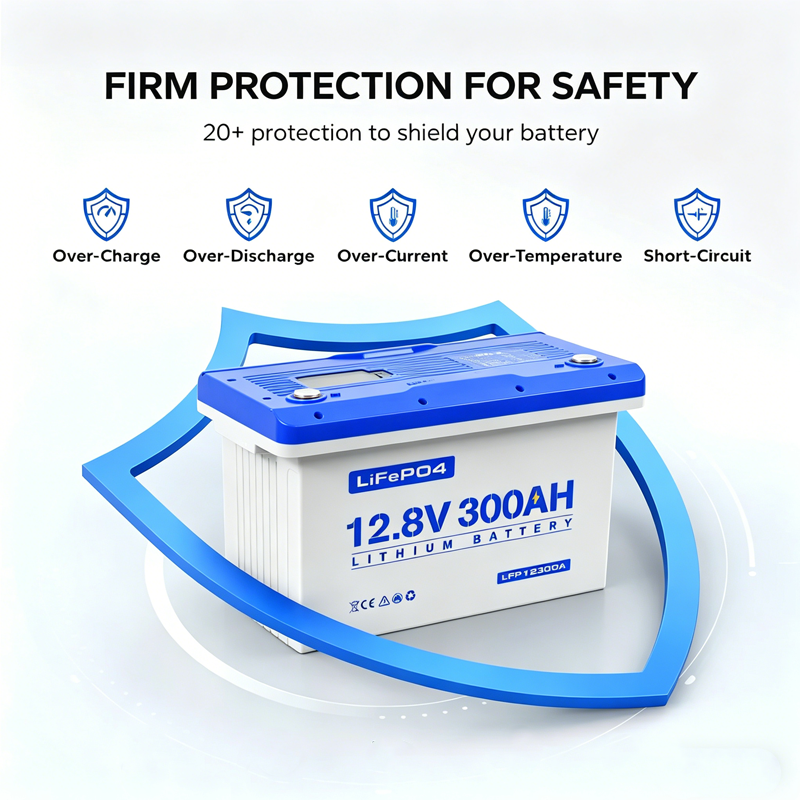
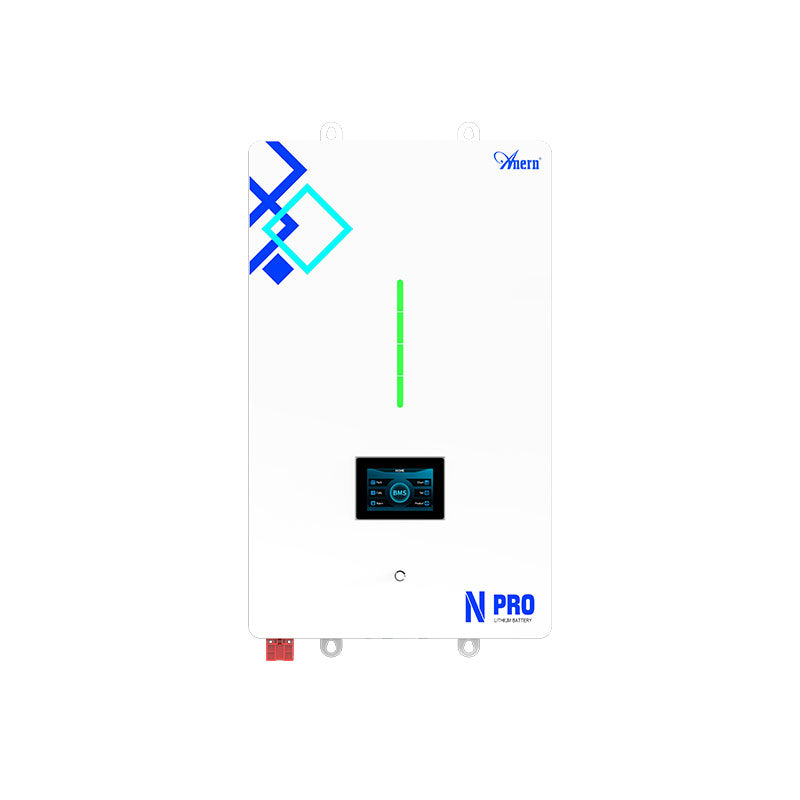
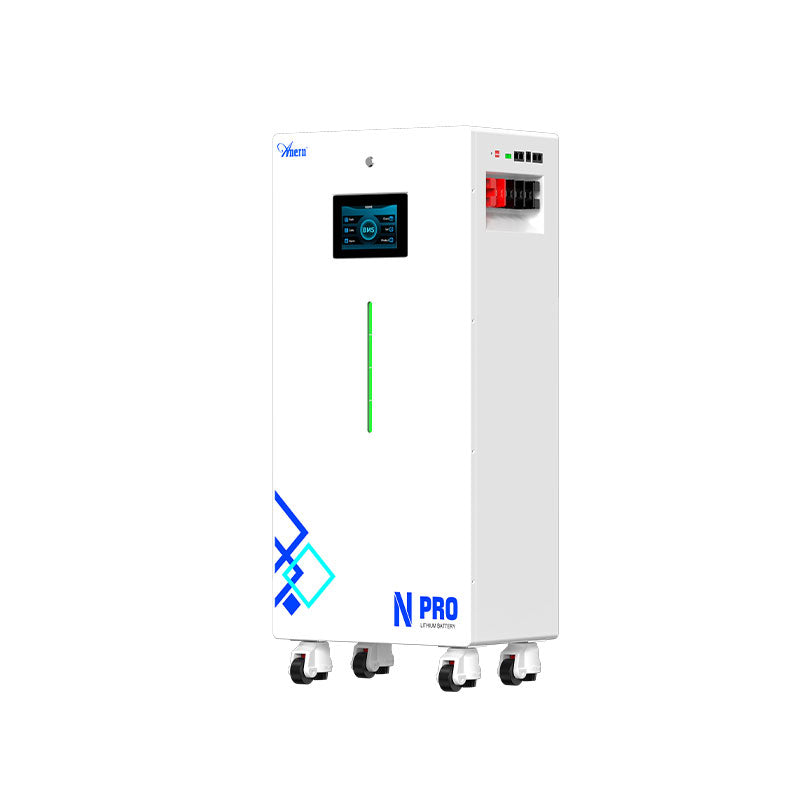
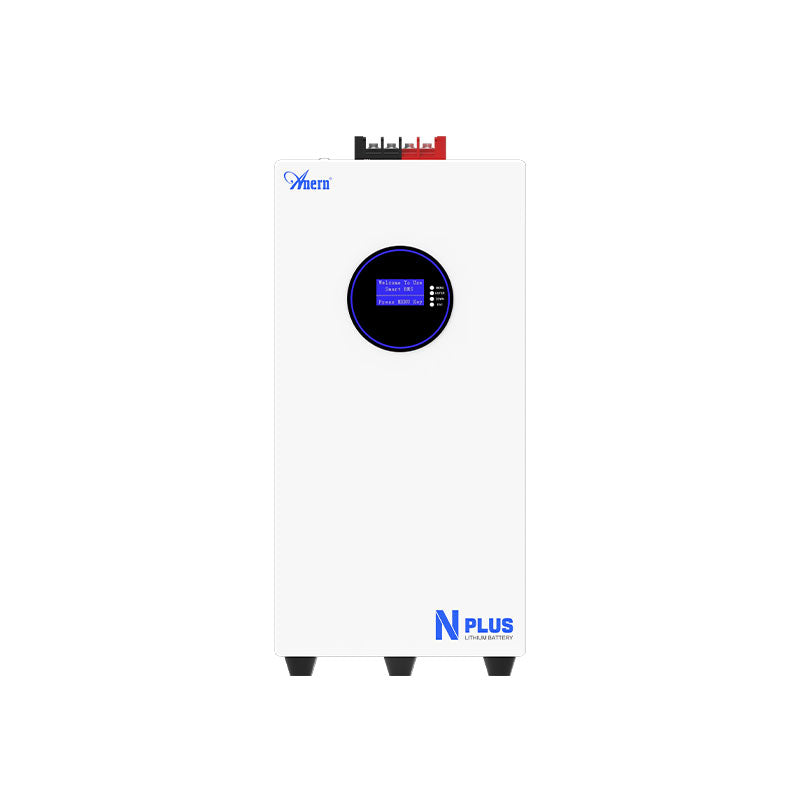
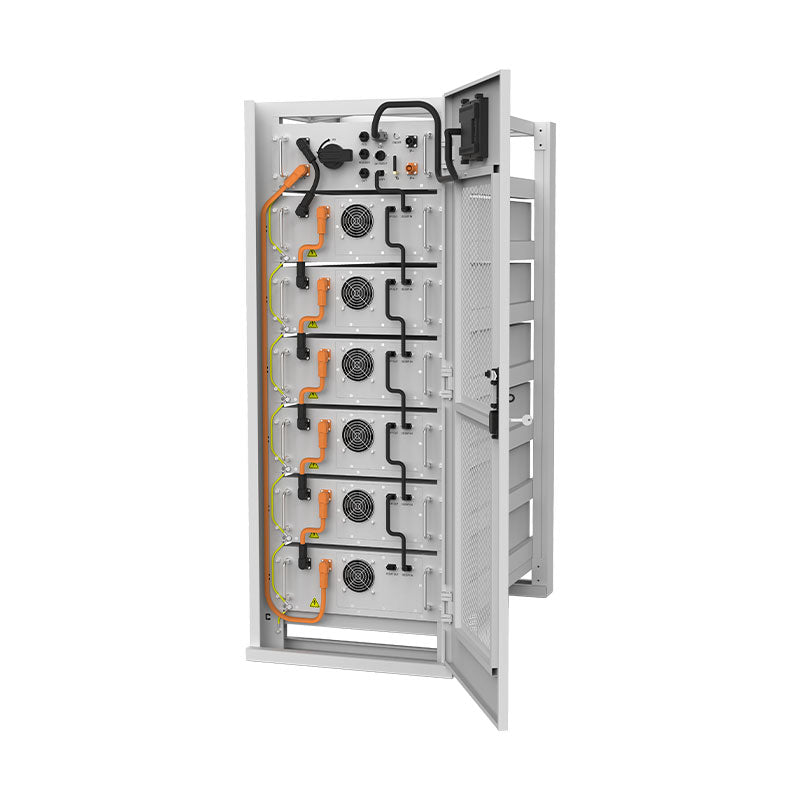
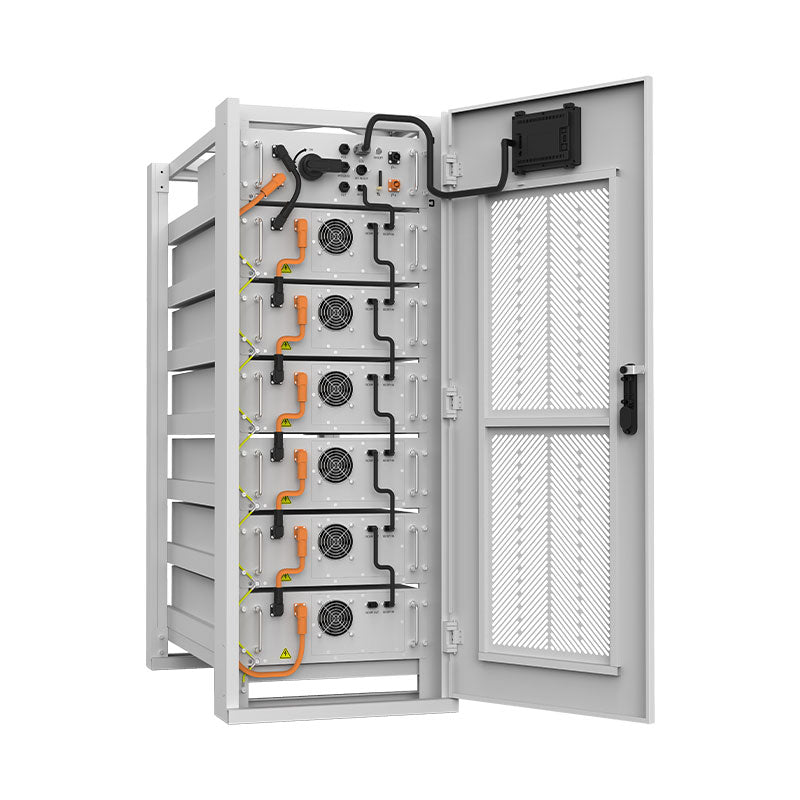
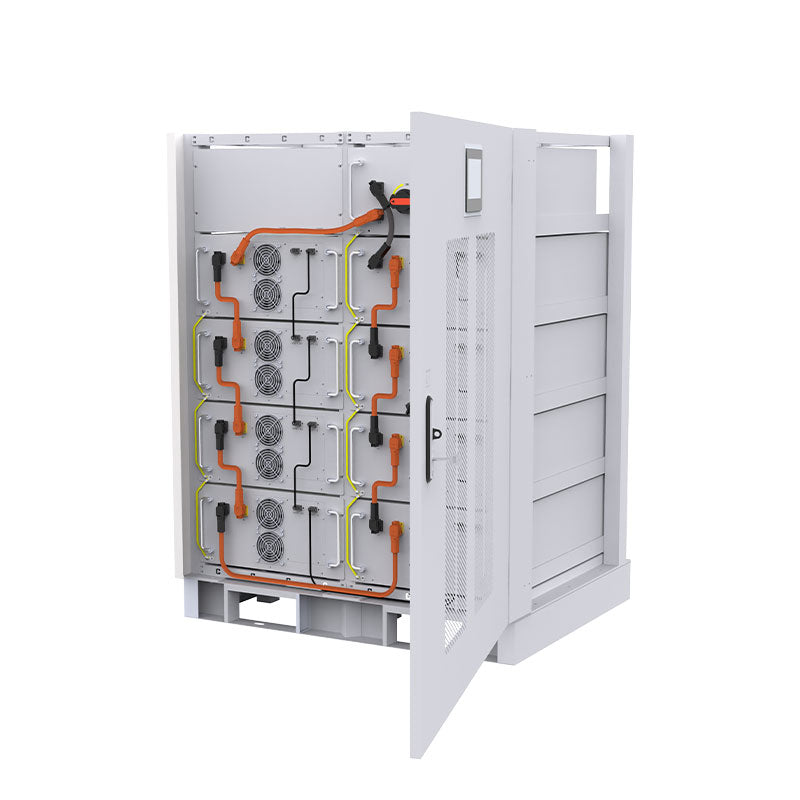
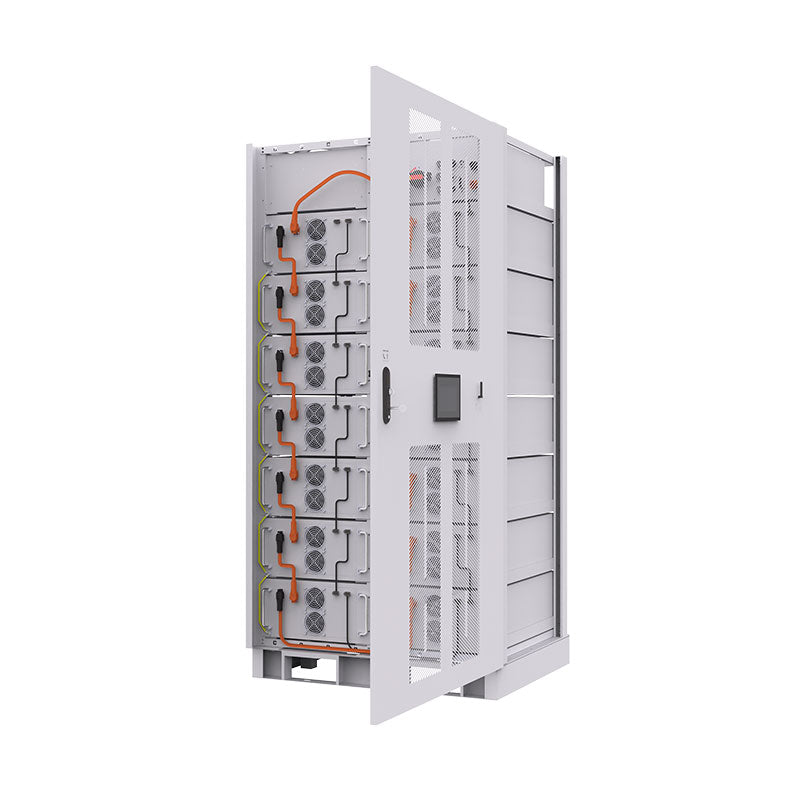
Solar power is intermittent; it is not available at night or during cloudy periods. This is where energy storage systems become indispensable. They store excess energy generated during the day for use when solar production is low or absent. Lithium Iron Phosphate (LiFePO4) batteries are a preferred choice for telecom applications due to their superior characteristics:
- High Performance: LiFePO4 batteries offer excellent discharge rates, supporting the demanding power requirements of base stations.
- Safety and Reliability: These batteries are known for their thermal stability and inherent safety, reducing the risk of overheating or fire.
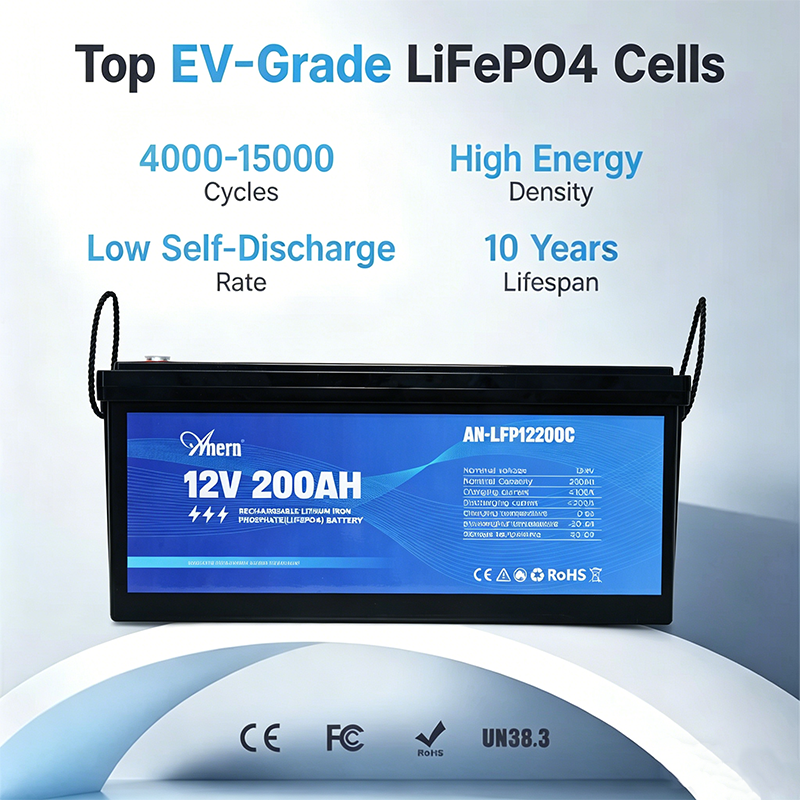
- Long Cycle Life: LiFePO4 batteries can endure thousands of charge and discharge cycles, providing a long operational lifespan and reducing replacement frequency.
- Deep Depth of Discharge (DoD): They can be discharged more deeply without damaging the battery, allowing for more usable energy.
- Wide Temperature Tolerance: LiFePO4 chemistry performs well across a broad range of temperatures, suitable for diverse climates.
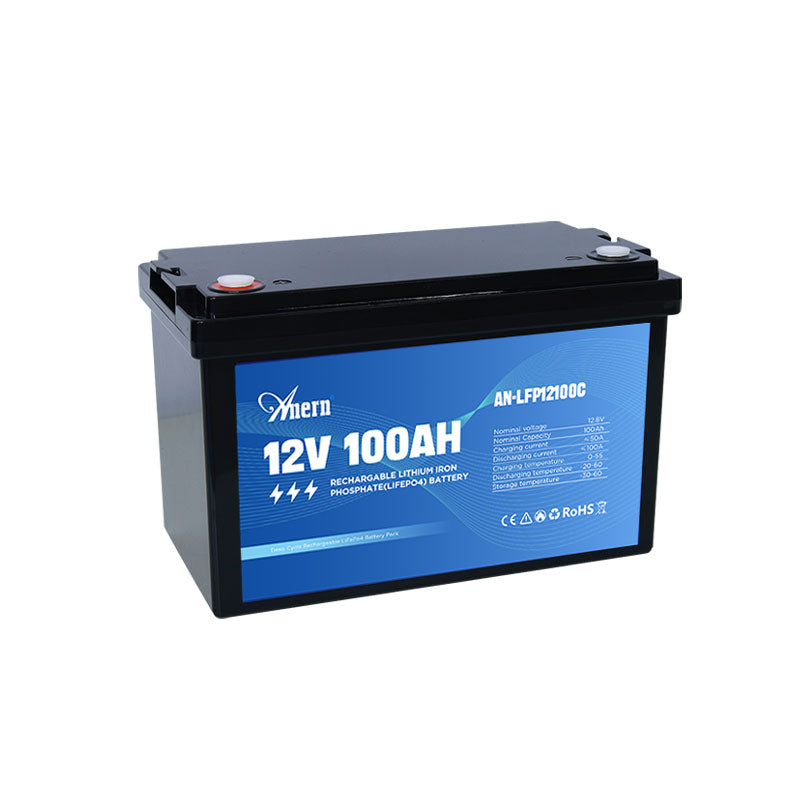
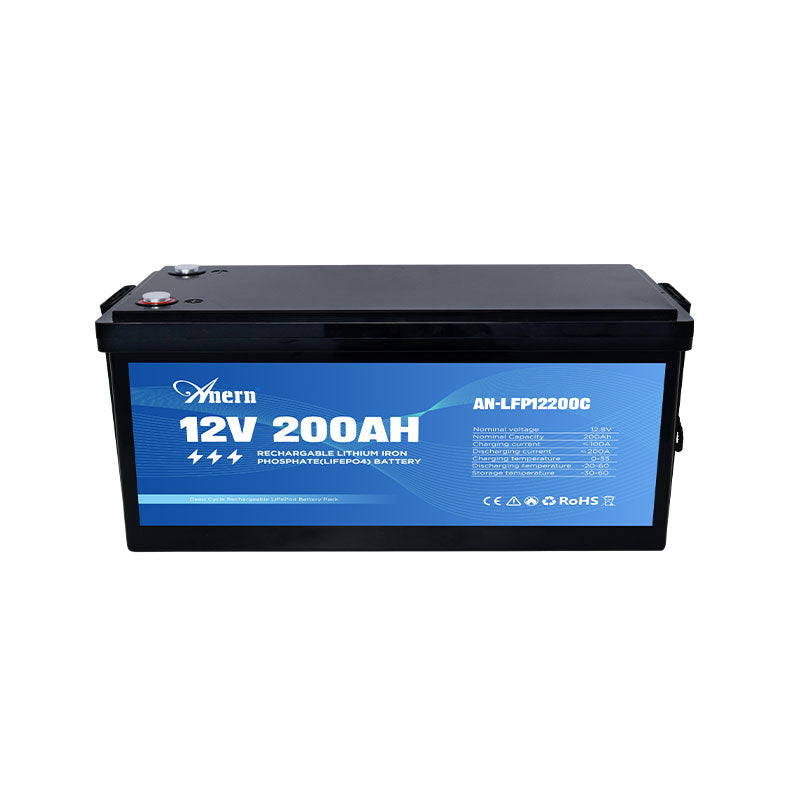
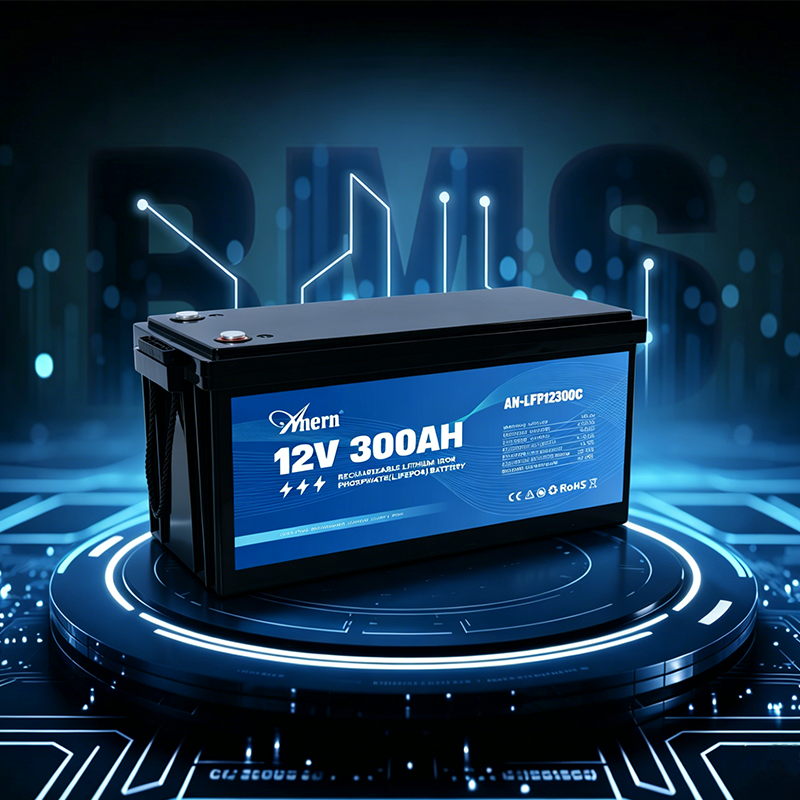
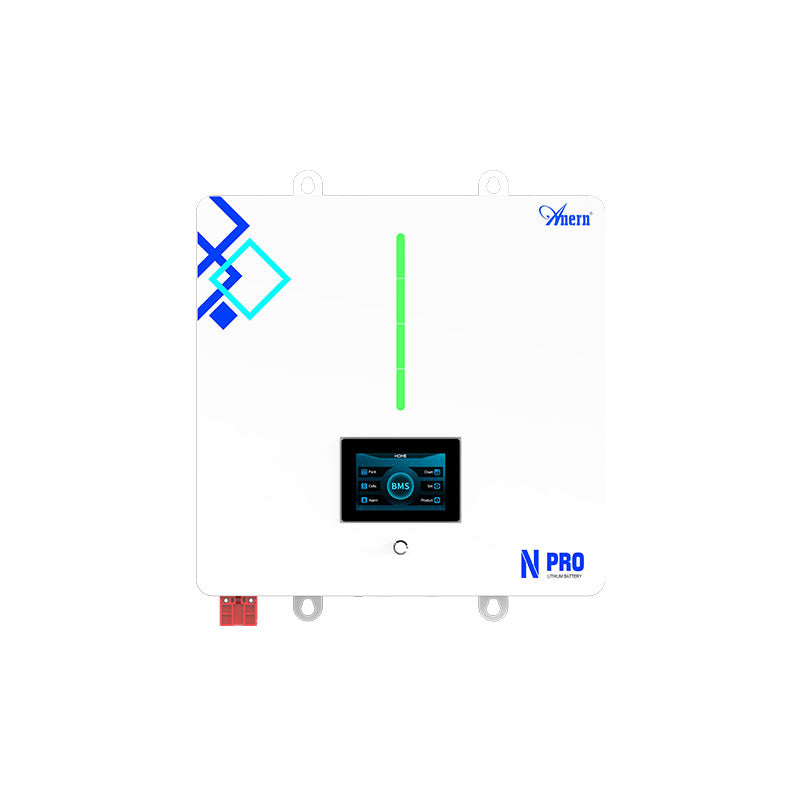
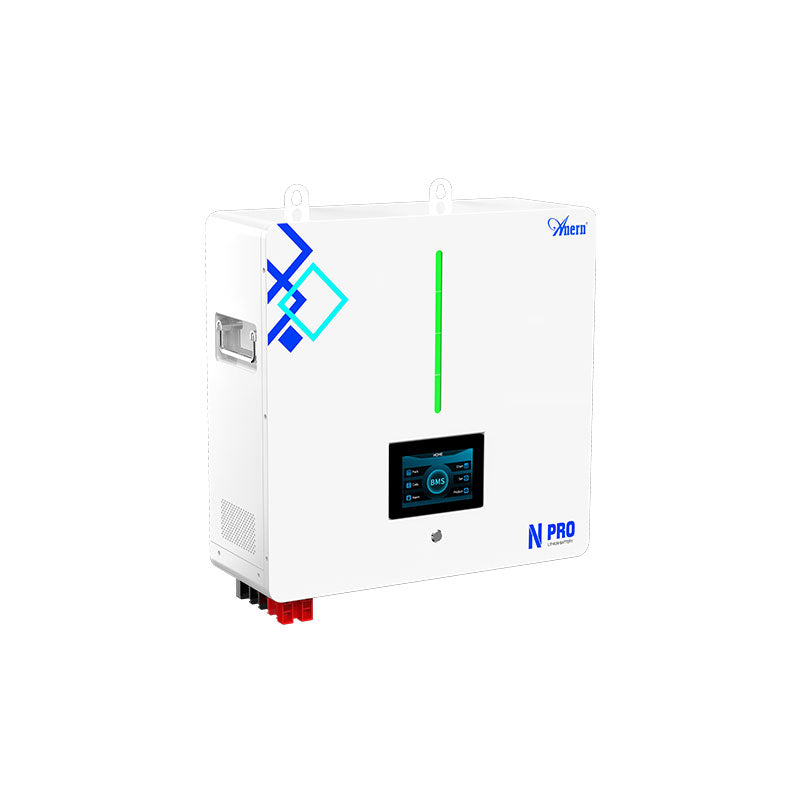
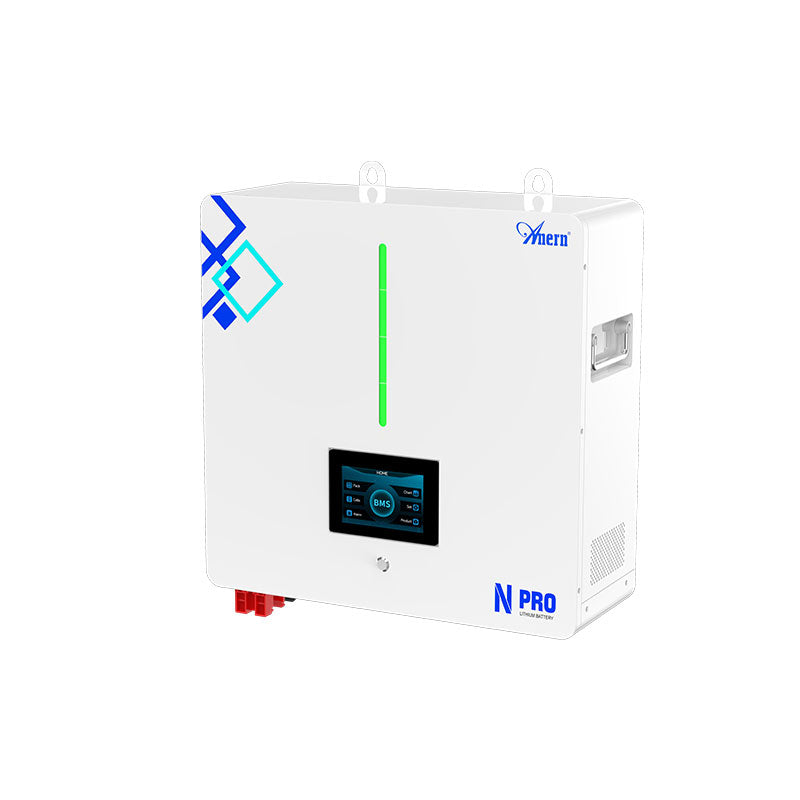
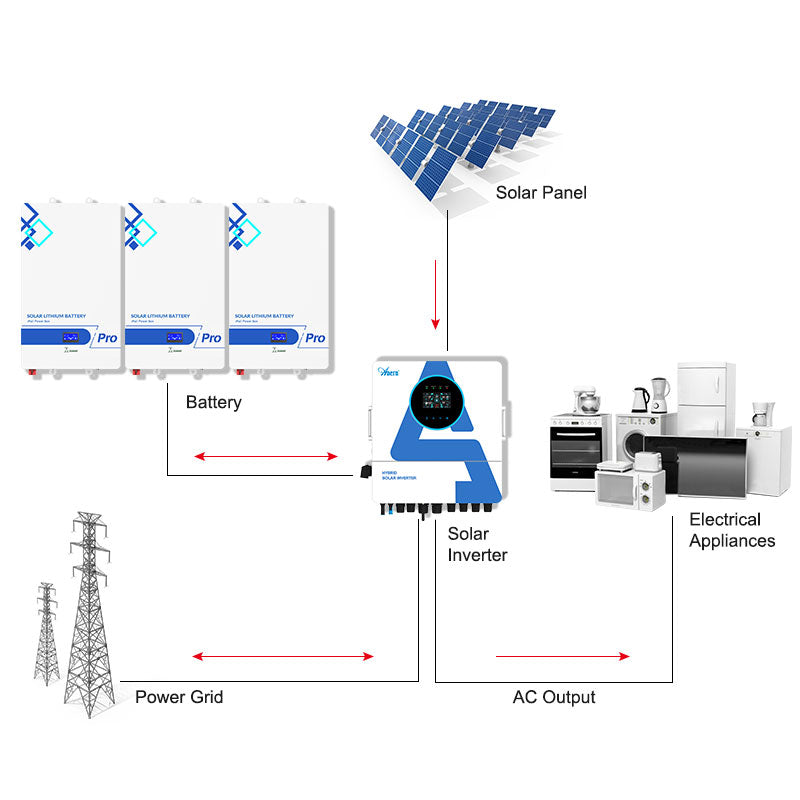
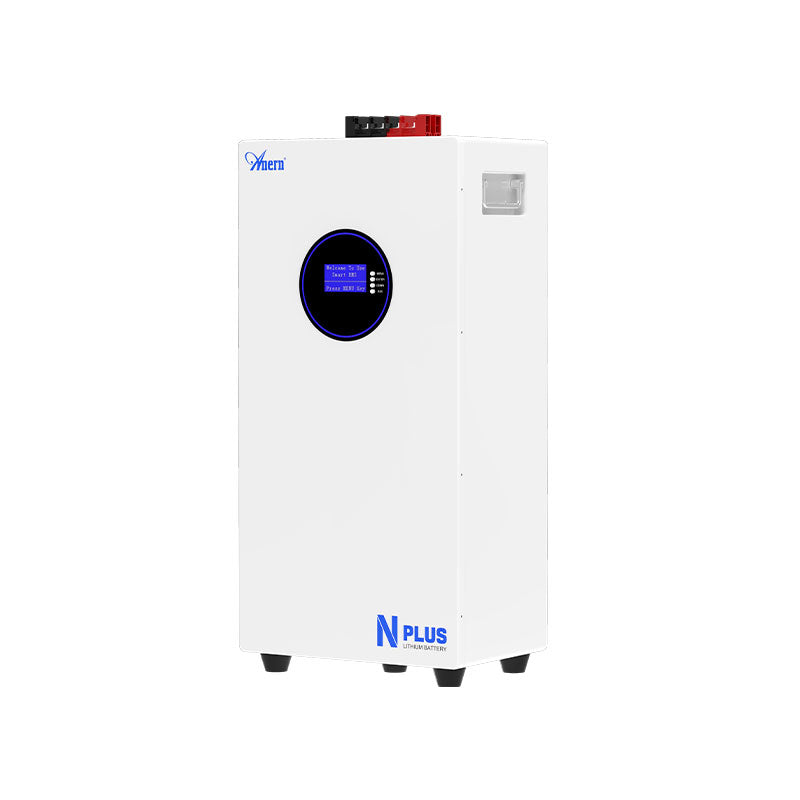
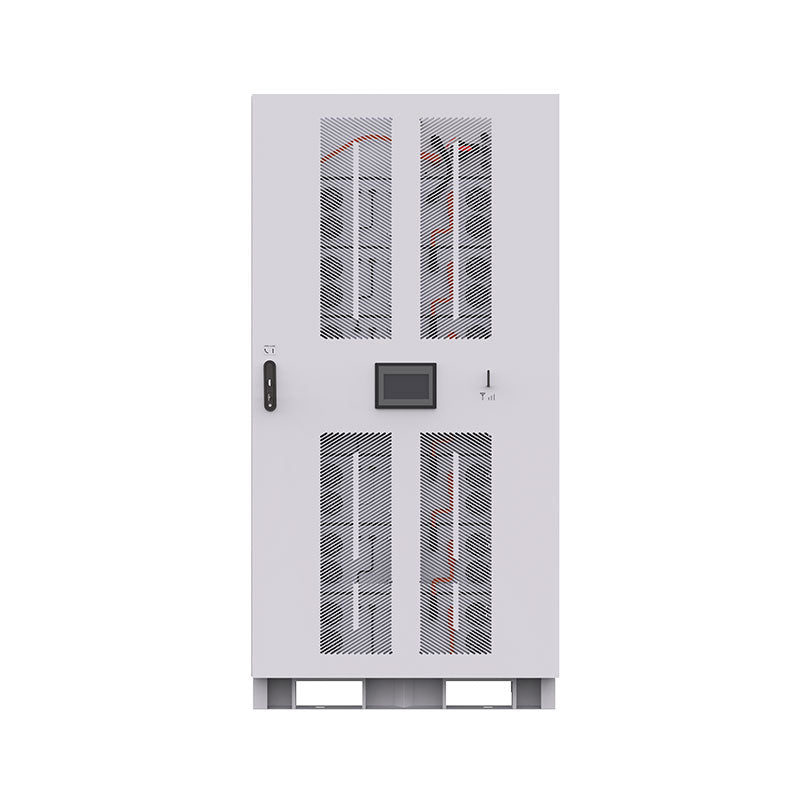
ANERN specializes in the manufacturing of high-performance, safe, and reliable LiFePO4 batteries. Our integrated ESS solutions combine these advanced batteries with hybrid inverters and solar panels, providing a complete power solution designed for durability and efficiency. When considering battery backup uptime, avoiding common sizing mistakes is critical. You can review common pitfalls in 9 Sizing Mistakes That Cripple Telecom Battery Backup Uptime.
Here is a comparison highlighting the advantages of LiFePO4 over traditional lead-acid batteries:
| Feature | LiFePO4 Batteries | Lead-Acid Batteries |
|---|---|---|
| Cycle Life | 2,000 - 8,000+ cycles | 300 - 1,000 cycles |
| Depth of Discharge (DoD) | 80-100% | 50% |
| Energy Density | High (Compact size) | Lower (Bulky) |
| Weight | Lighter | Heavier |
| Maintenance | Minimal | Regular (watering, equalization) |
| Temperature Performance | Excellent across wide range | Degrades in extreme temperatures |
| Safety | High thermal stability | Potential for off-gassing, acid spills |
For a detailed financial comparison, consider exploring the ROI Calculator Walkthrough: LiFePO4 vs Lead-Acid for Cell Sites.
Inverters and Power Management Units
Solar inverters convert the direct current (DC) electricity generated by solar panels and stored in batteries into alternating current (AC) electricity, which most telecom equipment uses. Hybrid inverters are particularly valuable in off-grid telecom systems. They intelligently manage power flow from multiple sources—solar, battery, and potentially a backup generator—to ensure stable power delivery. Proper inverter selection is vital for BTS shelters. Key specifications are outlined in Hybrid Inverter Selection for BTS Shelters: Specs That Matter.
Additionally, maintaining high 48V DC power quality at the base station is crucial for equipment longevity and performance. This involves careful consideration of cabling, fuses, and overall system design, as discussed in Ensuring 48V DC Power Quality at BTS: Cabling, Fuses, Inverters. ANERN's solar inverters are engineered for high efficiency and reliability, ensuring seamless power conversion and management for telecom applications.
Designing and Implementing Robust Off-Grid Solutions
Successful deployment of off-grid telecom power systems requires careful planning, precise sizing, and adherence to best practices.
Sizing and System Design Considerations
Accurate system sizing is fundamental to ensuring continuous power and optimizing investment. This involves several steps:
- Load Assessment: Precisely determine the power consumption of all telecom equipment (e.g., radios, routers, cooling systems). This forms the basis for sizing the entire system.
- Solar Array Sizing: Calculate the required number of solar panels based on the site's average daily energy consumption and local solar insolation (sunlight availability).
- Battery Bank Sizing: Determine the necessary battery capacity to provide power during periods without solar generation (e.g., night, cloudy days). This is often referred to as "autonomy" or "runtime." Understanding the runtime needs for remote base stations is critical for proper ESS sizing. You can find more information in What Runtime Do Remote Base Stations Need? Sizing ESS Right.
- Component Matching: Ensure that the inverter, charge controller, and other components are appropriately sized and compatible with the solar array and battery bank.
Professional design expertise helps avoid common mistakes that can cripple system performance and uptime. ANERN offers comprehensive off-grid solar solutions, including system design support, to help you achieve energy independence and reliable operation for your telecom sites.
Deployment and Maintenance Best Practices
Successful implementation extends beyond design. Consider these practical aspects:
- Site Selection: Evaluate factors like sunlight exposure, security, accessibility for installation and maintenance, and environmental conditions.
- Installation Quality: Proper installation by trained professionals ensures system integrity and longevity. This includes secure mounting of panels, correct wiring, and appropriate housing for batteries and electronics.
- Remote Monitoring: Implement systems for real-time monitoring of power generation, consumption, and battery status. This allows for proactive maintenance and rapid troubleshooting without requiring physical site visits.
- Preventive Maintenance: While off-grid systems require less maintenance than diesel generators, regular checks of connections, panel cleanliness, and battery health contribute to long-term reliability.
Case Studies and Real-World Impact
Across the globe, telecom operators are increasingly adopting off-grid solar-plus-storage solutions for remote base stations. These deployments range from providing basic connectivity in rural areas to powering advanced 5G RAN sites. For example, remote communities in developing regions often gain their first reliable internet access through these systems, fostering economic growth and social development. Similarly, in developed countries, off-grid solutions enhance network resilience in disaster-prone areas or provide cost-effective expansion into previously unserved locations. The trend towards off-grid powering of towers is well-documented by organizations like IEA and IRENA. Refer to Data Brief: IEA & IRENA Trends in Off-Grid Powering Towers for more insights. For a comprehensive look at powering advanced networks, consider The Ultimate Guide to Off-Grid Power for 5G RAN Sites.
The Future of Telecom Power and Sustainable Connectivity
The evolution of off-grid power solutions continues, driven by technological advancements and a growing commitment to sustainability.
Advancements in Battery Technology and Solar Efficiency
Ongoing research and development are leading to even more efficient solar panels and higher energy density batteries. LiFePO4 technology continues to improve, offering greater capacity in smaller footprints and at more competitive costs. These advancements make off-grid solutions increasingly viable for a wider range of telecom applications.
Microgrids and Networked Energy Management
The concept of microgrids, where multiple telecom towers or sites are interconnected and share energy resources, is gaining traction. These intelligent networks can optimize power distribution, enhance resilience, and potentially integrate other renewable sources. Advanced energy management systems enable remote control, predictive analytics, and load balancing across entire tower networks. A roadmap to scaling solar-storage across multi-site tower networks offers further guidance. See Roadmap to Scale Solar-Storage Across Multi-Site Tower Networks.
Policy, Economics, and Environmental Benefits
Governments and regulatory bodies are increasingly supporting the deployment of renewable energy solutions for critical infrastructure. This support, combined with the clear long-term economic benefits of reduced operational costs, makes off-grid telecom power an attractive investment. Beyond the financial returns, the environmental benefits are substantial, contributing significantly to reduced carbon emissions and a cleaner energy future.
Ensuring Uninterrupted Communication
The demand for reliable telecom services in remote and off-grid locations presents both a challenge and an opportunity. By embracing advanced solar and energy storage solutions, telecom operators can overcome traditional power limitations, reduce costs, and significantly minimize their environmental footprint. Robust off-grid power systems, built on reliable components like LiFePO4 batteries and efficient inverters, are not simply an alternative; they are a fundamental part of building a resilient, sustainable, and interconnected world. ANERN is dedicated to providing reliable and scalable energy solutions, empowering our customers to achieve true energy independence for their critical telecom infrastructure.
