
Adding a solar array to your roof is more than just an electrical project; it's a structural one. You are introducing significant weight and a new profile that interacts with wind and weather. A proper Structural Load Analysis is the engineering discipline that ensures your roof can handle these new forces safely and for the long term. This process is not a formality—it is the bedrock of a reliable solar energy system.
This analysis verifies the structural integrity of your building, preventing potential damage and ensuring the safety of everyone on the property. It is a critical step for securing permits, satisfying insurance requirements, and protecting your investment. Understanding the fundamentals of load analysis empowers you to make informed decisions for a successful installation.
Understanding the Forces at Play: Key Load Types
Every solar installation must account for a variety of forces, or "loads," that will act upon the building. These loads are calculated to ensure the structure's load-bearing capacity is never exceeded. They are broadly categorized into dead loads, live loads, and environmental loads.
Dead Loads: The Constant Weight
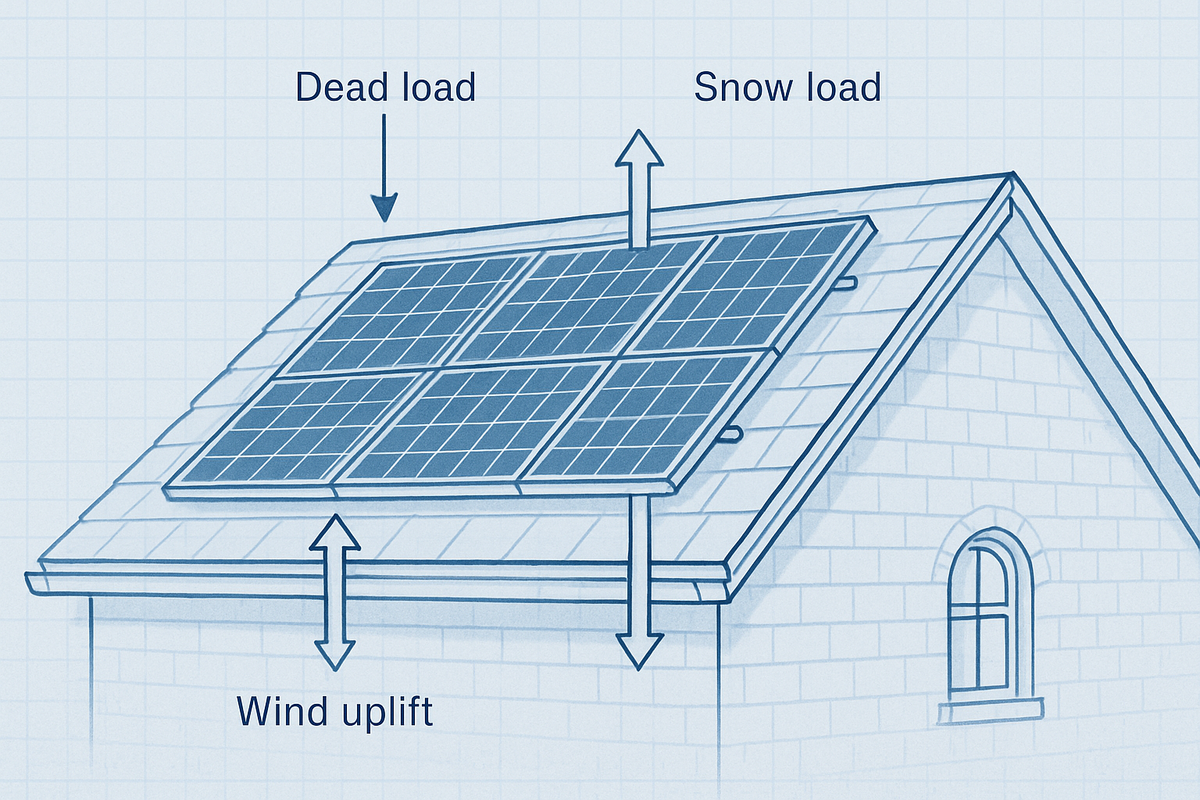
Dead loads are the static, permanent forces from the solar equipment itself. This includes the solar panels, the mounting solutions, and any associated hardware like inverters and wiring. While individual components may seem light, their combined weight across the entire roof area can be substantial. For systems that include energy storage, the weight of high-performance LiFePO4 batteries must also be carefully considered, ensuring they are placed in locations with adequate structural support.
Live Loads: The Variables
Live loads are temporary or moving forces. For a rooftop, this can include the weight of a person performing maintenance or, more significantly, the accumulation of snow and the pressure from wind. These forces are dynamic and can change rapidly. A comprehensive Wind Load Analysis is a crucial part of this assessment, as wind can create both downward pressure and a powerful upward lift on the array. The failure to correctly calculate these forces is a primary cause of system damage, a fact explored in What failure data reveals about wind and snow loads on PV roofs.
Environmental Loads: Wind and Snow in Detail
Wind and snow are the most critical environmental loads. Wind does not just press down; it flows over and under the panels, creating a complex aerodynamic effect that can generate significant uplift forces, attempting to pull the array off the roof. Snow load, on the other hand, is a downward force that can vary dramatically based on geography and local climate patterns. Engineering standards, such as those outlined in ASCE 7, provide the framework for these calculations. Staying current with these codes is essential, as detailed in 2025 code shifts: ASCE 7 and Eurocode rules for PV roof loads.
The Analysis Process: From Survey to Sign-Off
A thorough structural load analysis follows a methodical process to ensure nothing is overlooked. It moves from physical inspection to detailed engineering calculations, culminating in a safe and compliant system design.
Step 1: The Structural Survey
The process begins with a detailed inspection of the existing structure. An engineer will assess the roof's framing, including the size, spacing, and condition of rafters or trusses. They will identify the roof's construction materials and check for any pre-existing signs of stress or damage. This step is especially vital for older buildings. A case study on this topic, Case study: retrofitting PV on aged roofs without overstress, highlights the unique challenges involved. The survey provides the baseline data needed for all subsequent calculations and is a key part of the Blueprint for roof surveys, pull-out tests, and PV racking safety.
Step 2: Calculation and Modeling
Using data from the survey, engineers calculate the total expected loads. They use specialized software to model how these forces will be distributed across the roof structure. This modeling considers factors like panel tilt, building height, and local wind speed requirements. Different software tools can yield slightly different results, a topic compared in Software shootout: PV roof load calculators vs FEA results. The output of this step determines if the roof can handle the load as-is or if reinforcement is needed.
| Factor | Description | Impact on Structural Load |
|---|---|---|
| Geographic Location | Determines expected snow depth, maximum wind speeds, and seismic activity. | High: Regions with heavy snow or hurricanes require much stronger mounting solutions. |
| Roof Geometry | The pitch, shape (gable, hip, flat), and height of the roof. | High: Steep roofs shed snow but can catch more wind. Flat roofs have different uplift characteristics. |
| Building Age & Condition | The integrity of existing rafters, trusses, and sheathing. | High: Older structures may have a lower load-bearing capacity and require reinforcement. |
| Solar Panel Weight | The dead load of the modules themselves. | Medium: While a factor, wind uplift is often a more significant force. |
Step 3: Selecting the Right Mounting and Racking Systems
The results of the analysis directly inform the choice of mounting hardware. The racking system is what transfers the load from the panels to the building structure. Different roof types require different solutions. For instance, the debate over whether Do flat roofs need ballast or anchors? Engineer answers depends entirely on the roof's load capacity and wind uplift calculations. The trade-offs between different systems, such as in Ballasted vs rail mounts: roof load and uplift trade-offs, are evaluated to find the optimal balance of weight distribution, cost, and security.
Common Pitfalls and How to Avoid Them
Even with a defined process, mistakes can happen. Being aware of common errors can help ensure the long-term health of your solar installation and your home.
Misunderstanding Your Roof's Load Bearing Capacity
A frequent error is assuming a roof can handle the additional weight without verification. The original design capacity of a roof does not account for the concentrated and sustained loads of a solar array. This is one of the primary issues covered in 7 structural load mistakes that crack rafters under PV arrays. Always rely on a professional assessment rather than assumptions.
Improper Spacing and Attachment
How the racking system is attached to the roof is just as important as the roof's overall strength. Attachments create "point loads," and if they are not spaced correctly, they can overstress individual rafters or trusses. The goal is to distribute the load as evenly as possible across the entire structure. You can learn more about how to Stop overloading rafters: optimize module spacing and attachment.
The Lightweight Module Myth
Some believe that using lightweight solar panels eliminates the need for a structural analysis. This is a dangerous misconception. While a lighter dead load is helpful, it does little to change the powerful uplift forces generated by wind. In high winds, the array acts like a wing, and its weight is a minor factor compared to the aerodynamic lift. This is why even with the latest technology, you must understand that Myth vs reality: lightweight modules still need roof load checks.
The Bigger Picture: Structural Integrity and System Performance
A structurally sound installation is the first step toward achieving energy independence. A system that fails physically delivers zero return on investment and can cause expensive damage. At ANERN, we provide reliable and scalable energy solutions, from high-performance solar inverters to integrated home energy storage systems. This commitment to reliability starts with the foundation—ensuring the physical installation is secure for decades of service.
Once the physical foundation is secure, you can focus on optimizing electrical output. A robust mounting solution ensures your high-performance components can deliver on their promise. The long-term reliability of the entire system, from the racking to the battery, is what ultimately determines its value. For a deeper look into maximizing your system's output, see our Ultimate Reference for Solar & Storage Performance.
Your Next Steps to a Secure Installation
Structural load analysis is not an optional expense; it is a fundamental part of a safe, compliant, and durable solar energy system. It protects your property, maximizes the life of your investment, and provides peace of mind. By understanding these principles, you are better equipped to ask the right questions and ensure your project is built on a solid foundation.
For a detailed overview of the entire process, a great starting point is this guide on How to run a structural load analysis for rooftop PV racking. Always consult with a qualified structural engineer to perform the analysis for your specific property.
Disclaimer: This article is for informational purposes only and does not constitute professional engineering or legal advice. You should consult with a licensed professional for any specific structural analysis or installation project.
