














Building your own solar energy system offers a unique sense of accomplishment and a direct path to energy independence. But turning components into a safe, reliable power source requires more than just enthusiasm. The quality of your installation hinges on precision, and that precision comes from using the right tools and testers. Without them, you risk poor performance, equipment damage, or serious safety hazards.
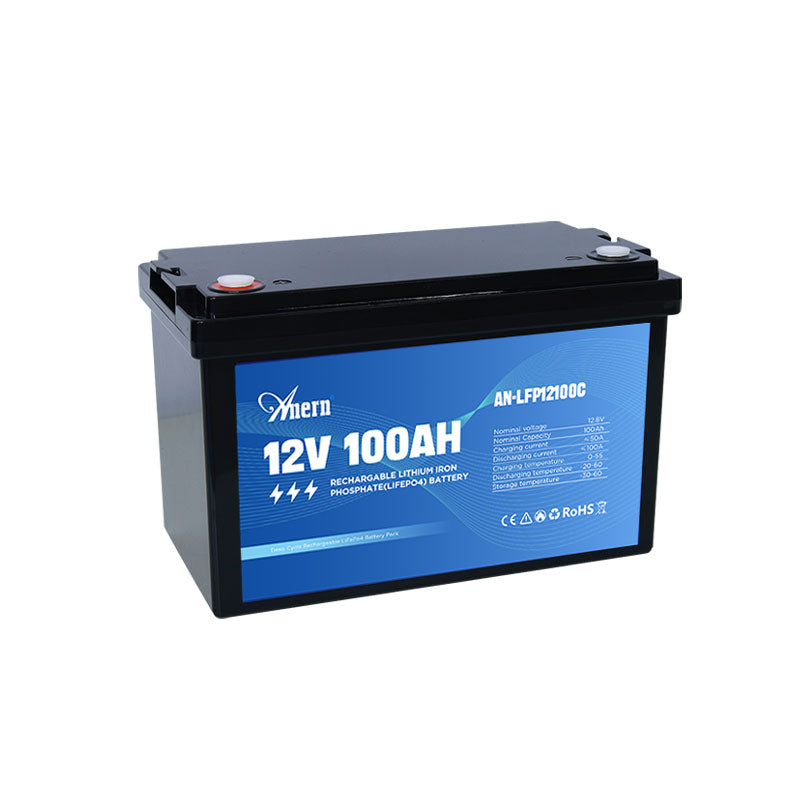
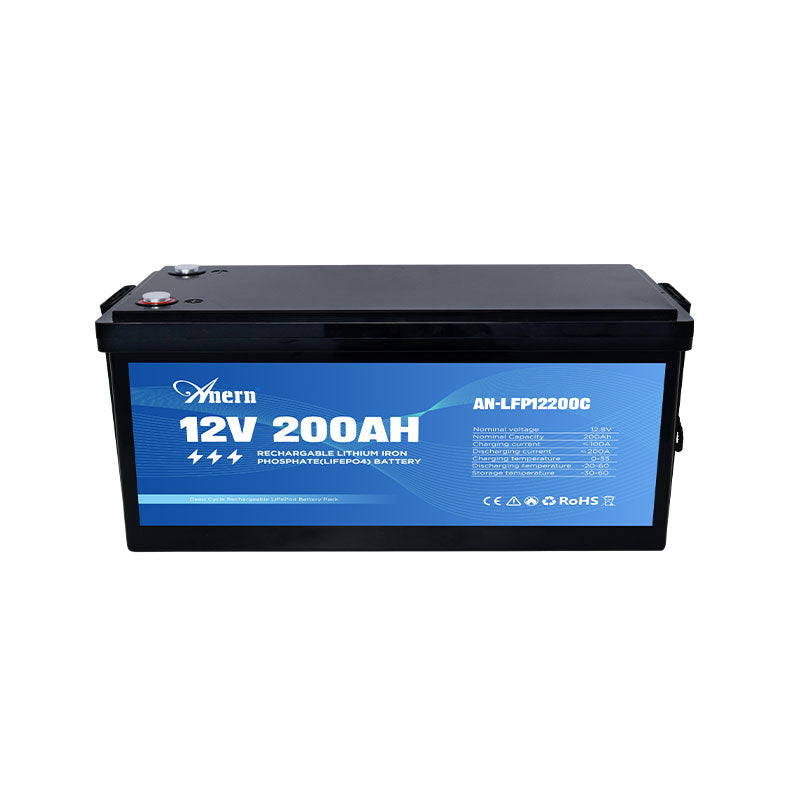
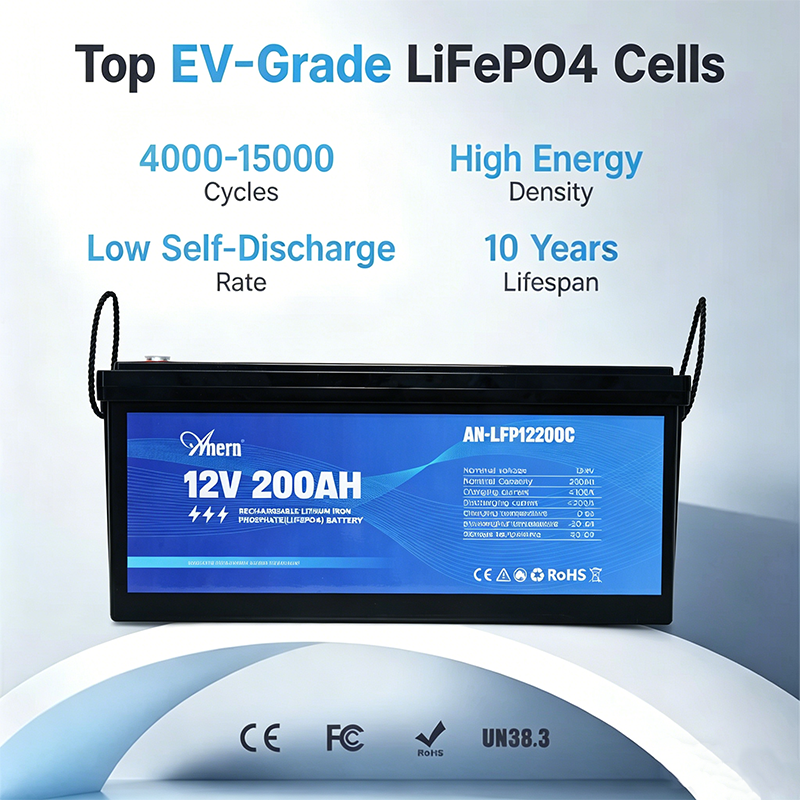
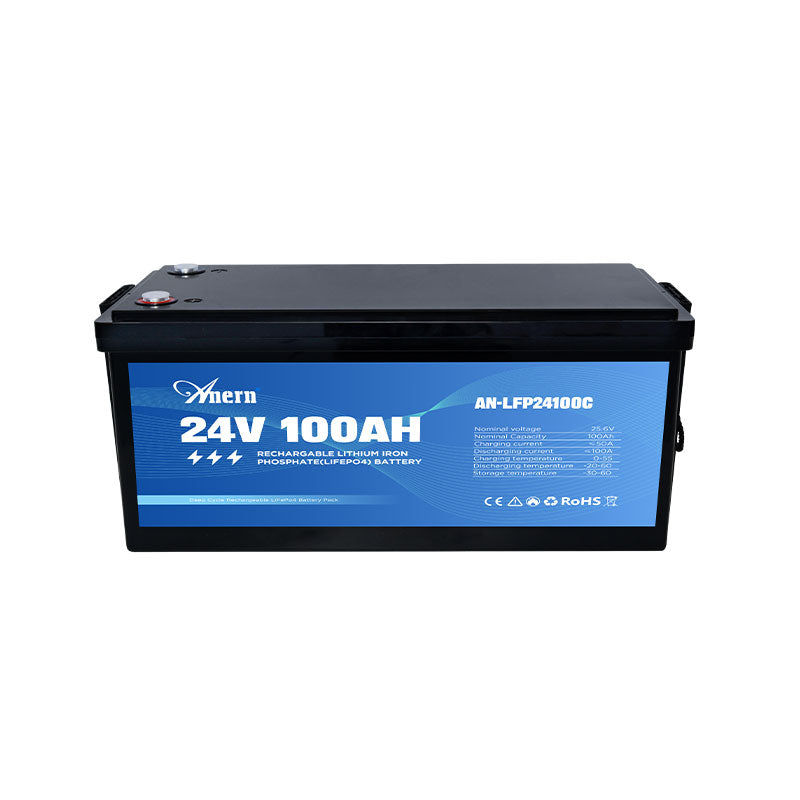
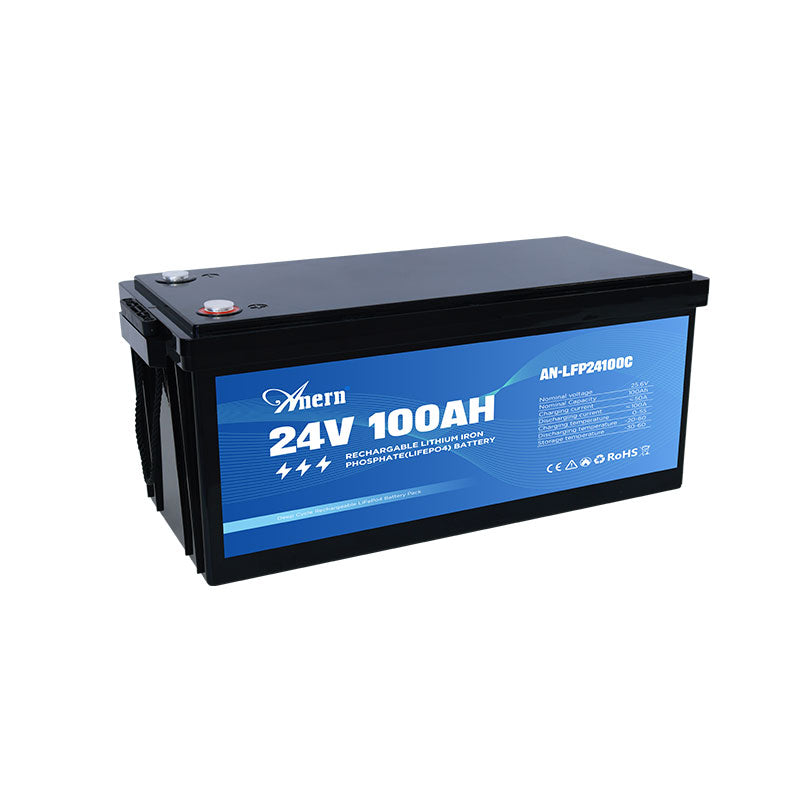
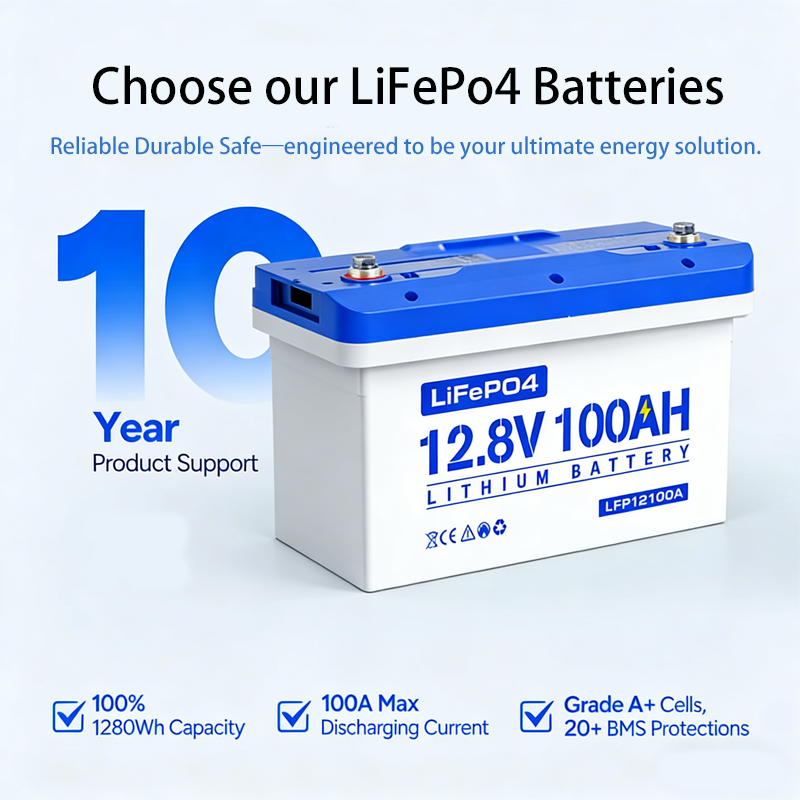
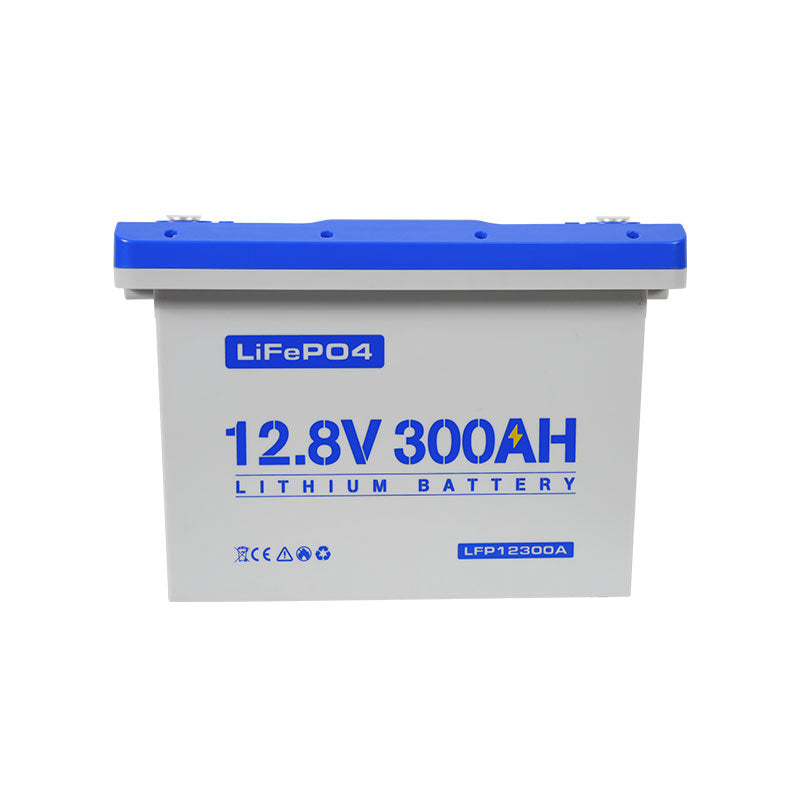
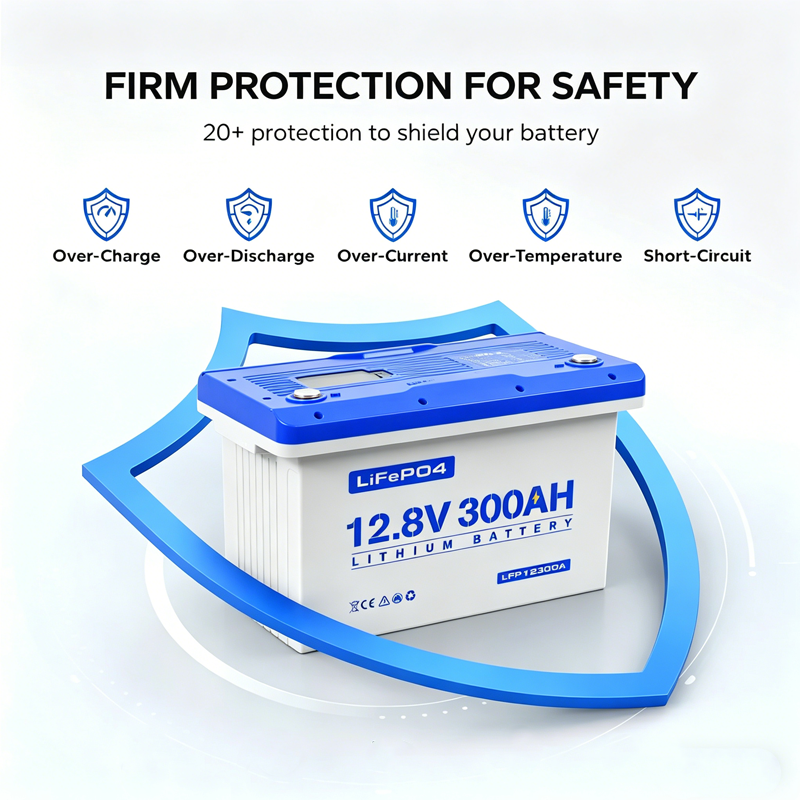
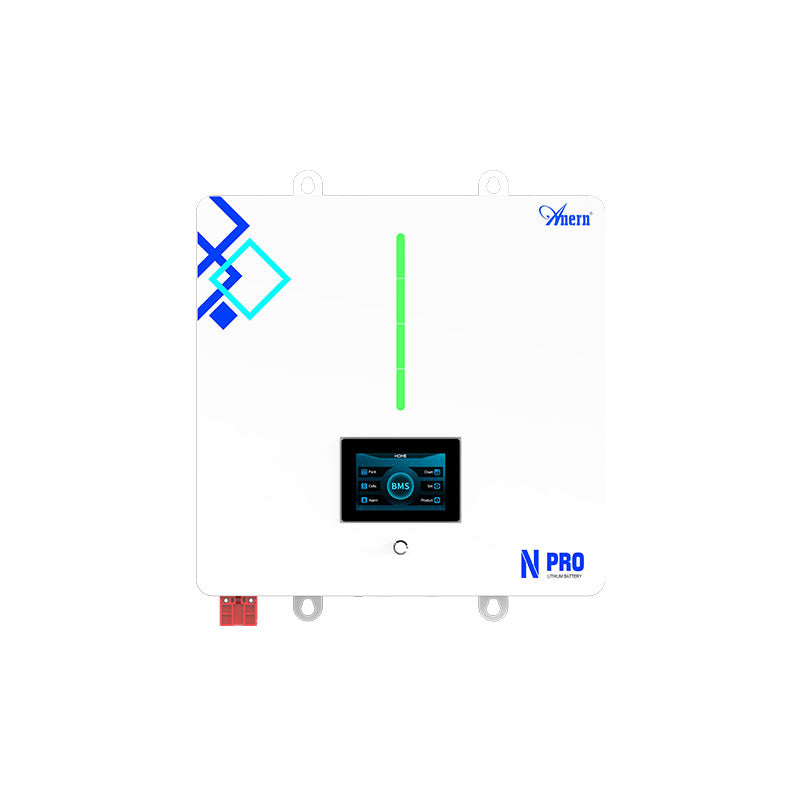
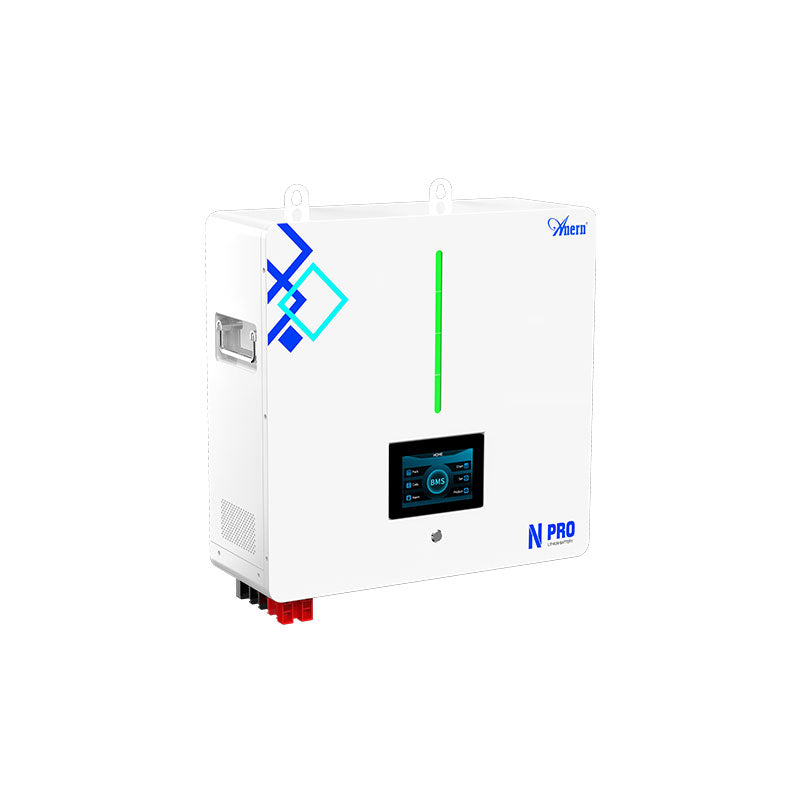
This guide covers the essential equipment you need for your DIY projects. From basic hand tools to specialized electrical testers, we will cover what you need to commission your system correctly. Proper tool use ensures that high-performance components, like dependable LiFePO4 batteries and integrated home energy storage systems, operate at their full potential for years to come.
The Foundation: Must-Have Hand and Power Tools
Before you even touch a wire, you need a solid set of mechanical tools. These are the instruments that ensure your physical installation is secure, weatherproof, and built to last. A sloppy mechanical job can undermine even the most advanced electrical components.
Precision and Safety in Every Connection
Electrical connections are a common failure point in solar installations. Loose or improperly fastened connections can create high resistance, leading to heat, power loss, and potential fire hazards. Using precision tools is not optional; it's a core part of a safe installation. A torque wrench ensures every nut and bolt on your battery terminals and busbars is tightened to the manufacturer’s exact specification. Similarly, specialized MC4 crimp tools create secure, weather-tight connections for your solar panel wiring that will last for decades. You can learn more about how critical these tools are in Stop Guessing: Torque, MC4, and Crimp Tools That Save Lives.
General Tools for a Clean Installation
Beyond the specialized electrical tools, a standard set of high-quality hand and power tools is necessary for the physical work. This includes a good power drill, a full socket and wrench set, wire strippers, and cutters. For conduit work, you may need a bender and fish tape. These tools are fundamental to mounting solar panels, installing racking, and securing inverters and battery systems. A well-organized toolkit is the first step toward a professional-quality result, as detailed in this guide to 9 Must‑Have DIY Solar Tools for Safe, Clean Installs.
The Core of Commissioning: Essential Electrical Testers
Once your system is physically installed, you must verify it electrically before turning it on. This process is called commissioning. It involves using testers to confirm that everything is wired correctly and performing as expected. The International Energy Agency (IEA) highlights that verifying compliance with technical requirements is a critical step to ensure grid stability and safety, a principle that is just as important for off-grid systems.
The Multimeter: Your First and Best Friend
A quality digital multimeter is the single most important diagnostic tool you will own. It’s your eyes for seeing electricity. You will use it constantly to measure:
- Voltage (V): To check the open-circuit voltage (Voc) of your solar panels and strings, and to confirm the voltage of your battery bank.
- Continuity: To verify that a wire, fuse, or breaker forms a complete electrical circuit.
- Resistance (Ω): To check for faults in wiring or components.
For example, before connecting your battery bank to your inverter, you will use a multimeter to confirm the total voltage and, most importantly, the polarity. This simple check prevents catastrophic damage. You can find a detailed walkthrough in our guide on How to Verify LiFePO4 Packs with a Multimeter and BMS. However, be aware that incorrect use can be damaging. Avoid common errors by reviewing these 7 Costly Meter Mistakes That Kill Off‑Grid Batteries.
Measuring Current: The Clamp Meter
While a multimeter can measure small amounts of current, you need a clamp meter to safely measure the high DC amperage produced by your solar array or drawn from your batteries. Its key advantage is the ability to measure current without disconnecting any wires. You simply clamp the jaw around a single conductor. This makes it invaluable for real-time performance checks, such as confirming the amperage from your solar charge controller matches your expectations on a sunny day. For a deeper look at its accuracy compared to other methods, see Clamp Meter vs Shunt: Which Wins DC Amps Accuracy?.
Insulation Resistance Testing: The Megohmmeter
A megohmmeter, often called a Megger, is a more advanced tester used to check the quality of the insulation on your wires. It applies a high voltage to detect any current leakage to ground, which could indicate damaged wire insulation. While it might be considered overkill for smaller 48V systems, it is a valuable tool for ensuring the long-term safety and reliability of any installation, especially those with long wire runs. Explore the nuances of this topic in Myth vs Reality: Do You Need a Megger for 48V Solar?.
From Theory to Reality: The Commissioning Process
With the right tools in hand, you can move forward with a structured commissioning process. This is where you methodically test each part of your system before the final power-up. This systematic approach transforms a collection of parts into a cohesive, functional power plant.
A Step-by-Step Testing Workflow
A logical workflow prevents mistakes and ensures nothing is overlooked. A typical process involves starting from the power source and working your way to the loads. Here is a simplified checklist:
| Step | Tool Used | What to Check |
|---|---|---|
| 1. PV String Verification | Multimeter | Confirm Voc and polarity of each solar string. |
| 2. Wiring Continuity & Grounding | Multimeter | Check for continuity on all circuits and verify solid grounding connections. |
| 3. Battery Bank Verification | Multimeter, Torque Wrench | Confirm final battery voltage, polarity, and that all terminal bolts are torqued to spec. |
| 4. System Power-Up | Clamp Meter | After turning on breakers, measure current to ensure it flows in the correct direction and within expected ranges. |
For a more exhaustive list of checks from start to finish, refer to our comprehensive Commissioning Checklist: Tools from PV Strings to Inverter.
Interpreting the Results: What the Numbers Tell You
Taking measurements is only half the battle; you also need to understand what they mean. If your solar panel's measured Voc is significantly lower than its rating, it could indicate a problem with a panel, a loose connection, or even shading. Understanding these numbers is key to evaluating your system's real-world output. You can dive deeper into what to expect from a high-performance system by looking at metrics like Round-Trip Efficiency (RTE) and Depth of Discharge (DoD), which are critical for assessing your energy storage. For instance, a high-quality LiFePO4 system should exhibit a high RTE, as explained in this ultimate reference on solar storage performance. Knowing what test reports are truly important is crucial for safety, a topic covered in What Test Reports Matter to Commission a Home ESS Safely?.
Real-World Application: A Cabin System Example
You don't always need the most expensive equipment to achieve great results. Many successful off-grid systems, like those for small homes or cabins, are commissioned using a reliable multimeter and a basic clamp meter. The key is understanding the principles and applying them diligently. A case study on commissioning a cabin ESS with budget tools shows how a safe and effective installation is achievable with a modest investment in testing equipment.
Advanced Diagnostics and Future Trends
As you gain experience, you may want to expand your diagnostic capabilities. Advanced tools can help you spot subtle problems and optimize performance even further, and thankfully, technology is making these tools more accessible.
Finding Hidden Problems: Thermal Imaging
A thermal camera or an infrared (IR) temperature gun can be incredibly useful for finding "hot spots." A loose connection, a failing breaker, or a defective solar cell will often get hot before it fails completely. A quick scan with a thermal tool can reveal these hidden issues before they become serious problems. Learn about the differences between these tools in Thermal Camera vs IR Gun: Faster PV Hot‑Spot Diagnosis.
The Evolution of DIY Tooling
The good news for DIYers is that testing tools are constantly improving. What was once expensive, professional-grade equipment is now becoming more affordable and user-friendly, significantly boosting the reliability of DIY projects. Staying aware of these advancements can help you build better, safer systems. Keep an eye on 2025 tool trends to see how new technology is empowering system builders.
Building with Confidence
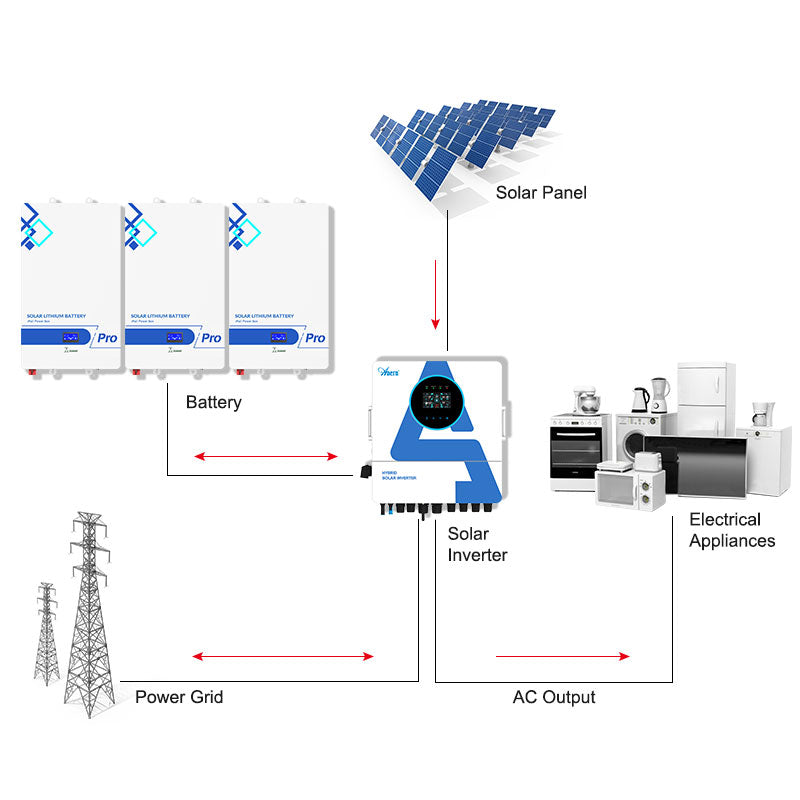
Investing in the right tools and testers is an investment in the safety, performance, and longevity of your solar energy system. It allows you to move beyond guesswork and build with the confidence that comes from data-driven verification. When you pair quality craftsmanship with reliable, scalable energy solutions—like a robust solar inverter and a high-performance LiFePO4 battery bank—you create a power system that will serve you well for many years.
By taking a methodical approach and using the proper instruments, you can ensure your project is not only a source of pride but also a dependable cornerstone of your energy independence.
Disclaimer: This article is for informational purposes only. It does not constitute legal or financial advice. Always consult with a qualified professional and adhere to local electrical codes and regulations when installing any electrical system.
