












Living off-grid provides a unique sense of freedom and self-sufficiency. At the heart of this independence is your solar power system, working silently to harness the sun's energy. But this freedom comes with a responsibility. Neglecting the upkeep of your solar panels is like allowing your primary fuel source to dwindle. Over time, this oversight leads to significant power loss, shortens the lifespan of your components, and can even lead to system failures when you need power the most.
This guide offers a complete framework for off-grid solar panel maintenance. We will cover everything from routine cleaning and inspections to advanced system checks. Following these practices will help you protect your investment and ensure your energy independence remains secure for years to come.
The Foundation of Off-Grid Energy: Why Panel Upkeep Matters
On a fundamental level, a solar panel's job is to capture sunlight. Anything that gets in the way of that process reduces its efficiency. In an off-grid scenario, every watt-hour counts, and consistent upkeep is directly linked to the reliability of your power supply.
Quantifying the Impact of Neglect
The gradual accumulation of dust, pollen, bird droppings, and grime is known as soiling. While it may seem minor, its effect on energy production is substantial. Studies and field data show that soiling can reduce a panel's output by 5% to 25%, and in particularly dusty or agricultural areas, this figure can be even higher. This reduction has a cascading effect on your entire system. Your batteries may not reach a full state of charge, which can degrade their long-term health. Consequently, you might find yourself running a backup generator more often, increasing fuel costs and noise. A real-world example of this is detailed in the Case Study: Desert Cabin Cut Generator Runtime via Cleaning.
Beyond Cleaning: The Importance of Regular Inspections
Maintenance is more than just washing the panels. Regular inspections are crucial for spotting physical issues before they become critical failures. Small cracks from hail, delamination of the panel layers, or signs of moisture intrusion can compromise performance and safety. Furthermore, loose wiring or corroded connections present a serious fire risk. Catching these problems early saves you from expensive repairs and dangerous situations down the line.
The Off-Grid Difference: Unique Maintenance Challenges
Unlike grid-tied systems that can draw power from the utility as a backup, an off-grid system is entirely on its own. This makes reliability paramount. Off-grid arrays are often in remote locations, exposed to harsher weather conditions like heavy snow, high winds, and intense storms. They can also be affected by wildlife, from birds nesting under the panels to rodents chewing on wires. Understanding these unique challenges is the first step in creating an effective maintenance plan. For more on this, see the analysis on Soiling, Snow, and Wildlife: Off-Grid PV Upkeep Trends 2025.
A Practical Cleaning and Inspection Regimen
A systematic approach to cleaning and inspection will maximize your energy harvest and extend the life of your equipment. It doesn’t have to be complicated, but it does need to be consistent.
The Art of Cleaning: Techniques and Timing
The question of "how often" to clean depends heavily on your location. A good starting point is a quarterly cleaning, but you may need to adjust based on observation. You can find detailed guidance in How Often Should You Clean Remote Off-Grid PV Arrays?. Always clean after major events like dust storms or periods of high pollen. This is covered in Stop Wasting Sun: Clean After Storms, Realign for Yield.
When it comes to the "how," safety is the top priority. Always shut down your system according to the manufacturer's instructions before starting. The best practice is to use a soft-bristle brush and a squeegee with plain or de-ionized water. Avoid harsh chemicals or abrasive materials that can damage the panel's anti-reflective coating. For a complete safety checklist, refer to How to Clean and Inspect Off-Grid Solar Panels Safely. You can also explore a comparison of methods in Dry Brush vs Wet Wash for Remote PV: Efficiency and Risk. And if you think a little rain is enough to do the job, you might be surprised by the facts in Myth vs Reality: Rain Keeps Off-Grid Panels Clean Enough?.
Your Systematic Inspection Checklist
A thorough inspection can be done right after cleaning. Follow this checklist to ensure you cover all the bases:
- Panel Surfaces: Look for any cracks, chips, discoloration, or signs of water getting between the glass and the cells.
- Structural Mounts: Check that all nuts and bolts on the racking are tight. Ensure the structure is stable and there are no signs of corrosion or damage.
- Wiring and Connections: Examine all visible wiring for fraying, cracking, or signs of animal damage. Check that connections are secure and junction boxes are properly sealed.
For a more exhaustive checklist that includes everything from checking the tilt angle to performing advanced electrical tests, the Off-Grid Array Inspection Blueprint: From Tilt to IV Tests is an excellent resource.
Creating a Maintenance Schedule
Consistency is key. A simple schedule helps you stay on top of tasks and document your system's health over time. Here is a sample schedule you can adapt:
| Frequency | Task | Notes |
|---|---|---|
| Monthly | Visual Inspection & Performance Check | Quickly check for debris. Review energy production data for any anomalies. |
| Quarterly | Panel Cleaning & Detailed Inspection | Perform a full cleaning and go through the inspection checklist. Details can be found in What Does a Quarterly Off-Grid Panel Checkup Include?. |
| Annually | Comprehensive System Review | Inspect all system components, including inverter and batteries. Tighten all electrical connections. |
Optimizing Your Entire Off-Grid System
Clean panels are just one part of a high-performing off-grid system. The health of your entire setup, from the inverter to the batteries, determines your overall energy reliability.
Beyond the Panels: The Role of System Components
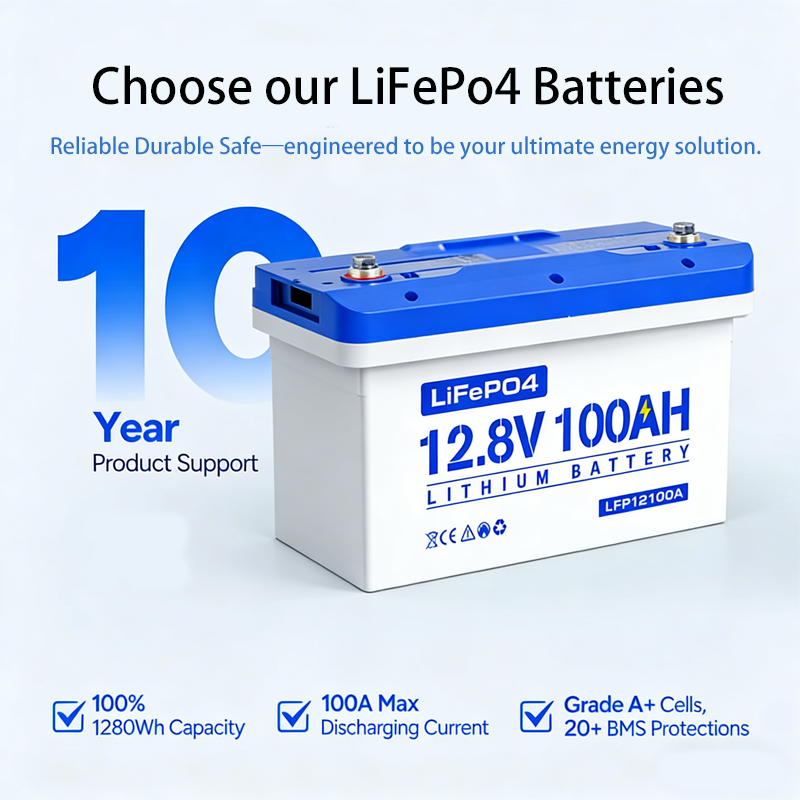
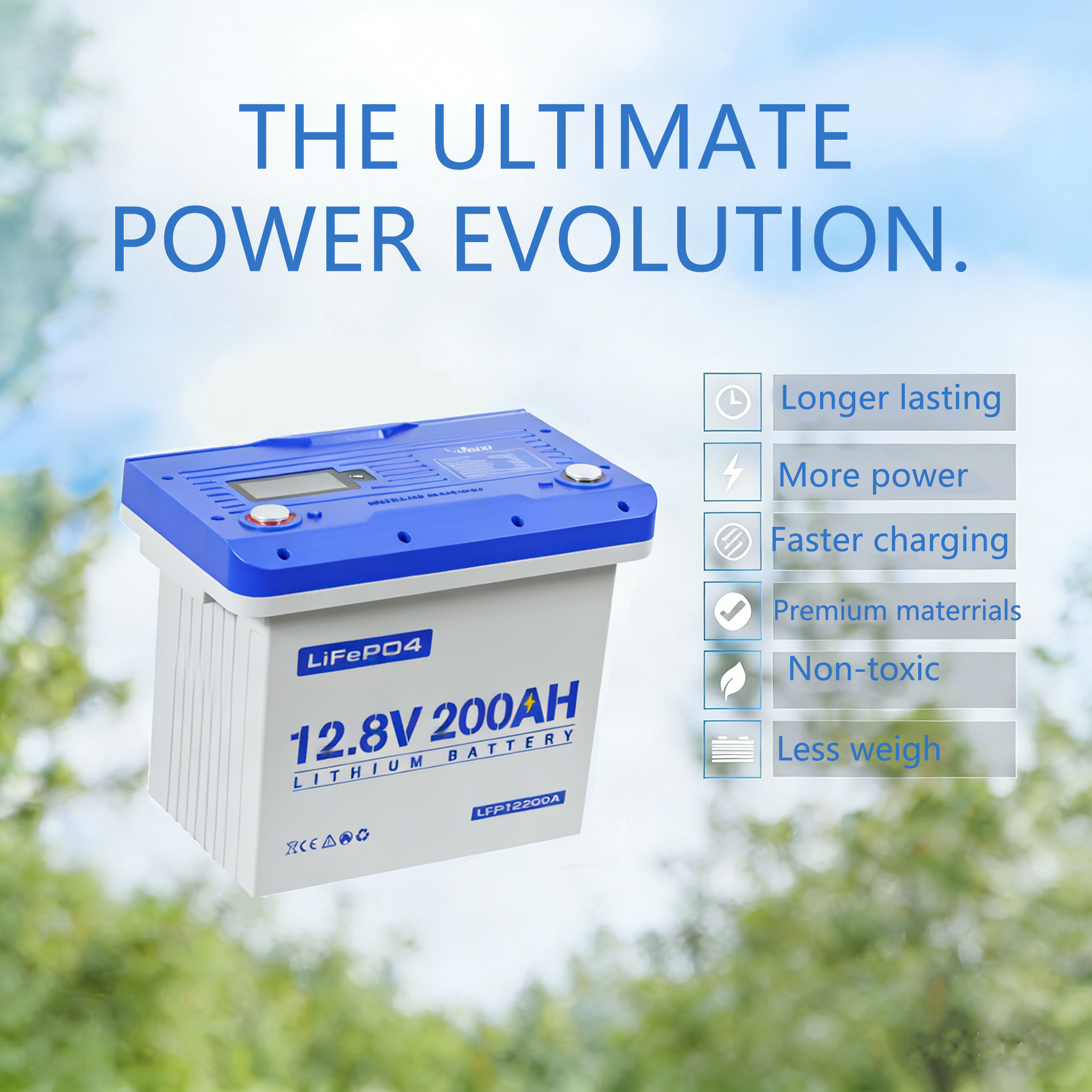
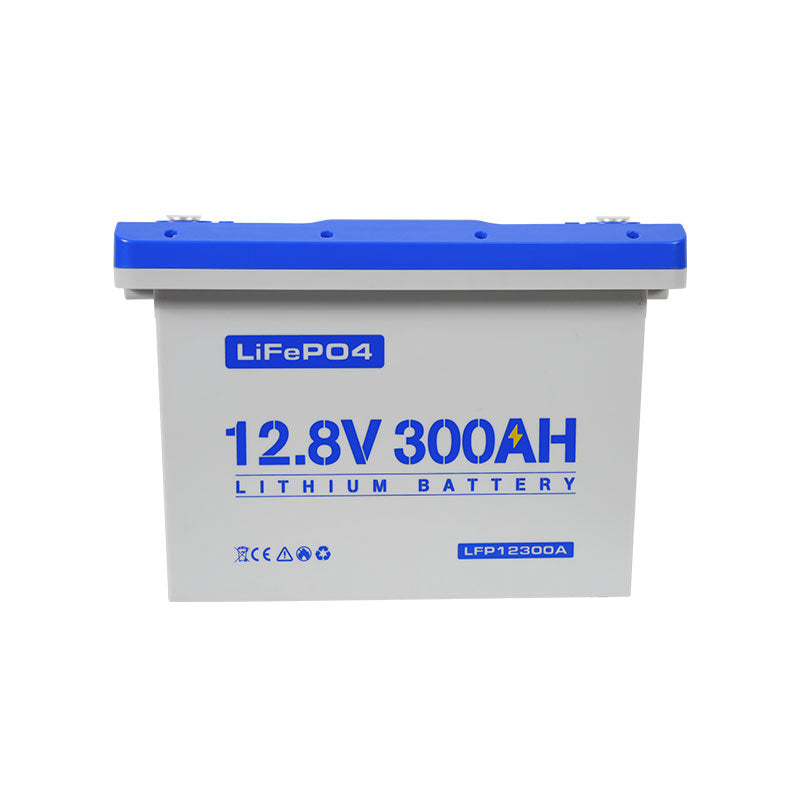
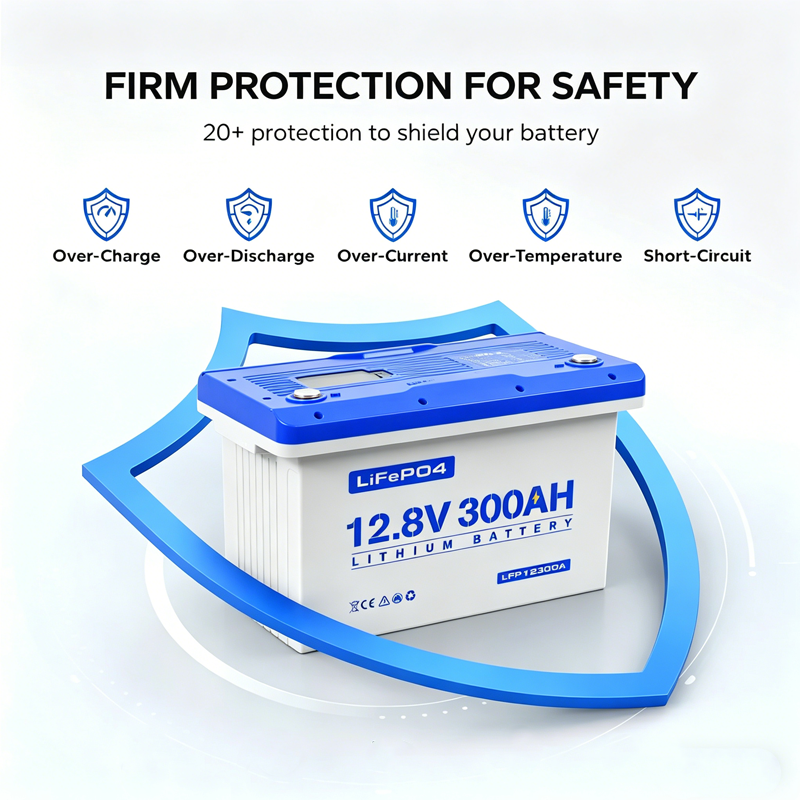
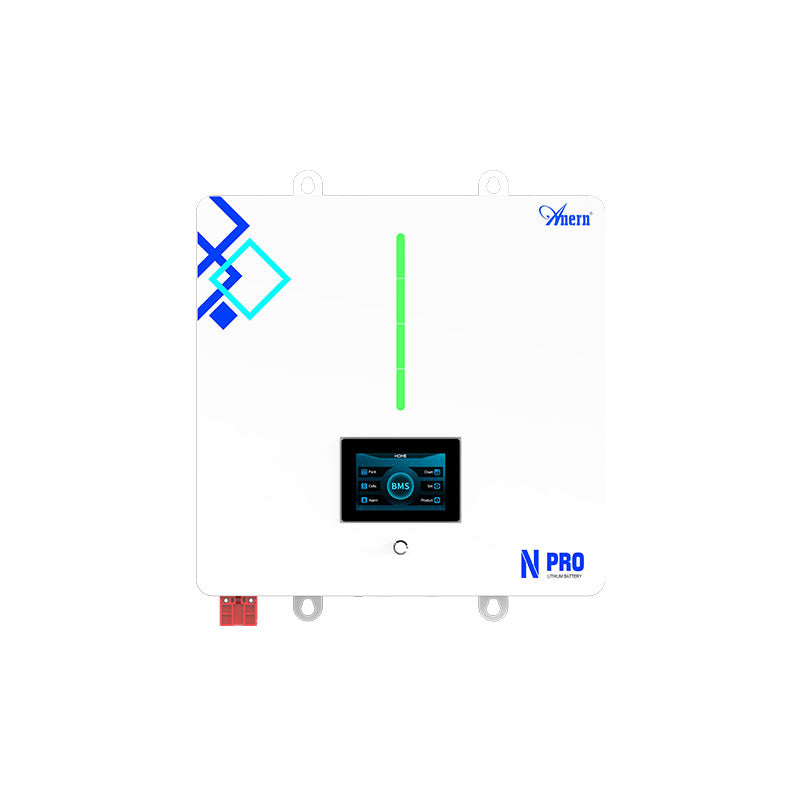
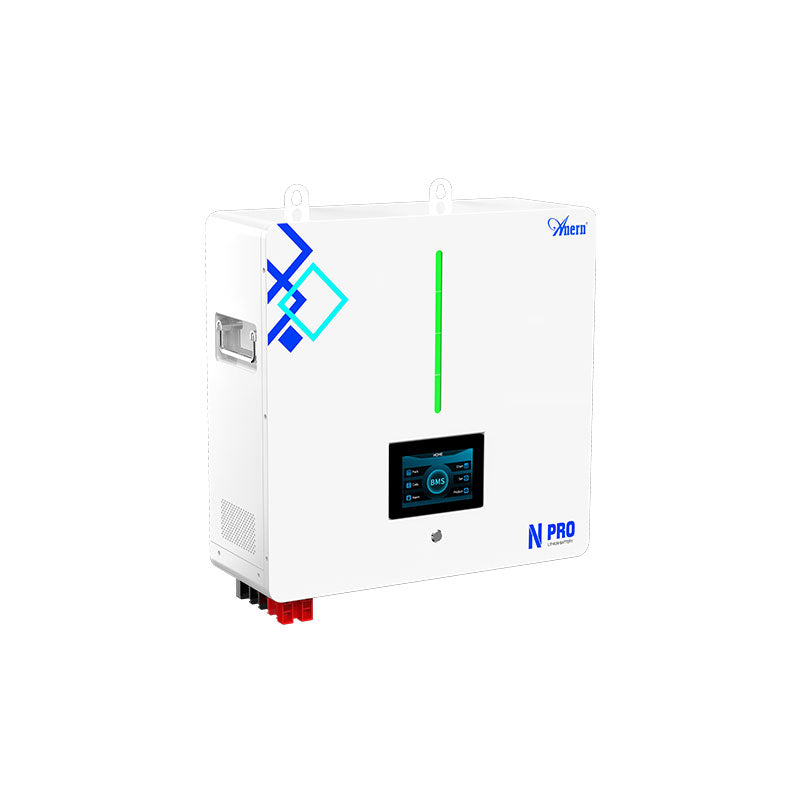
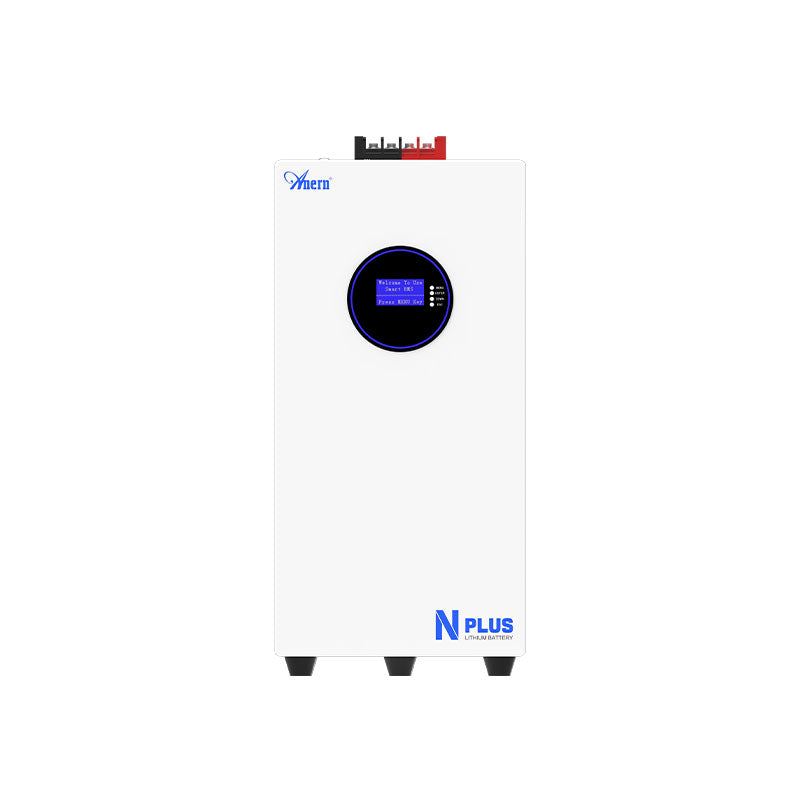
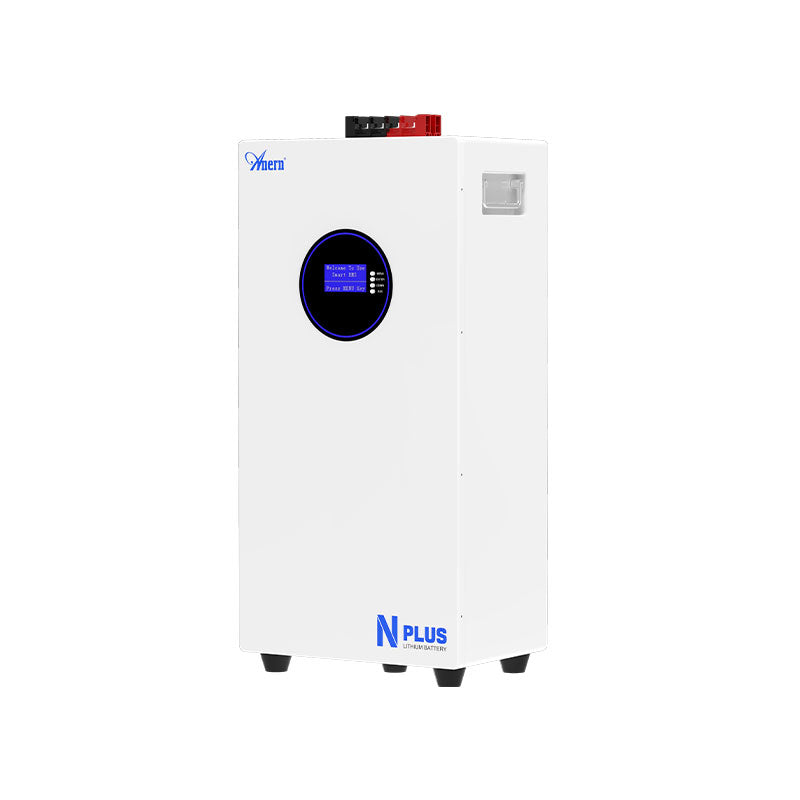
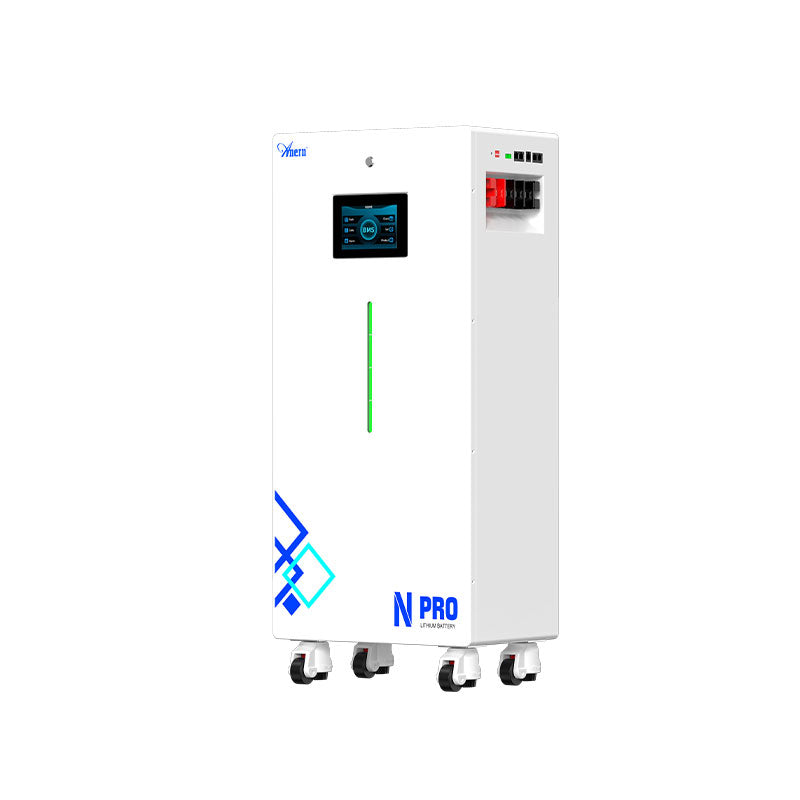
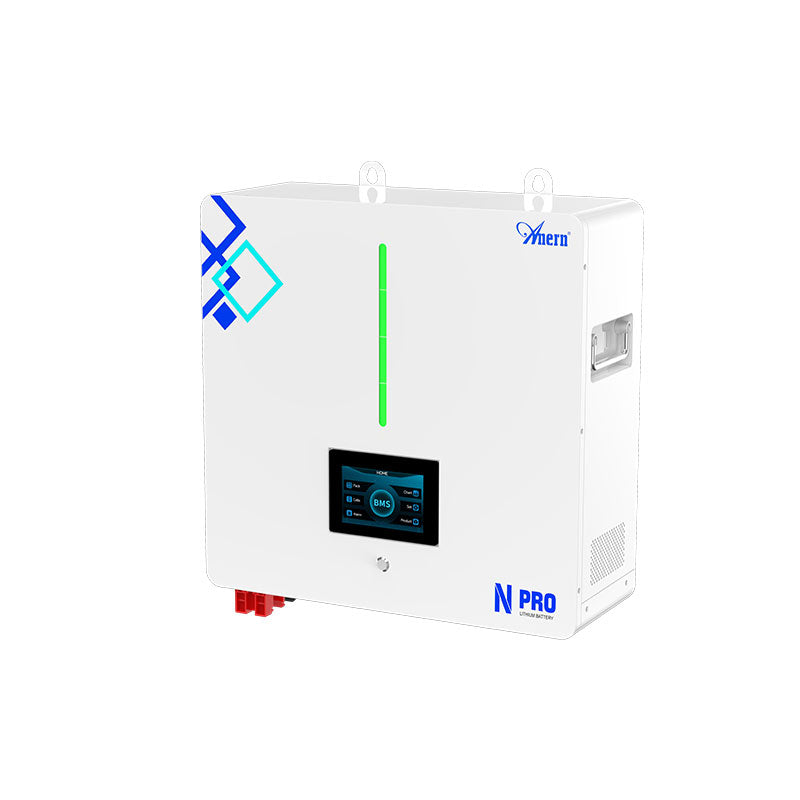
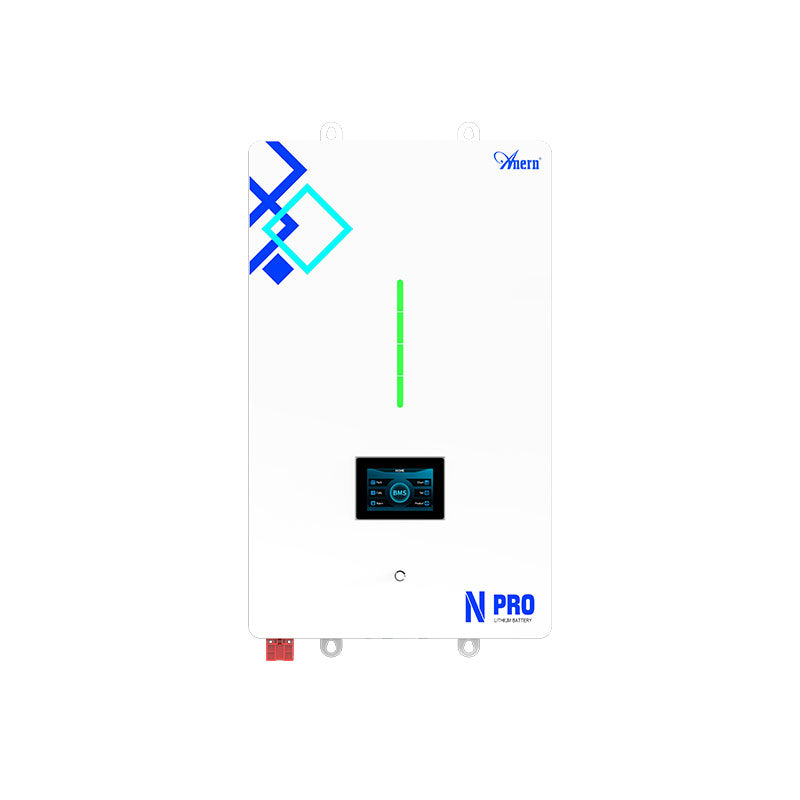
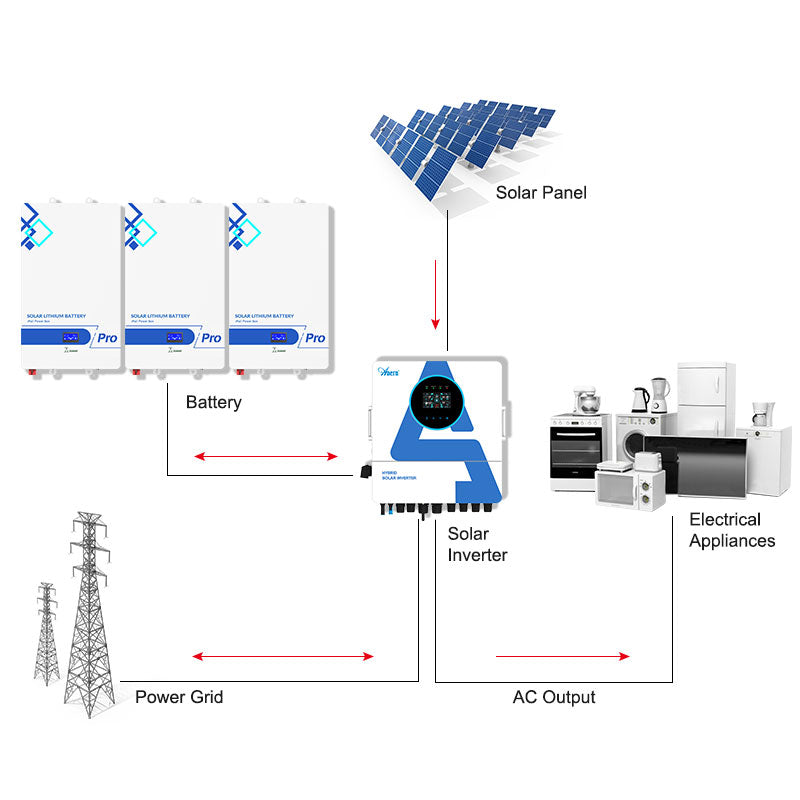
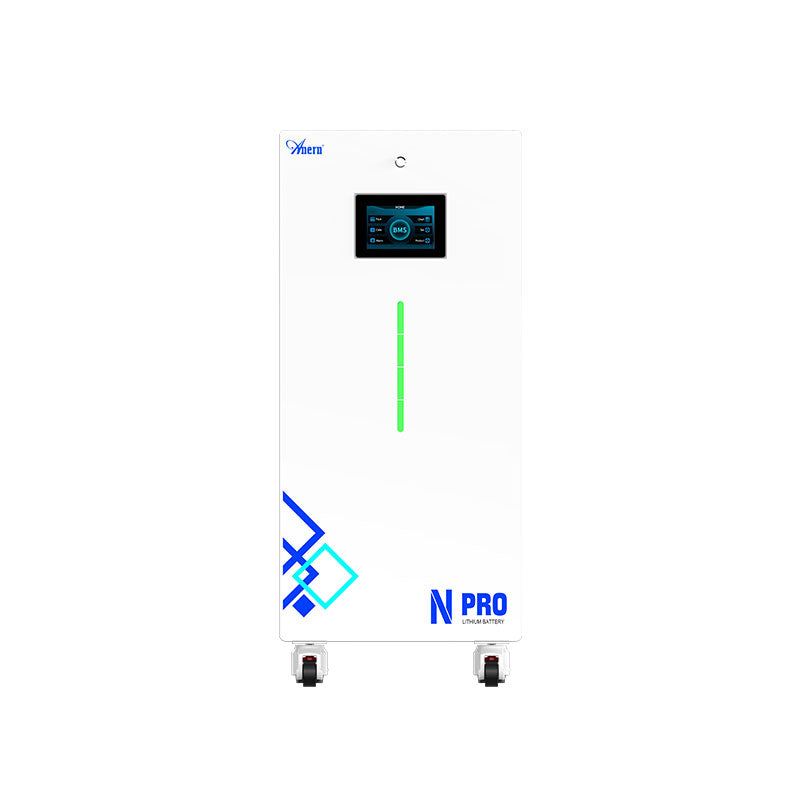
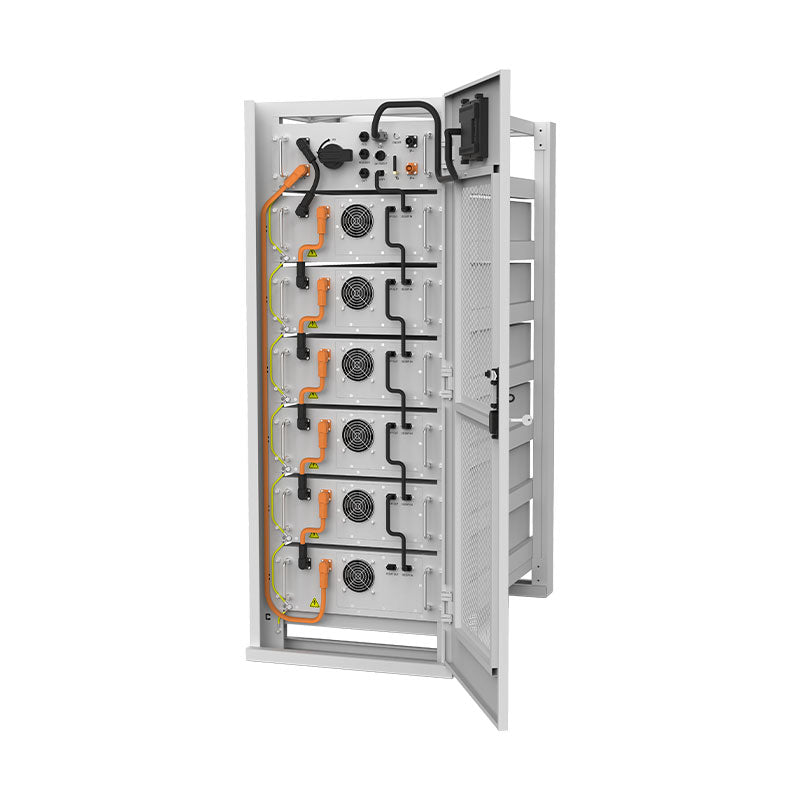
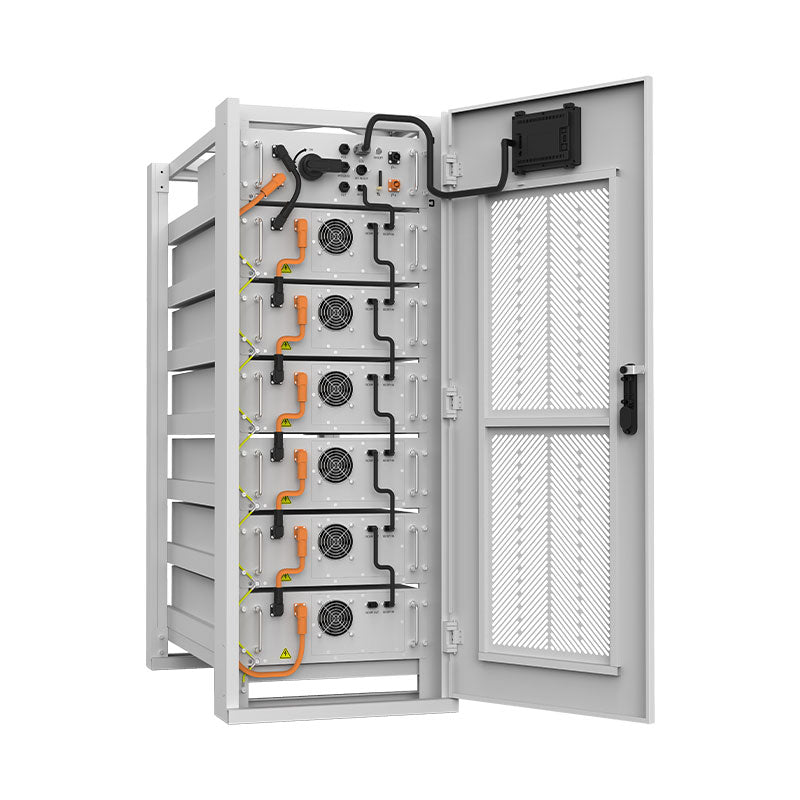
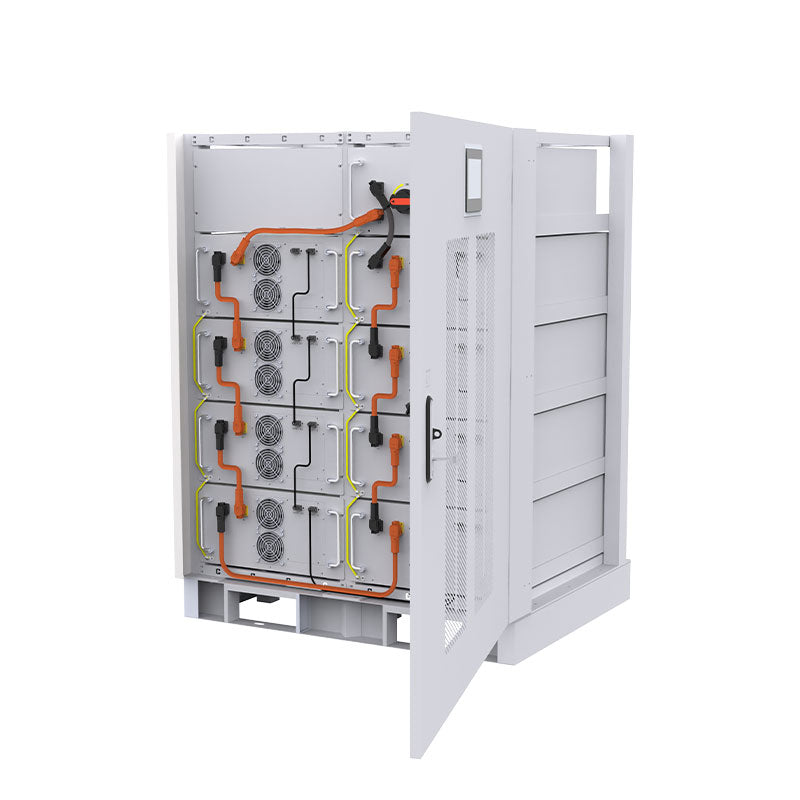
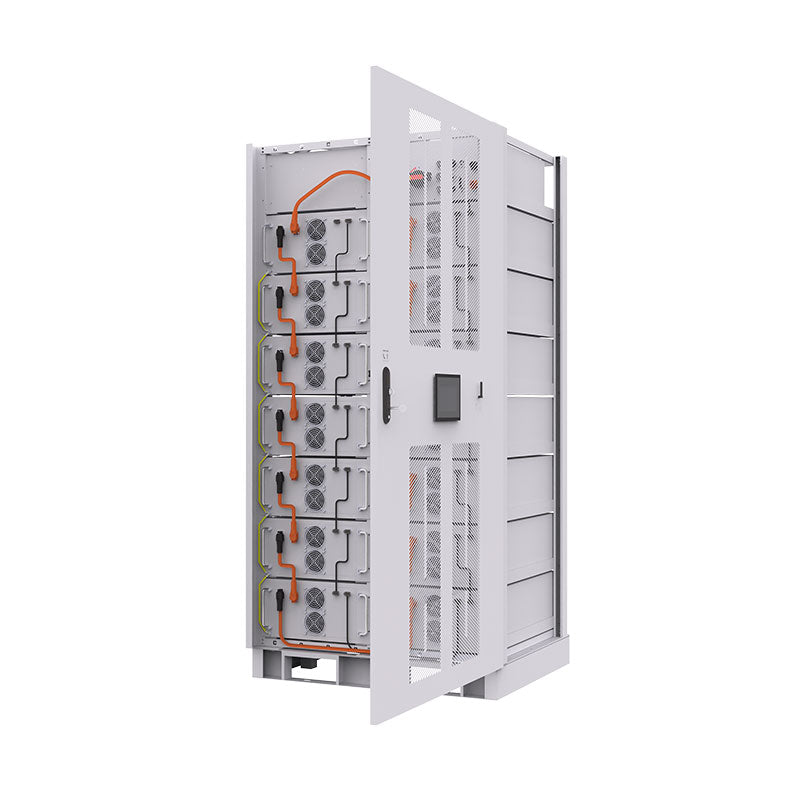
The energy your panels produce is managed by a charge controller, converted by an inverter, and stored in batteries. The health of your energy storage is especially critical. High-performance, reliable batteries, such as Lithium Iron Phosphate (LiFePO4) models, form the core of a resilient off-grid system. Regular maintenance ensures they can effectively store and deliver the power your clean panels generate, providing the energy independence you rely on.
Monitoring Performance for Proactive Upkeep
Your system's monitoring software is your best tool for proactive maintenance. By tracking daily energy production, you can establish a baseline for what's normal. A sudden or gradual drop in output that isn't related to cloudy weather is a clear signal that something needs attention. It could be soiling, a new source of shading, or a component issue. Understanding your system's performance metrics is key to identifying these issues early. A deep dive into metrics like State of Charge (SoC), Depth of Discharge (DoD), and system efficiency gives you a complete picture of your energy health. For a detailed breakdown of these critical performance indicators, see the Ultimate Reference for Solar & Storage Performance.
Advanced Diagnostics for Remote Systems
For those who manage large or critical off-grid systems, more advanced diagnostic tools can be invaluable. Thermal imaging cameras can quickly identify "hot spots" on panels, which may indicate a damaged cell or a faulty connection. Similarly, IV curve tracing provides a detailed performance snapshot of a panel or string of panels, helping to diagnose underperformance with precision. These tools are discussed further in Thermal Imaging, IV Tracing: Tools to Audit Remote Arrays.
Strategies to Minimize Maintenance and Maximize Output
While maintenance is unavoidable, smart planning during the design and installation phase can significantly reduce the long-term workload and improve system performance.
Smart System Design and Installation
Initial design choices have a lasting impact. For example, setting panels at a steep enough tilt angle can help rain effectively wash away loose dirt and allow snow to slide off more easily. Ensuring there is adequate access to the panels for cleaning is another simple but often overlooked consideration. Investing in an integrated off-grid solar solution from the start can also simplify upkeep. Systems that combine high-efficiency panels, a robust solar inverter, and a durable LiFePO4 battery are designed to work together seamlessly, reducing potential points of failure and streamlining maintenance.
Mitigating Environmental Factors
Proactive measures can counter the most common environmental challenges. To combat heavy soiling, there are several field-proven techniques you can employ, as outlined in 7 Field-Proven Ways to Cut Soiling Losses Off-Grid. For snowy climates, a long-handled, soft-headed snow rake can be a worthwhile investment. Finally, regular tree trimming to prevent shading is crucial, as even a small shadow on one panel can affect the output of an entire string of panels.
Securing Your Energy Independence
Maintaining your off-grid solar system is not just a chore; it is an essential practice for preserving your investment and your energy freedom. A proactive and consistent approach to cleaning, inspection, and system monitoring ensures your power source remains reliable, efficient, and durable for its full operational life.
By pairing diligent maintenance with a reliable and scalable energy solution, you take full control of your power. Our focus is on providing the foundational components—from LiFePO4 batteries and solar inverters to complete off-grid systems—that empower you to achieve true energy independence. With the right hardware and the right knowledge, you can enjoy the benefits of off-grid living with confidence and peace of mind.
Disclaimer: This guide provides general information and recommendations. Always prioritize safety. Shut down your system before performing any maintenance. For complex electrical work or if you are unsure about any procedure, please consult a qualified solar installation professional. This content does not constitute professional investment or legal advice.
